The Story
Plant Bio
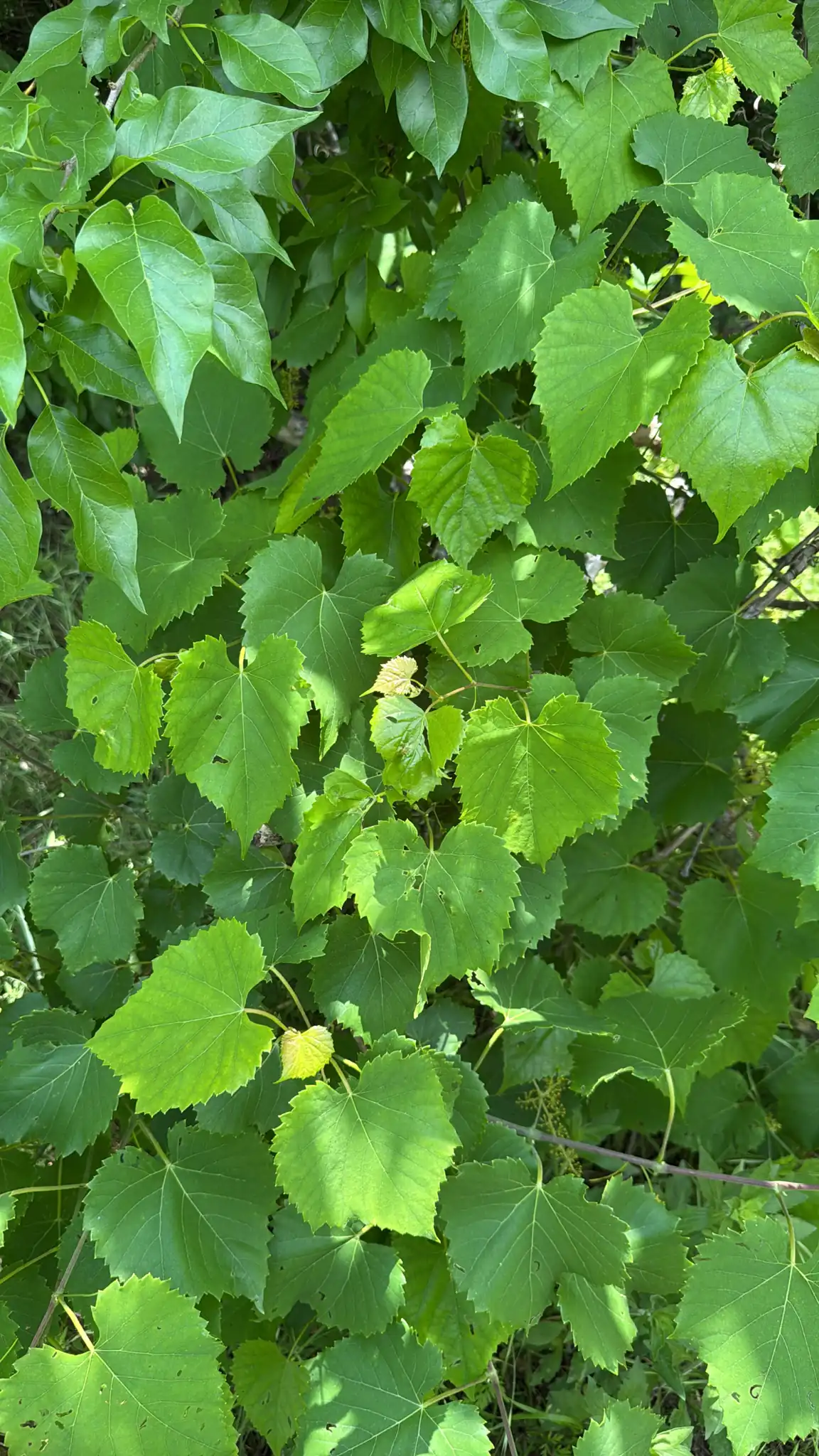
Vitis vulpina, the frost grape, is a vigorous, woody deciduous vine native to central and eastern North America, climbing up to seventy feet by means of twining tendrils. The simple, alternate, broadly cordate leaves are coarsely toothed and emerge light green to reddish-green in spring.
This species is distinguished by its highly fragrant, small, yellow-green flowers borne in loose panicles that give way to small, tart black grapes. The fruit sweetens significantly after the first autumn frost, providing a critical late-season food source for native birds and mammals.
Uses & Benefits:
Essentials
At a Glance
Plant Type
Vine
Height
866"
Width
394"
Light
Full Sun, Partial Sun
Zones
4, 5, 6, 7, 8
Water
Moderate
Humidity
High
Lifespan
Perennial
Native To
North America
Toxicity
Non-toxic
Bloom period
Late spring – Early summer
In flower about 2 months of the year
Marketplace
Where to Buy
Shipping costs Year-round shipping Free shipping
Planting
How to Grow
- Select a planting site in full sun to partial shade with well-drained loam, clay, or sandy soil.
- Install a sturdy trellis, arbor, or fence before planting to support the heavy mature weight of the vine.
- Plant dormant bare-root whips or container stock in early spring, watering thoroughly to settle the soil.
- Train the main shoot upward to establish a permanent trunk, removing competing lateral shoots during the first growing season.
Pro Tip
Prune vines annually in late winter during dormancy to maintain a single trunk and clear lateral fruiting canes; cutting heavily into old, leafless structural wood prevents proper renewal.
Keep It Thriving
Care Guide
Do
- Prune annually in late winter to remove dead wood and control the vigorous spread.
- Provide strong, permanent structural support to prevent the vine from smothering adjacent trees.
- Ensure the soil has moderate to good drainage to prevent root rot.
Don't
- Do not apply excessive nitrogen fertilizer, which stimulates lush foliage at the expense of fruit production.
- Do not allow the vine to climb unchecked over young or delicate garden trees.
- Do not prune heavily into old, leafless structural wood without a plan for trunk renewal.
Seasonal Care Calendar
| Task | Jan | Feb | Mar | Apr | May | Jun | Jul | Aug | Sep | Oct | Nov | Dec |
|---|---|---|---|---|---|---|---|---|---|---|---|---|
| Harvest | ||||||||||||
| Pest Check | ||||||||||||
| Prune | ||||||||||||
| Winter Prep |
Watch Out For
Pests & Diseases
Common Pests
Common Diseases
In the Garden
Landscape Uses & Companions
Landscape Uses
Companion Plants
Multiply
Propagation Methods
Good to Know
Common Questions
Frost Grape questions
What zones can Frost Grape grow in?
Frost Grape is hardy in USDA Zones 4–8. Inside that range it survives winter in the ground; outside it, grow it as an annual or a container plant you protect.
Is Frost Grape deer resistant?
Not reliably. Deer may browse Frost Grape, especially tender spring growth — plan on repellents or fencing where pressure is high.
When does Frost Grape bloom?
Frost Grape typically blooms in late spring through early summer. Exact timing shifts a week or two with your zone — Sow's bloom calendar maps it to your garden.
Does Frost Grape need full sun?
Frost Grape does best in full sun to part shade. In hot climates, afternoon shade keeps blooms fresher longer.
Is Frost Grape drought tolerant?
Yes — once established (usually after the first full season), Frost Grape handles dry spells with minimal watering. Water deeply its first year to build the root system that makes that possible.
More Vitis to compare
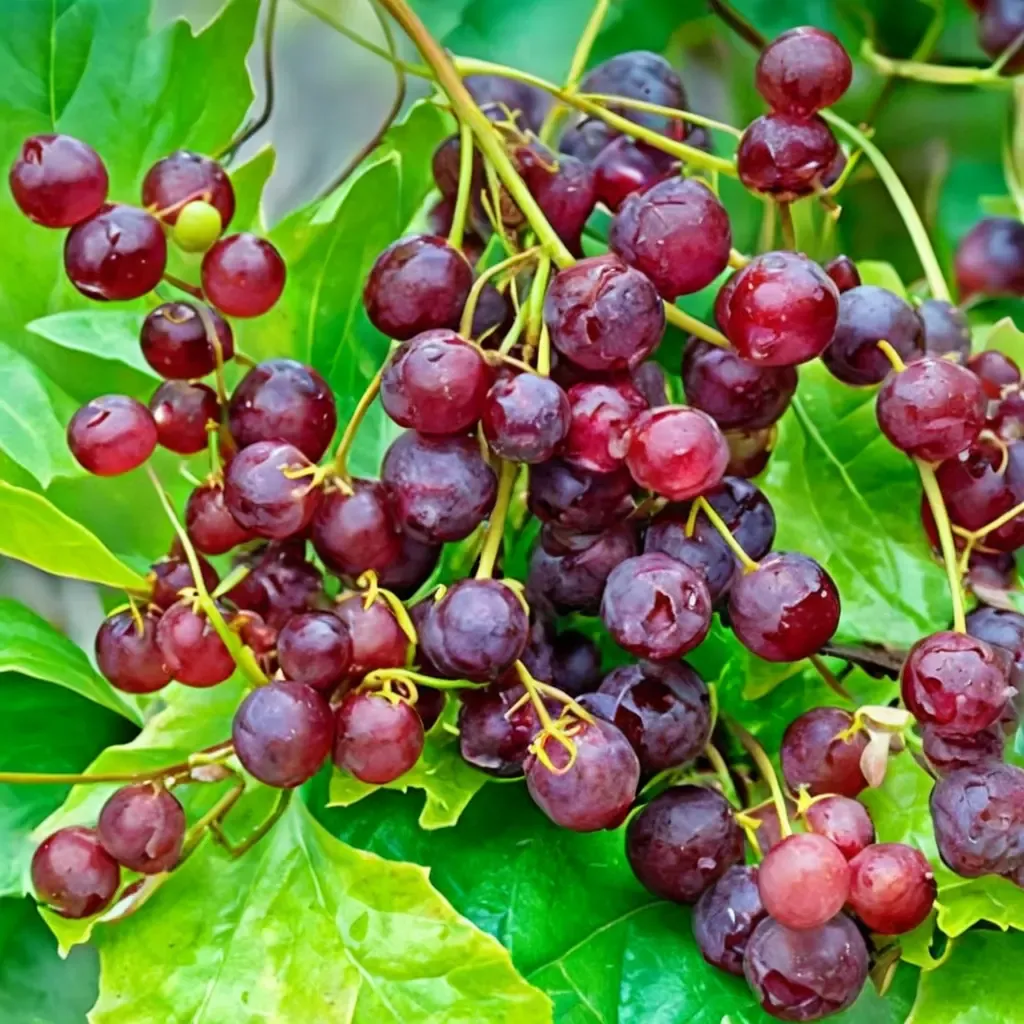
RazzMatazz Grape
Vitis vinifera 'RazzMatazz'
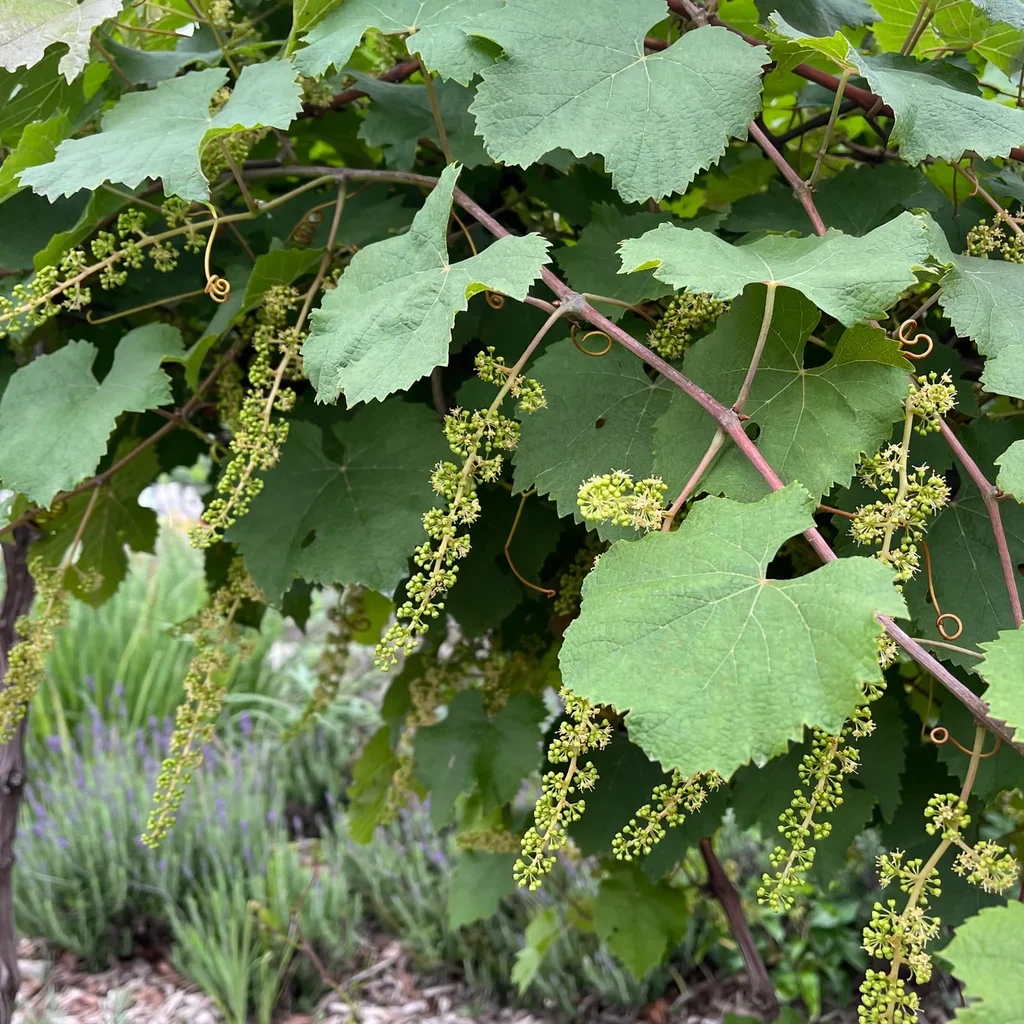
Roger's Red Grape
Vitis x californica 'Roger's Red'
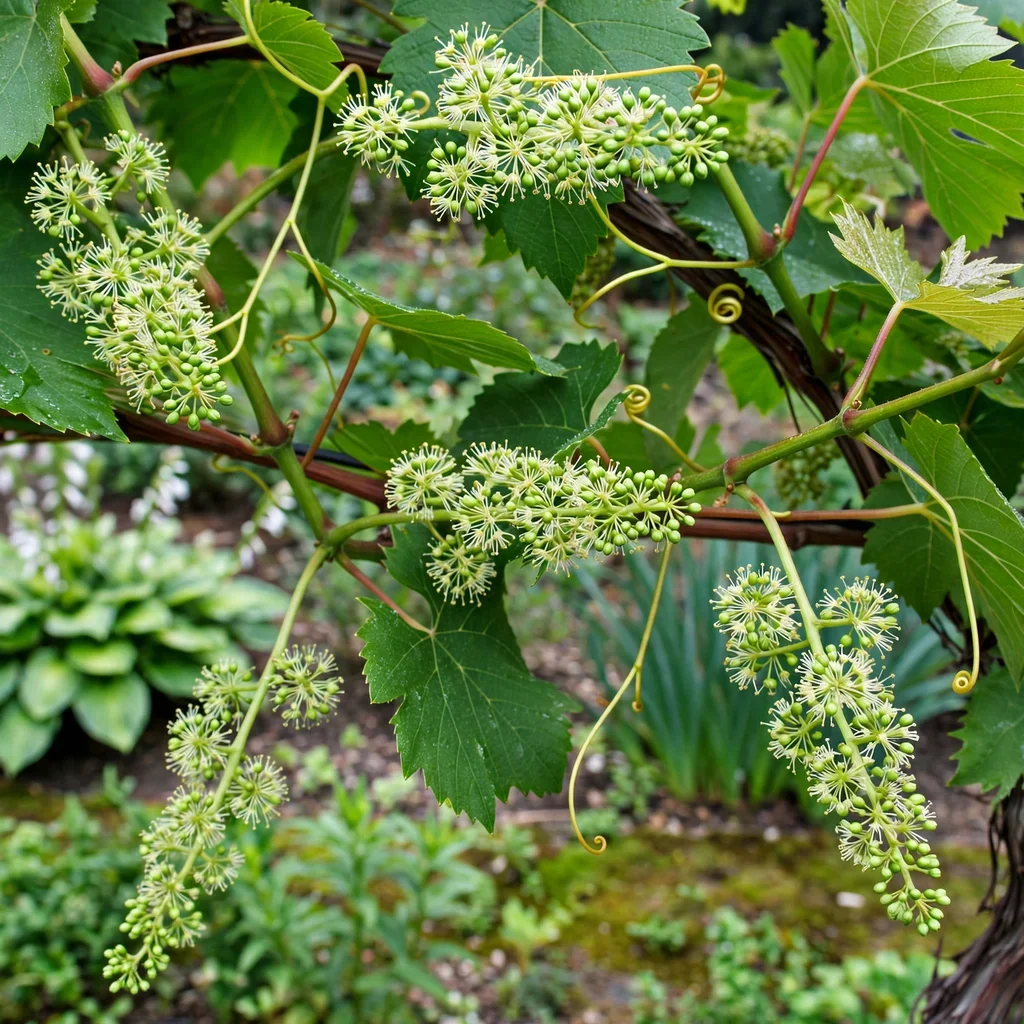
Cabernet Sauvignon Grape
Vitis vinifera 'Cabernet Sauvignon Tulip Blend'
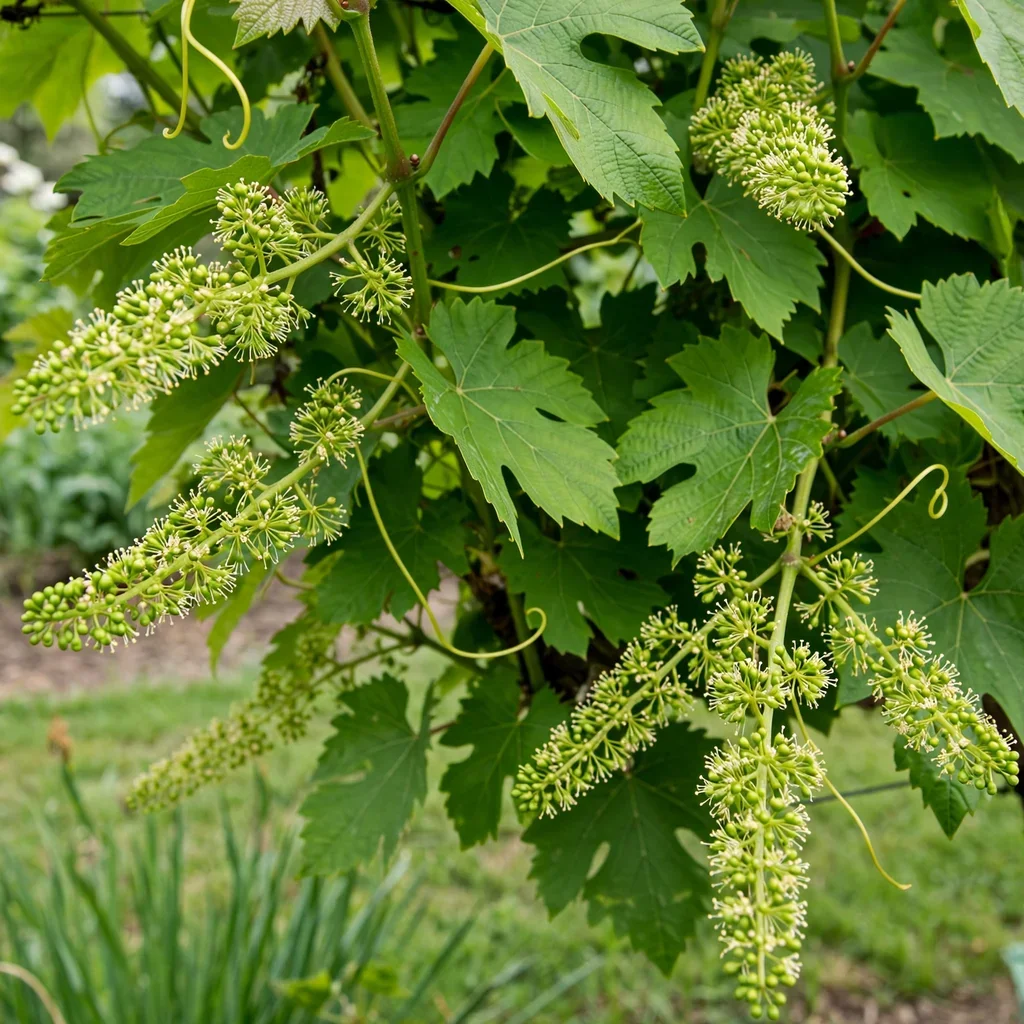
Thompson Seedless Grape
Vitis vinifera 'Thompson Seedless'
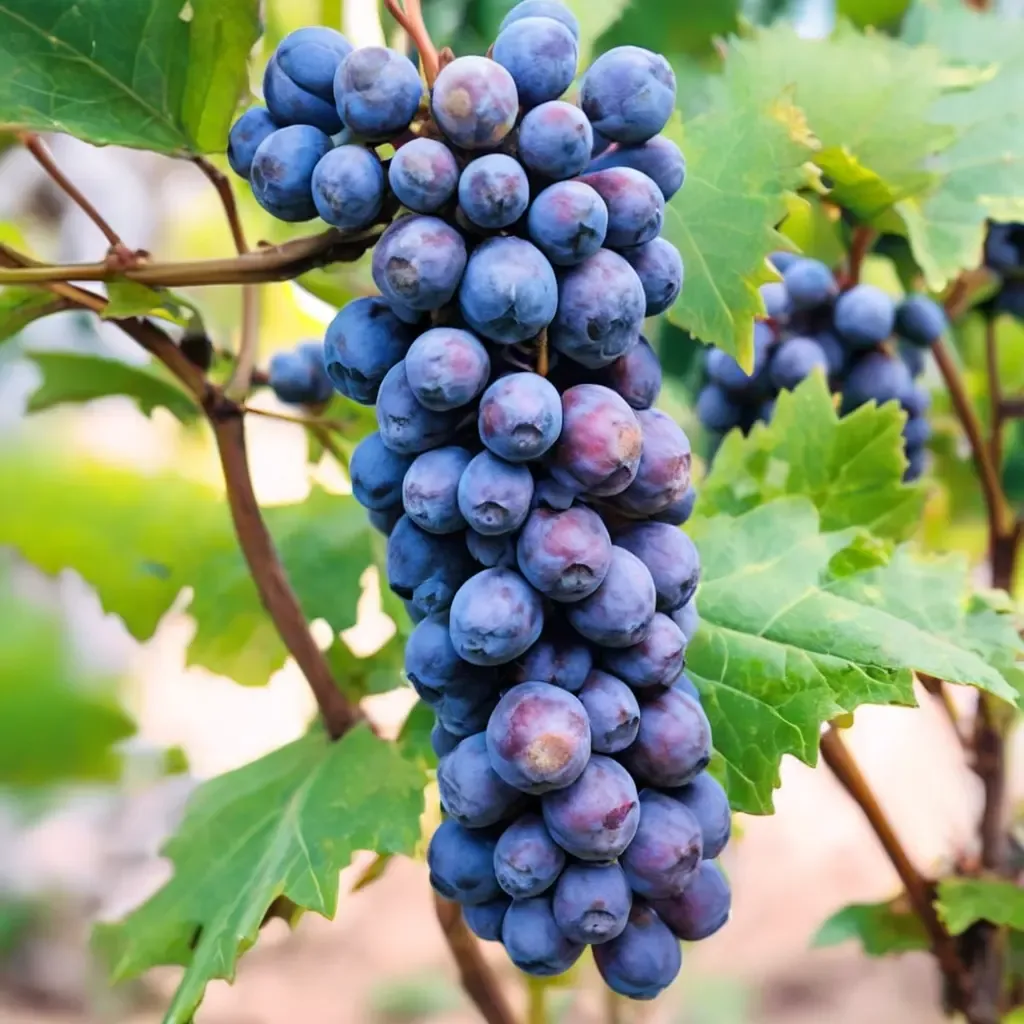
Blue Concord Seedless Grape
Vitis vinifera 'Blue Concord Seedless'
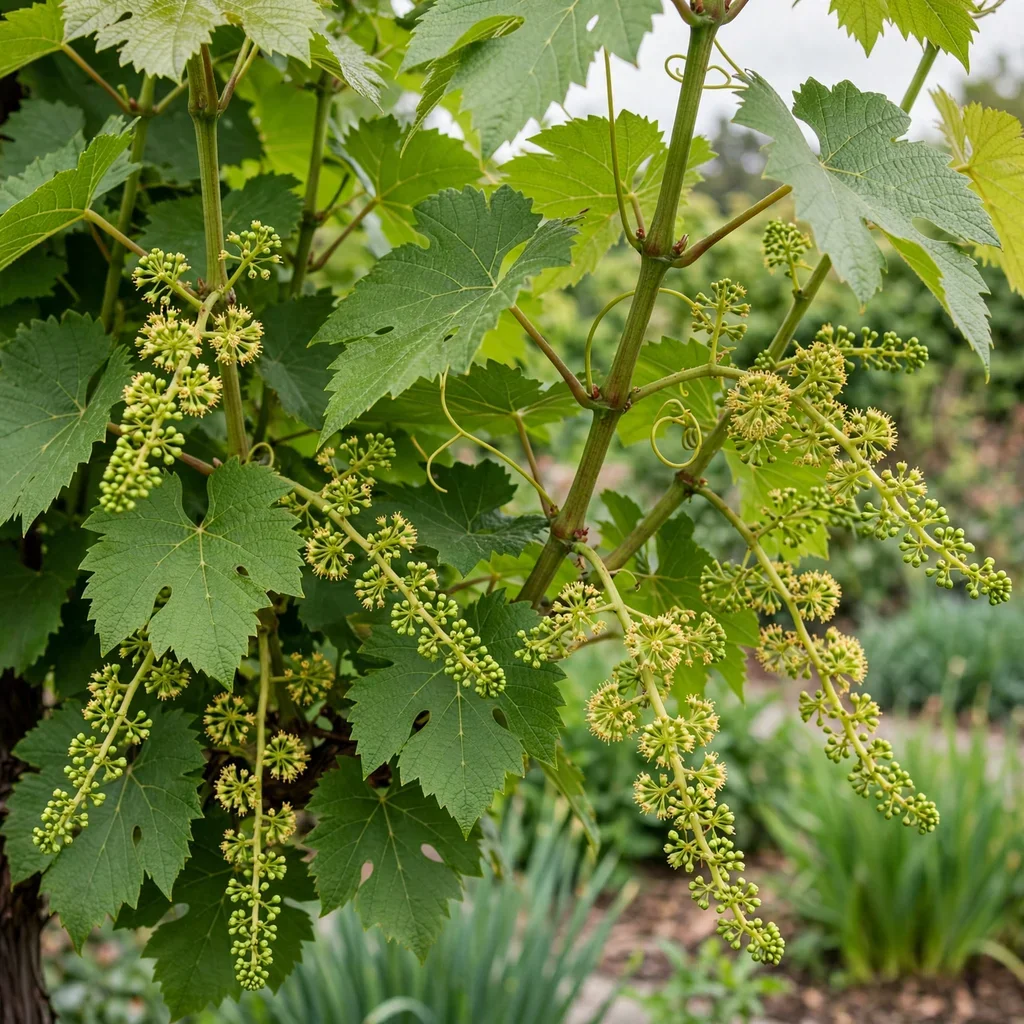
Emeryville Pink Grape
Vitis vinifera 'Emeryville Pink'
Keep exploring
Explore the genus
Hardy in your zone?
Grow Frost Grape with confidence
See it in a design of your actual yard, get zone-matched care reminders, and track it season by season in your garden journal.