The Story
Plant Bio
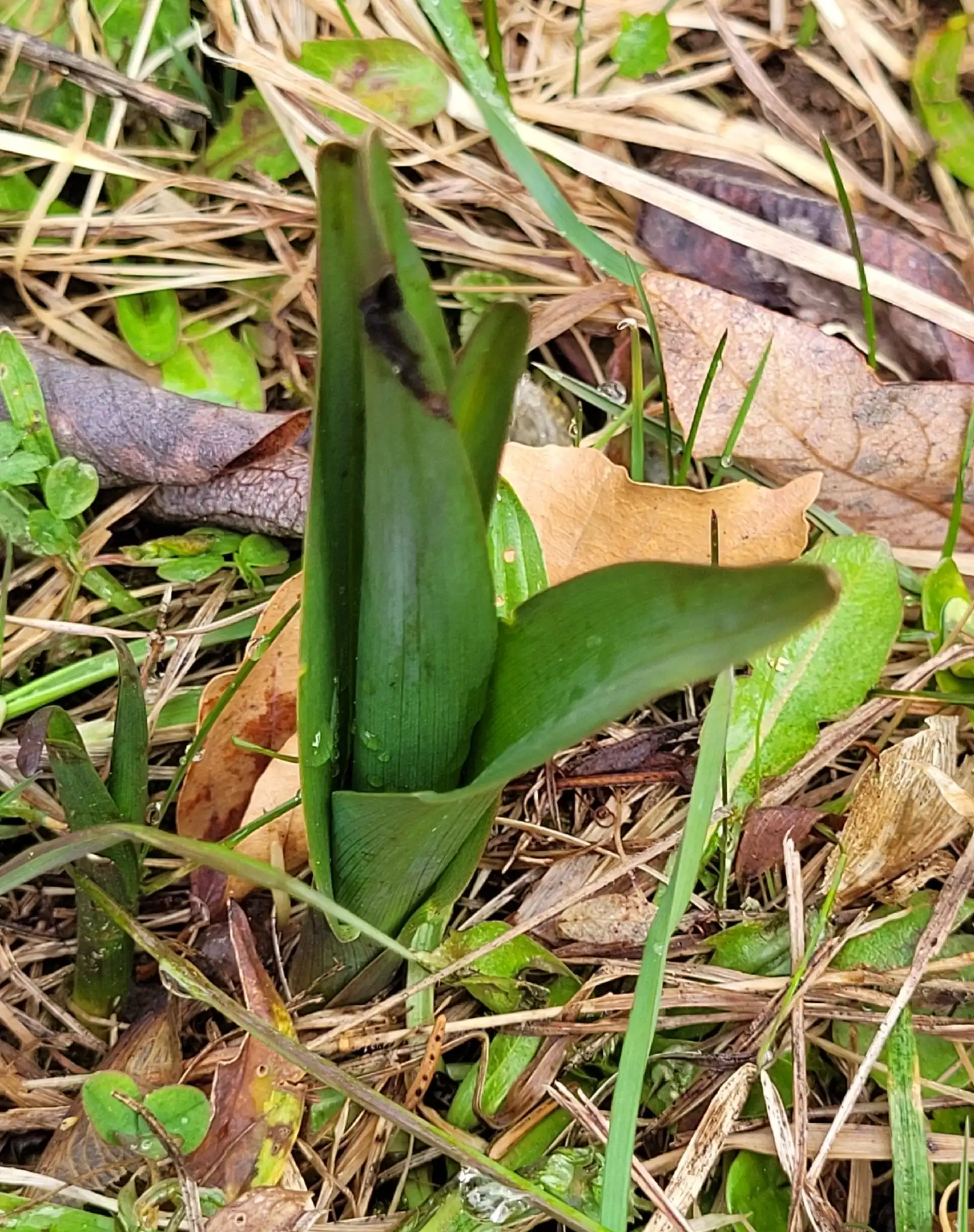
Colchicum autumnale is a cormous perennial geophyte native to Europe and North Africa, known for its unusual hysteanthous growth habit. Goblet-shaped, lavender-pink to white flowers emerge directly from the bare soil in late summer and fall, while the broad, strap-like leaves appear only in spring before dying back by midsummer.
This species is highly toxic in all parts due to the presence of the alkaloid colchicine, making it completely resistant to deer and rabbits. It is easily distinguished from true autumn crocuses by its six stamens, compared to the three found in the genus Crocus.
Uses & Benefits:
Essentials
At a Glance
Plant Type
Bulb Corm Tuber
Height
10"
Width
8"
Light
Full Sun, Partial Sun
Zones
4, 5, 6, 7, 8, 9
Water
Moderate
Humidity
Unknown
Lifespan
Perennial
Native To
Europe, North Africa
Toxicity
Highly toxic; contains colchicine
Bloom period
Late summer – Fall
In flower about 4 months of the year
Planting
How to Grow
- Plant corms in late summer at a depth of 3 to 4 inches in a location receiving full sun to partial shade.
- Ensure the soil is organically rich and exceptionally well-drained to prevent corm rot during wet periods.
- Allow the strap-shaped spring foliage to grow, yellow, and wither completely naturally by early summer.
- Divide overcrowded clumps every three years during their mid-summer dormant phase by separating the daughter corms.
Pro Tip
Never cut back or tidy the unsightly spring foliage while it is still green; early removal halts photosynthesis and starves the underground corm, preventing the autumn bloom.
Keep It Thriving
Care Guide
Do
- Plant corms immediately upon arrival in late summer.
- Ensure sharp soil drainage to prevent fungal rot.
- Wear gloves when handling corms to avoid contact dermatitis.
Don't
- Do not cut or trim green spring leaves prematurely.
- Do not overwater during the summer dormancy period.
- Do not plant where livestock, pets, or children can access and ingest the toxic tissues.
Seasonal Care Calendar
| Task | Jan | Feb | Mar | Apr | May | Jun | Jul | Aug | Sep | Oct | Nov | Dec |
|---|---|---|---|---|---|---|---|---|---|---|---|---|
| Divide | ||||||||||||
| Fertilize | ||||||||||||
| Pest Check | ||||||||||||
| Plant |
Watch Out For
Pests & Diseases
Common Pests
Common Diseases
In the Garden
Landscape Uses & Companions
Landscape Uses
Companion Plants
Multiply
Propagation Methods
Good to Know
Common Questions
Autumn Crocus questions
What zones can Autumn Crocus grow in?
Autumn Crocus is hardy in USDA Zones 4–9. Inside that range it survives winter in the ground; outside it, grow it as an annual or a container plant you protect.
Is Autumn Crocus deer resistant?
Yes — Autumn Crocus is rated deer-resistant. Deer typically pass it over, though extreme hunger can override any plant's defenses.
When does Autumn Crocus bloom?
Autumn Crocus typically blooms in late summer through fall. Exact timing shifts a week or two with your zone — Sow's bloom calendar maps it to your garden.
Does Autumn Crocus need full sun?
Autumn Crocus does best in full sun to part shade. In hot climates, afternoon shade keeps blooms fresher longer.
Is Autumn Crocus drought tolerant?
Yes — once established (usually after the first full season), Autumn Crocus handles dry spells with minimal watering. Water deeply its first year to build the root system that makes that possible.
Keep exploring
Explore the genus
Grow Autumn Crocus with confidence
See it in a design of your actual yard, get zone-matched care reminders, and track it season by season in your garden journal.