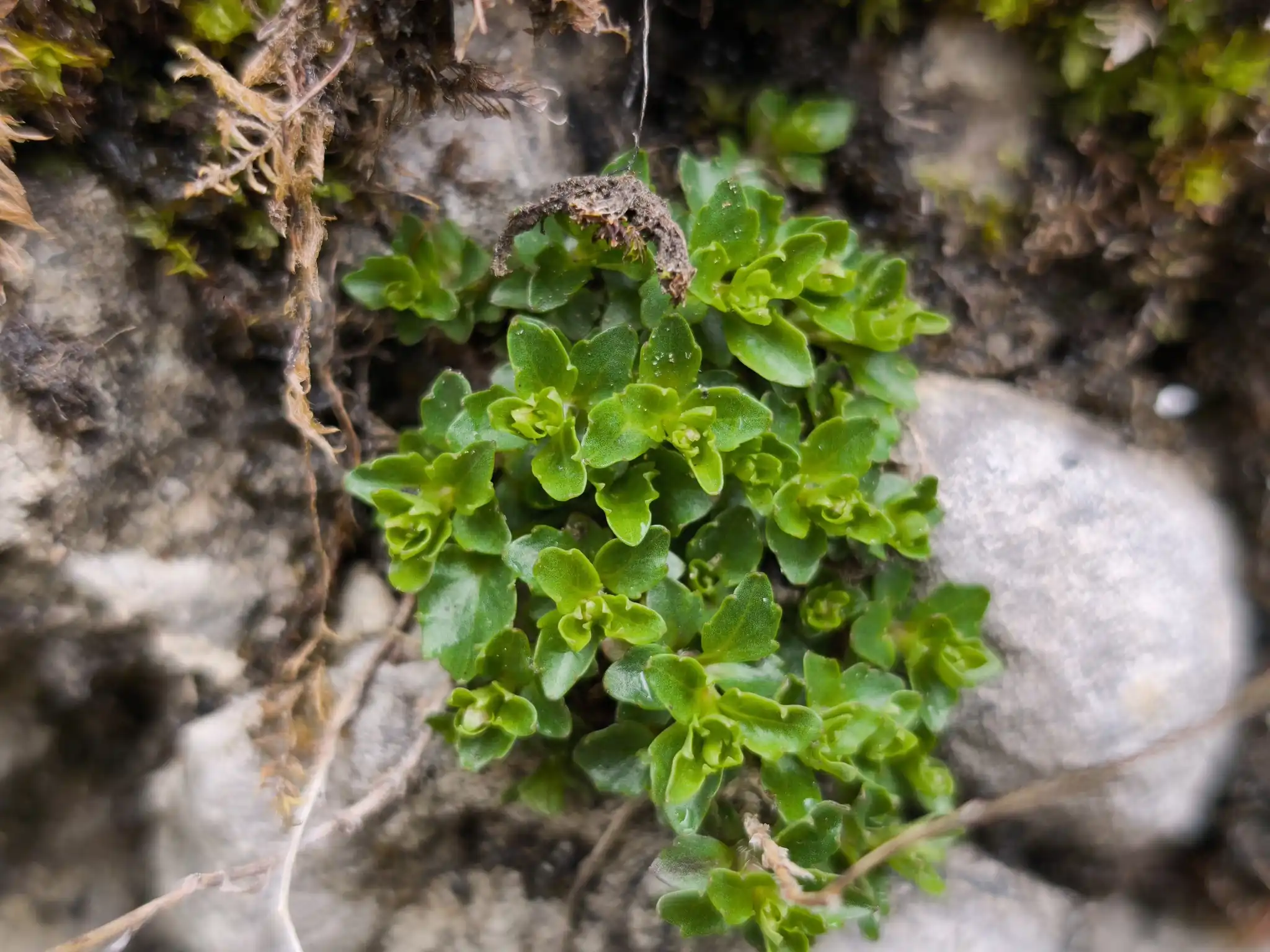
The Story
Plant Bio
Campanula cochleariifolia, known as fairy's-thimble, is a low-growing, mat-forming perennial native to the mountain ranges of Central and Southern Europe. The plant spreads via creeping stolons to form tight, ground-hugging cushions of tiny, bright green, spoon-shaped leaves.
Nodding, single or loosely clustered bell-shaped flowers in shades of light blue, lavender, or white dangle on slender, wiry stems rising above the foliage mat from late spring to mid-summer. The foliage and flowers are completely non-toxic and edible, carrying a mild, pleasant flavor.
Uses & Benefits:
Essentials
At a Glance
Plant Type
Perennial
Height
6"
Width
24"
Light
Full Sun, Partial Sun
Zones
4, 5, 6, 7, 8, 9
Water
Moderate
Humidity
Low
Lifespan
Perennial
Native To
Europe
Toxicity
Non-toxic
Bloom period
Late spring – Summer
In flower about 4 months of the year
Planting
How to Grow
- Select a planting site with full sun in cool northern regions, or partial afternoon shade in warmer climates.
- Incorporate grit, gravel, or crushed limestone into the soil to ensure sharp, exceptional drainage.
- Space plants 6 to 12 inches apart to allow the creeping stolons room to spread into a dense mat.
- Water regularly to maintain even moisture during the establishment phase, avoiding waterlogged conditions.
Pro Tip
Plant strictly in gritty, lean, and exceptionally well-drained substrates like rock gardens or alpine troughs; rich, moisture-retaining loams or heavy clays invariably cause crown and root rot.
Keep It Thriving
Care Guide
Do
- Cut back spent flowering stems completely after the primary bloom cycle to encourage clean foliage.
- Divide congested clumps every two to four years in spring to maintain plant vigor.
- Provide afternoon shade in regions with hot summer climates to prevent heat stress.
Don't
- Do not plant in heavy clay or rich, moisture-retaining loam that holds winter moisture.
- Do not shear the tight foliage mats back into old, leafless wood.
- Do not over-fertilize, as excess nutrients lead to weak, leggy growth and rot.
Seasonal Care Calendar
| Task | Jan | Feb | Mar | Apr | May | Jun | Jul | Aug | Sep | Oct | Nov | Dec |
|---|---|---|---|---|---|---|---|---|---|---|---|---|
| Deadhead | ||||||||||||
| Fertilize | ||||||||||||
| Pest Check | ||||||||||||
| Spring Cleanup |
Watch Out For
Pests & Diseases
Common Pests
Common Diseases
In the Garden
Landscape Uses & Companions
Landscape Uses
Multiply
Propagation Methods
Good to Know
Common Questions
Fairy's-thimble questions
What zones can Fairy's-thimble grow in?
Fairy's-thimble is hardy in USDA Zones 4–9. Inside that range it survives winter in the ground; outside it, grow it as an annual or a container plant you protect.
When does Fairy's-thimble bloom?
Fairy's-thimble typically blooms in late spring through summer. Exact timing shifts a week or two with your zone — Sow's bloom calendar maps it to your garden.
Does Fairy's-thimble need full sun?
Fairy's-thimble does best in full sun to part shade. In hot climates, afternoon shade keeps blooms fresher longer.
More Campanula to compare
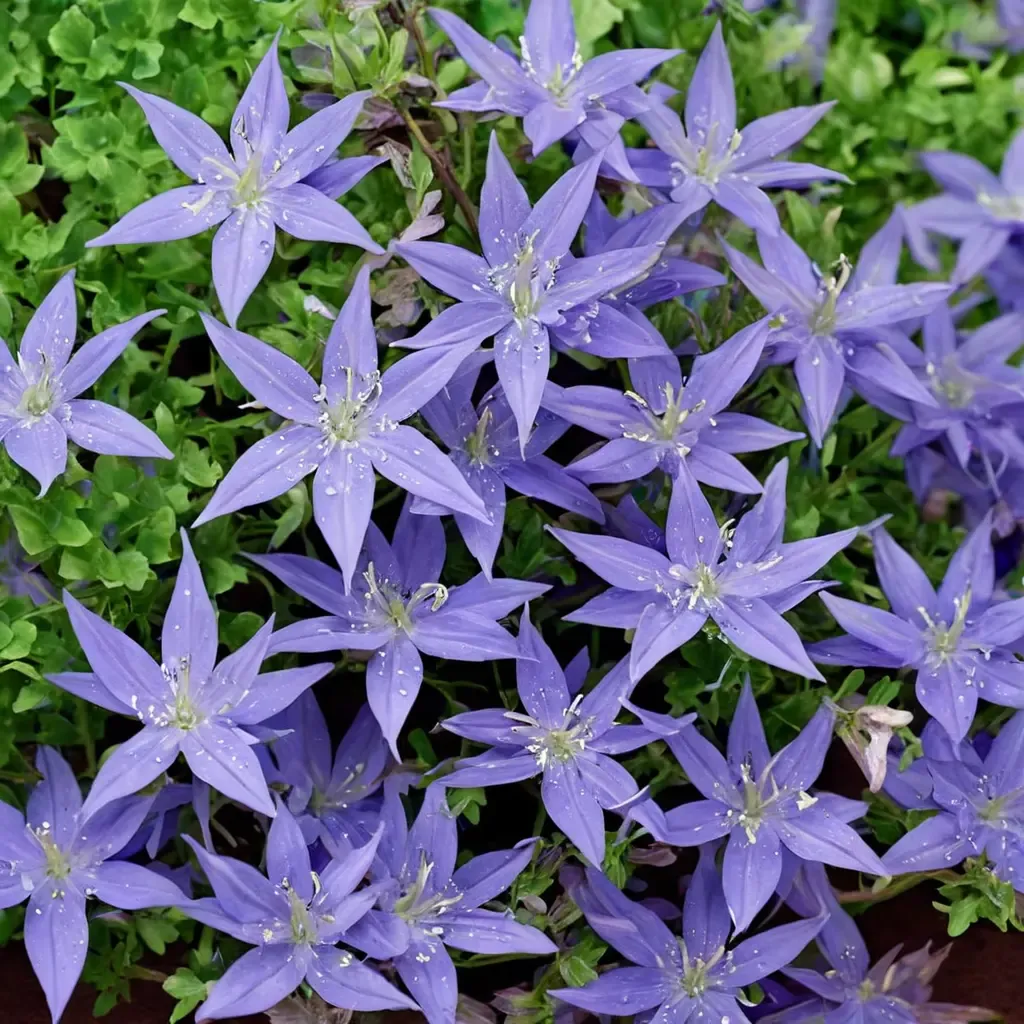
Blue Waterfall Bellflower
Campanula poscharskyana 'Blue Waterfall'
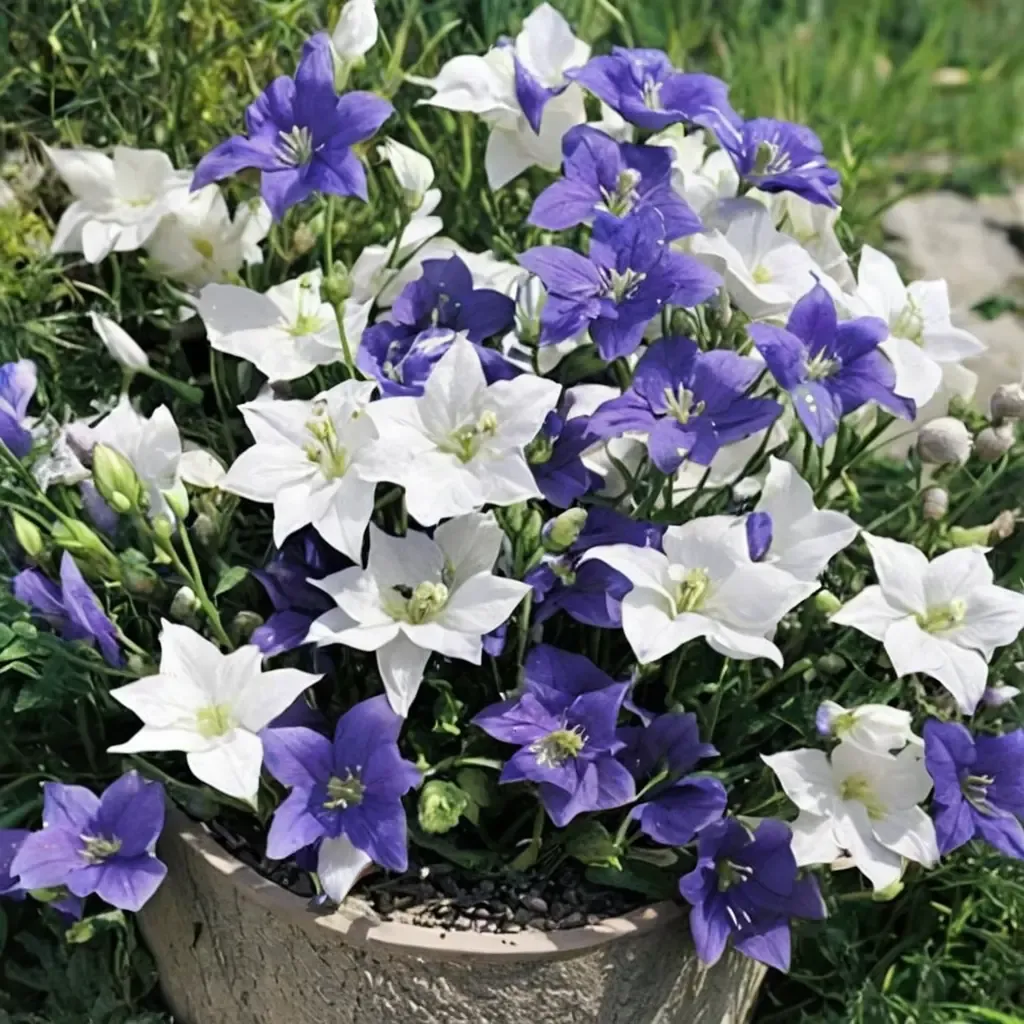
Carpathian Bellflower
Campanula carpatica 'Mix'

Prichard Milky Bellflower
Campanula lactiflora 'Prichard'
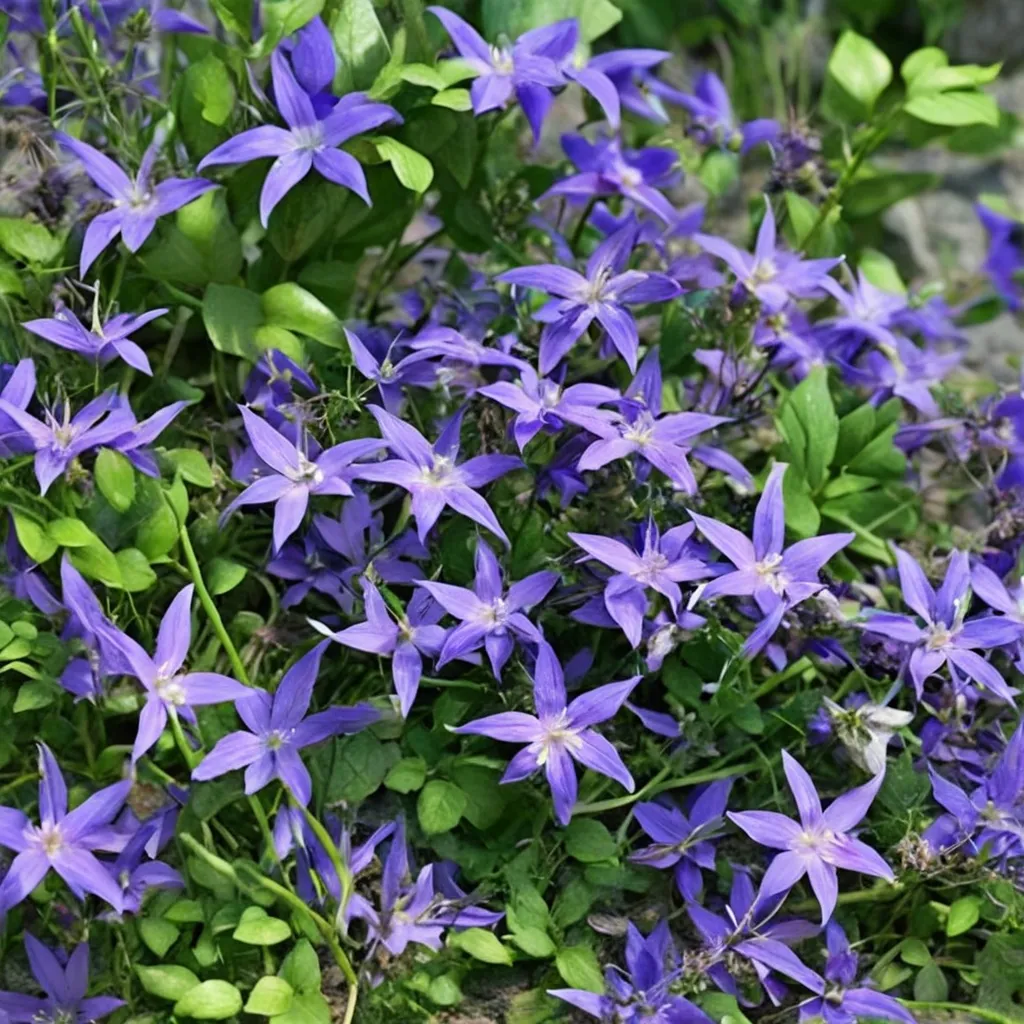
Serrated Bellflower
Campanula poscharskyana 'Stella'
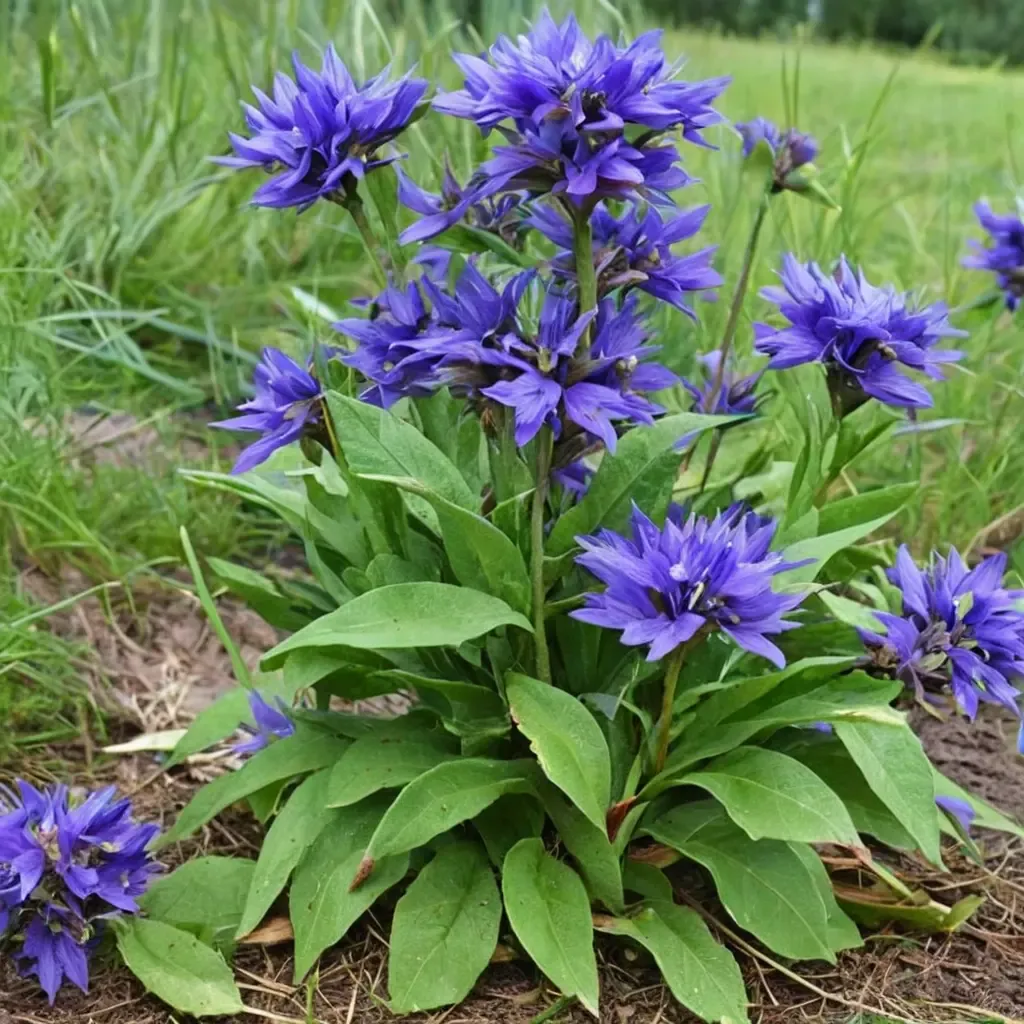
Clustered Bellflower
Campanula glomerata
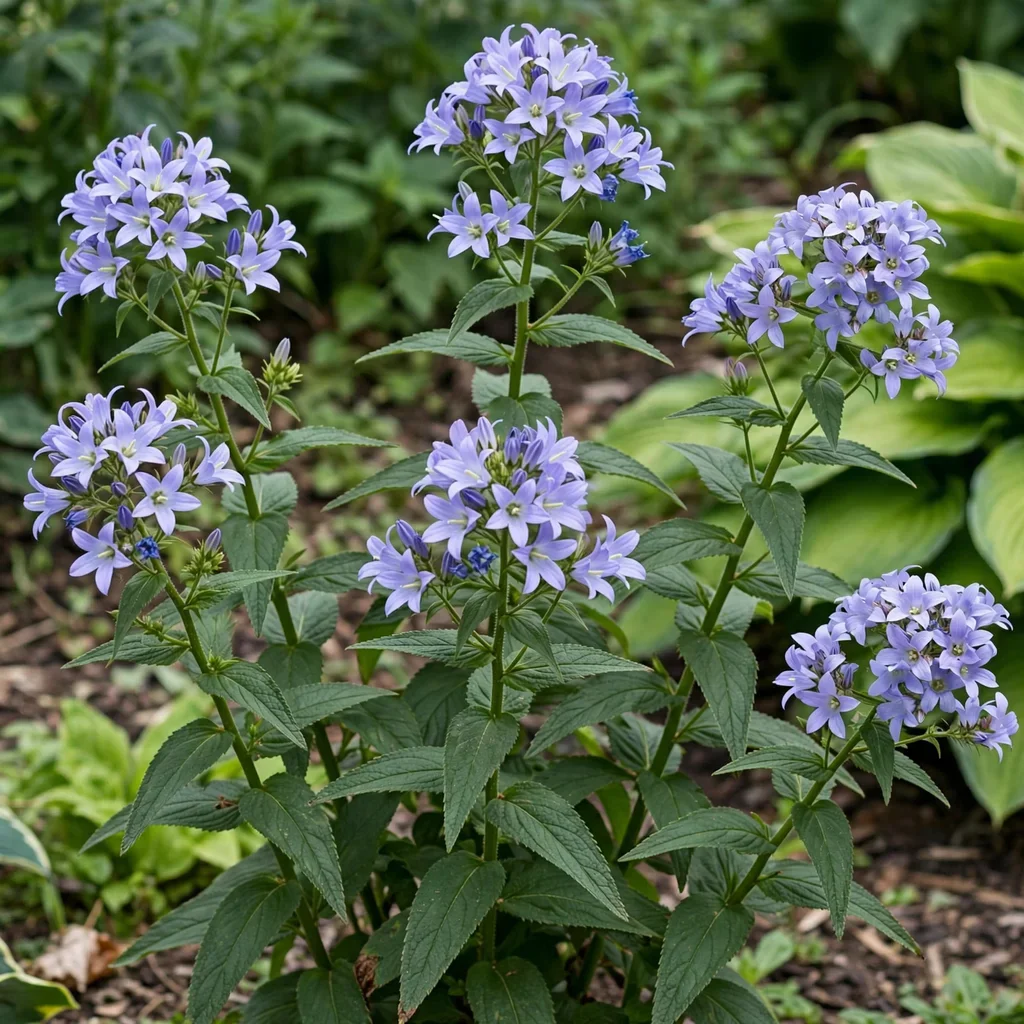
Prichard's Variety Milky Bellflower
Campanula lactiflora 'Prichard's Variety'
Keep exploring
Explore the genus
Grow Fairy's-thimble with confidence
See it in a design of your actual yard, get zone-matched care reminders, and track it season by season in your garden journal.