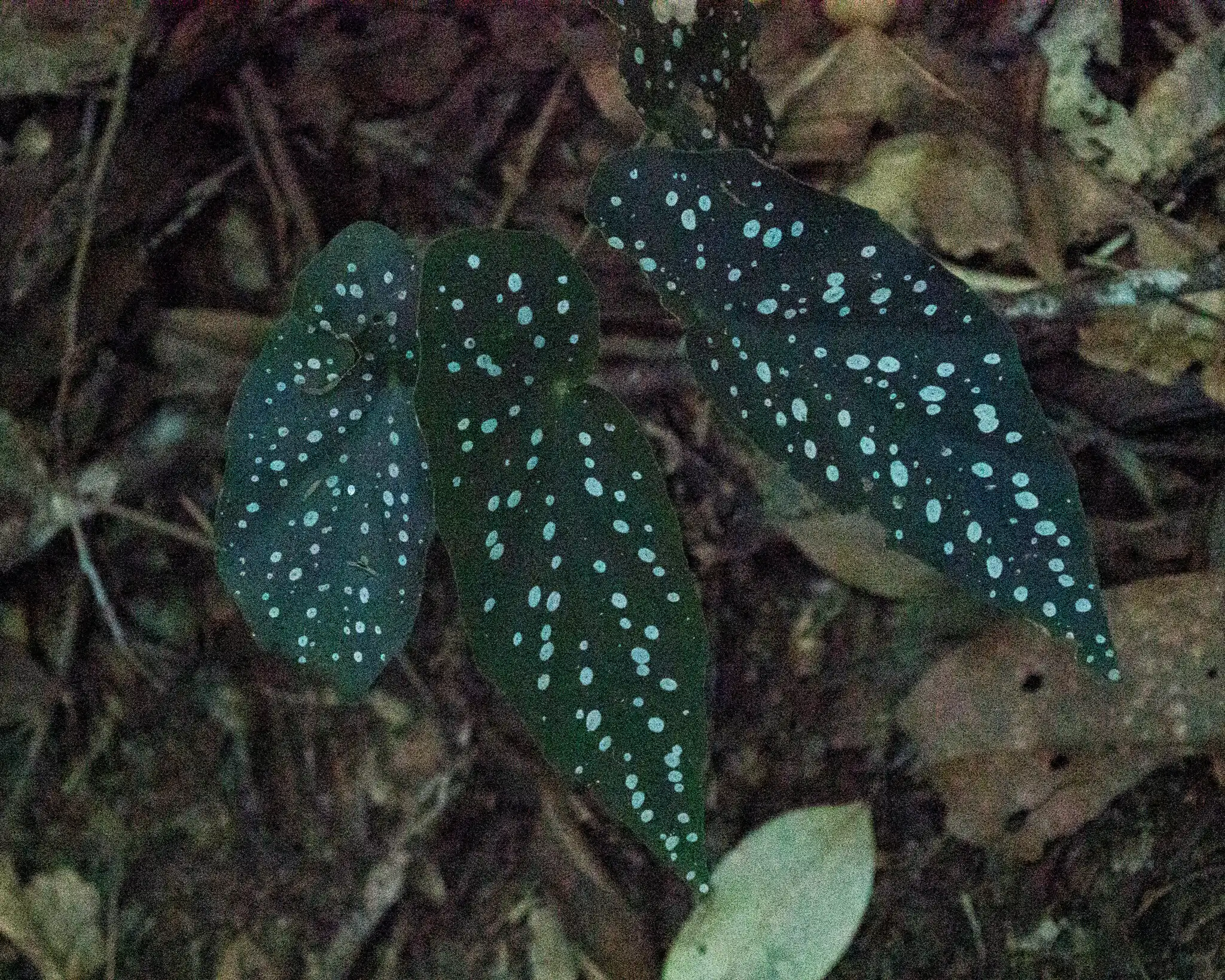
The Story
Plant Bio
Begonia maculata, the polka dot begonia, is an upright, cane-like evergreen perennial native to the rainforests of southeastern Brazil. It develops thick, bamboo-like stems with swollen nodes, carrying elongated, asymmetrical leaves that are olive green with silver spots above and deep burgundy beneath.
The species is distinguished by its dramatic, wing-shaped foliage and pendulous clusters of white to pale pink flowers that hang from the leaf axils during spring and summer. Unlike many rhizomatous begonias, this cane-forming species maintains a strictly upright, branching habit that can reach up to five feet indoors.
Uses & Benefits:
Essentials
At a Glance
Plant Type
Tropical
Height
60"
Width
24"
Light
Partial Sun, Shade
Zones
10
Water
Moderate
Humidity
High (above 50%)
Lifespan
Perennial
Native To
South America (Brazil)
Toxicity
Toxic to pets and humans (calcium oxalate)
Bloom period
Spring – Summer
In flower about 6 months of the year
Planting
How to Grow
- Position the plant in a location that receives bright, filtered indirect light, avoiding any direct midday sun.
- Plant in a highly organic, loose potting mix with excellent drainage, using a container that is only slightly larger than the root ball.
- Water thoroughly only when the top inch of soil feels dry, allowing all excess water to drain completely from the pot.
- Maintain ambient humidity above 50 percent using a humidifier or pebble tray, keeping the plant away from cold drafts and heating vents.
Pro Tip
Raise ambient humidity using a humidifier or pebble tray rather than misting the foliage directly, as water sitting on the leaves triggers powdery mildew and bacterial leaf spot.
Keep It Thriving
Care Guide
Do
- Allow the plant to become slightly root-bound before moving it to a slightly larger container.
- Water thoroughly and let the pot drain completely to prevent waterlogging.
- Provide constant bright, indirect light to maintain the vibrant leaf coloration.
Don't
- Do not mist the leaves directly, as trapped moisture on the foliage encourages fungal diseases.
- Do not let the pot sit in standing water, which rapidly causes root rot.
- Do not expose the plant to temperatures below 50 degrees Fahrenheit.
Seasonal Care Calendar
| Task | Jan | Feb | Mar | Apr | May | Jun | Jul | Aug | Sep | Oct | Nov | Dec |
|---|---|---|---|---|---|---|---|---|---|---|---|---|
| Fertilize | ||||||||||||
| Pest Check | ||||||||||||
| Prune | ||||||||||||
| Winter Prep |
Watch Out For
Pests & Diseases
Common Pests
Common Diseases
In the Garden
Landscape Uses & Companions
Landscape Uses
Multiply
Propagation Methods
Good to Know
Common Questions
Polka Dot Begonia questions
What zones can Polka Dot Begonia grow in?
Polka Dot Begonia is hardy in USDA Zone 10. Inside that range it survives winter in the ground; outside it, grow it as an annual or a container plant you protect.
When does Polka Dot Begonia bloom?
Polka Dot Begonia typically blooms in spring through summer. Exact timing shifts a week or two with your zone — Sow's bloom calendar maps it to your garden.
Does Polka Dot Begonia need full sun?
Polka Dot Begonia does best in part shade.
More Begonia to compare
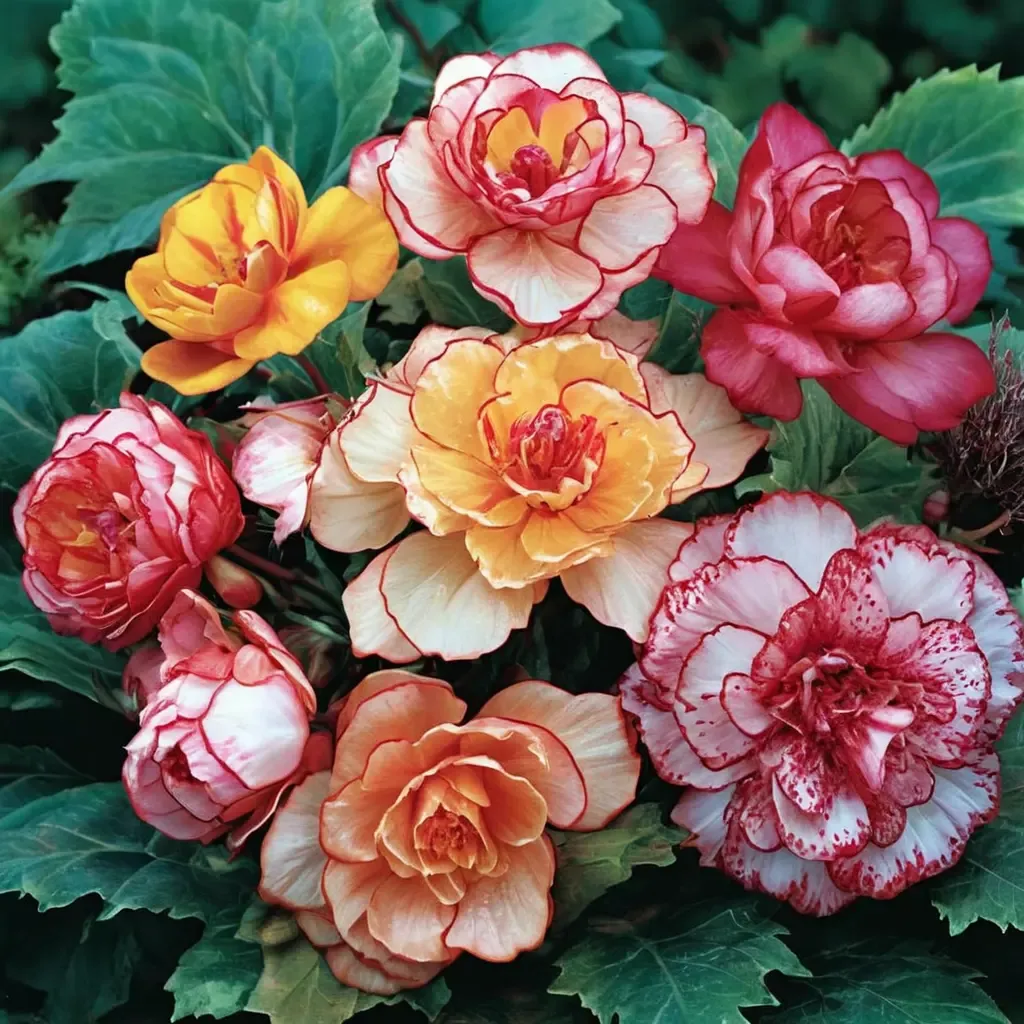
Picotee Tuberous Begonia
Begonia x tuberhybrida 'Picotee Mix'
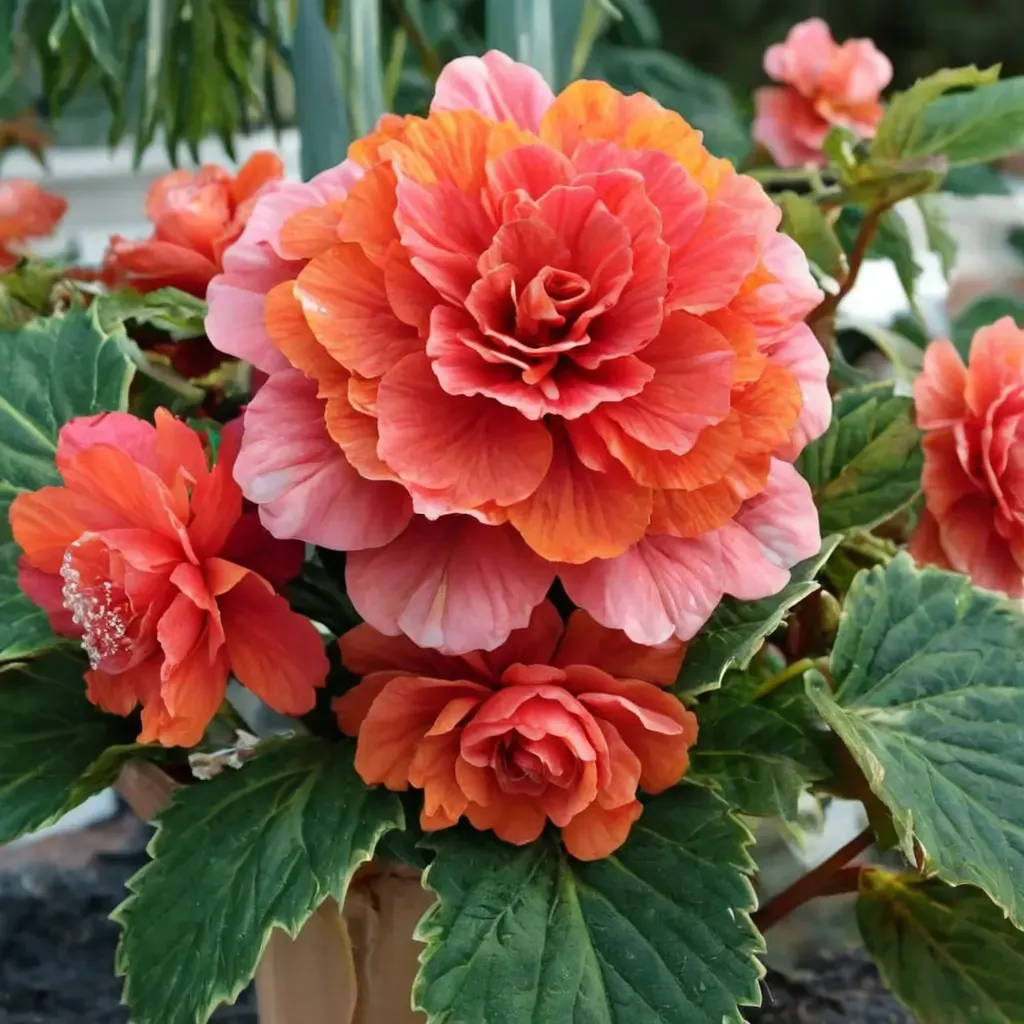
Hardy Begonia
Begonia x tuberhybrida 'Hardy Begonia'
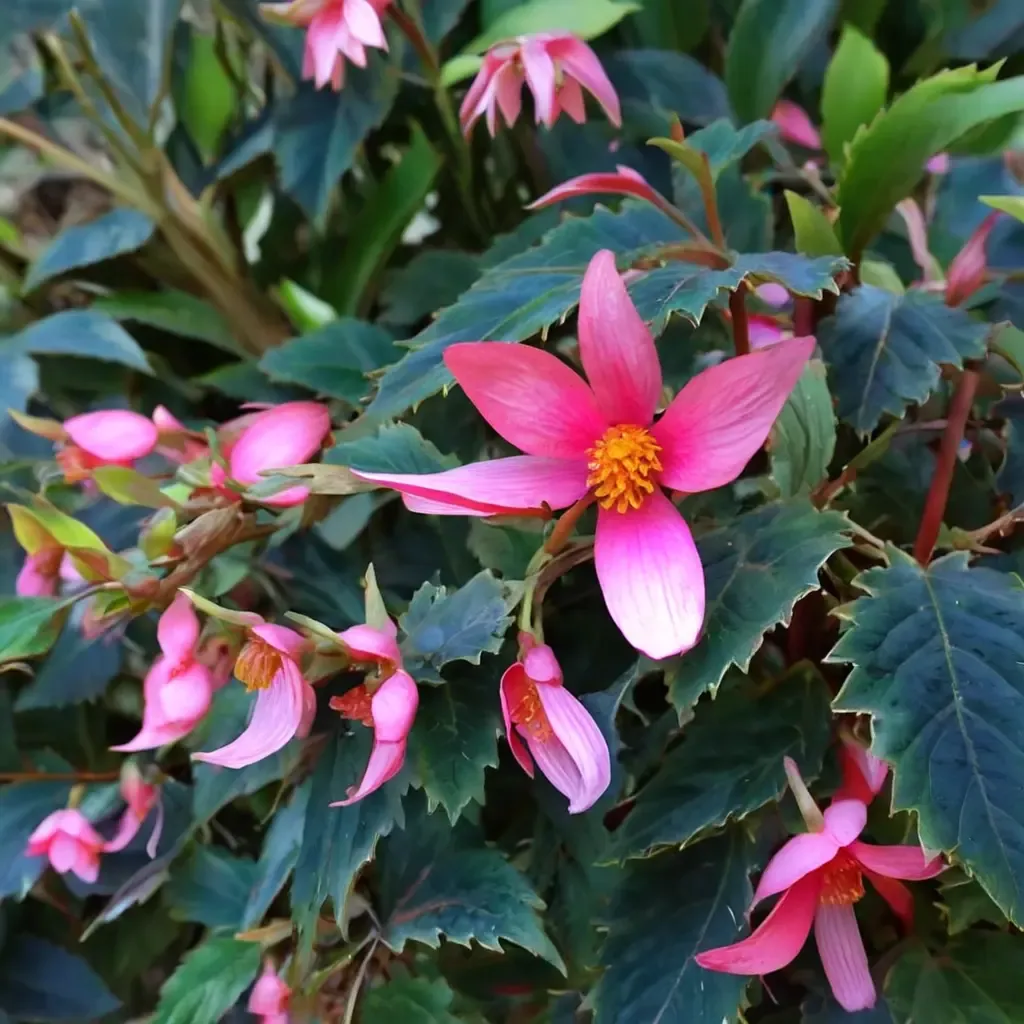
Mistral Pink Begonia
Begonia x hybrida 'Mistral Pink'
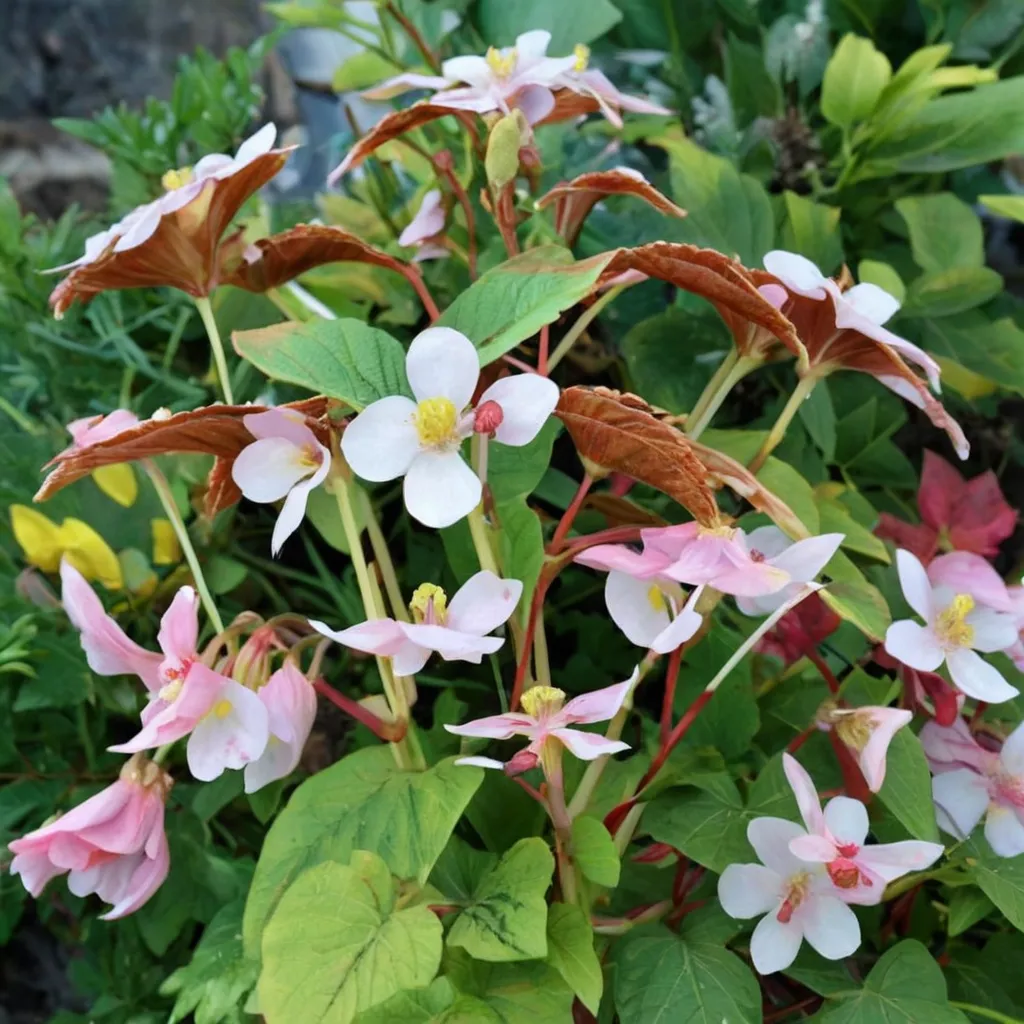
Wildwood Purity Begonia
Begonia grandis 'Wildwood Purity'
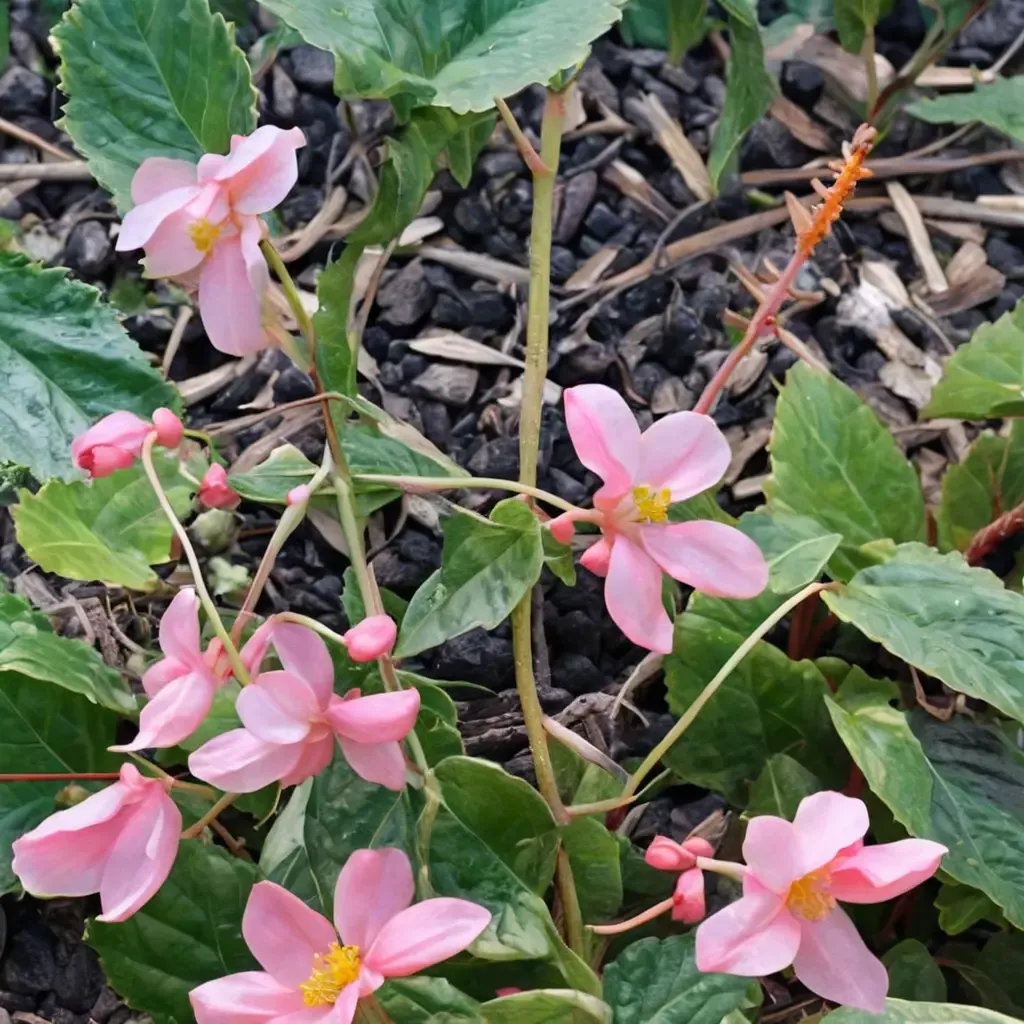
Smooch Begonia
Begonia x tuberhybrida 'Smooch'
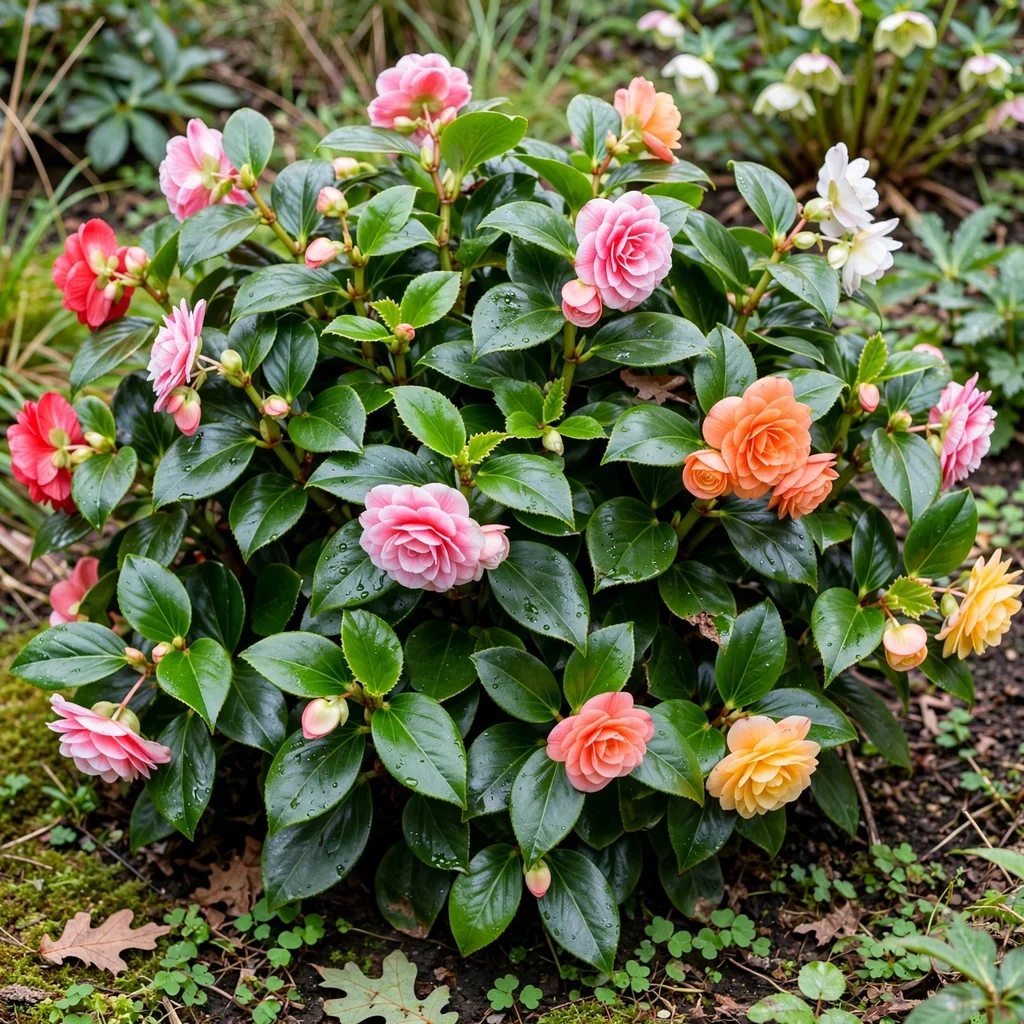
Rieger Begonia
Begonia x hiemalis 'Giant Camellia Mix'
Keep exploring
Explore the genus
Hardy in your zone?
Grow Polka Dot Begonia with confidence
See it in a design of your actual yard, get zone-matched care reminders, and track it season by season in your garden journal.