
Species
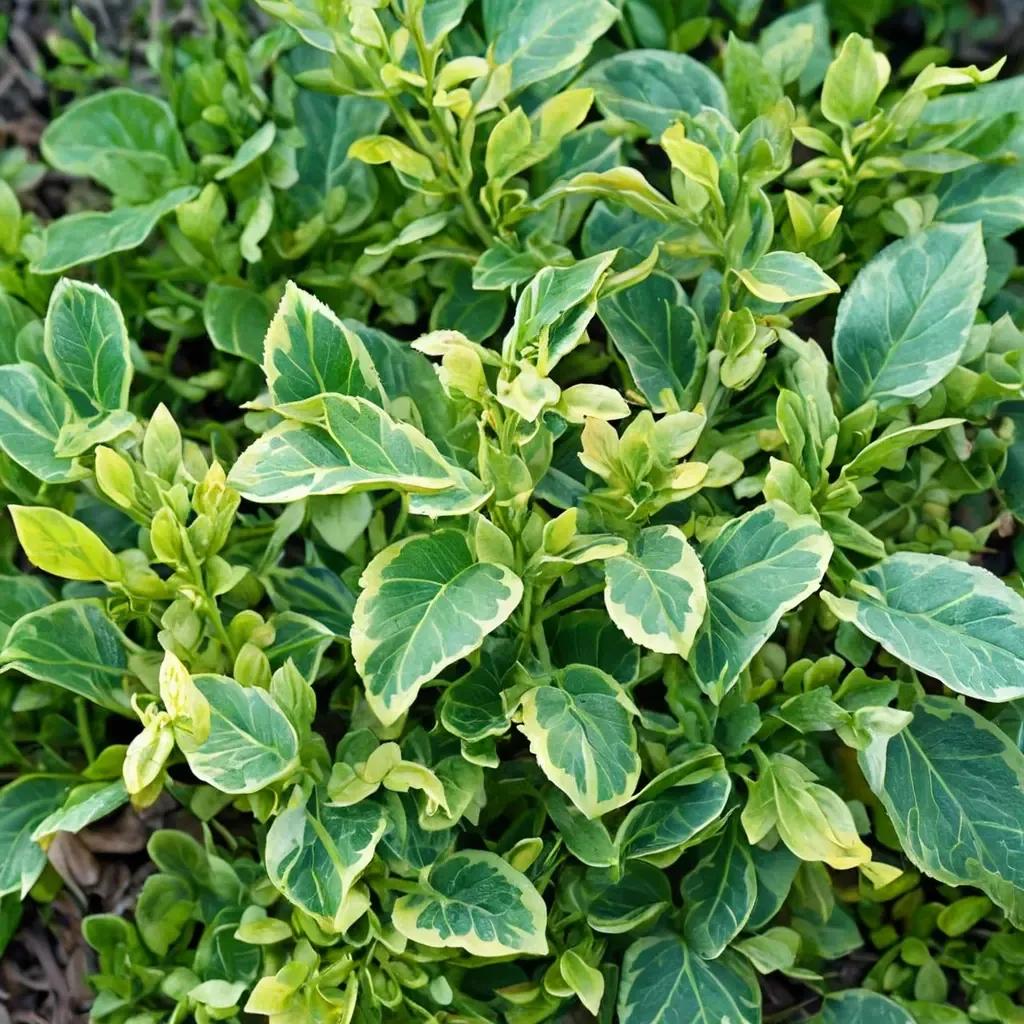 Euonymus fortuneiWintercreeper
8 other cultivars

The Story
Plant Bio
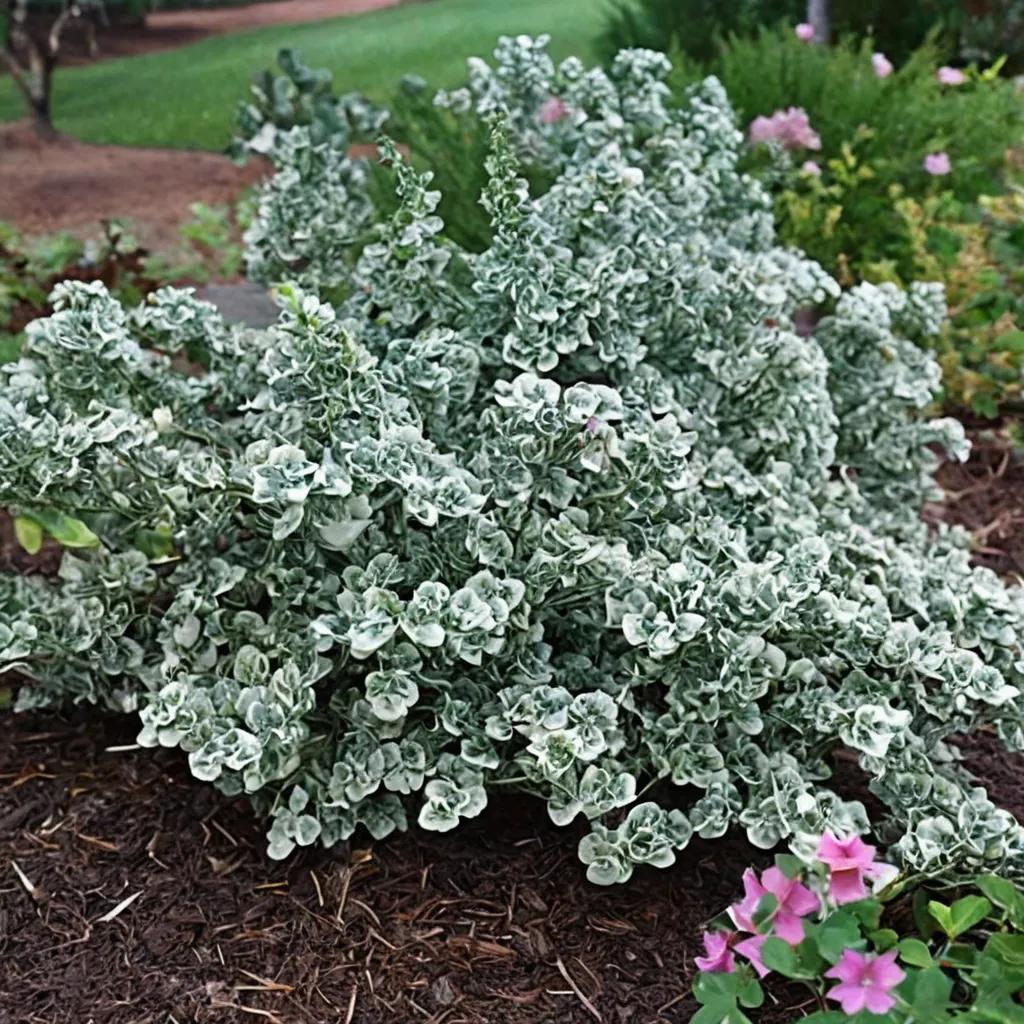
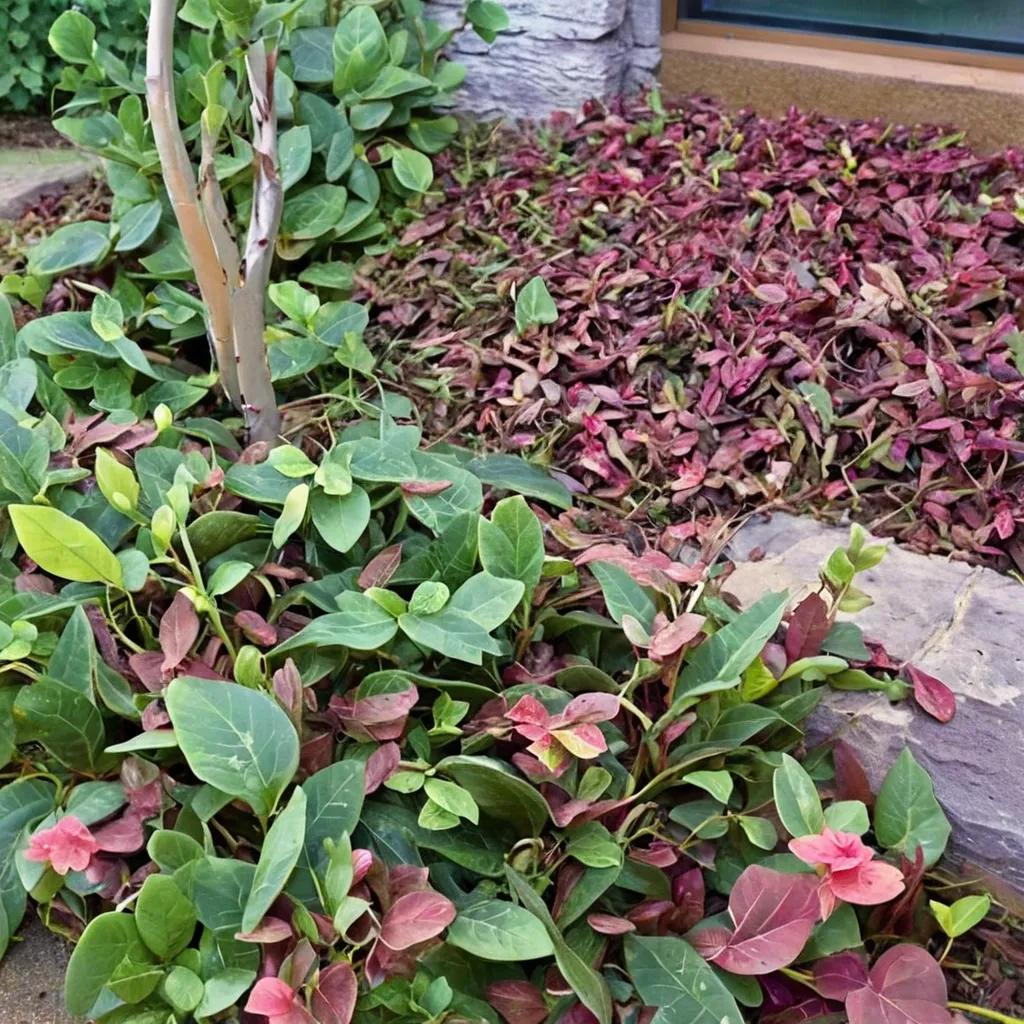
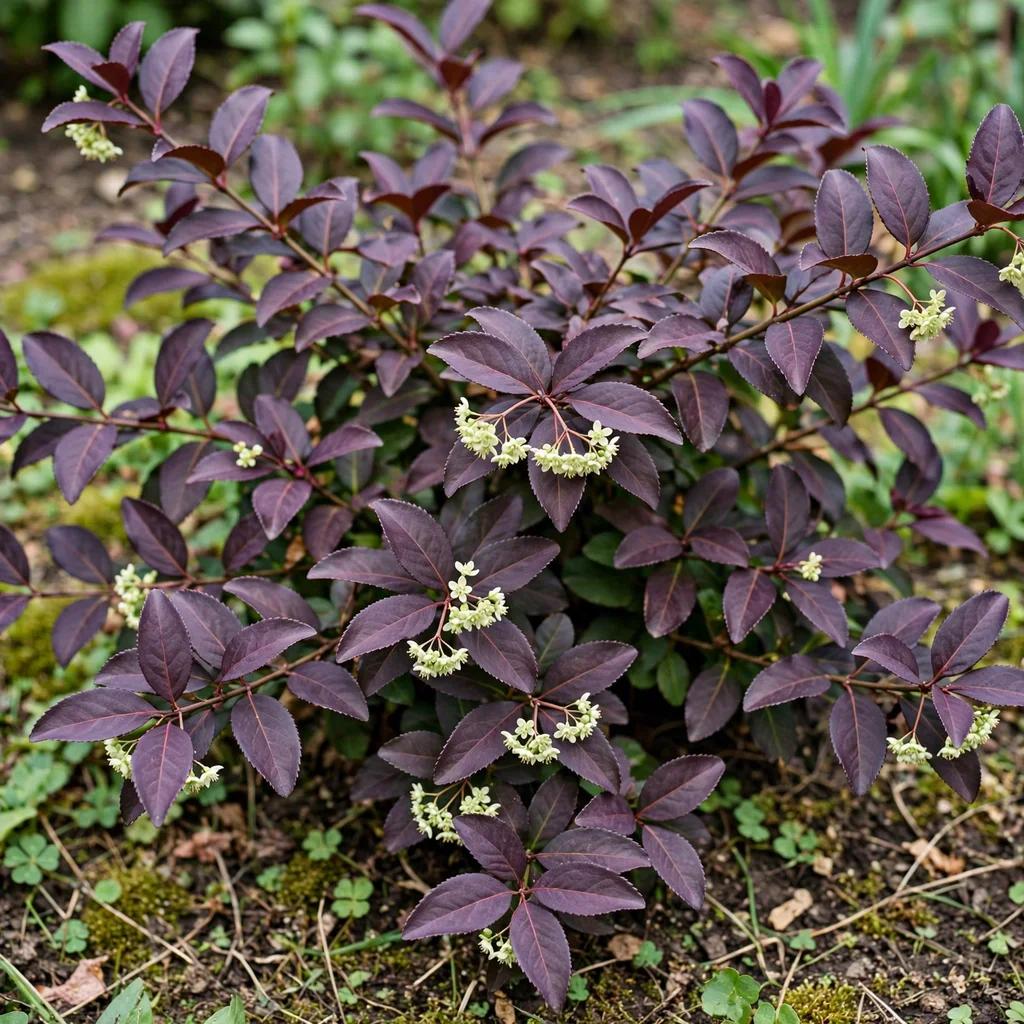
Euonymus fortunei, commonly known as wintercreeper, is a dense, broadleaf evergreen or semi-evergreen species native to East Asia. It functions as a mounding shrub, trailing groundcover, or climbing vine that clings to structures using adventitious rootlets.
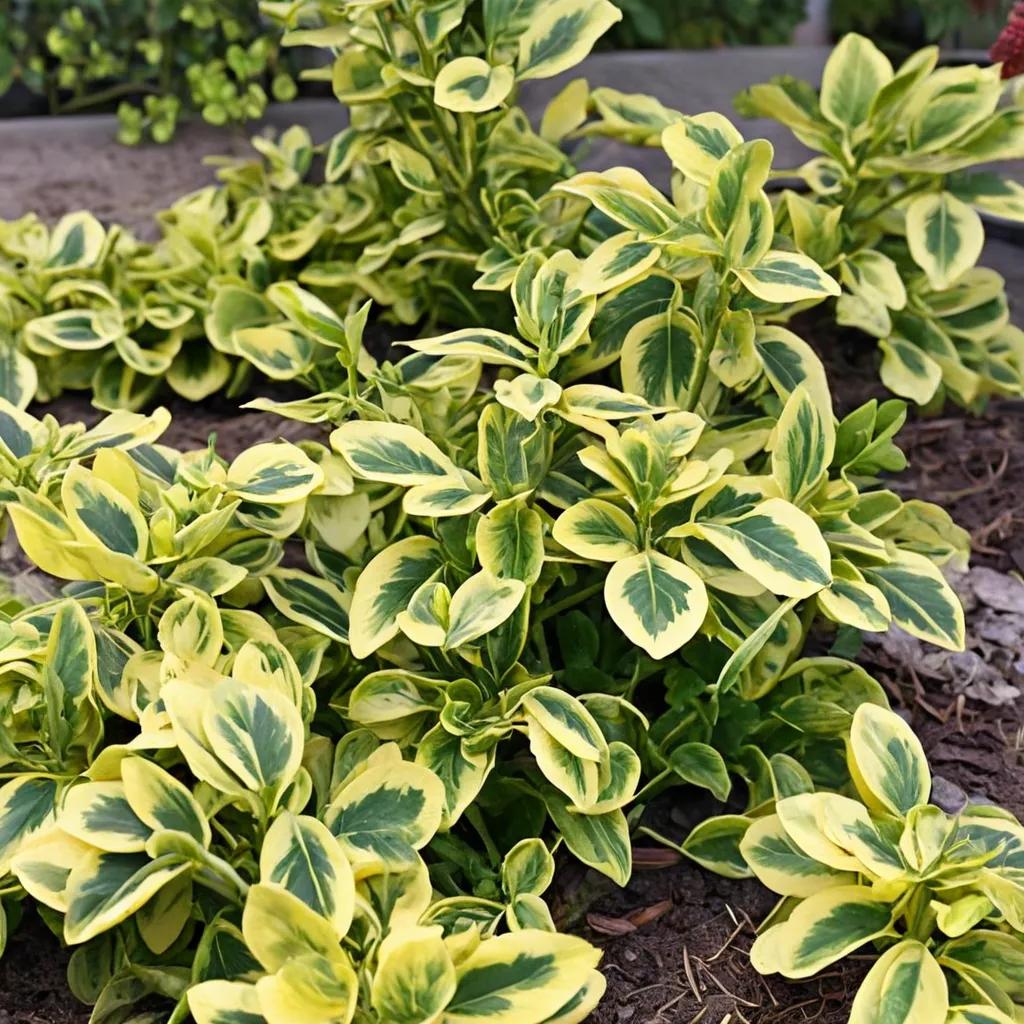
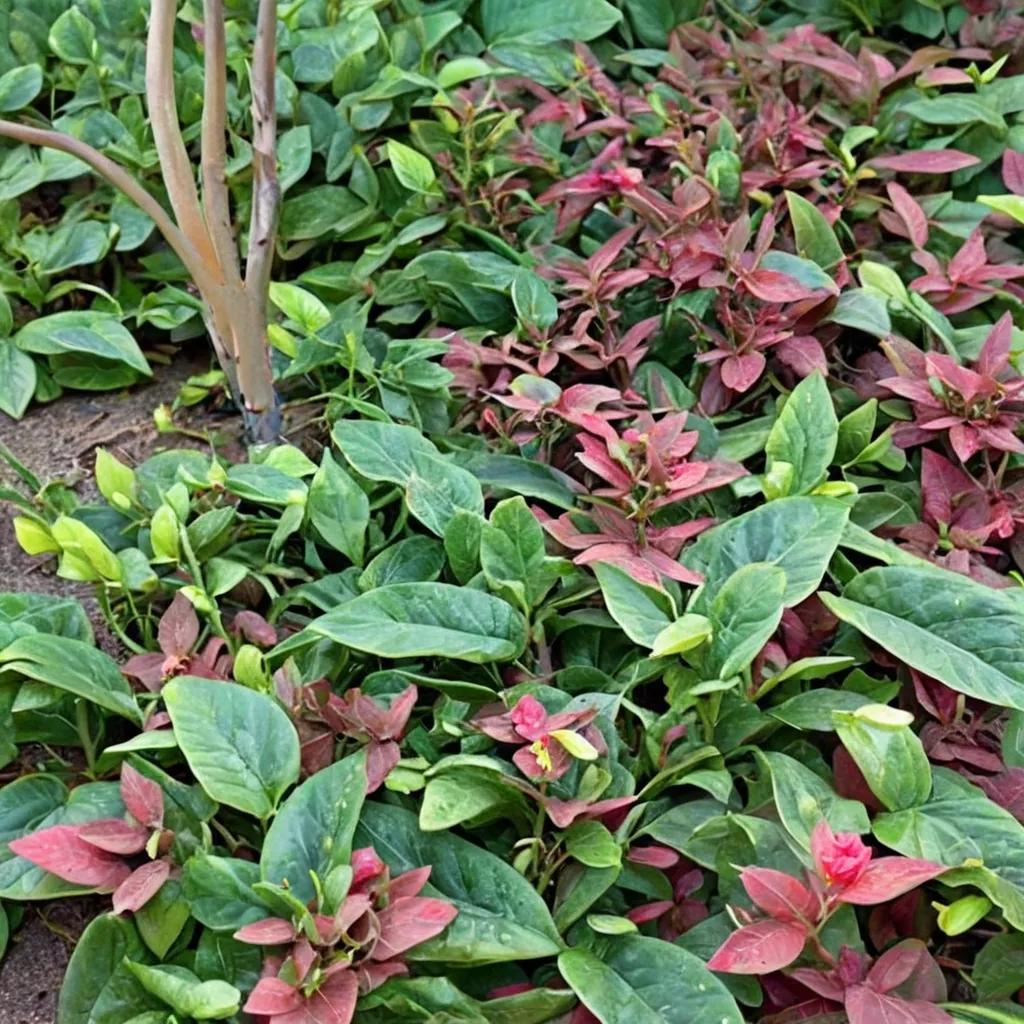
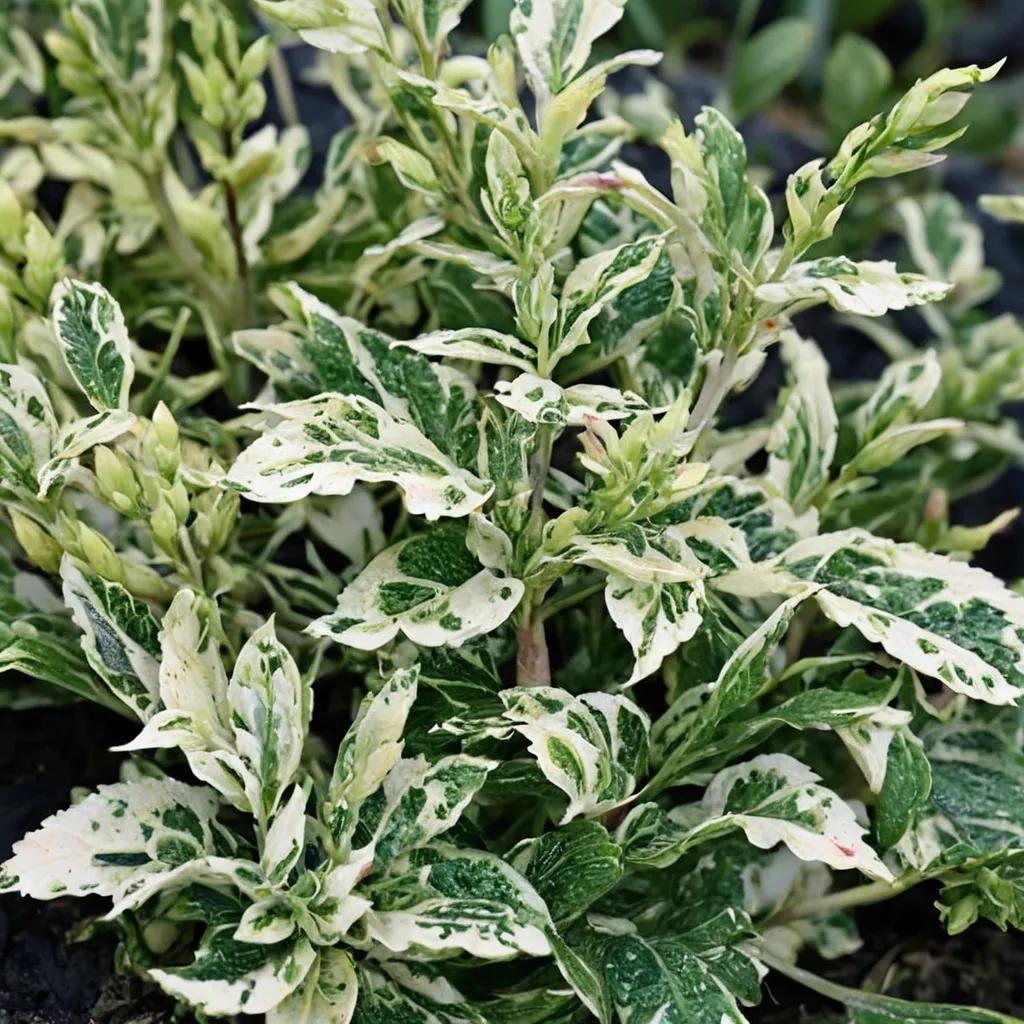
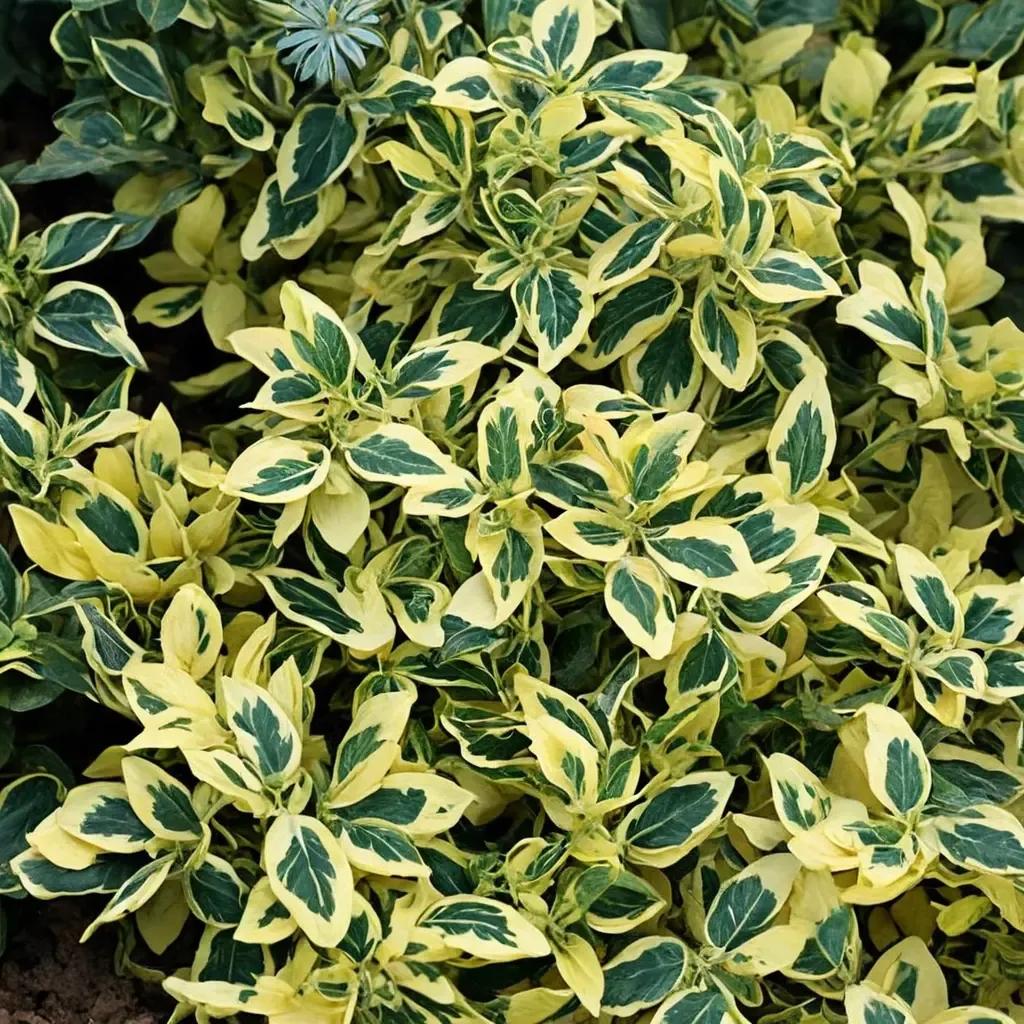
'Emerald Gaiety' is distinguished by its rounded, glossy deep green leaves featuring irregular, creamy-white margins. In cold winter weather, these variegated margins develop distinctive pink-to-purplish hues, while new spring growth emerges with a bright, high-contrast cream coloration.
Uses & Benefits:
Essentials
At a Glance
Plant Type
Shrub
Height
60"
Width
72"
Light
Full Sun, Partial Sun, Shade
Zones
5, 6, 7, 8
Water
Moderate
Humidity
Good tolerance
Lifespan
Perennial
Native To
East Asia
Toxicity
Toxic if ingested
Bloom period
Summer
In flower about 3 months of the year
Marketplace
Where to Buy
Shipping costs Year-round shipping Free shipping
Planting
How to Grow
- Select a site with full sun to partial shade, ensuring some afternoon shade to maintain the best leaf variegation.
- Prepare a well-drained planting hole in average soil, avoiding low-lying areas prone to standing water.
- Set the plant at the same depth as its nursery container, backfill with native soil, and water thoroughly to settle.
- Apply a thin layer of mulch to conserve moisture, and water regularly until the root system is fully established.
Pro Tip
Avoid planting this variegated cultivar in deep shade, which causes the foliage to lose its white margins and become leggy. Keep the plant trimmed low; allowing it to climb trees or walls triggers its mature phase, which produces heavy flowers and highly invasive, bird-dispersed seeds.
Keep It Thriving
Care Guide
Do
- Prune or shear the plant annually after the main growing season to maintain a compact, dense mounding habit.
- Ensure the soil drains freely, as waterlogged conditions lead to root rot.
- Monitor foliage regularly for signs of scale insects, particularly on the inner stems.
Don't
- Do not cut hard into old, leafless bare wood, as it fails to sprout new growth.
- Do not over-fertilize, as established plants require little to no supplemental feeding.
- Do not allow the plant to climb mature trees or structures if you wish to prevent seed production and invasive spread.
Seasonal Care Calendar
| Task | Jan | Feb | Mar | Apr | May | Jun | Jul | Aug | Sep | Oct | Nov | Dec |
|---|---|---|---|---|---|---|---|---|---|---|---|---|
| Pest Check | ||||||||||||
| Propagate | ||||||||||||
| Prune | ||||||||||||
| Winter Prep |
Watch Out For
Pests & Diseases
Common Pests
Common Diseases
In the Garden
Landscape Uses & Companions
Landscape Uses
Companion Plants
Multiply
Propagation Methods
Good to Know
Common Questions
Wintercreeper questions
What zones can Wintercreeper grow in?
Wintercreeper is hardy in USDA Zones 5–8. Inside that range it survives winter in the ground; outside it, grow it as an annual or a container plant you protect.
Is Wintercreeper deer resistant?
Not reliably. Deer may browse Wintercreeper, especially tender spring growth — plan on repellents or fencing where pressure is high.
When does Wintercreeper bloom?
Wintercreeper typically blooms in summer through summer. Exact timing shifts a week or two with your zone — Sow's bloom calendar maps it to your garden.
Does Wintercreeper need full sun?
Wintercreeper does best in full sun to part shade. In hot climates, afternoon shade keeps blooms fresher longer.
Is Wintercreeper drought tolerant?
Yes — once established (usually after the first full season), Wintercreeper handles dry spells with minimal watering. Water deeply its first year to build the root system that makes that possible.
More Euonymus to compare
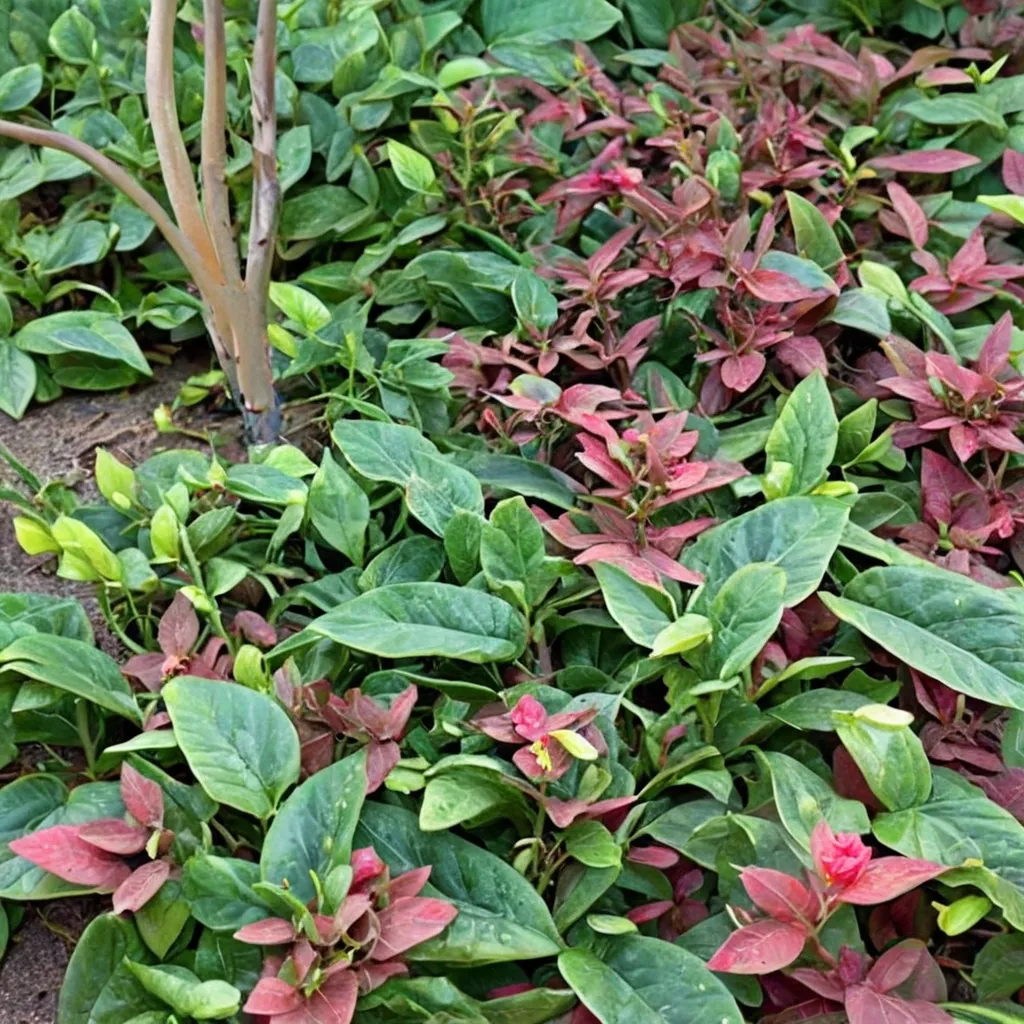
Purple Wintercreeper
Euonymus fortunei 'Purple Wintercreeper'
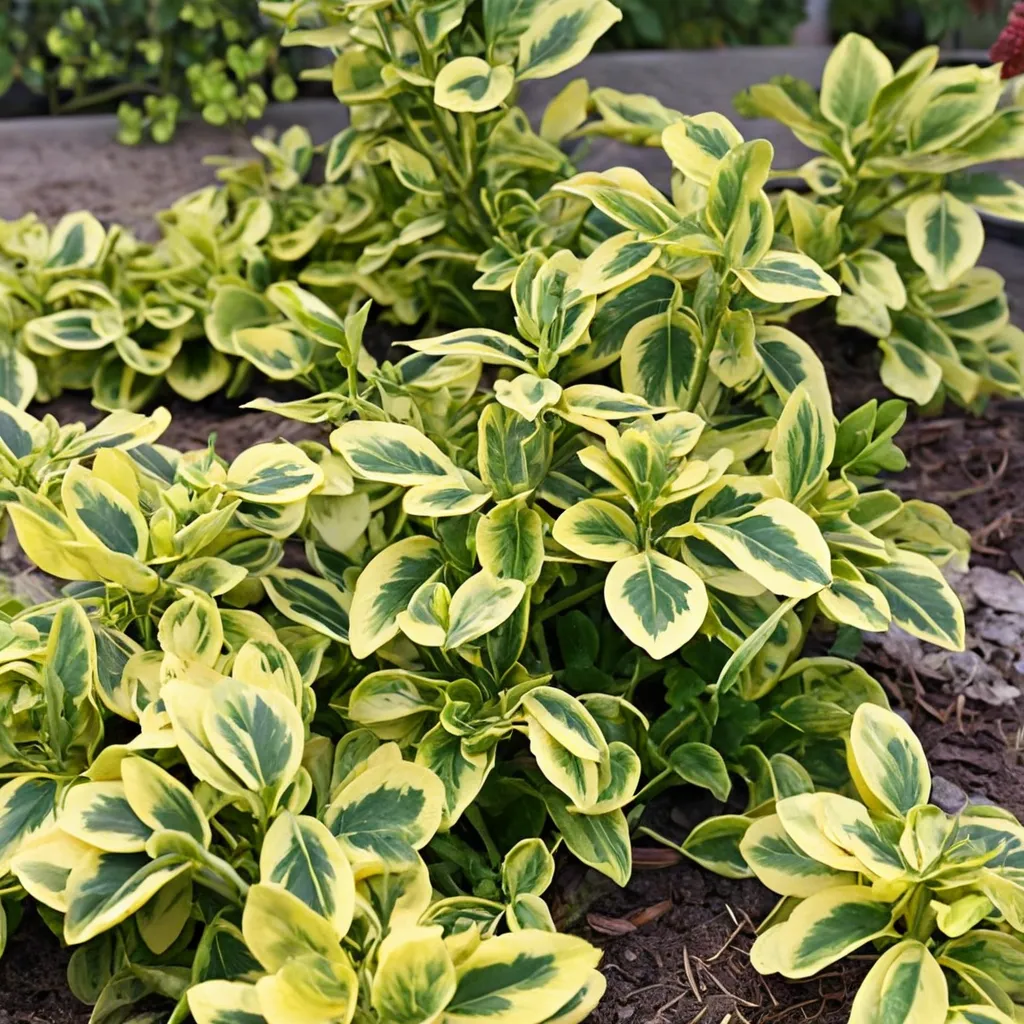
Gold Splash Wintercreeper
Euonymus fortunei 'Gold Splash'
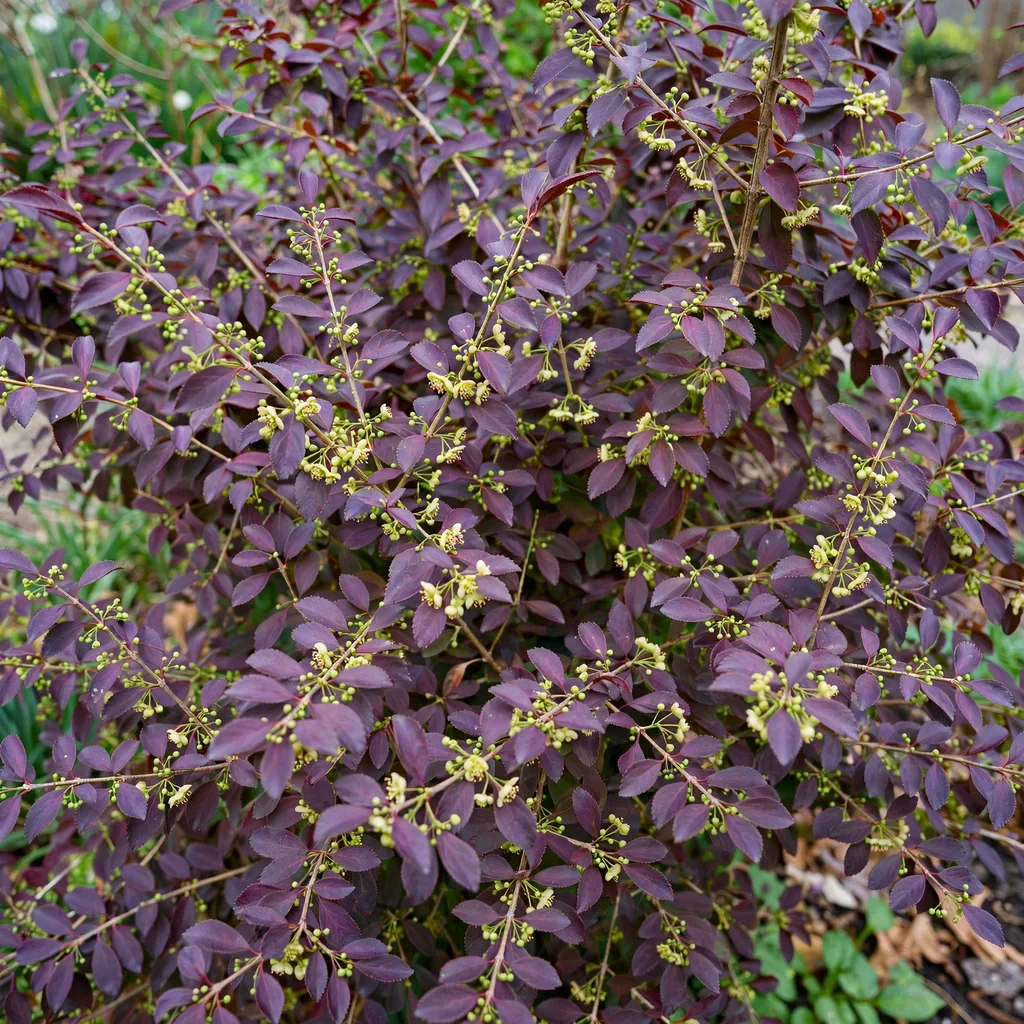
Compact Burning Bush
Euonymus alatus 'Compactus'
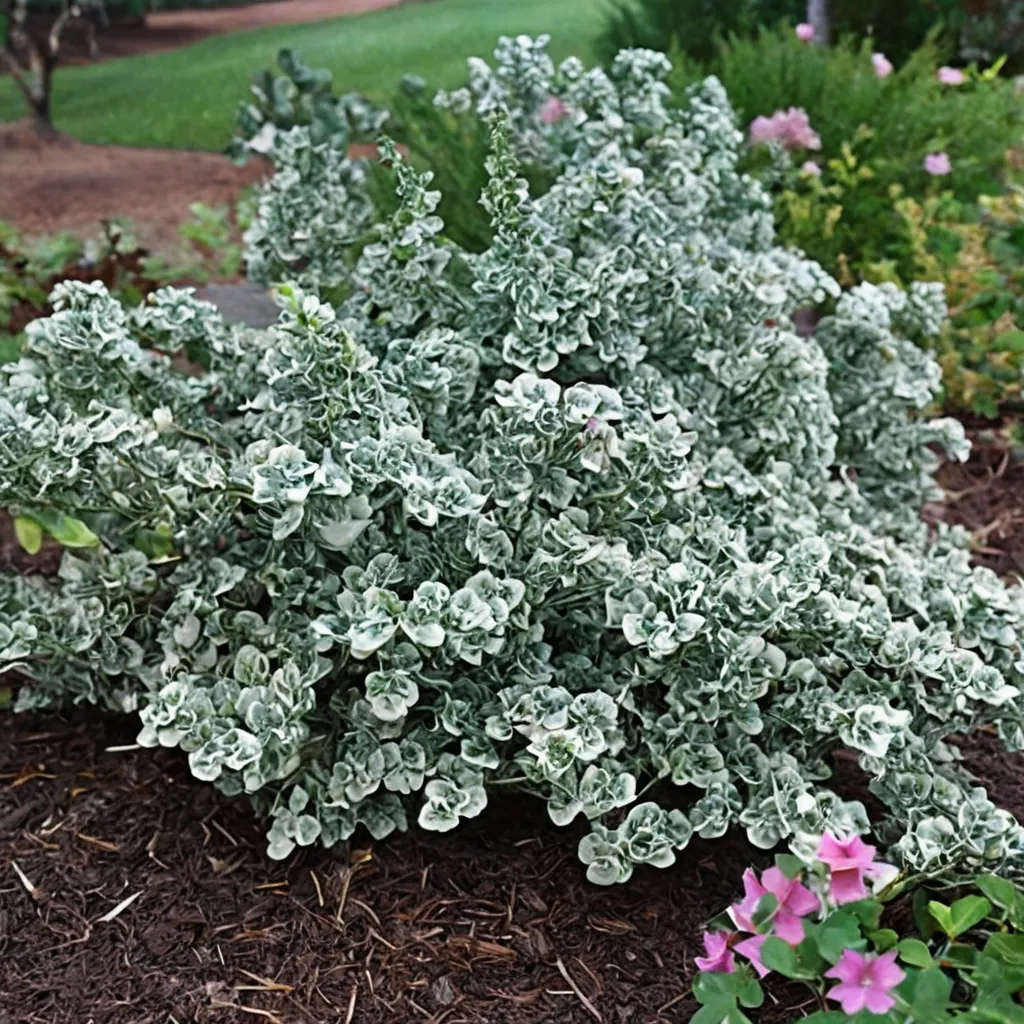
Euonymus White Album
Euonymus fortunei 'White Album'
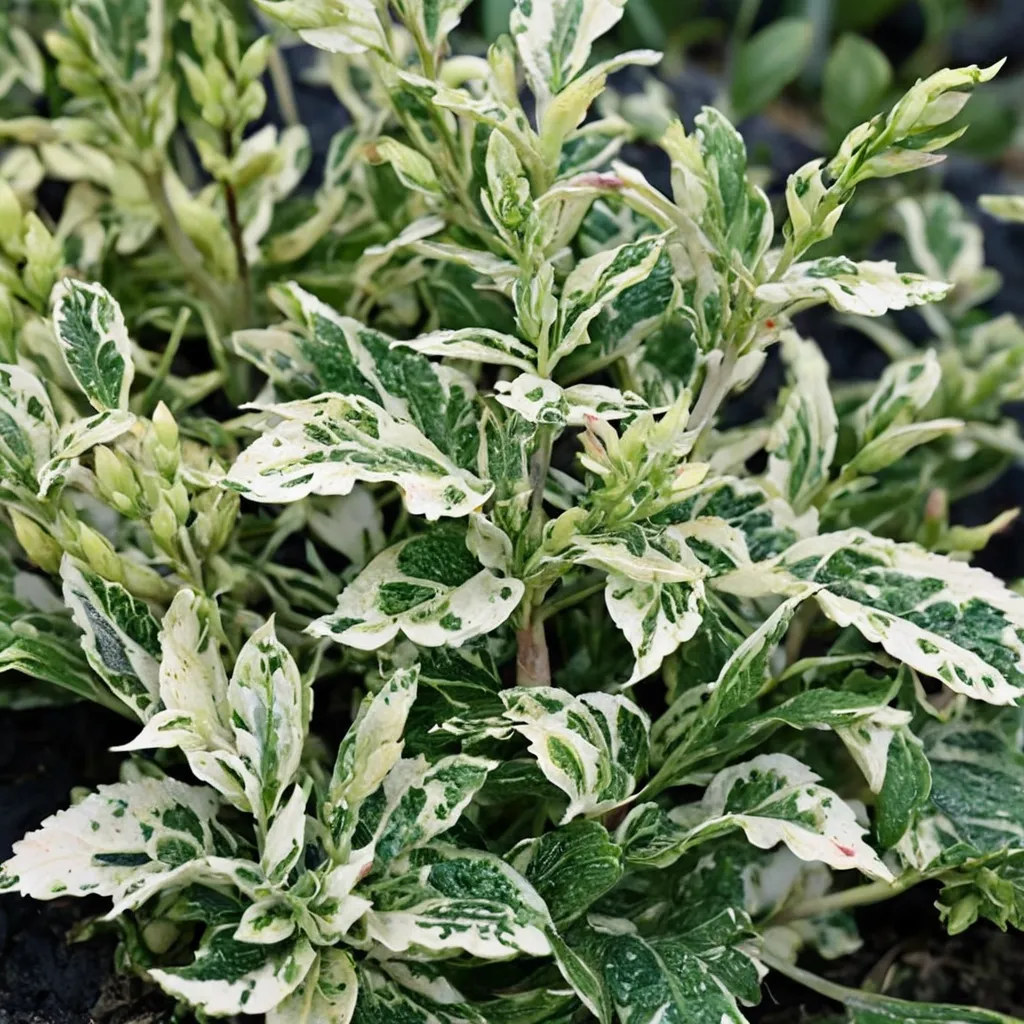
Harlequin Euonymus
Euonymus fortunei 'Harlequin'
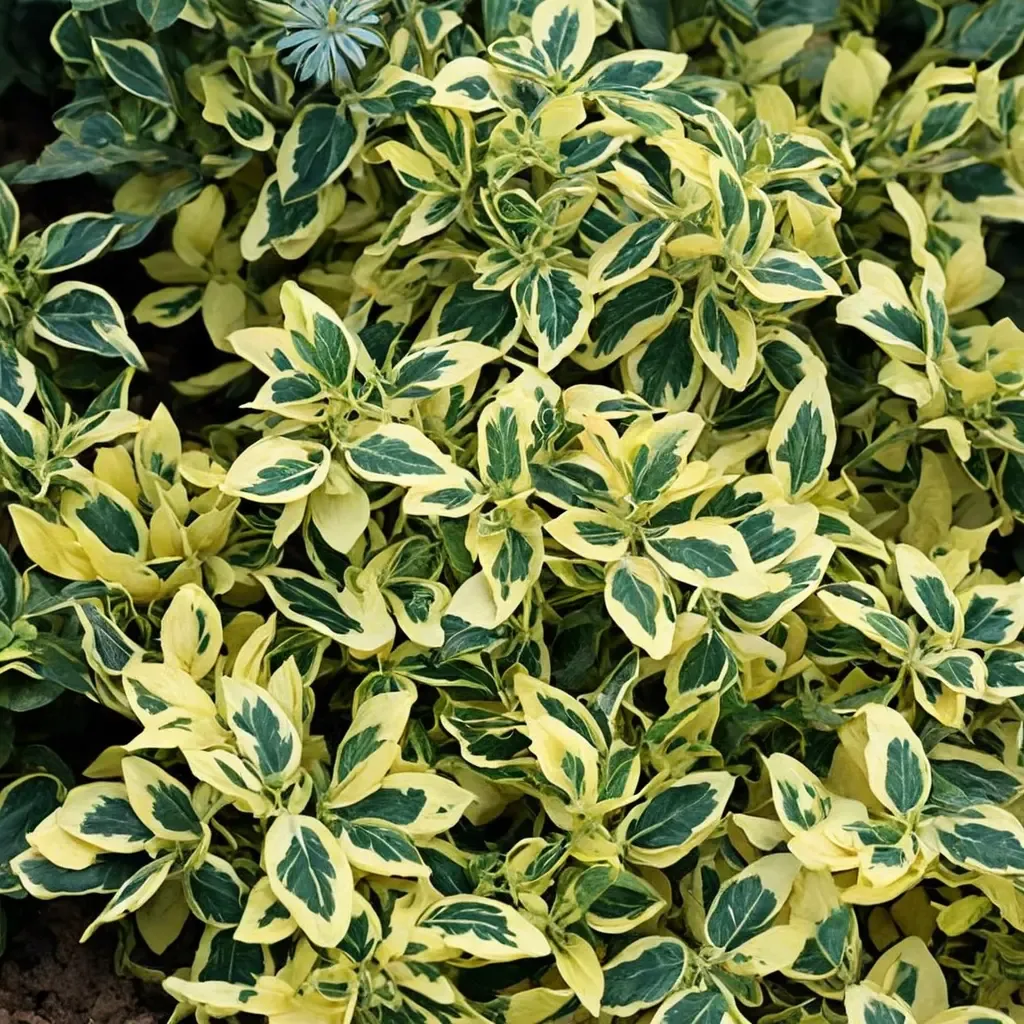
Emerald 'n' Gold Wintercreeper
Euonymus fortunei 'Emerald'
Keep exploring
Explore the genus
Hardy in your zone?
Grow Wintercreeper with confidence
See it in a design of your actual yard, get zone-matched care reminders, and track it season by season in your garden journal.