The Story
Plant Bio
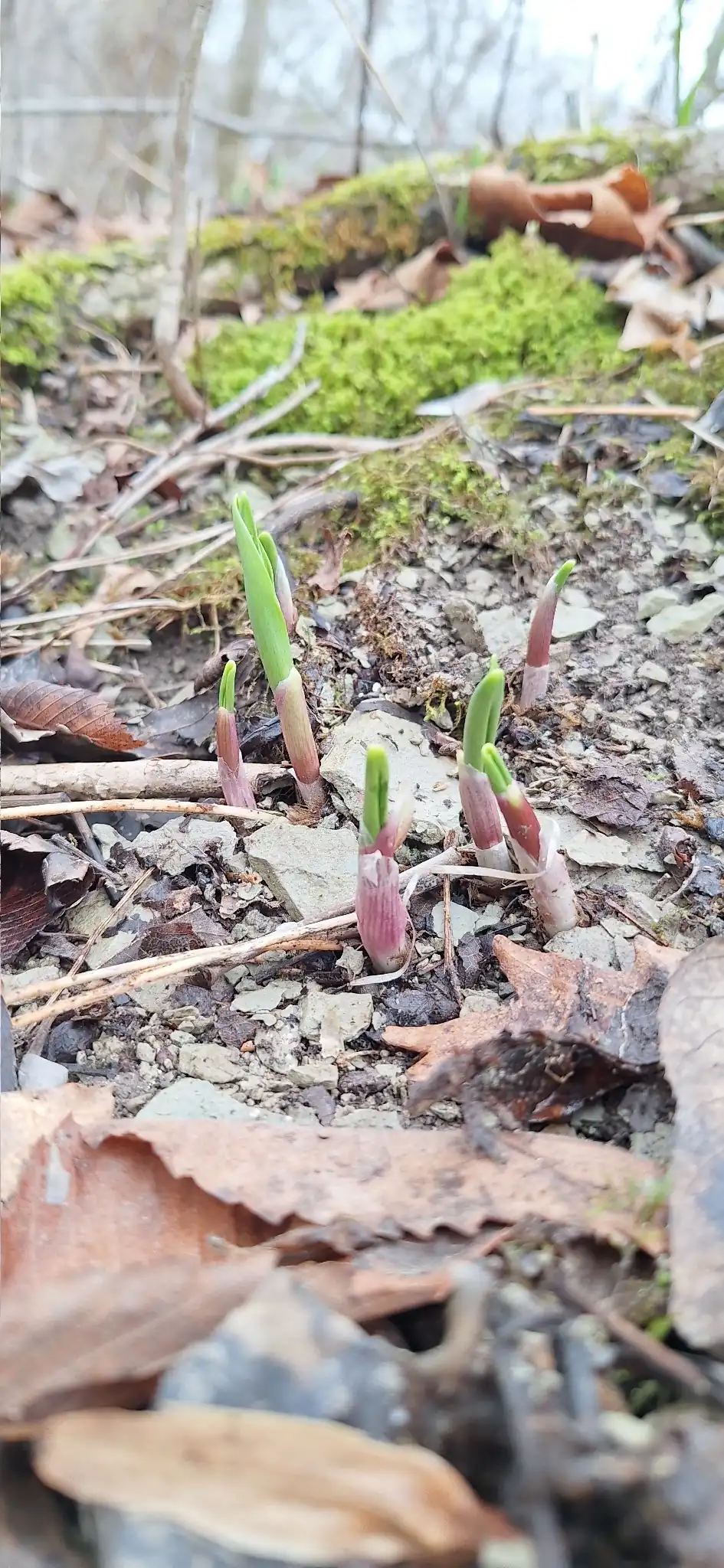
Allium tricoccum, commonly known as ramps, is a spring ephemeral bulbous perennial native to the deciduous forests of eastern North America. Broad, smooth, vibrant green leaves emerge in early spring, emitting a strong onion-garlic scent when bruised, before completely dying back by mid-summer.
After the foliage withers, a single naked green stalk rises to produce a hemispherical cluster of small, star-shaped white flowers. This unique growth cycle allows the plant to capture sunlight under forest canopies before the trees leaf out, followed by summer blooms in deep shade.
Uses & Benefits:
Essentials
At a Glance
Plant Type
Bulb Corm Tuber
Height
16"
Width
6"
Light
Partial Sun, Shade
Zones
4, 5, 6, 7
Water
Medium
Humidity
Moderate to High
Lifespan
Perennial
Native To
Eastern North America
Toxicity
Toxic to Dogs & Cats
Bloom period
Summer
In flower about 3 months of the year
Planting
How to Grow
- Select a planting site with rich, moist, organic loam under deciduous trees to mimic a forest floor.
- Plant bare-root bulbs in early fall, placing them three inches deep with the pointed tips facing upward.
- Incorporate leaf mold or compost into the soil to maintain a slightly acidic to neutral pH and retain moisture.
- Apply a thick layer of deciduous leaf mulch annually to protect the soil from drying out and suppress weeds.
Pro Tip
Avoid clearing or weeding the planting bed in mid-summer when the foliage has disappeared, as the dormant bulbs are easily dug up or damaged.
Keep It Thriving
Care Guide
Do
- Keep the soil consistently moist, especially during the active spring growing phase.
- Allow the foliage to wither and yellow naturally to return energy to the bulb.
- Mark the planting area clearly to prevent accidental digging during summer dormancy.
Don't
- Do not cut or harvest the green leaves prematurely, as this starves the bulb.
- Do not plant in heavy, poorly drained clay soils that promote bulb rot.
- Do not allow the soil to dry out completely, which triggers premature dormancy.
Seasonal Care Calendar
| Task | Jan | Feb | Mar | Apr | May | Jun | Jul | Aug | Sep | Oct | Nov | Dec |
|---|---|---|---|---|---|---|---|---|---|---|---|---|
| Divide | ||||||||||||
| Mulch | ||||||||||||
| Pest Check | ||||||||||||
| Plant |
Watch Out For
Pests & Diseases
Common Pests
Common Diseases
In the Garden
Landscape Uses & Companions
Landscape Uses
Multiply
Propagation Methods
Good to Know
Common Questions
Ramps questions
What zones can Ramps grow in?
Ramps is hardy in USDA Zones 4–7. Inside that range it survives winter in the ground; outside it, grow it as an annual or a container plant you protect.
Is Ramps deer resistant?
Not reliably. Deer may browse Ramps, especially tender spring growth — plan on repellents or fencing where pressure is high.
When does Ramps bloom?
Ramps typically blooms in summer through summer. Exact timing shifts a week or two with your zone — Sow's bloom calendar maps it to your garden.
Does Ramps need full sun?
Ramps does best in part shade.
More Allium to compare
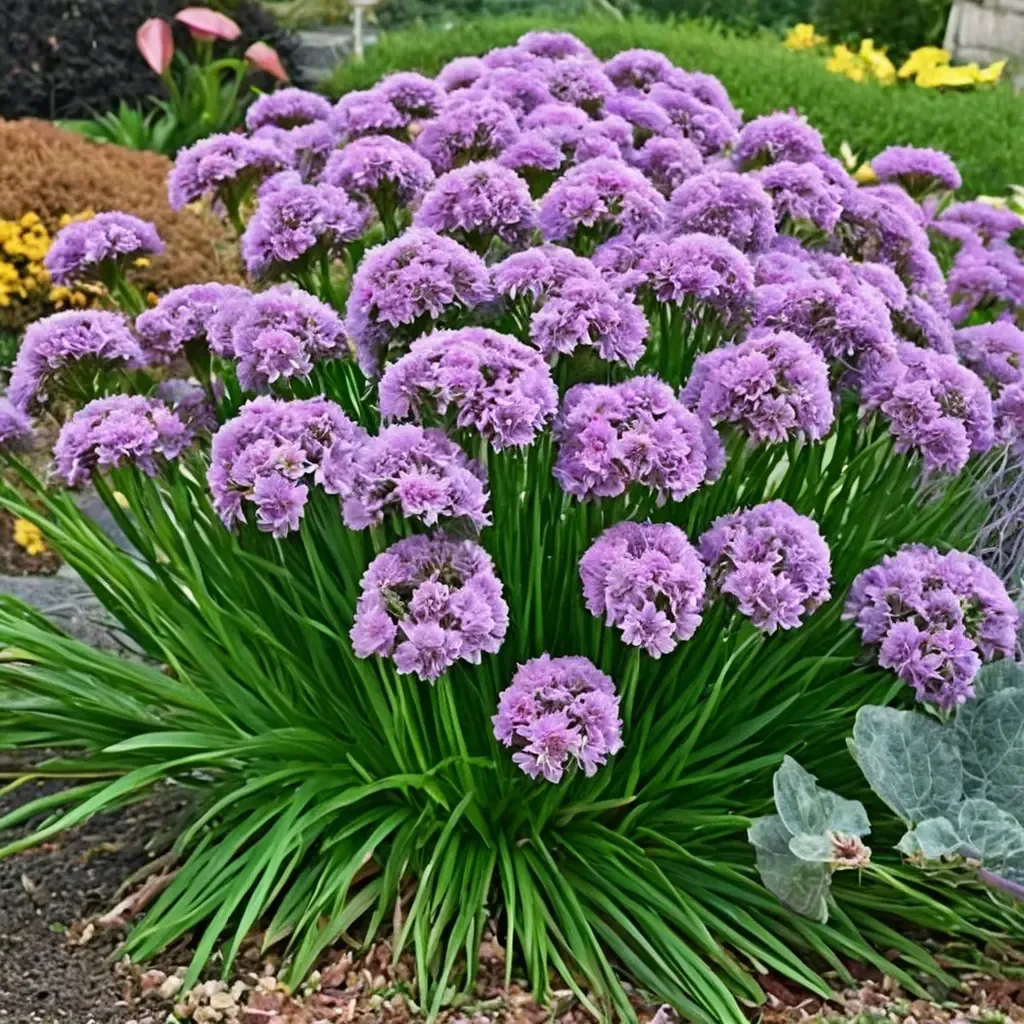
Millennium Gold Onion Moly Onion
Allium x moly 'Millenium'
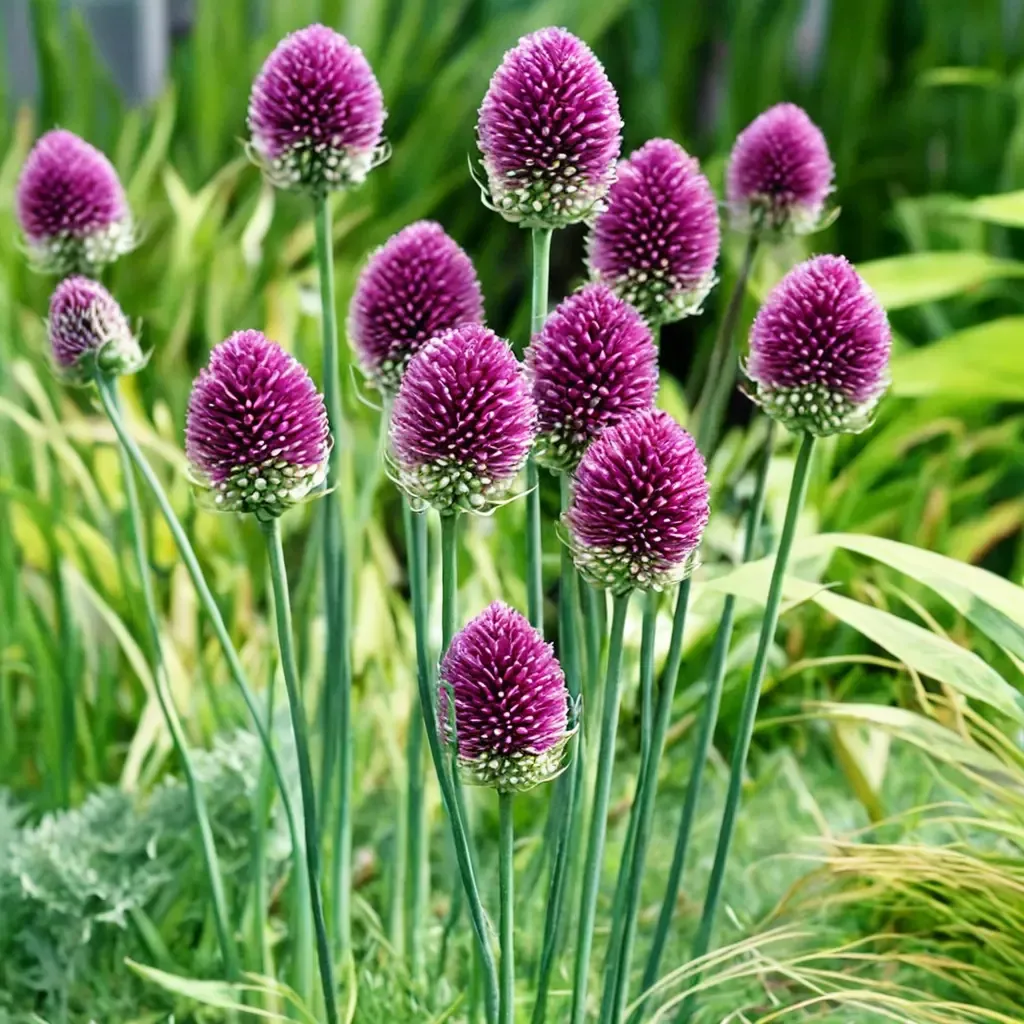
Drumstick Allium
Allium sphaerocephalon
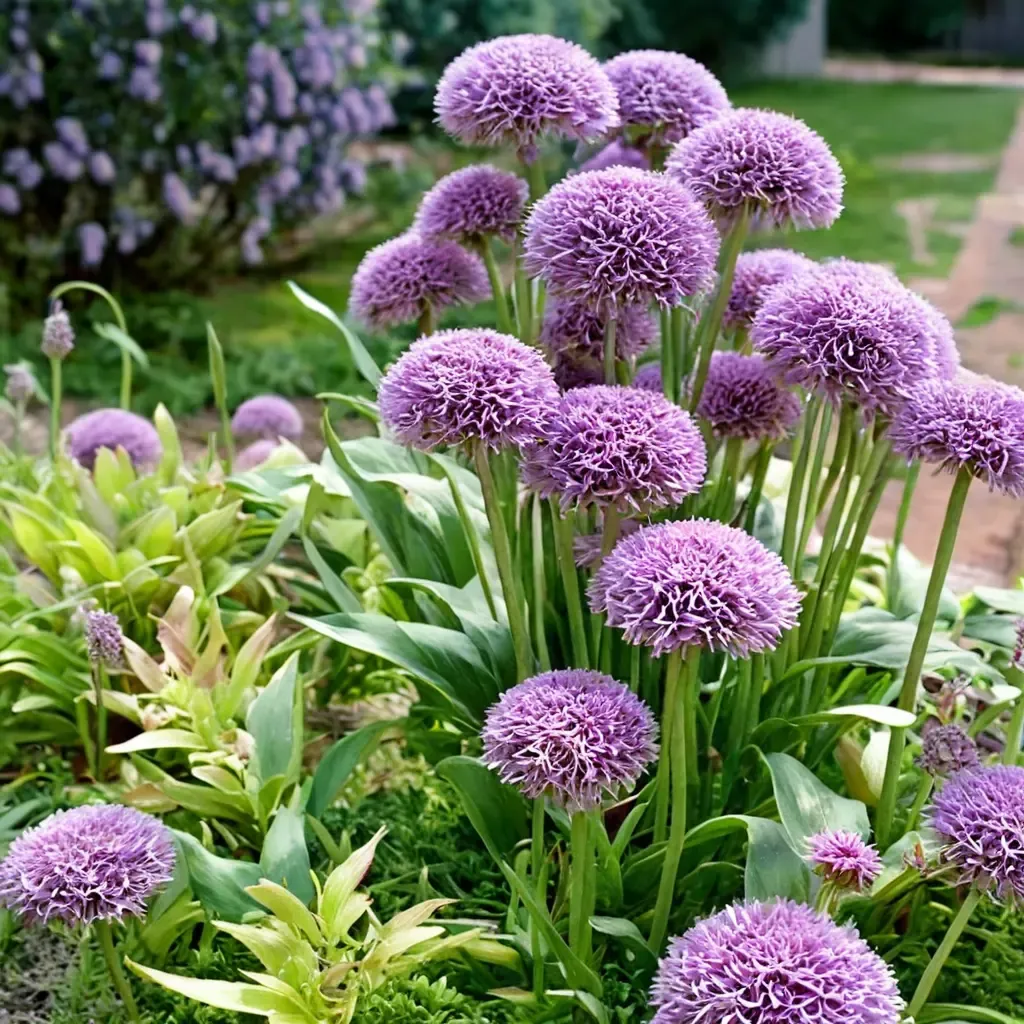
Globemaster Allium
Allium giganteum 'Globemaster'
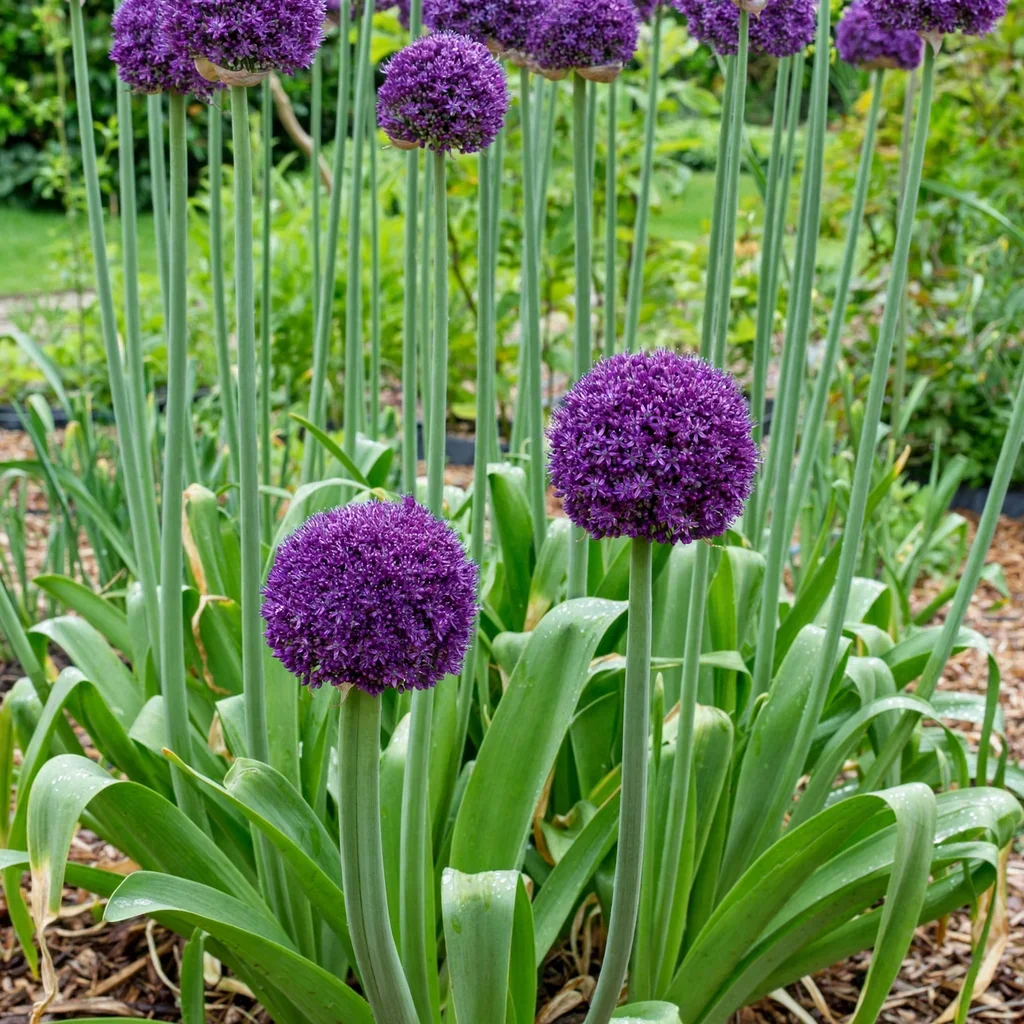
Ornamental Onion 'Ambassador'
Allium x hybrida 'Ambassador'
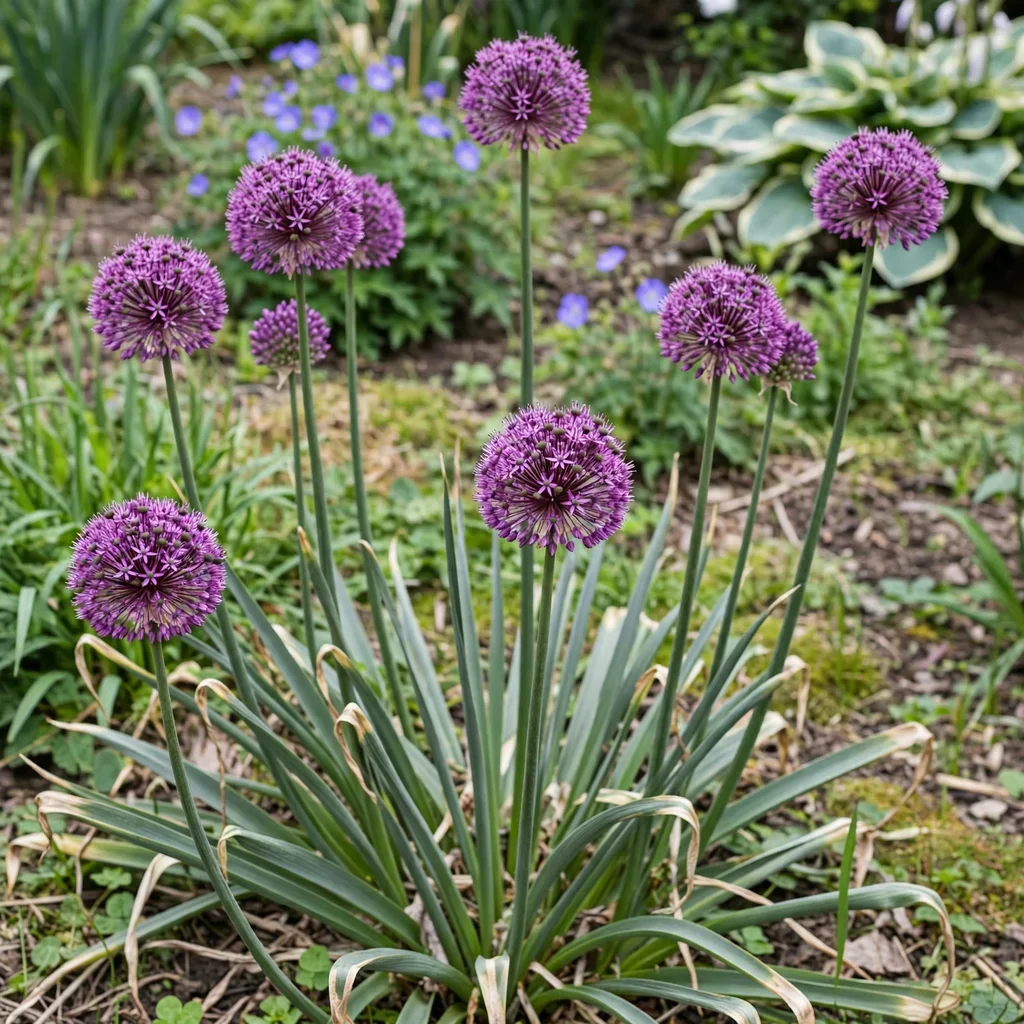
Purple Sensation Allium
Allium hollandicum 'Purple Sensation'
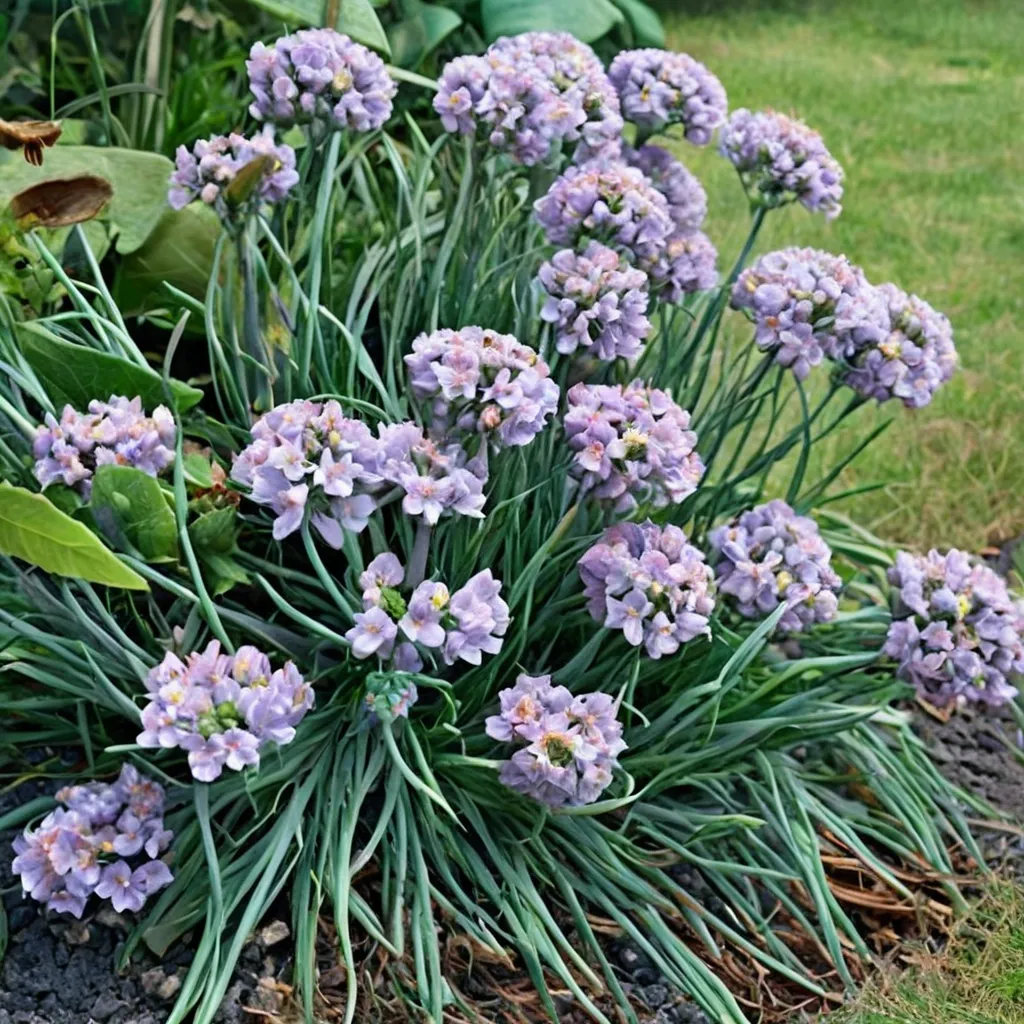
Blue Eddy Allium
Allium senescens 'Blue Eddy'
Keep exploring
Explore the genus
Hardy in your zone?
Grow Ramps with confidence
See it in a design of your actual yard, get zone-matched care reminders, and track it season by season in your garden journal.