Also known as Spring Beauty · 9 saves
Claytonia
Claytonia, the genus most gardeners know as spring beauty. We track 4 varieties; the ones most used by real gardeners.
The 4 most-saved Claytonia varieties
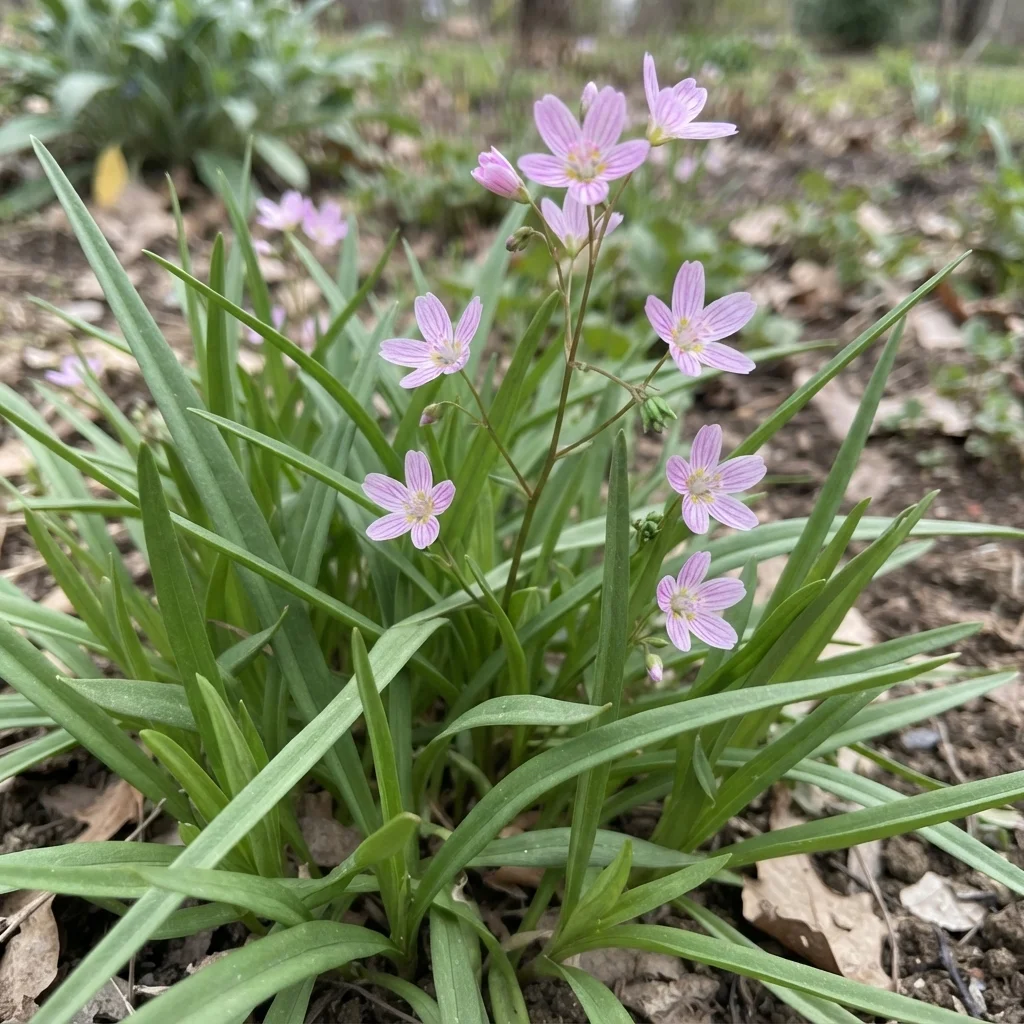
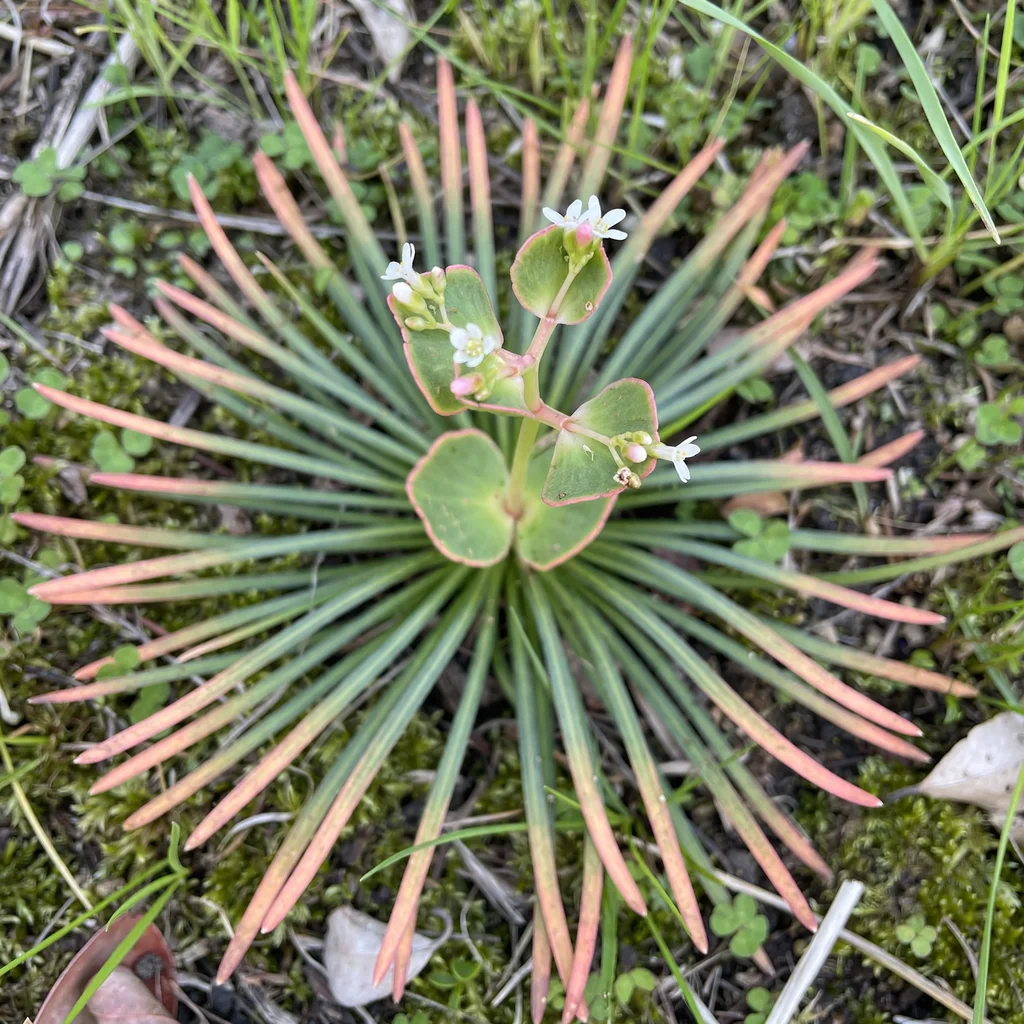
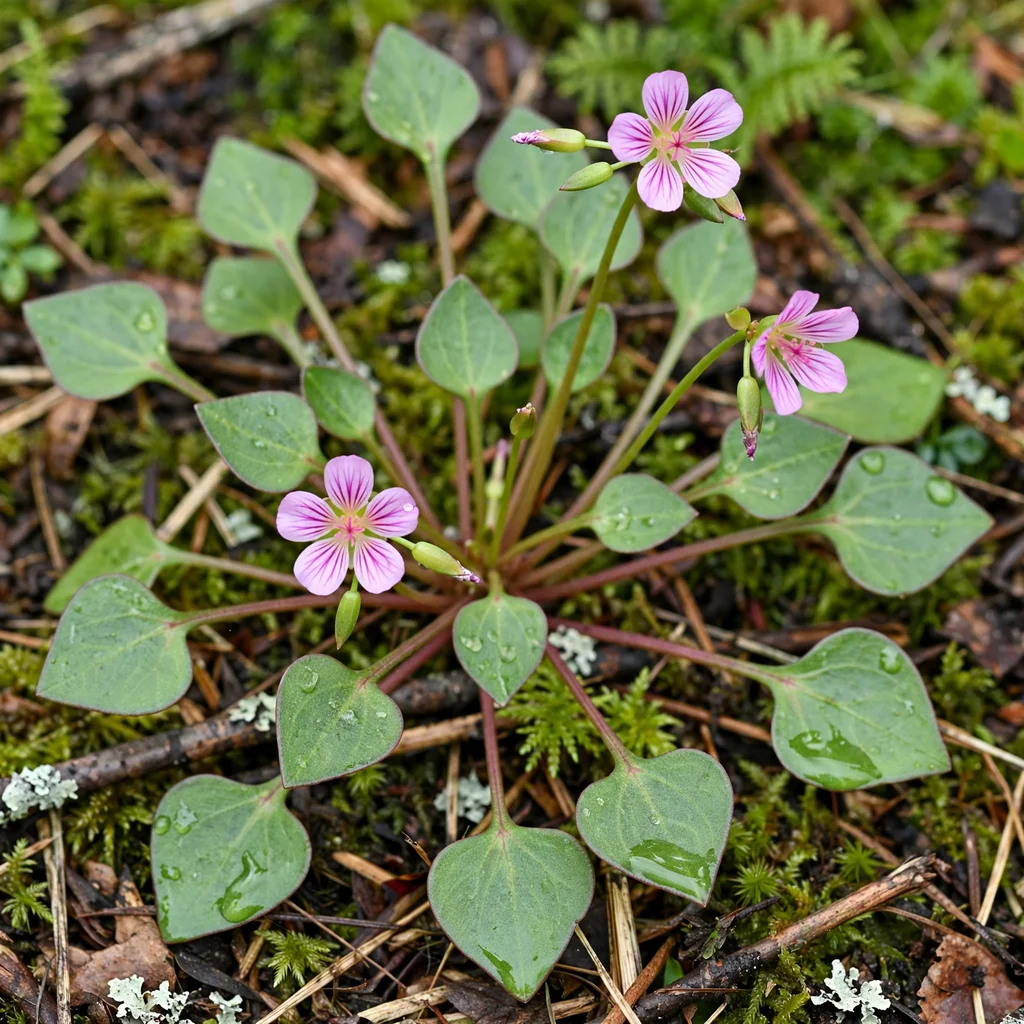
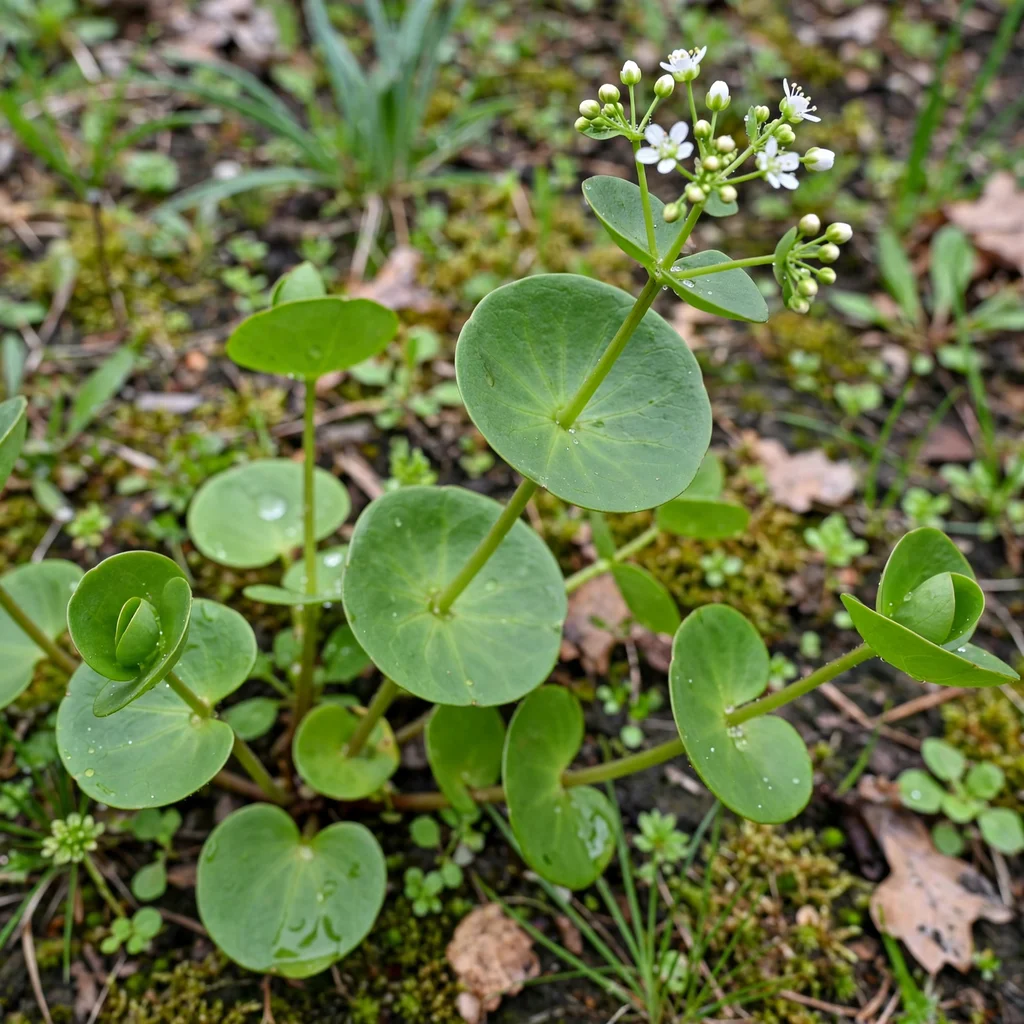
4 species of Claytonia
Each one is a parent of the varieties above.
Track your Claytonia in Sow
Save the Claytonia you grow and get care reminders timed to your zone.
How to grow Claytonia
Whats common across all Claytonia varieties in our catalog — drawn from the care records of the 4 most-grown of them.
The Claytonia year
- Check for PestsMarch–May100% of varieties
Monitor emerging foliage for fungal rusts and check for small mammal browsing.
- PlantSeptember–November75% of varieties
Plant dormant corms 2 to 3 inches deep in humus-rich soil during fall.
- HarvestApril and May50% of varieties
Gather tender rosettes and perfoliate leaf disks prior to summer flower production.
- Spring CleanupJune50% of varieties
Clear spent foliage after plants drop mature seed at the start of summer heat.


Do
- Plant corms in well-drained soil to prevent rot during winter dormancy.
- Allow foliage to die back naturally to feed the underground corm.
- Apply a thin layer of organic leaf mold or compost in the fall.
- Keep soil moist during the active winter and spring growth periods.
- Provide partial or full shade to extend the harvesting window into early summer.
Avoid
- Do not cut back green leaves prematurely while the plant is actively photosynthesizing.
- Avoid planting in waterlogged or poorly drained soils where corms will rot.
- Do not apply heavy chemical or synthetic fertilizers.
- Do not apply synthetic fertilizers, which cause weak, overly rank growth.
What goes wrong with Claytonia
| Problem | What you'll see | What to do |
|---|---|---|
| Aphids | Clusters of small insects on leaf undersides causing leaf curling and sticky honeydew. | Rinse foliage with a spray of water or apply insecticidal soap. |
| Small mammals | Corms dug up and eaten, or emerging spring foliage chewed down. | Install physical barriers like wire mesh over planting beds or use organic animal repellents. |
| Slugs and Snails | Irregular chewed holes in tender leaves accompanied by silvery slime trails. | Scatter iron phosphate bait around the perimeter or collect pests manually at dusk. |
| Slugs | — | — |
| Corm rot | Foliage fails to emerge in spring; dug-up corms are soft, mushy, and decayed. | Ensure excellent soil drainage and avoid planting in low-lying, waterlogged areas. |
| Fungal rust | Orange or yellow powdery pustules appearing on the leaves and stems. | Remove and destroy infected foliage, and avoid overhead watering to reduce leaf moisture. |
| Damping-off | Seedlings collapse and rot at the soil line in overcrowded, wet conditions. | Thin seedlings early to improve airflow and avoid overwatering. |
Making more Claytonia
Seed
- Collect seed capsules in early summer as they dry and turn brown.
- Sow seeds on the surface of moist, shaded soil in autumn or early spring.
- Press seeds gently onto the soil surface without burying them, as light aids germination.
- Keep the soil consistently moist until seedlings emerge in cool spring weather.
Division of corms
- Wait until the foliage has completely died back and the plant is dormant in mid-summer.
- Carefully dig up the soil area where the colony is established to locate the small corms.
- Gently separate the offset corms from the parent corms.
- Replant the divided corms immediately at a depth of 2 to 3 inches in moist, well-drained soil.
Claytonia questions
How many types of Claytonia are there?
The Sow catalog tracks 4 distinct Claytonia varieties. The most popular — ranked by 9 real gardeners — are shown first above.
What zones does Claytonia grow in?
Across its varieties, Claytonia covers USDA Zones 4–9. Individual varieties differ — each plant page lists its exact range, and Sow filters the catalog to your zone automatically.
When does Claytonia bloom?
Most Claytonia varieties bloom from early spring to mid-summer.
Which Claytonia should I choose?
Start from the most-saved varieties above — popularity across thousands of gardens is a strong signal of reliability — then filter by your zone and sun. In the Sow app you can preview any of them in a photo of your actual yard before you buy.