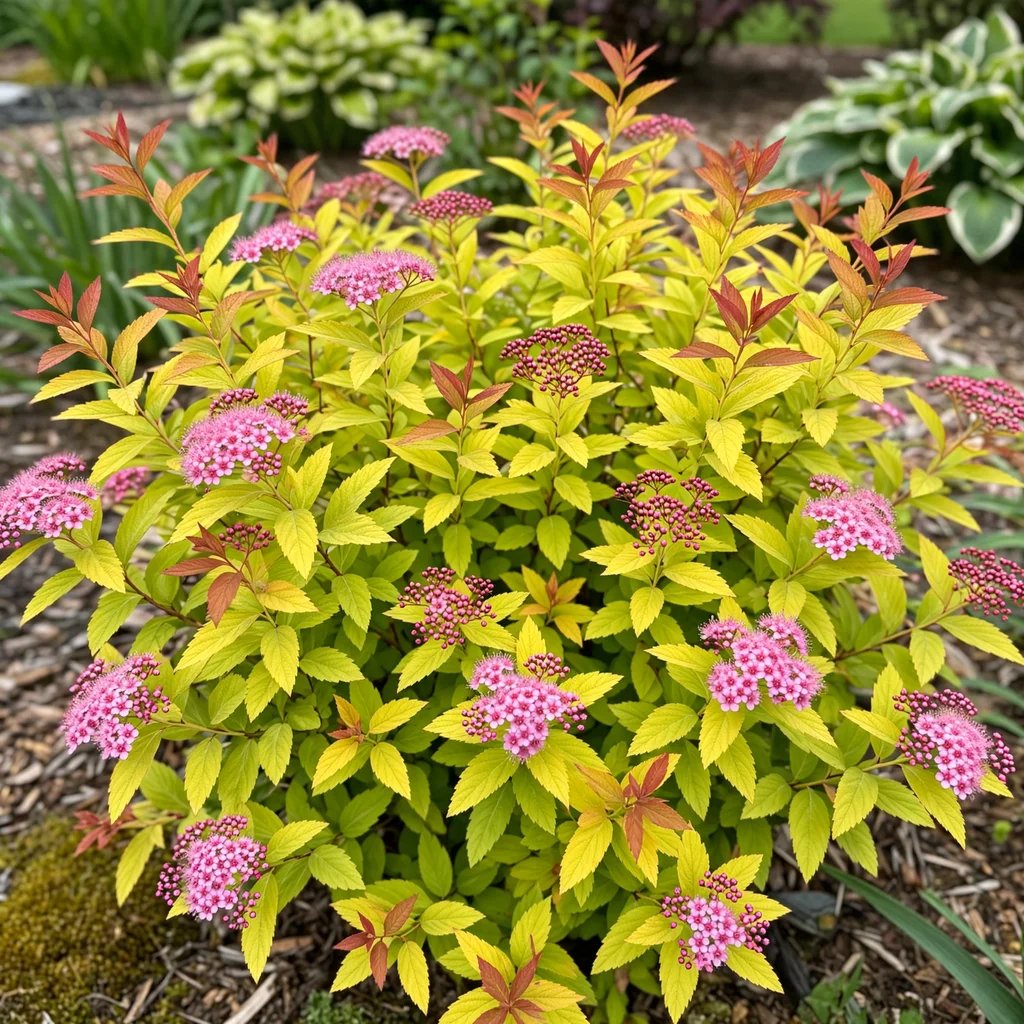
Species
 Spiraea japonicaJapanese Spirea
21 other cultivars
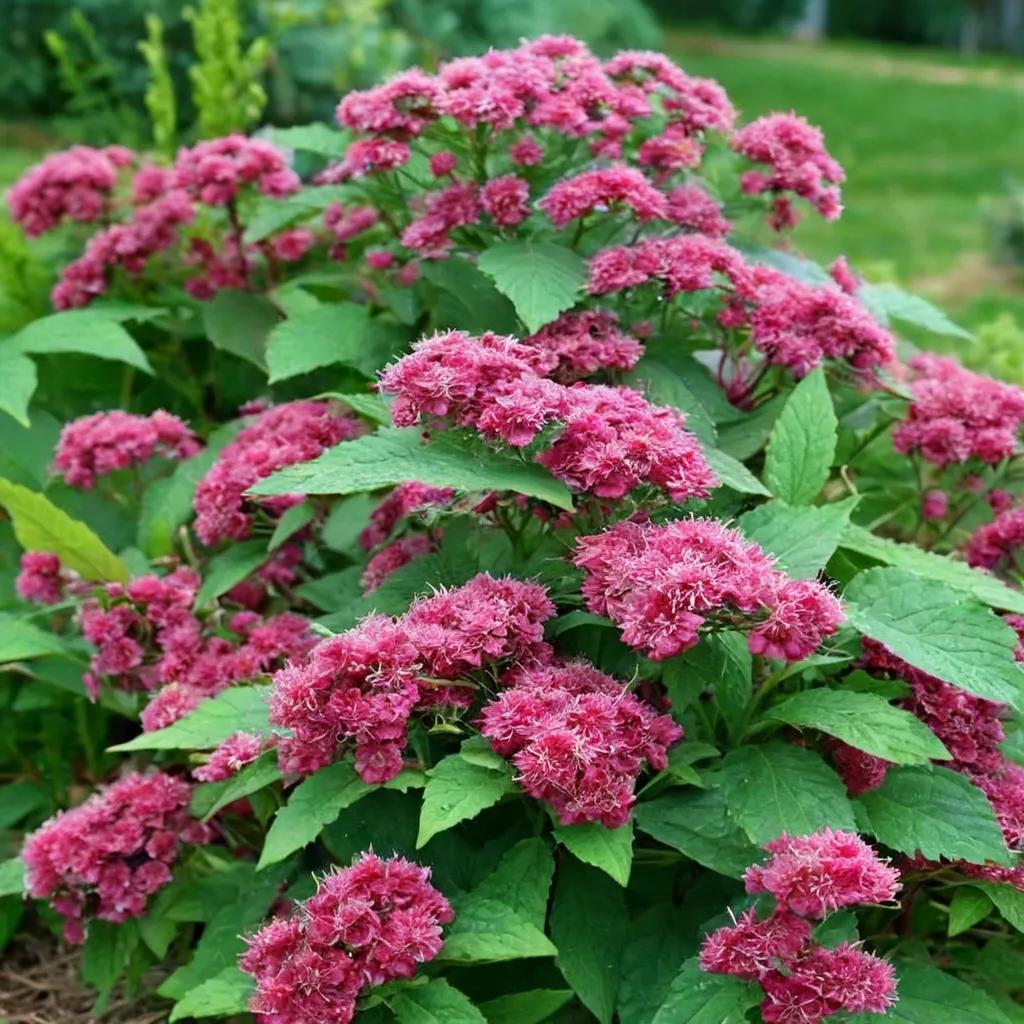 ‘Double Play Red’Double Play Red Spirea
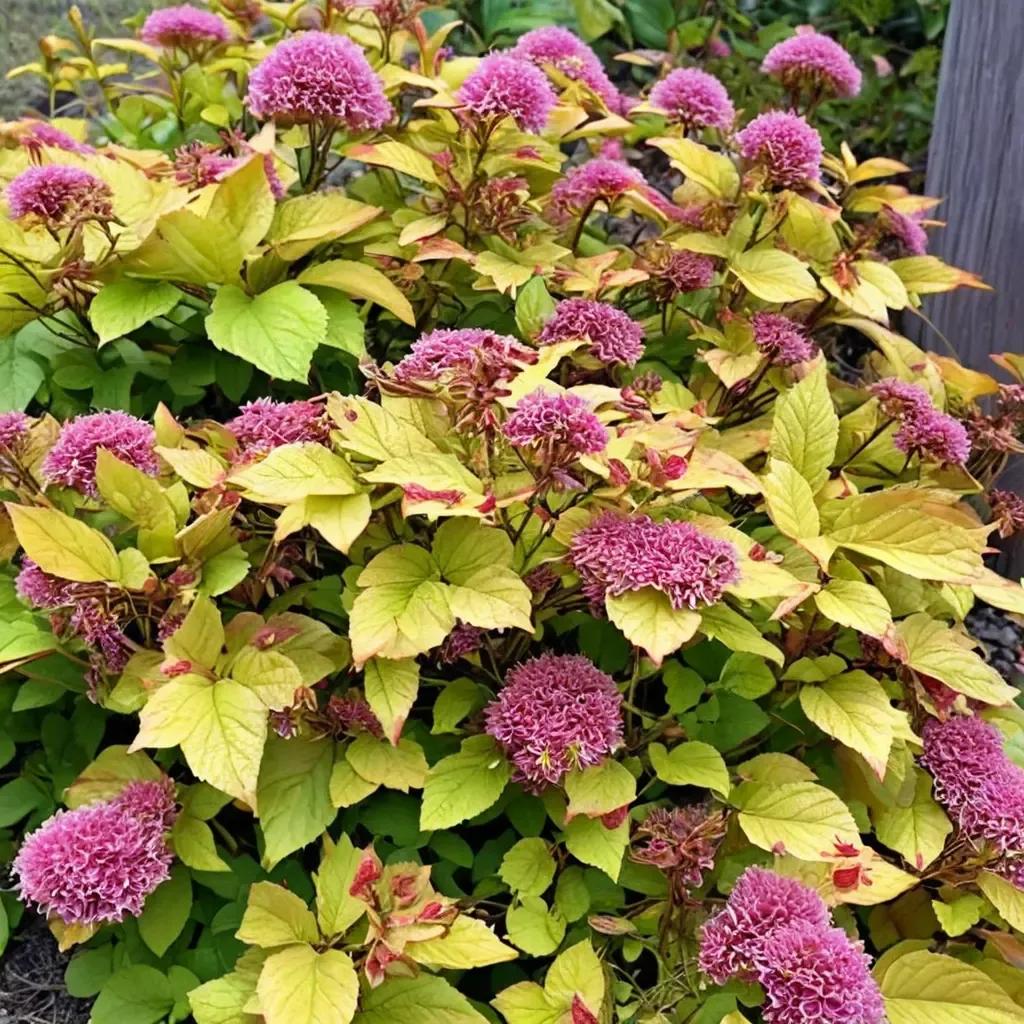 ‘Magic Carpet’Magic Carpet Japanese Spirea
 ‘Double Play Doozie’Double Play Doozie Spirea
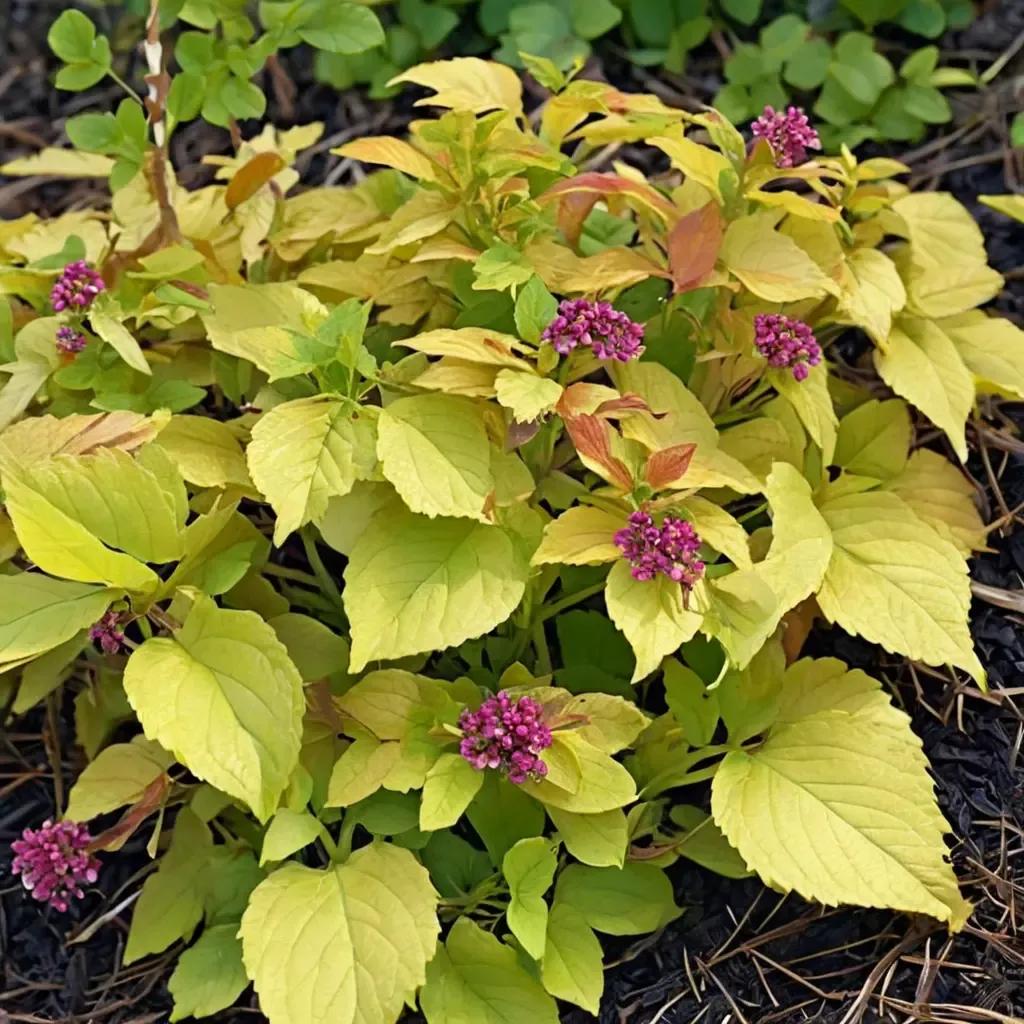 ‘Double Play Candy Corn’Double Play Candy Corn Spiraea
 ‘Neon Flash’Neon Flash Japanese Spirea
 ‘Gold Mound’Gold Mound Spirea
 ‘Yan’Double Play Candy Corn Spirea
 ‘Little Princess’Little Princess Spirea
 ‘Golden Select’Pineapple Poprocks Spirea
 ‘Double Play Dolly’Double Play Dolly Japanese Spirea
 ‘Shirobana’Shirobana Japanese Spirea
 ‘Tracy’Double Play Big Bang Spirea
 ‘Walbuma’Magic Carpet Spirea
 ‘Galen’Double Play Artisan Spirea
 ‘Monhub’Limemound Spirea
 ‘Odessa’Poprocks Petite Spiraea
 ‘Matgold’Rainbow Fizz Spirea
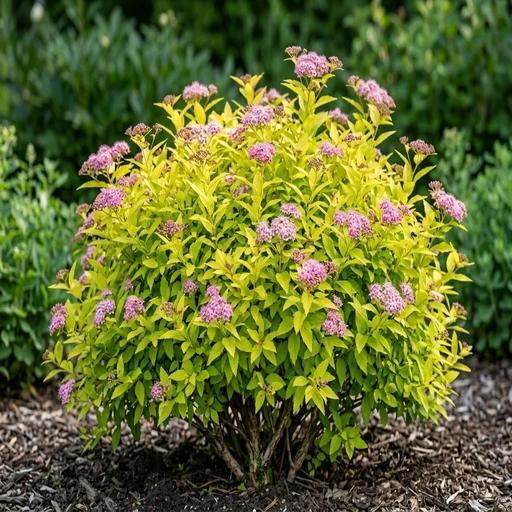 ‘Sundrop’Sundrop Spirea
 ‘Northern Lights’Northern Lights Spirea
 ‘Golden Princess’Golden Princess Spirea
 ‘Firelight’Japanese Spirea
The Story
Plant Bio
Spiraea japonica is a deciduous East Asian shrub forming a dense, mounded habit with upright-arching wiry stems. The species produces flat-topped clusters of pink flowers at the tips of new growth from late spring through mid-summer.
'Goldflame' is distinguished by its dynamic foliage progression, emerging bronze-red in spring before transitioning to yellow-green in summer and coppery-orange in fall. The rose-pink flowers contrast against the chartreuse summer leaves.
Uses & Benefits:
Essentials
At a Glance
Plant Type
Shrub
Height
48"
Width
60"
Light
Full Sun, Partial Sun
Zones
4, 5, 6, 7, 8
Water
Moderate
Humidity
Moderate
Lifespan
10-20 years
Native To
East Asia
Toxicity
Non-toxic
Bloom period
Late spring – Mid-summer
In flower about 3 months of the year
Marketplace
Where to Buy
Shipping costs Year-round shipping Free shipping
Planting
How to Grow
- Select a planting site in full sun to ensure the brightest foliage coloration and maximum flower production.
- Dig a hole twice as wide as the root ball and backfill with native soil, ensuring the crown sits level with the ground surface.
- Water deeply at planting and maintain consistent moisture until the root system is fully established.
- Apply a balanced, slow-release organic fertilizer or a layer of compost around the root zone each spring.
Pro Tip
Prune the stems back hard to a low framework in late winter; flowers develop on new wood, and failing to prune results in a woody, sprawling center with sparse foliage.
Keep It Thriving
Care Guide
Do
- Prune hard annually in late winter or early spring to stimulate vigorous new flowering growth.
- Shear lightly after the first flower flush to encourage a secondary bloom in late summer.
- Plant in exceptionally well-drained soil to prevent root rot.
Don't
- Do not plant in deep shade, which causes the golden foliage to fade to a dull green.
- Avoid overwatering or planting in low-lying areas where water collects.
- Do not leave long, untidy dead tip stubs when pruning.
Seasonal Care Calendar
| Task | Jan | Feb | Mar | Apr | May | Jun | Jul | Aug | Sep | Oct | Nov | Dec |
|---|---|---|---|---|---|---|---|---|---|---|---|---|
| Deadhead | ||||||||||||
| Fertilize | ||||||||||||
| Pest Check | ||||||||||||
| Prune |
Watch Out For
Pests & Diseases
Common Pests
Common Diseases
In the Garden
Landscape Uses & Companions
Landscape Uses
Companion Plants
Multiply
Propagation Methods
Good to Know
Common Questions
Goldflame Spirea questions
What zones can Goldflame Spirea grow in?
Goldflame Spirea is hardy in USDA Zones 4–8. Inside that range it survives winter in the ground; outside it, grow it as an annual or a container plant you protect.
Is Goldflame Spirea deer resistant?
Yes — Goldflame Spirea is rated deer-resistant. Deer typically pass it over, though extreme hunger can override any plant's defenses.
When does Goldflame Spirea bloom?
Goldflame Spirea typically blooms in late spring through mid-summer. Exact timing shifts a week or two with your zone — Sow's bloom calendar maps it to your garden.
Does Goldflame Spirea need full sun?
Goldflame Spirea does best in full sun to part shade. In hot climates, afternoon shade keeps blooms fresher longer.
Is Goldflame Spirea drought tolerant?
Yes — once established (usually after the first full season), Goldflame Spirea handles dry spells with minimal watering. Water deeply its first year to build the root system that makes that possible.
More Spiraea to compare
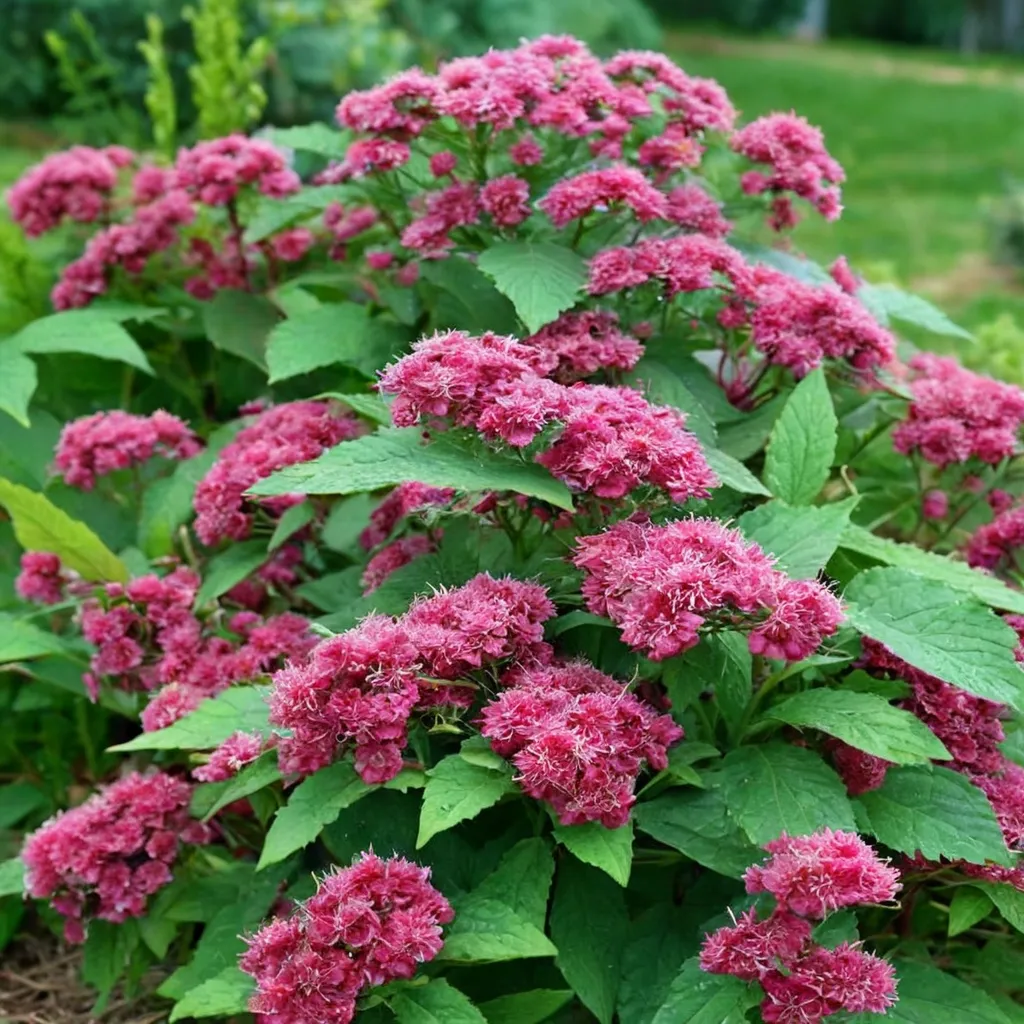
Double Play Red Spirea
Spiraea japonica 'Double Play Red'
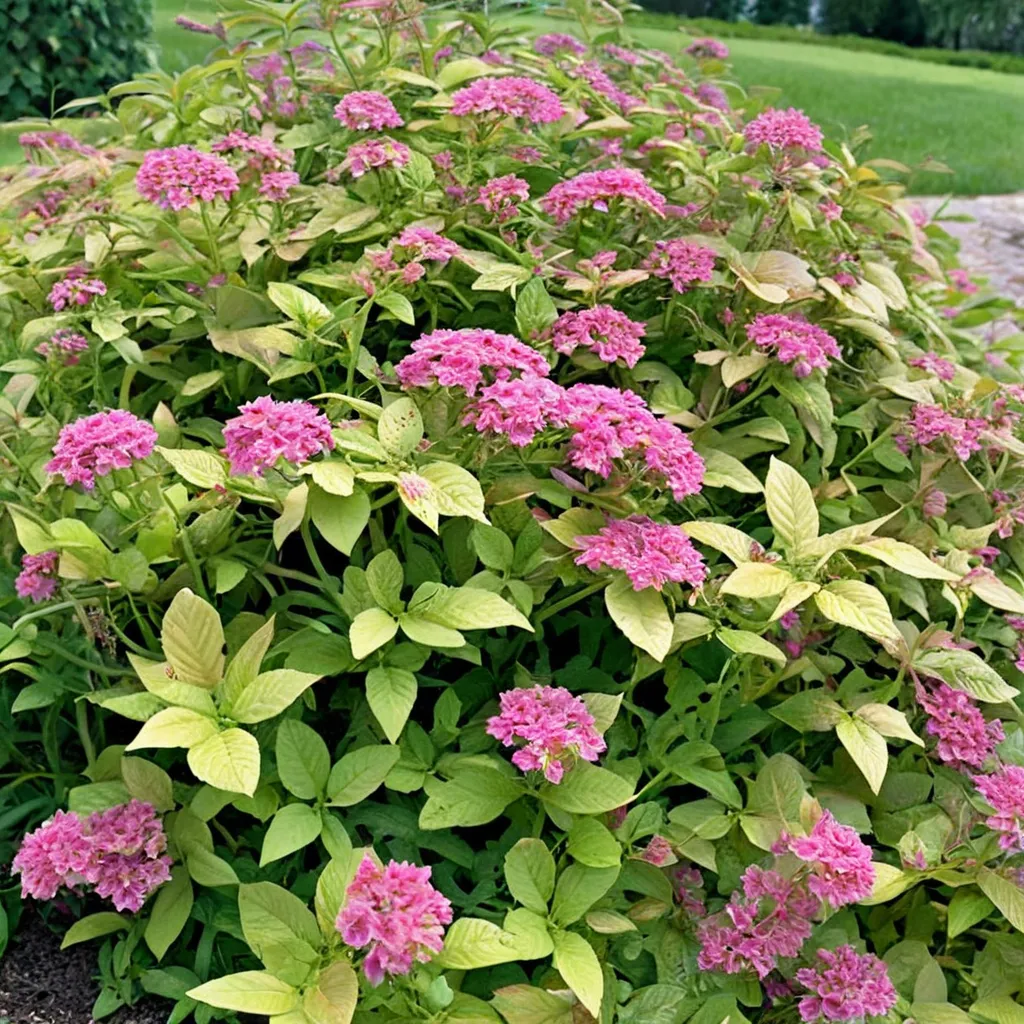
Bumalda Spiraea Mix
Spiraea x bumalda 'Mix'
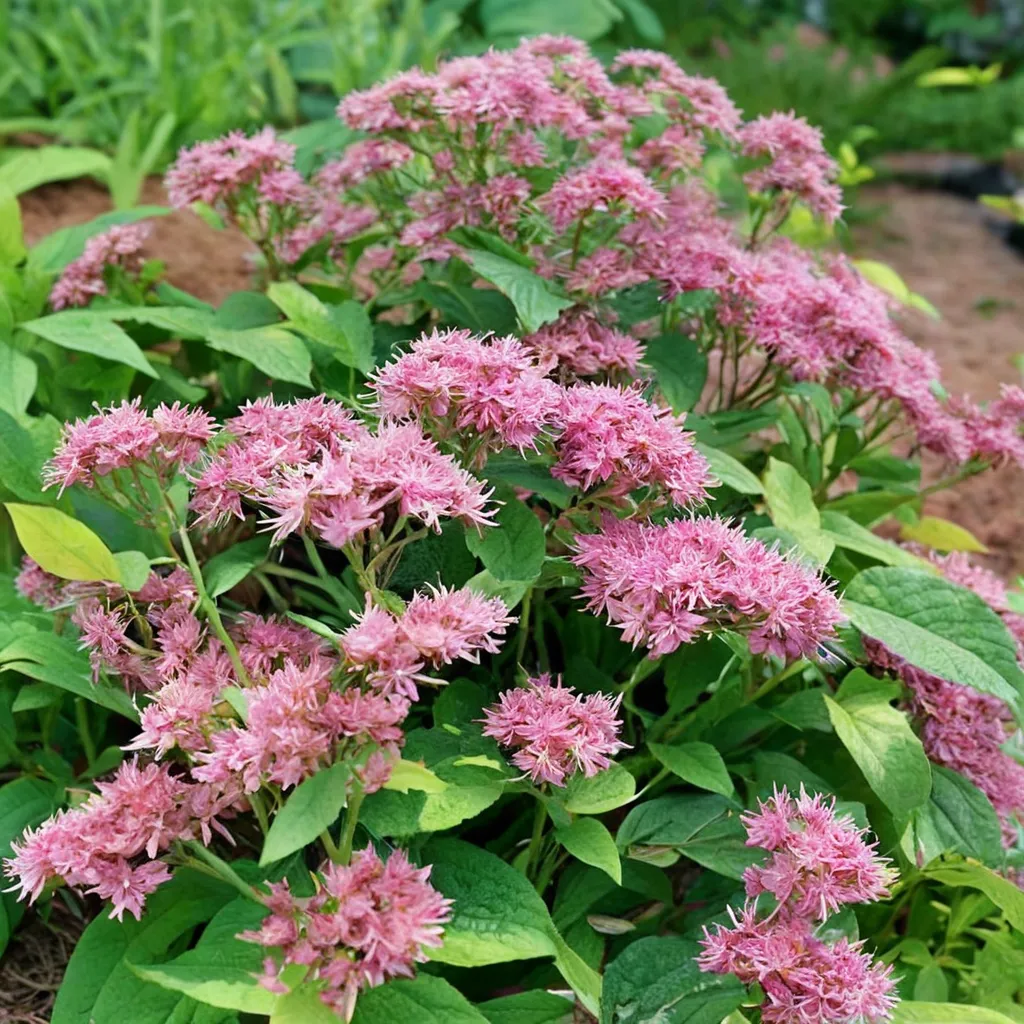
Hybrid Spirea
Spiraea x hybrida 'Mix'
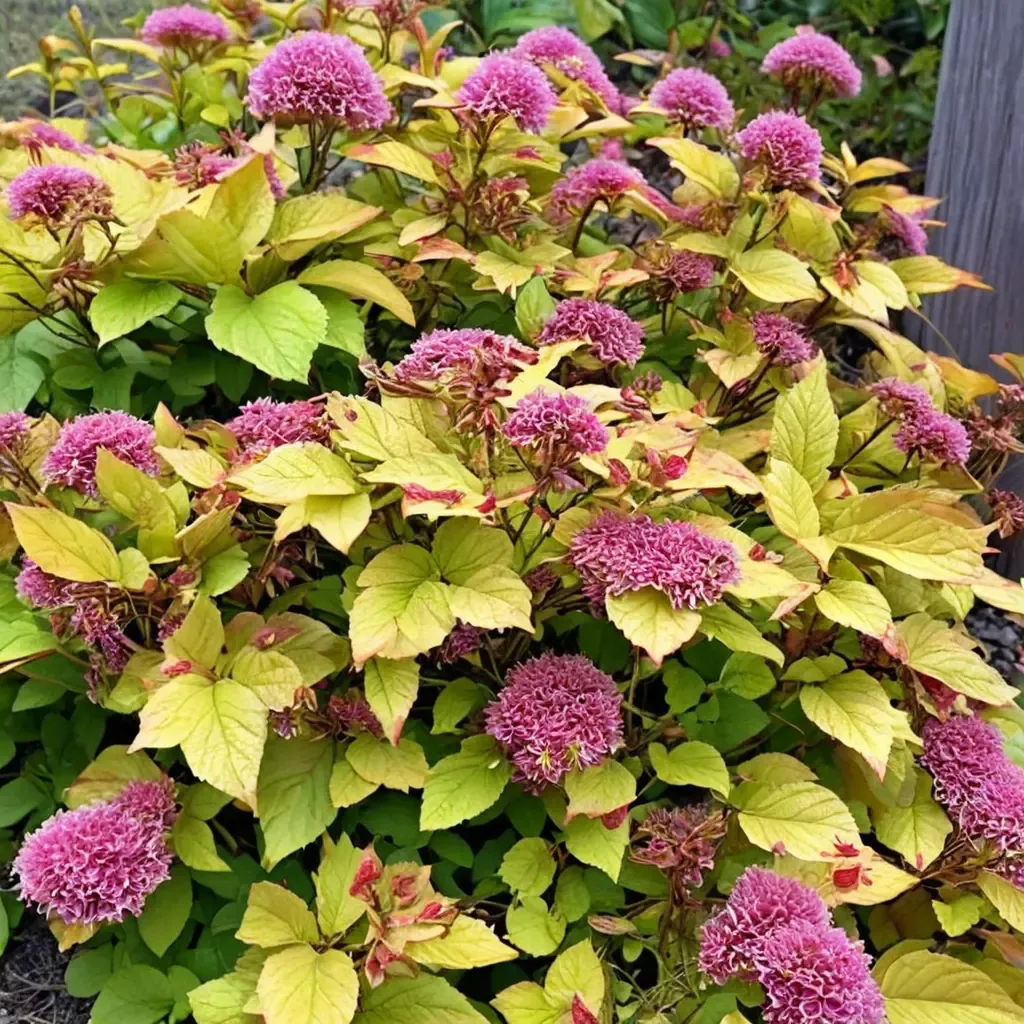
Magic Carpet Japanese Spirea
Spiraea japonica 'Magic Carpet'
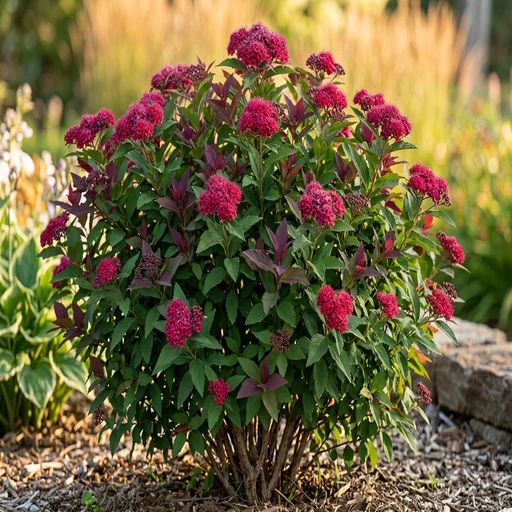
Double Play Doozie Spirea
Spiraea japonica 'Double Play Doozie'
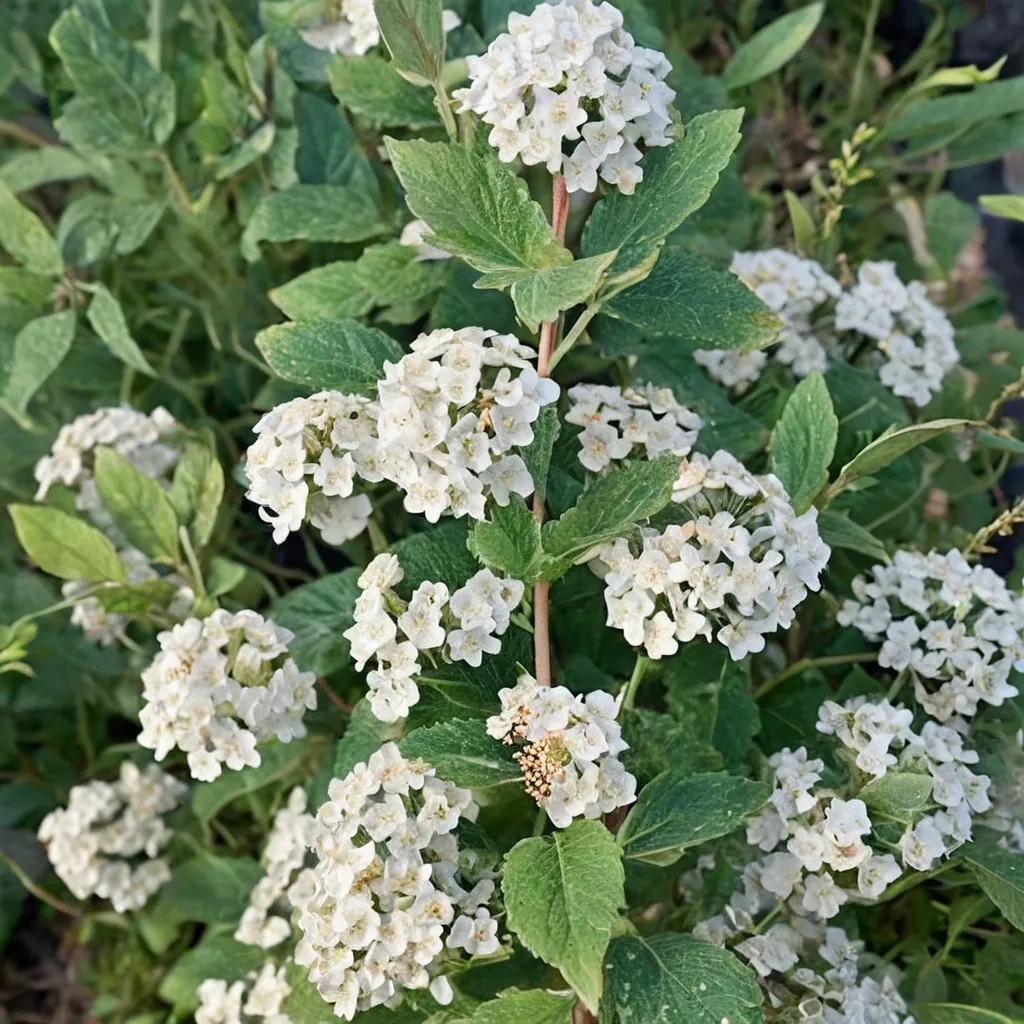
Vanhoutte Spirea
Spiraea x vanhouttei 'Mix'
Keep exploring
Explore the genus
Hardy in your zone?
Grow Goldflame Spirea with confidence
See it in a design of your actual yard, get zone-matched care reminders, and track it season by season in your garden journal.