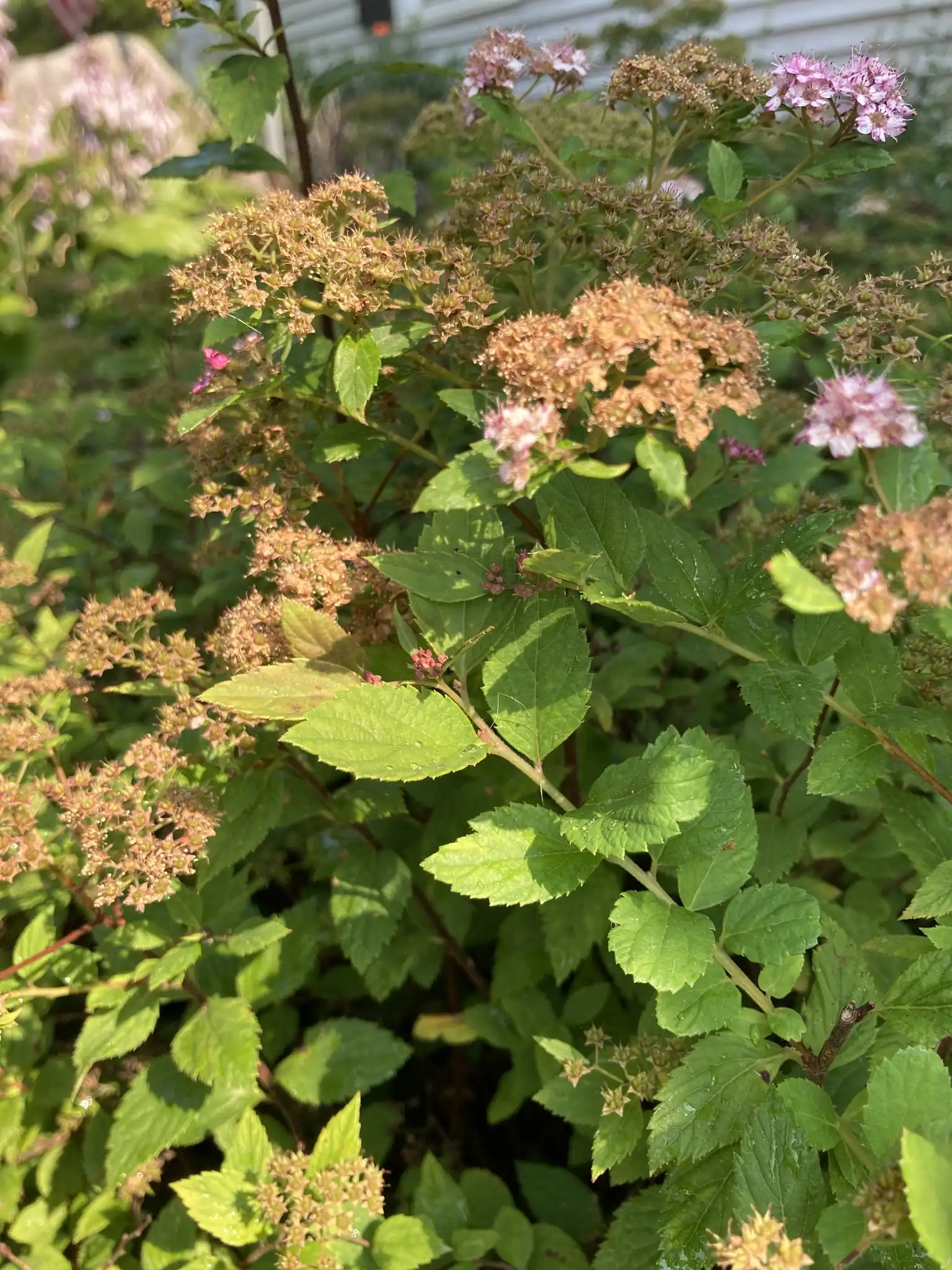
16 named cultivars
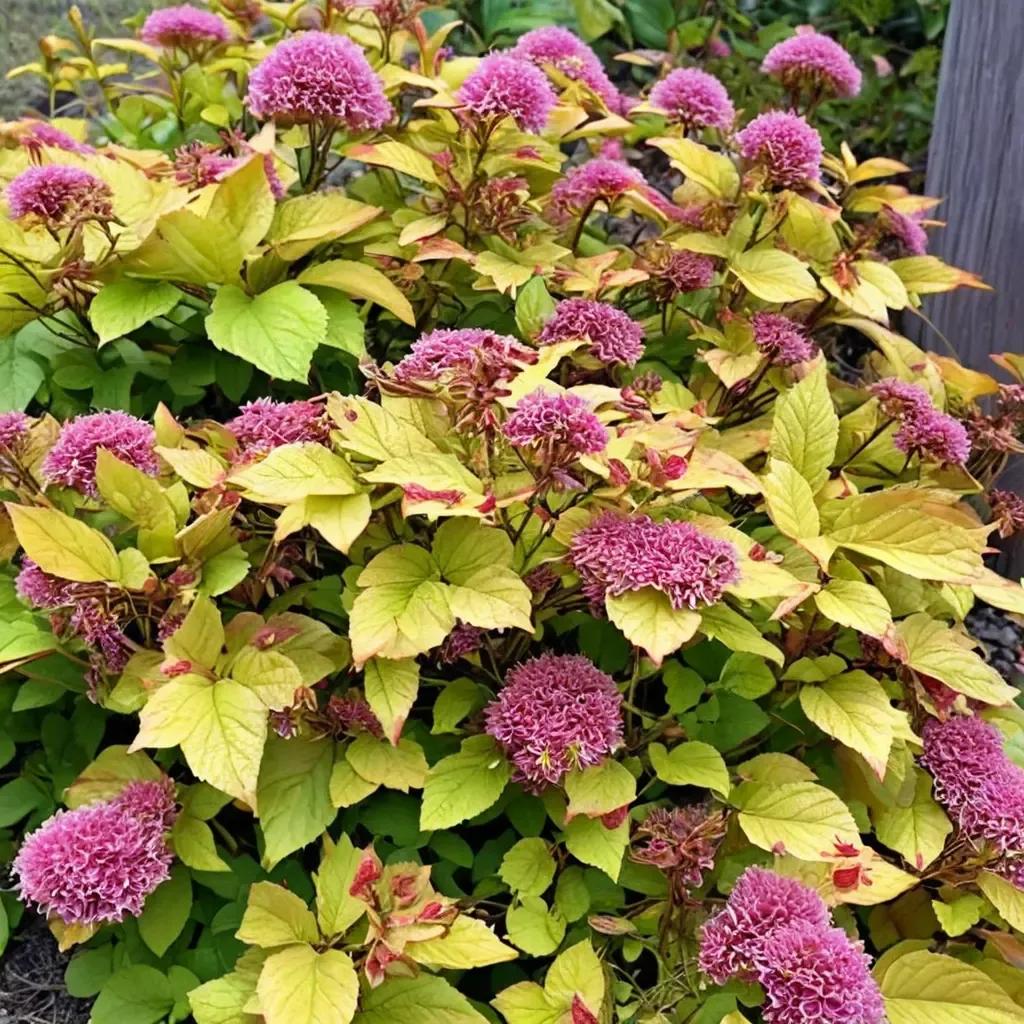 ‘Magic Carpet’Magic Carpet Japanese Spirea
 ‘Double Play Doozie’Double Play Doozie Spirea
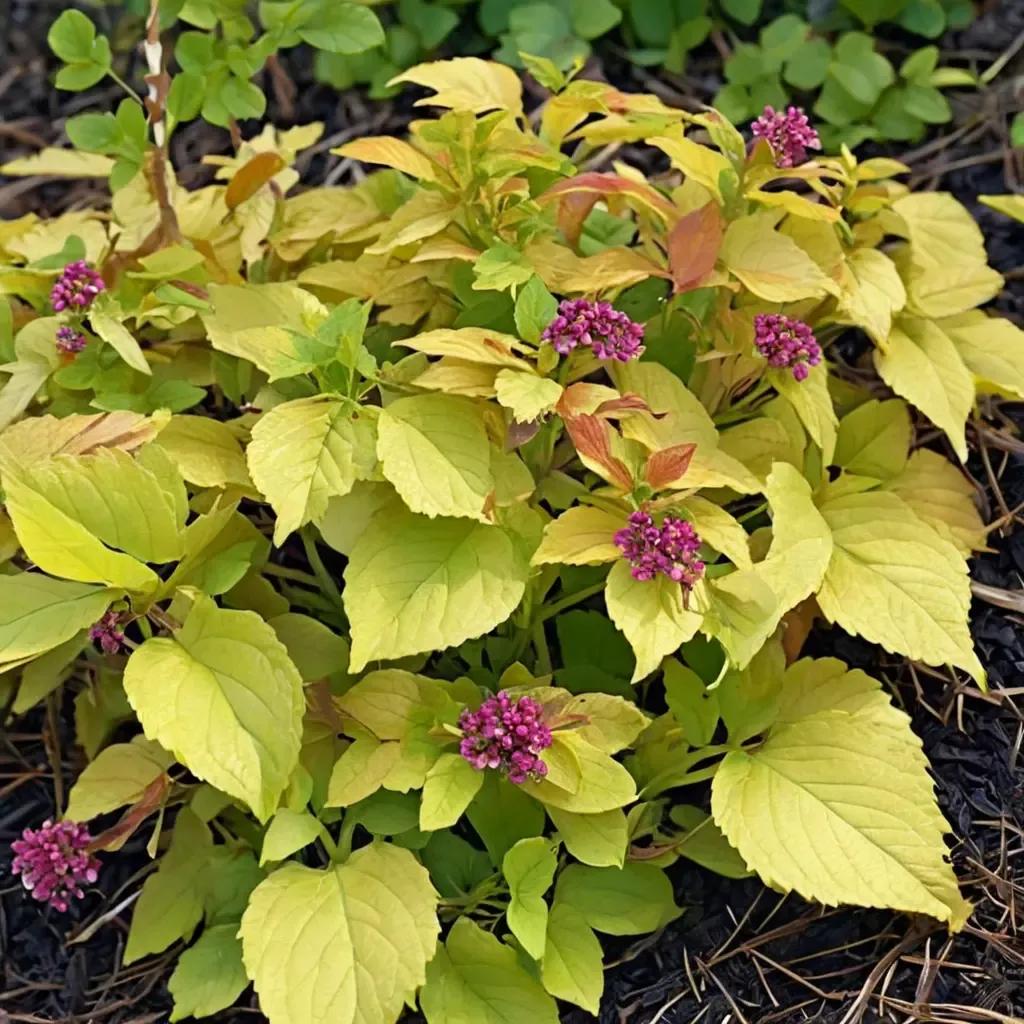 ‘Double Play Candy Corn’Double Play Candy Corn Spiraea
 ‘Neon Flash’Neon Flash Japanese Spirea
 ‘Gold Mound’Gold Mound Spirea
 ‘Yan’Double Play Candy Corn Spirea
 ‘Little Princess’Little Princess Spirea
 ‘Golden Select’Pineapple Poprocks Spirea
 ‘Double Play Dolly’Double Play Dolly Japanese Spirea
 ‘Shirobana’Shirobana Japanese Spirea
 ‘Walbuma’Magic Carpet Spirea
 ‘Galen’Double Play Artisan Spirea
 ‘Monhub’Limemound Spirea
 ‘Matgold’Rainbow Fizz Spirea
 ‘Odessa’Poprocks Petite Spiraea
 ‘Northern Lights’Northern Lights Spirea
The Story
Plant Bio
Spiraea japonica, the Japanese spiraea, is a dense deciduous shrub from Japan and China, forming an erect rounded mound 4 to 6 ft high and 4 to 7 ft across. Toothed leaves emerge bronze or gold on many selections before settling to green. Flat corymbs of small pink flowers cover the shrub from late spring into summer.
It seeds heavily into damp meadows, stream banks and roadsides and is treated as an invasive weed across much of the eastern United States, which is why NCSU lists it under weeds. Deadheading the first flush both limits seeding and brings a lighter second flowering later in summer.
Uses & Benefits:
Essentials
At a Glance
Plant Type
Shrub
Height
60"
Width
66"
Light
Full Sun, Partial Sun
Zones
4, 5, 6, 7, 8
Water
Moderate; drought tolerant once established
Humidity
Average
Lifespan
15 to 20 years
Native To
Japan and China
Toxicity
Non-toxic
Planting
How to Grow
- Check local invasive-species guidance before planting.
- Plant in full sun for the best flower and foliage colour.
- Give ordinary well-drained soil; it is not fussy about pH.
- Water through the first season, then only in drought.
- Shear off the spent corymbs to limit seeding and prompt a rebloom.
- Cut the whole shrub back by a third in late winter.
Pro Tip
Shear the faded heads promptly: it both cuts the seed that spreads it into wild ground and triggers a second, lighter flush.
Keep It Thriving
Care Guide
Do
- Grow it in full sun for strong flower and leaf colour 🌞
- Deadhead every flush to limit self-seeding ✂️
- Renovate by cutting a third of the stems to the base each winter 🌿
- Watch for seedlings on damp ground nearby 👀
Don't
- Do not plant it near streams, wetland or open woodland ❌
- Do not let seed heads stand into autumn ❌
- Do not expect the species to stay as small as a dwarf cultivar ❌
Seasonal Care Calendar
| Task | Jan | Feb | Mar | Apr | May | Jun | Jul | Aug | Sep | Oct | Nov | Dec |
|---|---|---|---|---|---|---|---|---|---|---|---|---|
| Deadhead Each Flush | ||||||||||||
| Prune And Renovate |
Watch Out For
Pests & Diseases
Common Pests
Common Diseases
In the Garden
Landscape Uses & Companions
Landscape Uses
Companion Plants
Multiply
Propagation Methods
Good to Know
Common Questions
Japanese Spirea questions
What zones can Japanese Spirea grow in?
Japanese Spirea is hardy in USDA Zones 4–8. Inside that range it survives winter in the ground; outside it, grow it as an annual or a container plant you protect.
Is Japanese Spirea deer resistant?
Yes — Japanese Spirea is rated deer-resistant. Deer typically pass it over, though extreme hunger can override any plant's defenses.
When does Japanese Spirea bloom?
Japanese Spirea typically blooms in late spring into summer through mid-summer. Exact timing shifts a week or two with your zone — Sow's bloom calendar maps it to your garden.
Does Japanese Spirea need full sun?
Japanese Spirea does best in full sun to part shade. In hot climates, afternoon shade keeps blooms fresher longer.
Is Japanese Spirea drought tolerant?
Yes — once established (usually after the first full season), Japanese Spirea handles dry spells with minimal watering. Water deeply its first year to build the root system that makes that possible.
More Spiraea to compare
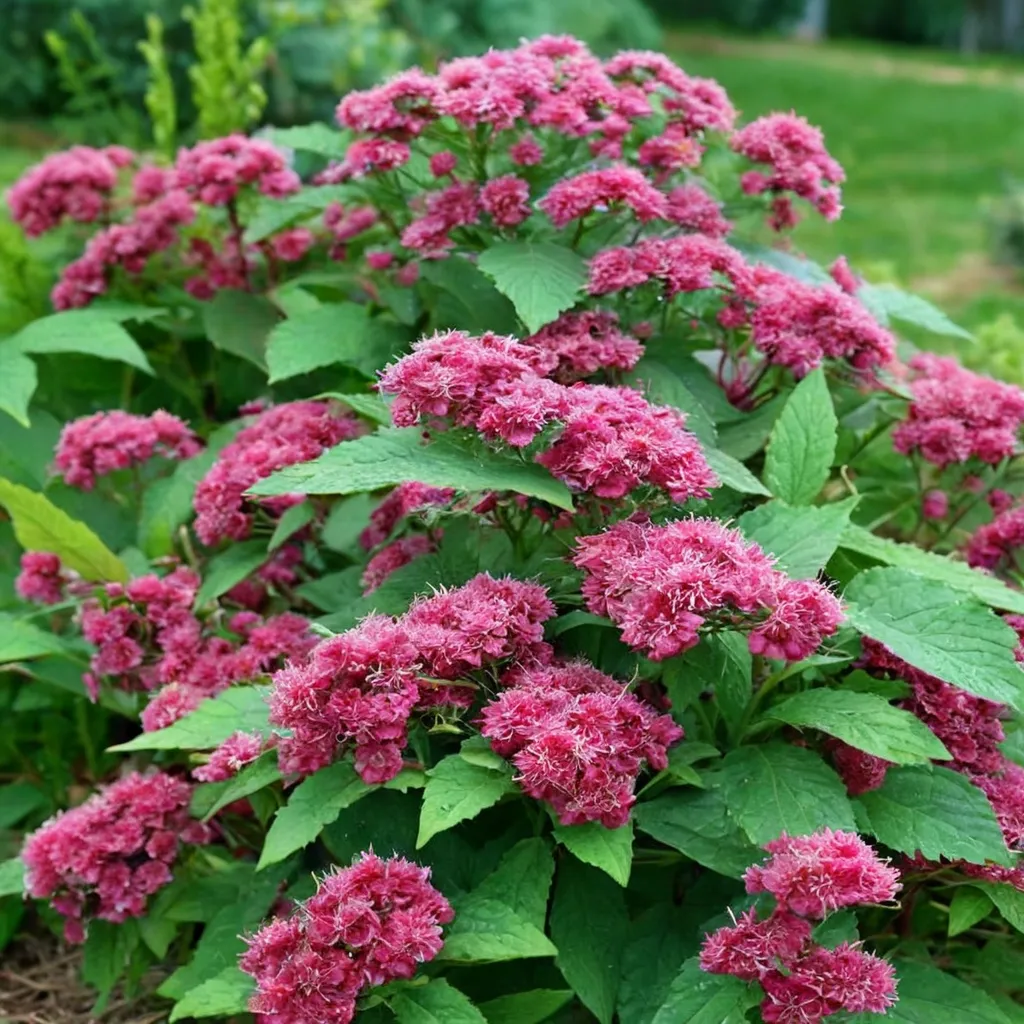
Double Play Red Spirea
Spiraea x bumalda 'Double Play Red'
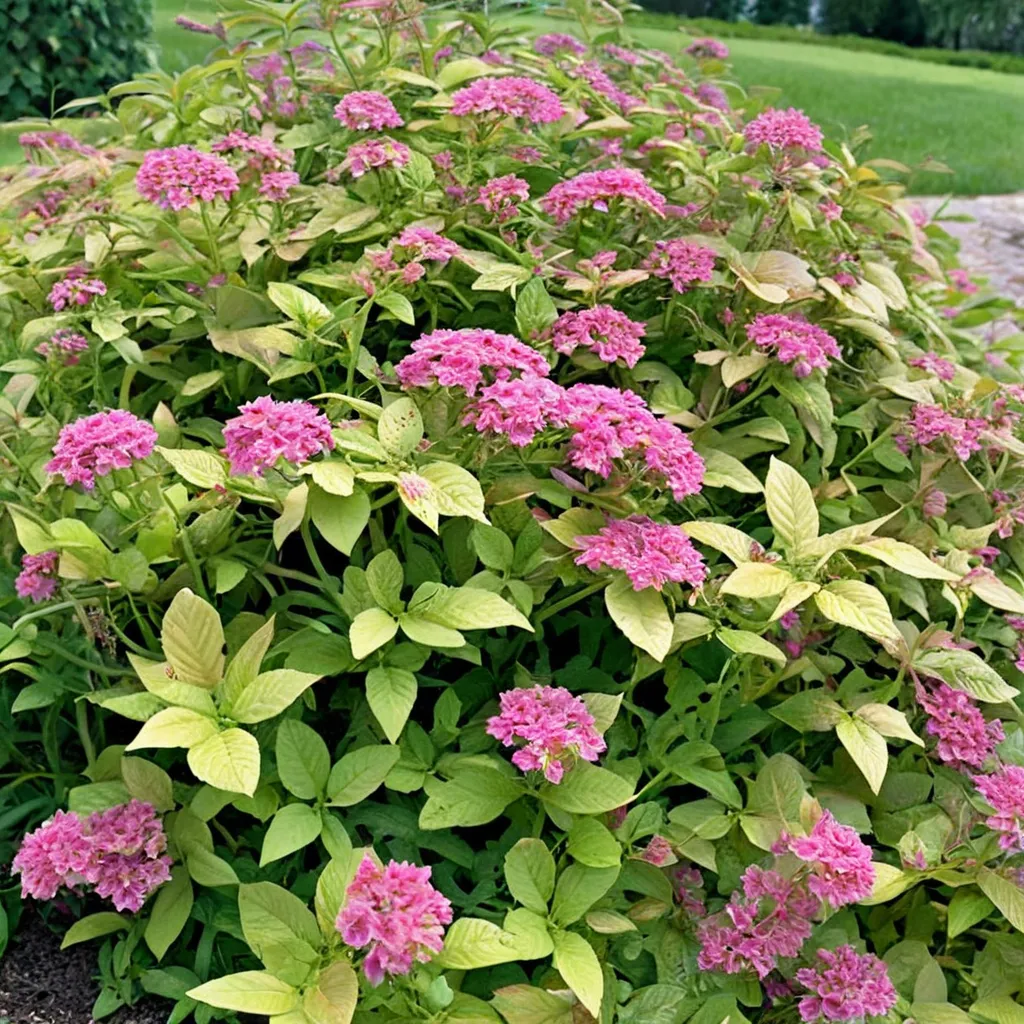
Bumalda Spiraea Mix
Spiraea x bumalda 'Mix'
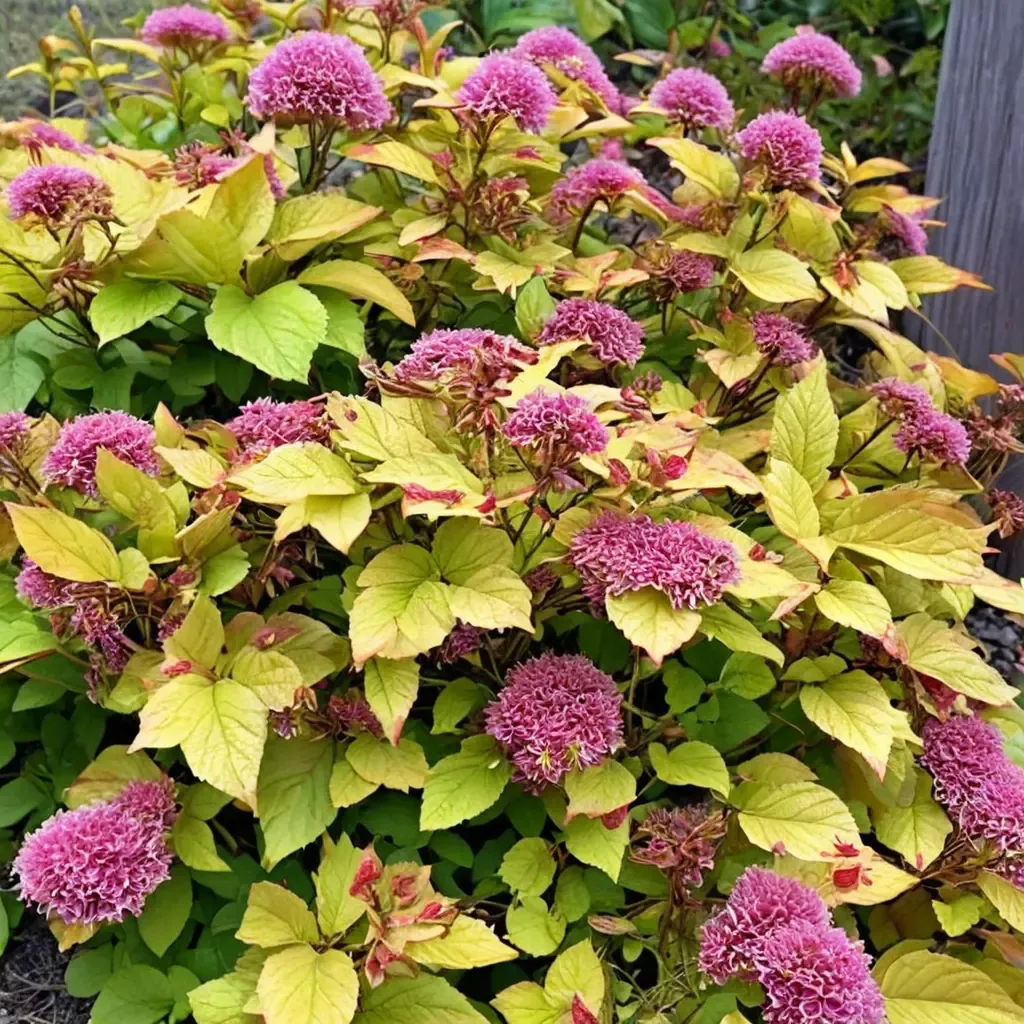
Magic Carpet Japanese Spirea
Spiraea japonica 'Magic Carpet'
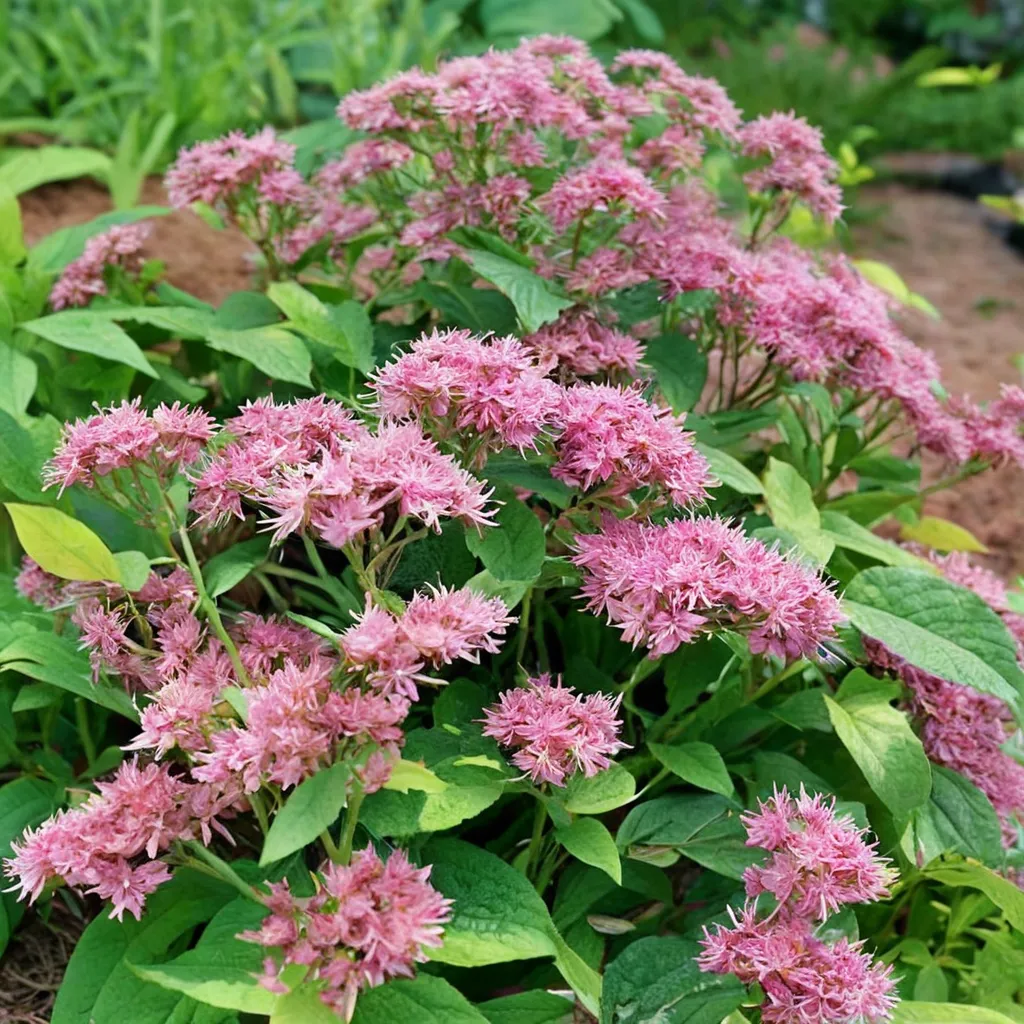
Hybrid Spirea
Spiraea x hybrida 'Mix'
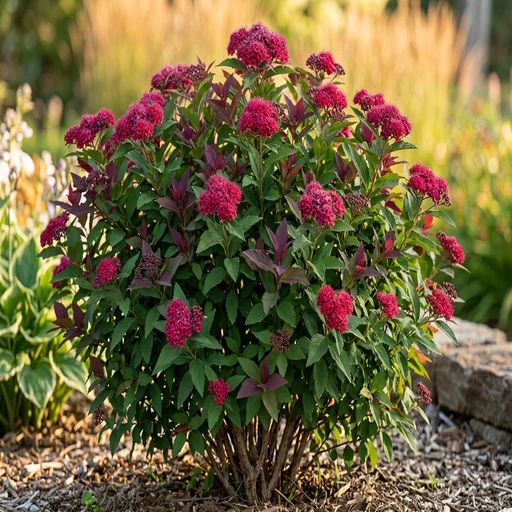
Double Play Doozie Spirea
Spiraea japonica 'Double Play Doozie'
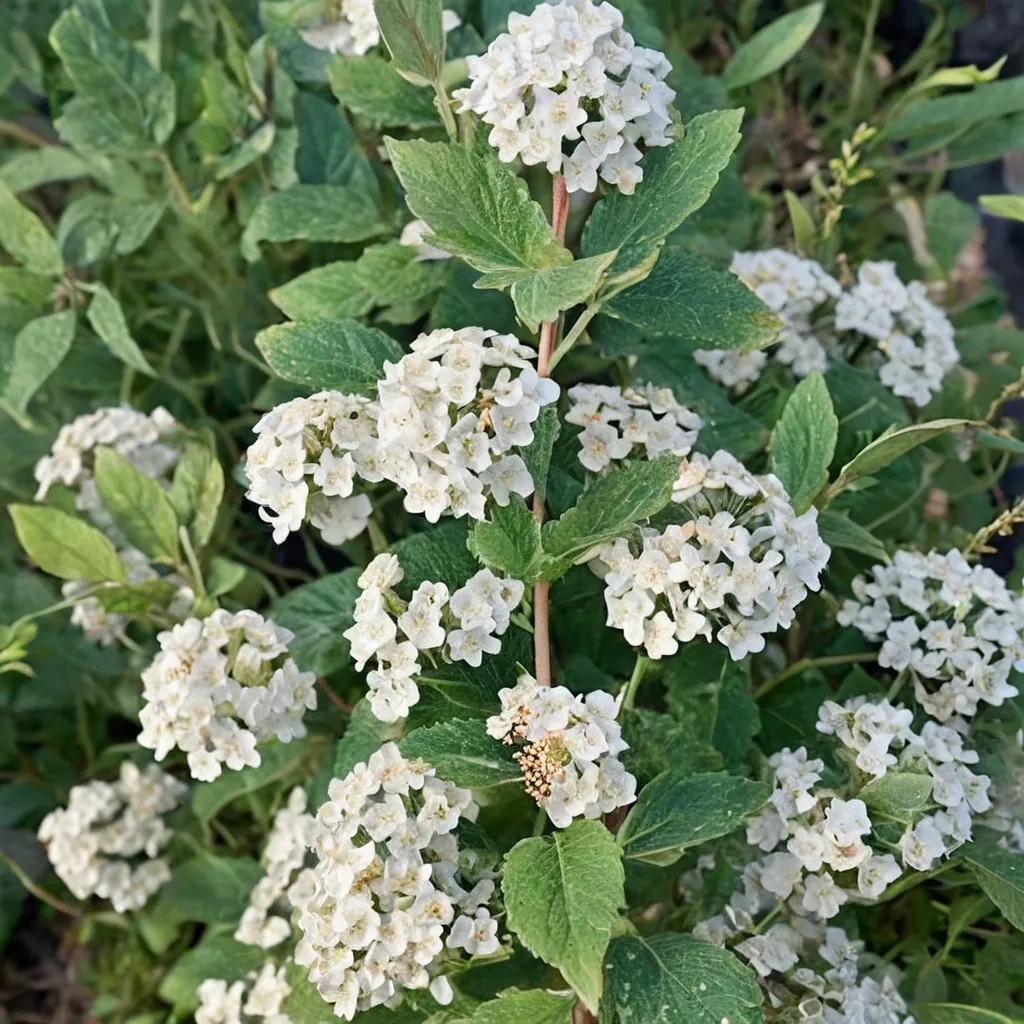
Vanhoutte Spirea
Spiraea x vanhouttei 'Mix'
Keep exploring
Explore the genus
Hardy in your zone?
Grow Japanese Spirea with confidence
See it in a design of your actual yard, get zone-matched care reminders, and track it season by season in your garden journal.