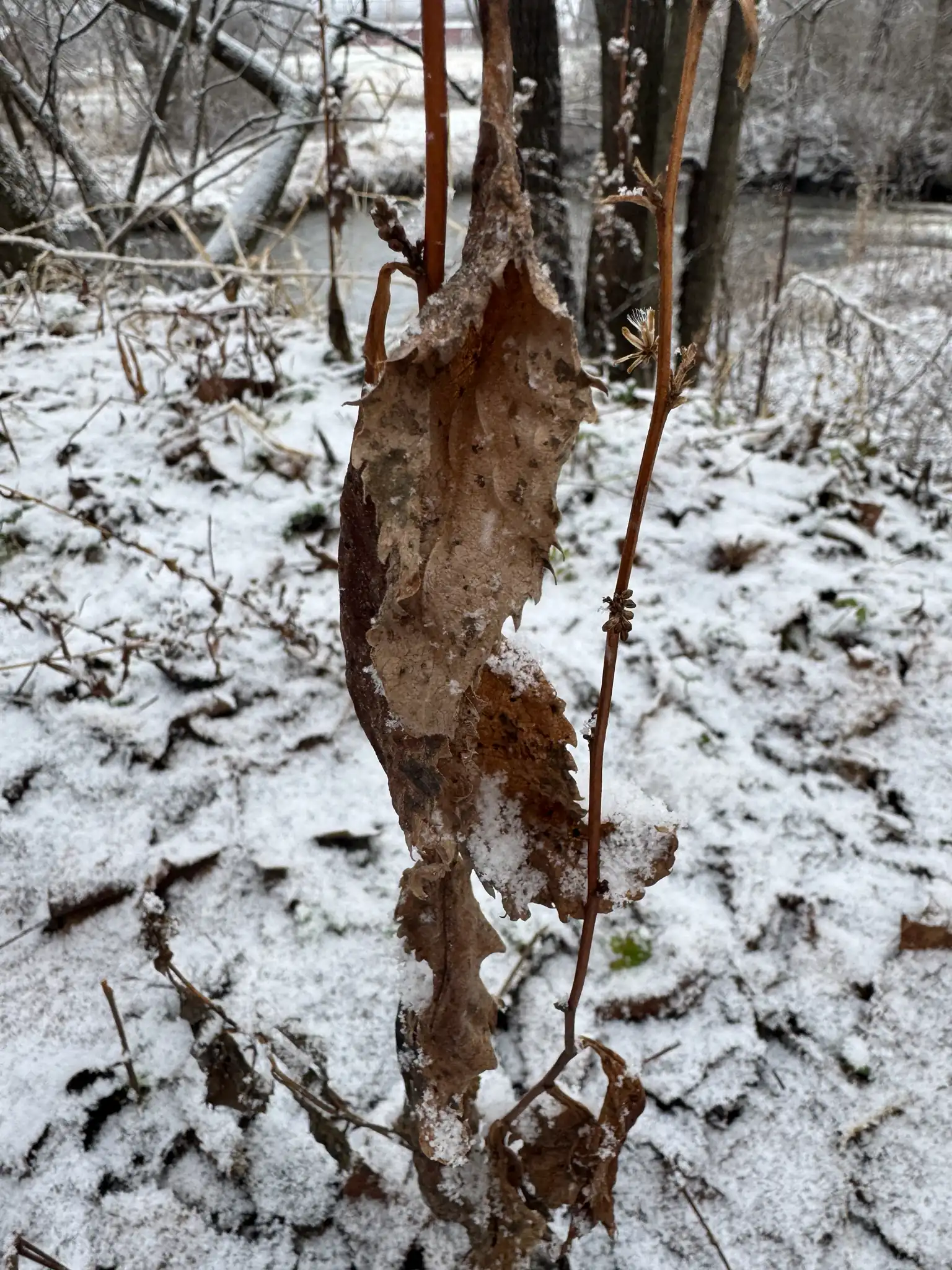
The Story
Plant Bio
Solidago flexicaulis is a rhizomatous, clump-forming perennial native to North American woodlands, reaching heights of two to four feet. The upright stems exhibit a distinct zigzag pattern between the leaf nodes and bear broad, coarsely serrated leaves with winged petioles.
Unlike most goldenrods that demand full sun, this species is uniquely adapted to thrive and bloom reliably in heavy shade under tree canopies. In late summer and fall, it produces bright yellow flower clusters in the upper leaf axils, providing a critical late-season nectar source for native bees and butterflies.
Uses & Benefits:
Essentials
At a Glance
Plant Type
Perennial
Height
48"
Width
36"
Light
Partial Sun, Shade
Zones
4, 5, 6, 7, 8
Water
Medium
Humidity
High
Lifespan
Perennial
Native To
North America
Toxicity
Non-toxic
Bloom period
Late summer – Fall
In flower about 4 months of the year
Planting
How to Grow
- Select a planting site in partial to full shade with moist, well-draining soil rich in organic matter.
- Dig a hole twice the width of the root ball, set the plant at the same depth as its container, and backfill with native soil.
- Water thoroughly after planting and maintain consistent moisture until the root system is fully established.
- Apply a layer of organic mulch or leaf litter around the base to retain moisture and mimic a natural woodland floor.
Pro Tip
Plant in rich, organic woodland soil and leave fallen leaves in place to naturally supply nutrients, eliminating the need for supplemental fertilizers.
Keep It Thriving
Care Guide
Do
- Cut dead stems back to the ground in late winter or early spring before new growth emerges.
- Divide established clumps every three to four years in early spring to manage spread and prevent overcrowding.
- Ensure good air circulation around plants to minimize the risk of powdery mildew and other fungal issues.
Don't
- Do not apply heavy synthetic fertilizers, as rich organic soil naturally provides sufficient nutrients.
- Avoid overhead watering, which can encourage leaf spot and rust in humid conditions.
- Do not prune heavily during the active growing season unless deadheading to prevent self-seeding.
Seasonal Care Calendar
| Task | Jan | Feb | Mar | Apr | May | Jun | Jul | Aug | Sep | Oct | Nov | Dec |
|---|---|---|---|---|---|---|---|---|---|---|---|---|
| Deadhead | ||||||||||||
| Divide | ||||||||||||
| Pest Check | ||||||||||||
| Spring Cleanup |
Watch Out For
Pests & Diseases
Common Pests
Common Diseases
In the Garden
Landscape Uses & Companions
Landscape Uses
Multiply
Propagation Methods
Good to Know
Common Questions
Zigzag Goldenrod questions
What zones can Zigzag Goldenrod grow in?
Zigzag Goldenrod is hardy in USDA Zones 4–8. Inside that range it survives winter in the ground; outside it, grow it as an annual or a container plant you protect.
Is Zigzag Goldenrod deer resistant?
Not reliably. Deer may browse Zigzag Goldenrod, especially tender spring growth — plan on repellents or fencing where pressure is high.
When does Zigzag Goldenrod bloom?
Zigzag Goldenrod typically blooms in late summer through fall. Exact timing shifts a week or two with your zone — Sow's bloom calendar maps it to your garden.
Does Zigzag Goldenrod need full sun?
Zigzag Goldenrod does best in part shade.
Is Zigzag Goldenrod drought tolerant?
Yes — once established (usually after the first full season), Zigzag Goldenrod handles dry spells with minimal watering. Water deeply its first year to build the root system that makes that possible.
More Solidago to compare
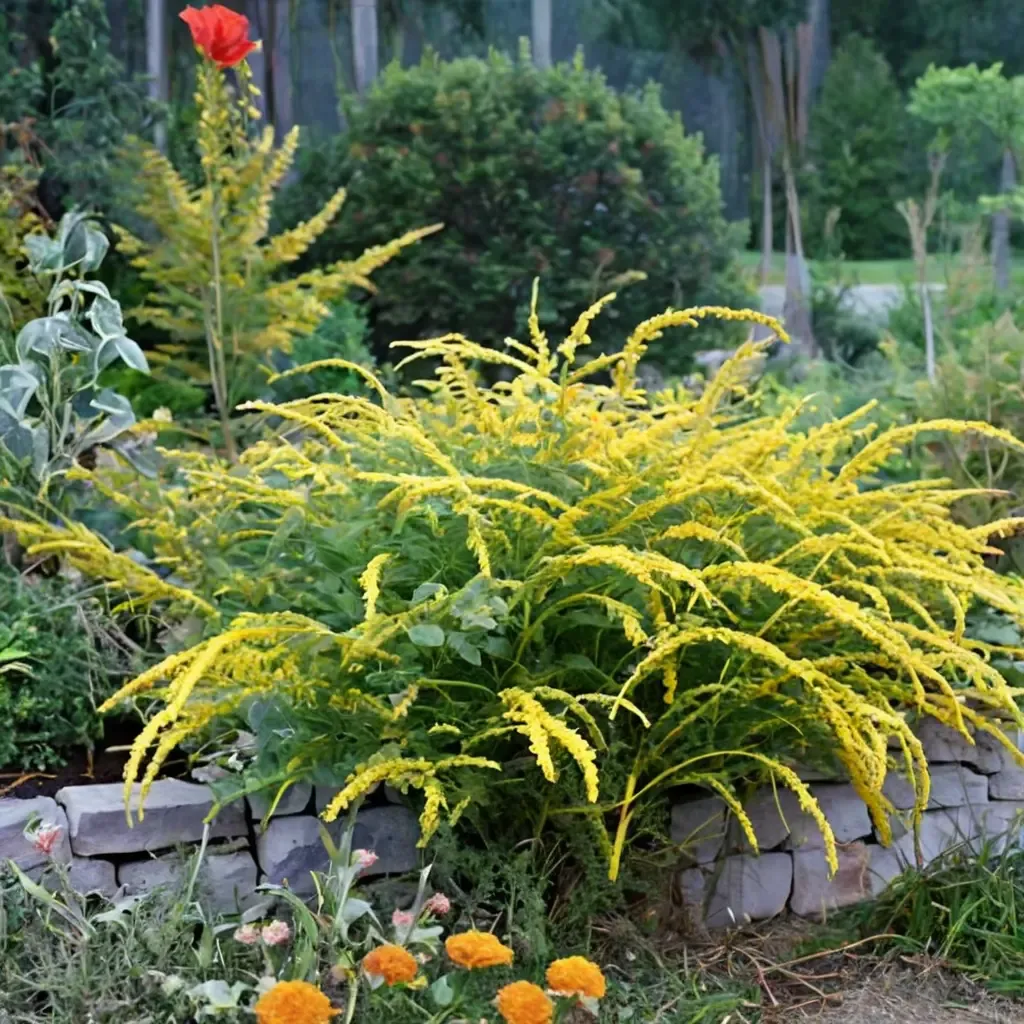
Fireworks Goldenrod
Solidago rugosa 'Fireworks'
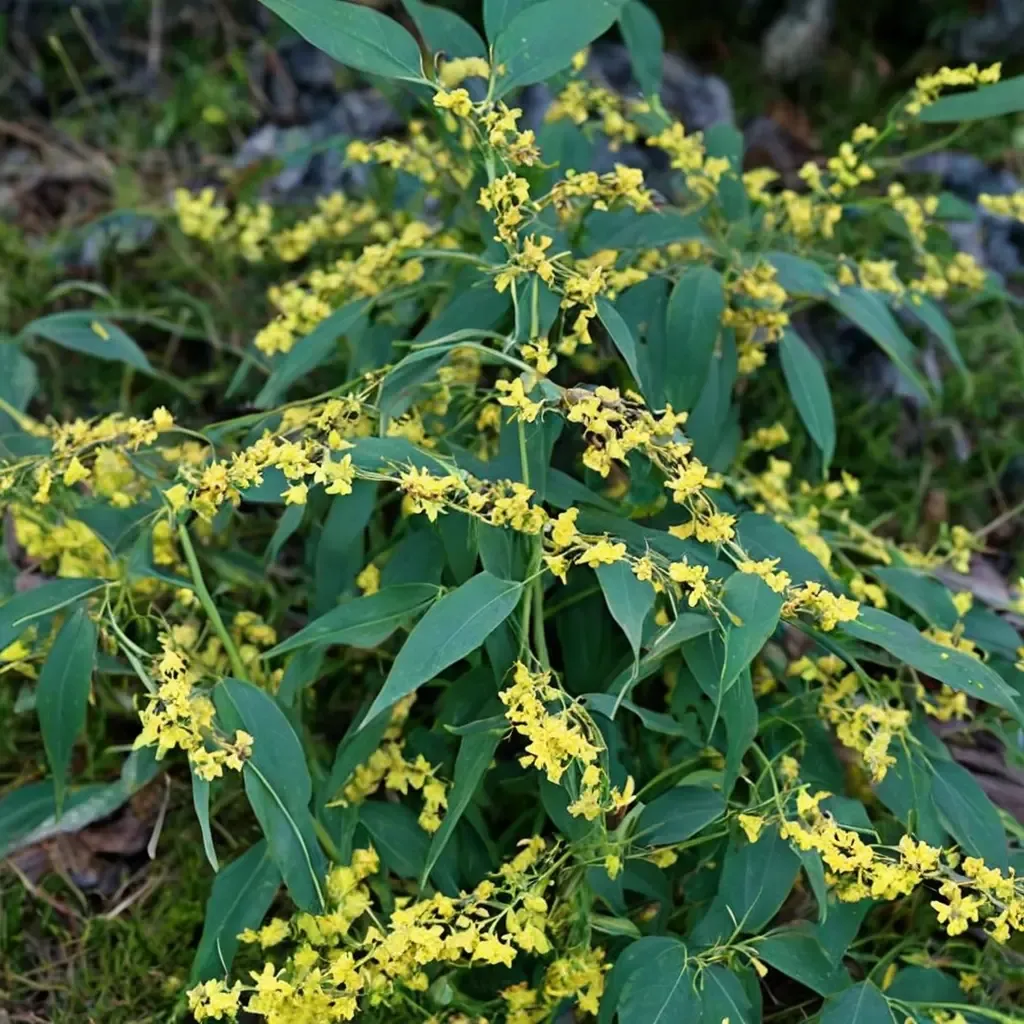
Bluestem Goldenrod
Solidago caesia
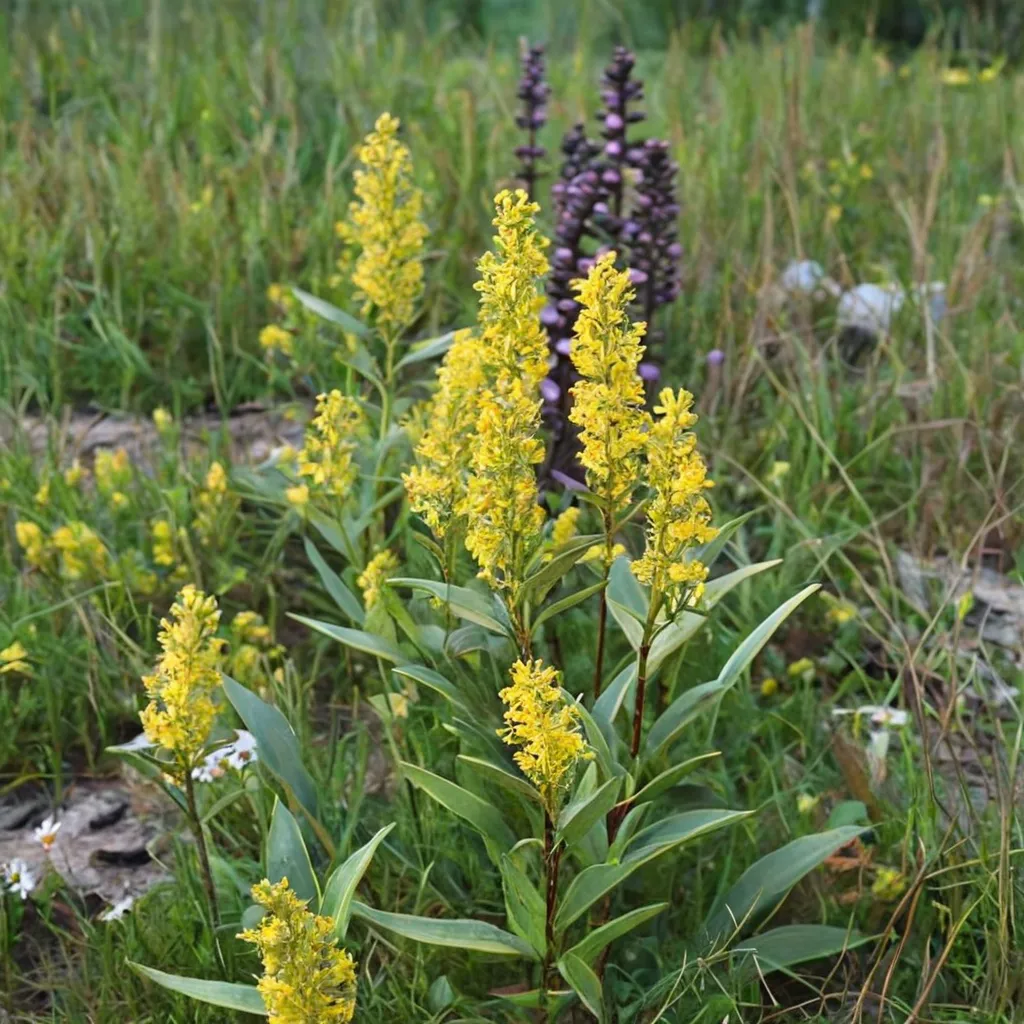
Showy Goldenrod
Solidago speciosa
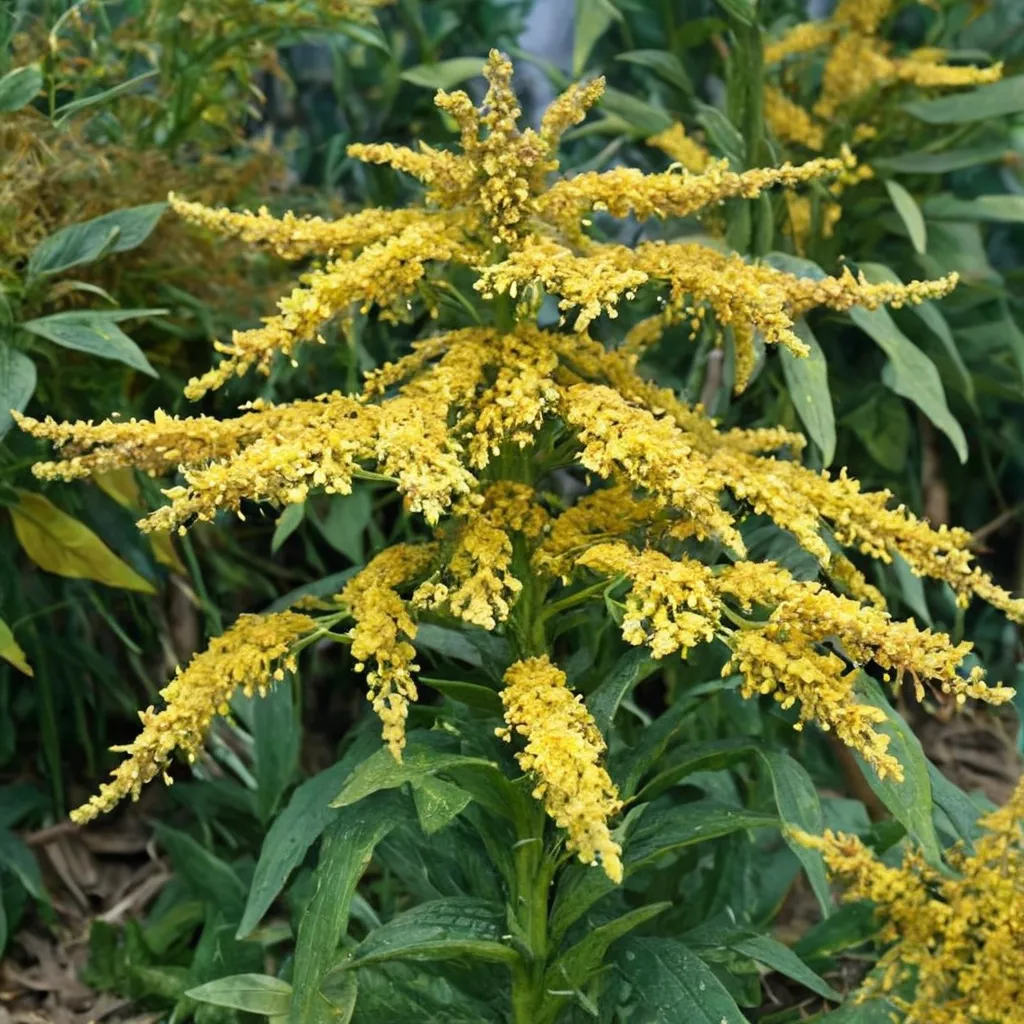
Goldenrod Peter Pan
Solidago x hybrida 'Peter Pan'
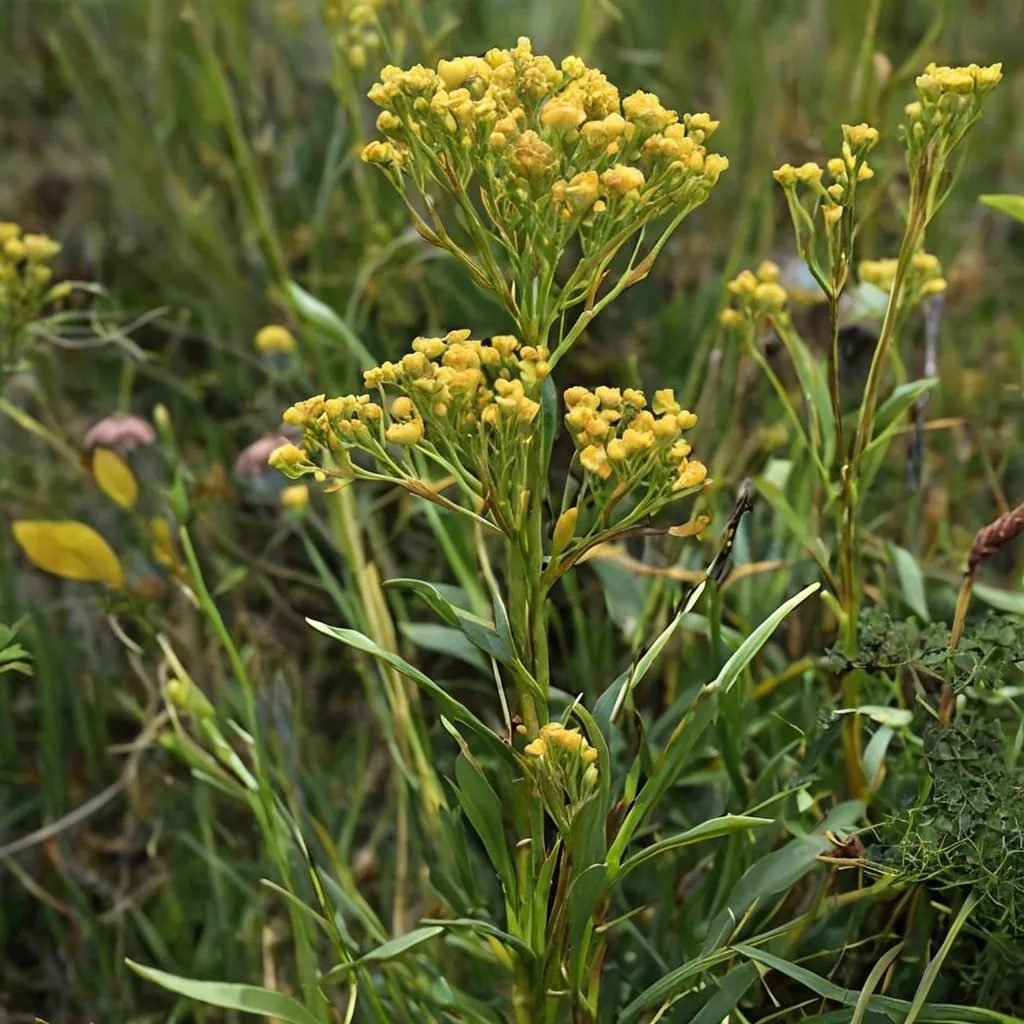
Ohio Goldenrod
Solidago ohioensis
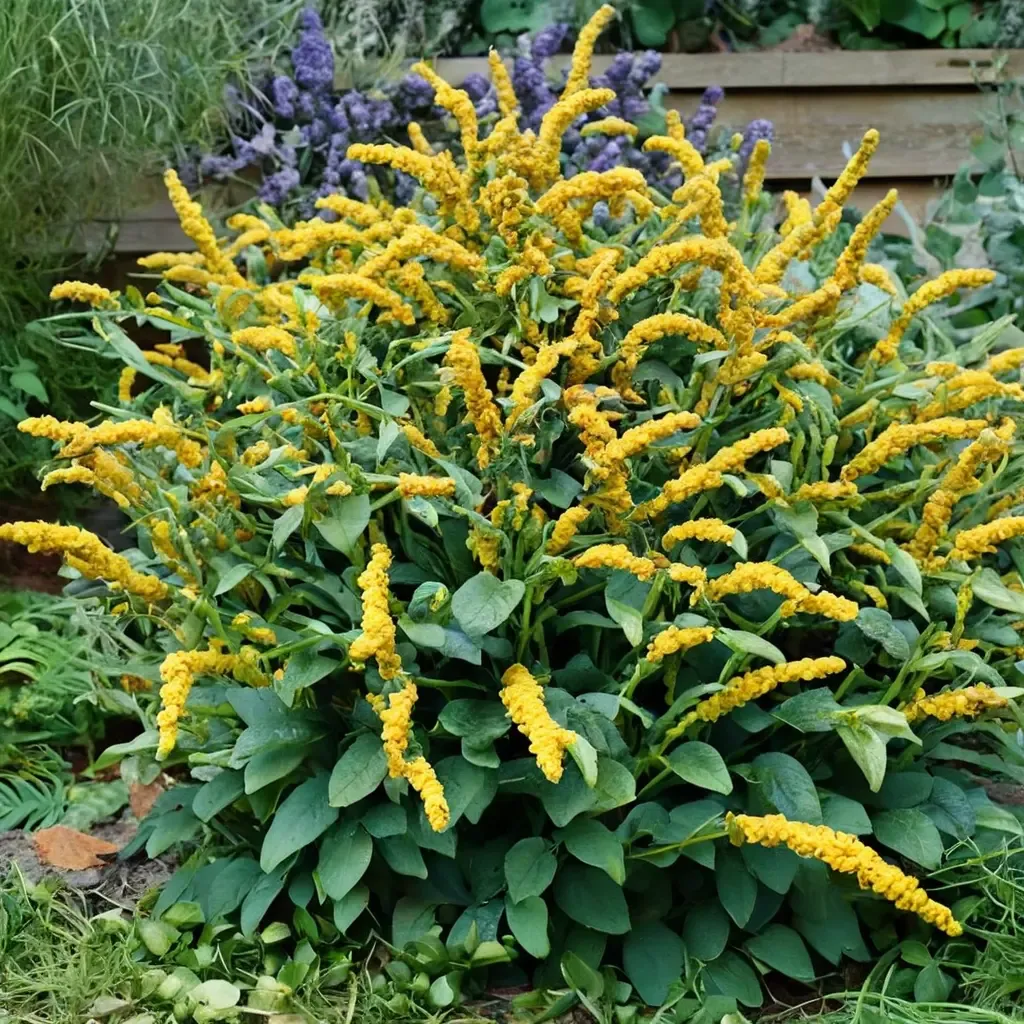
Golden Fleece Solidago Solidago Golden Fleece
Solidago sphacelata 'Golden Fleece'
Keep exploring
Explore the genus
Hardy in your zone?
Grow Zigzag Goldenrod with confidence
See it in a design of your actual yard, get zone-matched care reminders, and track it season by season in your garden journal.