The Story
Plant Bio
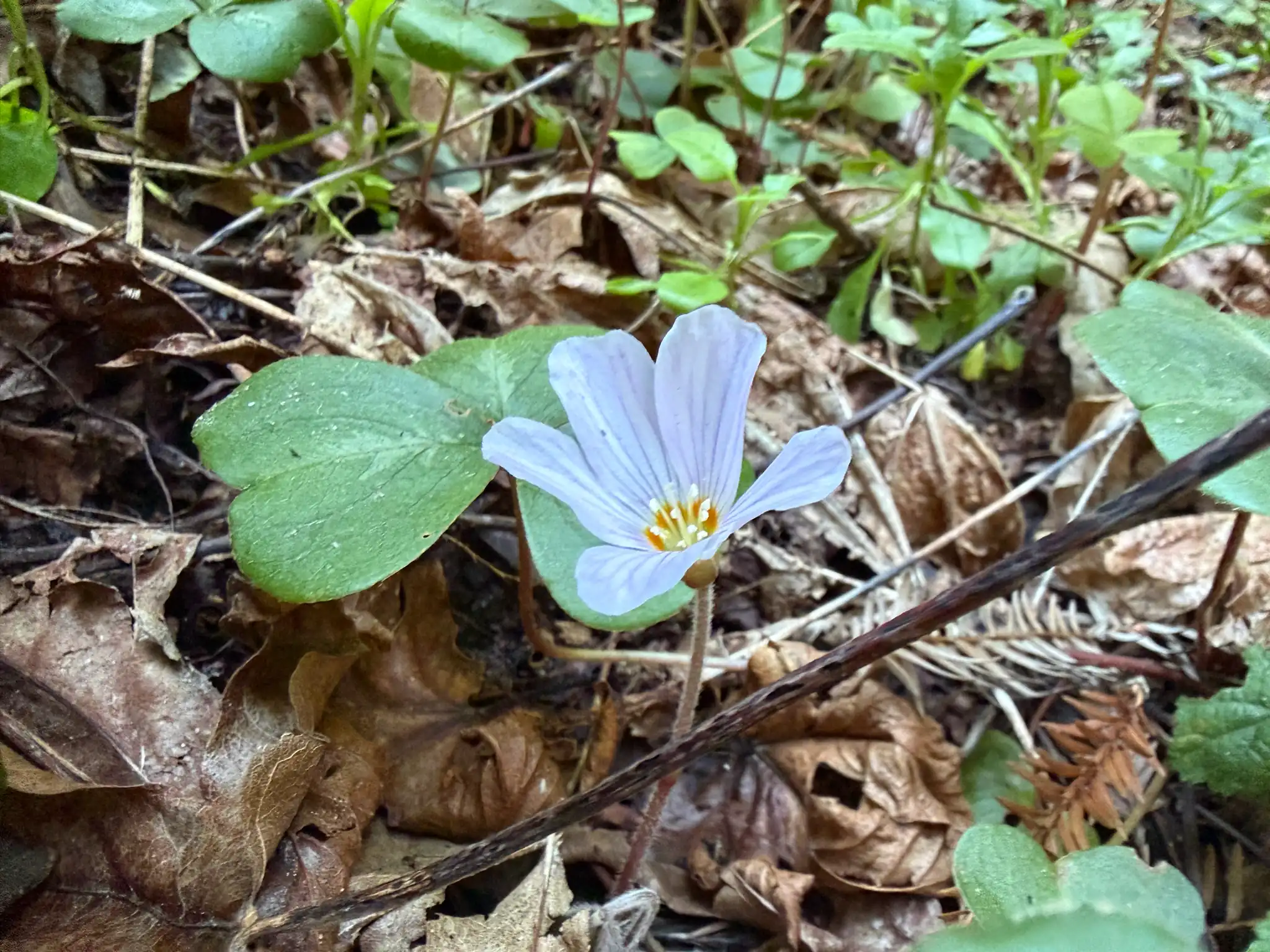
Oxalis oregana, the redwood sorrel, is a low-growing, rhizomatous, semi-evergreen groundcover native to the moist, shaded forest floors of western North America. The trifoliate, heart-shaped leaves feature a distinct purple underside and fold downward in response to direct sunlight or darkness.
The five-petaled flowers bloom singly on slender stalks, ranging from white to deep rose-pink with prominent purple veining and yellow bases. The foliage spreads via underground rhizomes to form dense, lush carpets under deep forest canopies.
Uses & Benefits:
Essentials
At a Glance
Plant Type
Groundcover
Height
8"
Width
60"
Light
Partial Sun, Shade
Zones
7, 8, 9
Water
Medium
Humidity
High
Lifespan
Perennial
Native To
Western North America
Toxicity
Mildly toxic if ingested in large quantities
Bloom period
Spring – Summer
In flower about 6 months of the year
Planting
How to Grow
- Select a fully shaded site with rich, acidic, humus-heavy soil that mimics a forest floor.
- Amend heavy clay or sandy soils with generous amounts of compost or leaf mold to improve moisture retention.
- Space plugs or rhizomes twelve to eighteen inches apart to allow the underground stolons room to spread.
- Water consistently during the first growing season to establish a deep, resilient root system.
Pro Tip
Plant in deep shade and moisture-retentive, organic-rich soil; direct sunlight causes rapid leaf scorch and permanent wilting.
Keep It Thriving
Care Guide
Do
- Top-dress annually with organic leaf mold or compost to replicate natural forest litter.
- Keep the soil consistently moist, especially during active spring and summer growth.
- Clear away dead or weather-beaten winter foliage in early spring to maintain a tidy appearance.
Don't
- Do not plant in locations that receive direct afternoon sun.
- Do not allow the soil to dry out completely during the establishment phase.
- Do not overwater to the point of standing water, which triggers fungal root rot.
Seasonal Care Calendar
| Task | Jan | Feb | Mar | Apr | May | Jun | Jul | Aug | Sep | Oct | Nov | Dec |
|---|---|---|---|---|---|---|---|---|---|---|---|---|
| Divide | ||||||||||||
| Mulch | ||||||||||||
| Pest Check | ||||||||||||
| Spring Cleanup |
Watch Out For
Pests & Diseases
Common Pests
Common Diseases
In the Garden
Landscape Uses & Companions
Landscape Uses
Multiply
Propagation Methods
Good to Know
Common Questions
Redwood Sorrel questions
What zones can Redwood Sorrel grow in?
Redwood Sorrel is hardy in USDA Zones 7–9. Inside that range it survives winter in the ground; outside it, grow it as an annual or a container plant you protect.
Is Redwood Sorrel deer resistant?
Yes — Redwood Sorrel is rated deer-resistant. Deer typically pass it over, though extreme hunger can override any plant's defenses.
When does Redwood Sorrel bloom?
Redwood Sorrel typically blooms in spring through summer. Exact timing shifts a week or two with your zone — Sow's bloom calendar maps it to your garden.
Does Redwood Sorrel need full sun?
Redwood Sorrel does best in part shade.
More Oxalis to compare
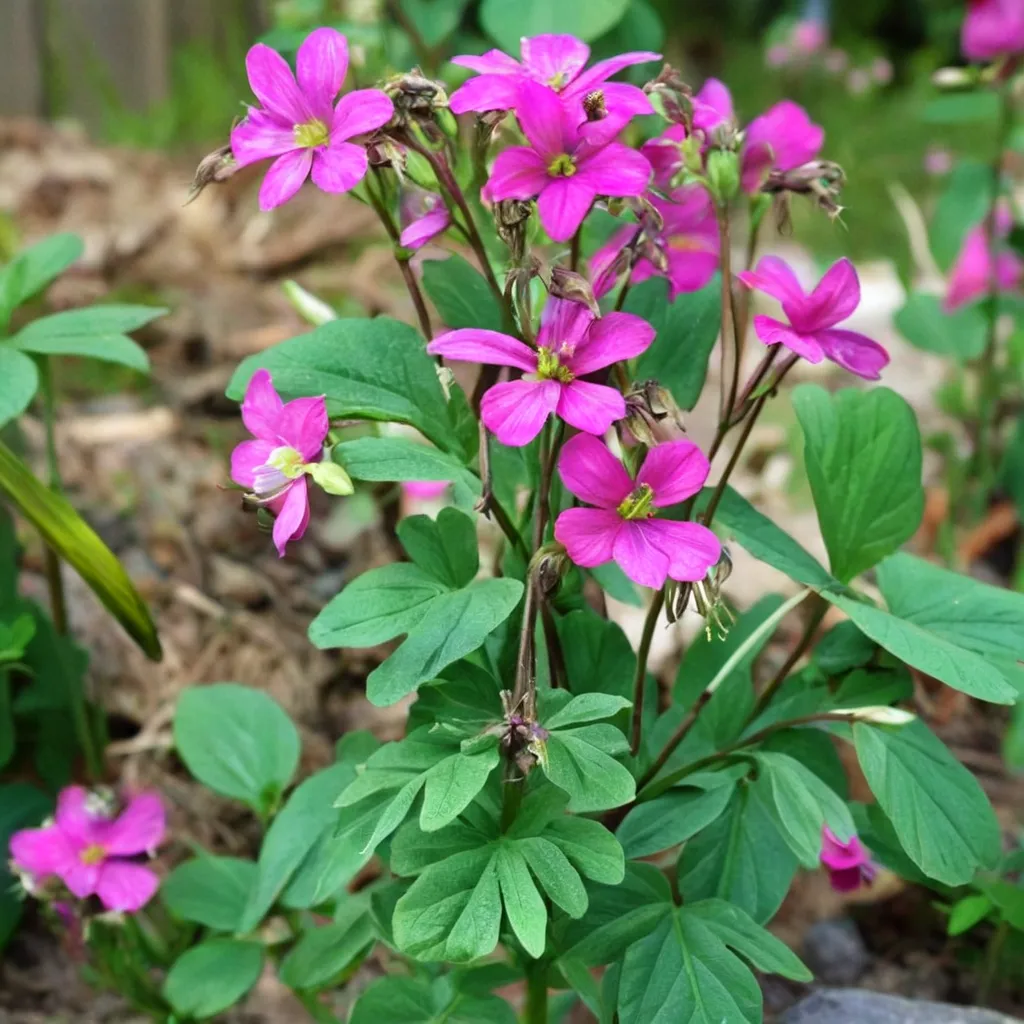
Oxalis Lasiandra
Oxalis lasiandra
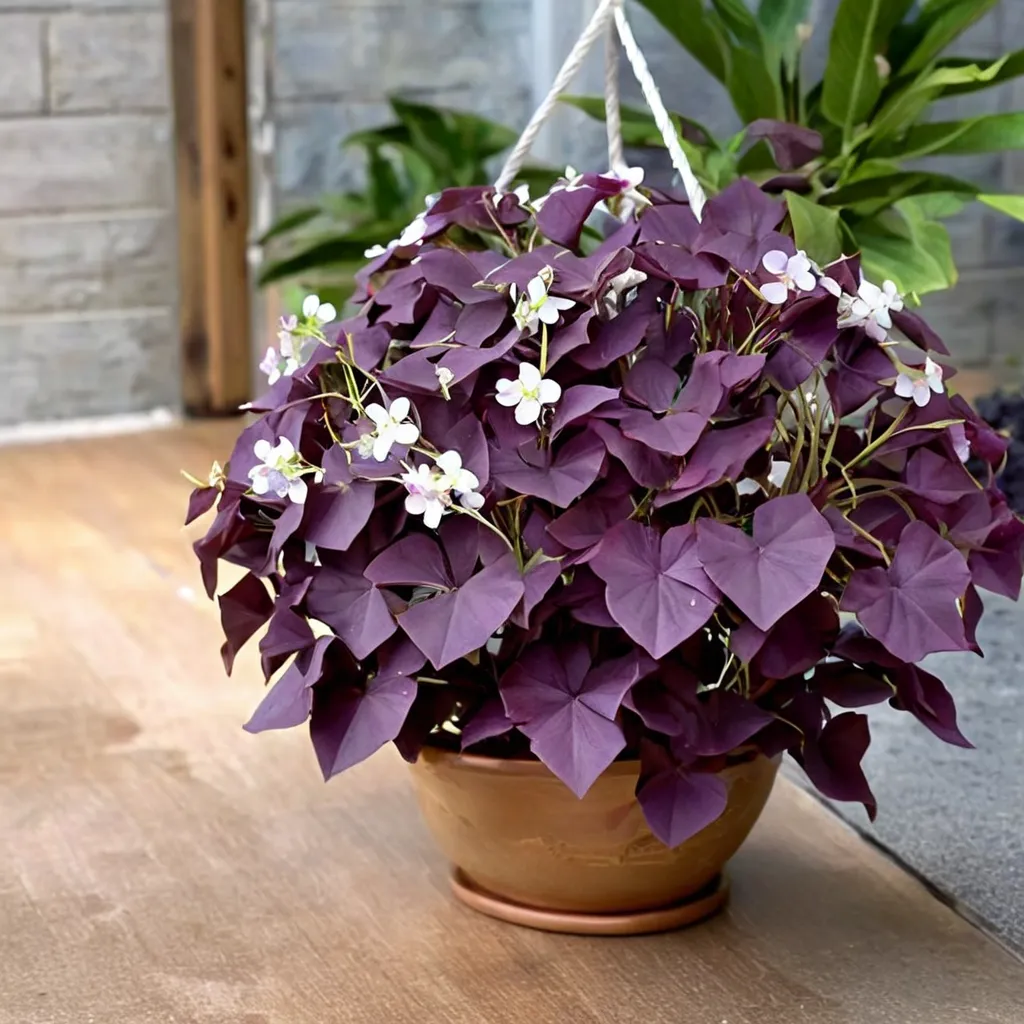
Triangular Oxalis Purple Shamrock
Oxalis triangularis
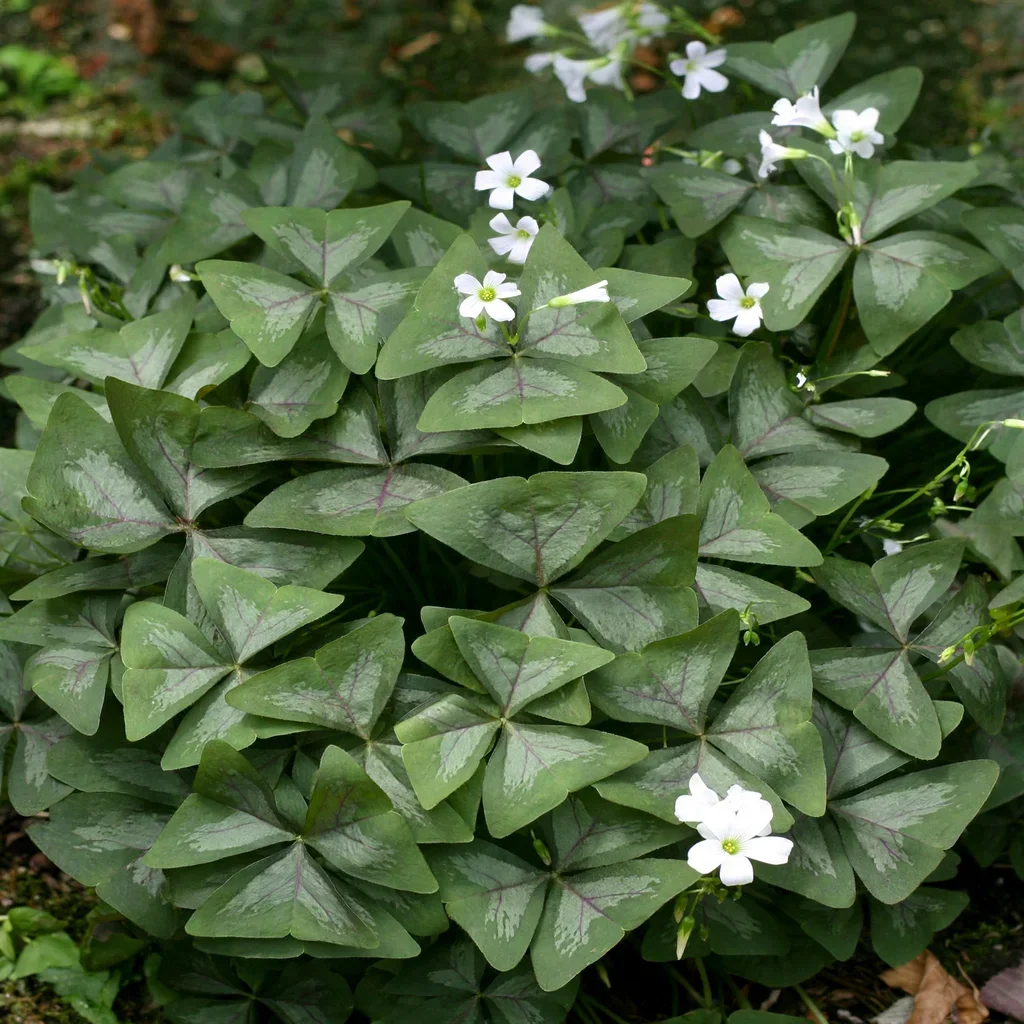
False Shamrock
Oxalis triangularis 'Fanny'
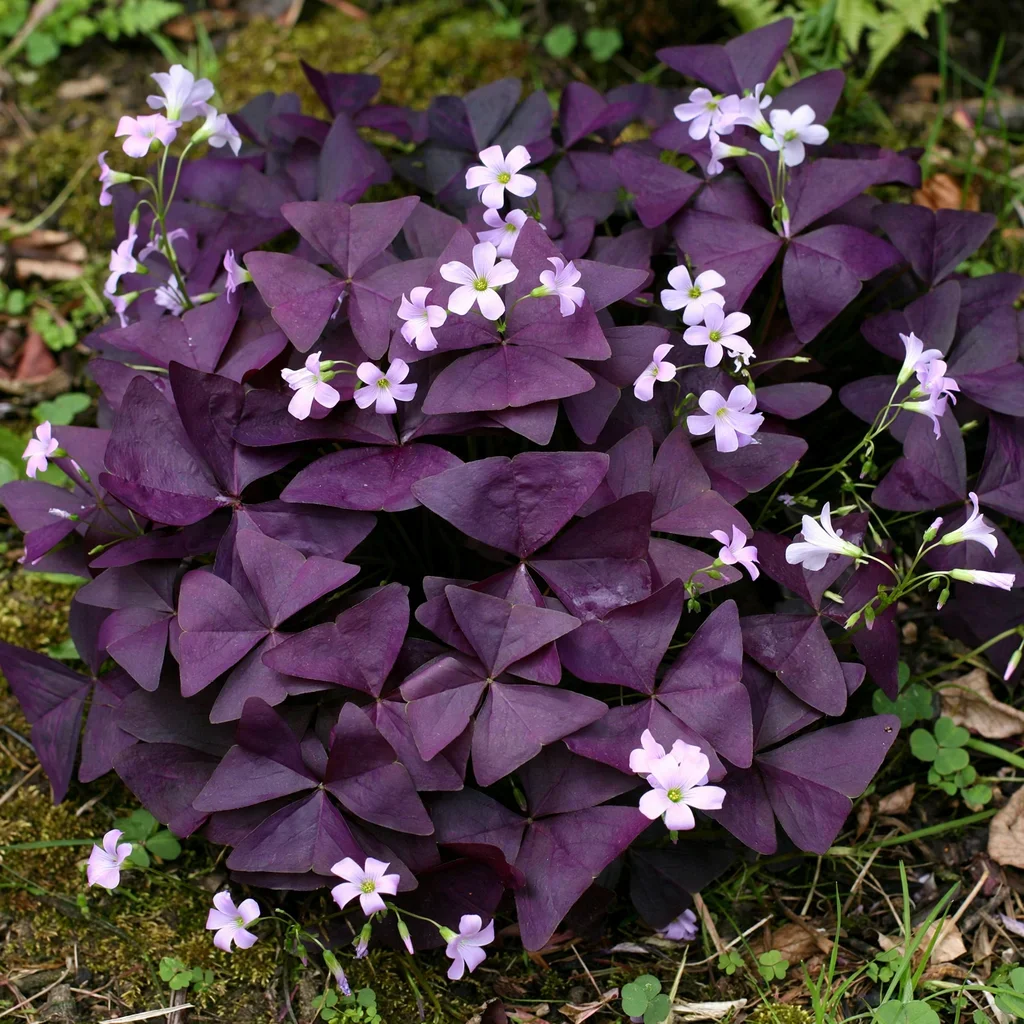
Atropurpurea Purple Shamrock
Oxalis triangularis 'Atropurpurea'

Plum Crazy Yellow Woodsorrel
Oxalis stricta 'Plum Crazy'
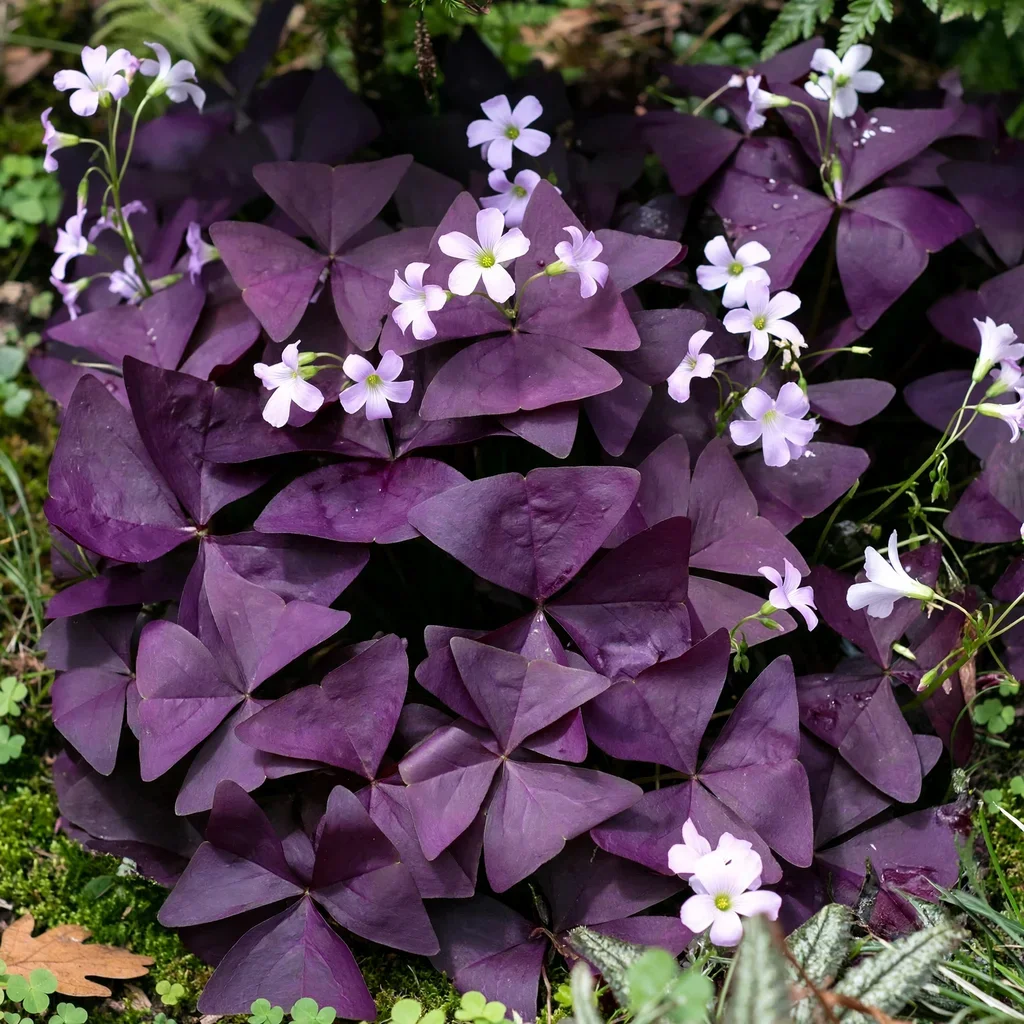
Purple Shamrock
Oxalis triangularis ssp papilionacea
Keep exploring
Explore the genus
Hardy in your zone?
Grow Redwood Sorrel with confidence
See it in a design of your actual yard, get zone-matched care reminders, and track it season by season in your garden journal.