The Story
Plant Bio
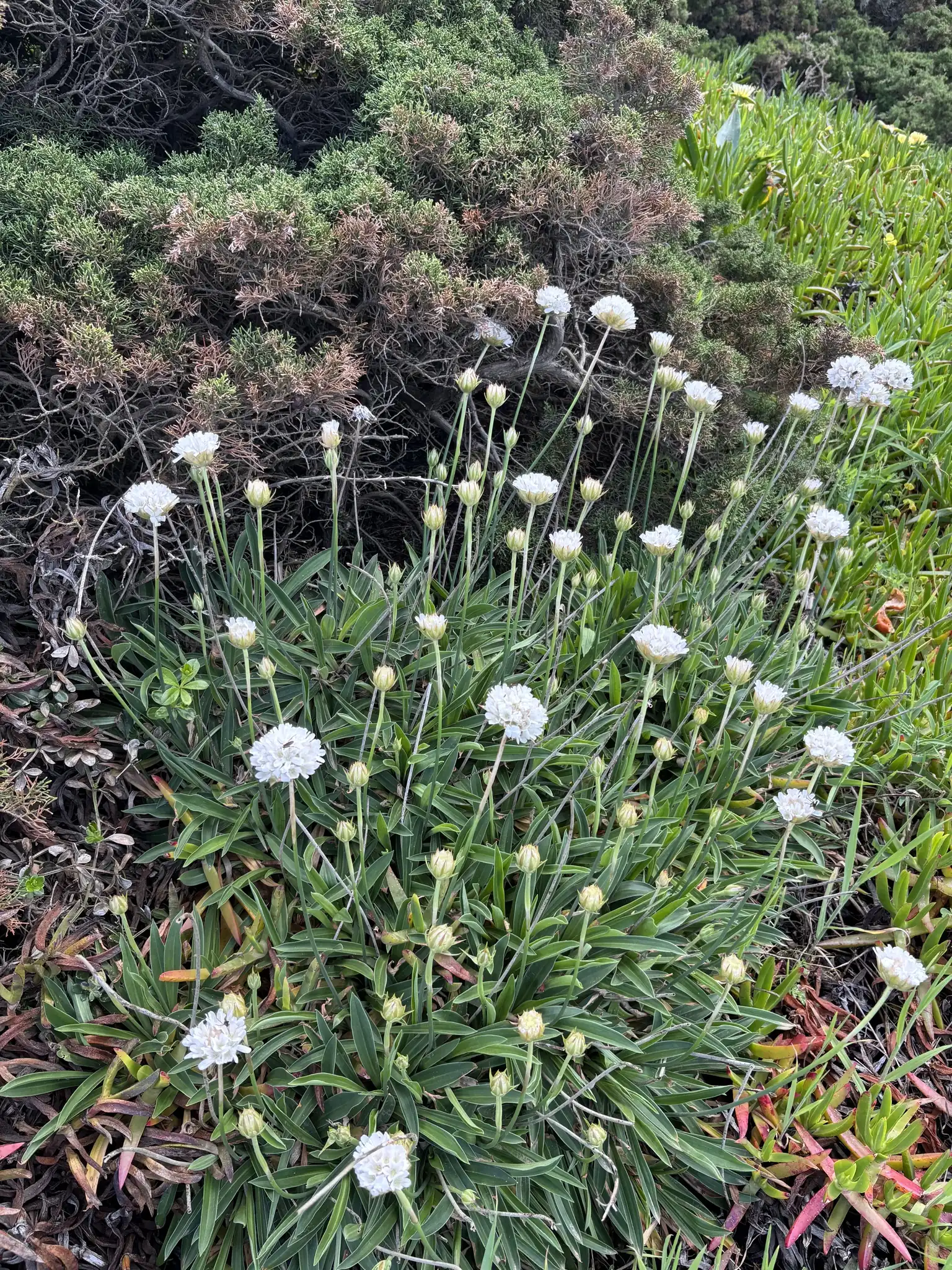
Armeria pseudarmeria, the false thrift, is a compact, evergreen perennial forming dense, grass-like cushions of stiff, blue-green foliage. Globe-shaped, lollipop-like heads of pink, crimson, or white flowers rise on rigid, naked scapes from late spring through summer.
This Portuguese native is distinguished by its broad, lanceolate leaves and larger flower heads compared to common thrift, thriving in harsh, salt-sprayed coastal environments. The bright emerald new growth emerges in tight basal rosettes that remain attractive year-round.
Uses & Benefits:
Essentials
At a Glance
Plant Type
Perennial
Height
16"
Width
16"
Light
Full Sun, Partial Sun
Zones
5, 6, 7, 8, 9
Water
Low
Humidity
Moderate
Lifespan
Perennial
Native To
Portugal
Toxicity
Non-toxic
Bloom period
Late spring – Summer
In flower about 4 months of the year
Planting
How to Grow
- Select a site in full sun with exceptional, sharp-draining soil, such as a rock garden or raised bed.
- Dig a hole twice the width of the root ball and set the plant so the crown sits slightly above the soil line to prevent rot.
- Backfill with lean, sandy, or gravelly soil without adding compost or organic amendments.
- Water sparingly until established, then transition to a minimal watering schedule, allowing the soil to dry completely between waterings.
Pro Tip
Plant in lean, gravelly soil and avoid all fertilizer; rich soils and excess moisture force weak, rapid growth that causes the center of the clump to die out prematurely.
Keep It Thriving
Care Guide
Do
- Deadhead spent flower stems regularly down to the basal cushion to encourage continuous reblooming.
- Provide sharp, gravelly drainage to protect the crown from winter wetness.
- Divide older clumps every few years, replanting the vigorous outer offsets to rejuvenate bare centers.
Don't
- Do not apply heavy fertilizers, which shorten the plant's lifespan and cause weak, floppy growth.
- Never plant in heavy clay or poorly drained, waterlogged soils.
- Do not shear hard into old, bare, leafless wood when tidying the plant.
Seasonal Care Calendar
| Task | Jan | Feb | Mar | Apr | May | Jun | Jul | Aug | Sep | Oct | Nov | Dec |
|---|---|---|---|---|---|---|---|---|---|---|---|---|
| Deadhead | ||||||||||||
| Divide | ||||||||||||
| Pest Check | ||||||||||||
| Prune |
Watch Out For
Pests & Diseases
Common Pests
Common Diseases
In the Garden
Landscape Uses & Companions
Landscape Uses
Multiply
Propagation Methods
Good to Know
Common Questions
False Thrift questions
What zones can False Thrift grow in?
False Thrift is hardy in USDA Zones 5–9. Inside that range it survives winter in the ground; outside it, grow it as an annual or a container plant you protect.
When does False Thrift bloom?
False Thrift typically blooms in late spring through summer. Exact timing shifts a week or two with your zone — Sow's bloom calendar maps it to your garden.
Does False Thrift need full sun?
False Thrift does best in full sun to part shade. In hot climates, afternoon shade keeps blooms fresher longer.
Is False Thrift drought tolerant?
Yes — once established (usually after the first full season), False Thrift handles dry spells with minimal watering. Water deeply its first year to build the root system that makes that possible.
More Armeria to compare
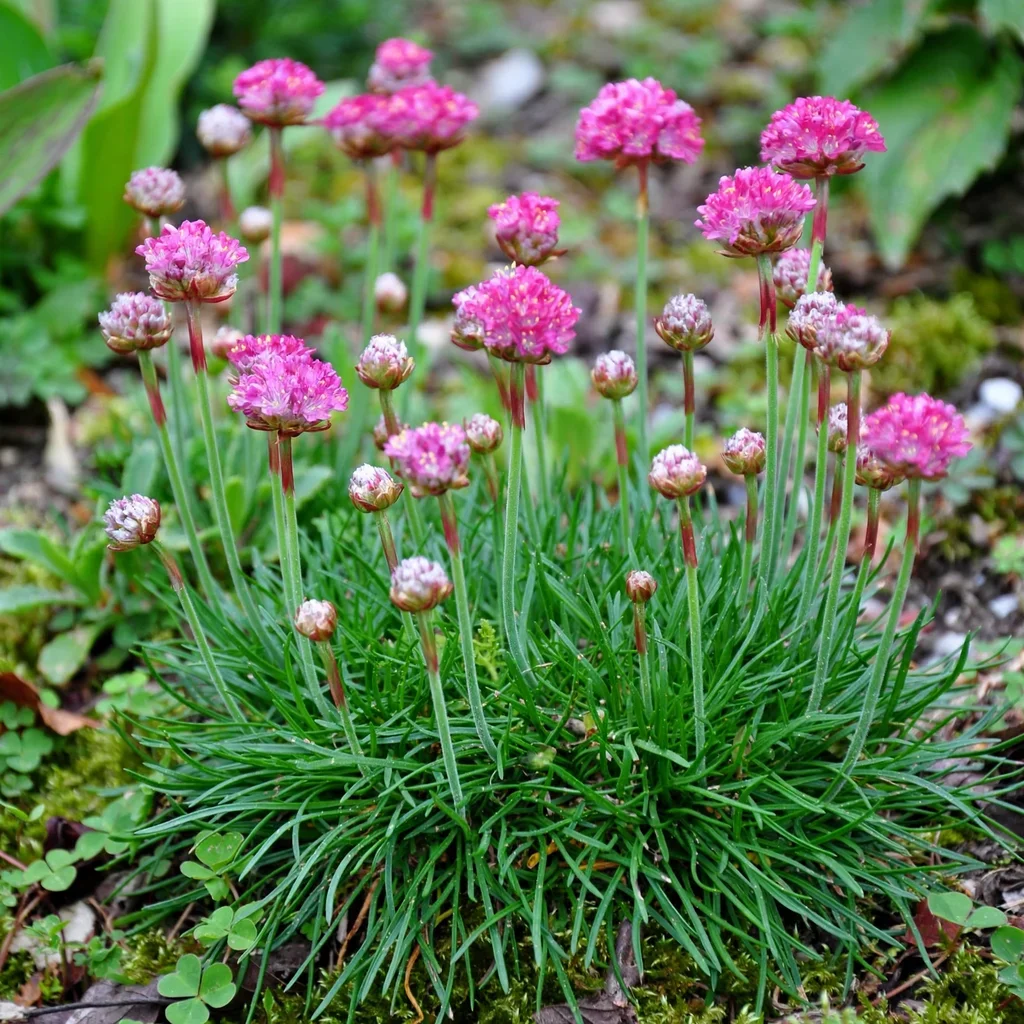
Morning Star Rose Sea Thrift
Armeria maritima 'Morning Star Rose'
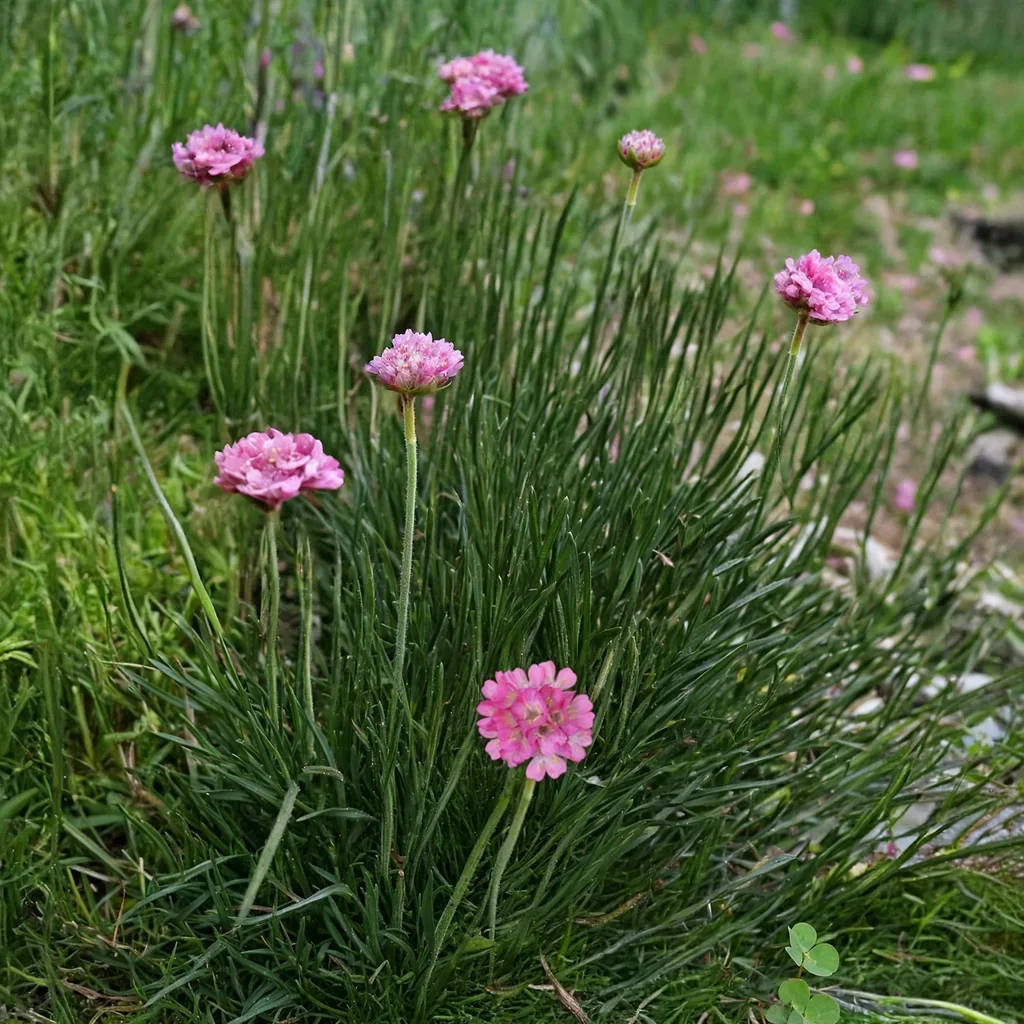
Sea Thrift
Armeria maritima
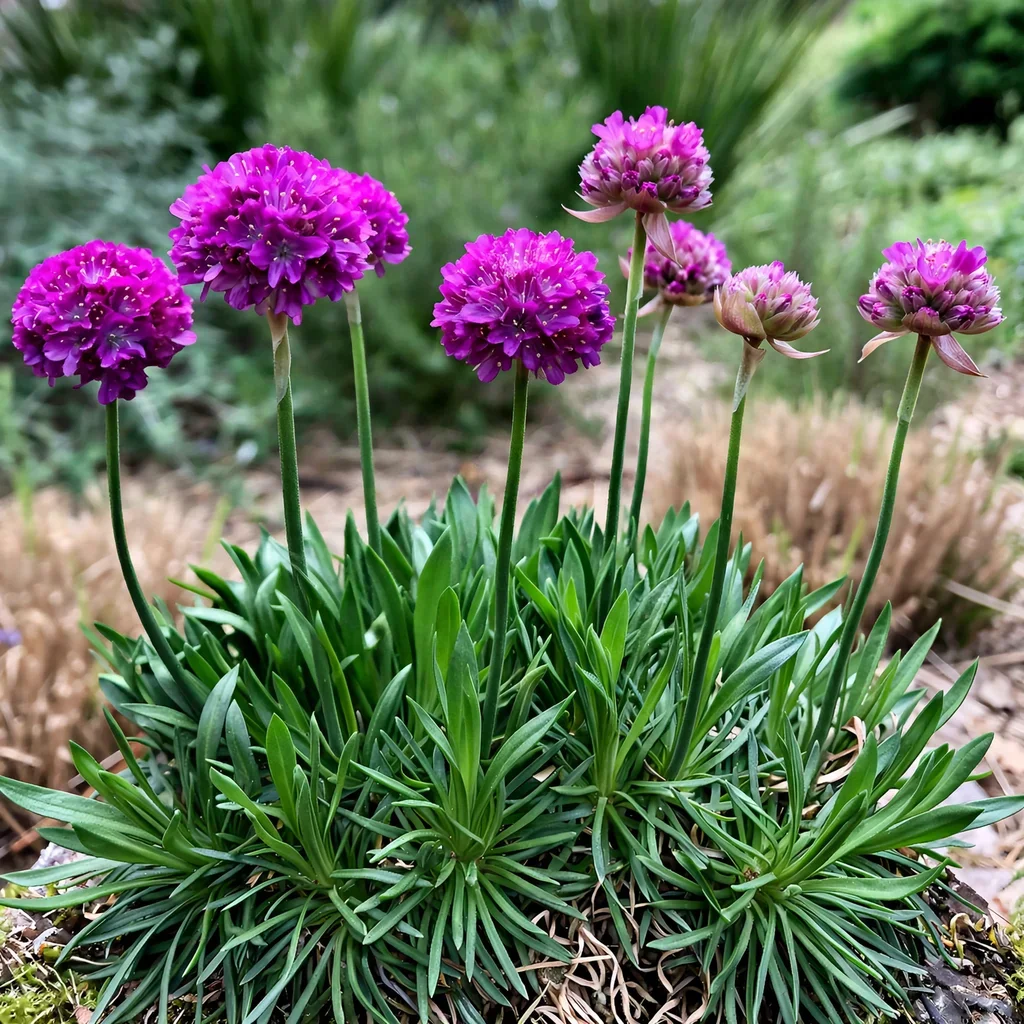
Sea Thrift Vivid Dreams
Armeria maritima 'Vivid Dreams'
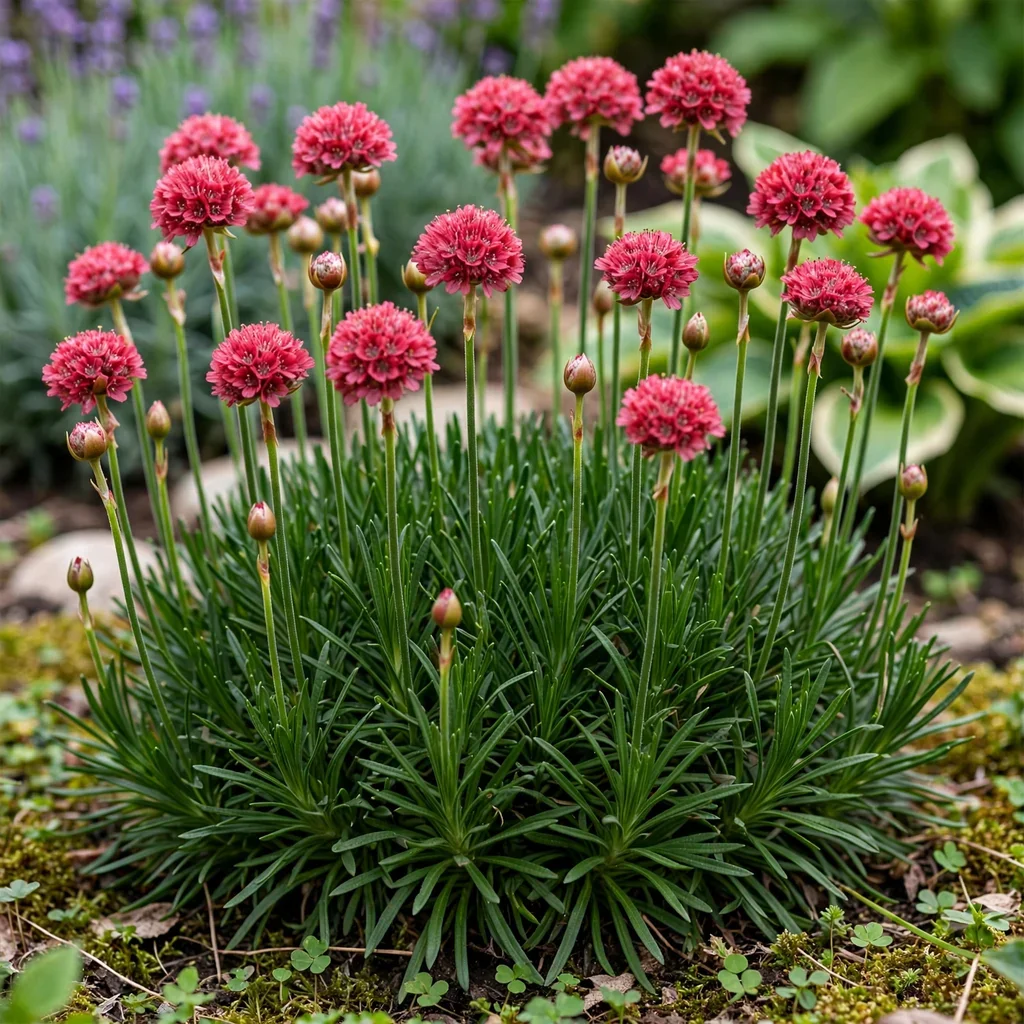
Ballerina Red Sea Thrift
Armeria maritima 'Ballerina Red'
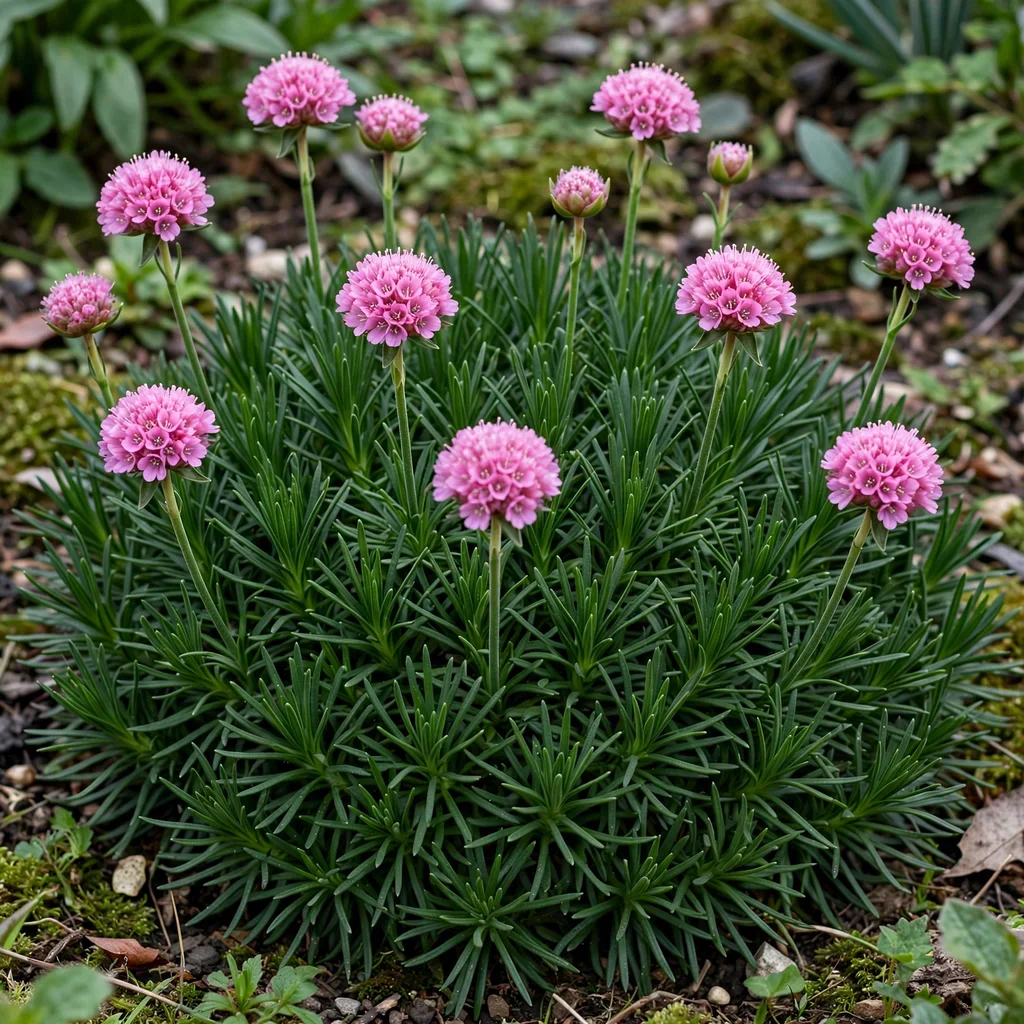
Dreamland Sea Thrift
Armeria maritima 'Dreamland'
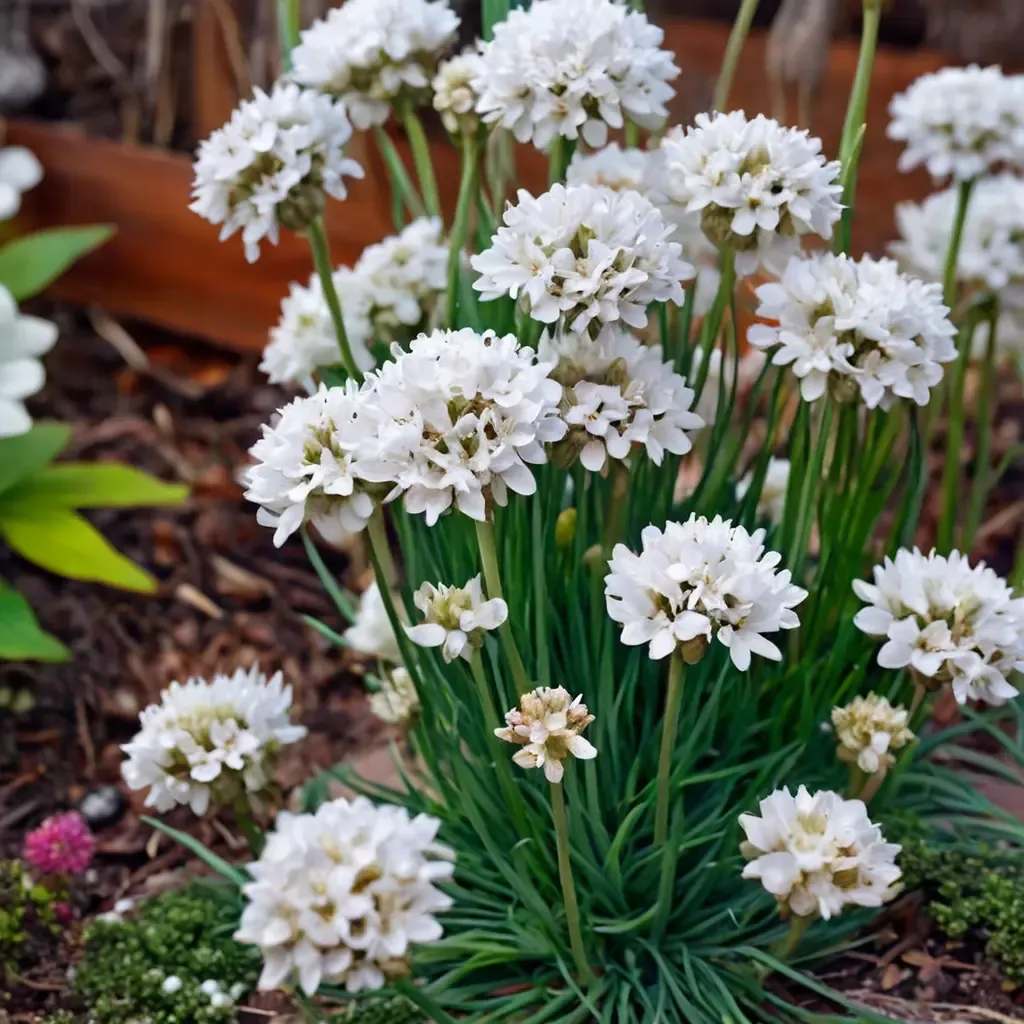
Ballerina White Sea Thrift
Armeria maritima 'Ballerina White'
Keep exploring
Explore the genus
Hardy in your zone?
Grow False Thrift with confidence
See it in a design of your actual yard, get zone-matched care reminders, and track it season by season in your garden journal.