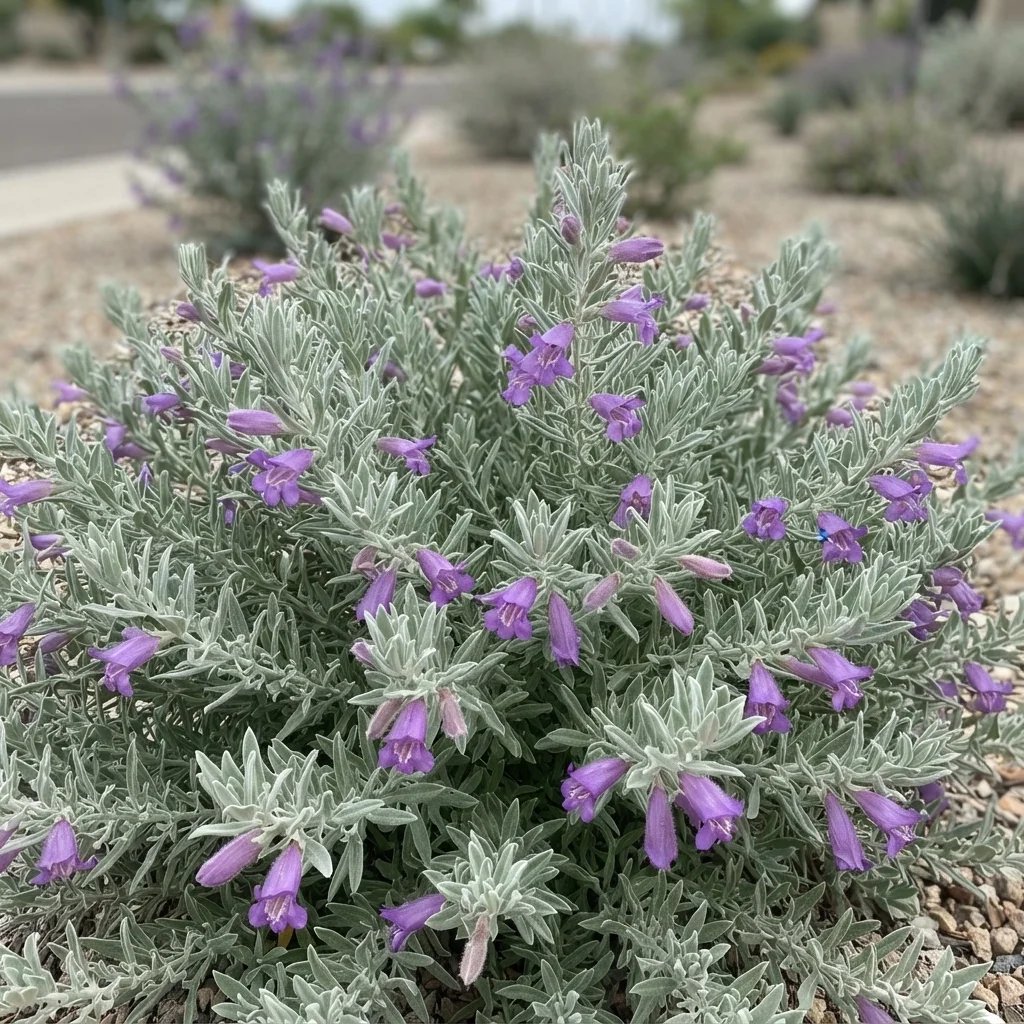
The Story
Plant Bio
Eremophila hygrophana is a dense, highly branched evergreen shrub native to the arid and semi-arid regions of Western and South Australia. The species is characterized by its crowded, linear leaves covered in soft, silvery-gray hairs and tubular purple flowers that emerge from the leaf axils.
Cultivar 'Blue Bells' is distinguished by its compact, mounding growth habit and its exceptionally long bloom period, often flowering nearly year-round in frost-free desert climates. The pale violet-purple flowers contrast sharply against the intense silvery-white foliage, which retains its felted texture on all new growth.
Uses & Benefits:
Essentials
At a Glance
Plant Type
Shrub
Height
36"
Width
60"
Light
Full Sun
Zones
8, 9, 10
Water
Low
Humidity
Low
Lifespan
Moderate
Native To
Australia
Toxicity
Non-toxic
Bloom period
Winter – Summer
In flower about 9 months of the year
Planting
How to Grow
- Select a planting site in full sun with coarse, sandy, or gravelly soil that drains rapidly.
- Dig a hole twice as wide as the root ball but equal in depth, ensuring the crown sits slightly above the surrounding soil level.
- Backfill with native soil without adding organic compost or soil amendments, which can retain too much moisture.
- Water deeply immediately after planting to settle the soil, then restrict watering to occasional deep soakings during dry spells.
Pro Tip
Plant in coarse, mineral-rich soil with exceptional drainage and avoid overhead irrigation; high summer humidity combined with wet soil triggers sudden collar and root rot.
Keep It Thriving
Care Guide
Do
- Plant in coarse, sandy, or gravelly soil to ensure rapid drainage.
- Provide a position in full sun to maintain the intense silvery foliage color.
- Water deeply but infrequently, allowing the soil to dry out completely between waterings.
Don't
- Do not plant in heavy clay or poorly draining soils where water pools.
- Do not use overhead irrigation, which traps moisture in the dense, hairy foliage.
- Do not prune heavily into old, leafless wood.
- Do not over-fertilize, as rich soils shorten the plant's lifespan.
Seasonal Care Calendar
| Task | Jan | Feb | Mar | Apr | May | Jun | Jul | Aug | Sep | Oct | Nov | Dec |
|---|---|---|---|---|---|---|---|---|---|---|---|---|
| Fertilize | ||||||||||||
| Pest Check | ||||||||||||
| Prune | ||||||||||||
| Winter Prep |
Watch Out For
Pests & Diseases
Common Pests
Common Diseases
In the Garden
Landscape Uses & Companions
Landscape Uses
Companion Plants
Multiply
Propagation Methods
Good to Know
Common Questions
Blue Bells Emu Bush questions
What zones can Blue Bells Emu Bush grow in?
Blue Bells Emu Bush is hardy in USDA Zones 8–10. Inside that range it survives winter in the ground; outside it, grow it as an annual or a container plant you protect.
Is Blue Bells Emu Bush deer resistant?
Yes — Blue Bells Emu Bush is rated deer-resistant. Deer typically pass it over, though extreme hunger can override any plant's defenses.
When does Blue Bells Emu Bush bloom?
Blue Bells Emu Bush typically blooms in winter through summer. Exact timing shifts a week or two with your zone — Sow's bloom calendar maps it to your garden.
Does Blue Bells Emu Bush need full sun?
Blue Bells Emu Bush does best in full sun (6+ hours).
Is Blue Bells Emu Bush drought tolerant?
Yes — once established (usually after the first full season), Blue Bells Emu Bush handles dry spells with minimal watering. Water deeply its first year to build the root system that makes that possible.
More Eremophila to compare
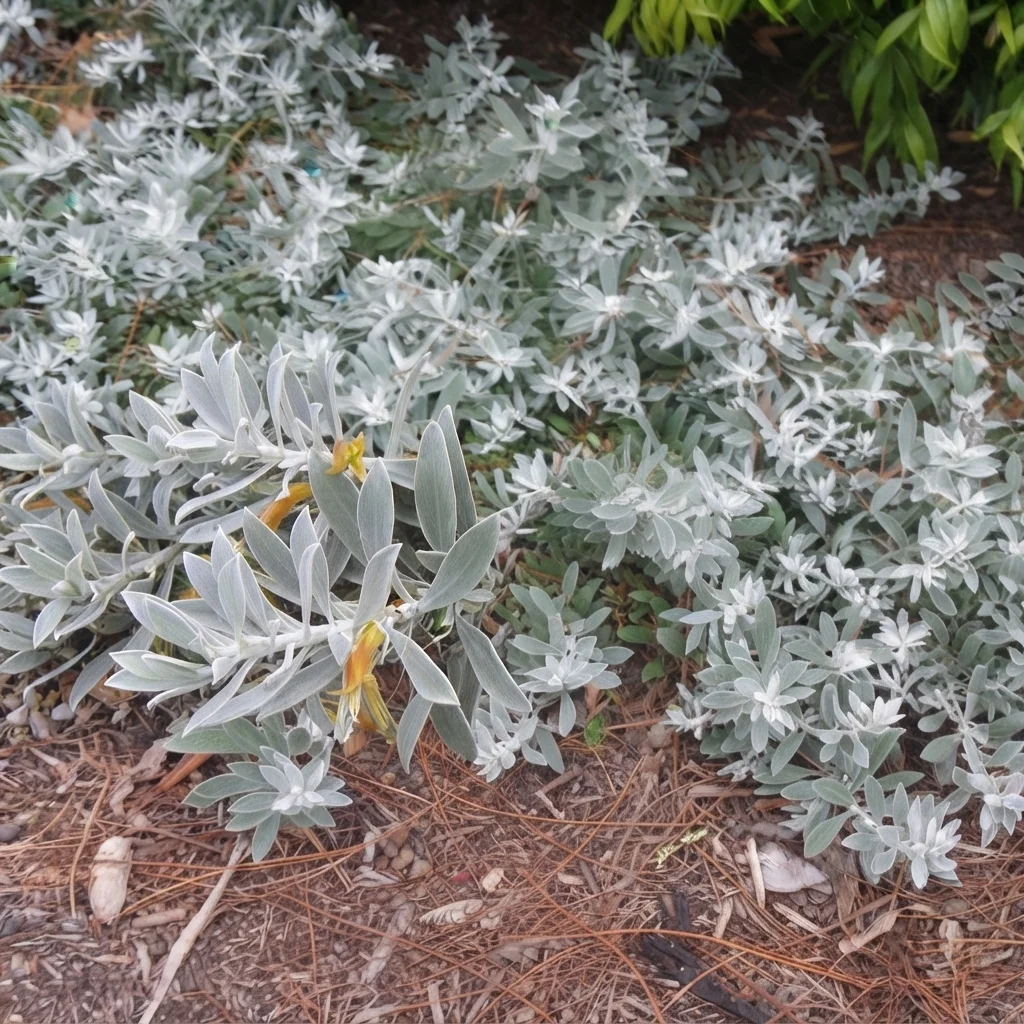
Emu Bush
Eremophila glabra 'Kalbarri Carpet'
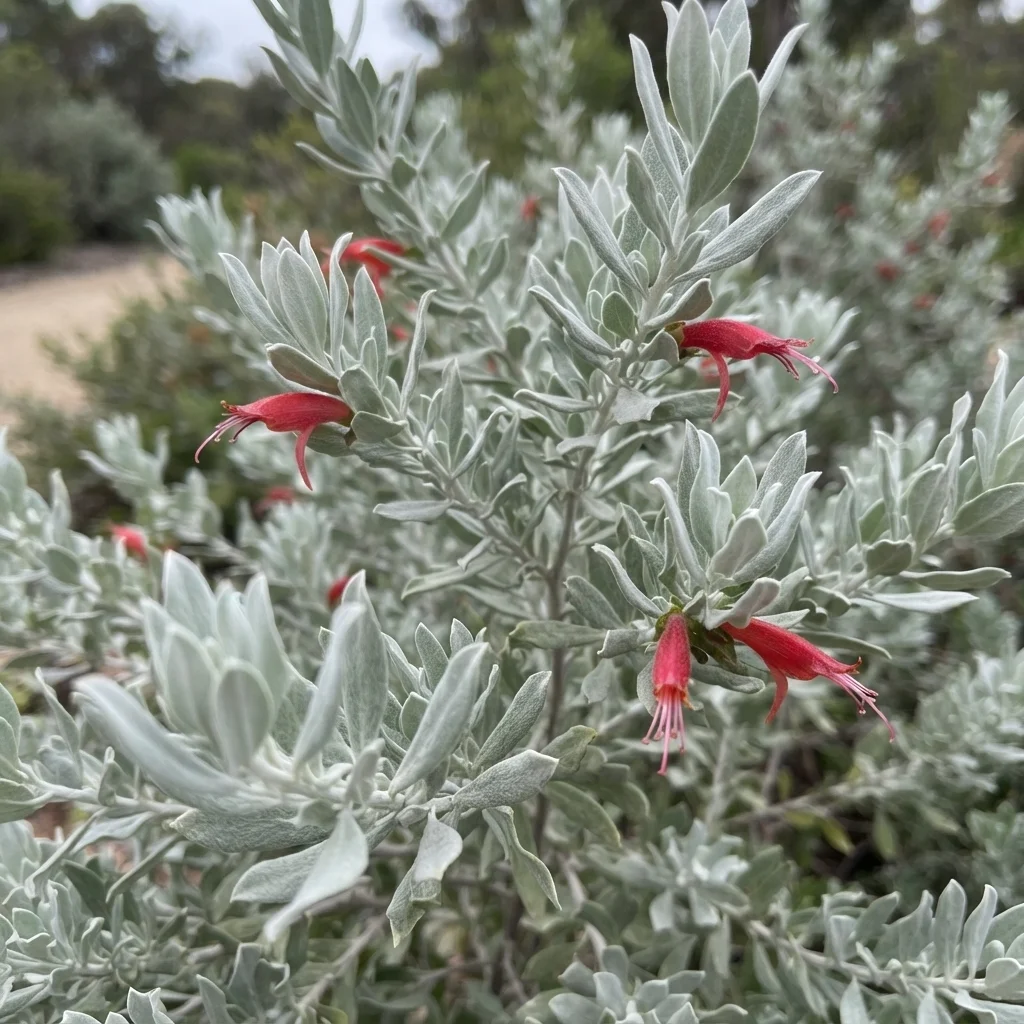
Common Emu Bush
Eremophila glabra
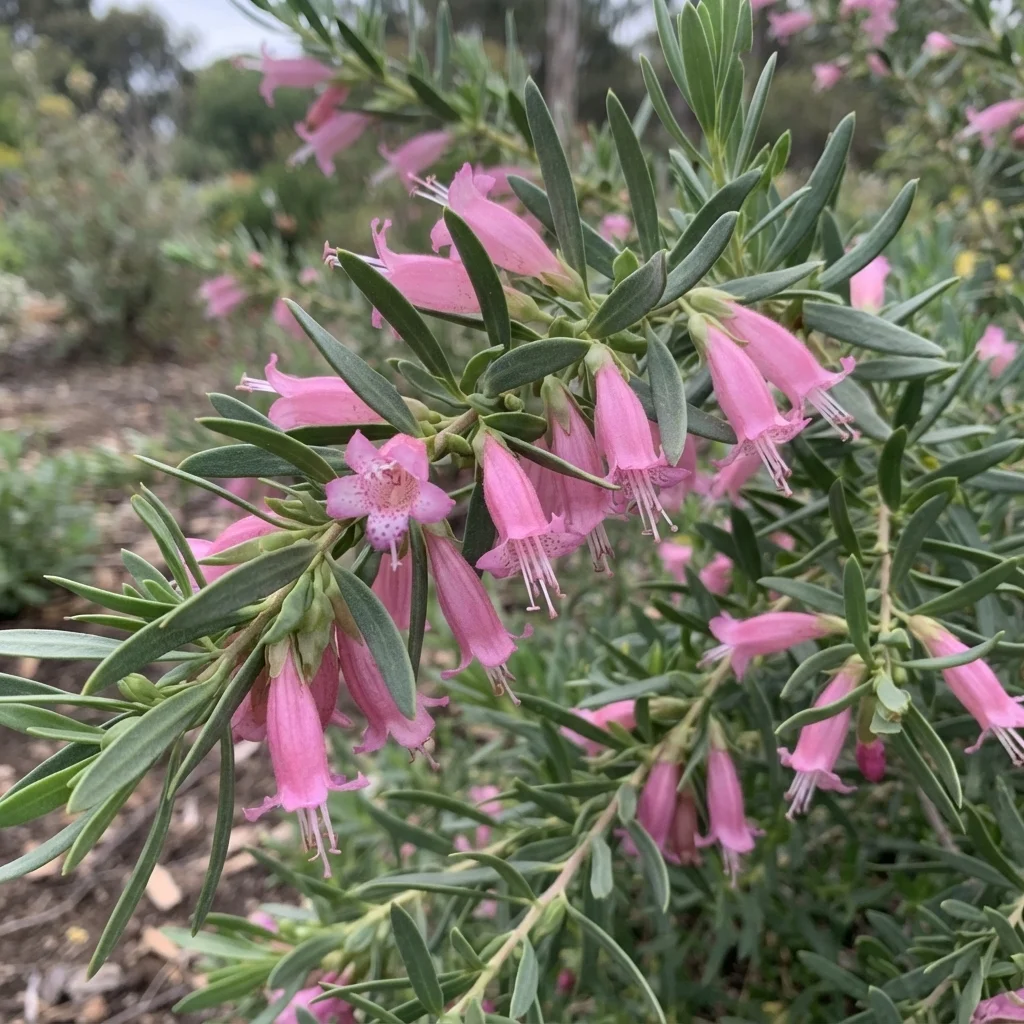
Pink Emu Bush
Eremophila laanii
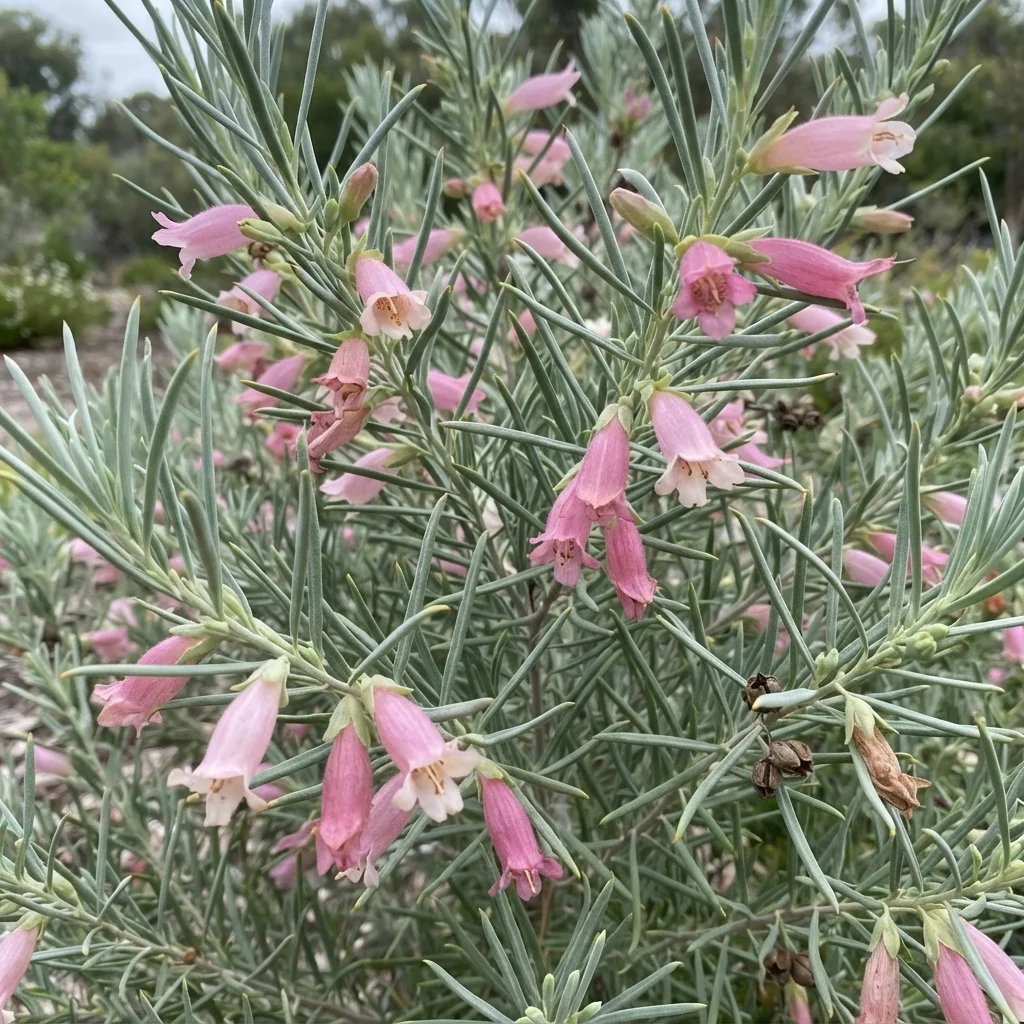
Twin-leaf Emu Bush
Eremophila oppositifolia
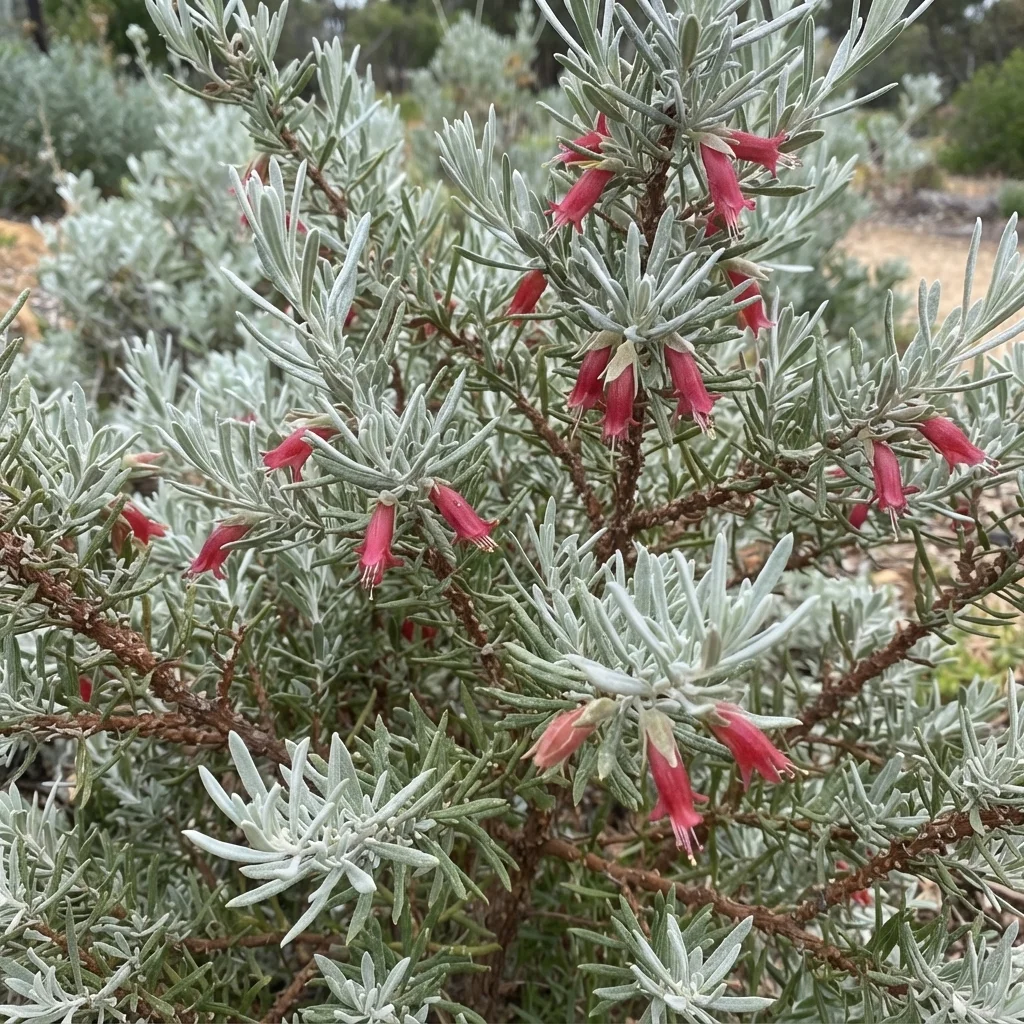
Crimson Turkey Bush
Eremophila latrobei
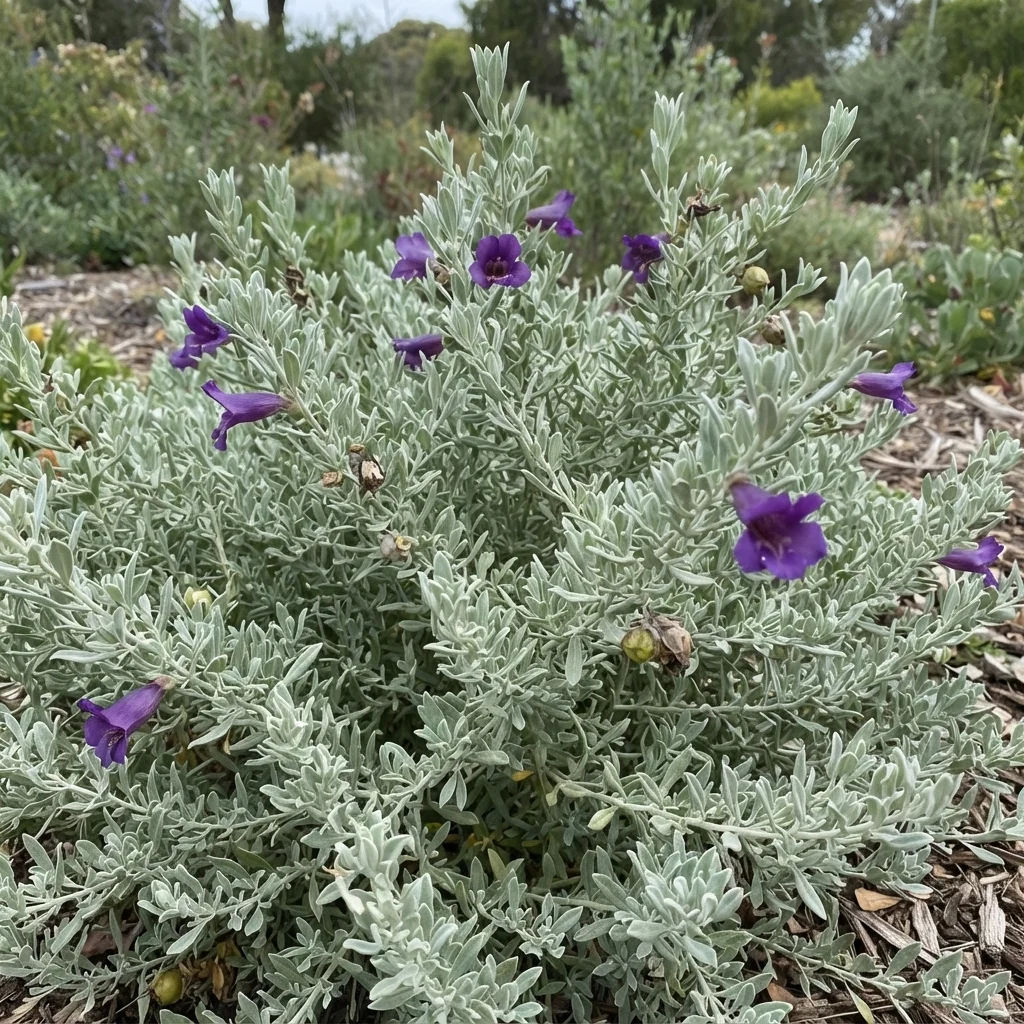
Desert Fuchsia
Eremophila macdonnellii
Keep exploring
Explore the genus
Hardy in your zone?
Grow Blue Bells Emu Bush with confidence
See it in a design of your actual yard, get zone-matched care reminders, and track it season by season in your garden journal.