The Story
Plant Bio
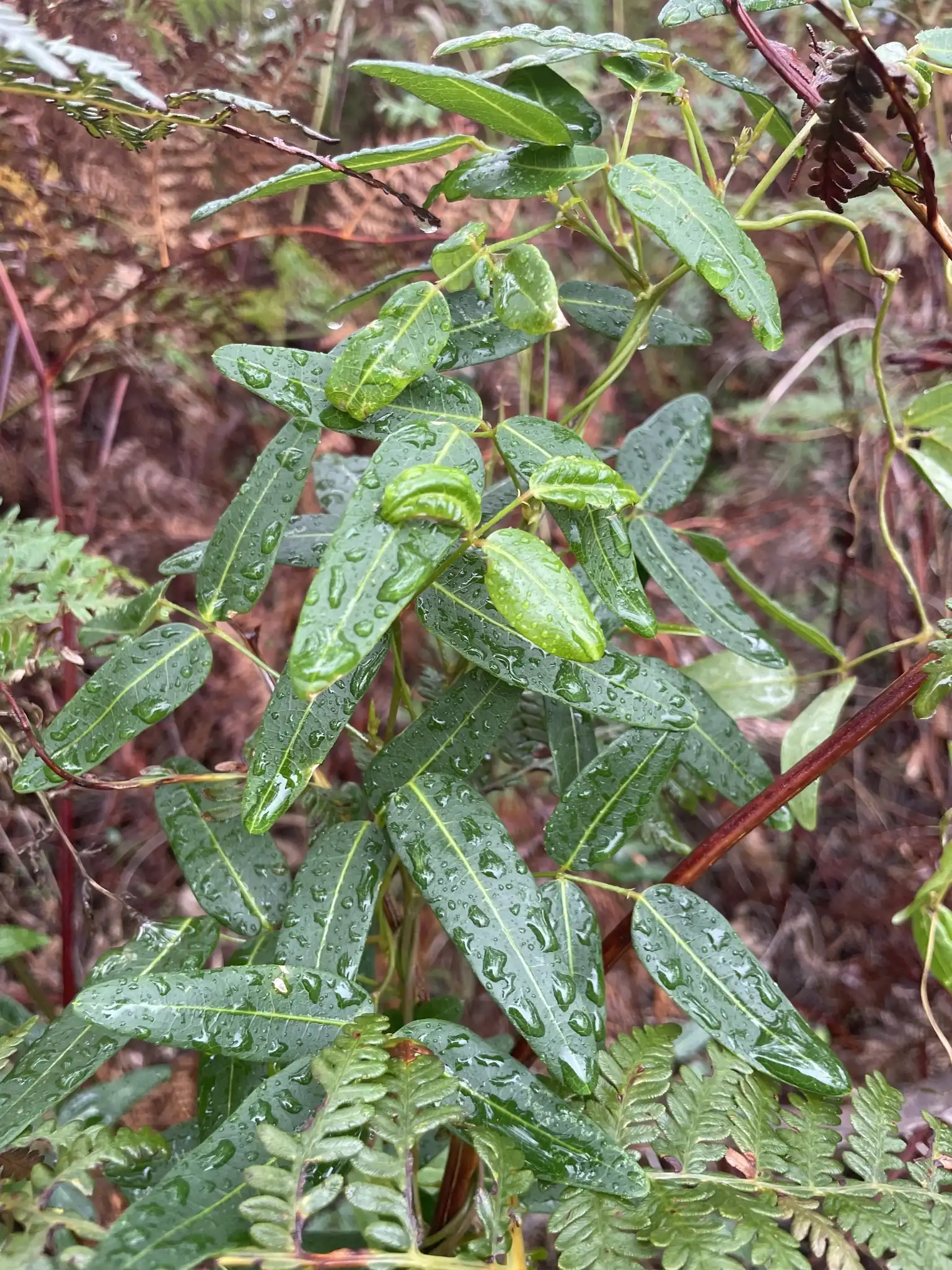
Hardenbergia comptoniana, the native wisteria, is a vigorous evergreen twining climber native to Western Australia that features dark, glossy trifoliate leaves. In spring, it produces dense, drooping clusters of purple pea-shaped flowers, each marked with a distinct white or greenish-yellow spot at the base of the standard petal.
This species is reliably distinguished from its eastern relative, Hardenbergia violacea, by its trifoliate leaves rather than simple, single leaves. The dense, scrambling habit makes it highly effective for covering fences, trellises, or trailing over retaining walls in mild climates.
Uses & Benefits:
Essentials
At a Glance
Plant Type
Vine
Height
236"
Width
118"
Light
Full Sun, Partial Sun
Zones
9, 10
Water
Low
Humidity
Low to Moderate
Lifespan
Moderate
Native To
Australia
Toxicity
Non-toxic
Bloom period
Spring – Late spring
In flower about 3 months of the year
Planting
How to Grow
- Select a planting site with sharp, excellent drainage in full sun to partial shade.
- Install a sturdy trellis, fence, or support structure before planting to accommodate the vigorous twining stems.
- Plant in well-drained sandy loam or a container potting mix, ensuring the crown is level with the soil surface.
- Water moderately to establish, then reduce watering significantly to avoid waterlogging the root system.
Pro Tip
Train young stems horizontally along the base of the support to prevent the vine from becoming bare and leggy at the bottom as the top growth races upward.
Keep It Thriving
Care Guide
Do
- Prune lightly immediately after flowering to maintain shape and control vigor.
- Provide a sturdy support structure for the twining stems to climb.
- Ensure the soil drains rapidly to prevent root rot.
Don't
- Do not overwater during the summer dormancy period.
- Do not cut back deeply into old, leafless woody stems as they fail to reshoot.
- Do not plant in heavy, poorly drained clay soils.
Seasonal Care Calendar
| Task | Jan | Feb | Mar | Apr | May | Jun | Jul | Aug | Sep | Oct | Nov | Dec |
|---|---|---|---|---|---|---|---|---|---|---|---|---|
| Fertilize | ||||||||||||
| Pest Check | ||||||||||||
| Prune | ||||||||||||
| Winter Prep |
Watch Out For
Pests & Diseases
Common Pests
Common Diseases
In the Garden
Landscape Uses & Companions
Landscape Uses
Companion Plants
Multiply
Propagation Methods
Good to Know
Common Questions
Native Wisteria questions
What zones can Native Wisteria grow in?
Native Wisteria is hardy in USDA Zones 9–10. Inside that range it survives winter in the ground; outside it, grow it as an annual or a container plant you protect.
When does Native Wisteria bloom?
Native Wisteria typically blooms in spring through late spring. Exact timing shifts a week or two with your zone — Sow's bloom calendar maps it to your garden.
Does Native Wisteria need full sun?
Native Wisteria does best in full sun to part shade. In hot climates, afternoon shade keeps blooms fresher longer.
Is Native Wisteria drought tolerant?
Yes — once established (usually after the first full season), Native Wisteria handles dry spells with minimal watering. Water deeply its first year to build the root system that makes that possible.
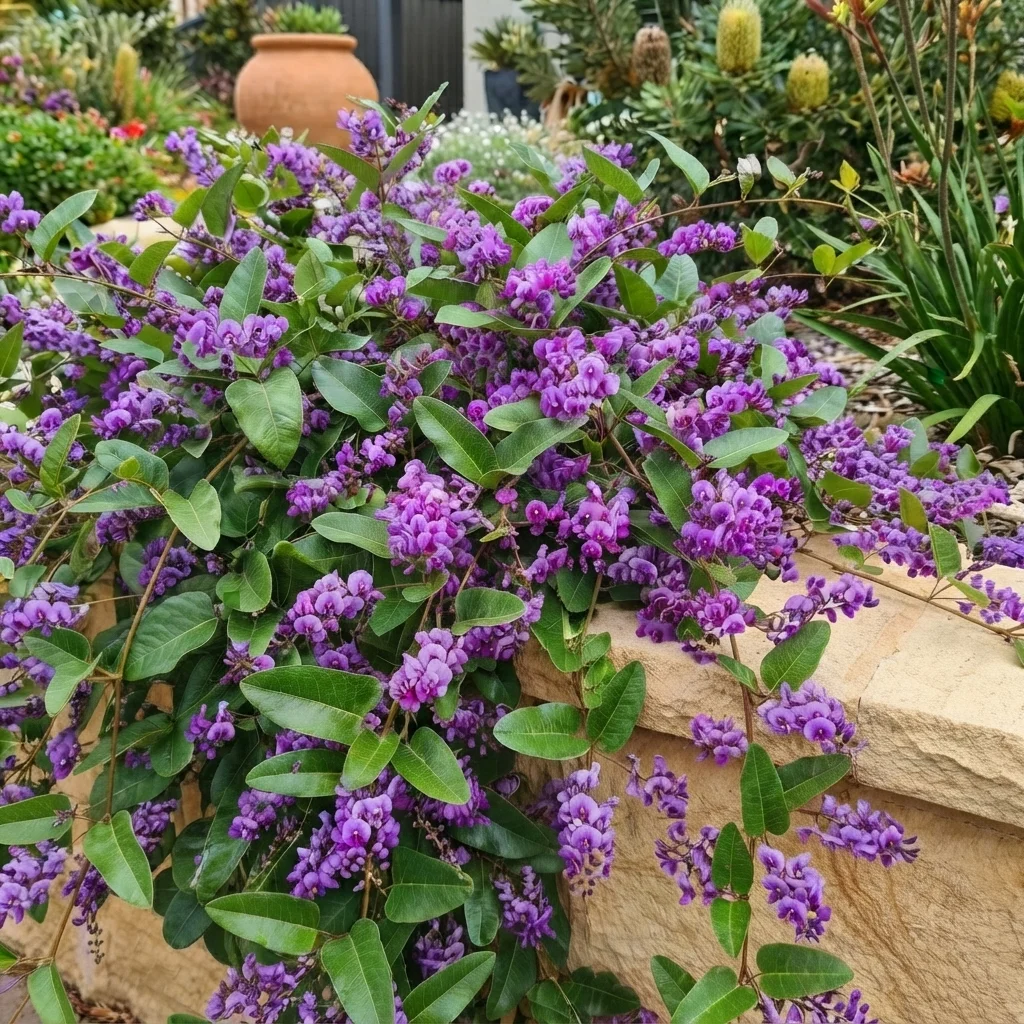
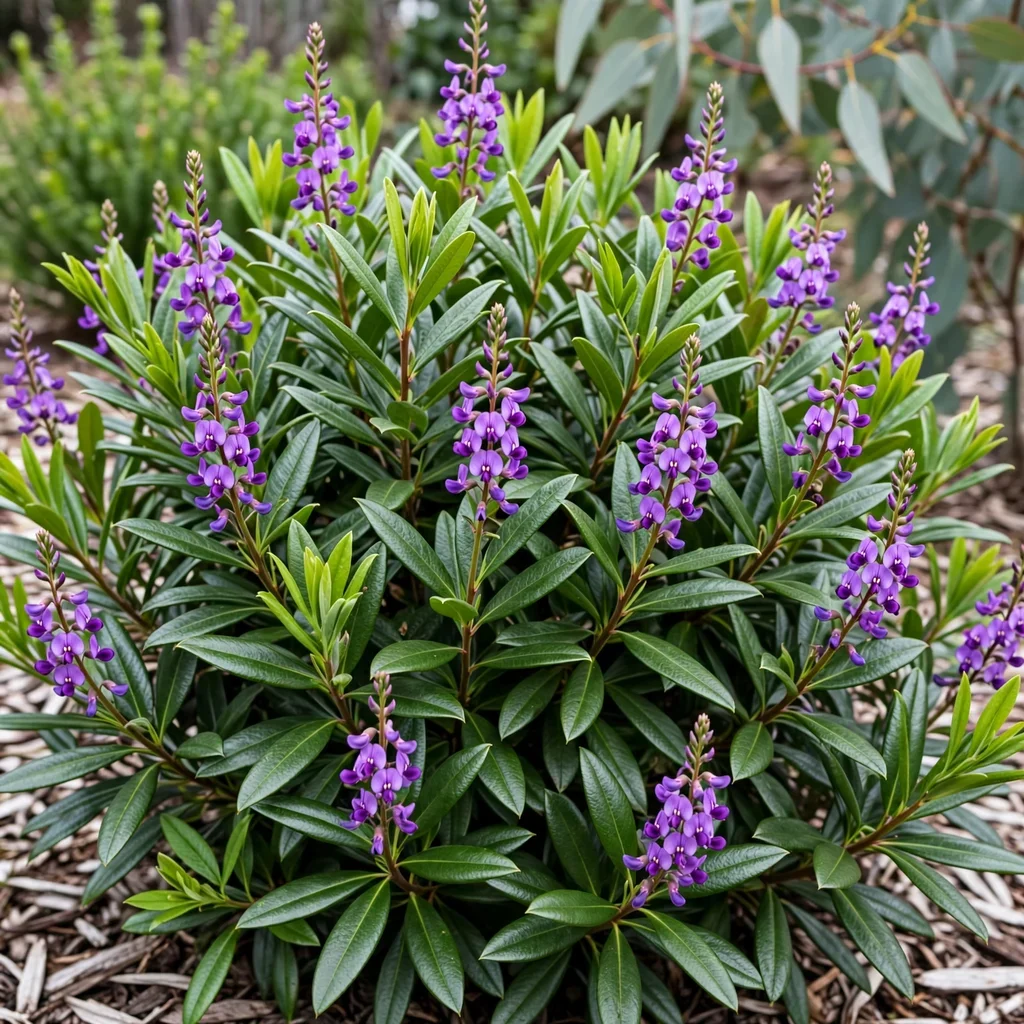
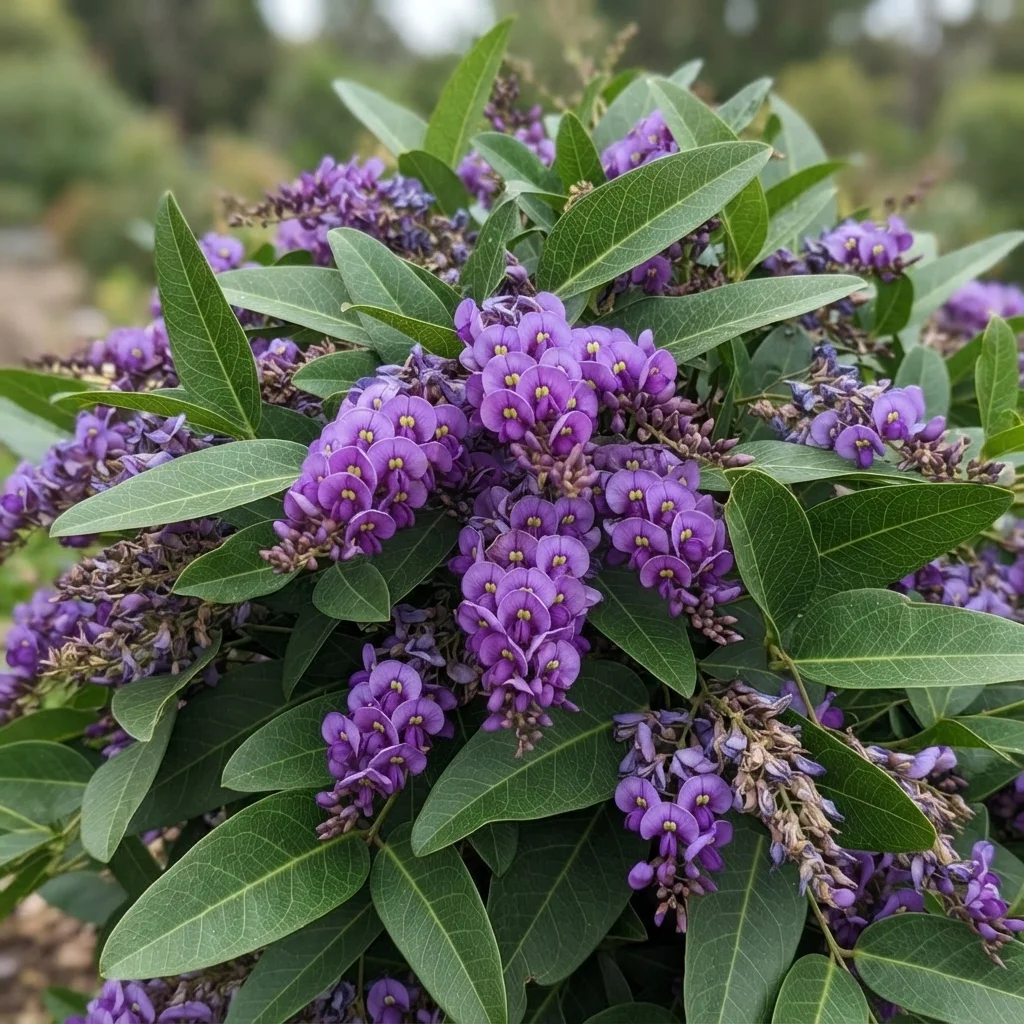
More Hardenbergia to compare
Keep exploring
Explore the genus
Hardy in your zone?
Grow Native Wisteria with confidence
See it in a design of your actual yard, get zone-matched care reminders, and track it season by season in your garden journal.