The Story
Plant Bio
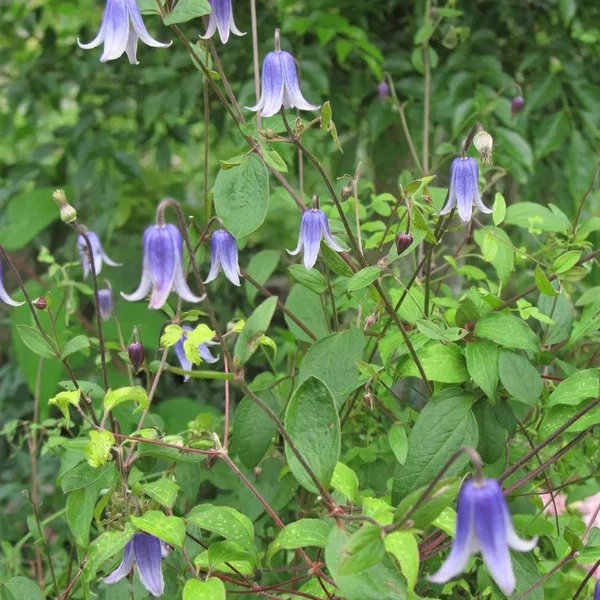
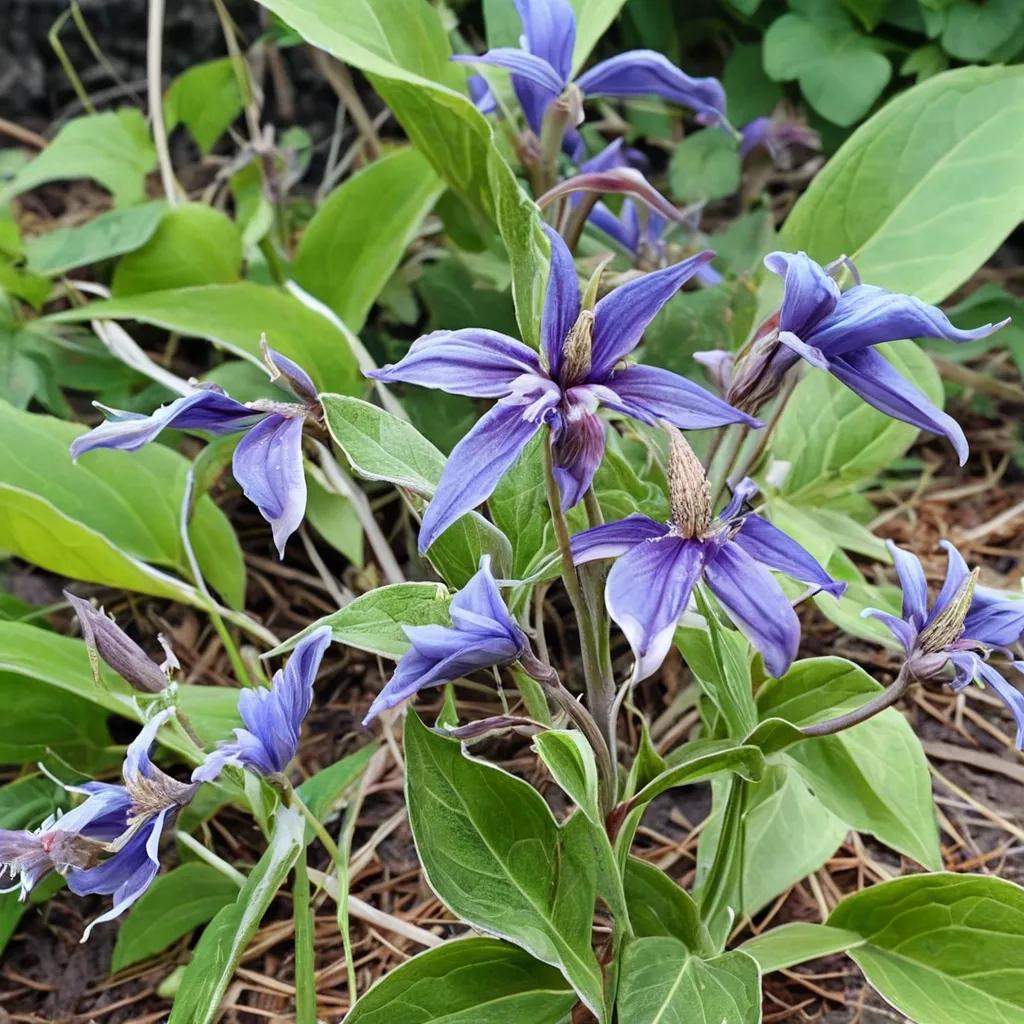
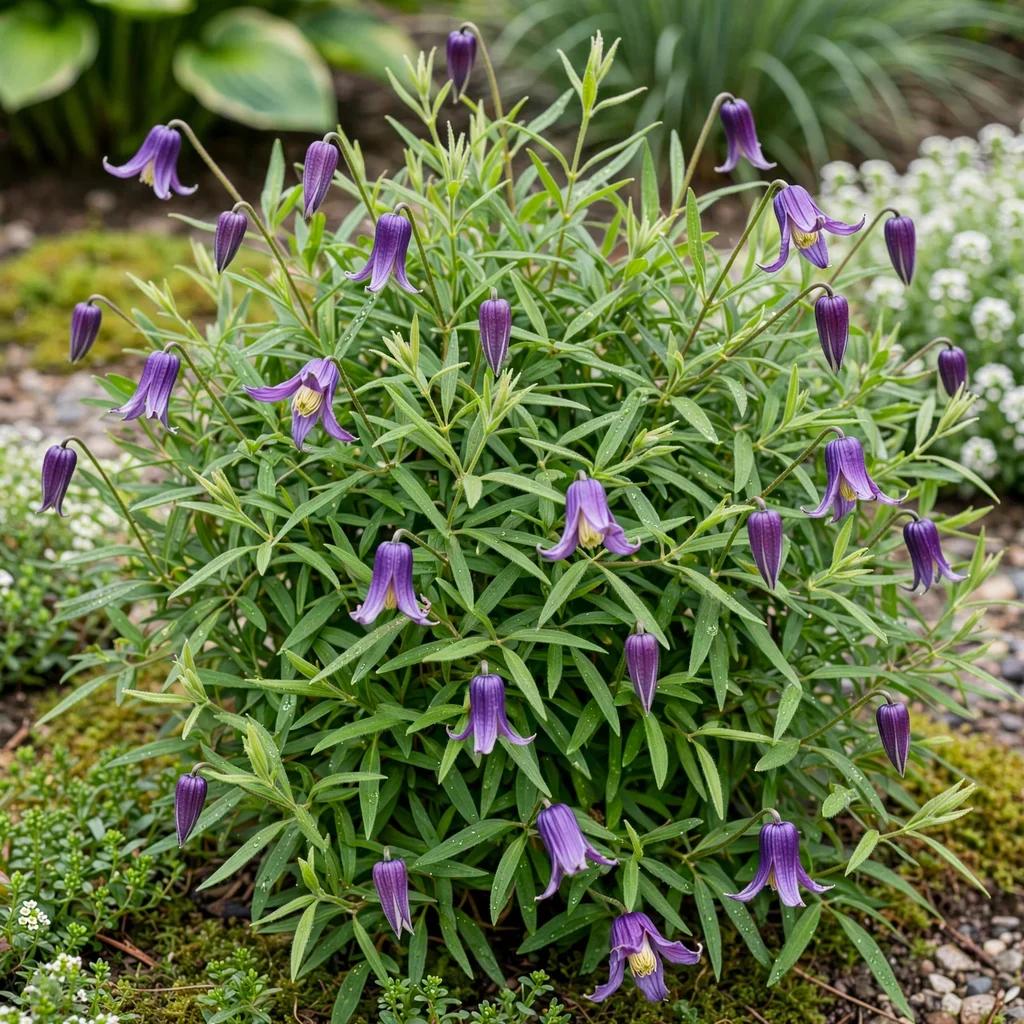
Clematis integrifolia is a non-climbing, woody-based herbaceous perennial native to central Europe, Russia, and China that forms a dense, upright-to-sprawling shrubby mound. The simple, elliptical, medium green leaves are sessile with entire margins, clothing stems that do not twine around supports.
'Hakuree' is a Japanese cultivar distinguished by its nodding, bell-shaped flowers with four twisted, outwardly recurved sepals and a fragrance resembling gardenia or jasmine. The early blooms open with a light lavender or bluish-white tint before transitioning to pure white as summer temperatures rise.
Uses & Benefits:
Essentials
At a Glance
Plant Type
Perennial
Height
31"
Width
24"
Light
Full Sun, Partial Sun
Zones
4, 5, 6, 7, 8, 9
Water
Medium
Humidity
Moderate
Lifespan
Perennial
Native To
Europe and Asia (species)
Toxicity
Toxic to humans and animals
Bloom period
Early summer – Autumn
In flower about 6 months of the year
Planting
How to Grow
- Select a planting site in full sun to partial shade with fertile, humus-rich, and highly drained loam.
- Dig a hole deep enough to position the plant's crown two to three inches below the surrounding soil level.
- Backfill with soil, water thoroughly to settle, and apply a thick layer of organic mulch to keep the root zone cool.
- Insert light supports, such as pea sticks, early in the spring to prevent the non-climbing stems from sprawling.
- Cut all stems back hard to ground level in late winter or fall after the first hard frost.
Pro Tip
Plant the crown two to three inches deep below the soil surface to stimulate robust subterranean bud break, and keep the root zone heavily mulched to maintain cool, moist conditions.
Keep It Thriving
Care Guide
Do
- Do plant the crown two to three inches deep to encourage subterranean bud break.
- Do mulch the root zone heavily to preserve soil moisture and keep roots cool.
- Do provide light staking or pea sticks early in the season to support the upright habit.
- Do apply a complete organic fertilizer monthly during the active growing season.
Don't
- Do not prune into old, leafless wood during the middle of the growing season.
- Do not allow the soil to dry out completely during hot summer periods.
- Do not plant in heavy, poorly drained clay soils that hold excess winter moisture.
- Do not attempt to train the non-twining stems up a standard vertical trellis without manual ties.
Seasonal Care Calendar
| Task | Jan | Feb | Mar | Apr | May | Jun | Jul | Aug | Sep | Oct | Nov | Dec |
|---|---|---|---|---|---|---|---|---|---|---|---|---|
| Fertilize | ||||||||||||
| Mulch | ||||||||||||
| Prune | ||||||||||||
| Stake | ||||||||||||
| Winter Prep |
Watch Out For
Pests & Diseases
Common Pests
Common Diseases
In the Garden
Landscape Uses & Companions
Landscape Uses
Companion Plants
Multiply
Propagation Methods
Good to Know
Common Questions
Hakuree Clematis questions
What zones can Hakuree Clematis grow in?
Hakuree Clematis is hardy in USDA Zones 4–9. Inside that range it survives winter in the ground; outside it, grow it as an annual or a container plant you protect.
Is Hakuree Clematis deer resistant?
Not reliably. Deer may browse Hakuree Clematis, especially tender spring growth — plan on repellents or fencing where pressure is high.
When does Hakuree Clematis bloom?
Hakuree Clematis typically blooms in early summer through autumn. Exact timing shifts a week or two with your zone — Sow's bloom calendar maps it to your garden.
Does Hakuree Clematis need full sun?
Hakuree Clematis does best in full sun to part shade. In hot climates, afternoon shade keeps blooms fresher longer.
More Clematis to compare
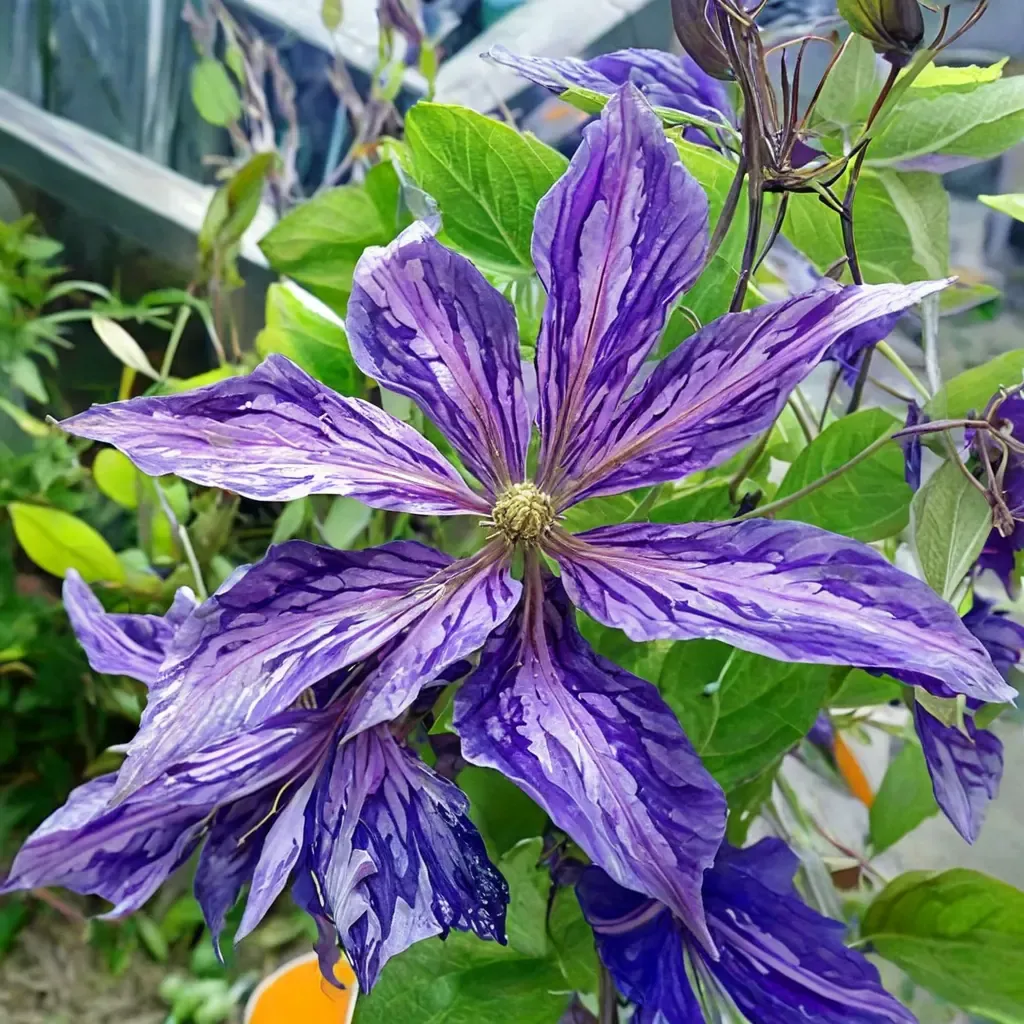
Tie Dye Clematis
Clematis viticella 'Tie Dye'
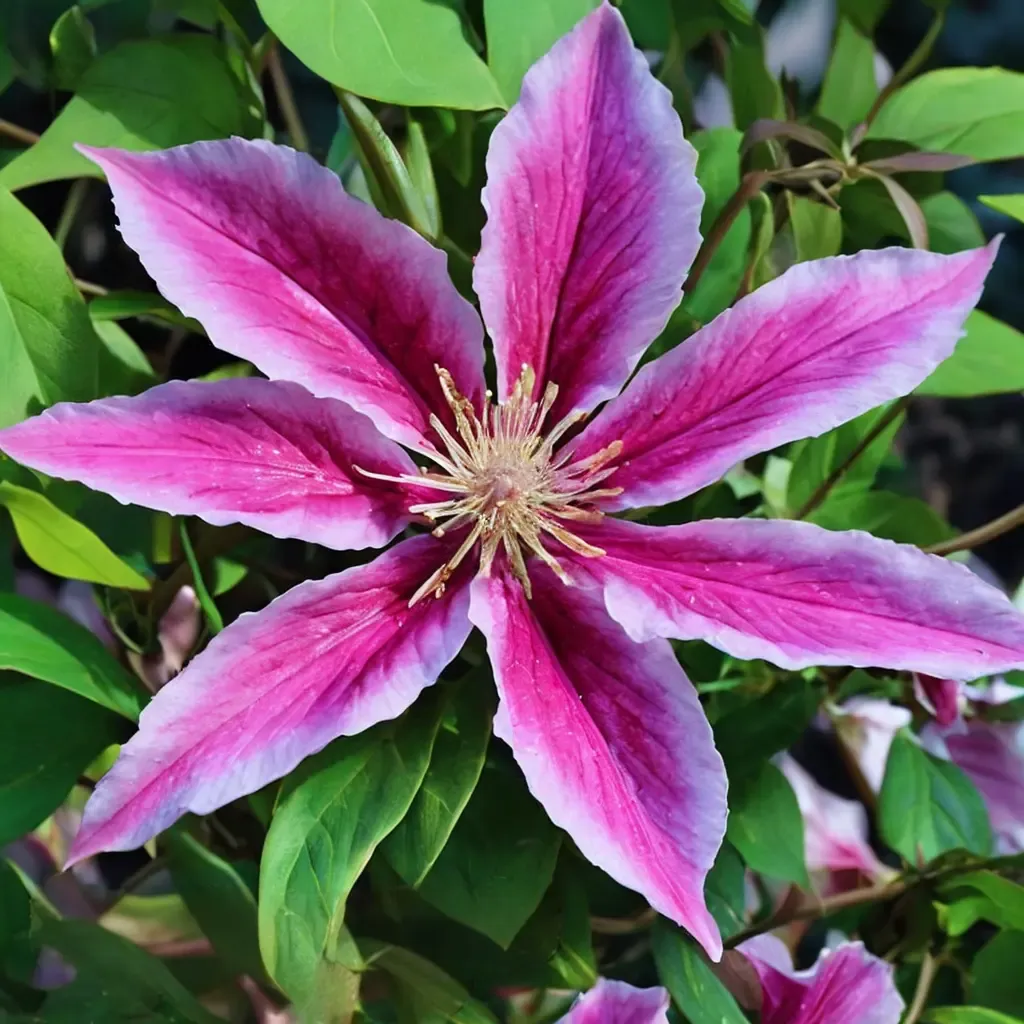
Dr. Ruppel Clematis
Clematis x jackmanii 'Dr Ruppel'
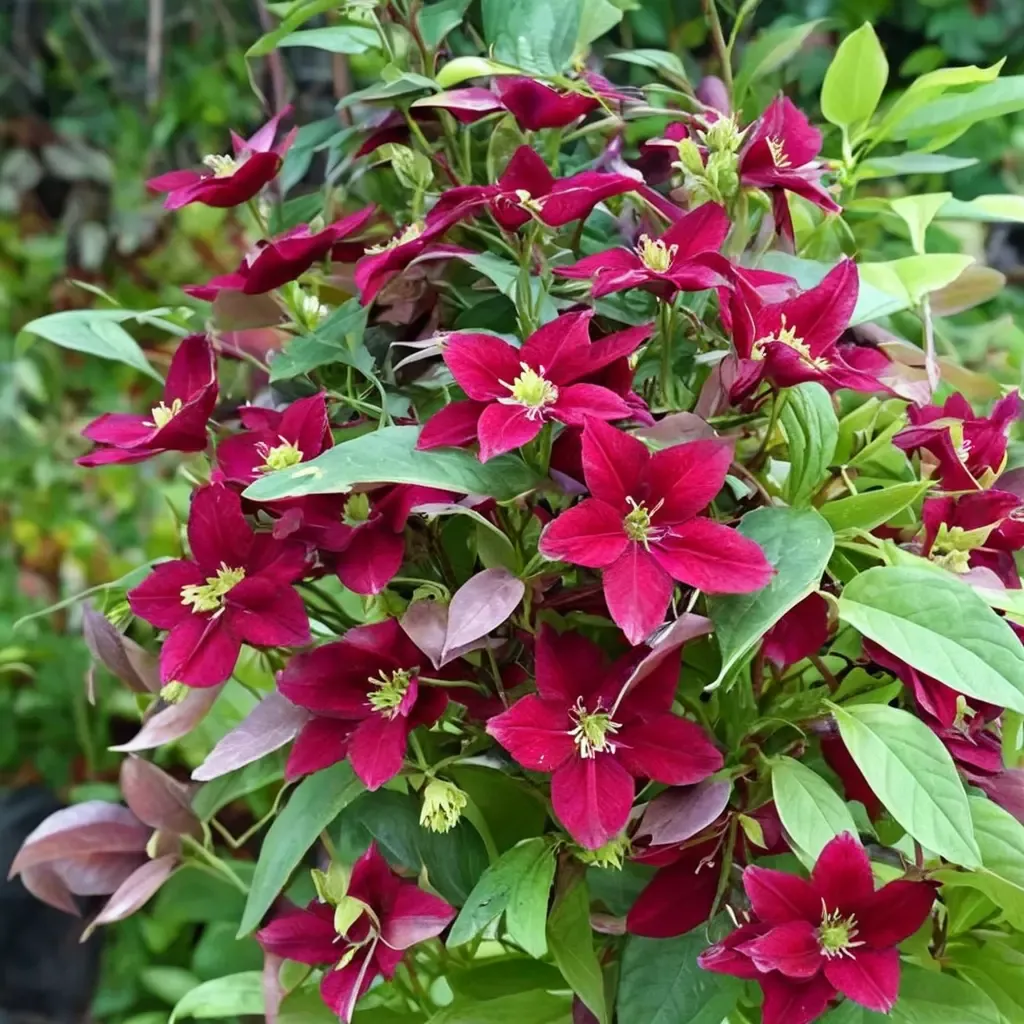
Burning Love Clematis
Clematis x cartmanii 'Burning Love'
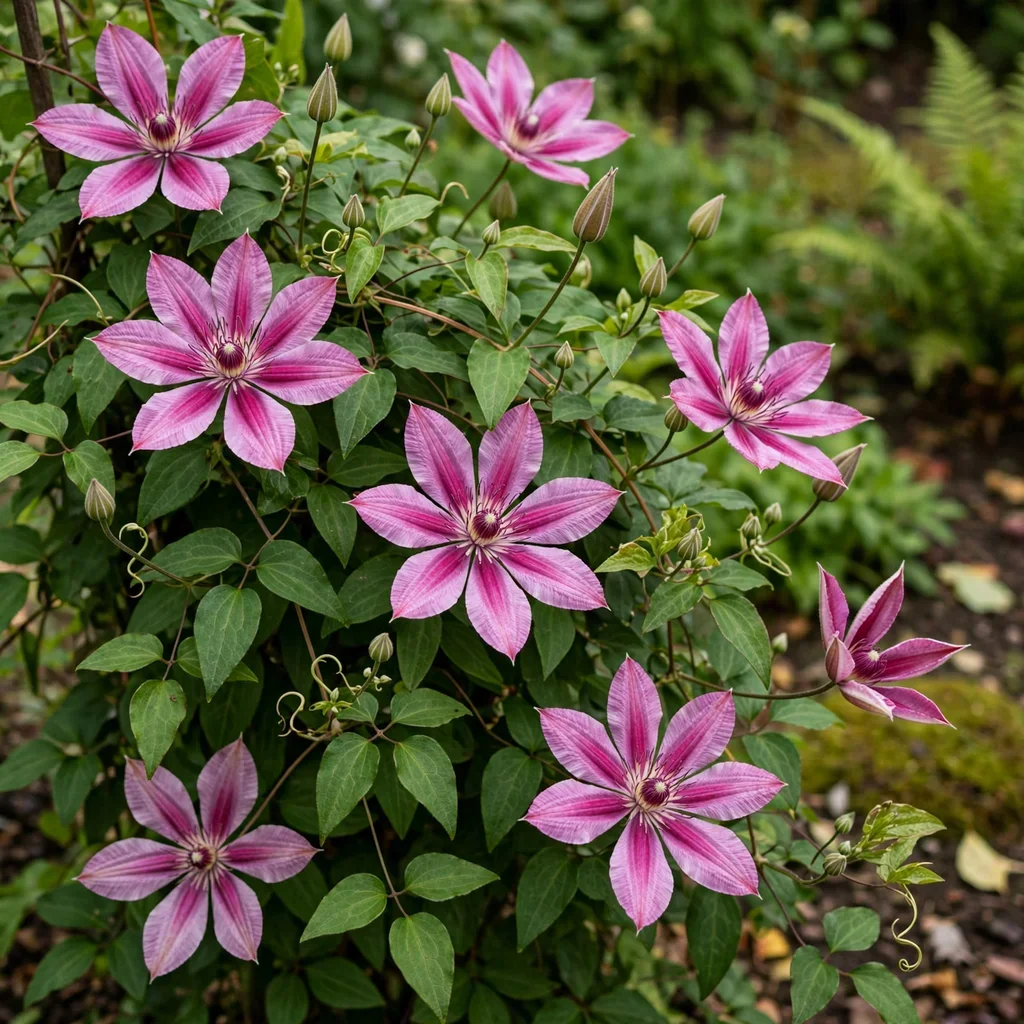
Yuan Clematis
Clematis viticella 'Yuan'
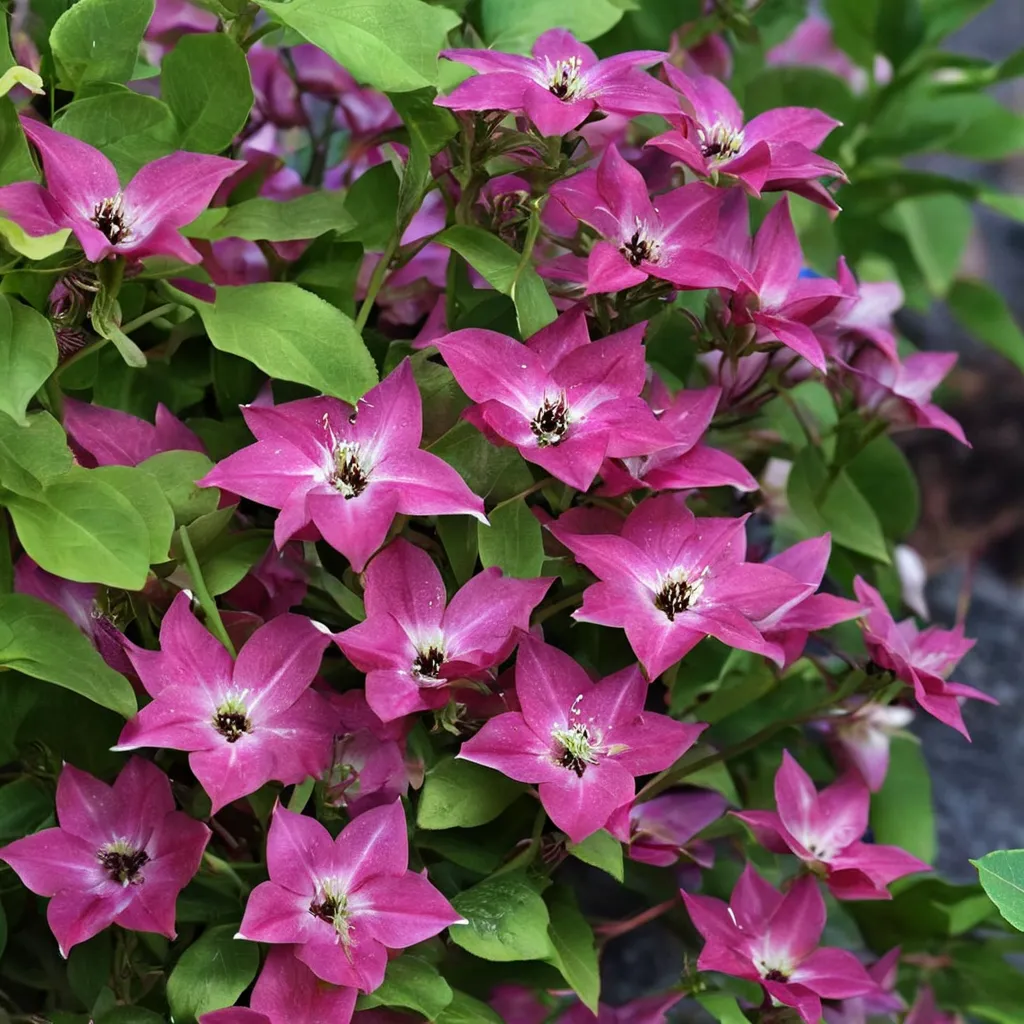
Viva Polonia Clematis
Clematis x hybrida 'Viva Polonia'
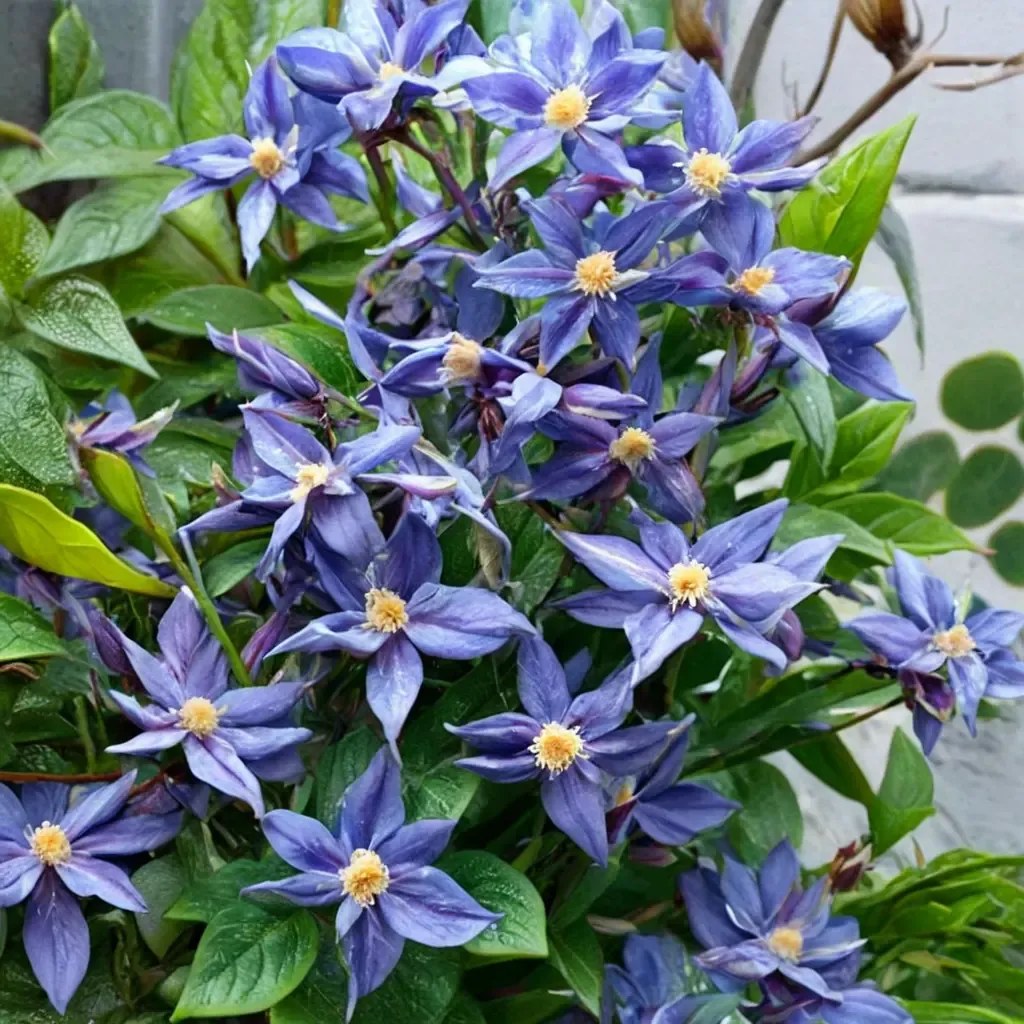
Tsukiko Clematis
Clematis x durandii 'Tsukiko'
Keep exploring
Explore the genus
Grow Hakuree Clematis with confidence
See it in a design of your actual yard, get zone-matched care reminders, and track it season by season in your garden journal.