

The Story
Plant Bio
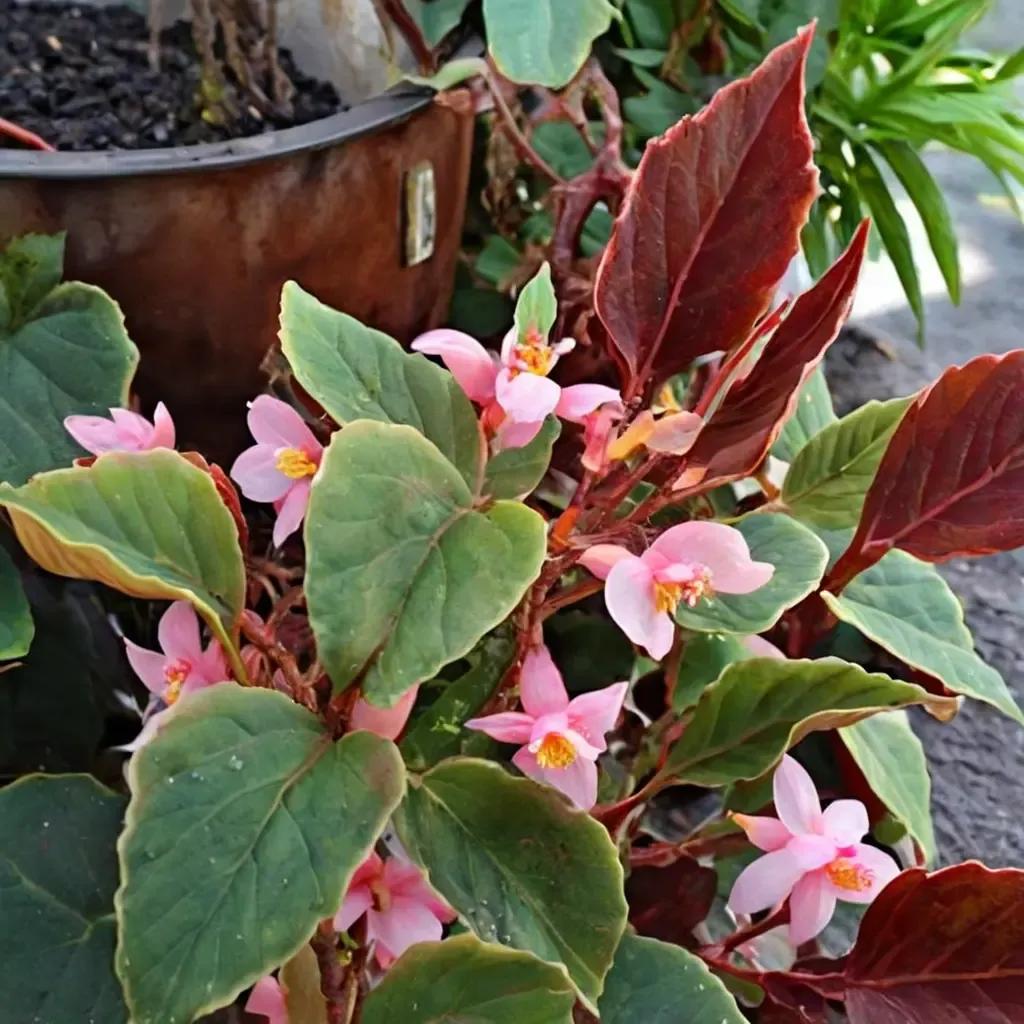
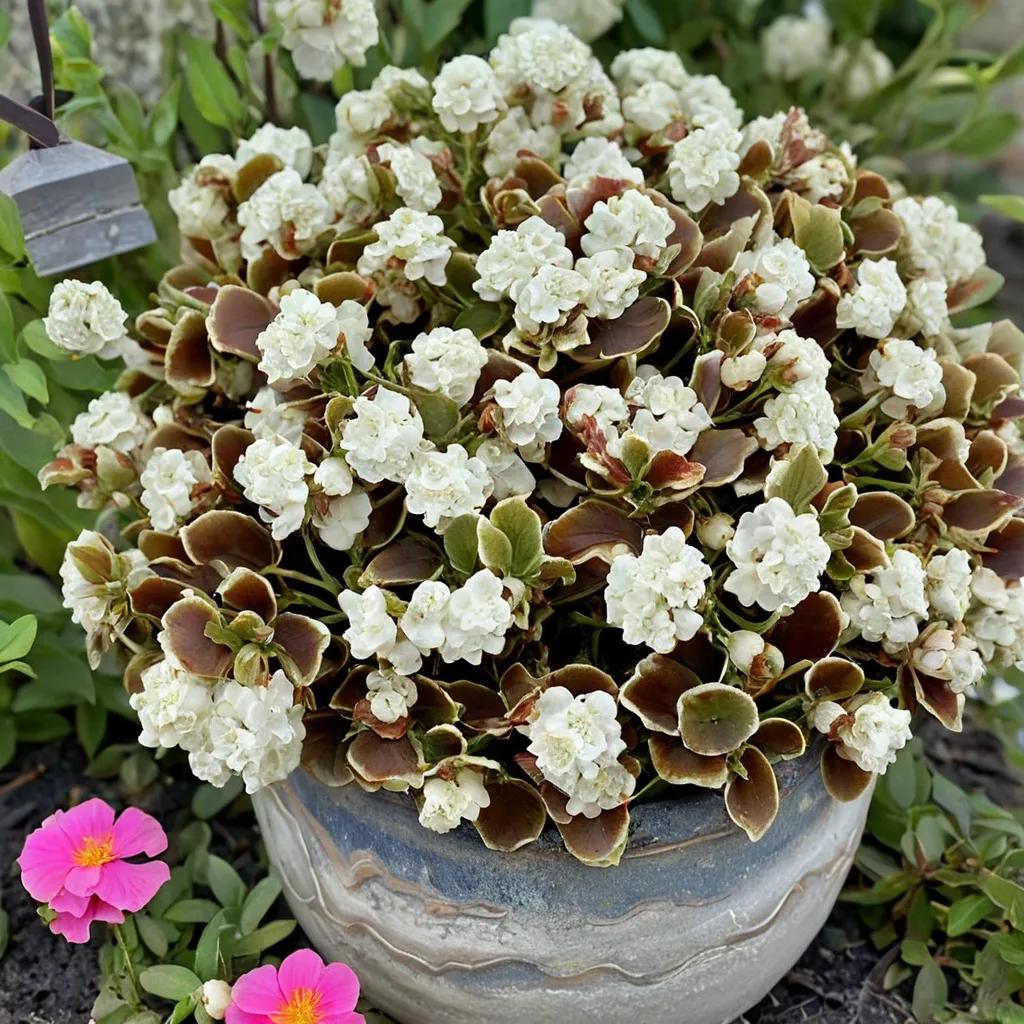
Begonia × semperflorens-cultorum is a compact, mounded, succulent herbaceous perennial widely grown as a warm-season annual. It features fleshy stems, glossy rounded leaves, and clusters of single or double flowers in shades of white, pink, and red from spring until the first frost.
The foliage ranges from light green to dark bronze-red, with bronze-leaved cultivars demonstrating superior tolerance to direct sun. The root system is fibrous and highly sensitive to excess moisture, requiring exceptional soil drainage to prevent decay.
Uses & Benefits:
Essentials
At a Glance
Plant Type
Annual
Height
12"
Width
12"
Light
Full Sun, Partial Sun
Zones
10
Water
Moderate
Humidity
Moderate
Lifespan
Annual
Native To
South America
Toxicity
Toxic to pets and humans
Planting
How to Grow
- Select a planting site with well-drained, humus-rich soil and a pH between 6.0 and 7.0.
- Space plants six to twelve inches apart to ensure adequate air circulation and prevent fungal diseases.
- Water at the base of the plant to keep the soil consistently moist while keeping the foliage dry.
- Apply a balanced, water-soluble fertilizer every few weeks throughout the active growing season.
Pro Tip
Never cover the dust-like seeds during propagation, as they require direct light exposure to trigger germination.
Keep It Thriving
Care Guide
Do
- Plant in highly permeable soil to prevent root and stem rot.
- Pinch back leggy stems occasionally to maintain a compact, mounded shape.
- Provide partial shade for green-leaved cultivars to prevent leaf scorch.
Don't
- Do not overwater or allow the plant to sit in waterlogged soil.
- Do not cover the seeds with soil when sowing, as they need light to germinate.
- Do not plant outdoors until all danger of frost has passed.
Seasonal Care Calendar
| Task | Jan | Feb | Mar | Apr | May | Jun | Jul | Aug | Sep | Oct | Nov | Dec |
|---|---|---|---|---|---|---|---|---|---|---|---|---|
| Deadhead | ||||||||||||
| Fertilize | ||||||||||||
| Pest Check | ||||||||||||
| Plant |
Watch Out For
Pests & Diseases
Common Pests
Common Diseases
In the Garden
Landscape Uses & Companions
Landscape Uses
Companion Plants
Multiply
Propagation Methods
Good to Know
Common Questions
Wax Begonia questions
What zones can Wax Begonia grow in?
Wax Begonia is hardy in USDA Zone 10. Inside that range it survives winter in the ground; outside it, grow it as an annual or a container plant you protect.
Is Wax Begonia deer resistant?
Yes — Wax Begonia is rated deer-resistant. Deer typically pass it over, though extreme hunger can override any plant's defenses.
When does Wax Begonia bloom?
Wax Begonia typically blooms in spring through fall. Exact timing shifts a week or two with your zone — Sow's bloom calendar maps it to your garden.
Does Wax Begonia need full sun?
Wax Begonia does best in full sun to part shade. In hot climates, afternoon shade keeps blooms fresher longer.
More Begonia to compare
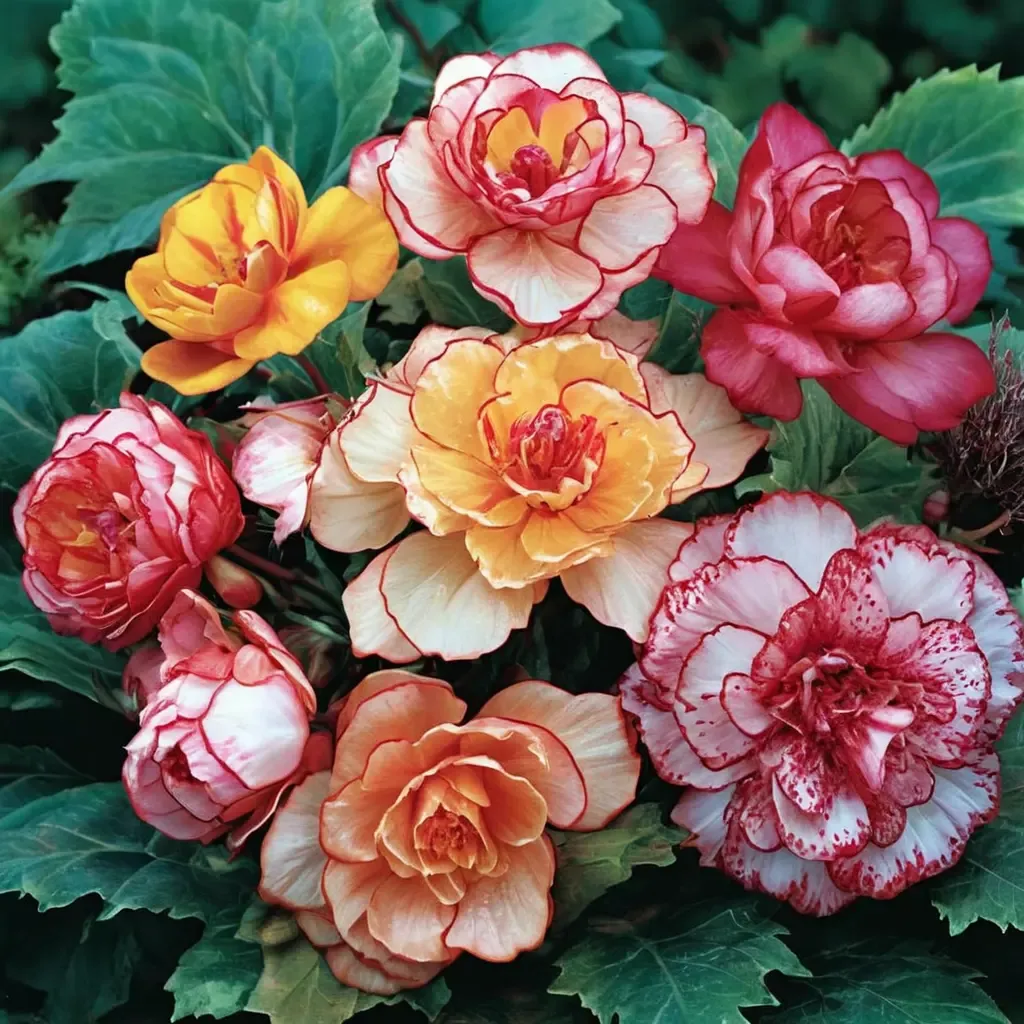
Picotee Tuberous Begonia
Begonia x tuberhybrida 'Picotee Mix'
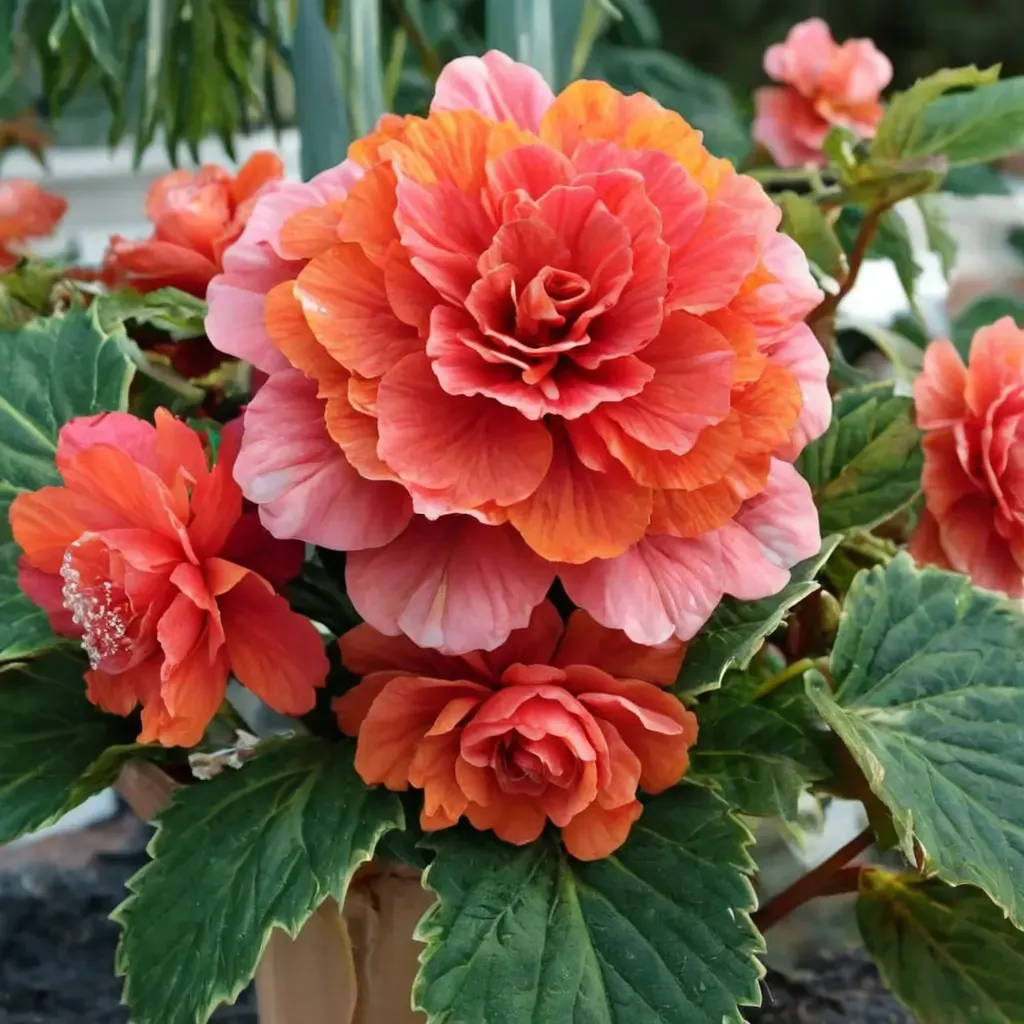
Hardy Begonia
Begonia x tuberhybrida 'Hardy Begonia'
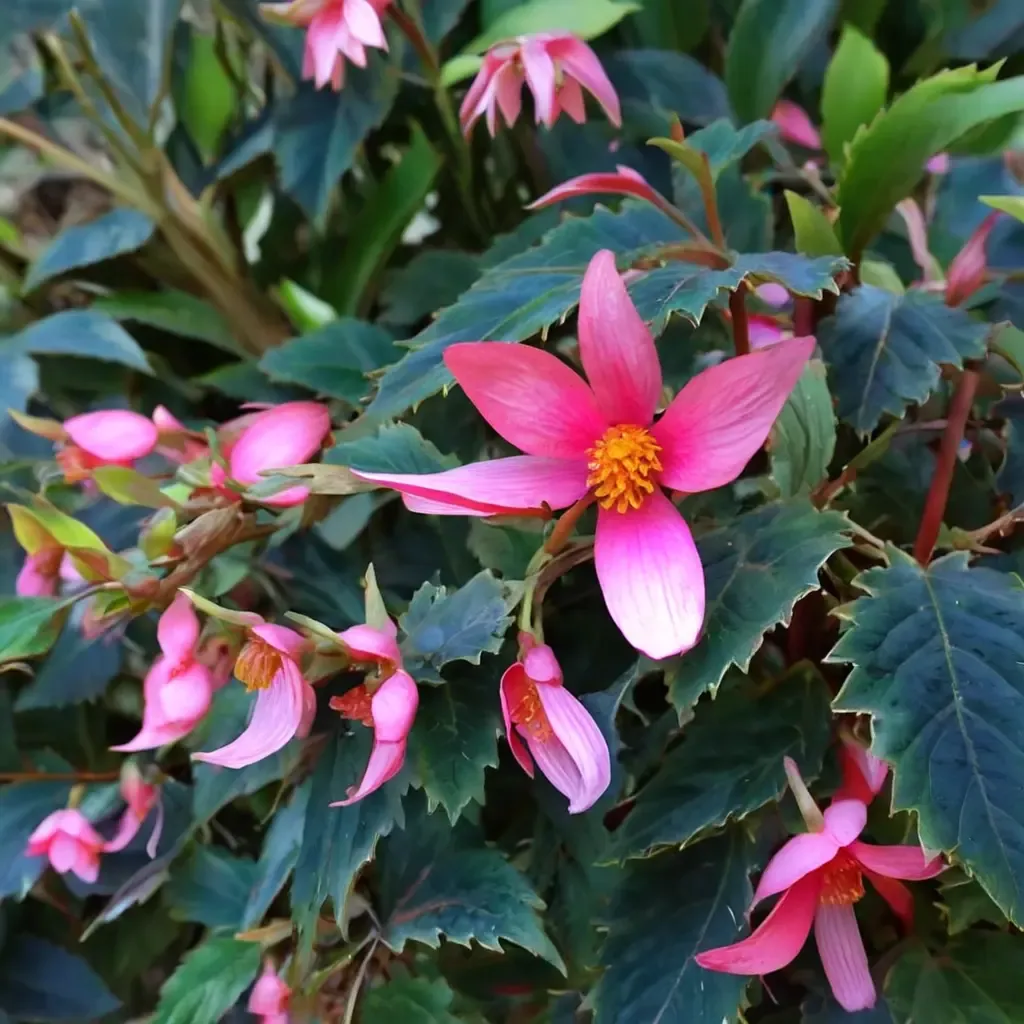
Mistral Pink Begonia
Begonia x hybrida 'Mistral Pink'
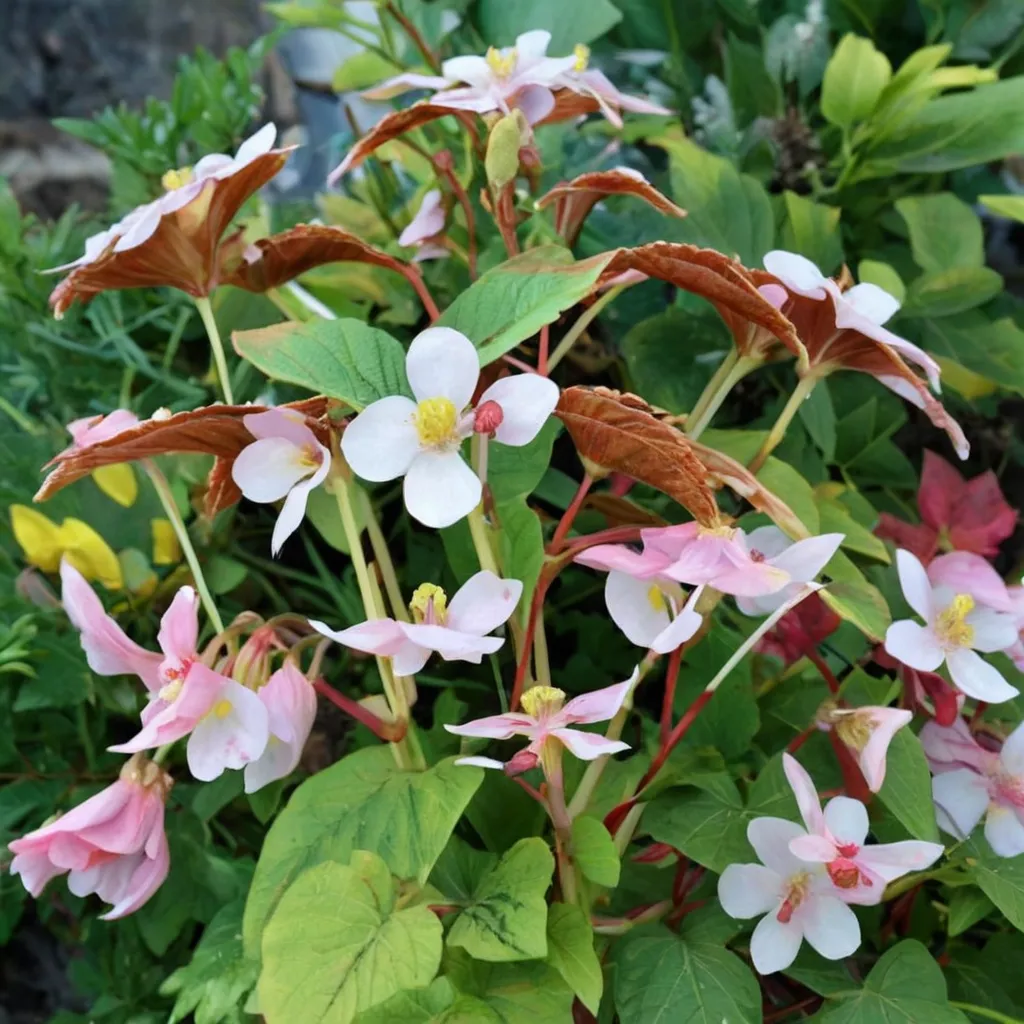
Wildwood Purity Begonia
Begonia grandis 'Wildwood Purity'
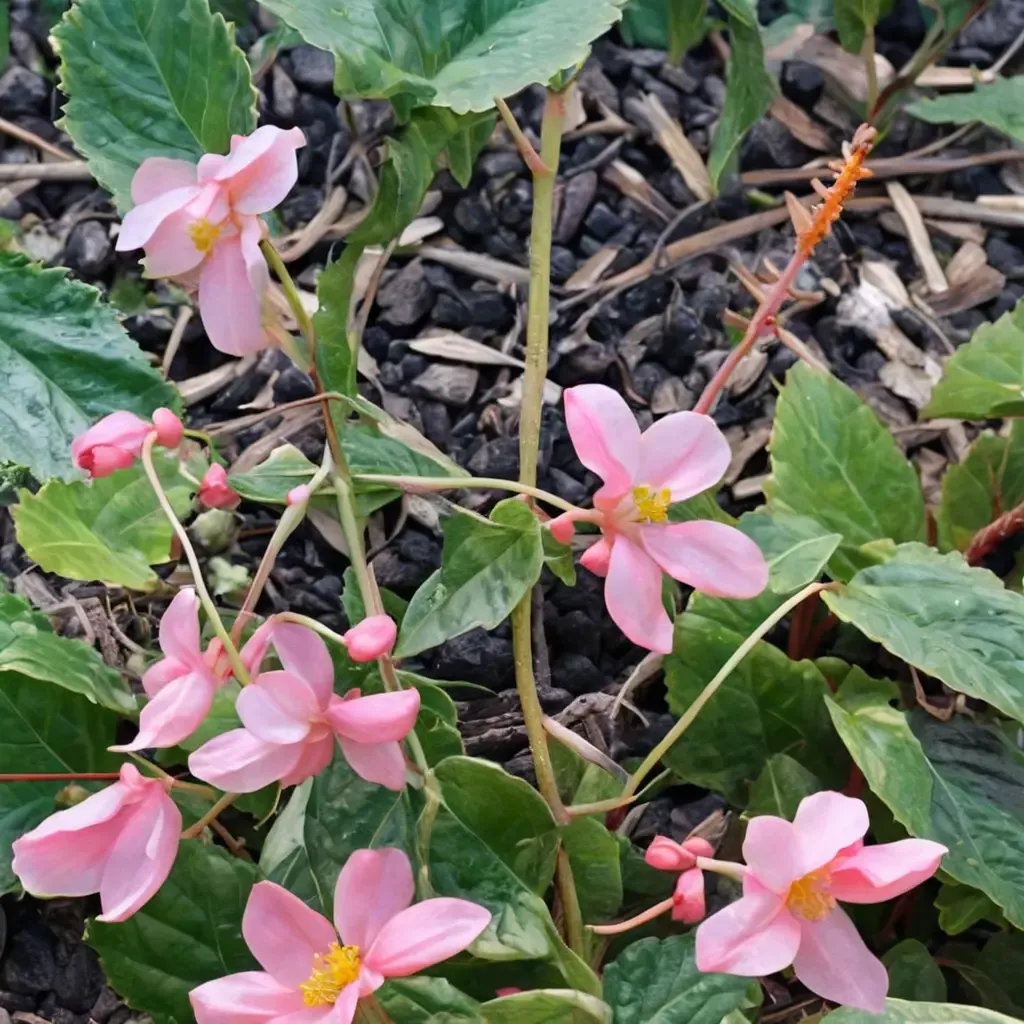
Smooch Begonia
Begonia x tuberhybrida 'Smooch'
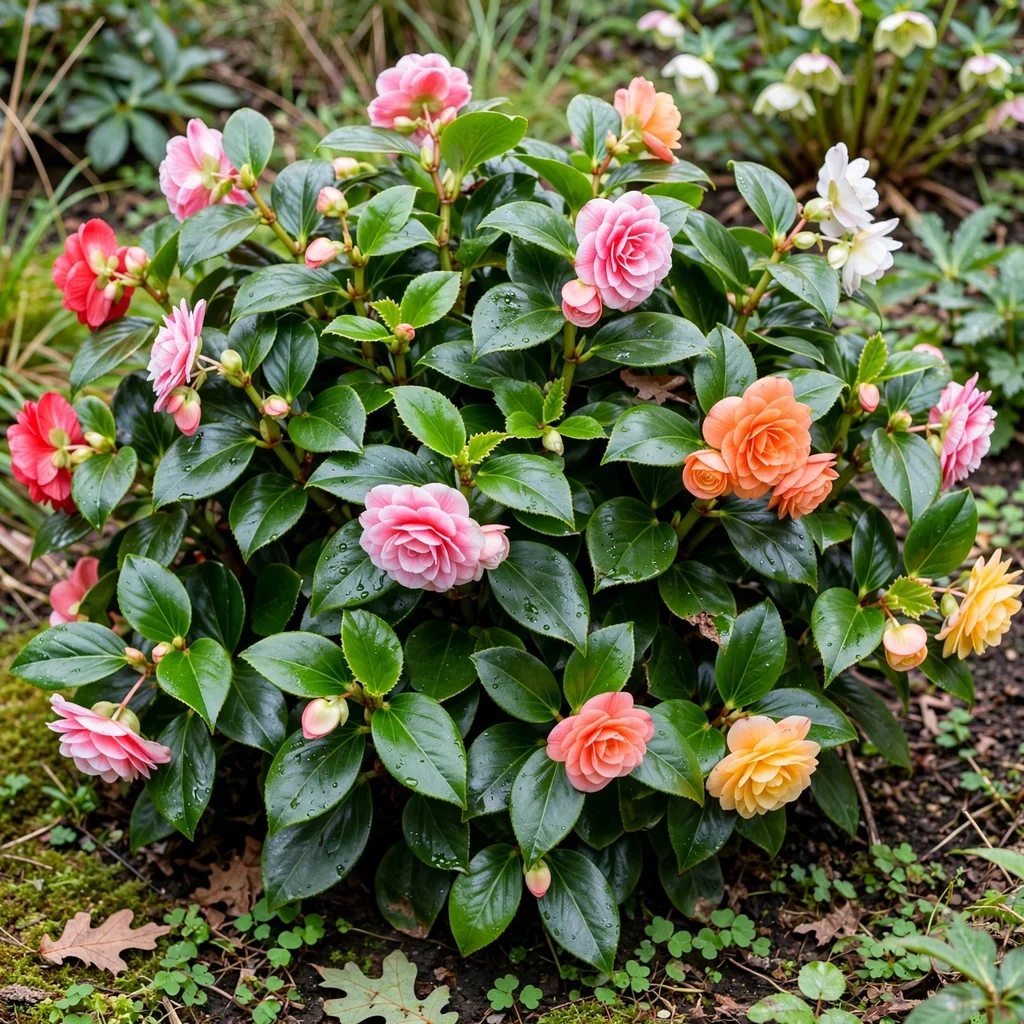
Rieger Begonia
Begonia x hiemalis 'Giant Camellia Mix'
Keep exploring
Explore the genus
Hardy in your zone?
Grow Wax Begonia with confidence
See it in a design of your actual yard, get zone-matched care reminders, and track it season by season in your garden journal.