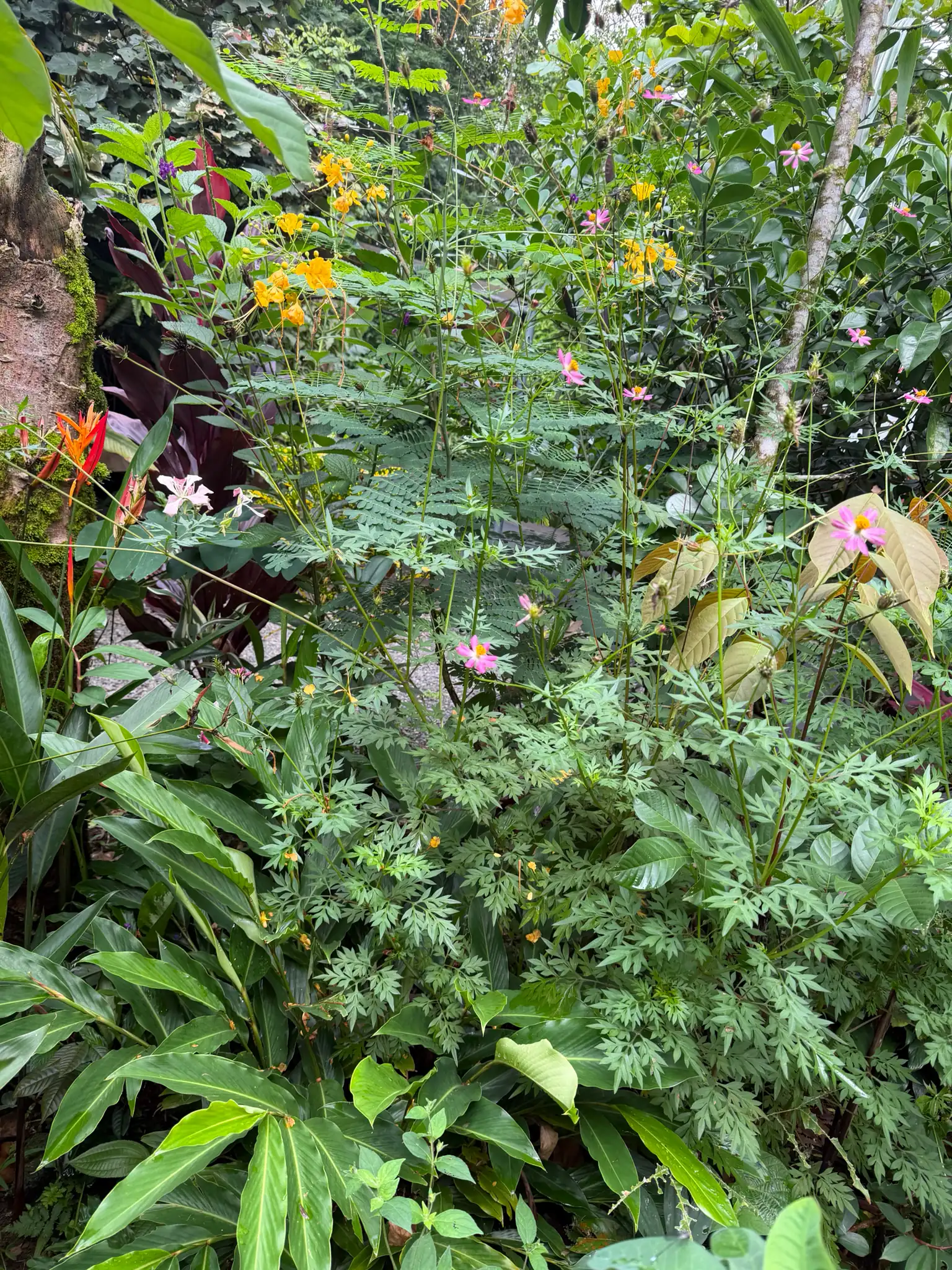
The Story
Plant Bio
Cosmos caudatus is an erect, tender annual herb featuring weak, succulent stems of a purplish-green hue and soft, deeply divided foliage that emits a mango-like aroma when bruised. At night, the plant exhibits a distinct sleeping habit, folding its leaves to close and protect the terminal buds.
The composite flower heads feature pale pink to magenta ray florets surrounding a yellow-green central disk, held aloft on long, slender peduncles from summer through fall. The young shoots and leaves are completely non-toxic and traditionally harvested as a fresh salad vegetable.
Uses & Benefits:
Essentials
At a Glance
Plant Type
Annual
Height
118"
Width
39"
Light
Full Sun
Zones
4, 5, 6, 7, 8, 9, 10
Water
Low to Moderate
Humidity
High
Lifespan
Annual
Native To
Latin America, West Indies
Toxicity
Non-toxic
Bloom period
Summer – Fall
In flower about 6 months of the year
Planting
How to Grow
- Sow seeds directly into well-drained, average soil after all danger of frost has passed, or start indoors six to eight weeks earlier.
- Select a planting site that receives at least six hours of direct sunlight daily to ensure optimal flowering.
- Water moderately during the establishment phase, then reduce frequency to allow the soil to dry slightly between waterings.
- Avoid applying any fertilizer, as nutrient-rich conditions promote excessive, weak vegetative growth rather than blooms.
Pro Tip
Keep the soil lean and dry; planting in rich garden loam or applying nitrogen fertilizer triggers rapid, weak, floppy stem growth at the expense of flowers.
Keep It Thriving
Care Guide
Do
- Deadhead spent flower heads regularly to prolong the blooming season.
- Cut leggy plants back hard to twelve to eighteen inches mid-season to stimulate fresh foliage and a second flush of flowers.
- Ensure wide spacing between plants to maintain excellent air circulation and prevent fungal issues.
Don't
- Do not fertilize this plant, as nitrogen-rich soils cause weak, floppy stems and sparse flowering.
- Do not plant in heavy, compacted, or waterlogged soils where roots will quickly rot.
- Do not use overhead watering methods, which can foster powdery mildew and gray mold on the foliage.
Seasonal Care Calendar
| Task | Jan | Feb | Mar | Apr | May | Jun | Jul | Aug | Sep | Oct | Nov | Dec |
|---|---|---|---|---|---|---|---|---|---|---|---|---|
| Deadhead | ||||||||||||
| Pest Check | ||||||||||||
| Plant | ||||||||||||
| Prune |
Watch Out For
Pests & Diseases
Common Pests
Common Diseases
In the Garden
Landscape Uses & Companions
Landscape Uses
Companion Plants
Multiply
Propagation Methods
Good to Know
Common Questions
Wild Cosmos questions
What zones can Wild Cosmos grow in?
Wild Cosmos is hardy in USDA Zones 4–10. Inside that range it survives winter in the ground; outside it, grow it as an annual or a container plant you protect.
Is Wild Cosmos deer resistant?
Not reliably. Deer may browse Wild Cosmos, especially tender spring growth — plan on repellents or fencing where pressure is high.
When does Wild Cosmos bloom?
Wild Cosmos typically blooms in summer through fall. Exact timing shifts a week or two with your zone — Sow's bloom calendar maps it to your garden.
Does Wild Cosmos need full sun?
Wild Cosmos does best in full sun (6+ hours).
Is Wild Cosmos drought tolerant?
Yes — once established (usually after the first full season), Wild Cosmos handles dry spells with minimal watering. Water deeply its first year to build the root system that makes that possible.
More Cosmos to compare
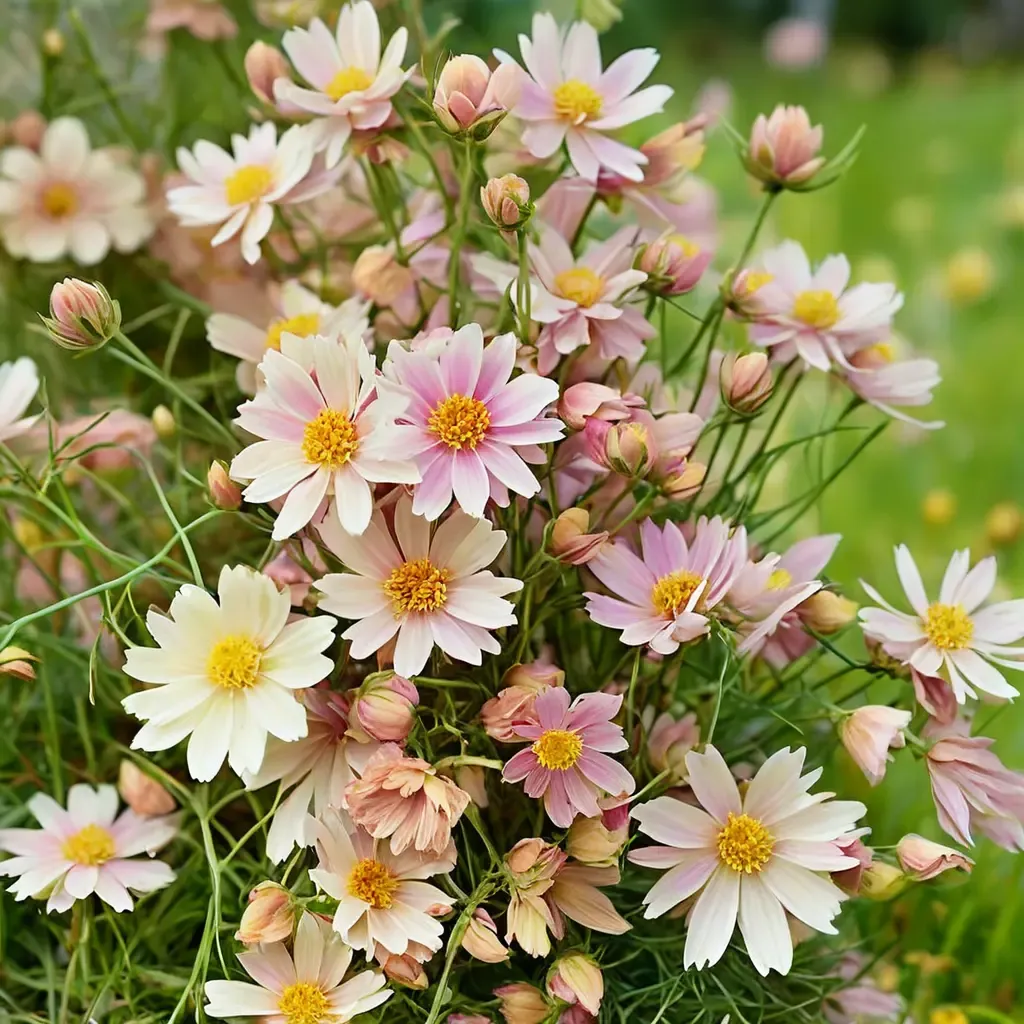
Apricot Lemonade Cosmos
Cosmos bipinnatus 'Apricot Lemonade'
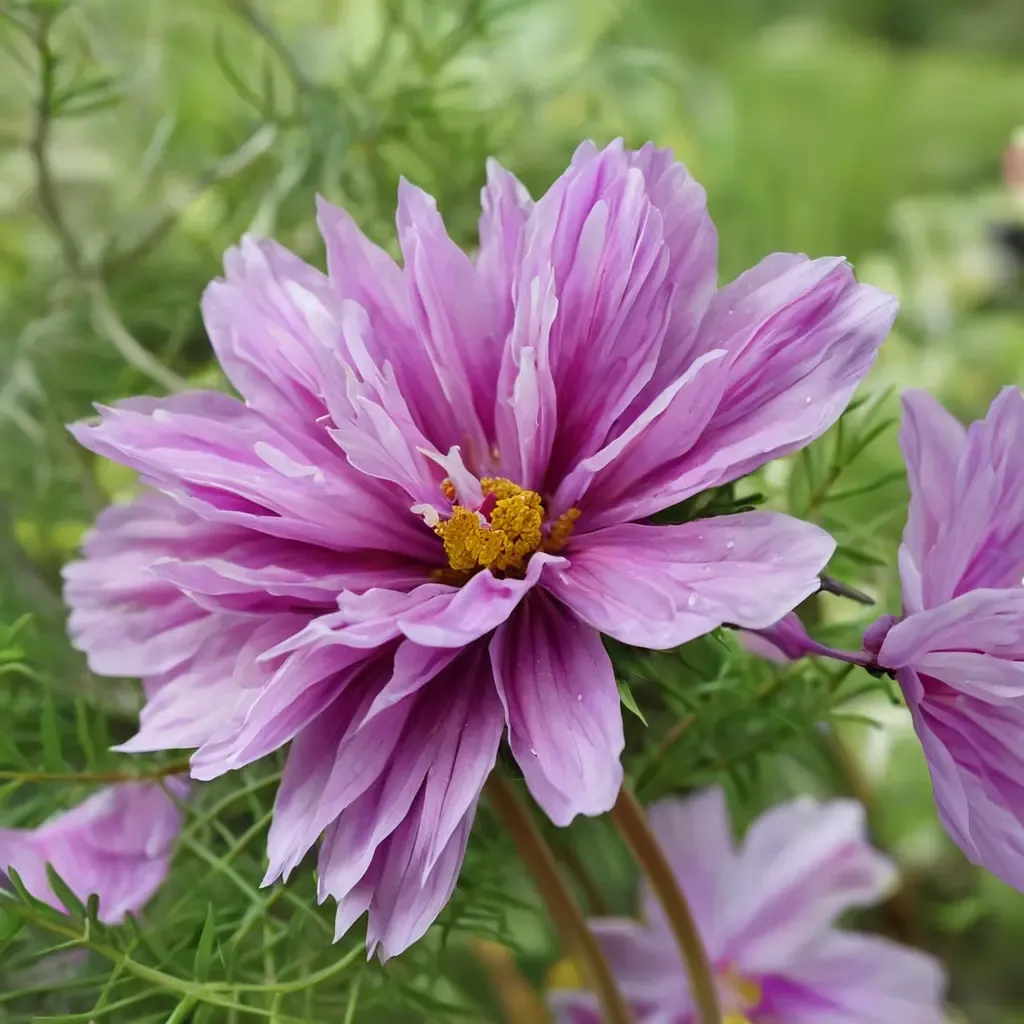
Fizzy Pink Cosmos
Cosmos bipinnatus 'Fizzy Pink'
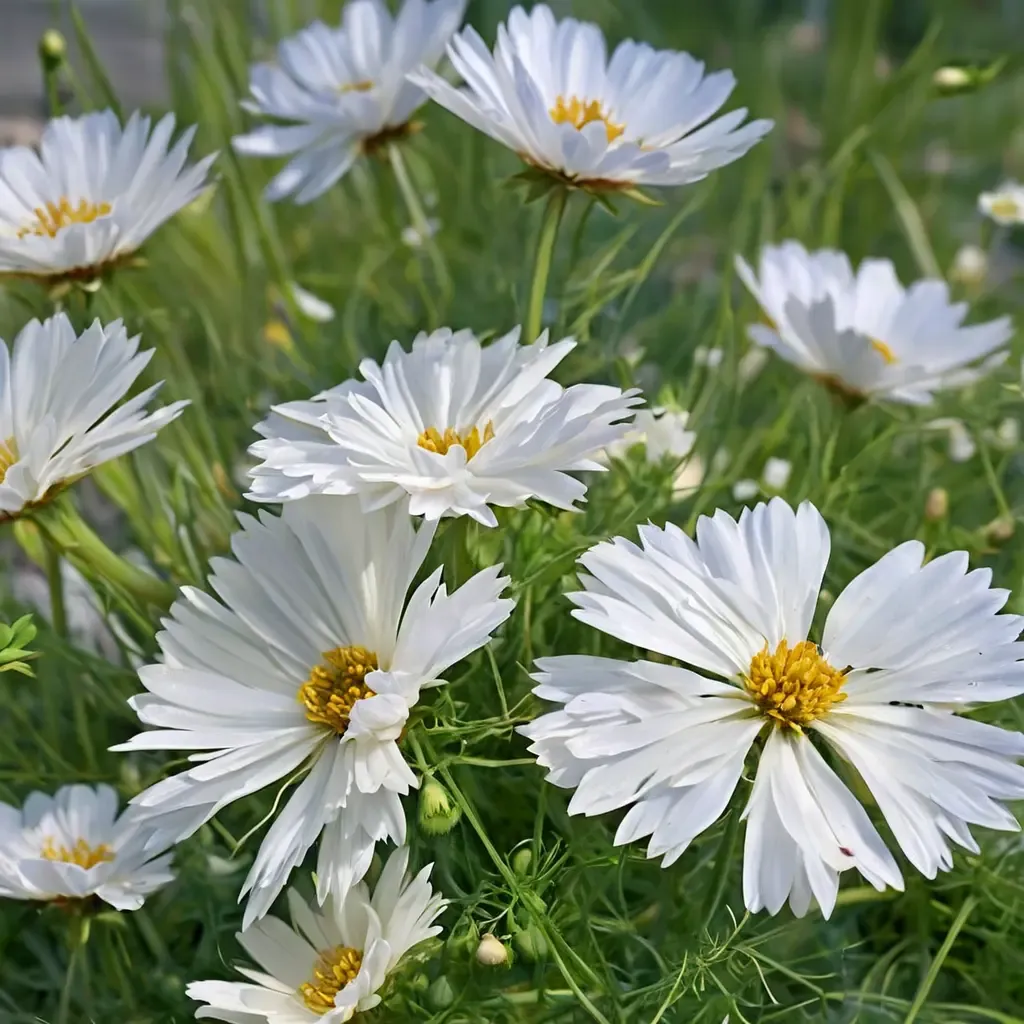
Fizzy White Cosmos
Cosmos bipinnatus 'Fizzy White'
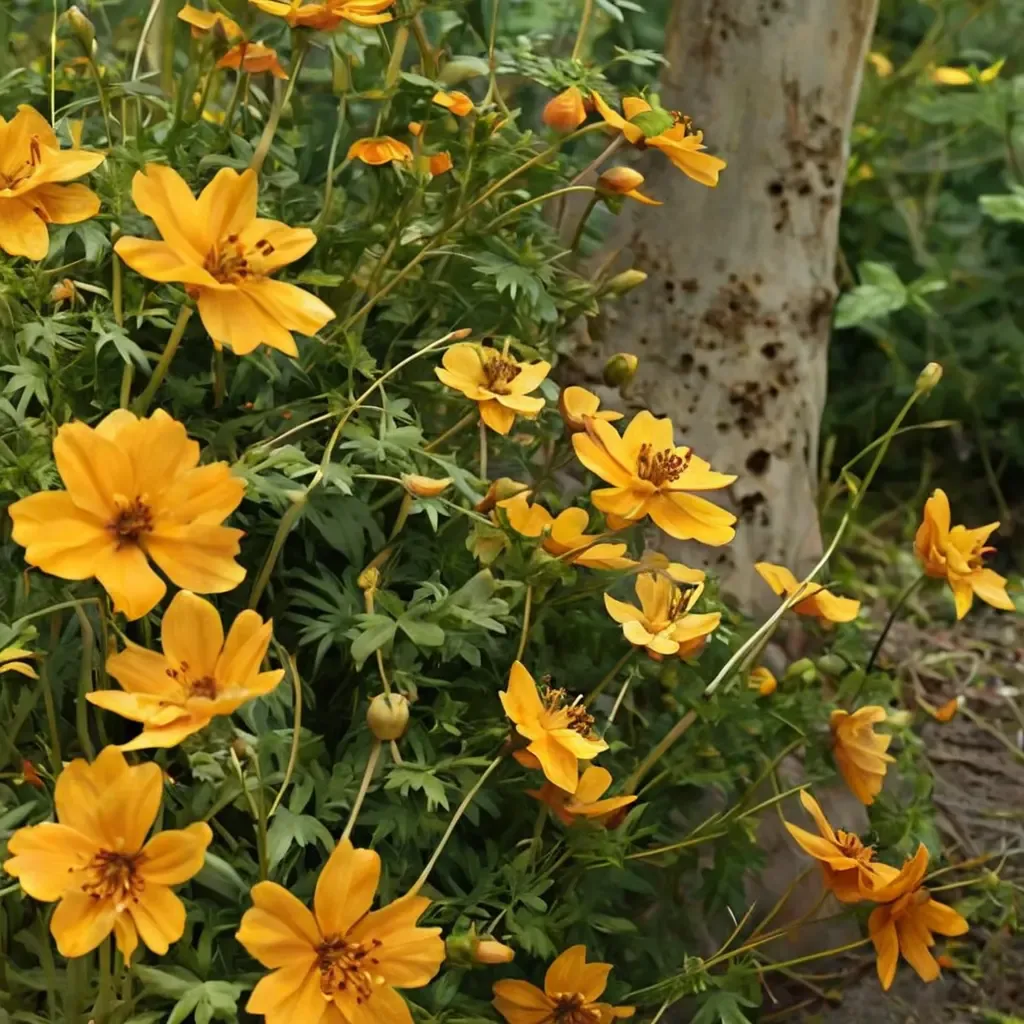
Klondike Cosmos Yellow Cosmos
Cosmos sulphureus 'Klondike Cosmos'
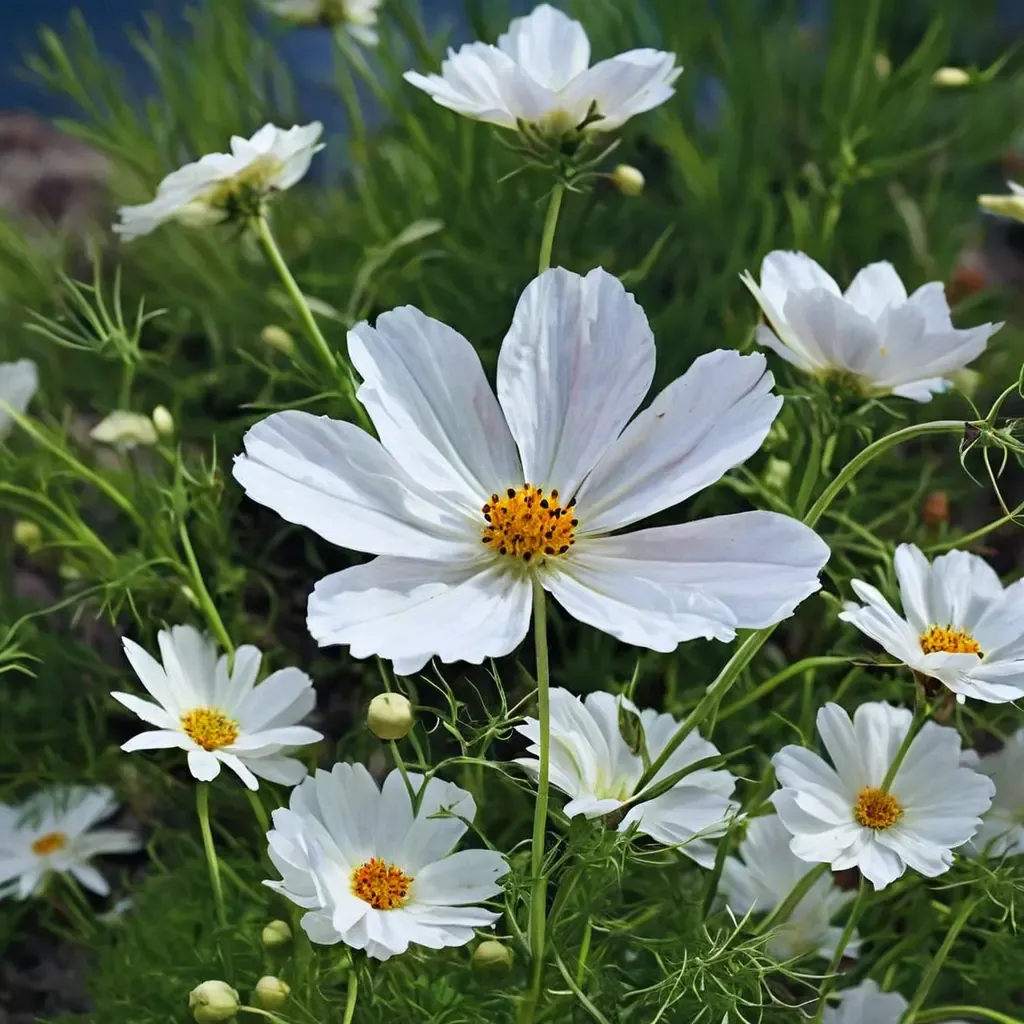
Cosmos Versailles White
Cosmos bipinnatus 'Versailles White'
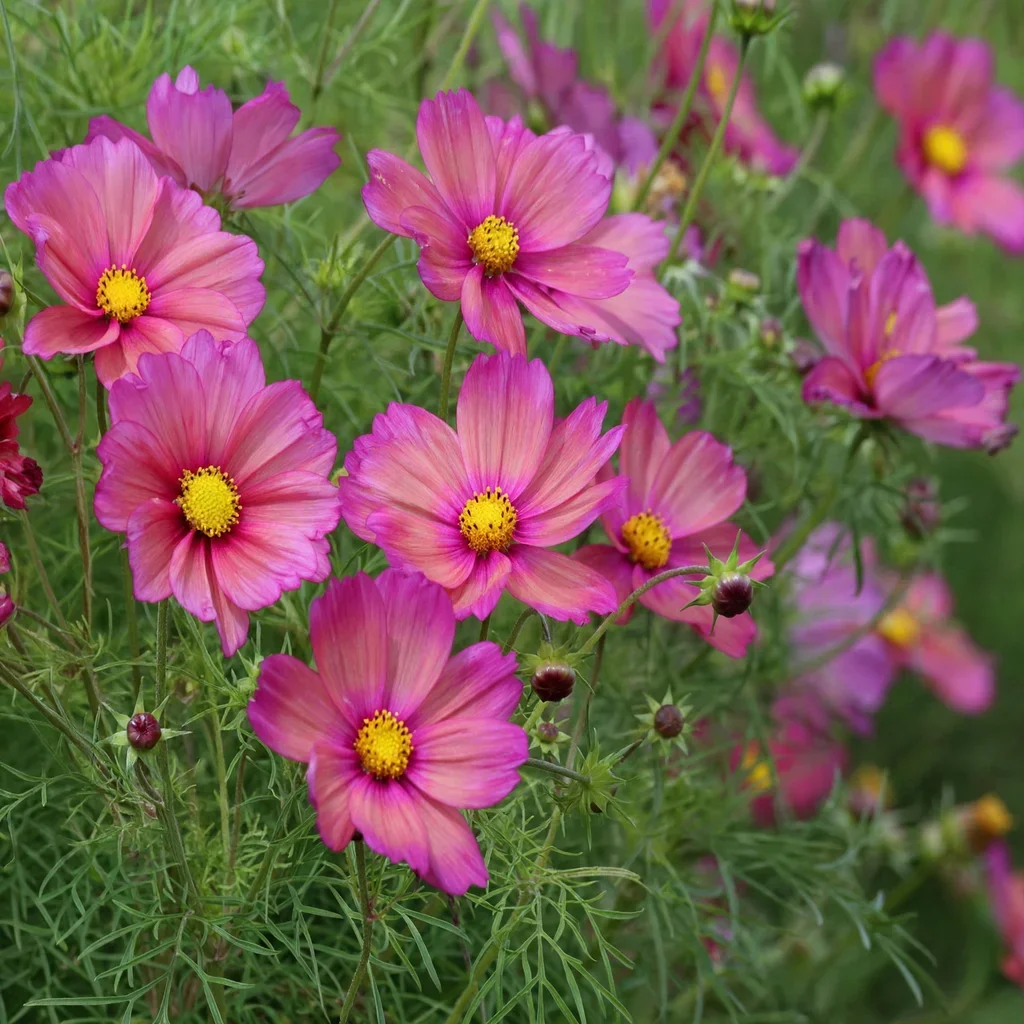
Xsenia Cosmos
Cosmos bipinnatus 'Xsenia'
Keep exploring
Explore the genus
Grow Wild Cosmos with confidence
See it in a design of your actual yard, get zone-matched care reminders, and track it season by season in your garden journal.