The Story
Plant Bio
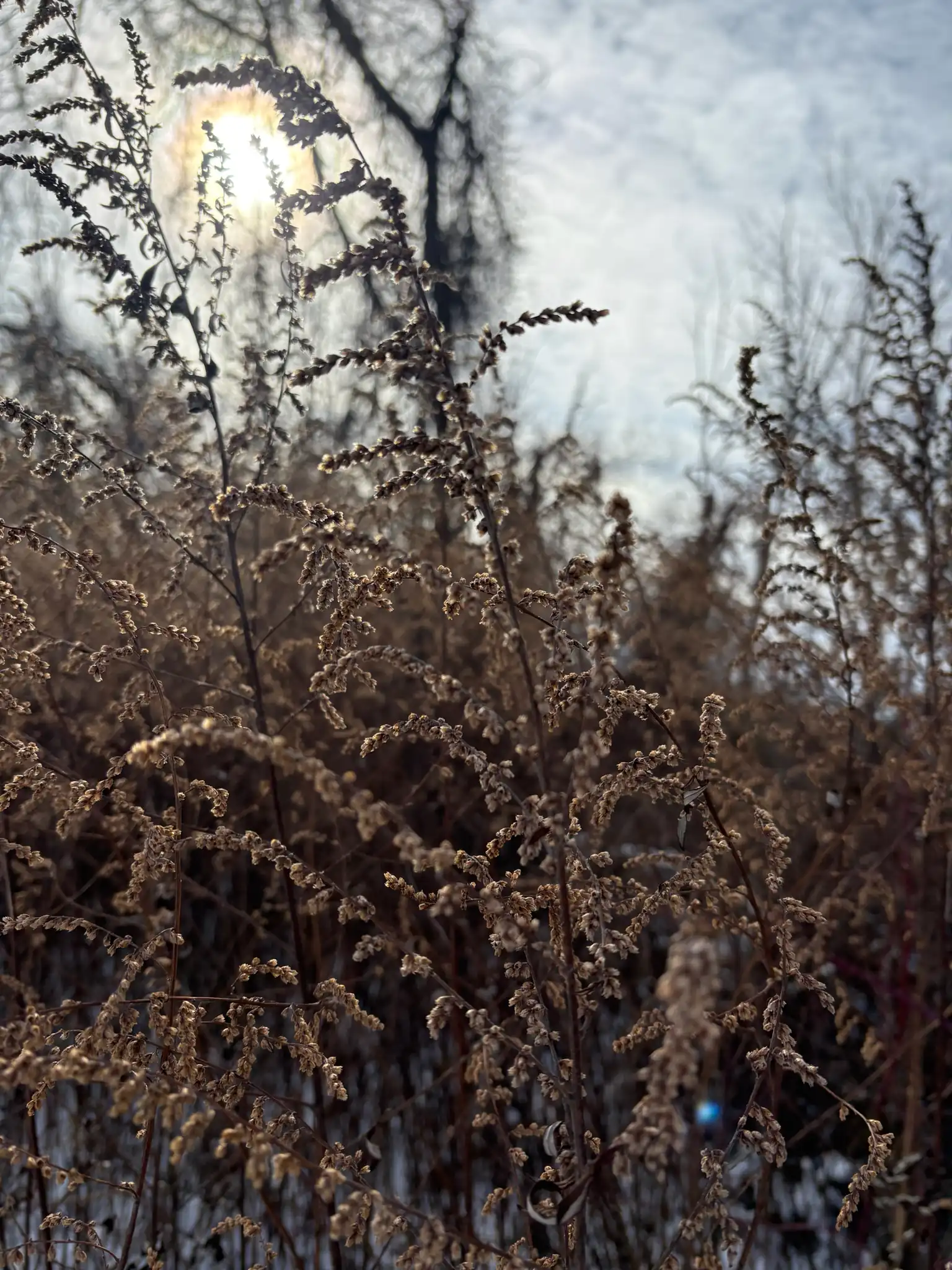
Artemisia vulgaris, commonly known as mugwort, is an upright, stiffly branched herbaceous perennial that spreads indefinitely via aggressive underground rhizomes. The deeply lobed foliage is dark green on the upper surface and densely coated in woolly-white hairs underneath, giving new growth a distinctive silvery-gray appearance.
This species produces numerous small, inconspicuous yellowish or reddish-brown flower heads arranged in narrow, leafy spikes from mid-summer through fall. The entire plant is rich in bitter, highly aromatic volatile oils that make the foliage unpalatable to browsing deer and rabbits.
Uses & Benefits:
Essentials
At a Glance
Plant Type
Perennial
Height
71"
Width
120"
Light
Full Sun, Partial Sun
Zones
4, 5, 6, 7, 8, 9
Water
Low to moderate
Humidity
Moderate
Lifespan
Perennial
Native To
Europe, Asia, northern Africa
Toxicity
Toxic in large quantities; skin irritant
Bloom period
Summer – Fall
In flower about 6 months of the year
Planting
How to Grow
- Select a site in full sun to very light shade with well-drained soil, avoiding any areas prone to standing water.
- Install a deep, physical root barrier or rhizome guard around the planting area to contain the aggressive underground spread.
- Plant divisions or potted starts at the same depth as their nursery container and water thoroughly to settle the soil.
- Refrain from applying supplemental fertilizer, as excess nutrients trigger weak, floppy stem growth.
Pro Tip
Always install deep physical rhizome guards or grow this species in heavy containers to prevent the aggressive root system from invading neighboring garden beds.
Keep It Thriving
Care Guide
Do
- Cut all stems back to ground level in late winter before new spring growth emerges.
- Wear gloves when handling the foliage to prevent contact dermatitis.
- Grow in containers or confined beds to control the invasive rhizomatous spread.
Don't
- Do not plant directly into open perennial borders without a physical root barrier.
- Do not overwater or plant in heavy, poorly drained soils where root rot can develop.
- Do not prune into the old, dead woody stems below the crown where new buds cannot break.
Seasonal Care Calendar
| Task | Jan | Feb | Mar | Apr | May | Jun | Jul | Aug | Sep | Oct | Nov | Dec |
|---|---|---|---|---|---|---|---|---|---|---|---|---|
| Divide | ||||||||||||
| Pest Check | ||||||||||||
| Plant | ||||||||||||
| Prune |
Watch Out For
Pests & Diseases
Common Pests
Common Diseases
In the Garden
Landscape Uses & Companions
Landscape Uses
Companion Plants
Multiply
Propagation Methods
Good to Know
Common Questions
Mugwort questions
What zones can Mugwort grow in?
Mugwort is hardy in USDA Zones 4–9. Inside that range it survives winter in the ground; outside it, grow it as an annual or a container plant you protect.
Is Mugwort deer resistant?
Yes — Mugwort is rated deer-resistant. Deer typically pass it over, though extreme hunger can override any plant's defenses.
When does Mugwort bloom?
Mugwort typically blooms in summer through fall. Exact timing shifts a week or two with your zone — Sow's bloom calendar maps it to your garden.
Does Mugwort need full sun?
Mugwort does best in full sun to part shade. In hot climates, afternoon shade keeps blooms fresher longer.
Is Mugwort drought tolerant?
Yes — once established (usually after the first full season), Mugwort handles dry spells with minimal watering. Water deeply its first year to build the root system that makes that possible.
More Artemisia to compare
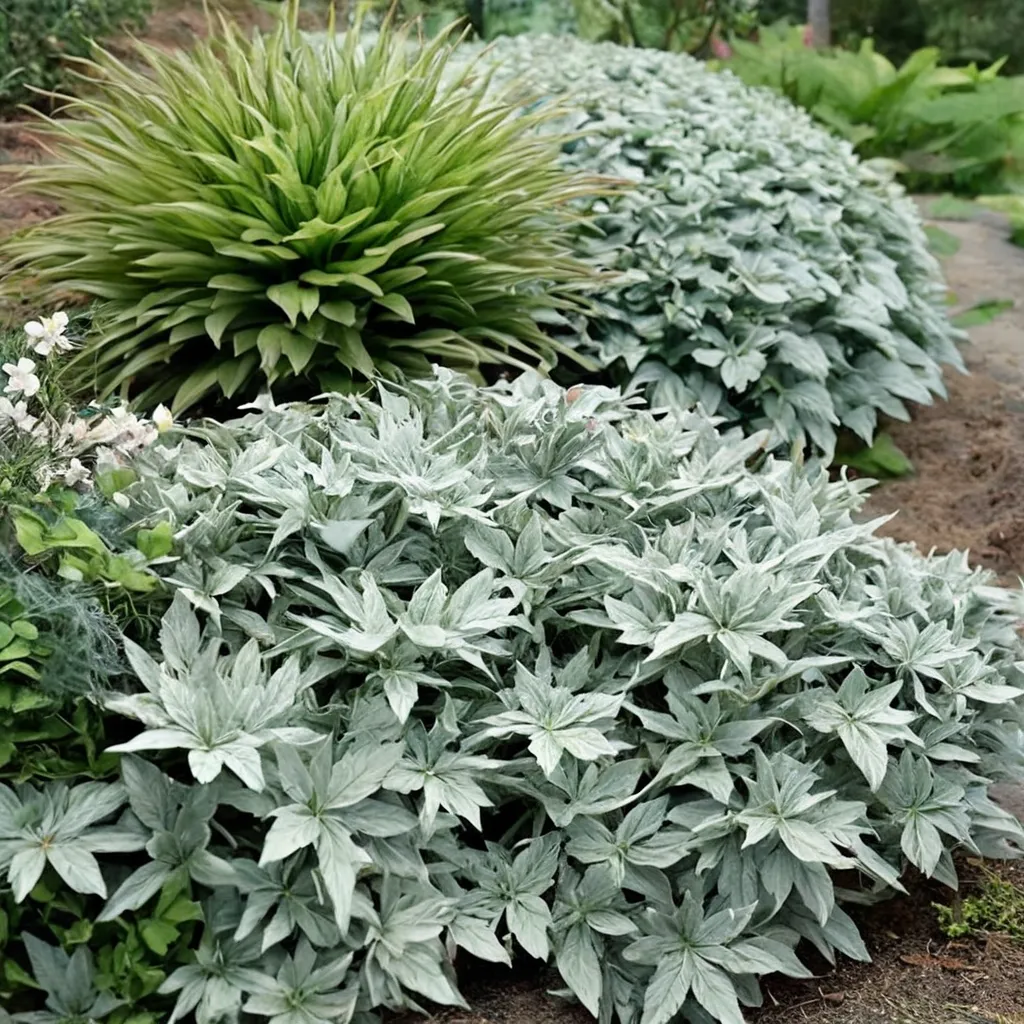
Artemisia Silver Lining
Artemisia x hybrida 'Silver Lining'
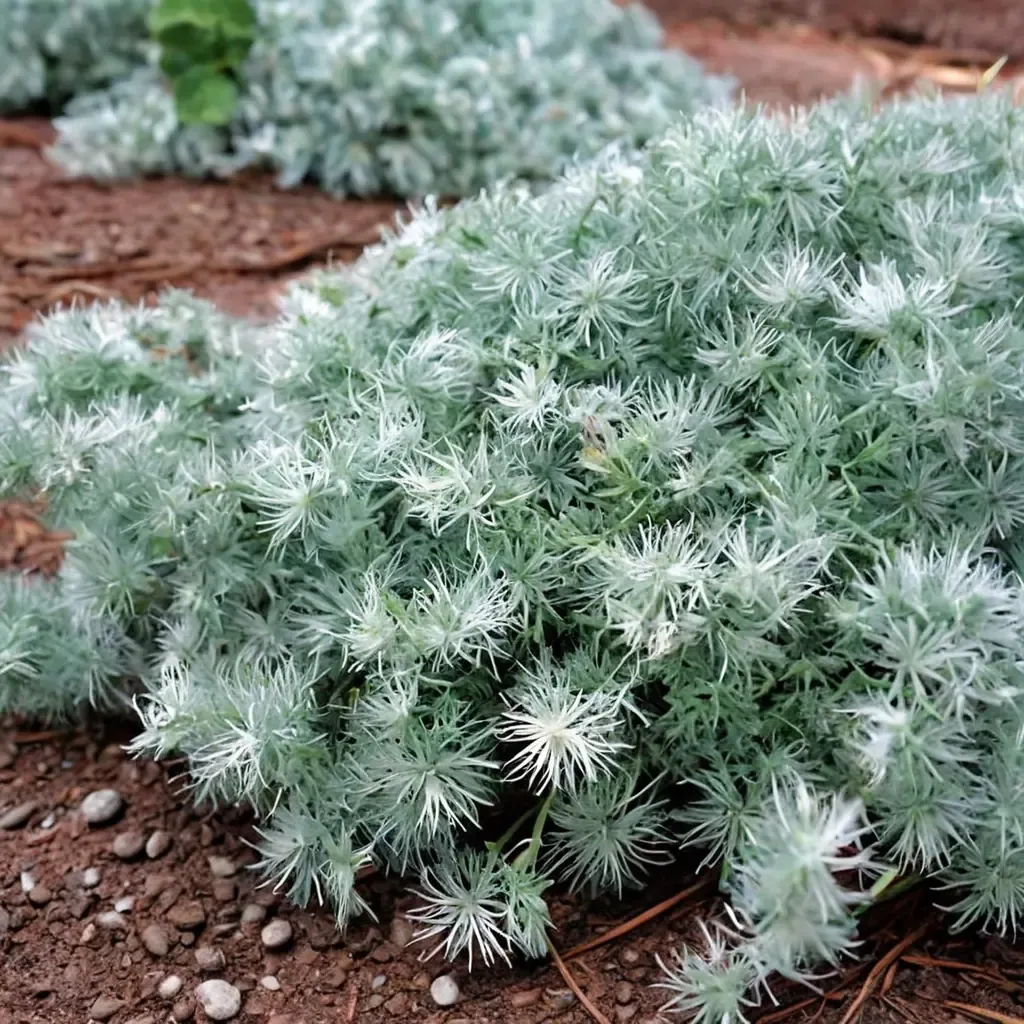
Silver Mound Wormwood
Artemisia schmidtiana 'Silver Mound'
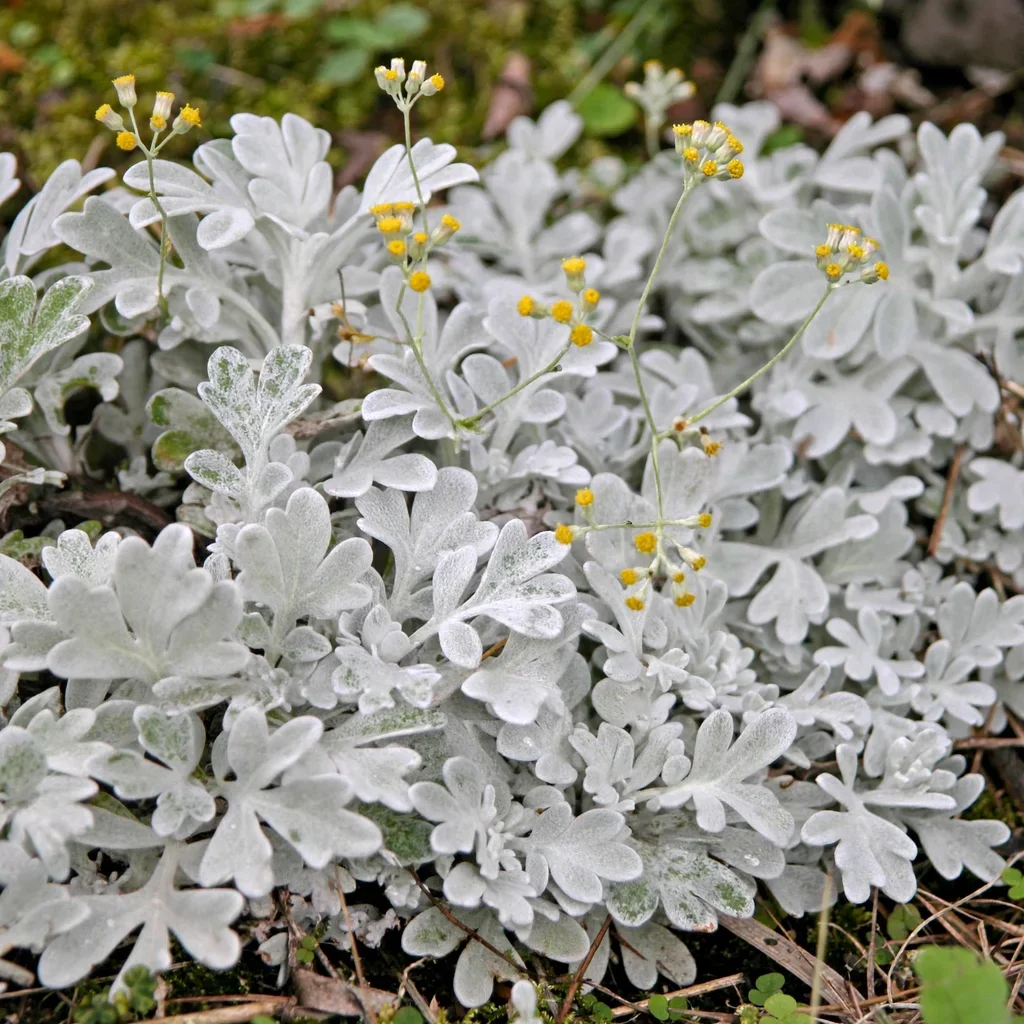
Beach Wormwood
Artemisia stelleriana 'Silver Brocade'
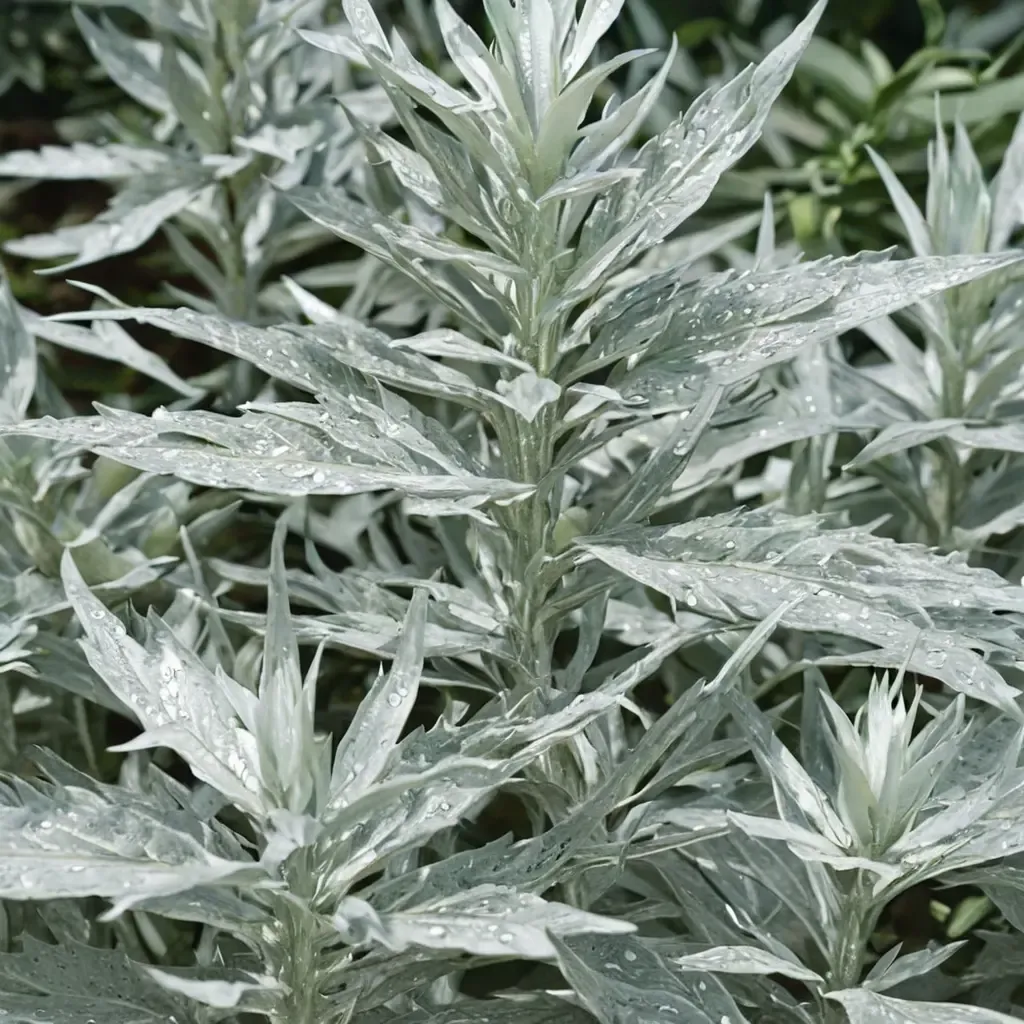
Silver King Artemisia
Artemisia ludoviciana 'Silver King'
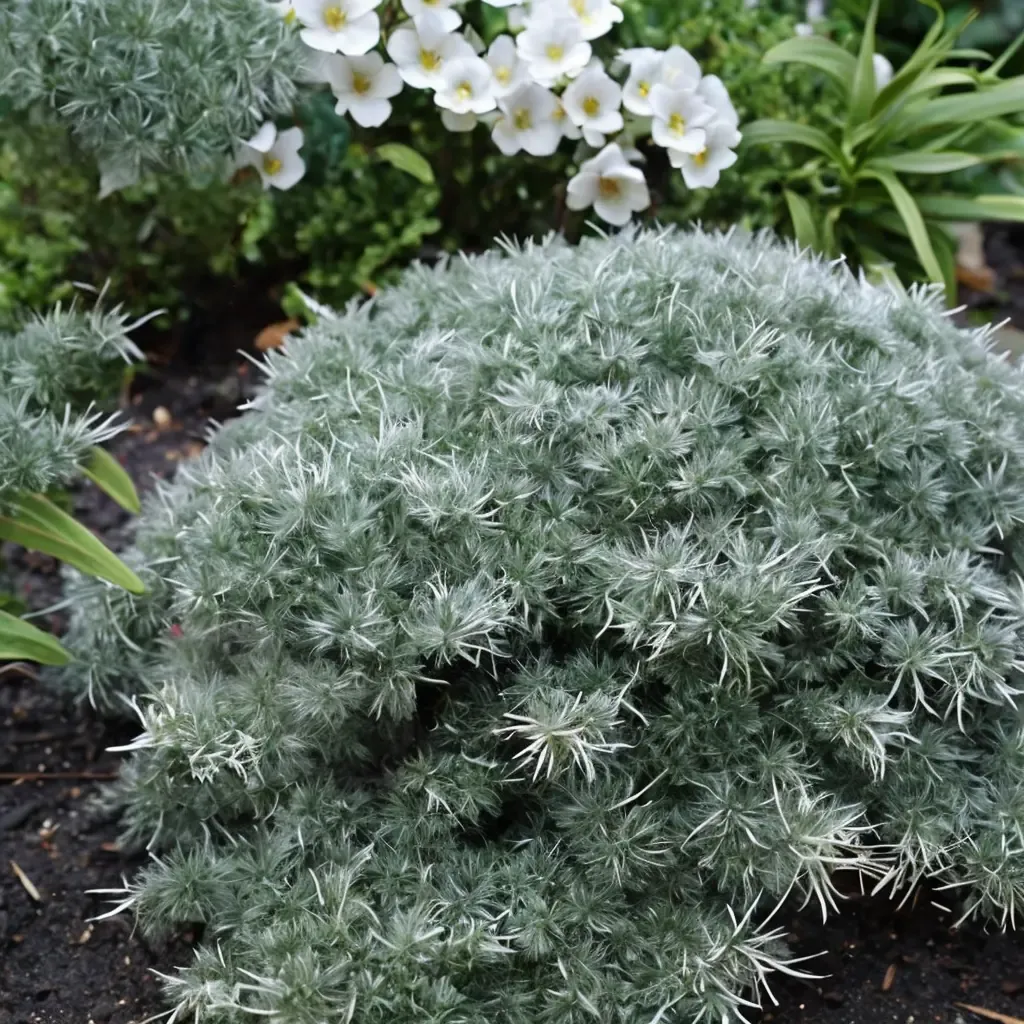
Silver Mound Artemisia
Artemisia schmidtiana 'Nana'
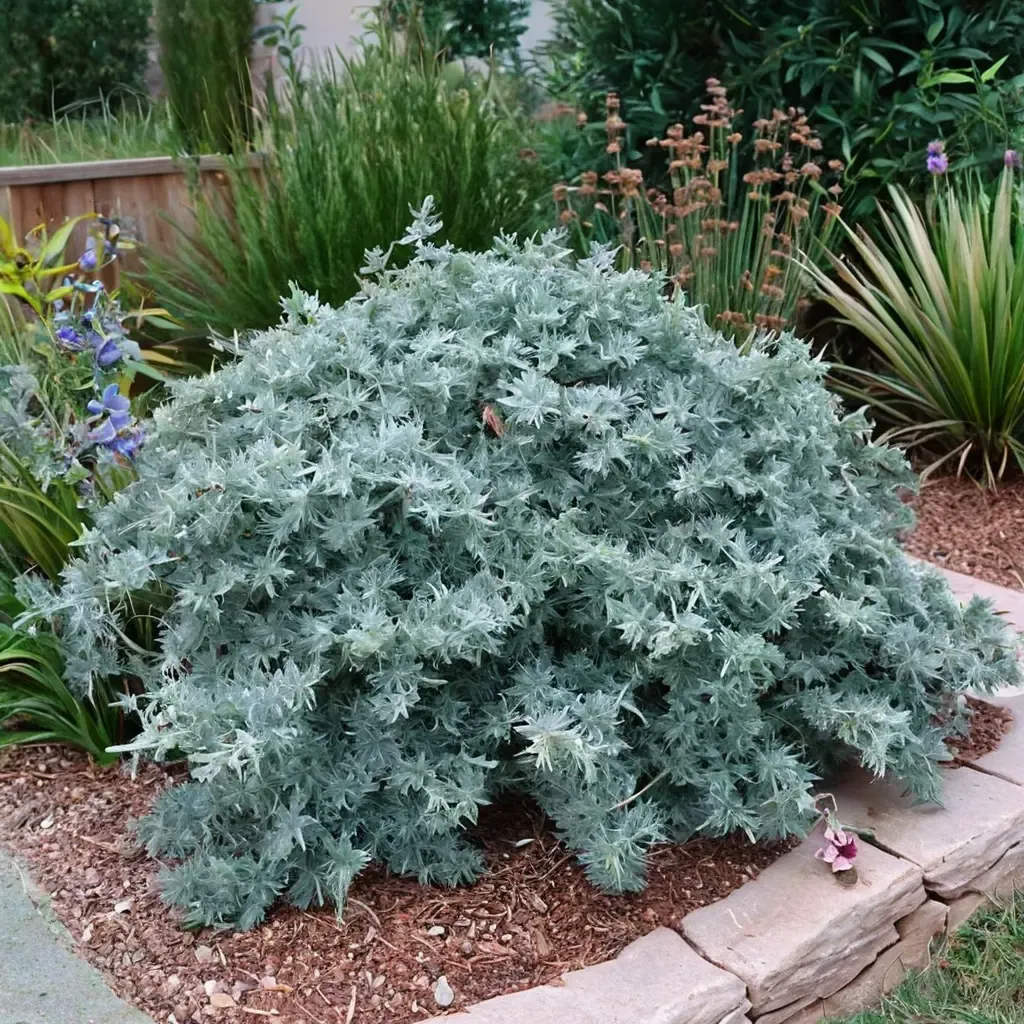
Powis Castle wormwood
Artemisia x hybrida 'Powis Castle'
Keep exploring
Explore the genus
Grow Mugwort with confidence
See it in a design of your actual yard, get zone-matched care reminders, and track it season by season in your garden journal.