Also known as Bear's Breeches · 139 saves
Acanthus
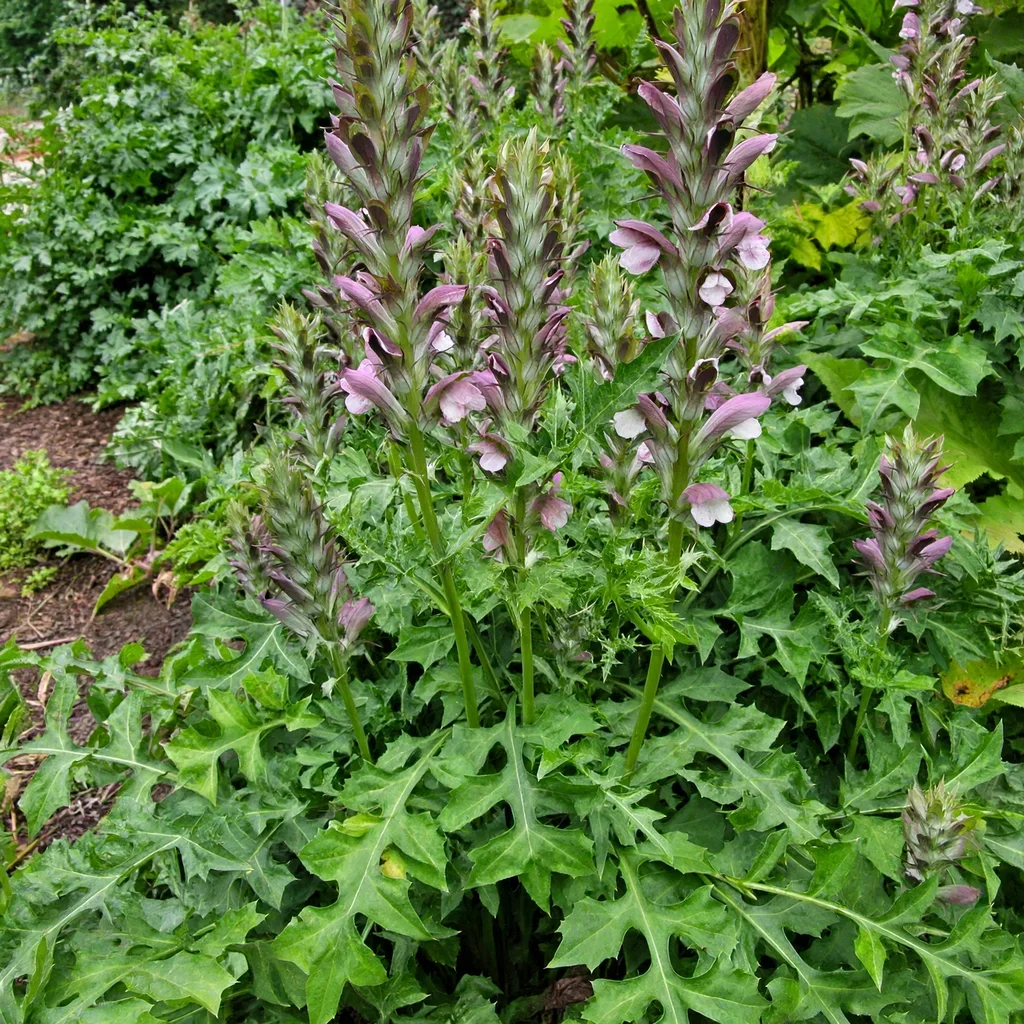
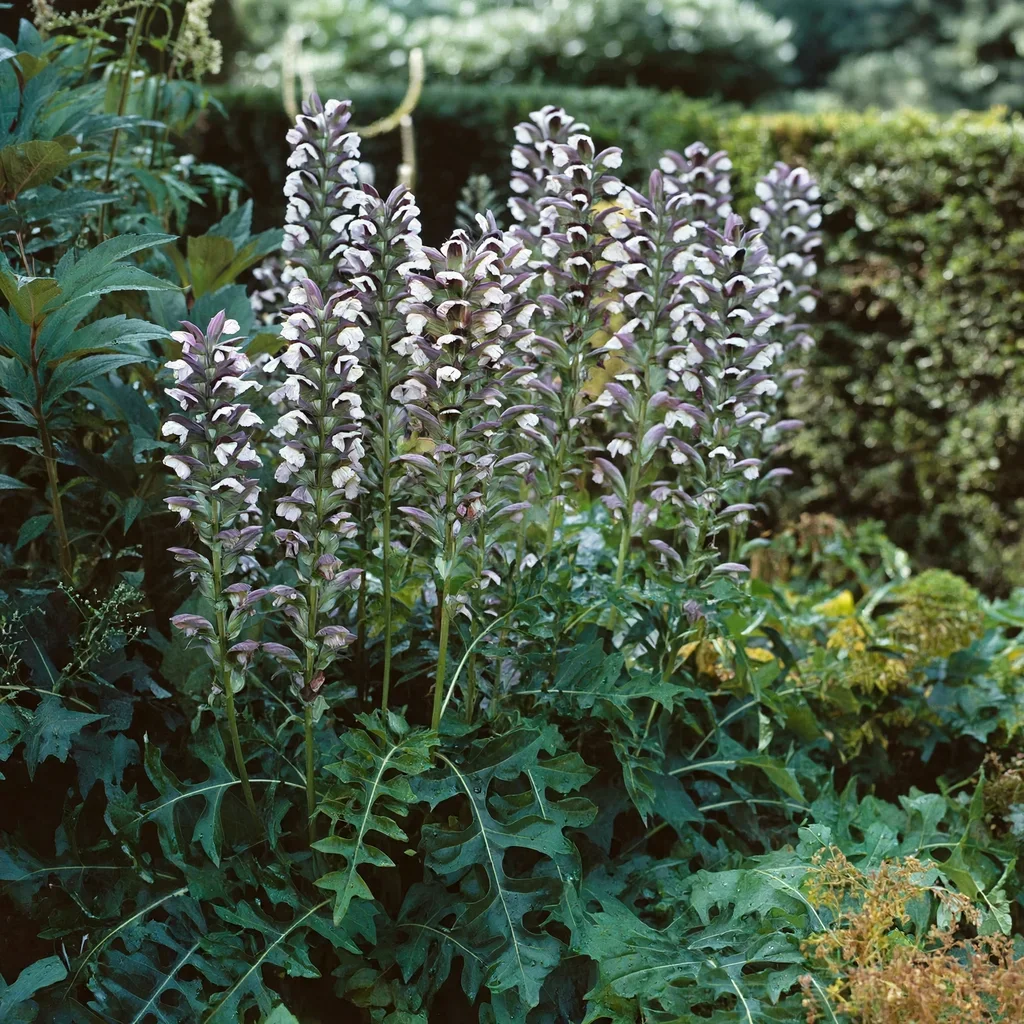
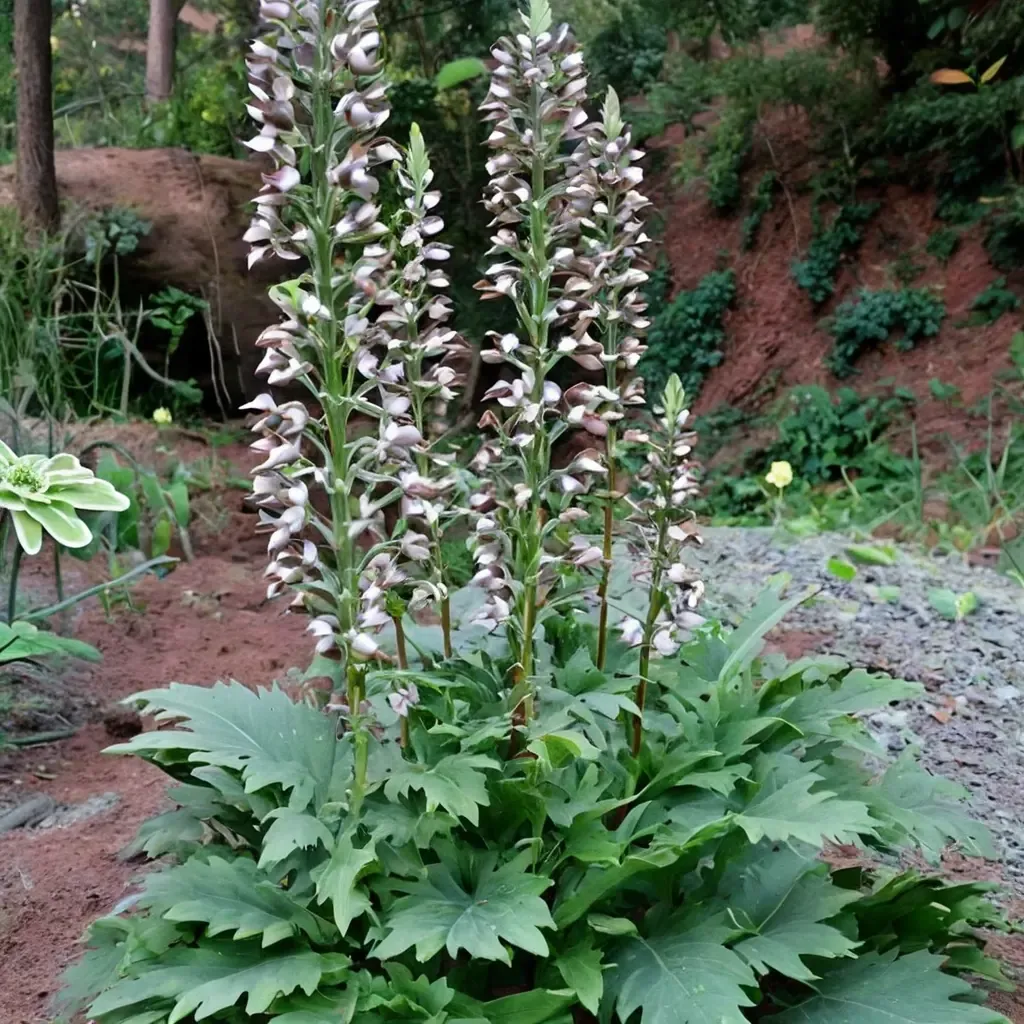
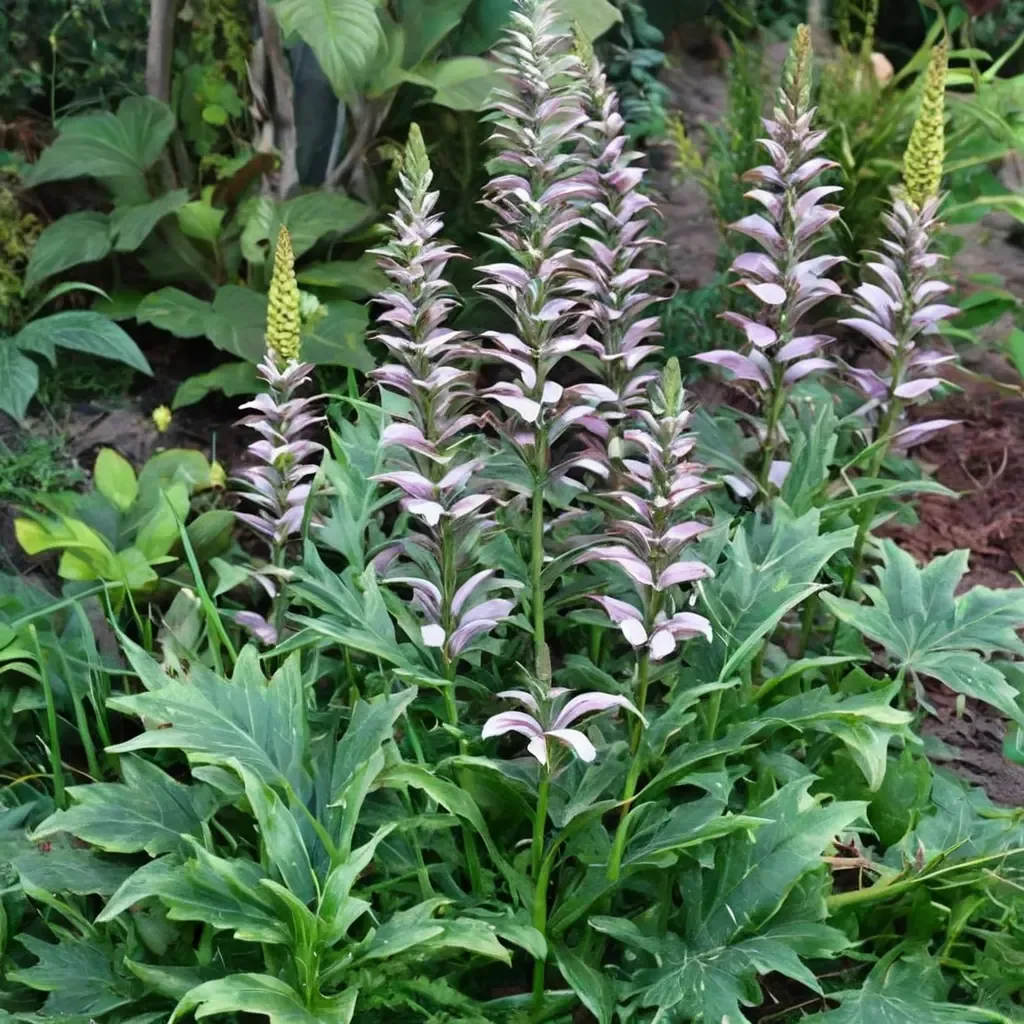
Acanthus, the genus most gardeners know as bear's breeches. We track 9 varieties; the ones most used by real gardeners.
The 7 most-saved Acanthus varieties
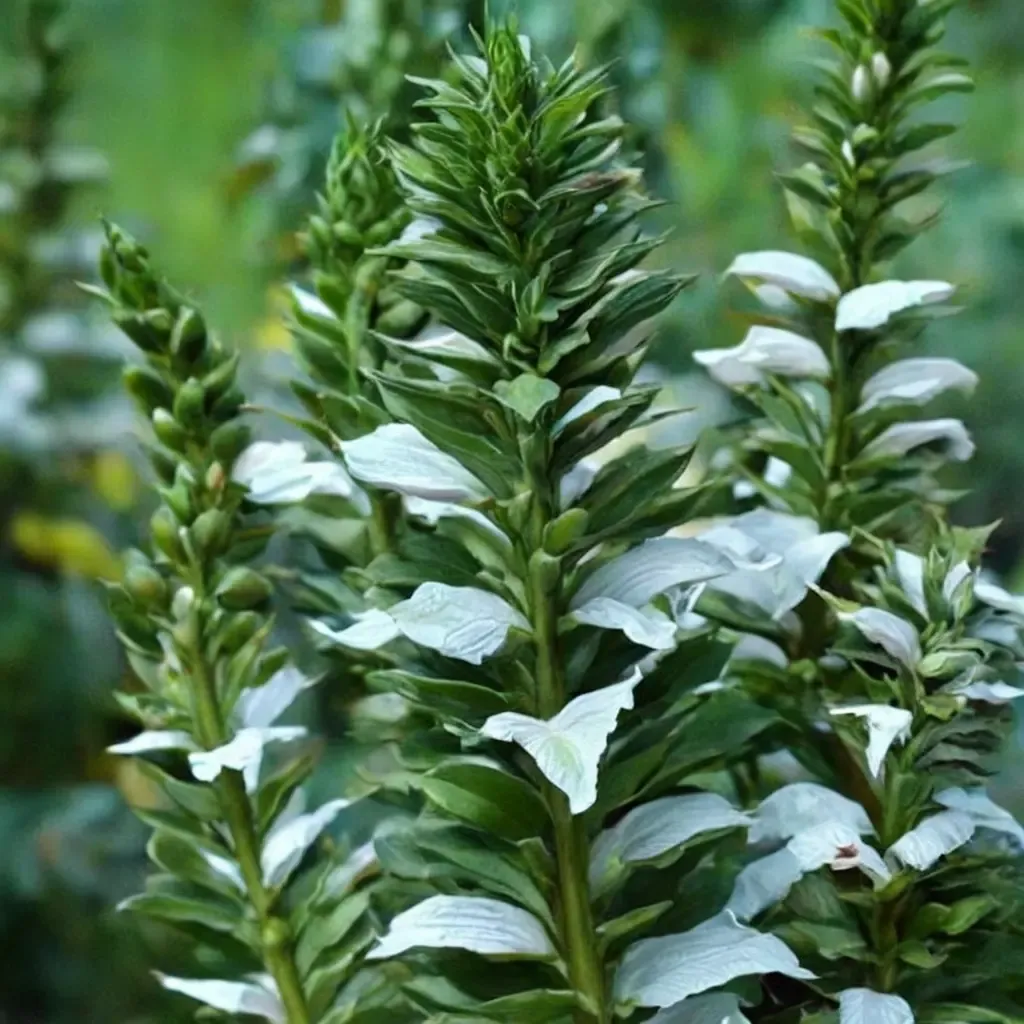
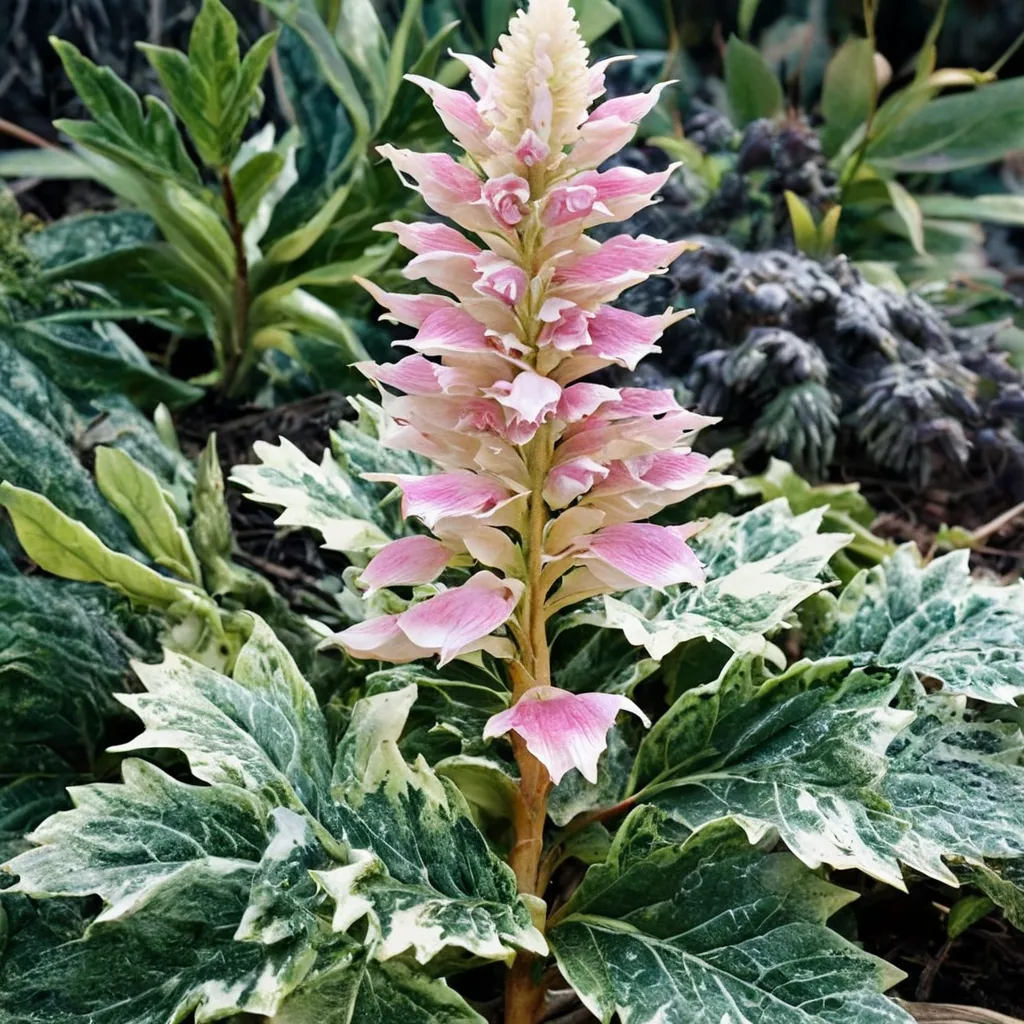
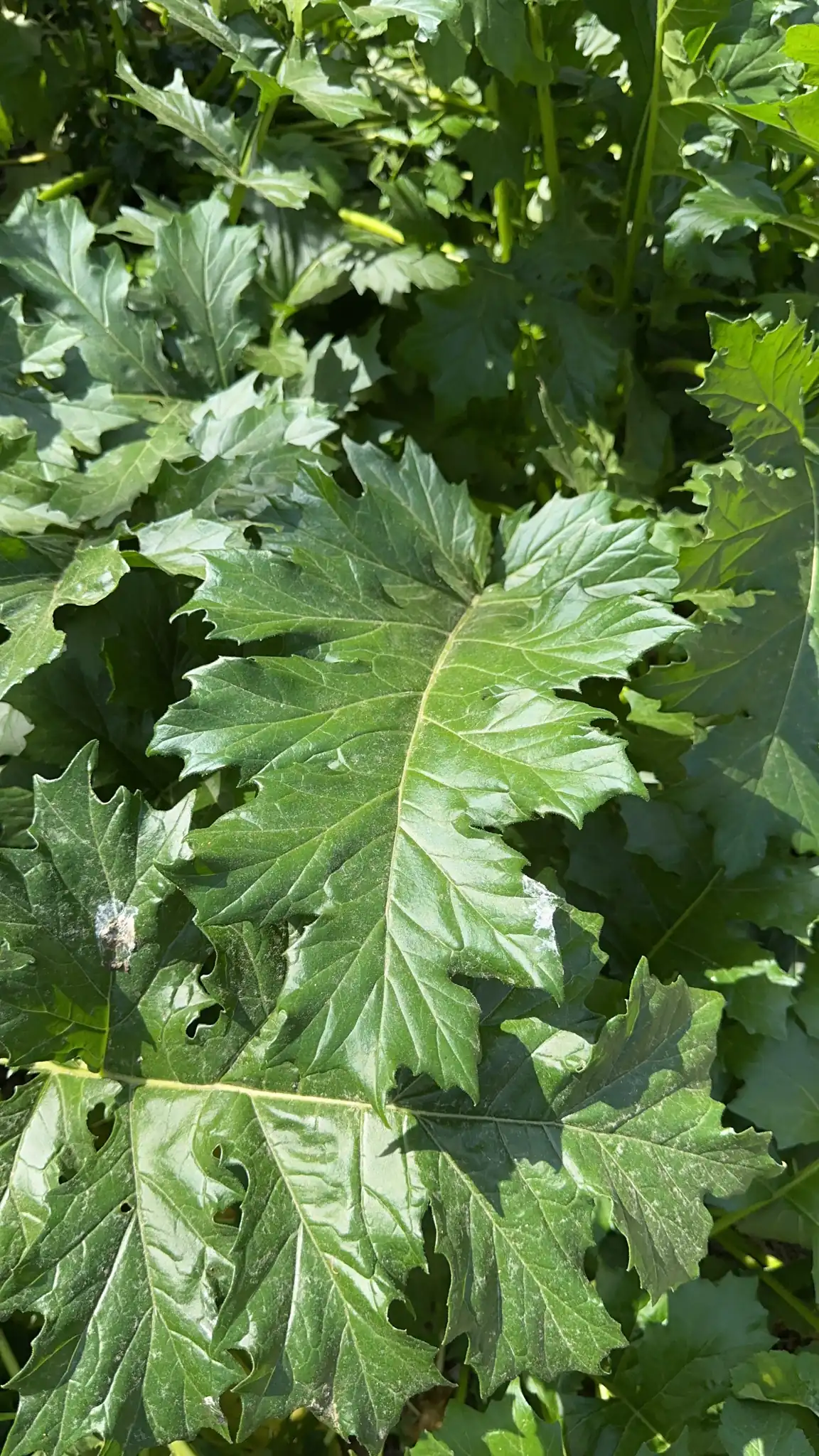
Browse all 9 Acanthus varieties →
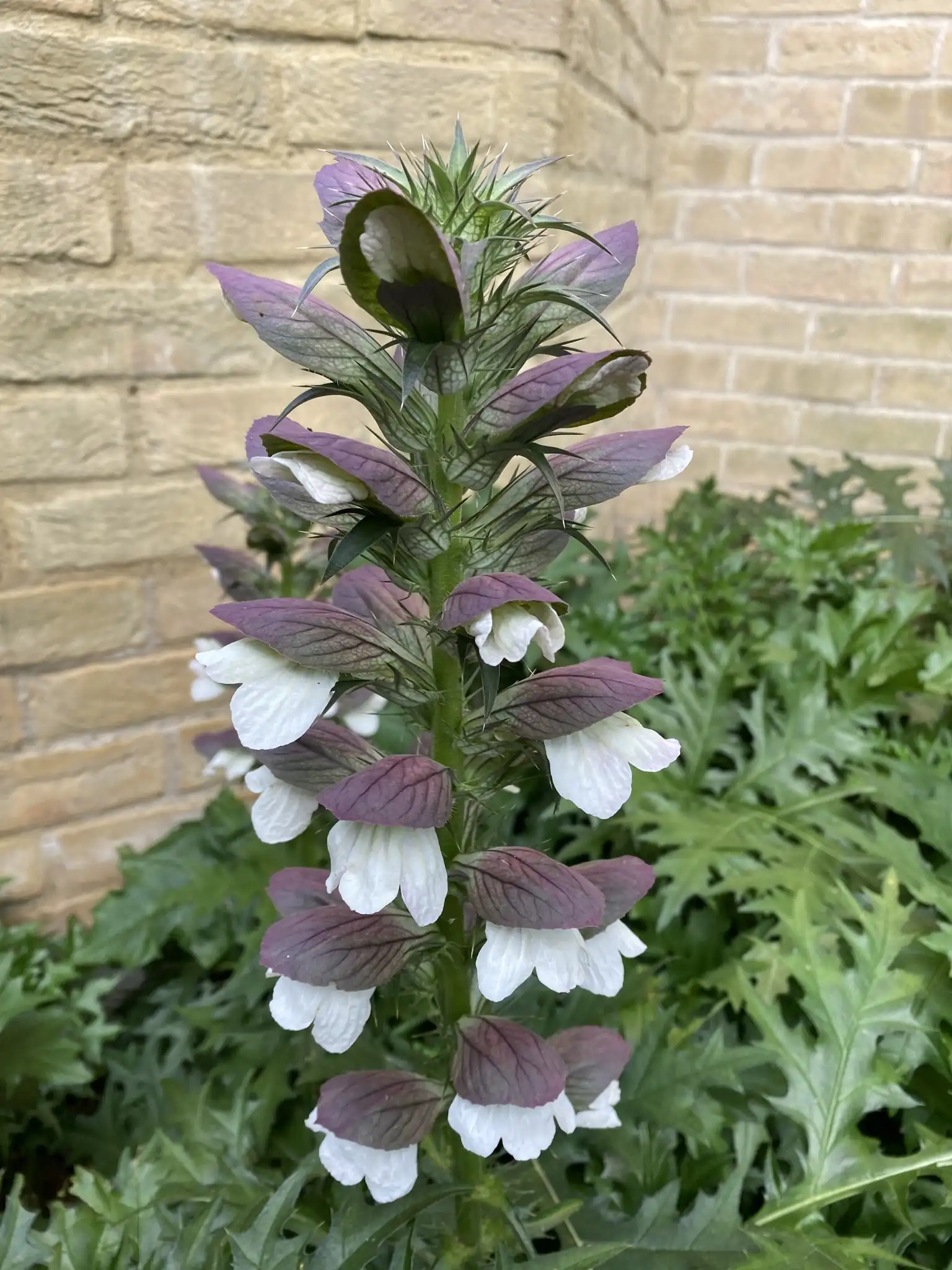
3 species of Acanthus
Each one is a parent of the varieties above.
Track your Acanthus in Sow
Save the Acanthus you grow and get care reminders timed to your zone.
How to grow Acanthus
Whats common across all Acanthus varieties in our catalog — drawn from the care records of the 9 most-grown of them.
The Acanthus year
- Check for PestsMay–July67% of varieties
Watch for snails and slugs on new foliage, especially in damp weather.
- Spring CleanupMarch and April56% of varieties
Cut back old, dead foliage to the ground before new growth starts
- PruneAugust–October56% of varieties
Cut spent flower spikes and damaged leaves back in late autumn.
- PlantApril, May, October and November33% of varieties
Plant bare roots or containers in spring or early fall
- DivideApril and October33% of varieties
Divide only when necessary, as Acanthus resents root disturbance
- DeadheadAugust and September33% of varieties
Remove spent flower spikes for tidiness, or leave for winter structure


Do
- Mulch to conserve moisture and regulate soil temperature
- Water regularly during dry spells 🌱
- Choose its position permanently 📍
- Wear gloves when handling it 🧤
- Give it deep, drained soil 🌱
Avoid
- Avoid overwatering to prevent root rot ❌
- Don’t prune in late fall or winter
- Avoid overwatering in winter ❌
- Try to move an established clump ❌
What goes wrong with Acanthus
| Problem | What you'll see | What to do |
|---|---|---|
| Aphids | Sticky residue and distorted leaves | Use insecticidal soap or neem oil |
| Snails | Holes chewed through the large leaves, sheltering under the arching foliage by day | Clear the shelter under the leaves; established clumps shrug off the damage |
| Slugs and snails | Holes in the large leaves, worst on emerging spring growth | Clear damp debris nearby; hand-pick after rain |
| Spider mites | Fine webbing and speckled leaves | Apply insecticidal soap or miticide |
| Root rot | Wilting and browning of foliage | Improve drainage and reduce watering |
| Powdery mildew | White floury film across the large leaves in late summer, worst in dry soil | Cut affected foliage away; fresh leaves usually follow, and the clump is unharmed |
| Powdery Mildew | White film on foliage in humid or crowded conditions | Thin surrounding planting for air movement |
Making more Acanthus
Division
- Dig up mature plant in early spring
- Separate clumps with a sharp knife
- Replant divisions immediately
- Water thoroughly after planting
- Wait 4–6 weeks for new growth
Seed
- Sow seeds on surface in early spring
- Keep soil moist and warm (~65°F)
- Germination occurs in 2–3 weeks
- Thin seedlings to desired spacing
- Transplant once established
Acanthus questions
How many types of Acanthus are there?
The Sow catalog tracks 9 distinct Acanthus varieties. The most popular — ranked by 139 real gardeners — are shown first above.
What zones does Acanthus grow in?
Across its varieties, Acanthus covers USDA Zones 5–10. Individual varieties differ — each plant page lists its exact range, and Sow filters the catalog to your zone automatically.
When does Acanthus bloom?
Most Acanthus varieties bloom in late spring to mid-summer, mid-summer, early to mid-summer. Staggering early, mid, and late varieties extends the genus's season in one bed.
Which Acanthus should I choose?
Start from the most-saved varieties above — popularity across thousands of gardens is a strong signal of reliability — then filter by your zone and sun. In the Sow app you can preview any of them in a photo of your actual yard before you buy.