Also known as Chervil · 47 saves
Anthriscus
Anthriscus, the genus most gardeners know as chervil. We track 3 varieties; the ones most used by real gardeners.
The 3 most-saved Anthriscus varieties
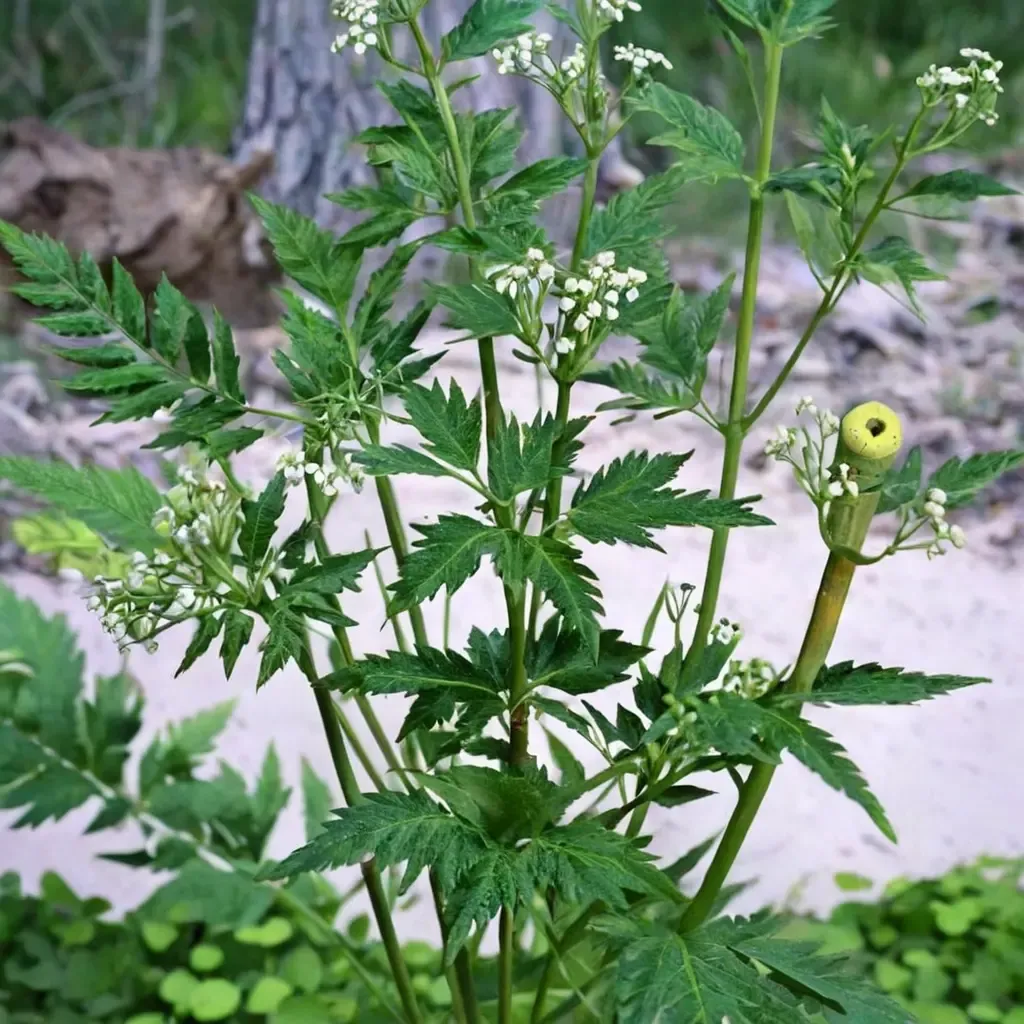
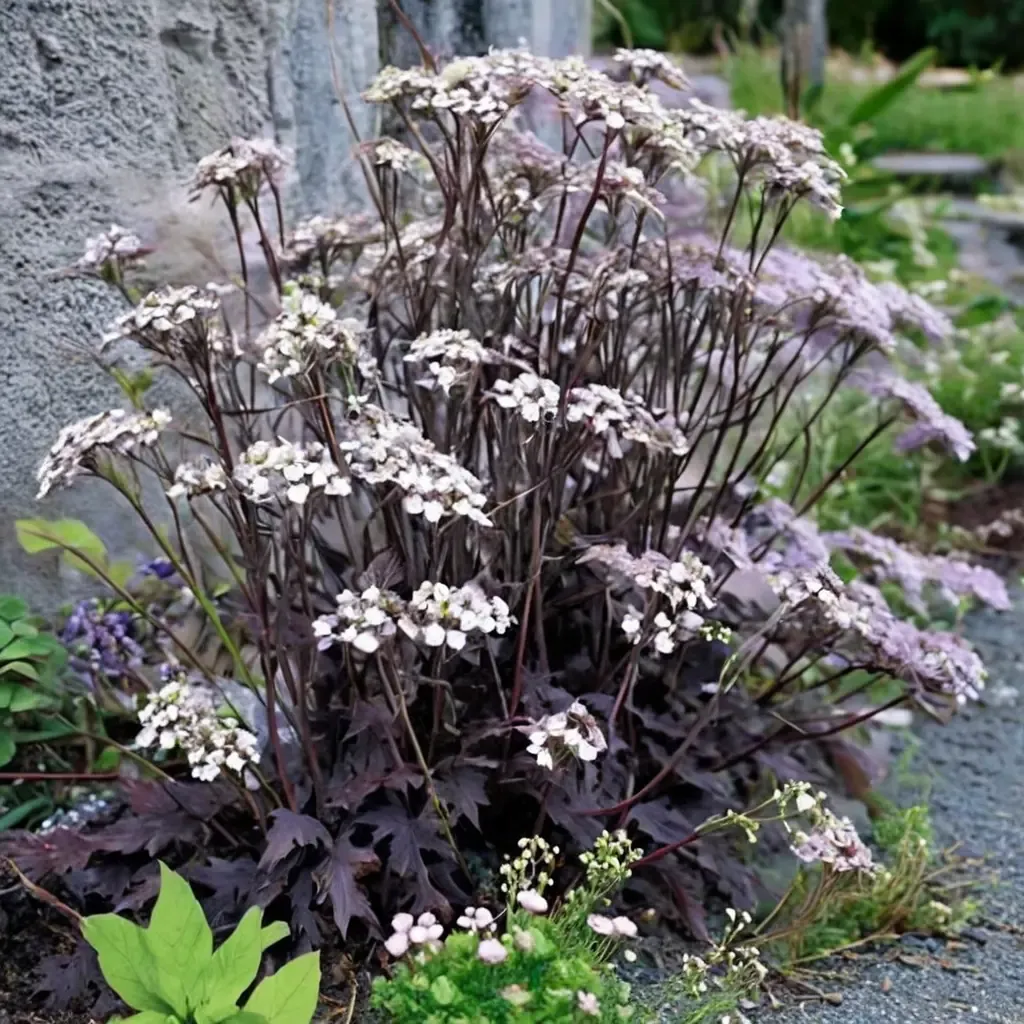
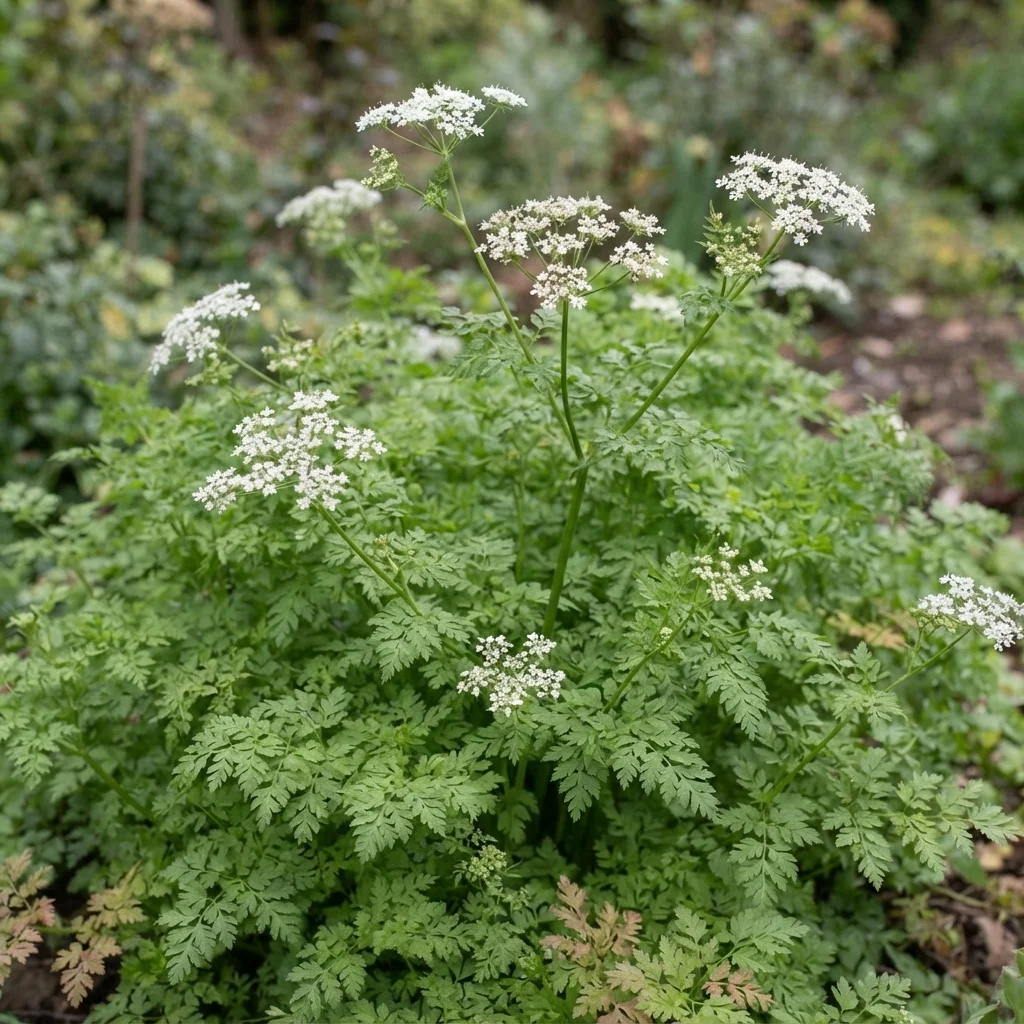
2 species of Anthriscus
Each one is a parent of the varieties above.
Track your Anthriscus in Sow
Save the Anthriscus you grow and get care reminders timed to your zone.
How to grow Anthriscus
Whats common across all Anthriscus varieties in our catalog — drawn from the care records of the 3 most-grown of them.
The Anthriscus year
- Check for PestsMay and June67% of varieties
Check leaf undersides for aphids and monitor for slug damage in damp weather.
- DeadheadJune and July67% of varieties
Deadhead promptly after flowering to prevent aggressive self-seeding.


Do
- Pinch back early flower buds regularly to prolong the harvest of tender culinary leaves.
- Keep the soil consistently moist, especially during dry spells, to prevent the plant from bolting.
- Provide afternoon shade to protect the delicate foliage from scorching and heat stress.
- Water consistently to keep soil moist 🌱
- Apply organic compost annually to enrich soil
Avoid
- Do not transplant established seedlings, as root disturbance triggers immediate flowering and stops leaf production.
- Do not overwater or allow the soil to become waterlogged, which leads to root rot.
- Do not cover seeds deeply when sowing, as they require light to germinate.
- Avoid letting soil dry out completely ❌
What goes wrong with Anthriscus
| Problem | What you'll see | What to do |
|---|---|---|
| Aphids | Clustered on tender new shoots and underside of leaves, curling foliage. | Apply insecticidal soap or dislodge with a strong jet of water. |
| Slugs and snails | Ragged holes chewed in leaves and stems. | Apply organic iron phosphate baits and clear surrounding debris. |
| Deer and rabbits | Browsing on soft green foliage. | Install physical fencing or apply scent-based repellents. |
| Powdery mildew | White powdery fungal growth on leaves during humid or stagnant conditions. | Improve air circulation, avoid overhead watering, and apply fungicidal sprays if severe. |
| Root rot | Wilting and rotting of the stem base in waterlogged soils. | Improve soil drainage and reduce watering frequency. |
| Powdery Mildew | White powdery coating on leaves | Apply organic fungicide and improve air circulation |
Making more Anthriscus
Seed
- Sow seeds directly in place during early spring or late fall.
- Press seeds lightly into the soil surface without covering them, as they require light to germinate.
- Keep the soil surface consistently moist using a fine mist.
- Thin the emerged seedlings to six inches apart once they are large enough to handle.
Division
- Dig up mature clump in early spring or fall
- Gently separate roots into smaller sections
- Replant divisions immediately in prepared soil
- Water thoroughly after planting
Anthriscus questions
How many types of Anthriscus are there?
The Sow catalog tracks 3 distinct Anthriscus varieties. The most popular — ranked by 47 real gardeners — are shown first above.
What zones does Anthriscus grow in?
Across its varieties, Anthriscus covers USDA Zones 4–9. Individual varieties differ — each plant page lists its exact range, and Sow filters the catalog to your zone automatically.
When does Anthriscus bloom?
Most Anthriscus varieties bloom in late spring. Staggering early, mid, and late varieties extends the genus's season in one bed.
Which Anthriscus should I choose?
Start from the most-saved varieties above — popularity across thousands of gardens is a strong signal of reliability — then filter by your zone and sun. In the Sow app you can preview any of them in a photo of your actual yard before you buy.