Also known as Manzanita · 67 saves
Arctostaphylos
Arctostaphylos, the genus most gardeners know as manzanita. We track 6 varieties; the ones most used by real gardeners.
The 6 most-saved Arctostaphylos varieties
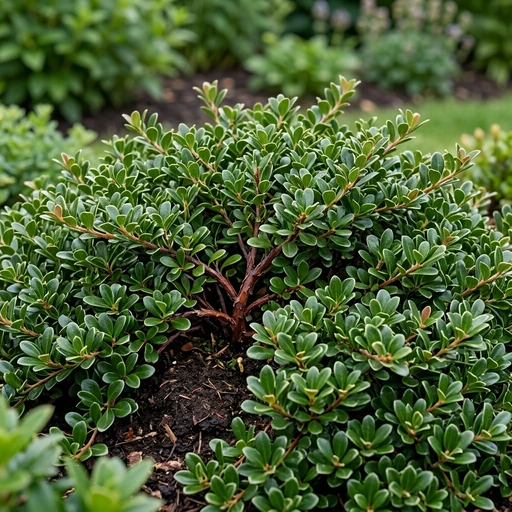
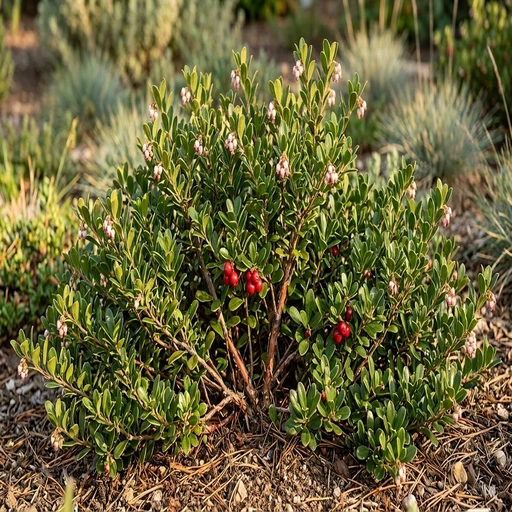
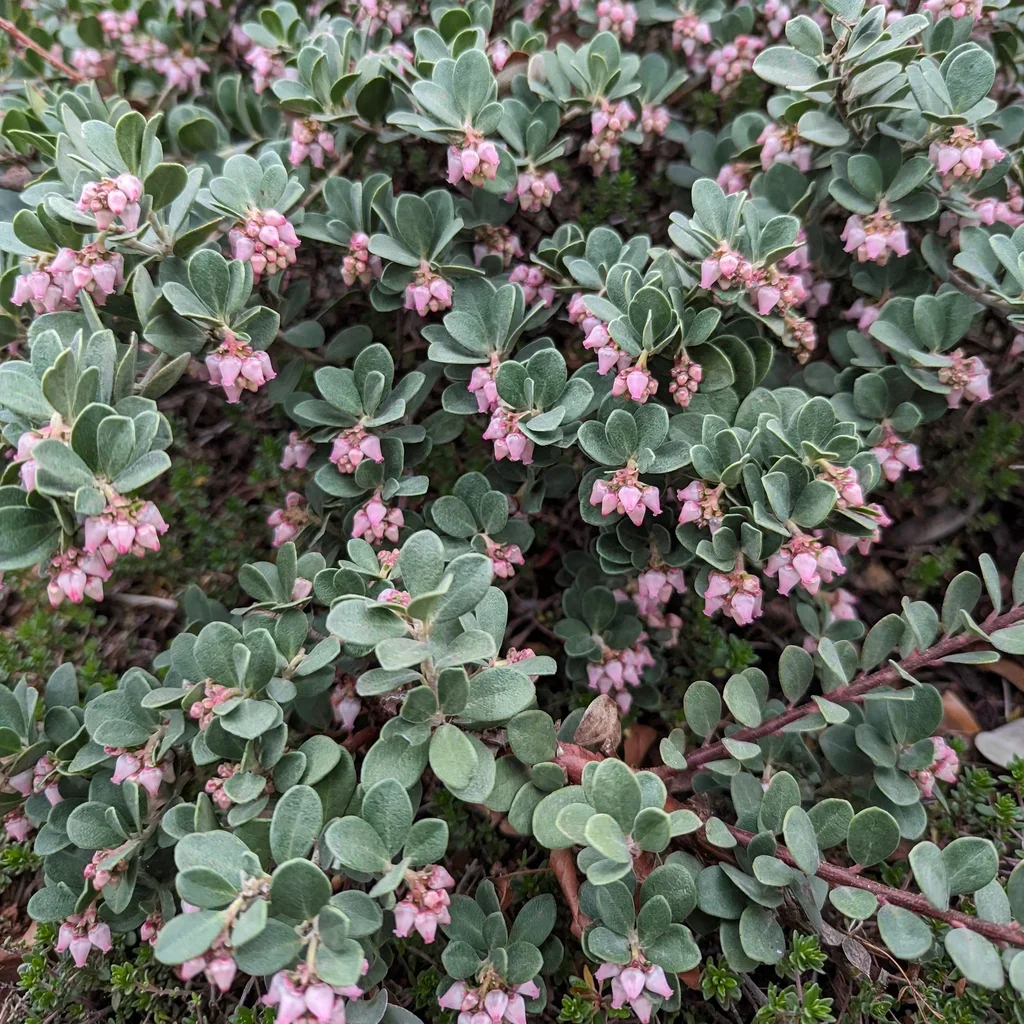
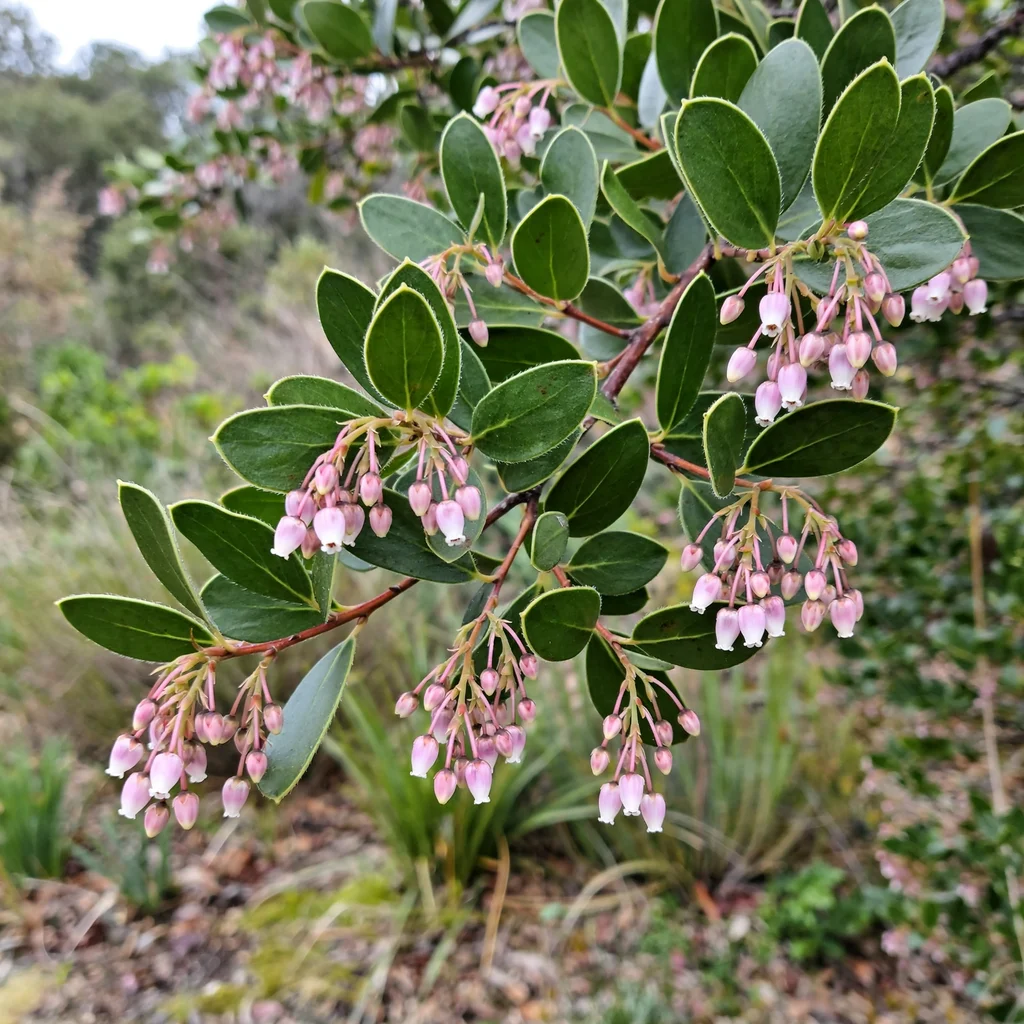
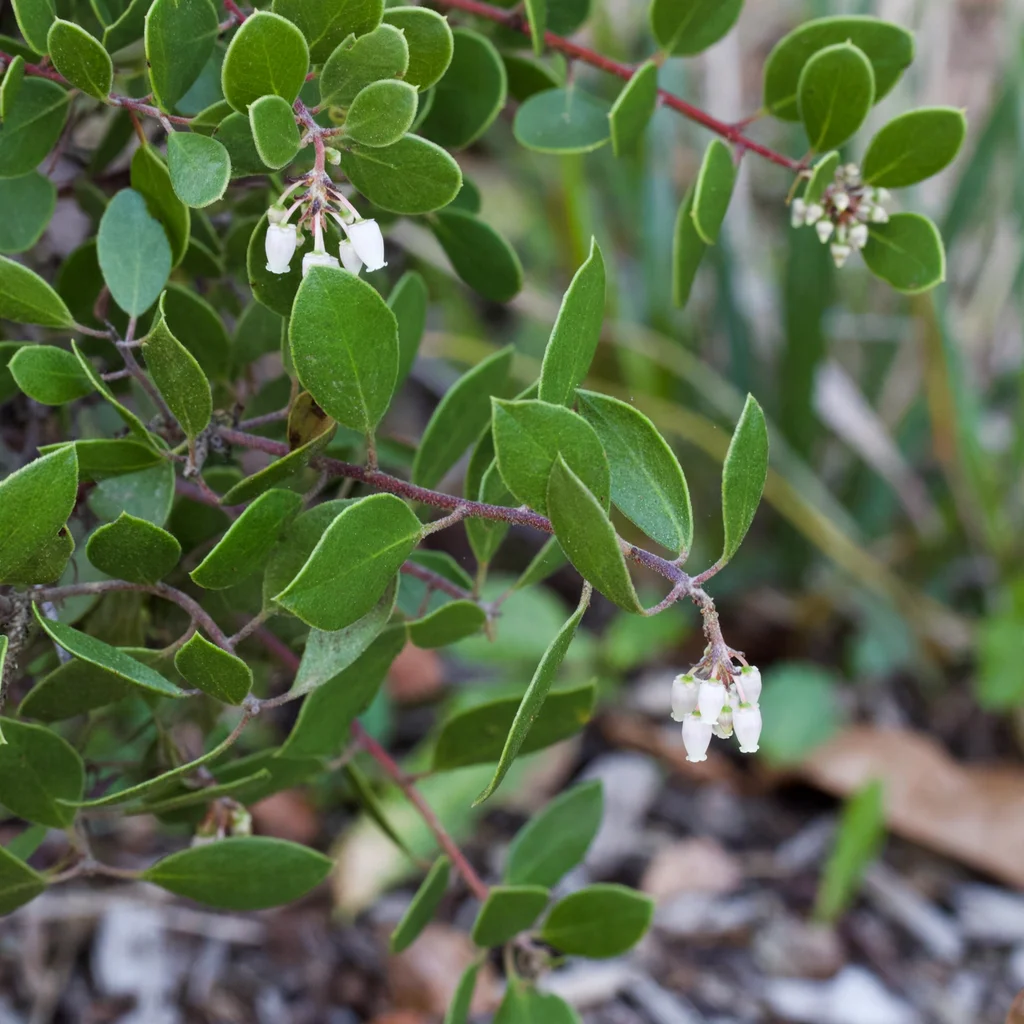
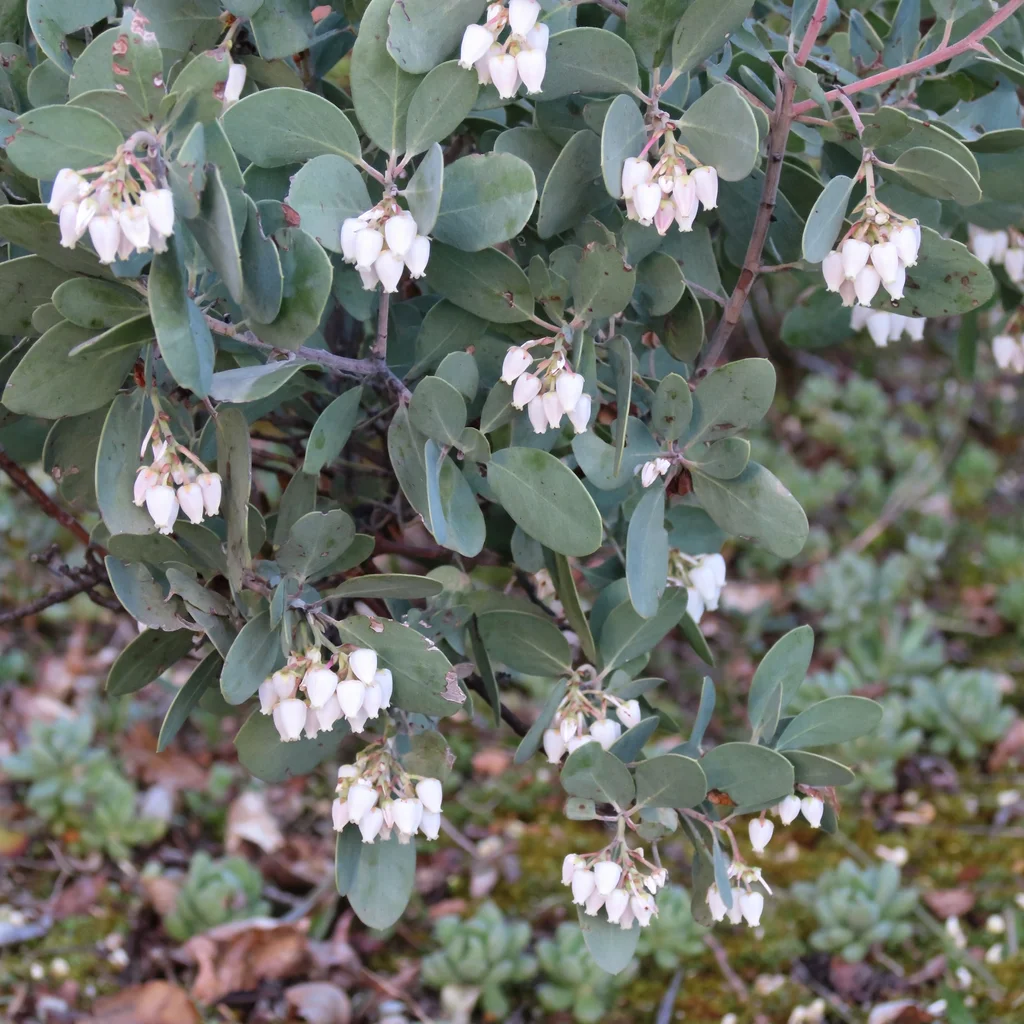
3 species of Arctostaphylos
Each one is a parent of the varieties above.
Track your Arctostaphylos in Sow
Save the Arctostaphylos you grow and get care reminders timed to your zone.
How to grow Arctostaphylos
Whats common across all Arctostaphylos varieties in our catalog — drawn from the care records of the 6 most-grown of them.
The Arctostaphylos year
- MulchOctober and November83% of varieties
Maintain a shallow gravel mulch around the root zone, clear of the stem.
- PruneApril, May and August83% of varieties
Trim dead or crossing branches lightly right after flowering finishes.
- PlantApril, May, October and November67% of varieties
Plant in spring or fall. Ensure soil is acidic and well-drained.
- Check for PestsMay and June50% of varieties
Inspect new shoots for aphids and scale insects as weather warms.


Do
- Provide acidic, sharply drained soil
- Plant in full sun for best berry production
- Be patient; it is slow to establish and spread
- Use as a lawn substitute in difficult, dry, sandy areas
- Ensure sharp soil drainage before planting.
Avoid
- Do not plant in heavy clay or alkaline soils
- Avoid fertilizing; it thrives in lean conditions
- Do not attempt to transplant established patches
- Avoid planting in hot, humid climates where it struggles
What goes wrong with Arctostaphylos
| Problem | What you'll see | What to do |
|---|---|---|
| Leaf Gall Aphids | Red, swollen, or curled distortions on new leaves. | Usually cosmetic. Prune off and destroy affected leaves. Horticultural oil can be used on dormant plants. |
| Aphids | Distorted leaves and sticky honeydew on soft spring growth. | Rinse off with a firm spray of water or prune out localized infestations. |
| Scale Insects | Small waxy bumps along stems causing yellowing leaves. | Prune away heavily infested twigs or scrub stems gently with water. |
| Deer and Rabbit Browsing | Clipped shoots and loss of young foliage. | Erect wire cages around young plants until stems woody and mature. |
| Root Rot | Branch dieback, wilting, and plant death. | Caused by poor drainage. Prevention is the only cure. Ensure soil is sandy and well-drained. |
| Leaf Spot | Dark spots on leaves. | Improve air circulation. Rake up and remove fallen leaves. Generally not a serious issue. |
| Phytophthora Root Rot | Sudden wilting, foliage browning, and stem collapse. | Ensure coarse drainage and eliminate summer irrigation completely. |
Making more Arctostaphylos
Cuttings
- Take 4-inch cuttings from firm stems in late fall or winter
- Dip in rooting hormone and place in a sand/peat mix
- Keep moist and provide bottom heat for best results
- Rooting is slow and can take many months
Semi-hardwood Cuttings
- Take 3- to 4-inch semi-hardwood cuttings in late summer from healthy branch tips.
- Remove lower leaves and dip the cut stem ends into rooting hormone powder.
- Insert cuttings into a well-draining mixture of coarse sand and perlite.
- Keep in a warm, humid environment with indirect light until roots establish.
Arctostaphylos questions
How many types of Arctostaphylos are there?
The Sow catalog tracks 6 distinct Arctostaphylos varieties. The most popular — ranked by 67 real gardeners — are shown first above.
What zones does Arctostaphylos grow in?
Across its varieties, Arctostaphylos covers USDA Zones 4–10. Individual varieties differ — each plant page lists its exact range, and Sow filters the catalog to your zone automatically.
When does Arctostaphylos bloom?
Most Arctostaphylos varieties bloom in mid-spring, early spring, winter. Staggering early, mid, and late varieties extends the genus's season in one bed.
Which Arctostaphylos should I choose?
Start from the most-saved varieties above — popularity across thousands of gardens is a strong signal of reliability — then filter by your zone and sun. In the Sow app you can preview any of them in a photo of your actual yard before you buy.