Also known as Barberry · 218 saves
Berberis
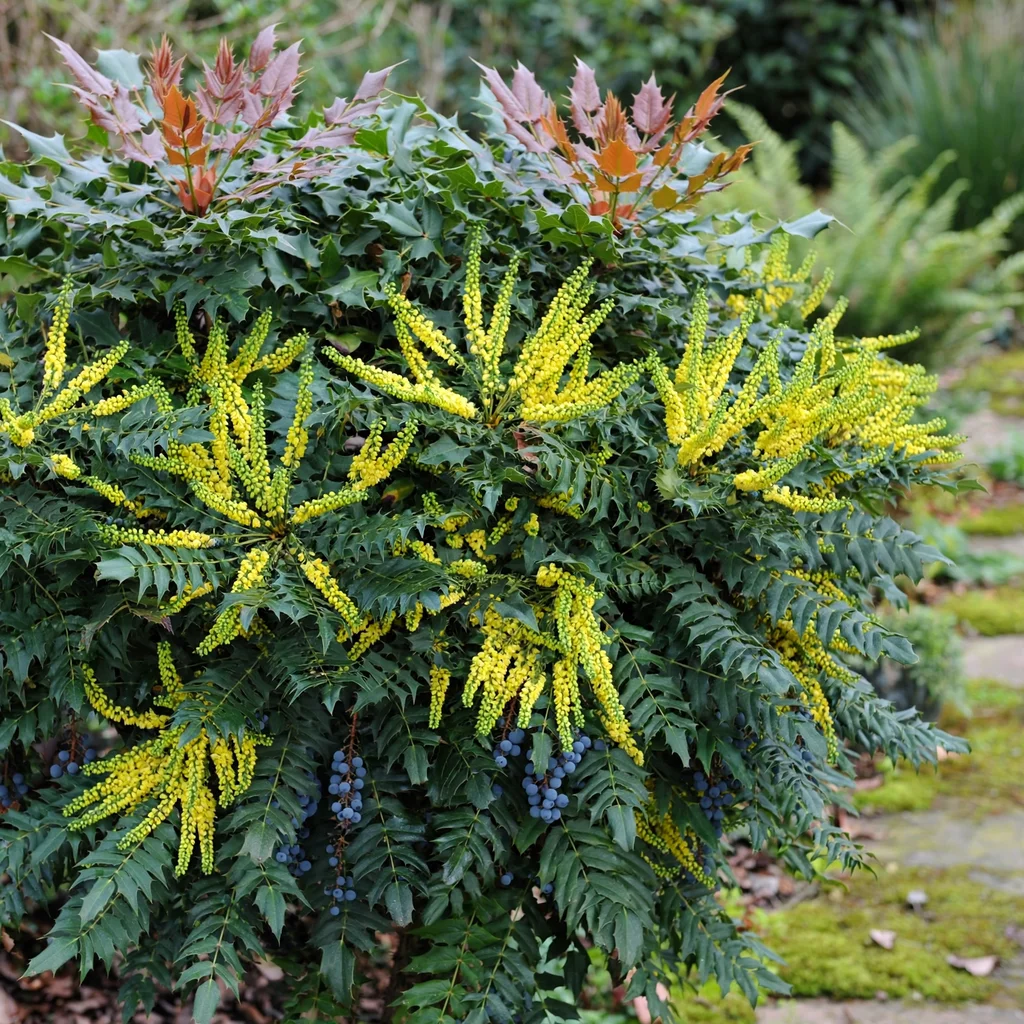
Berberis, the genus most gardeners know as barberry. We track 11 varieties; the ones most used by real gardeners.
The 10 most-saved Berberis varieties
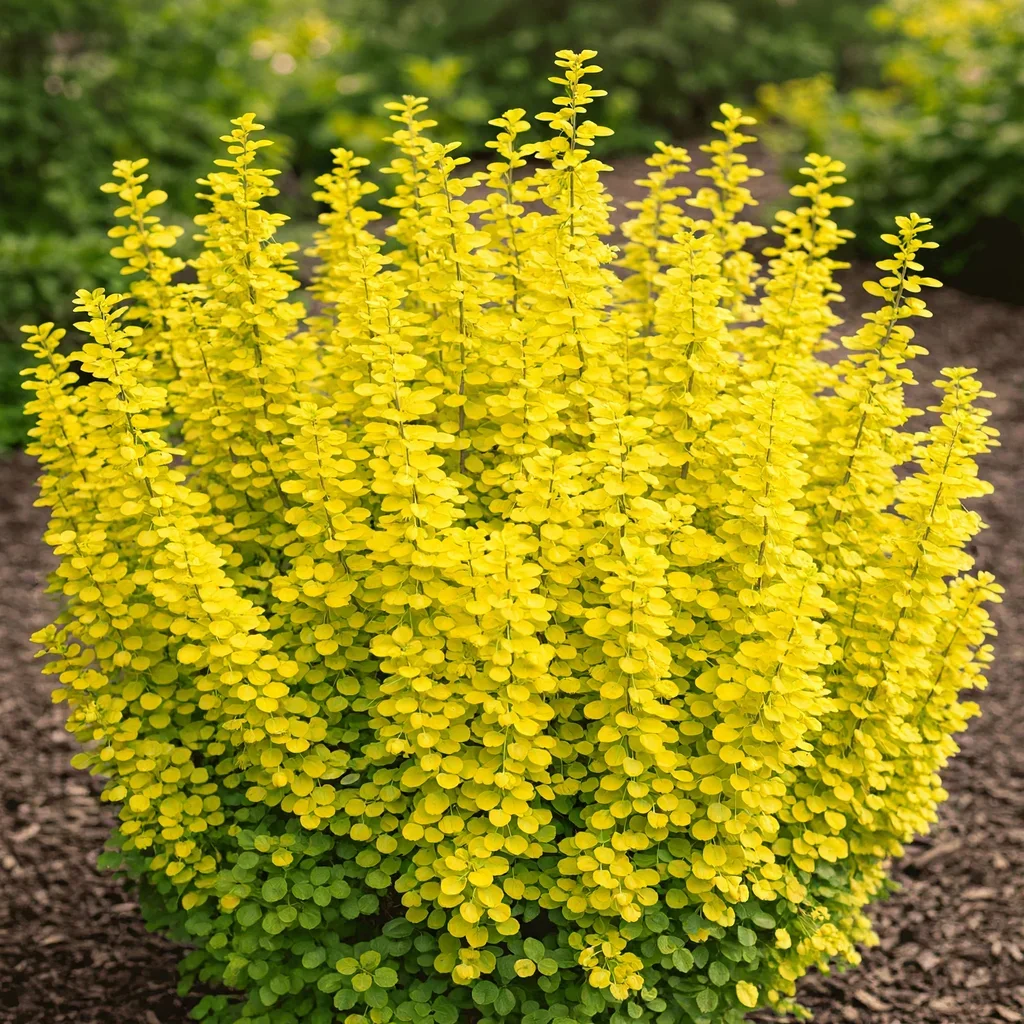
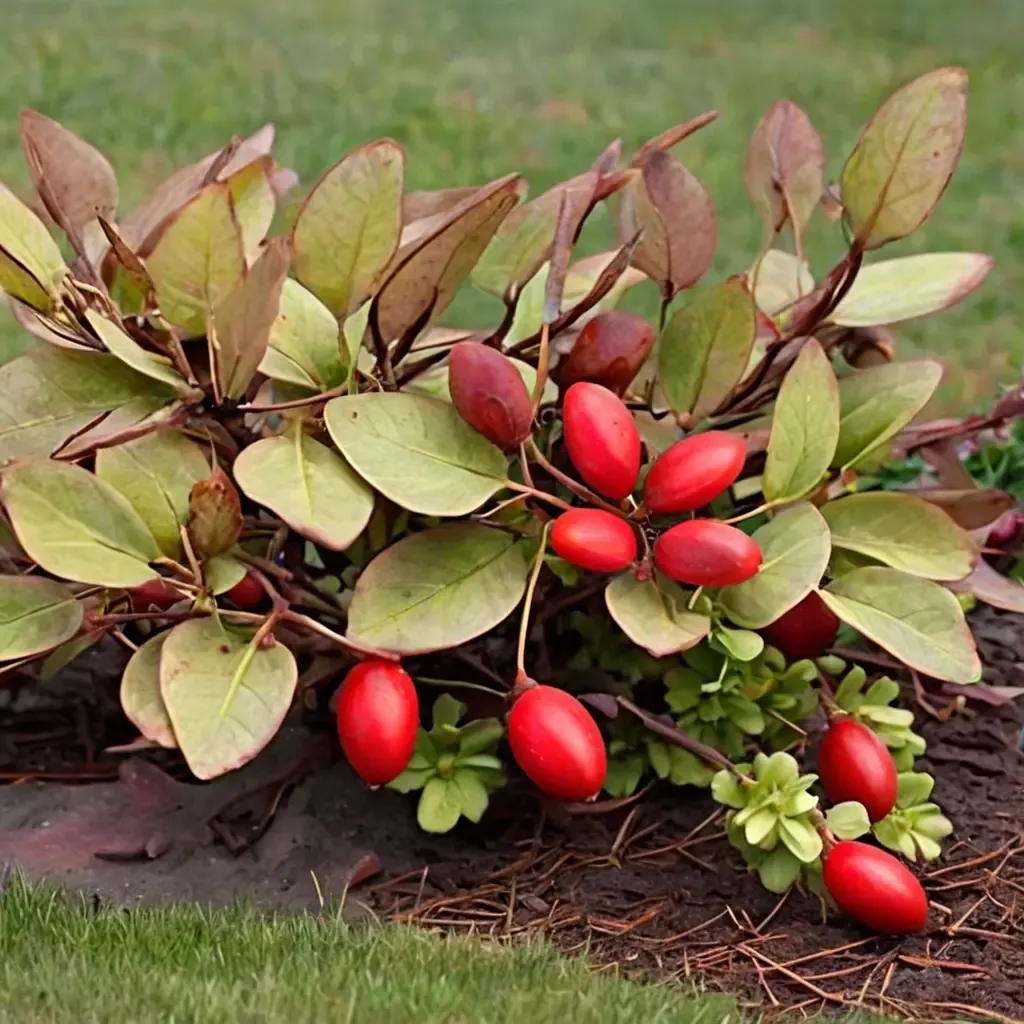
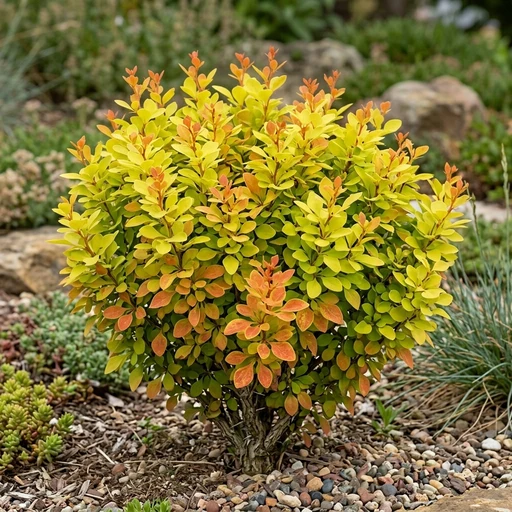
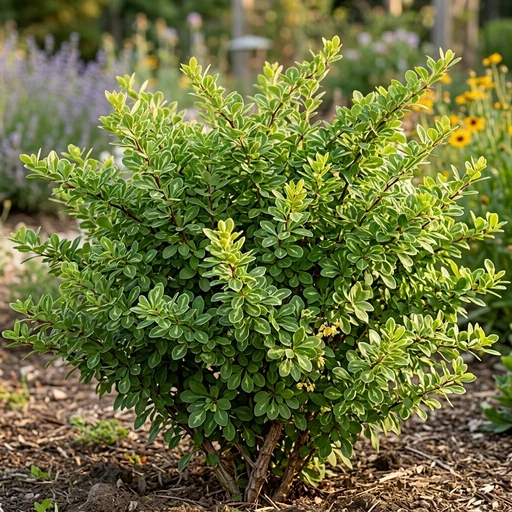
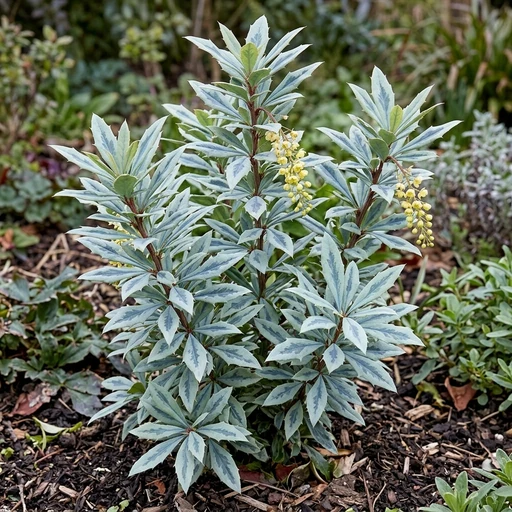
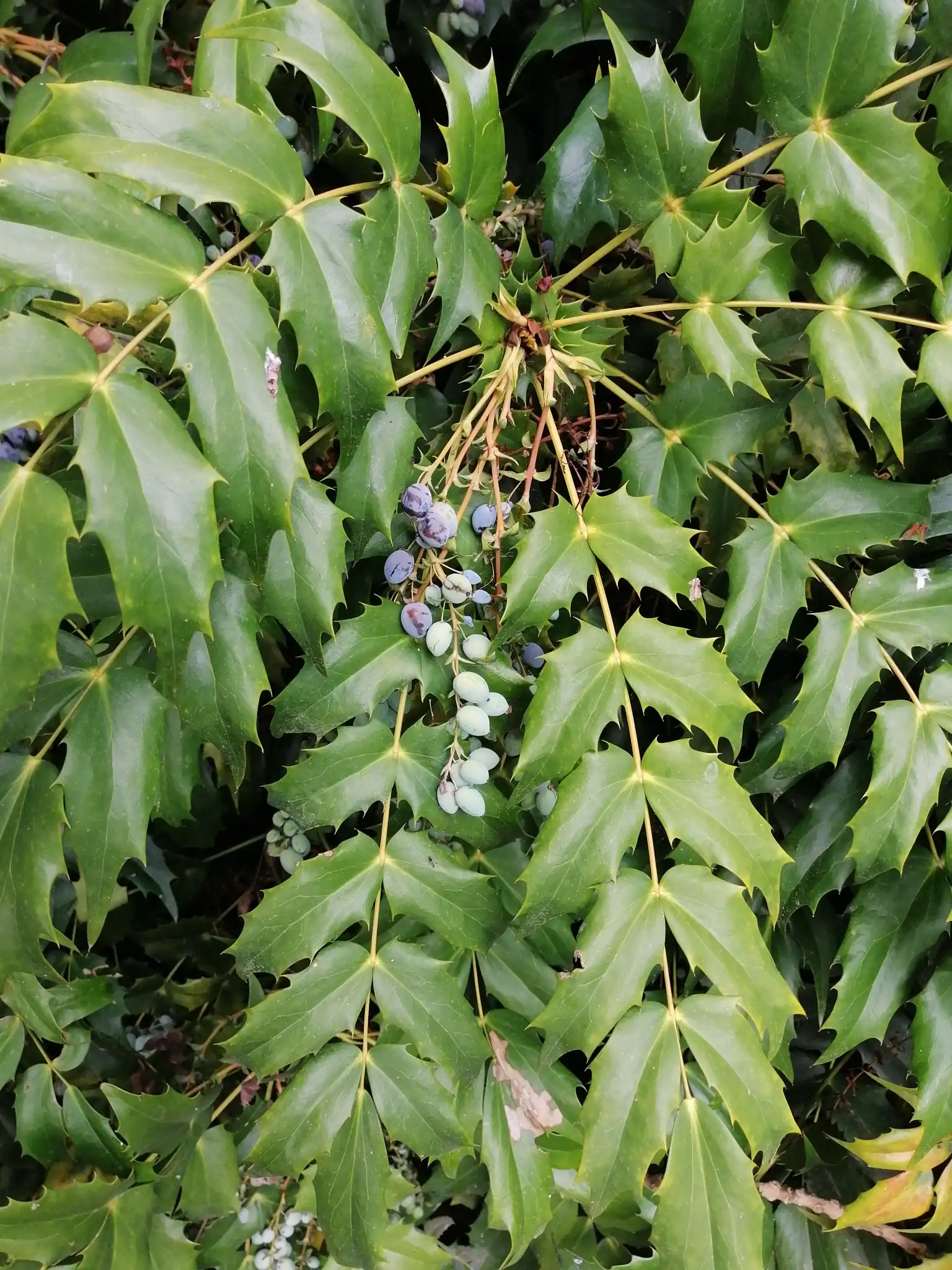

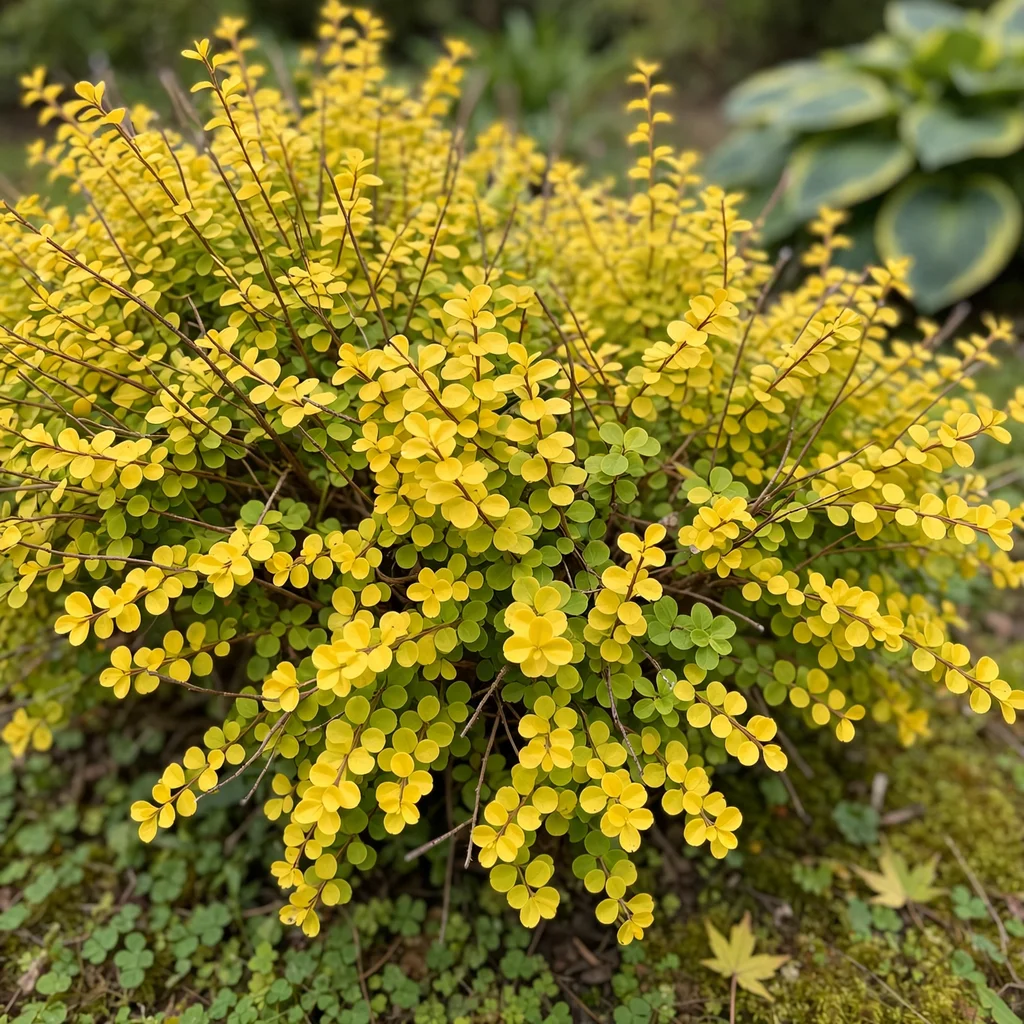
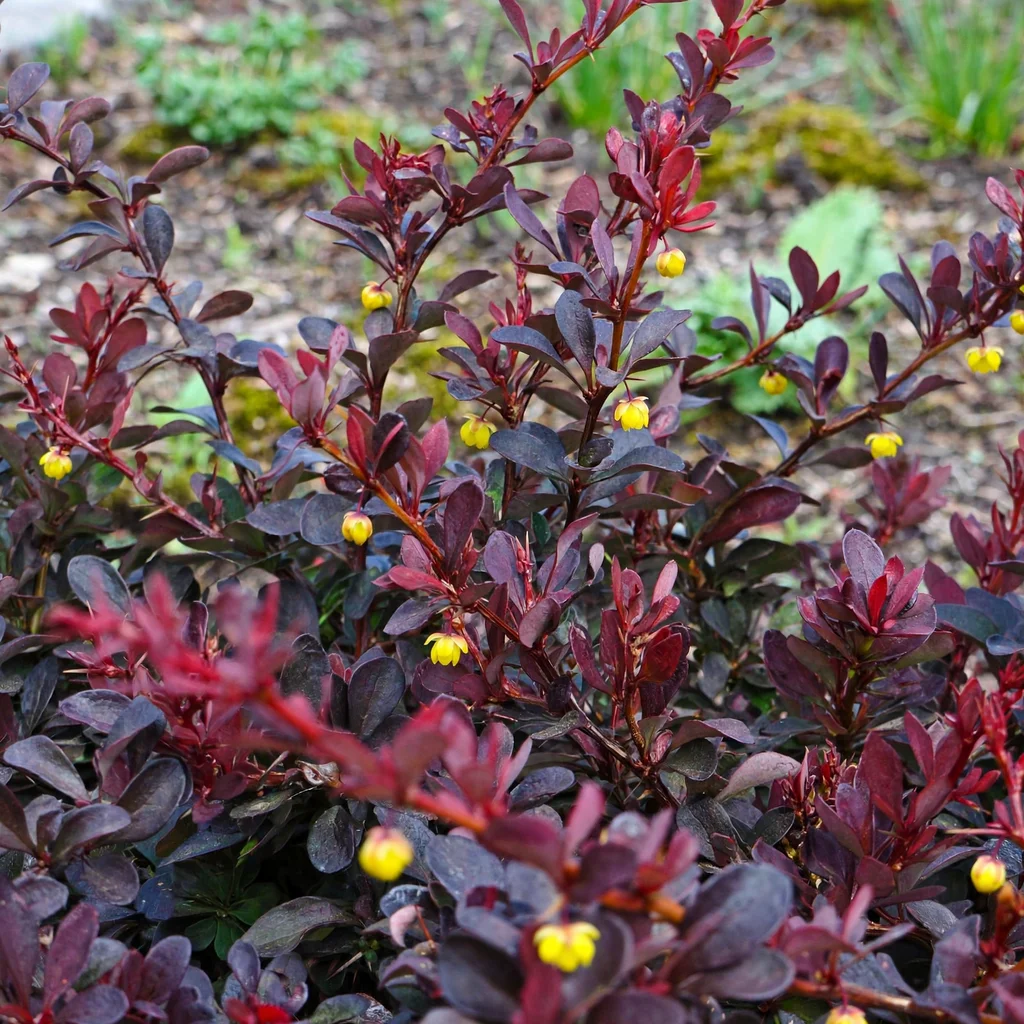
Browse all 11 Berberis varieties →
2 species of Berberis
Each one is a parent of the varieties above.
Track your Berberis in Sow
Save the Berberis you grow and get care reminders timed to your zone.
How to grow Berberis
Whats common across all Berberis varieties in our catalog — drawn from the care records of the 11 most-grown of them.
The Berberis year
- PruneApril100% of varieties
Lightly prune branches to shape before new foliage breaks; do not cut into old bare wood.
- FertilizeApril73% of varieties
Top-dress with a light application of balanced slow-release fertilizer if growth is weak.
- PlantApril, May, October and November45% of varieties
Plant in spring or fall.
- Check for PestsMay–July36% of varieties
Inspect interior branch nodes for aphid clusters and barberry webworm webs.
- MulchMarch and April36% of varieties
Apply a layer of organic mulch or leaf mold to preserve soil moisture and cool roots.


Do
- Water regularly during dry spells 🌱
- Wear heavy leather gloves and long sleeves during handling to protect against sharp nodal spines.
- Plant in full sun to maintain bright golden foliage color throughout summer.
- Ensure site drainage is sharp, as roots rot quickly in standing water.
- Prune young branch tips in early spring to encourage a bushier, more compact growth habit.
Avoid
- Don’t prune in late fall or winter
- Do not plant in deep shade where leaves turn a muddy chartreuse.
- Do not shear severely back into leafless old wood.
- Do not overwater once established, as plants tolerate dry soil conditions well.
What goes wrong with Berberis
| Problem | What you'll see | What to do |
|---|---|---|
| Aphids | Clustered sap-sucking insects on tender spring growth causing distorted leaf tips | Dislodge infestations with a strong stream of water or apply horticultural oil. |
| Scale insects | Small waxy shell-like bumps along stems leading to yellowed leaves | Prune out heavily infested twigs and apply dormant spray oil in late winter. |
| Barberry webworm | Webbed leaves pulled together on branch tips followed by defoliation | Hand-pick webbed nests or spray targeted insecticidal soap when larvae appear. |
| Rabbits | Chewed young stems and foliage on newly planted specimens. | Install physical wire mesh barriers around the base of young plants until they establish. |
| Powdery mildew | A white, powdery fungal coating on the leaf surfaces, especially in humid conditions. | Improve air circulation by spacing plants properly and prune to open up the canopy. |
| Root rot | Stunted foliage, wilted branches, and dark decaying roots | Plant exclusively in well-drained soil and avoid overwatering. |
| Rust | Orange or reddish-brown pustules on the undersides of leaves. | Remove and destroy infected leaves. Apply a fungicide labeled for rust control. Barberry is an alternate host for wheat rust. |
Making more Berberis
Semi-hardwood Cuttings
- Take 4-6 inch cuttings in mid-summer.
- Remove lower leaves and dip the cut end in rooting hormone.
- Insert into a pot with a well-draining rooting medium.
- Keep moist and humid until roots form in 6-8 weeks.
Cuttings
- Take semi-hardwood cuttings in late spring.
- Dip in rooting hormone.
- Plant in moist potting mix.
- Keep in warm, bright location for 6 weeks.
Berberis questions
How many types of Berberis are there?
The Sow catalog tracks 11 distinct Berberis varieties. The most popular — ranked by 218 real gardeners — are shown first above.
What zones does Berberis grow in?
Across its varieties, Berberis covers USDA Zones 4–9. Individual varieties differ — each plant page lists its exact range, and Sow filters the catalog to your zone automatically.
When does Berberis bloom?
Most Berberis varieties bloom in late spring, early spring, mid-spring. Staggering early, mid, and late varieties extends the genus's season in one bed.
Which Berberis should I choose?
Start from the most-saved varieties above — popularity across thousands of gardens is a strong signal of reliability — then filter by your zone and sun. In the Sow app you can preview any of them in a photo of your actual yard before you buy.