507 saves
Camellia
We track 82 varieties; the ones most used by real gardeners.
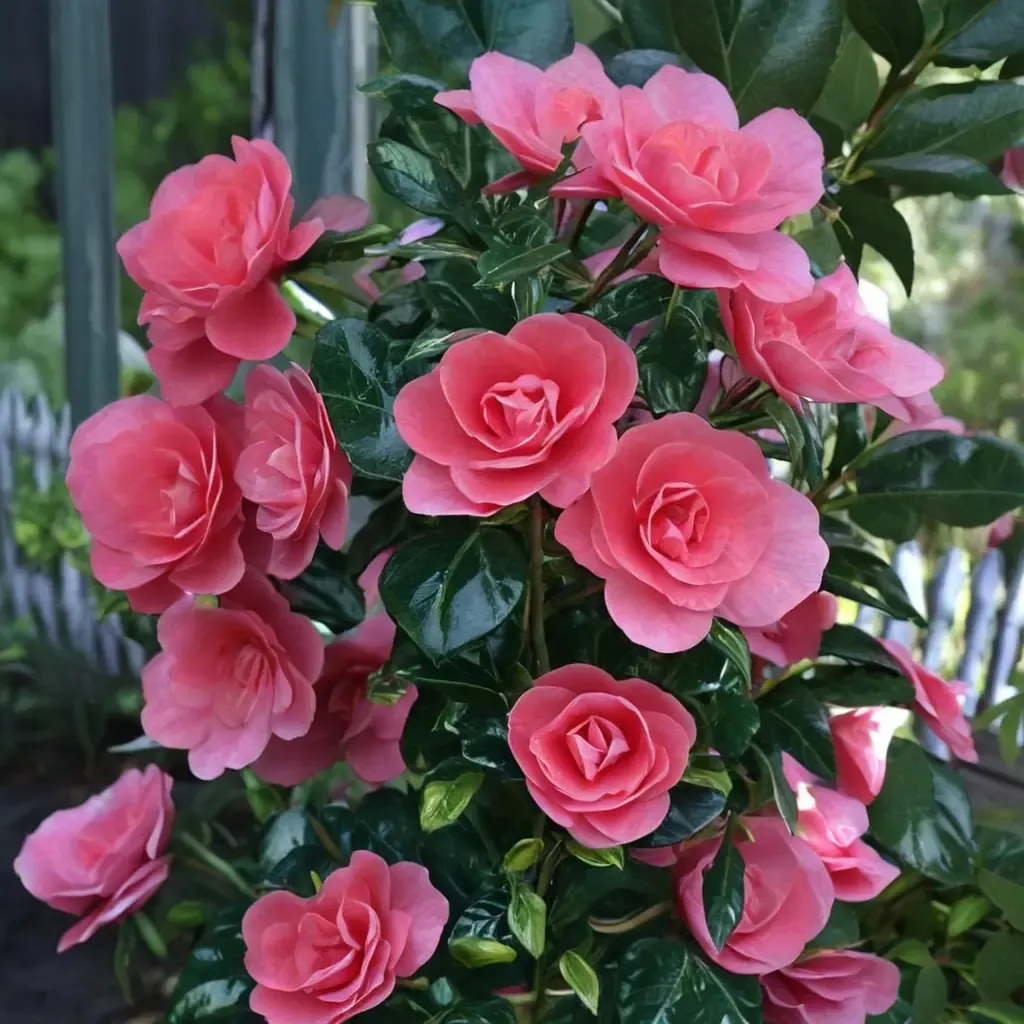
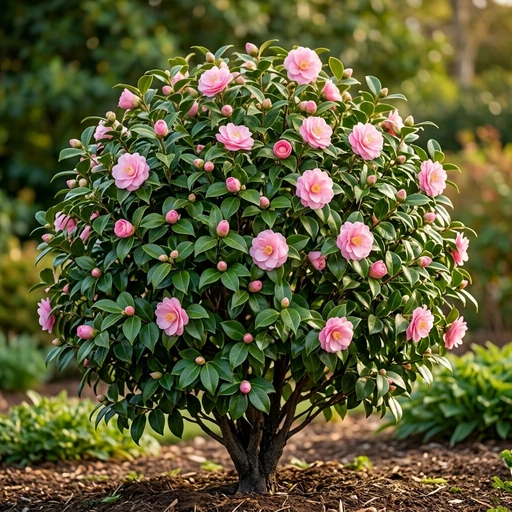
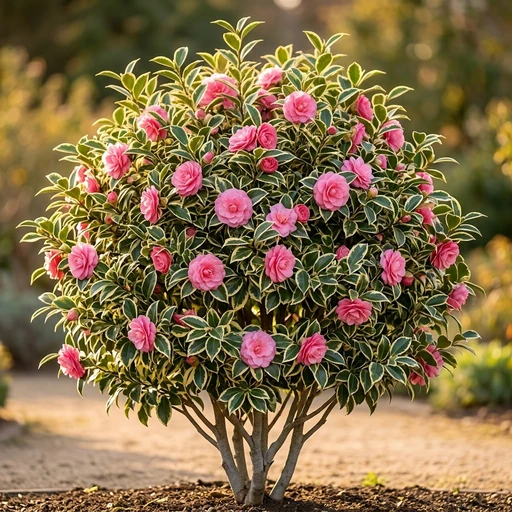
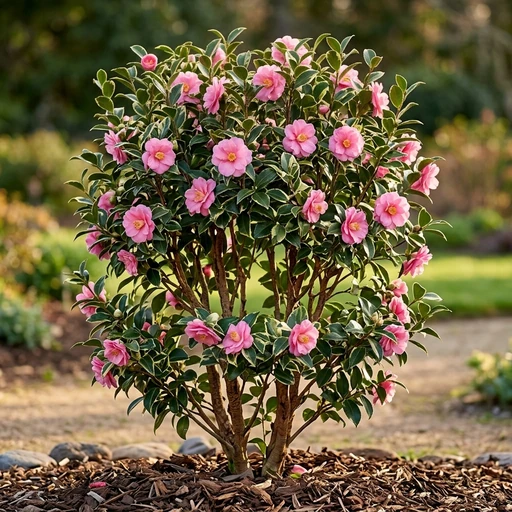
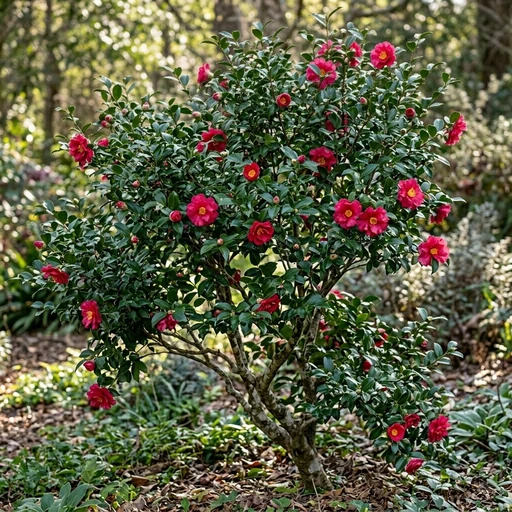
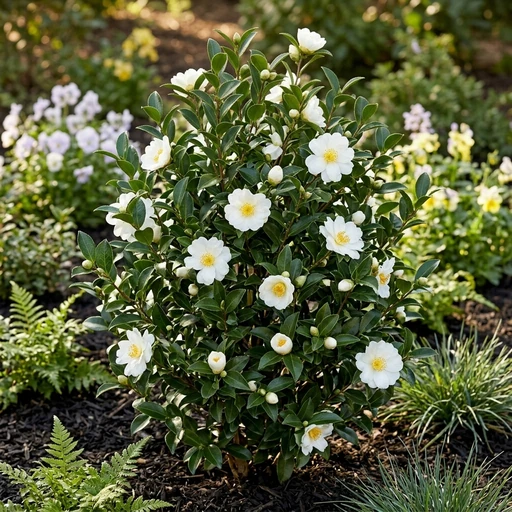
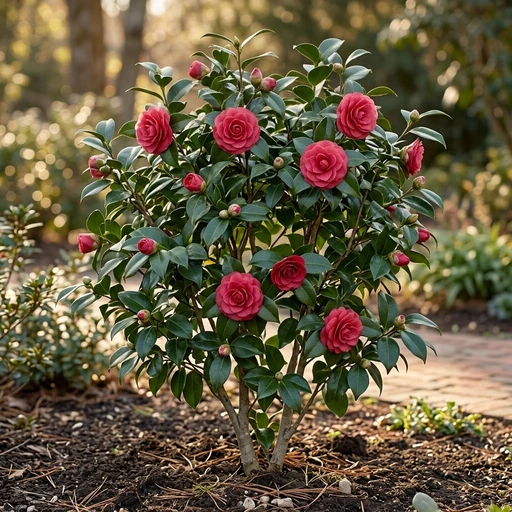
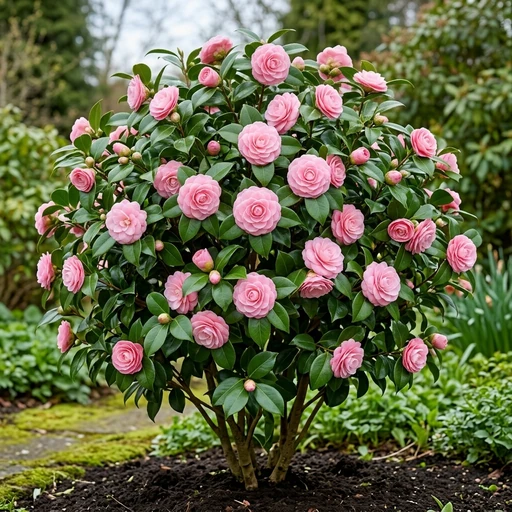
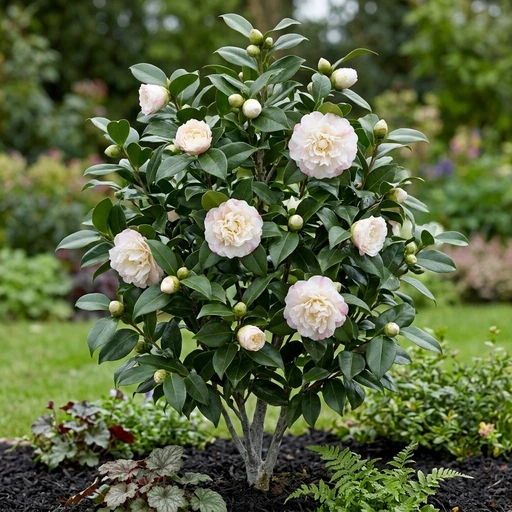
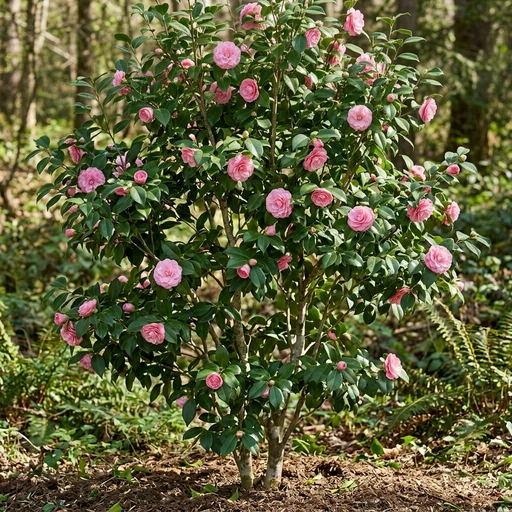
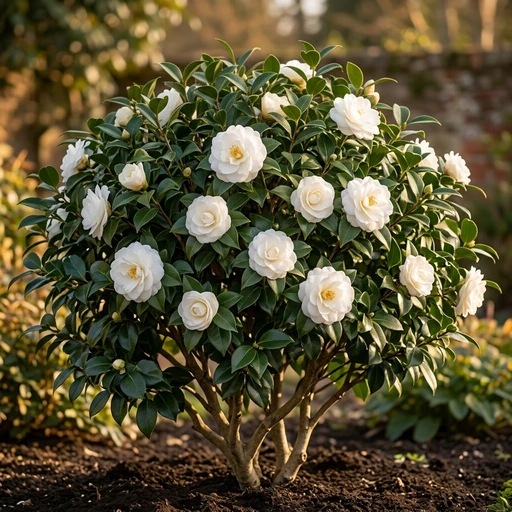
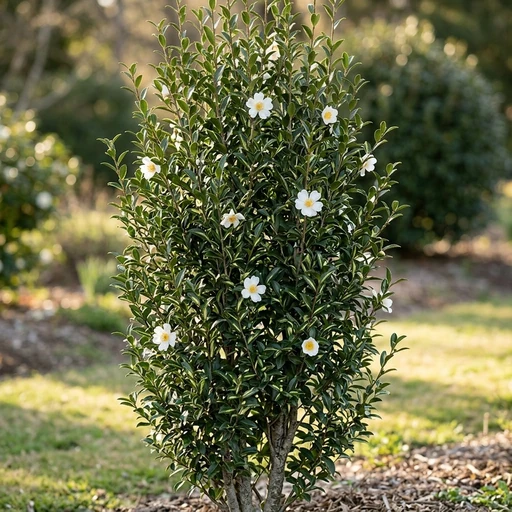
The 24 most-saved Camellia varieties
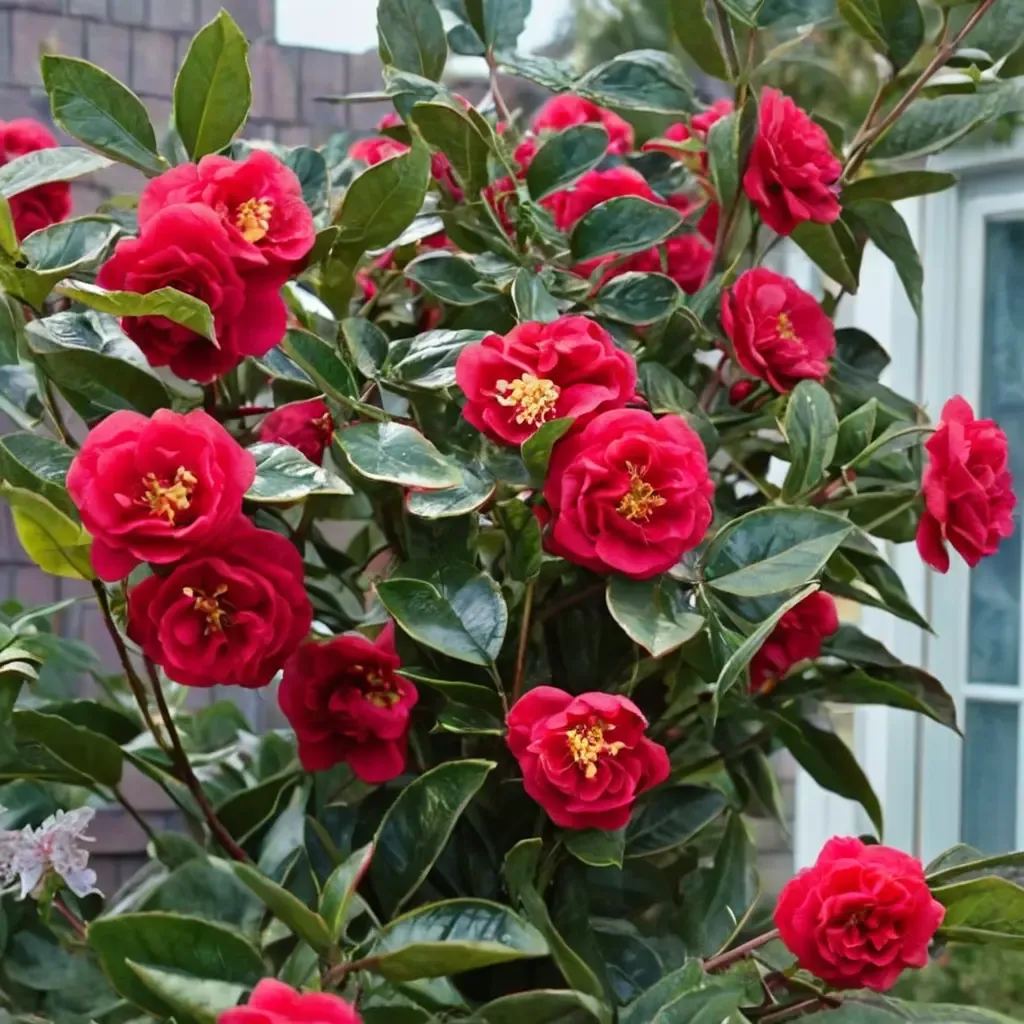
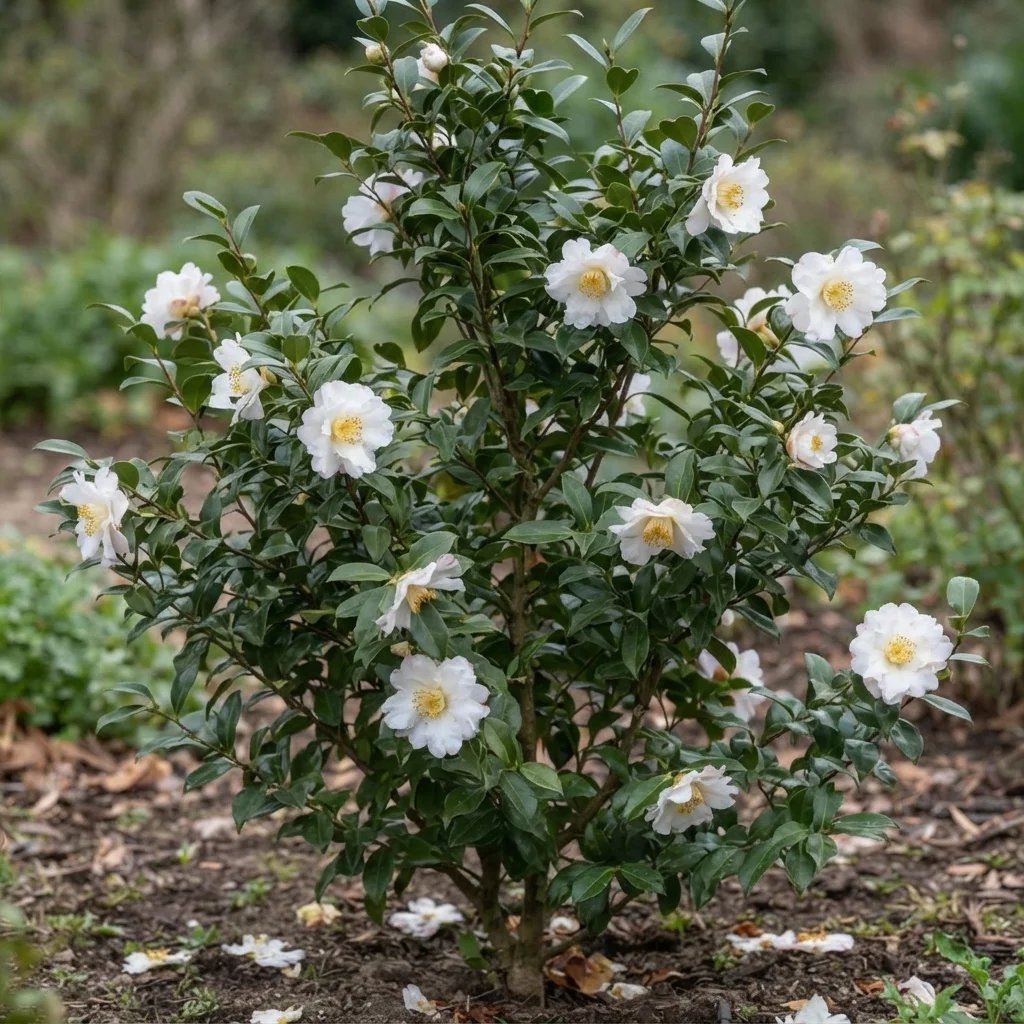
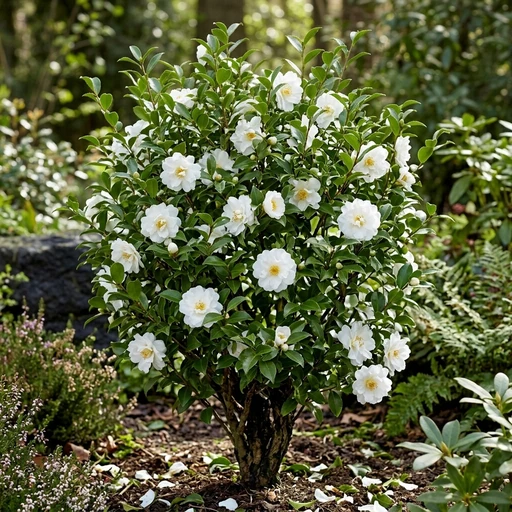
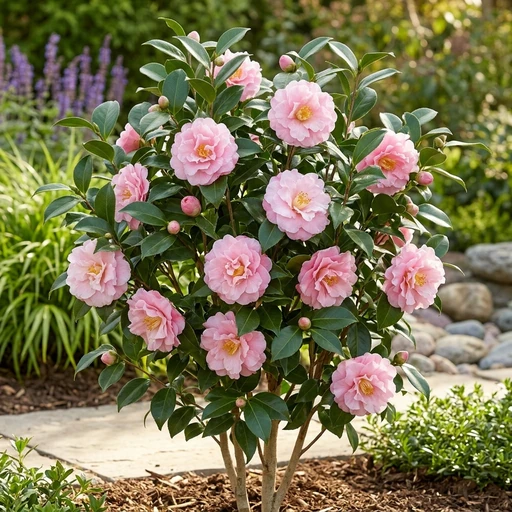
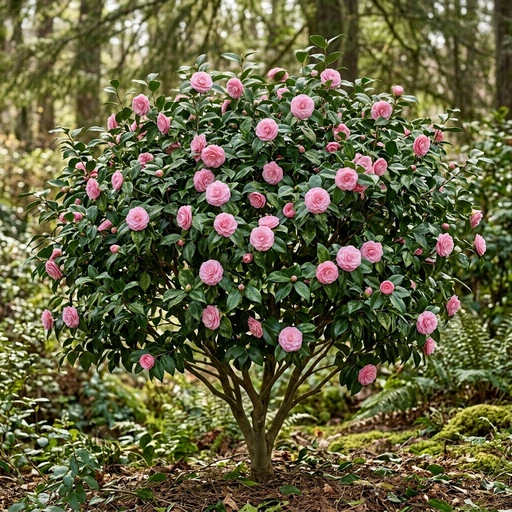
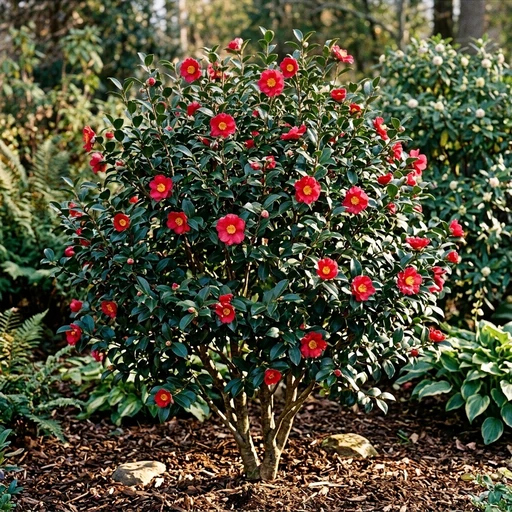
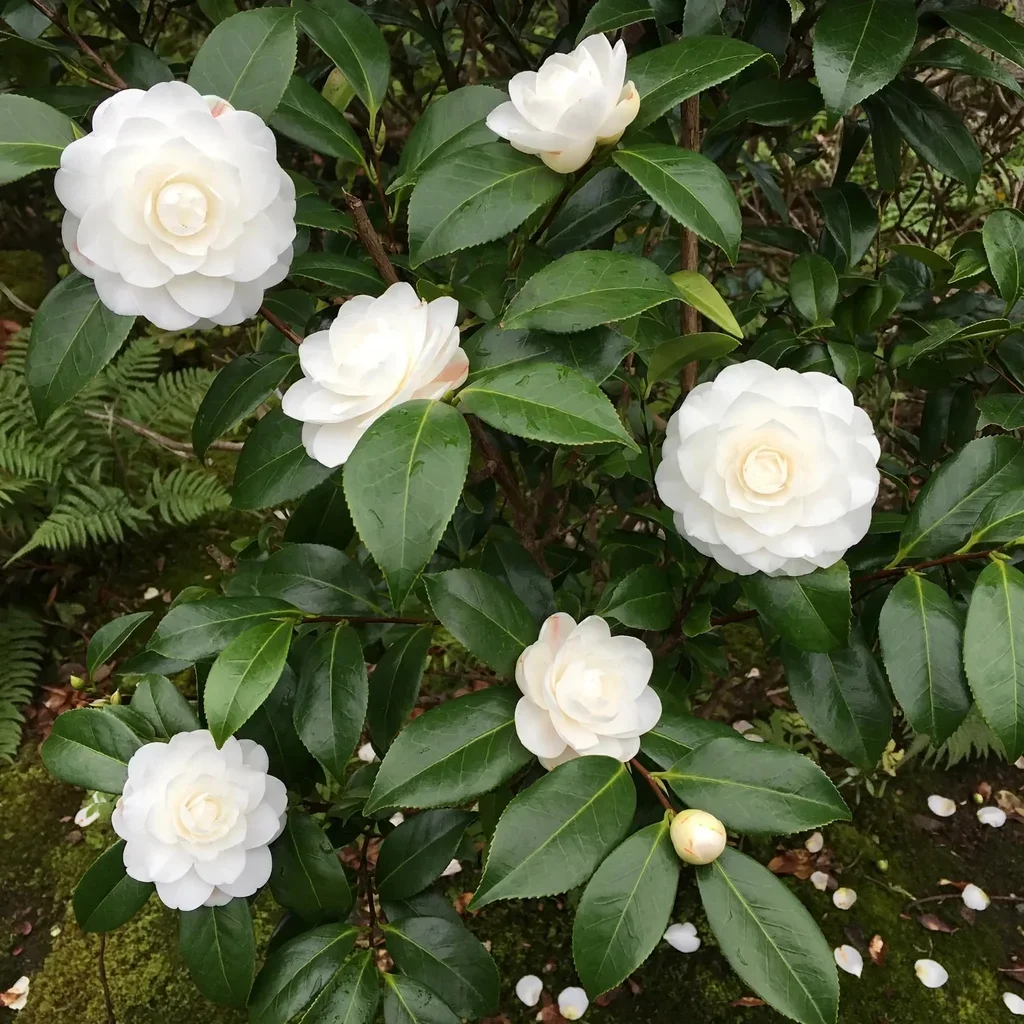
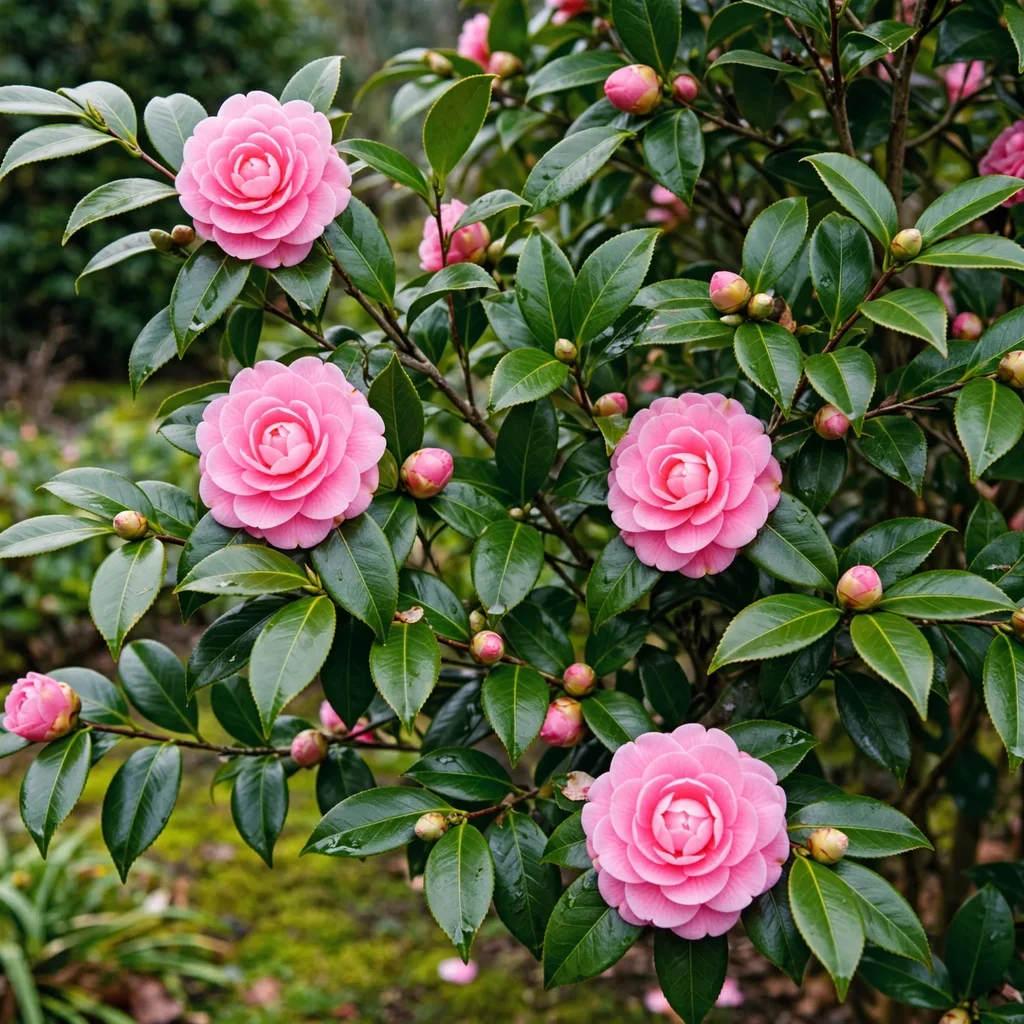
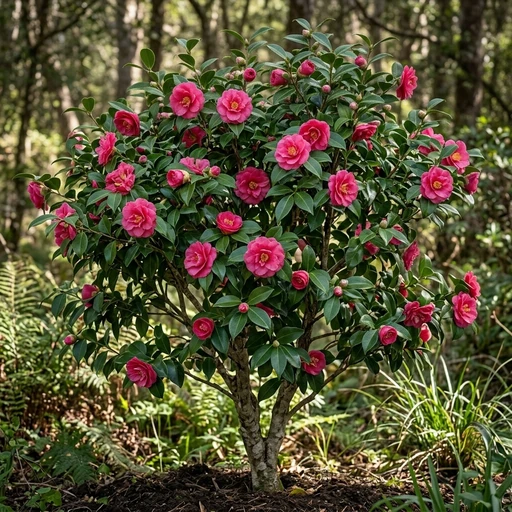
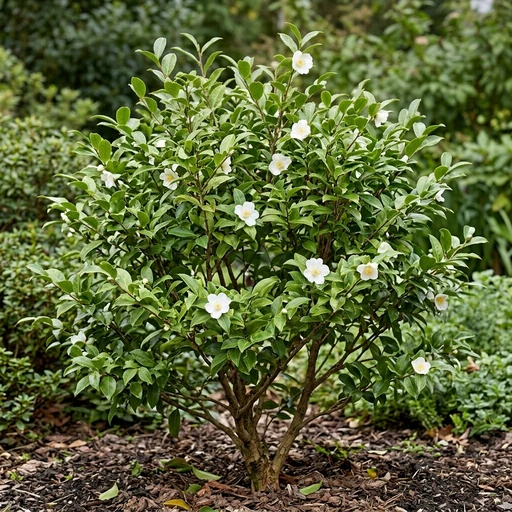
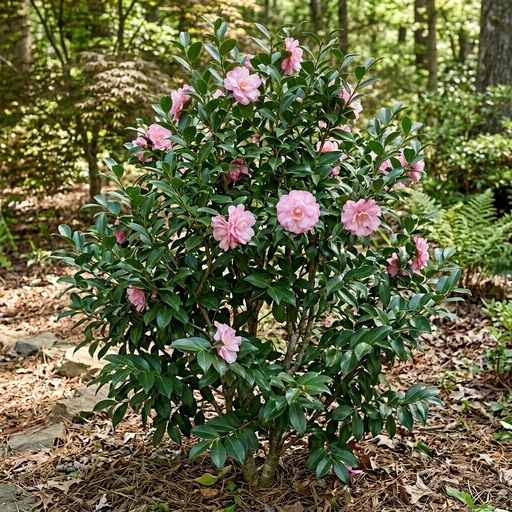
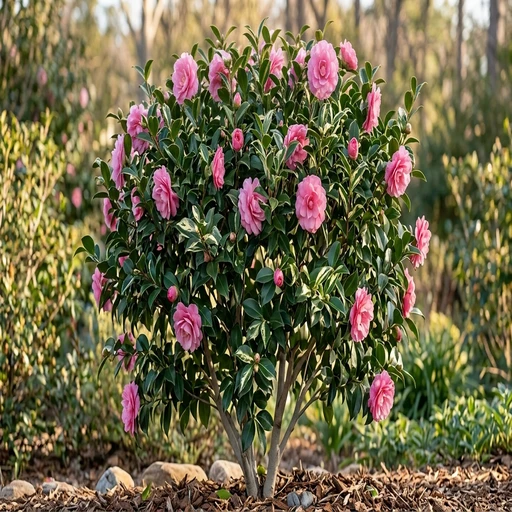
See all 82 Camellia varieties →Search this genus →
2 species of Camellia
Each one is a parent of the varieties above.
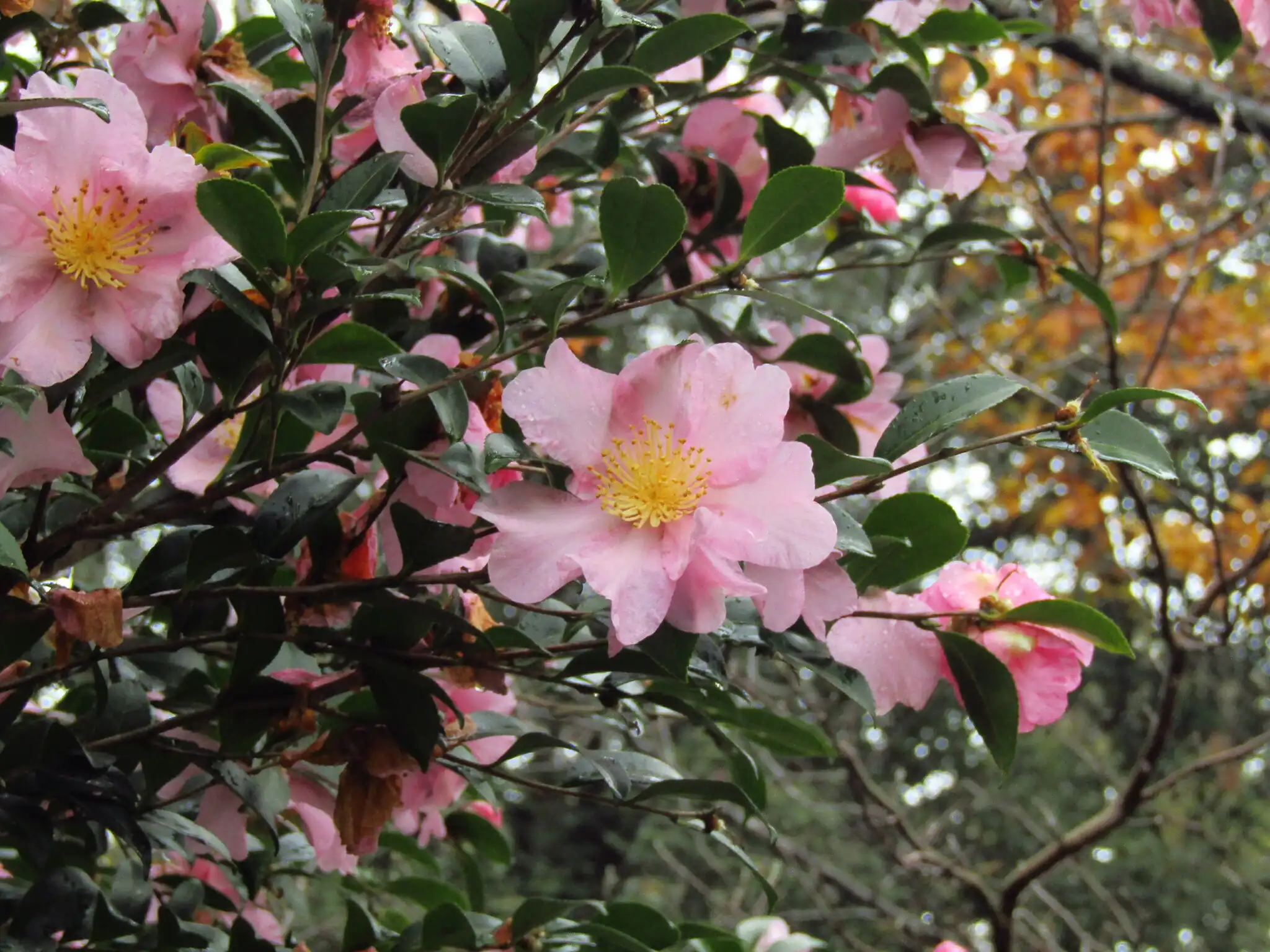
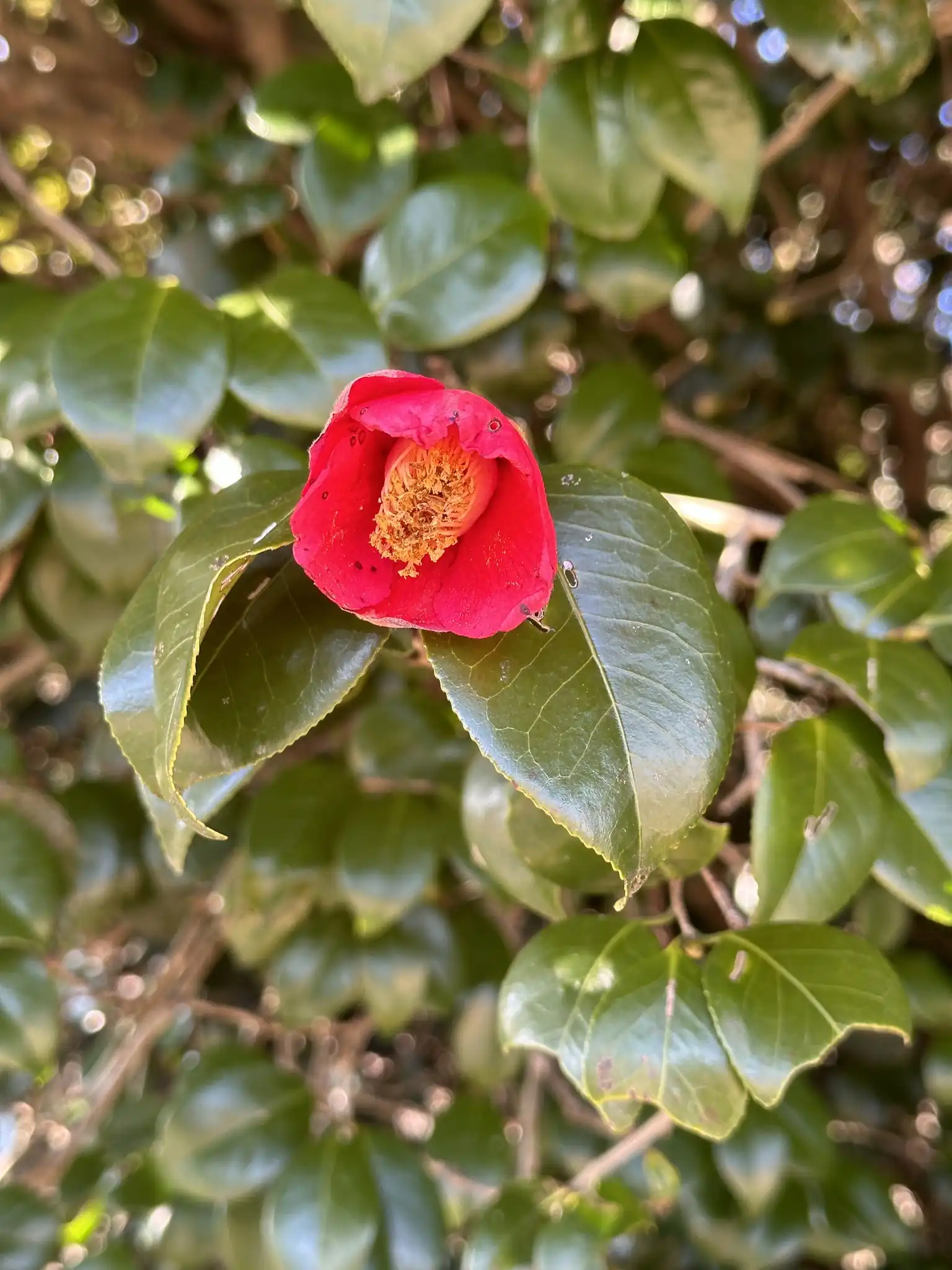
Track your Camellia in Sow
Save the Camellia you grow and get care reminders timed to your zone.
How to grow Camellia
Whats common across all Camellia varieties in our catalog — drawn from the care records of the 40 most-grown of them.
The Camellia year
- PruneJune100% of varieties
Prune lightly immediately after flowering to shape the shrub.
- FertilizeApril and July100% of varieties
Use acid-specific fertilizer after bloom and again mid-summer.
- MulchMay, November and December98% of varieties
Apply 2-3 inches of mulch to keep roots cool and conserve moisture.
- PlantApril, October and November60% of varieties
Plant in spring after flowering or in early fall.
- Check for PestsMay–August55% of varieties
Inspect undersides of leaves for tea scale and new growth for aphids.


Do
- Provide consistent moisture, especially during dry spells in summer and fall.
- Use an acid-based fertilizer formulated for camellias or azaleas.
- Mulch annually to protect roots, conserve moisture, and suppress weeds.
- Prune immediately after flowering to shape the plant and encourage bushiness.
- Provide consistent moisture, especially during dry spells.
Avoid
- Do not plant in heavy, waterlogged clay soil.
- Avoid planting in direct, hot afternoon sun which can scorch leaves.
- Never pile mulch directly against the trunk, as it can cause rot.
- Do not fertilize in the late fall, as this can encourage tender new growth.
What goes wrong with Camellia
| Problem | What you'll see | What to do |
|---|---|---|
| Tea Scale | Yellow splotches on upper leaf surfaces; white or brown crusty patches on undersides. | Apply horticultural oil in early spring to smother overwintering pests. Systemic insecticides can be used for heavy infestations. |
| Aphids | Distorted new growth and sticky honeydew | Spray with neem oil or insecticidal soap |
| Scale insects | Sticky residue and yellowing leaves | Apply horticultural oil or insecticidal soap |
| Tea scale | Yellow spots on the upper leaf surface and white, cottony patches on the undersides. | Apply horticultural oils or systemic insecticides during the active crawler stage in spring. |
| Petal Blight | Small, brown, irregular spots on petals that quickly enlarge, causing the entire flower to rot. | Remove and destroy all infected flowers. Replace old mulch under the plant. Apply a preventative fungicide before buds open. |
| Root Rot | Stunted growth, yellowing leaves, and plant death, caused by poorly drained soil. | Prevention is key. Plant in well-drained soil or raised beds. There is no chemical cure. |
| Camellia petal blight | Brown spots on petals, flowers drop prematurely | Remove infected flowers and apply fungicide |
Making more Camellia
Semi-hardwood Cuttings
- Take 4-6 inch cuttings from the current season's growth in late summer.
- Remove all but the top two leaves.
- Dip the base in rooting hormone.
- Stick in a well-drained medium and keep humid; roots form in 2-3 months.
Semi-hardwood cuttings
- Take 4-6 inch cuttings in late summer after new growth has hardened.
- Wound the base and dip in rooting hormone.
- Stick in a well-draining medium like peat and perlite.
- Keep humid and warm; rooting takes 2-3 months.
Camellia questions
How many types of Camellia are there?
The Sow catalog tracks 82 distinct Camellia varieties. The most popular — ranked by 507 real gardeners — are shown first above.
What zones does Camellia grow in?
Across its varieties, Camellia covers USDA Zones 6–10. Individual varieties differ — each plant page lists its exact range, and Sow filters the catalog to your zone automatically.
When does Camellia bloom?
Most Camellia varieties bloom in early spring, autumn, mid-fall. Staggering early, mid, and late varieties extends the genus's season in one bed.
Which Camellia should I choose?
Start from the most-saved varieties above — popularity across thousands of gardens is a strong signal of reliability — then filter by your zone and sun. In the Sow app you can preview any of them in a photo of your actual yard before you buy.