
Species
38 other cultivars
- ‘Yuletide’Yuletide Camellia
- ‘Bonanza’Bonanza Camellia
- ‘October Magic Ivory’October Magic Ivory Camellia
- ‘Cotton Candy’Cotton Candy Camellia
- ‘Slim 'N Trim’Slim 'n Trim Camellia
- ‘Our Linda’Our Linda Sasanqua Camellia
- ‘Setsugekka’Sasanqua Camellia 'Setsugekka'
- ‘Leslie Ann’Leslie Ann Sasanqua Camellia
- ‘Cleopatra’Cleopatra Camellia
- ‘William Lanier Hunt’William Lanier Hunt Sasanqua Camellia
- ‘Yuletide’Yuletide Sasanqua Camellia
- ‘Autumn Rocket’Autumn Rocket Camellia
- ‘Sparkling Burgundy’Sparkling Burgundy Camellia
- ‘Jennifer Susan’Sasanqua Camellia 'Jennifer Susan'
- ‘Susy Dirr’Susy Dirr Sasanqua Camellia
- ‘Mine-No-Yuki’Mine-No-Yuki Camellia
- ‘Alabama Beauty’Alabama Beauty Camellia
- ‘Early Pearly’Early Pearly Sasanqua Camellia
- ‘Hot Flash’Hot Flash Camellia
- ‘Hana-Jiman’Hana Jiman Camellia
- ‘Pink Snow’Pink Snow Sasanqua Camellia
- ‘Brandy'S Temper’Brandy's Temper Sasanqua Camellia
- ‘October Magic’October Magic Ruby Camellia
- ‘Northern Lights’Northern Lights Sasanqua Camellia
- ‘Northern Exposure’Northern Exposure Camellia
- ‘Paradise Blush’Paradise Blush Sasanqua Camellia
- ‘Green 94-035’October Magic Bride Camellia
- ‘October Magic Carpet’October Magic Carpet Camellia
- ‘Autumn Moon’Autumn Moon Camellia
- ‘October Magic Orchid’October Magic Orchid Camellia
- ‘October Magic Inspiration’October Magic Inspiration Sasanqua Camellia
- ‘October Magic White Shi-Shi’October Magic White Shi-Shi Camellia
- ‘October Magic Dawn’October Magic Dawn Sasanqua Camellia
- ‘Christmas Carol’Christmas Carol Camellia
- ‘Royal Flush Shi Shi’Royal Flush Shi Shi Camellia
- ‘October Magic Devotion’October Magic Devotion Sasanqua Camellia
- ‘Marge Miller’Marge Miller Sasanqua Camellia
- ‘Kanjiro’Kanjiro Sasanqua Camellia

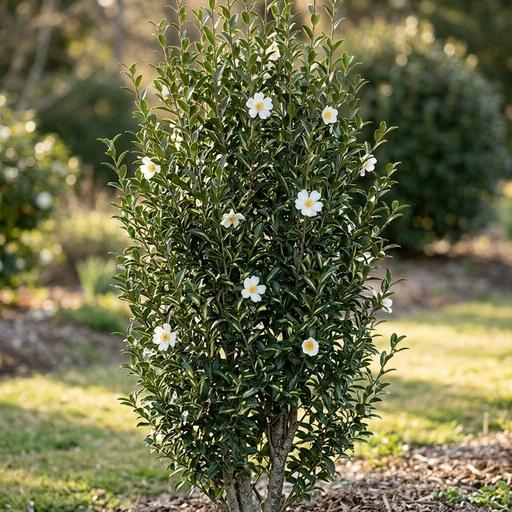
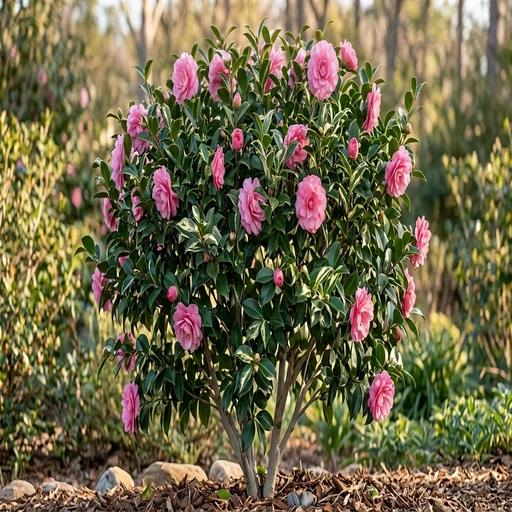
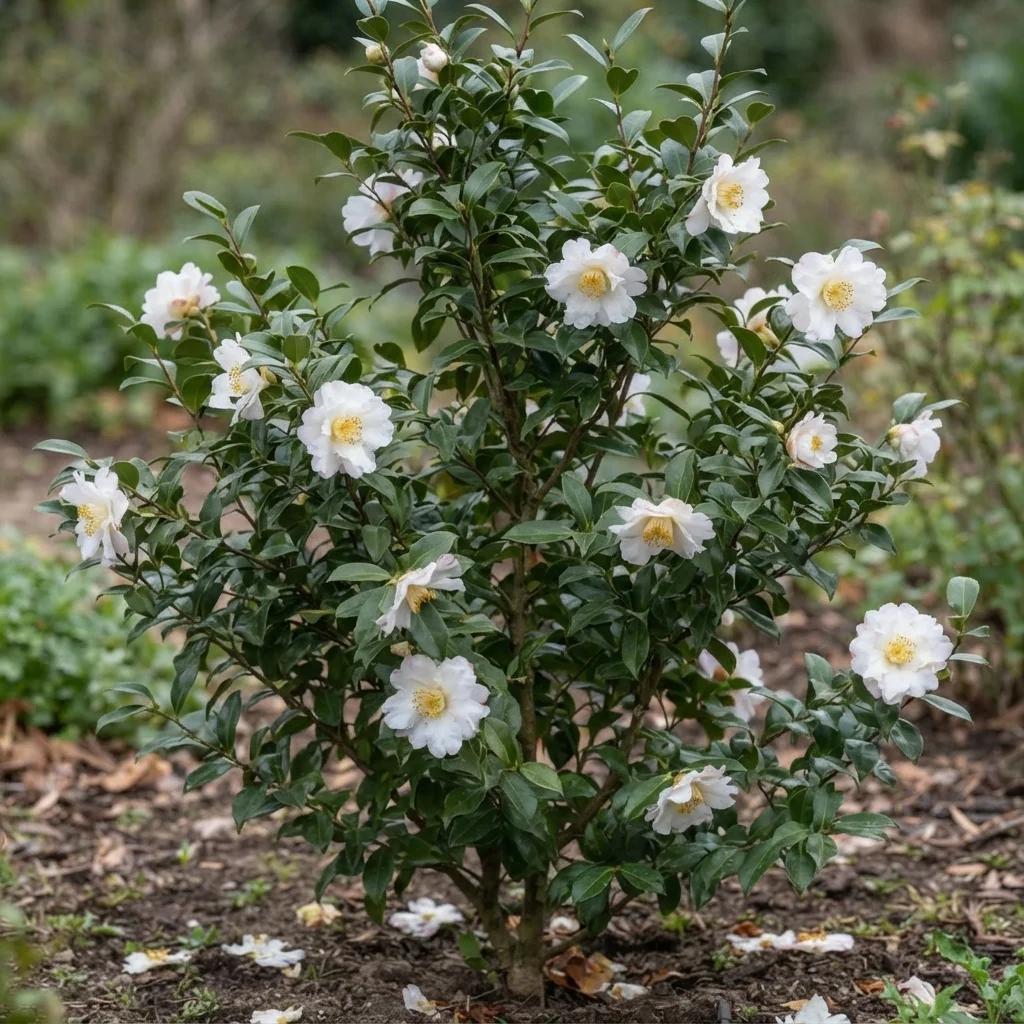
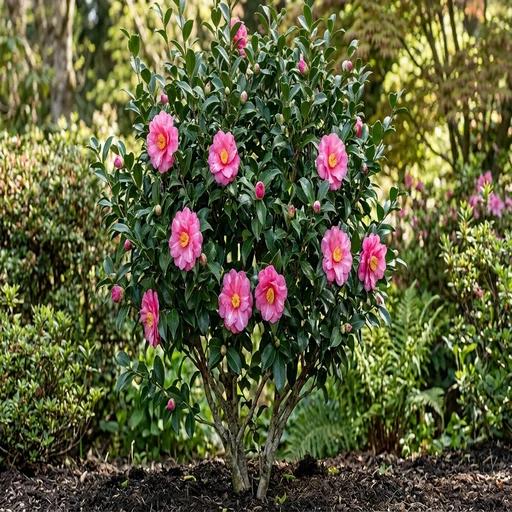









The Story
Plant Bio
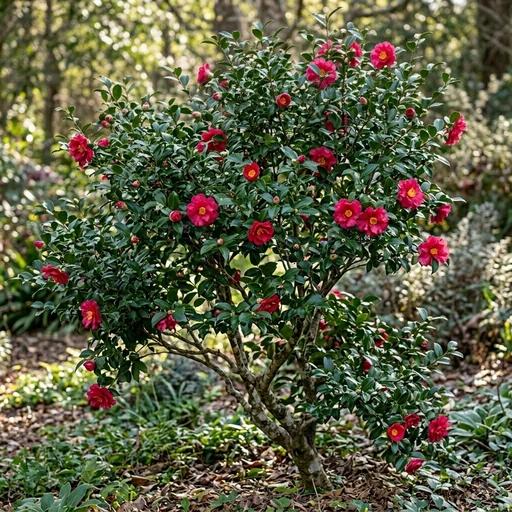
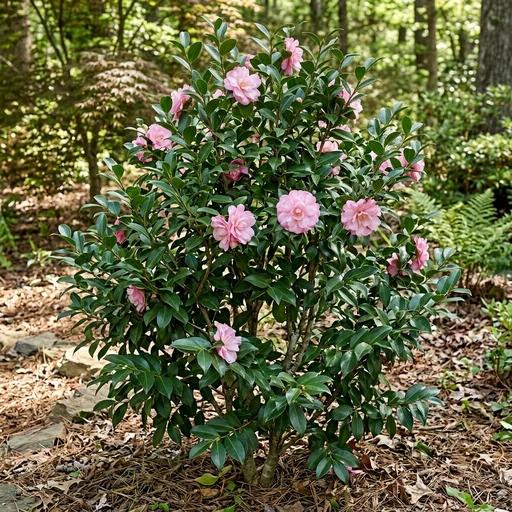
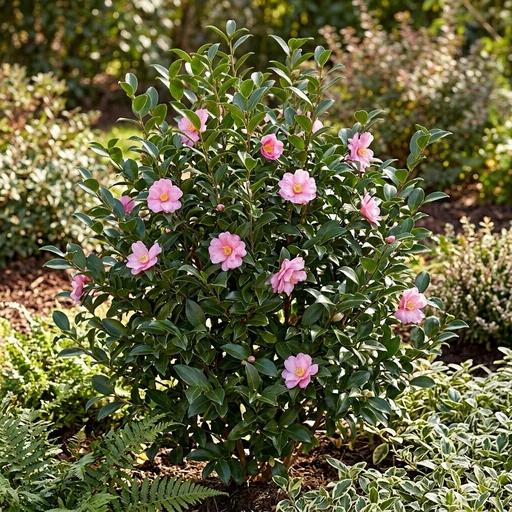
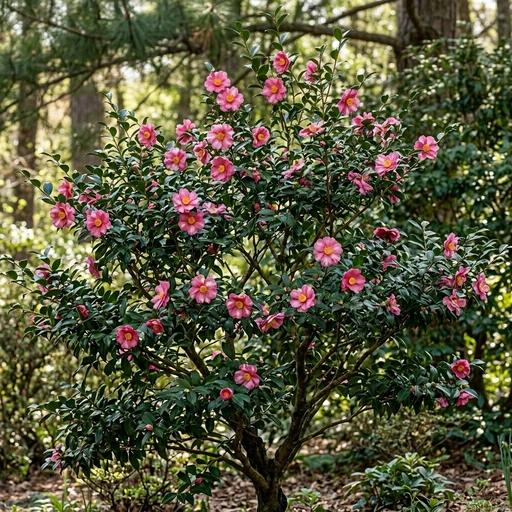
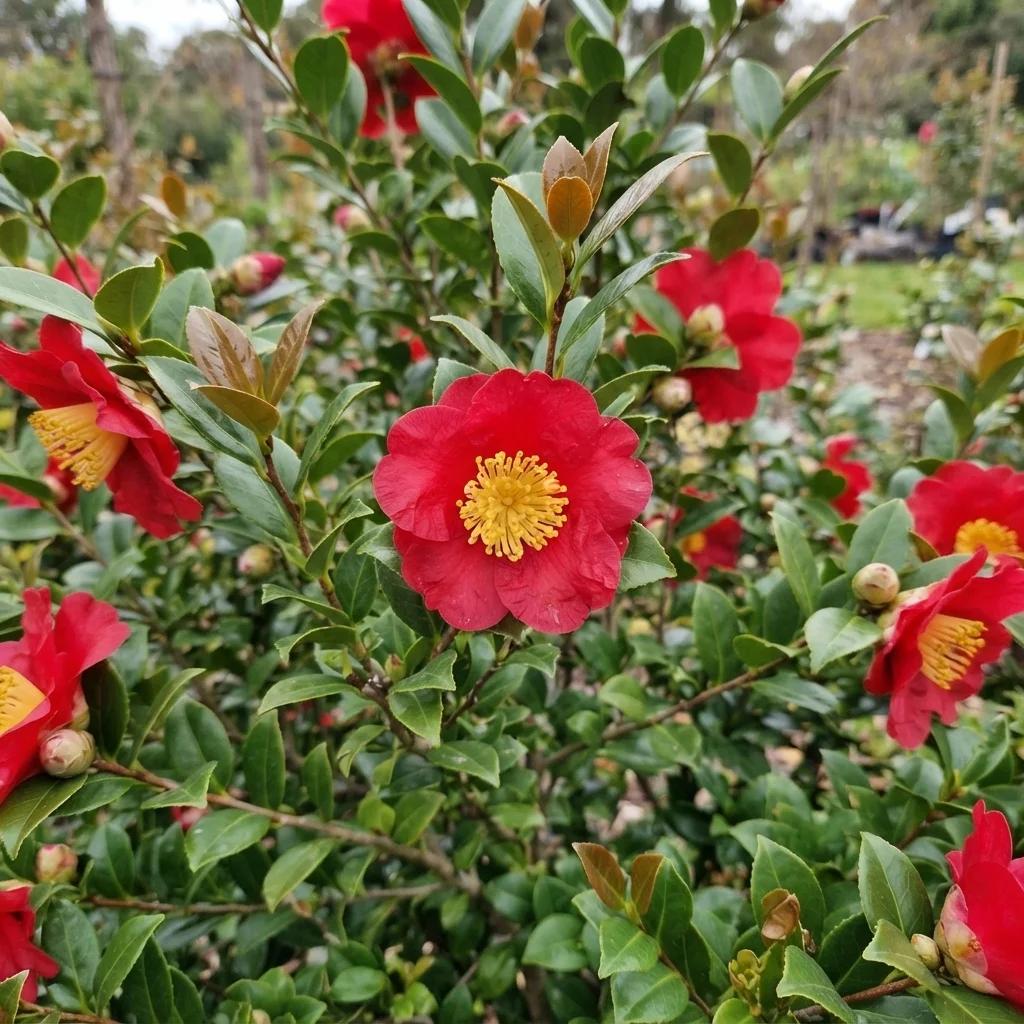
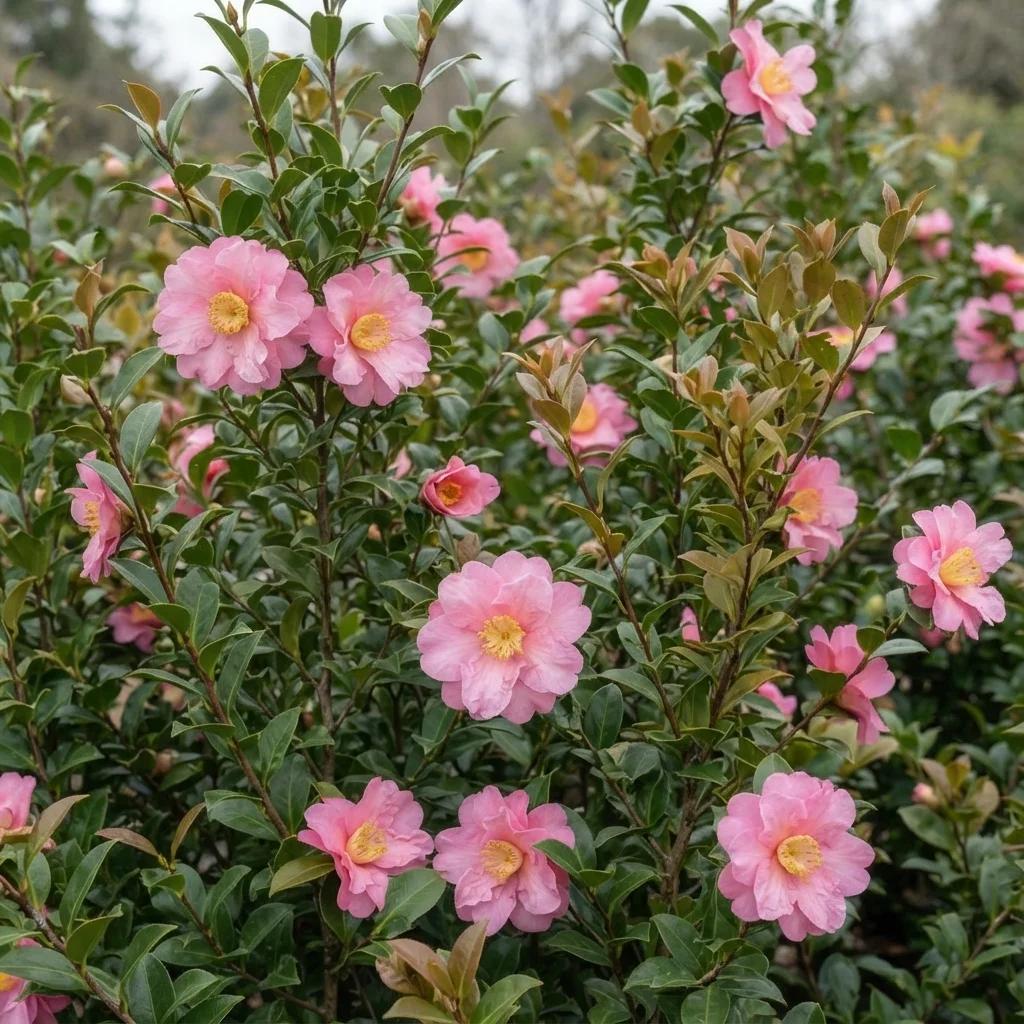
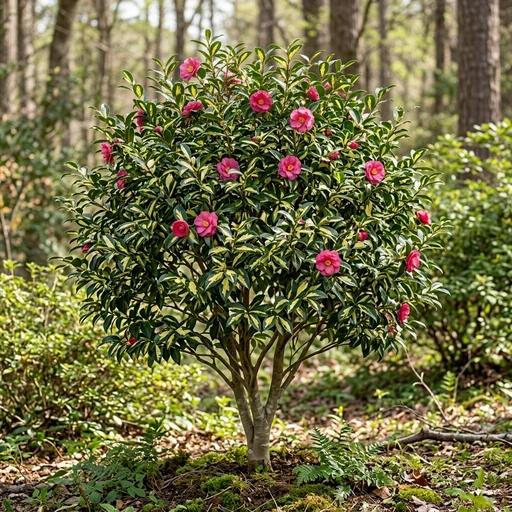
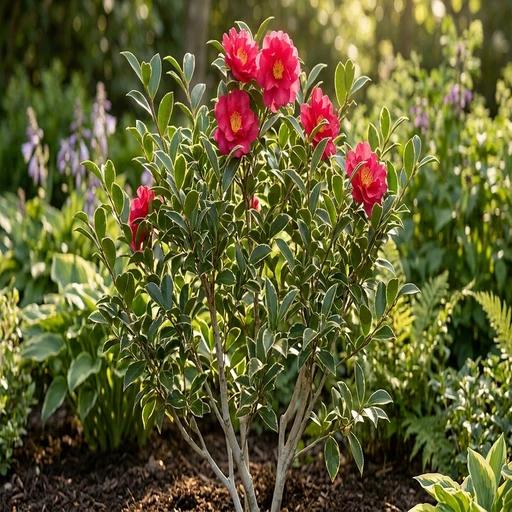
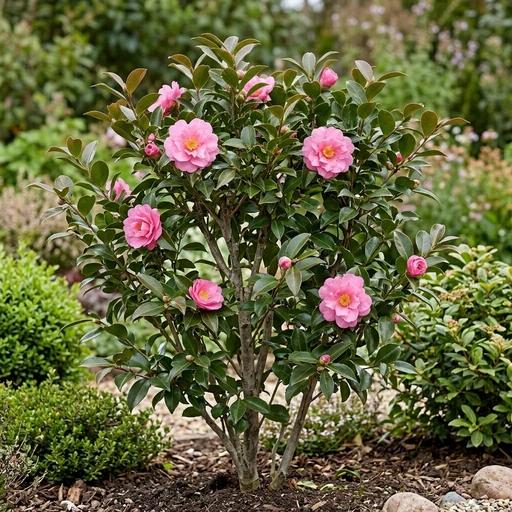
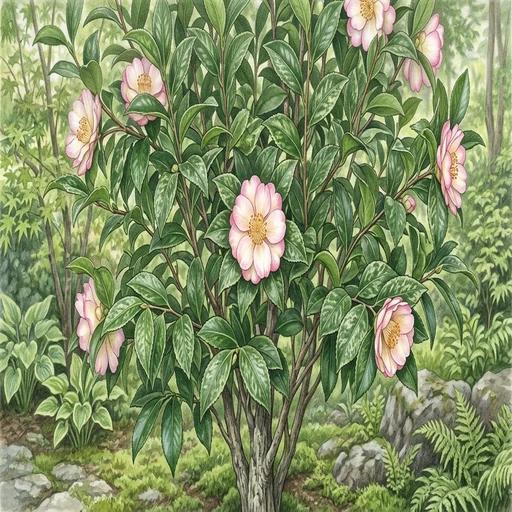
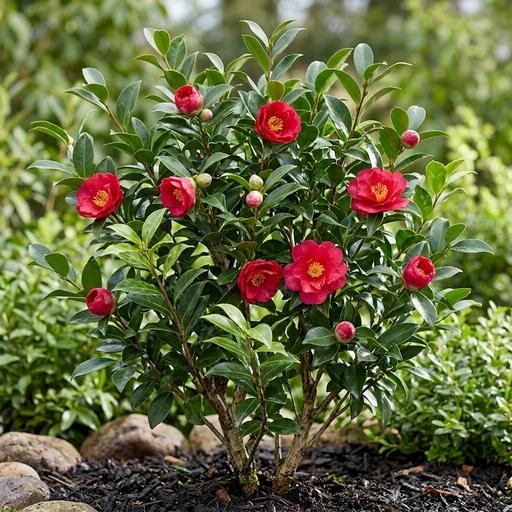
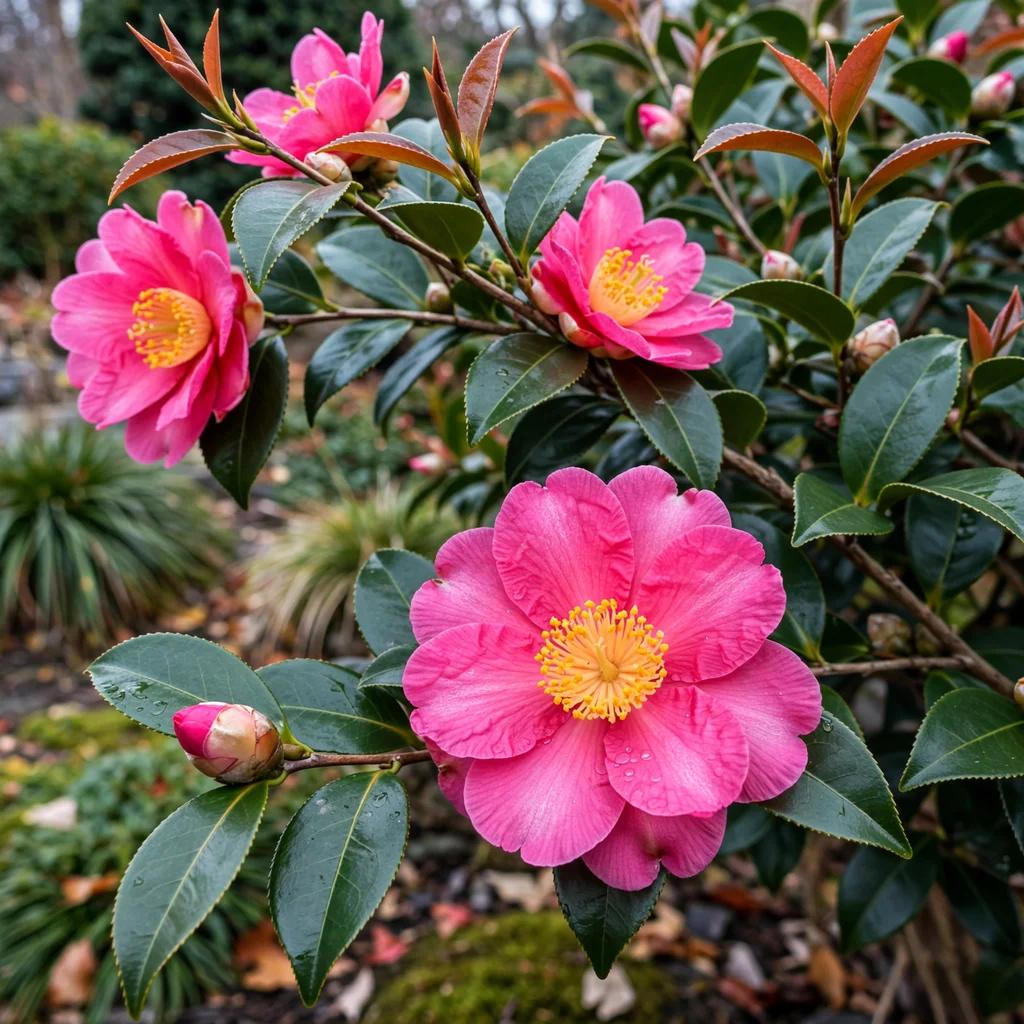
Camellia sasanqua are elegant, evergreen shrubs native to Japan, prized for their autumn and early winter blooms. They typically have a more open, spreading habit and smaller leaves than their C. japonica relatives and are more tolerant of sun.
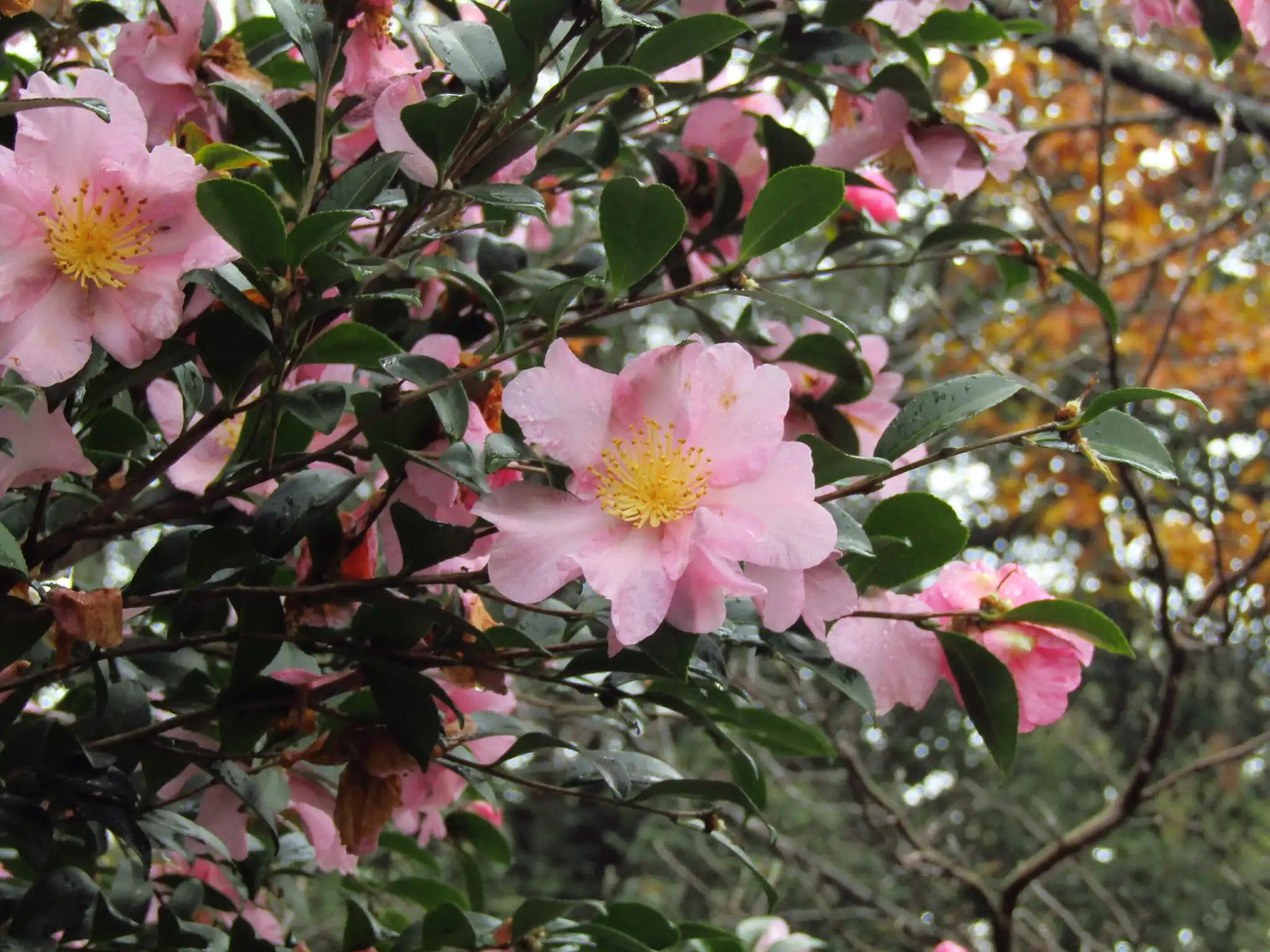
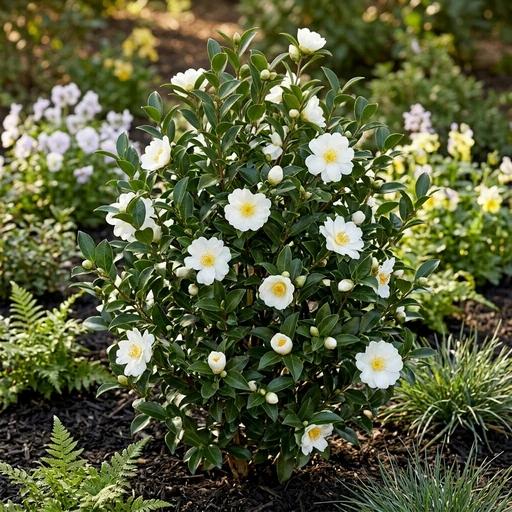
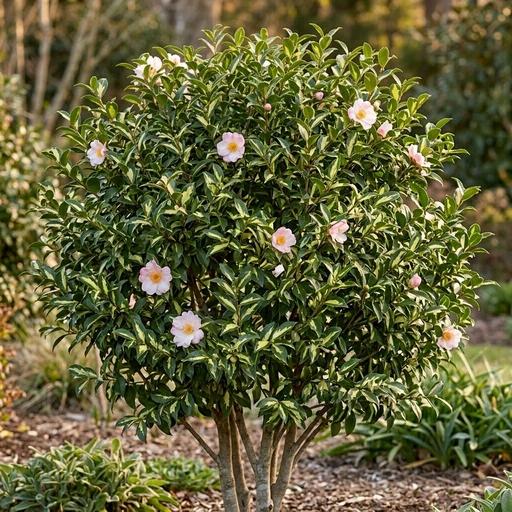
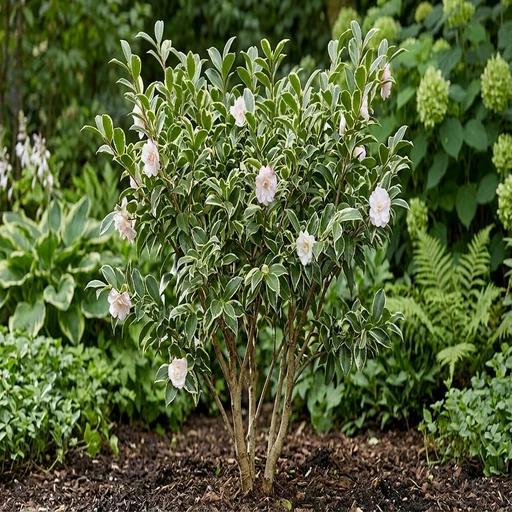
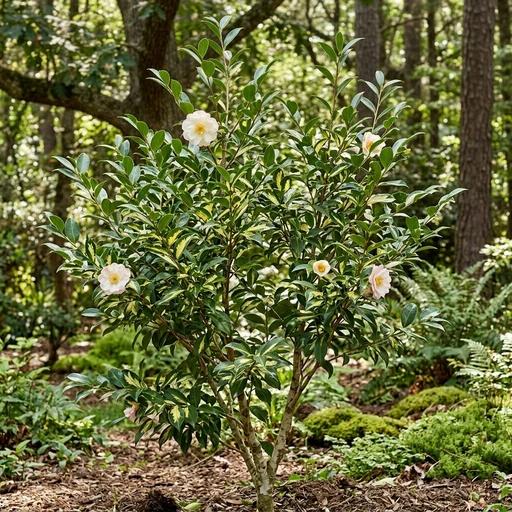
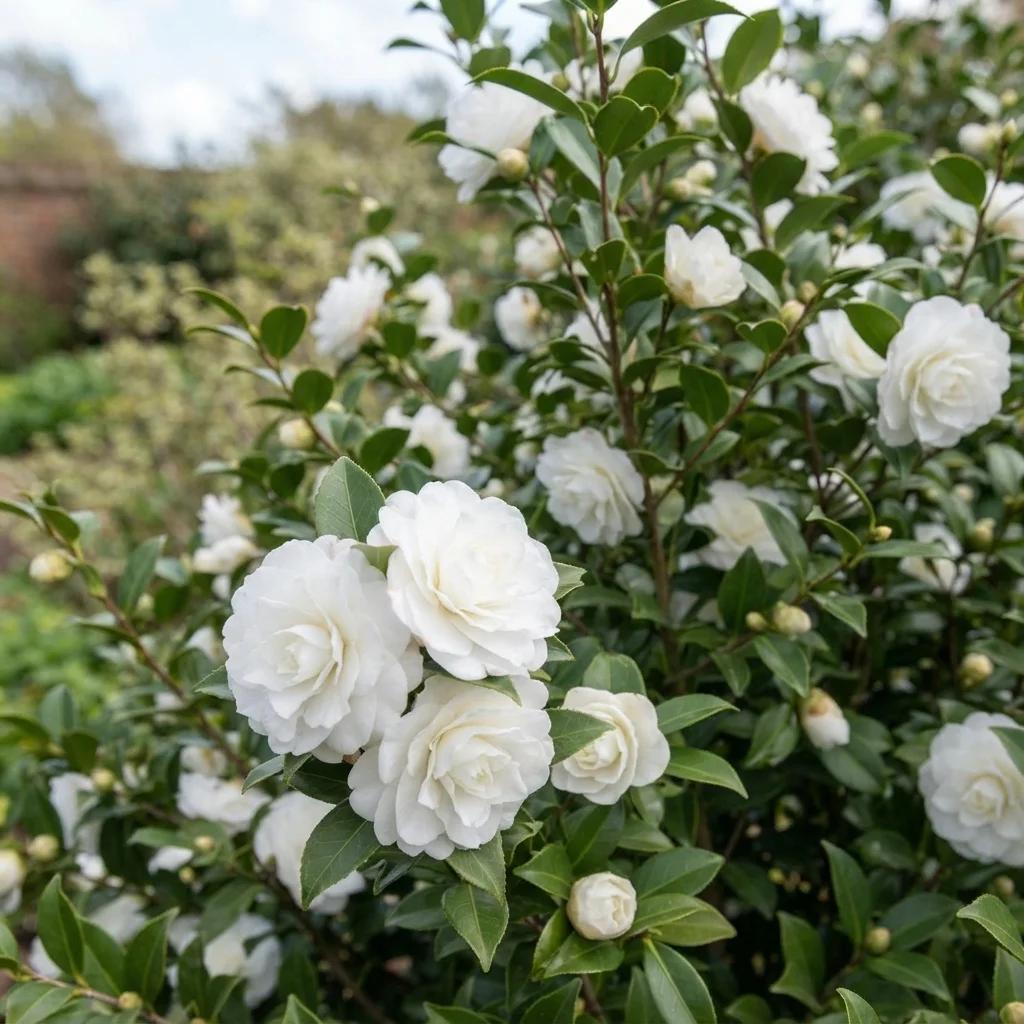
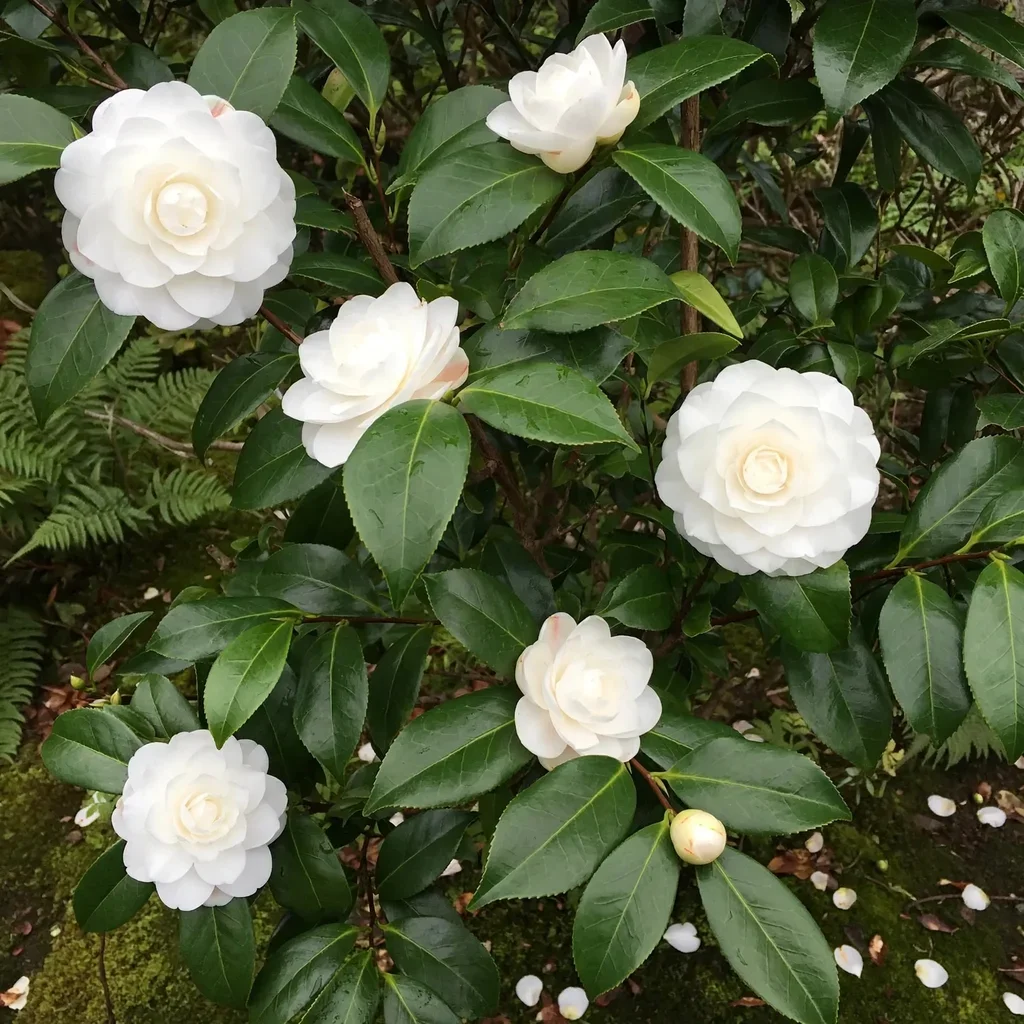
'Setsugekka' is a highly acclaimed cultivar known for its vigorous, slightly weeping growth habit and an abundance of large, fragrant, semi-double white flowers with beautifully ruffled petals surrounding a boss of golden stamens.
Uses & Benefits:
Essentials
At a Glance
Plant Type
Shrub
Height
120"
Width
96"
Light
Partial Sun, Shade
Zones
7, 8, 9
Water
Moderate
Humidity
High
Lifespan
Very long-lived shrub
Native To
Japan
Toxicity
Non-toxic
Bloom period
Mid-fall – Late winter
In flower about 5 months of the year
Marketplace
Where to Buy
Shipping costs Year-round shipping Free shipping
Planting
How to Grow
- Choose a site with acidic, well-drained soil and protection from winter wind.
- Provide morning sun and afternoon shade for best results.
- Dig a hole twice as wide and just as deep as the root ball.
- Set the plant 1-2 inches higher than the surrounding soil.
- Backfill with a mix of native soil and organic matter.
- Water deeply and apply a 2-3 inch layer of mulch.
Pro Tip
Plant high, with the top of the root ball 1-2 inches above the surrounding soil level, to ensure excellent drainage.
Keep It Thriving
Care Guide
Do
- Maintain a consistent layer of mulch over the root zone.
- Provide regular water, especially during dry spells.
- Use a fertilizer formulated for acid-loving plants.
- Protect from harsh afternoon sun and strong winter winds.
Don't
- Don't plant in alkaline or poorly drained soil.
- Avoid planting too deep, which can lead to root rot.
- Don't allow the soil to dry out completely.
- Don't cultivate or dig around the shallow root system.
Seasonal Care Calendar
| Task | Jan | Feb | Mar | Apr | May | Jun | Jul | Aug | Sep | Oct | Nov | Dec |
|---|---|---|---|---|---|---|---|---|---|---|---|---|
| Fertilize | ||||||||||||
| Mulch | ||||||||||||
| Plant | ||||||||||||
| Prune |
Watch Out For
Pests & Diseases
Common Pests
Common Diseases
In the Garden
Landscape Uses & Companions
Landscape Uses
Companion Plants
Multiply
Propagation Methods
Good to Know
Common Questions
Setsugekka Camellia questions
What zones can Setsugekka Camellia grow in?
Setsugekka Camellia is hardy in USDA Zones 7–9: in that range it survives winter in the ground. Colder than Zone 7, grow it in a container you can move to shelter for the winter. Warmer than Zone 9, winter isn't the problem: it prefers colder winters, and summer heat can shorten its life.
Is Setsugekka Camellia deer resistant?
Yes — Setsugekka Camellia is rated deer-resistant. Deer typically pass it over, though extreme hunger can override any plant's defenses.
When does Setsugekka Camellia bloom?
Setsugekka Camellia typically blooms from mid-fall to late winter. Exact timing shifts a week or two with your zone — Sow's bloom calendar maps it to your garden.
Does Setsugekka Camellia need full sun?
Setsugekka Camellia does best in part shade.
More Camellia to compare
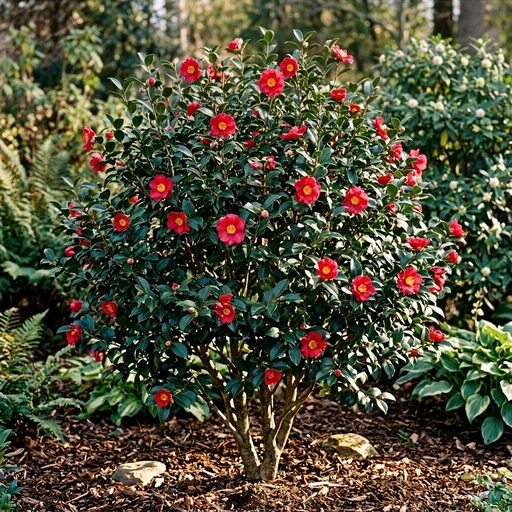
Yuletide Camellia
Camellia sasanqua 'Yuletide'
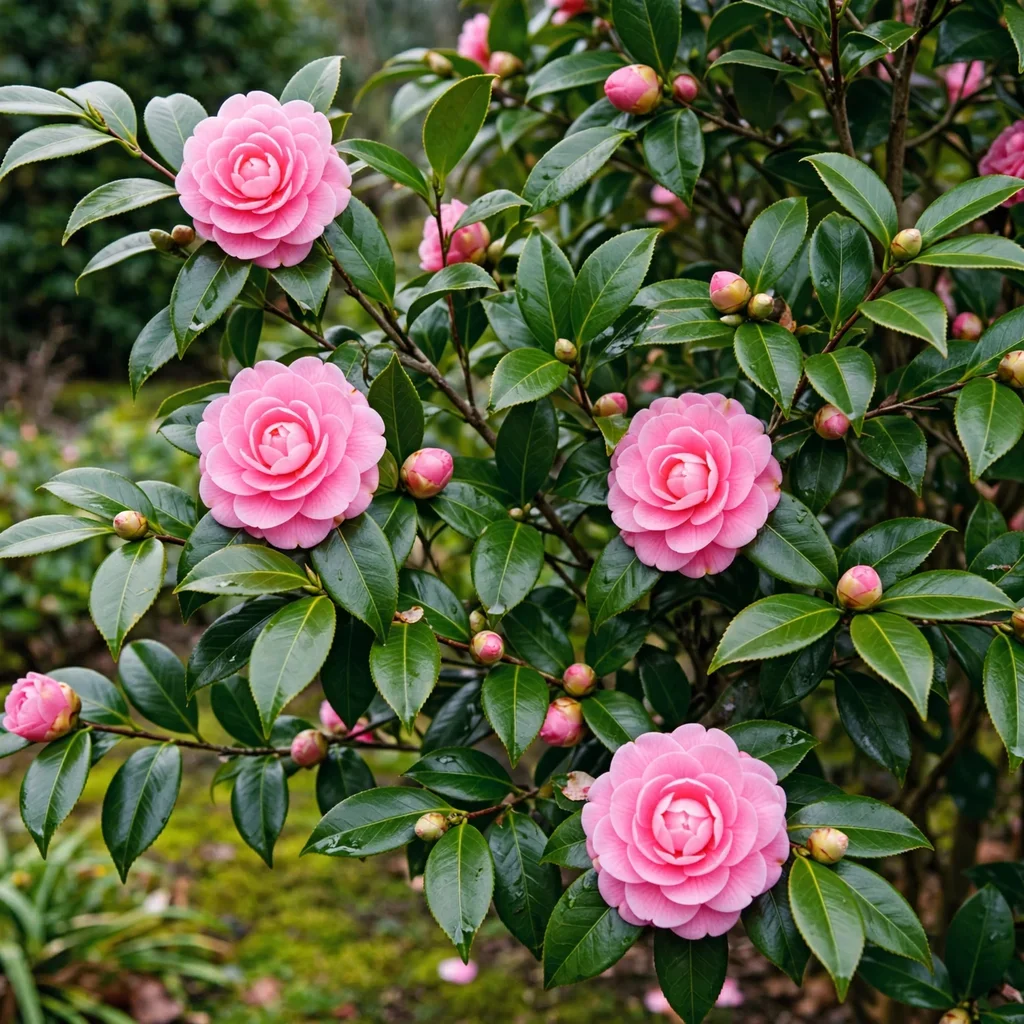
Classic Pink Camellia
Camellia japonica 'Classic Pink'
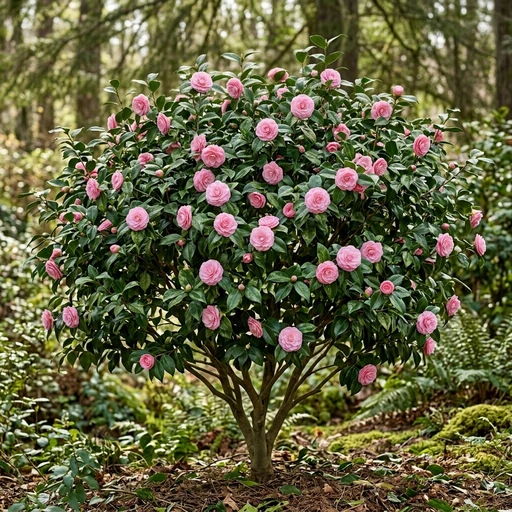
Sea Foam Camellia
Camellia japonica 'Sea Foam'
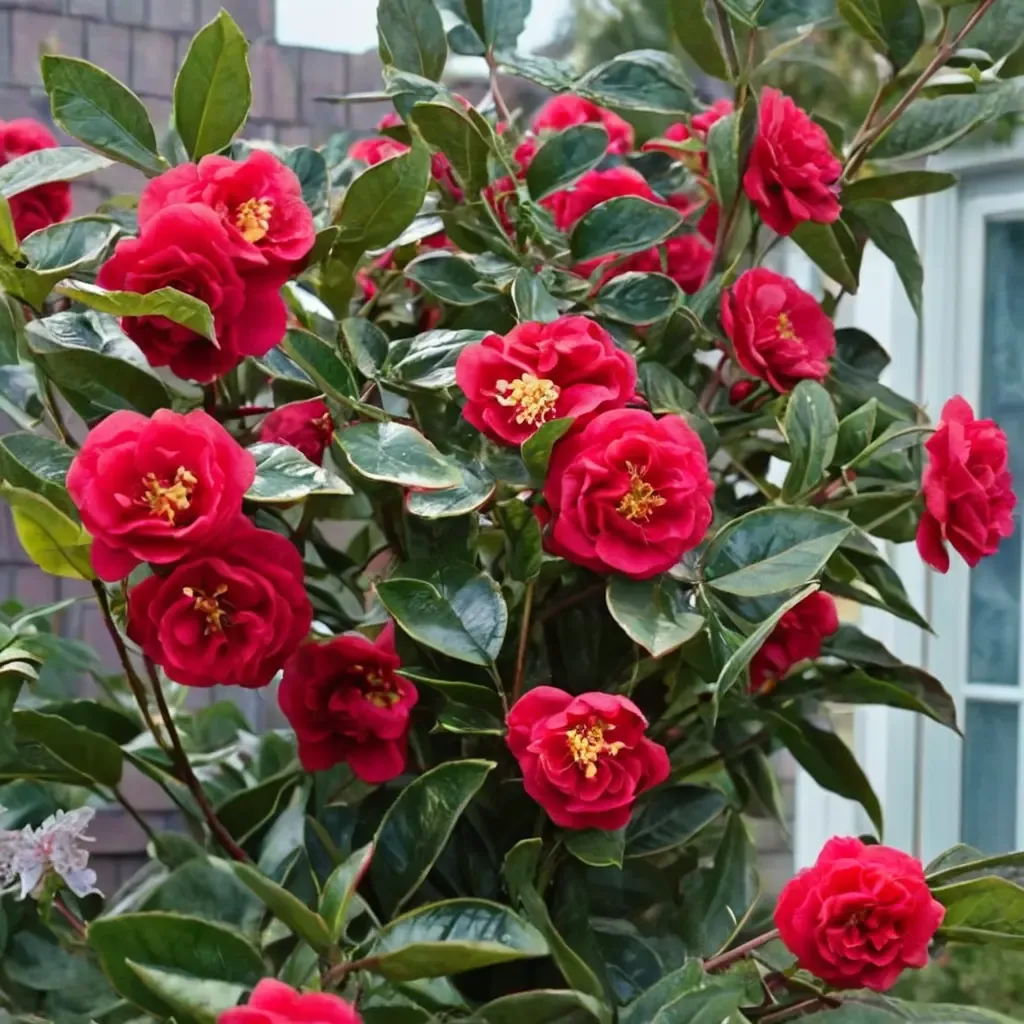
Early Wonder Camellia
Camellia japonica 'Early Wonder'
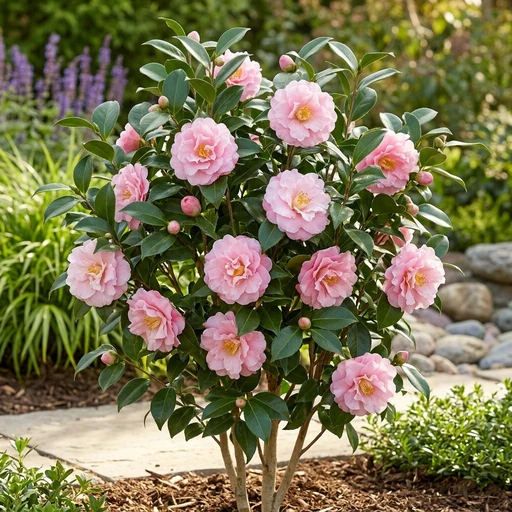
Kramer's Supreme Camellia
Camellia japonica 'Kramer's Supreme'
High Fragrance Camellia
Camellia x hybrida 'High Fragrance'
Keep exploring
Explore the genus
Hardy in your zone?
Grow Setsugekka Camellia with confidence
See it in a design of your actual yard, get zone-matched care reminders, and track it season by season in your garden journal.