Also known as Buttonbush · 203 saves
Cephalanthus
Cephalanthus, the genus most gardeners know as buttonbush. We track 5 varieties; the ones most used by real gardeners.
The 4 most-saved Cephalanthus varieties
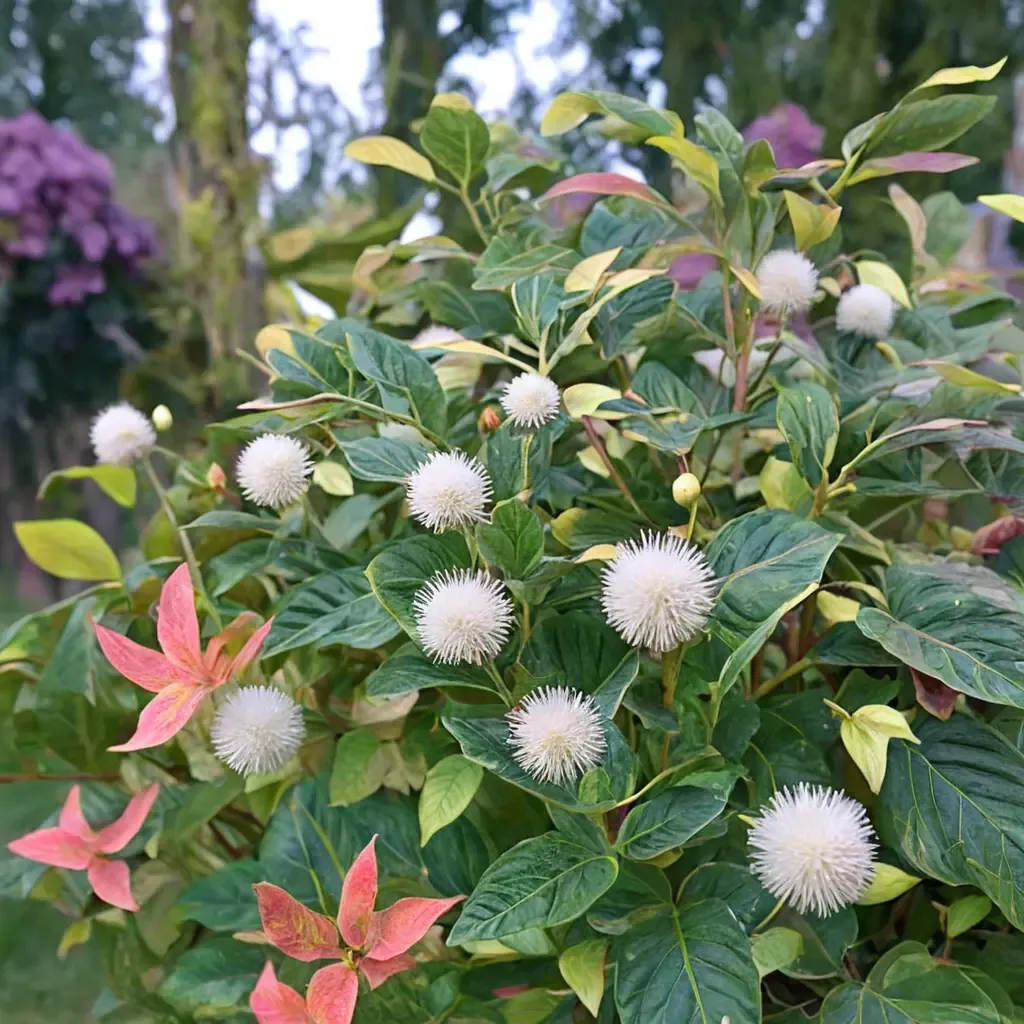
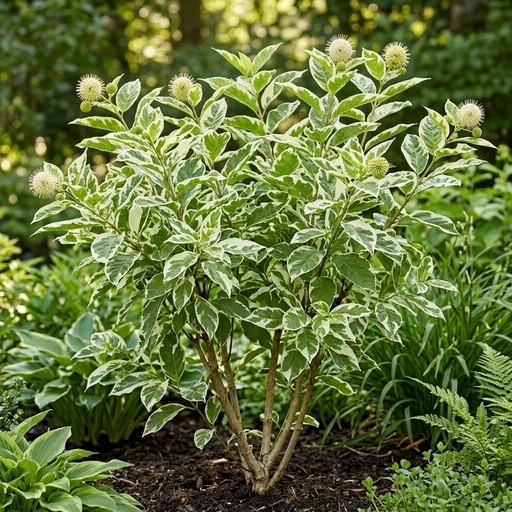
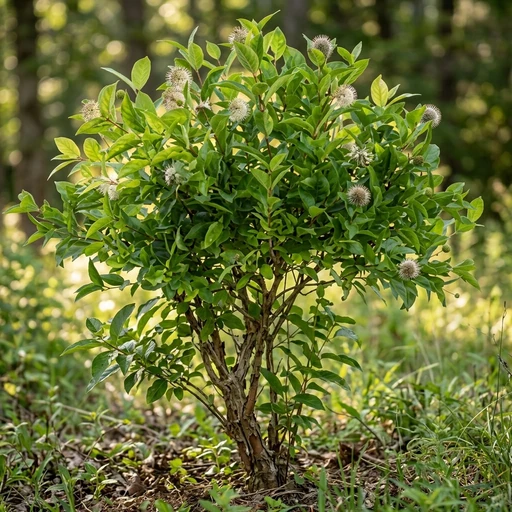
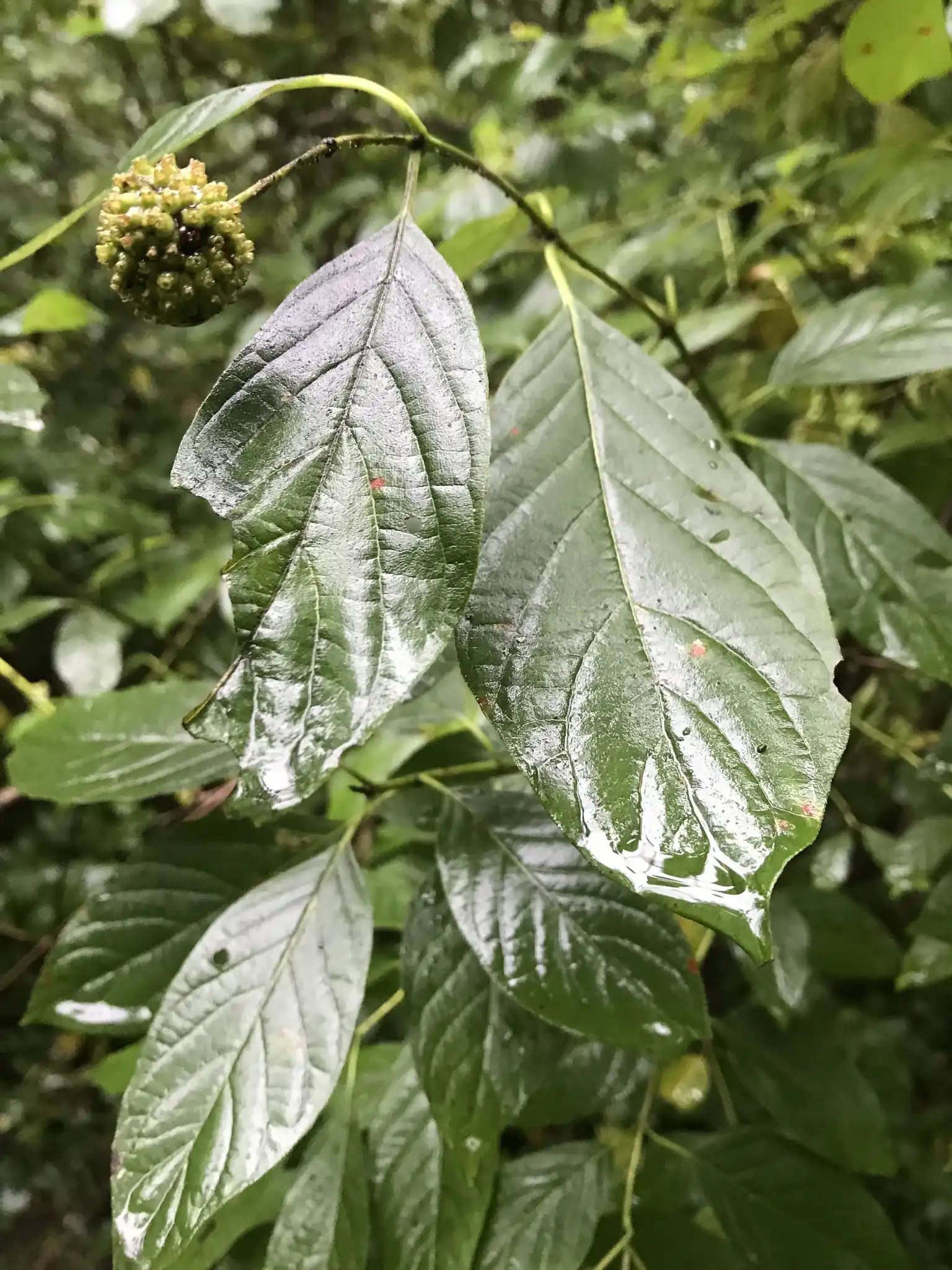
Browse all 5 Cephalanthus varieties →
Species of Cephalanthus
Each one is a parent of the varieties above.
Track your Cephalanthus in Sow
Save the Cephalanthus you grow and get care reminders timed to your zone.
How to grow Cephalanthus
Whats common across all Cephalanthus varieties in our catalog — drawn from the care records of the 5 most-grown of them.
The Cephalanthus year
- PruneFebruary–April100% of varieties
Prune back hard in late winter to encourage vigorous growth and heavy flowering.
- MulchMay80% of varieties
Apply a thick layer of organic mulch to help retain soil moisture.
- PlantApril–June40% of varieties
Plant in spring in a location that stays consistently moist or wet.
- FertilizeApril40% of varieties
Apply a balanced slow-release fertilizer in early spring as new growth appears.


Do
- Provide plenty of water; this plant cannot be overwatered.
- Plant in full sun for the best flower production.
- Prune back in late winter or early spring to maintain a compact shape.
- Enjoy the parade of butterflies and bees that will visit the flowers.
- Water regularly, especially during dry spells 🌱
Avoid
- Avoid planting in deep shade, which will reduce flowering.
- Don't plant in dry soil; it will not survive.
- Don't worry about deer; they generally avoid it.
- Do not allow livestock to graze on the foliage as it is toxic to them.
What goes wrong with Cephalanthus
| Problem | What you'll see | What to do |
|---|---|---|
| Aphids | Sticky residue and distorted leaves | Spray with insecticidal soap organically or use neem oil |
| General insects | Occasional chewing on leaves. | Generally pest-free. The plant is tough and damage is usually minor and cosmetic. Tolerate it as part of the ecosystem. |
| Spider mites | Fine web silk on branch tips and stippled foliage during dry periods. | Rinse leaves thoroughly with water jets or apply horticultural oil. |
| Scale insects | Small waxy shell bumps along stems and reduced branch vigor. | Apply horticultural oil during early spring dormant periods. |
| Powdery mildew | White powdery coating on leaves | Improve air circulation and apply organic fungicide |
| N/A | This plant is remarkably free of significant disease problems. | Provide proper cultural conditions (moist soil, sun) and it will thrive. |
| Root rot | Wilting foliage and stem collapse caused by stagnant, polluted water conditions. | Improve water flow and maintain balanced organic soil conditions. |
Making more Cephalanthus
Softwood Cuttings
- Take 6-inch cuttings of new growth in early summer.
- Remove lower leaves and dip in rooting hormone.
- Stick in a moist potting medium.
- Cuttings root very easily, often within 3-4 weeks.
Hardwood Cuttings
- Take 8-10 inch cuttings from dormant stems in late fall.
- Stick them directly into a moist, protected outdoor bed.
- Leave two buds above the soil line.
- They will root and leaf out the following spring.
Cephalanthus questions
How many types of Cephalanthus are there?
The Sow catalog tracks 5 distinct Cephalanthus varieties. The most popular — ranked by 203 real gardeners — are shown first above.
What zones does Cephalanthus grow in?
Across its varieties, Cephalanthus covers USDA Zones 4–10. Individual varieties differ — each plant page lists its exact range, and Sow filters the catalog to your zone automatically.
When does Cephalanthus bloom?
Most Cephalanthus varieties bloom in mid-summer, early summer, early summer to early fall. Staggering early, mid, and late varieties extends the genus's season in one bed.
Which Cephalanthus should I choose?
Start from the most-saved varieties above — popularity across thousands of gardens is a strong signal of reliability — then filter by your zone and sun. In the Sow app you can preview any of them in a photo of your actual yard before you buy.