Also known as Flowering Quince · 130 saves
Chaenomeles
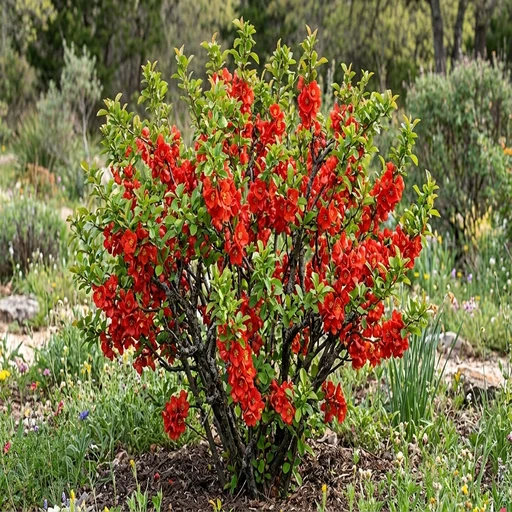
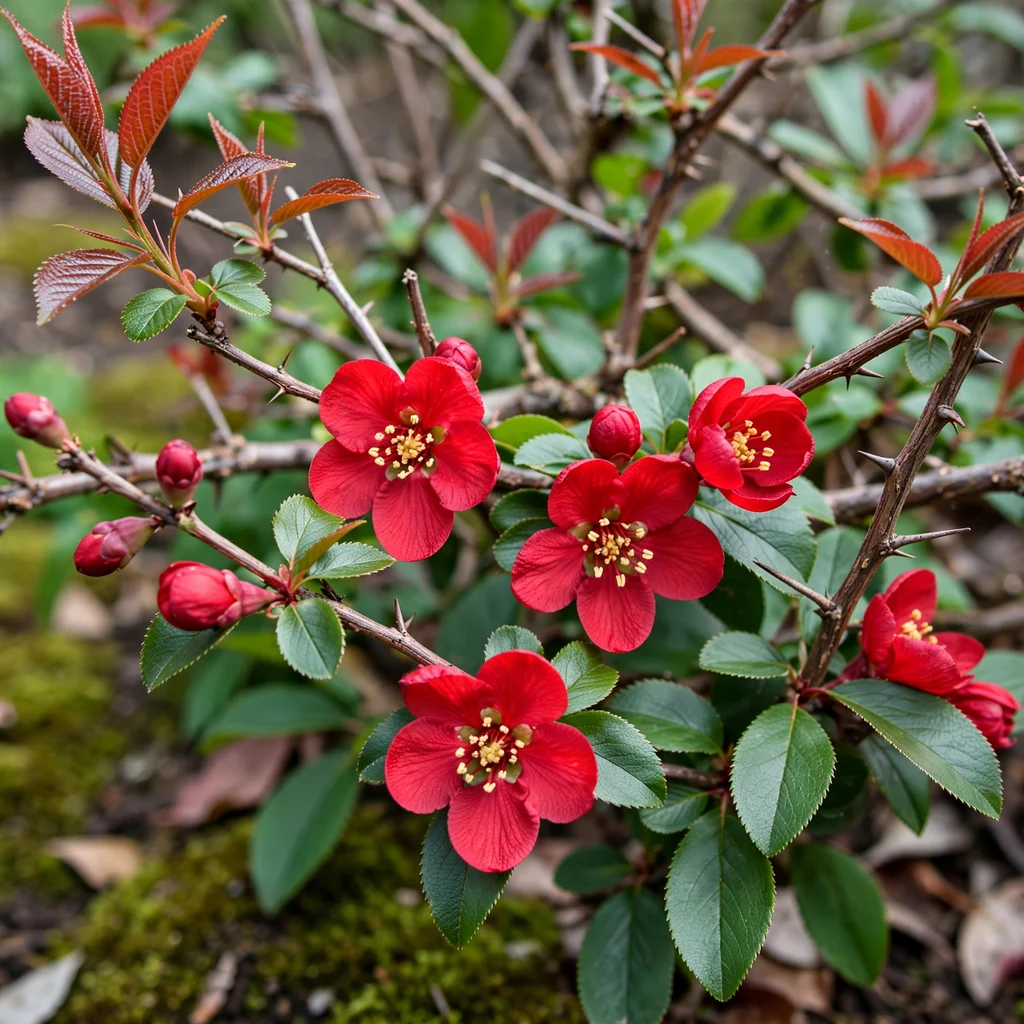
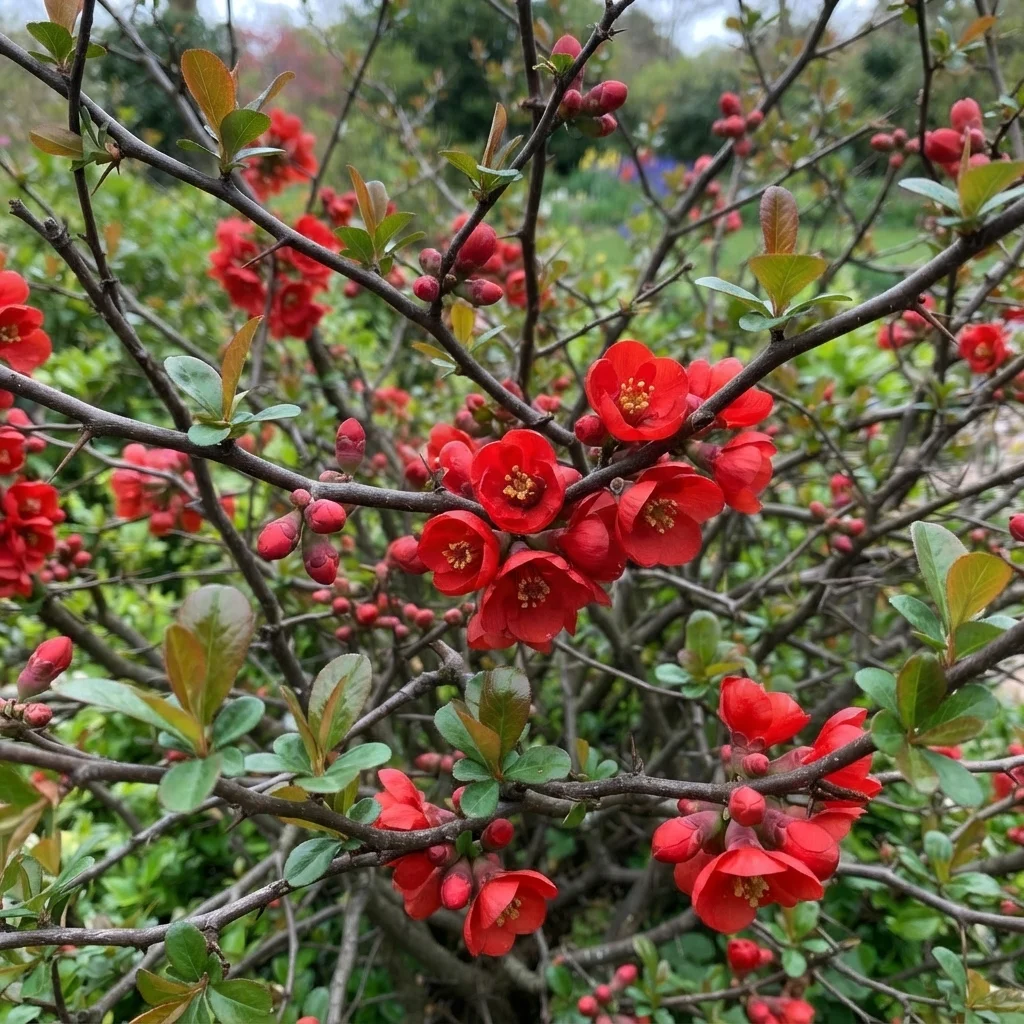
Chaenomeles, the genus most gardeners know as flowering quince. We track 8 varieties; the ones most used by real gardeners.
The 7 most-saved Chaenomeles varieties
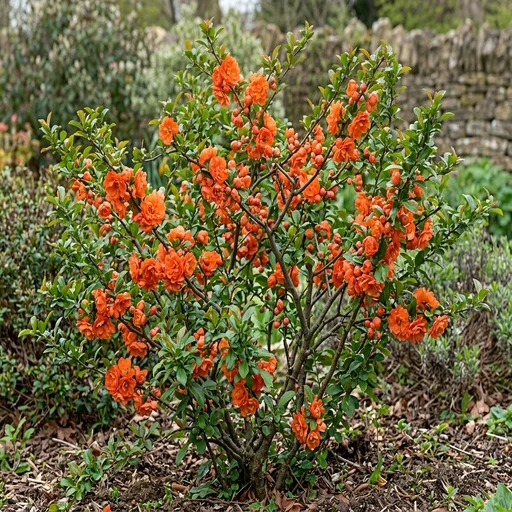
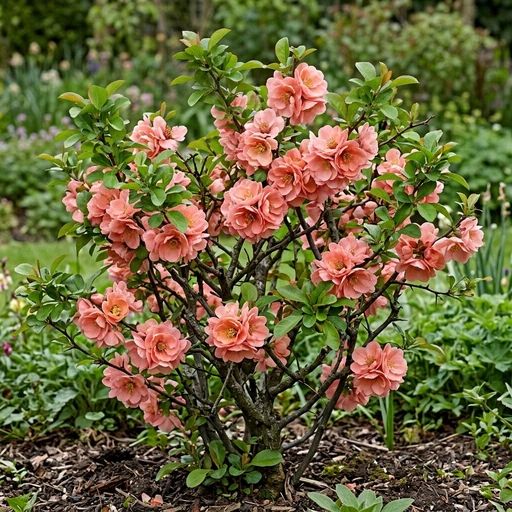
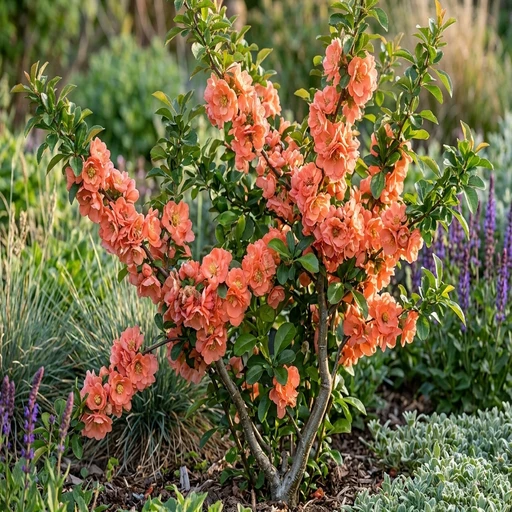
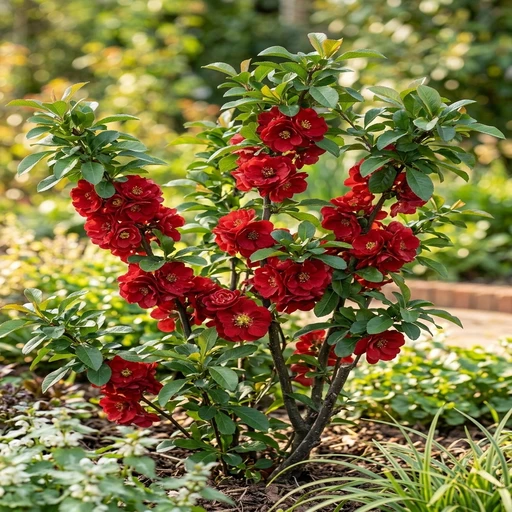
Browse all 8 Chaenomeles varieties →
2 species of Chaenomeles
Each one is a parent of the varieties above.
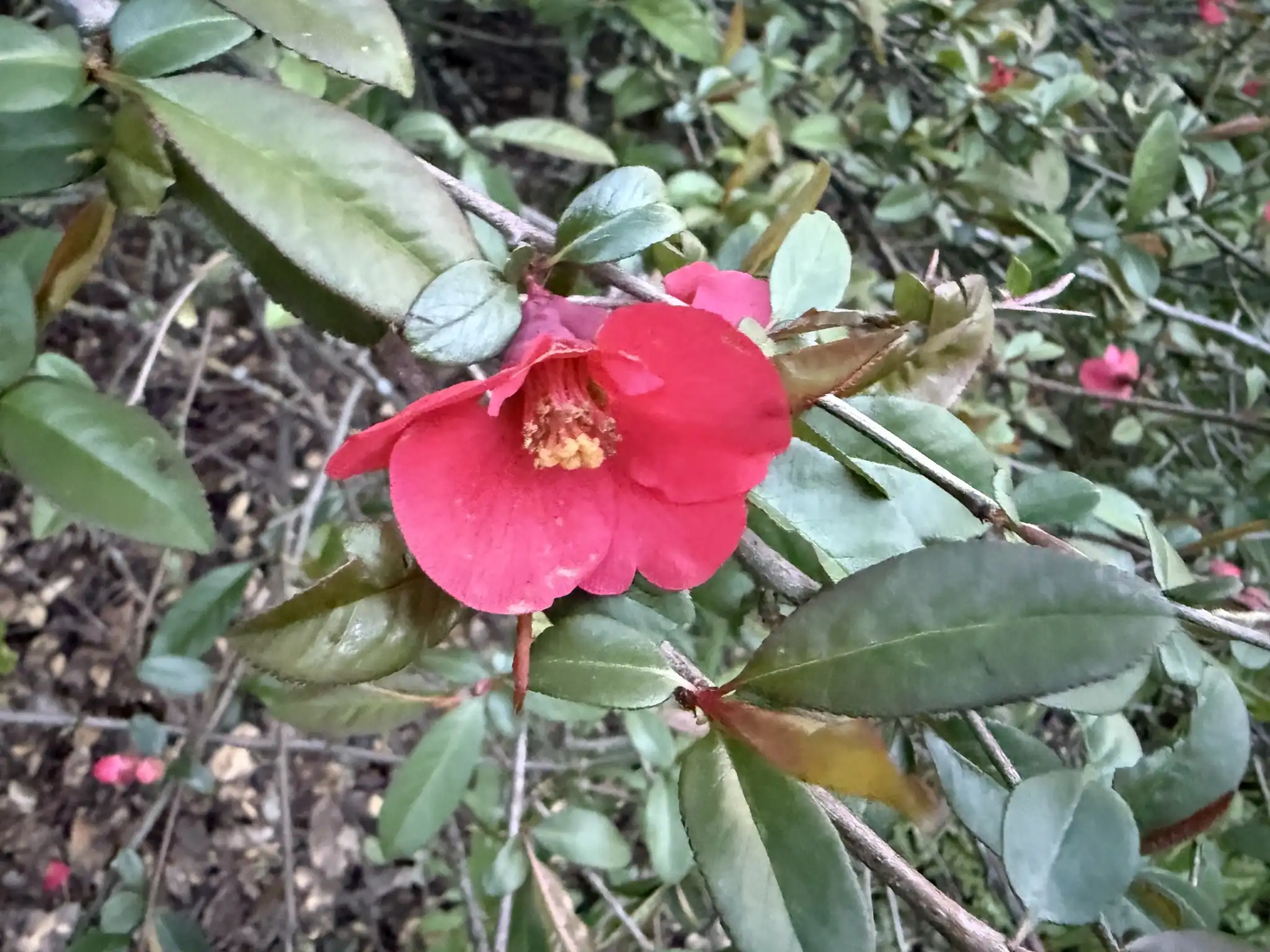
Track your Chaenomeles in Sow
Save the Chaenomeles you grow and get care reminders timed to your zone.
How to grow Chaenomeles
Whats common across all Chaenomeles varieties in our catalog — drawn from the care records of the 8 most-grown of them.
The Chaenomeles year
- PruneMay and June100% of varieties
Prune immediately after flowering to shape the plant and remove suckers.
- FertilizeApril88% of varieties
Apply a balanced fertilizer in early spring before new growth begins.


Do
- Prune right after flowering to avoid cutting off next year's buds.
- Cut branches in late winter to force into bloom indoors.
- Plant in full sun for maximum blooms.
- Remove any root suckers to maintain a tidy shape.
- Provide full sun for maximum blooms.
Avoid
- Don't prune in late summer, fall, or winter.
- Avoid planting in shady spots, which will result in sparse flowering.
- Don't overwater; it is susceptible to root rot in soggy soil.
- Don't worry about its sparse, nearly thornless nature; it's a feature of 'Cameo'.
What goes wrong with Chaenomeles
| Problem | What you'll see | What to do |
|---|---|---|
| Aphids | Clusters of small insects on new growth, sticky residue. | A strong jet of water can dislodge them. Use insecticidal soap or neem oil for heavier infestations. |
| Spider mites | Fine webbing on leaf undersides and stippled, yellowing foliage. | Apply miticides or spray the undersides of leaves forcefully with water. |
| Japanese beetles | Skeletonized leaves with large, metallic green beetles feeding in midsummer. | Hand-pick beetles into soapy water or apply appropriate insecticides. |
| Scale | Small bumps on stems with yellowing foliage | Apply horticultural oil during dormancy |
| Fungal Leaf Spot | Brown or black spots on leaves, can cause some defoliation. | Improve air circulation. Rake up and destroy fallen leaves. Apply a fungicide if the problem is severe and persistent. |
| Fire Blight | Sudden wilting and blackening of branch tips, looking as if scorched by fire. | Prune off infected branches, cutting at least 12 inches into healthy wood. Disinfect pruners between each cut. Avoid high-nitrogen fertilizer. |
| Fire blight | Blackened, scorched-looking twigs and branches that bend into a shepherd's crook. | Prune infected wood several inches below the visible canker using tools disinfected between cuts. |
Making more Chaenomeles
Softwood Cuttings
- In early summer, take 4-6 inch cuttings from new growth.
- Remove lower leaves and dip the base in rooting hormone.
- Stick cuttings in a moist, sterile medium like perlite or sand.
- Cover with plastic to maintain humidity; roots form in about 6 weeks.
Softwood cuttings
- Take 6-inch cuttings of new growth in early summer.
- Remove lower leaves and dip in rooting hormone.
- Stick in a moist, well-drained medium.
- Keep humid; rooting occurs in about 6-8 weeks. Note: Patented plant, propagation is prohibited.
Chaenomeles questions
How many types of Chaenomeles are there?
The Sow catalog tracks 8 distinct Chaenomeles varieties. The most popular — ranked by 130 real gardeners — are shown first above.
What zones does Chaenomeles grow in?
Across its varieties, Chaenomeles covers USDA Zones 4–9. Individual varieties differ — each plant page lists its exact range, and Sow filters the catalog to your zone automatically.
When does Chaenomeles bloom?
Most Chaenomeles varieties bloom in early spring, late winter. Staggering early, mid, and late varieties extends the genus's season in one bed.
Which Chaenomeles should I choose?
Start from the most-saved varieties above — popularity across thousands of gardens is a strong signal of reliability — then filter by your zone and sun. In the Sow app you can preview any of them in a photo of your actual yard before you buy.