Also known as Summersweet · 326 saves
Clethra
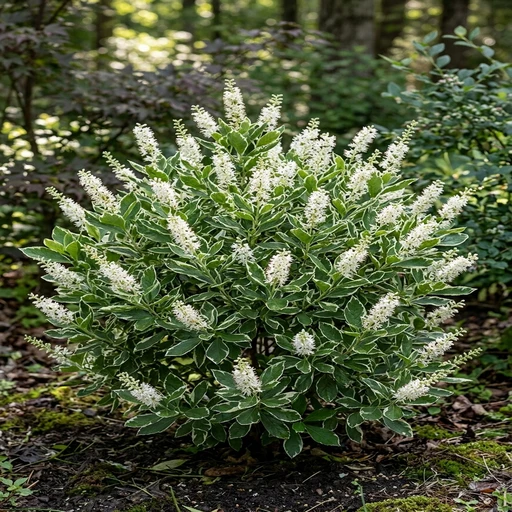
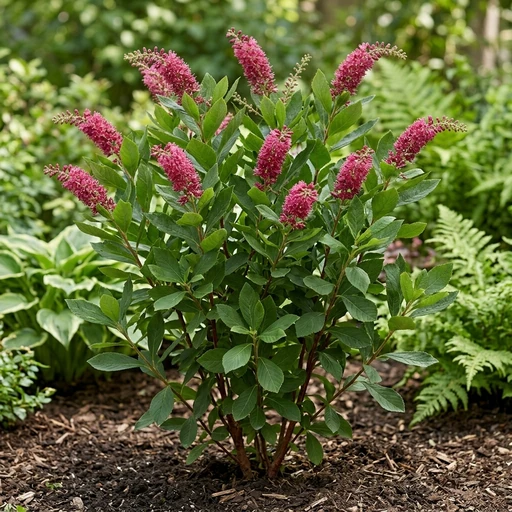
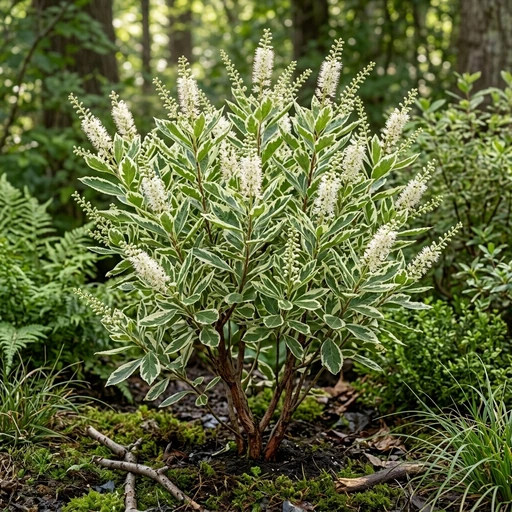
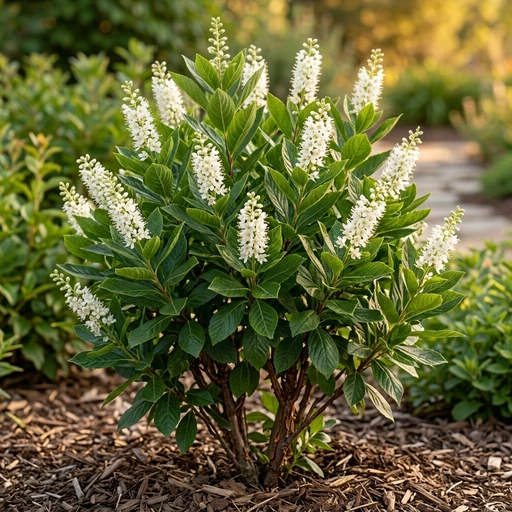
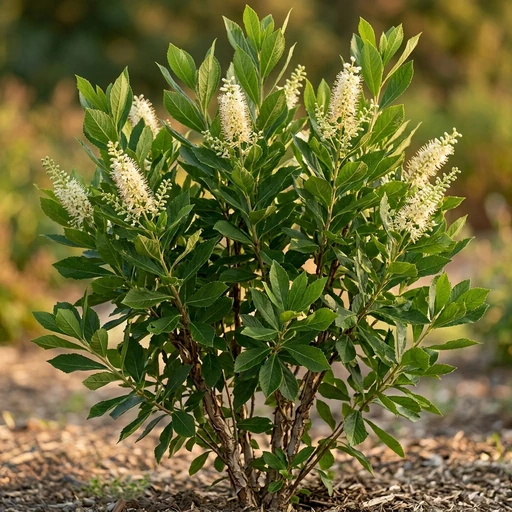
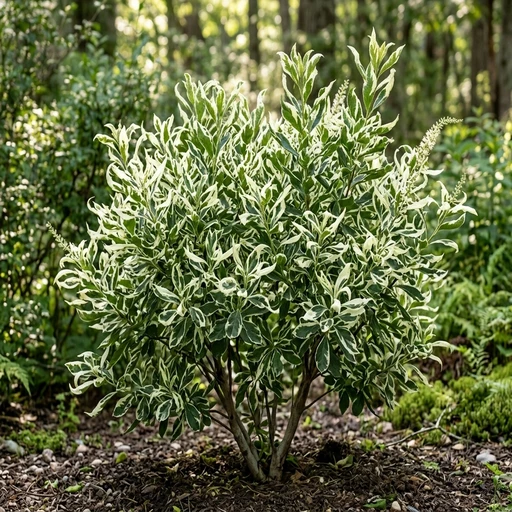
Clethra, the genus most gardeners know as summersweet. We track 6 varieties; the ones most used by real gardeners.
The 6 most-saved Clethra varieties
Track your Clethra in Sow
Save the Clethra you grow and get care reminders timed to your zone.
How to grow Clethra
Whats common across all Clethra varieties in our catalog — drawn from the care records of the 6 most-grown of them.
The Clethra year
- MulchApril, May and November100% of varieties
Maintain a layer of organic mulch to conserve moisture.
- PruneMarch and April100% of varieties
Prune in late winter or early spring to shape and remove deadwood.
- FertilizeApril and May67% of varieties
Apply an acid-forming fertilizer in spring if soil is alkaline.
- PlantApril, May, October and November50% of varieties
Plant in moist, acidic soil in spring or fall.


Do
- Provide consistently moist soil.
- Mulch well to keep roots cool and moist.
- Prune in early spring before new growth begins to shape the plant.
- Plant in groups for a stunning floral and fragrant display.
- Provide consistent moisture, especially in the first year and during dry spells.
Avoid
- Avoid letting the soil dry out completely.
- Don't let the soil dry out, especially in summer.
- Avoid planting in alkaline soils, which causes yellowing leaves.
- Don't prune after new growth starts, as this will remove flower buds.
What goes wrong with Clethra
| Problem | What you'll see | What to do |
|---|---|---|
| Spider Mites | Fine webbing on leaves, stippling, and yellowing foliage, especially in hot, dry conditions. | Increase humidity by spraying with water. Apply insecticidal soap or horticultural oil. Encourage predatory mites. |
| Root Rot | Wilting, yellowing leaves, and mushy, brown roots, caused by overly saturated soil. | Ensure proper drainage at planting. Avoid overwatering. There is no chemical cure; improve soil conditions or relocate the plant. |
| Leaf Spot | Brown or black spots on leaves, usually cosmetic. | Improve air circulation. Rake up and destroy fallen leaves in autumn. Generally does not require chemical treatment. |
| None | Clethra is known for being exceptionally free of disease problems. | No action is typically required. Good cultural practices (proper siting and watering) prevent most issues. |
Making more Clethra
Division
- In early spring, dig up the entire clump.
- Use a sharp spade to divide the root ball into sections.
- Ensure each division has ample roots and several stems.
- Replant the divisions immediately and water well.
Softwood Cuttings
- Take 4-6 inch cuttings from new growth in early summer.
- Remove lower leaves and dip the cut end in rooting hormone.
- Stick cuttings in a moist mix of perlite and peat.
- Cover with a plastic dome to maintain high humidity.
- Roots should form in 4-6 weeks.
Clethra questions
How many types of Clethra are there?
The Sow catalog tracks 6 distinct Clethra varieties. The most popular — ranked by 326 real gardeners — are shown first above.
What zones does Clethra grow in?
Across its varieties, Clethra covers USDA Zones 4–9. Individual varieties differ — each plant page lists its exact range, and Sow filters the catalog to your zone automatically.
When does Clethra bloom?
Most Clethra varieties bloom in mid-summer. Staggering early, mid, and late varieties extends the genus's season in one bed.
Which Clethra should I choose?
Start from the most-saved varieties above — popularity across thousands of gardens is a strong signal of reliability — then filter by your zone and sun. In the Sow app you can preview any of them in a photo of your actual yard before you buy.