Also known as Cabbage Tree · 51 saves
Cordyline
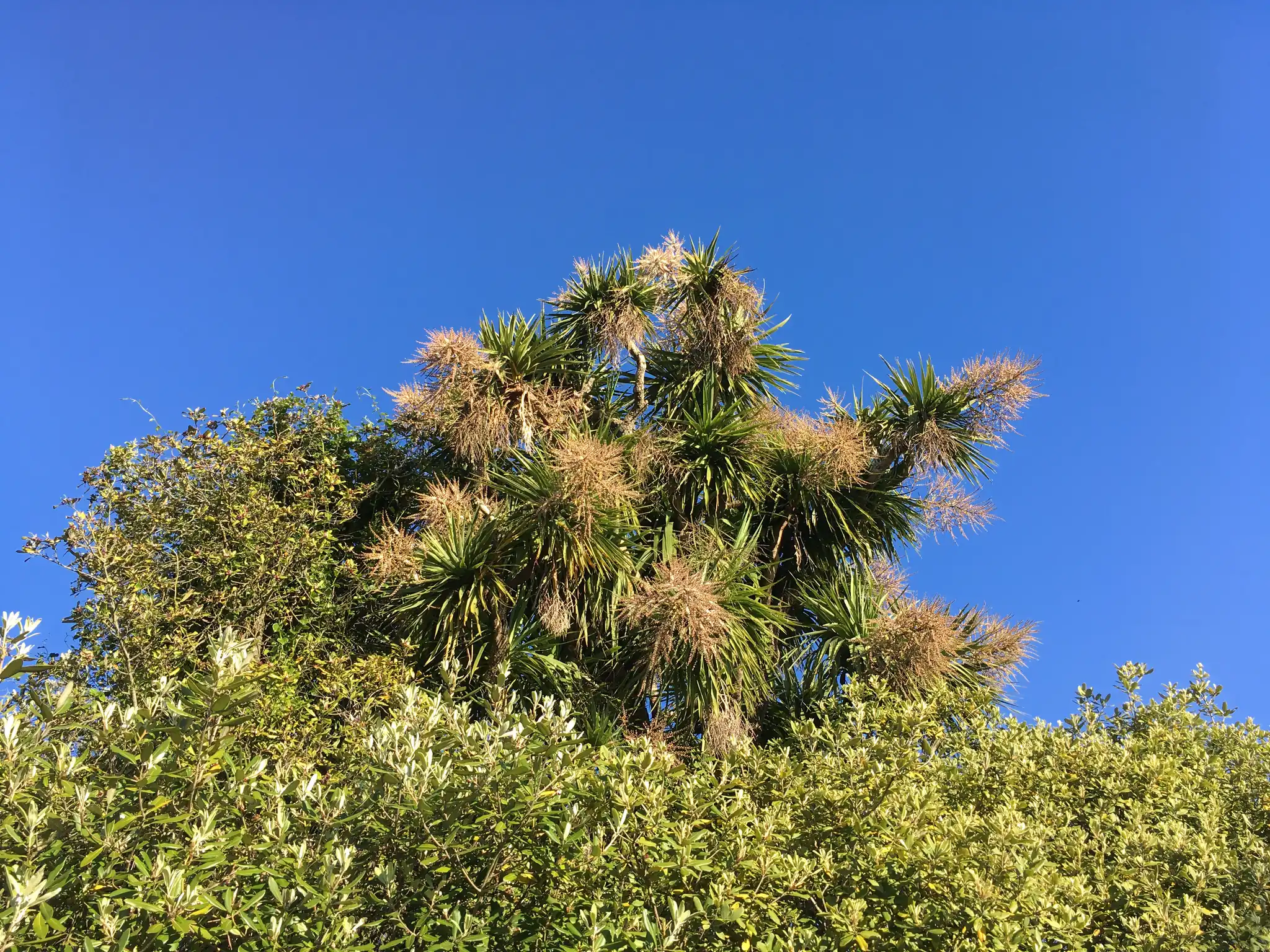
Cordyline, the genus most gardeners know as cabbage tree. We track 10 varieties; the ones most used by real gardeners.
The 7 most-saved Cordyline varieties
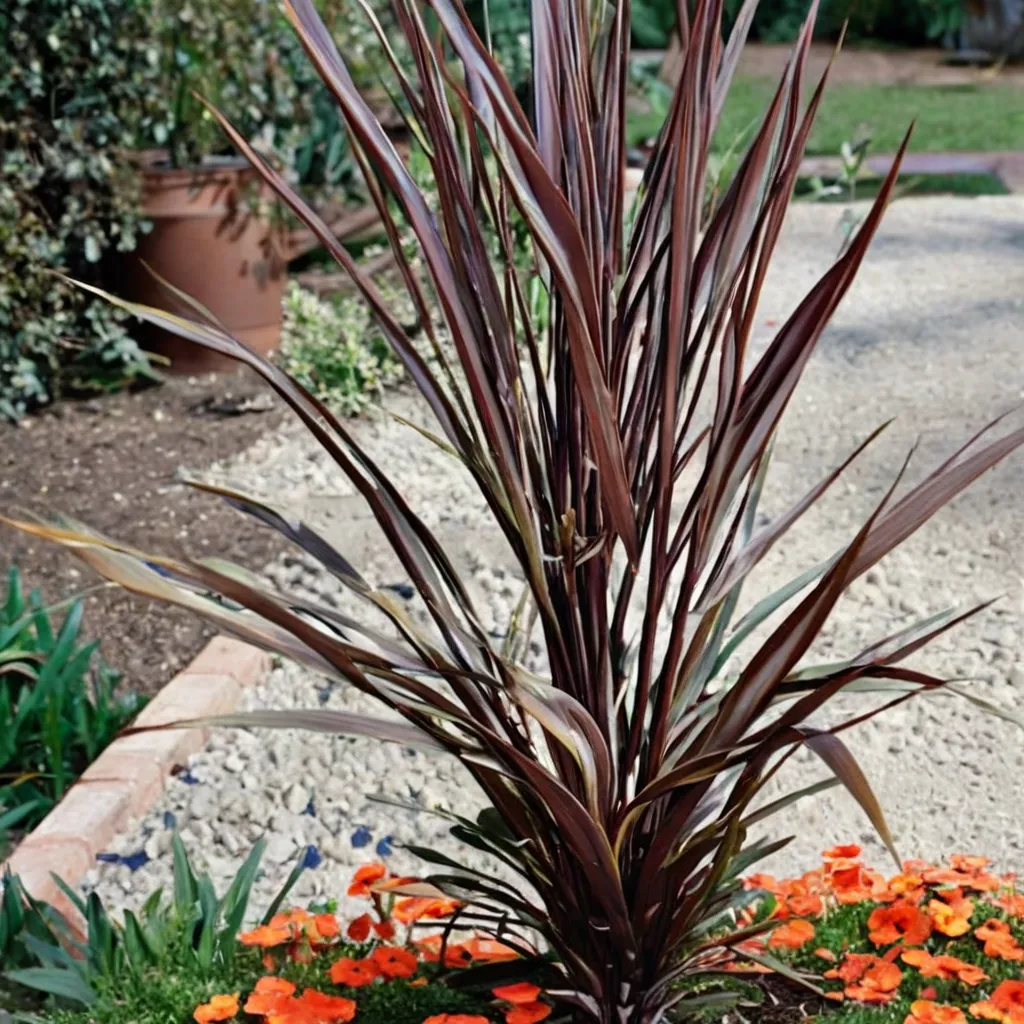
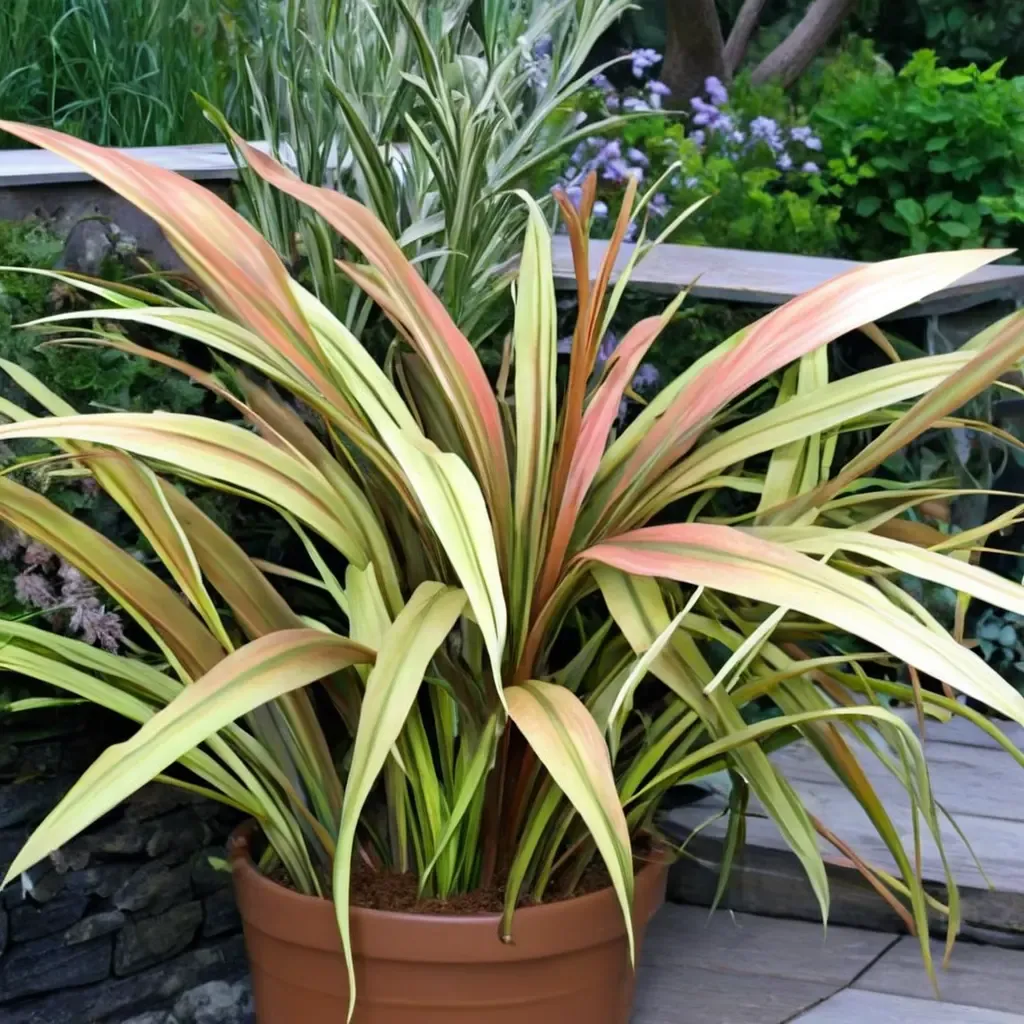
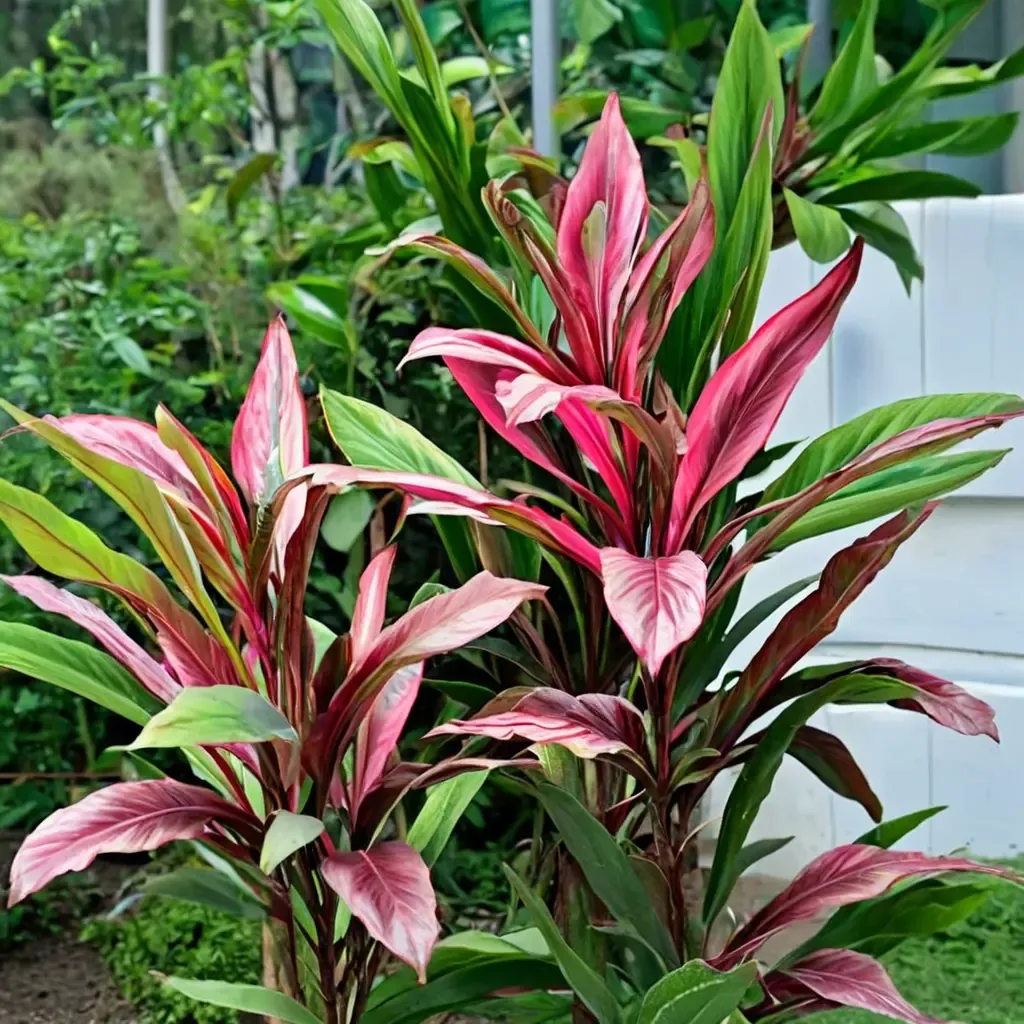
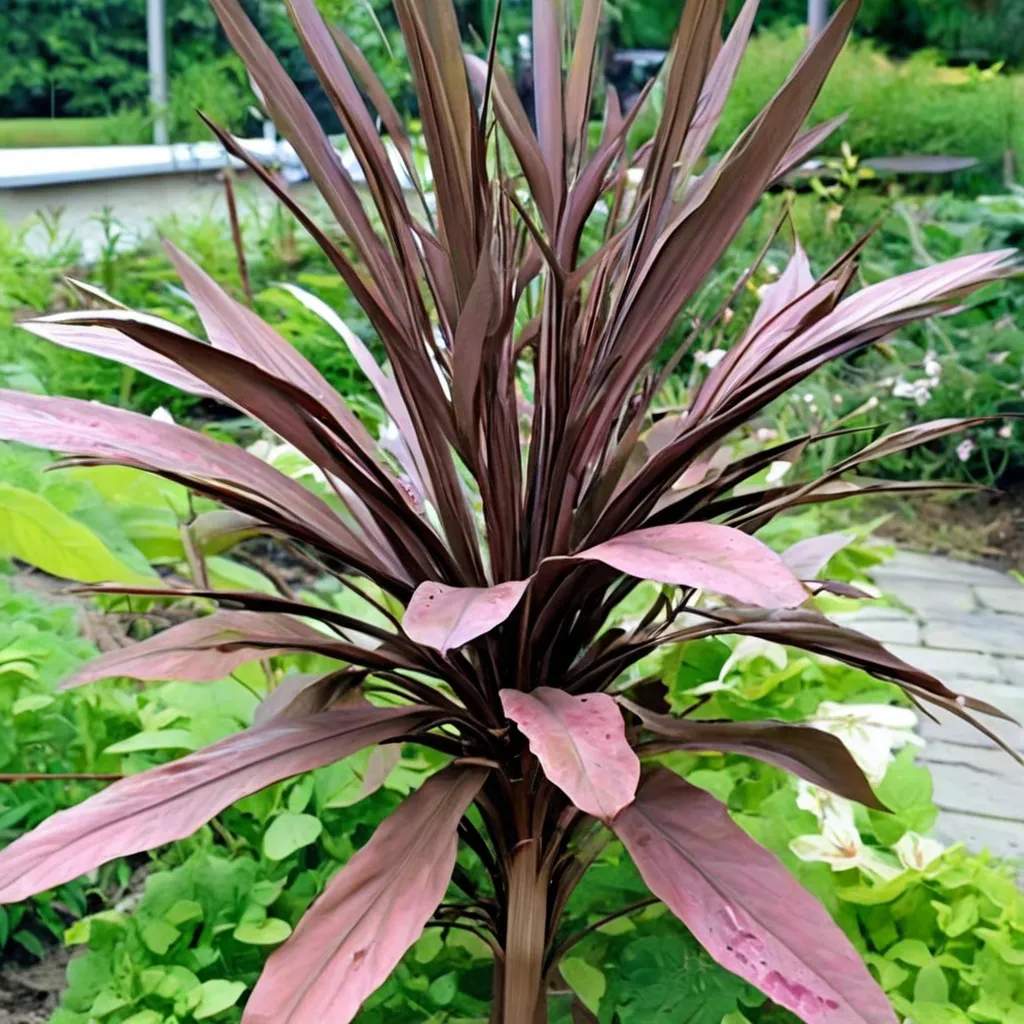
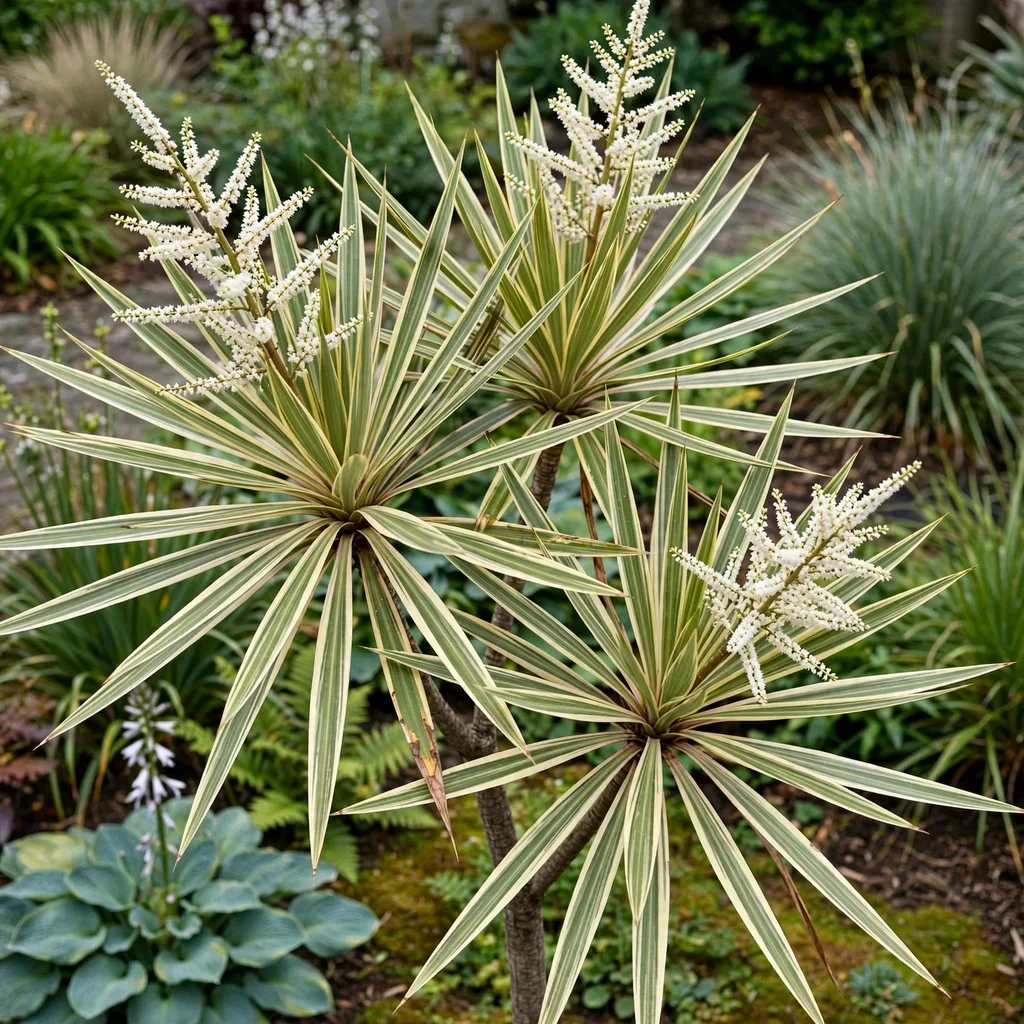
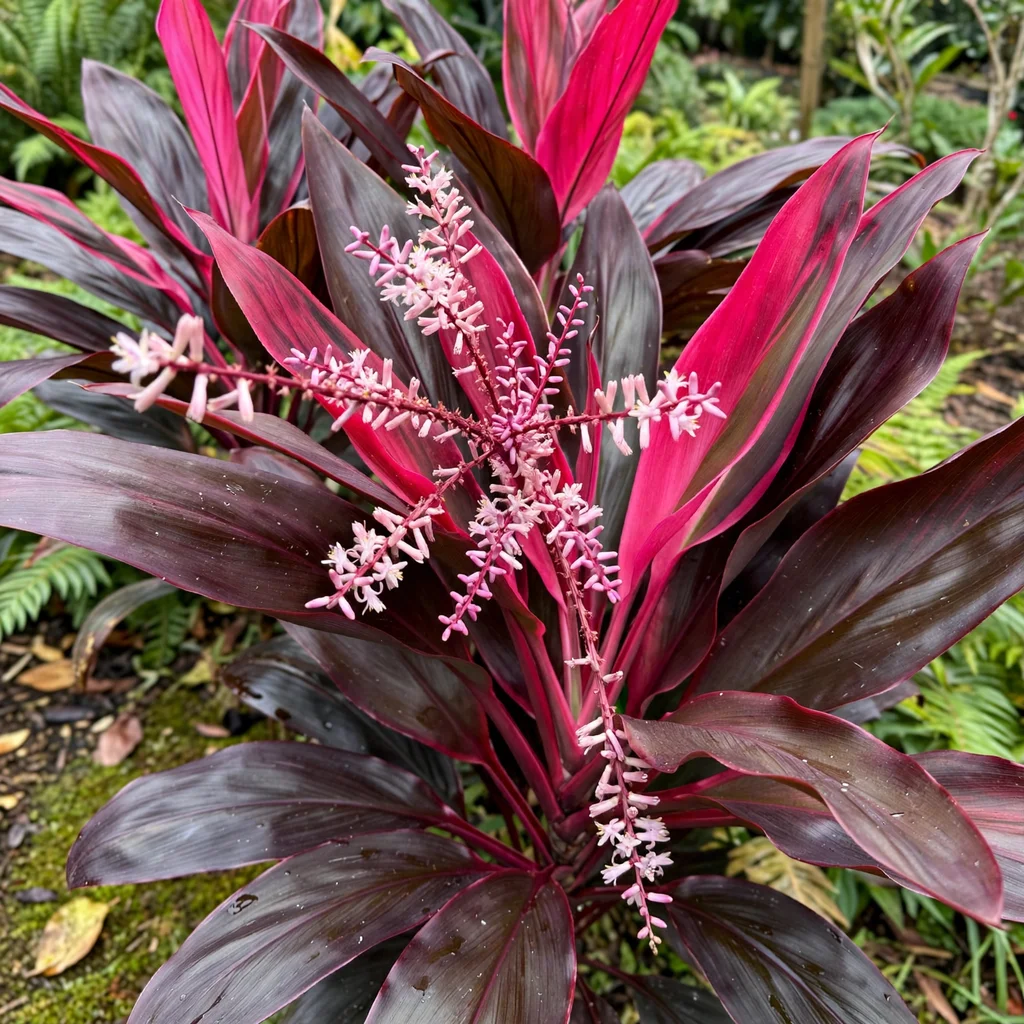
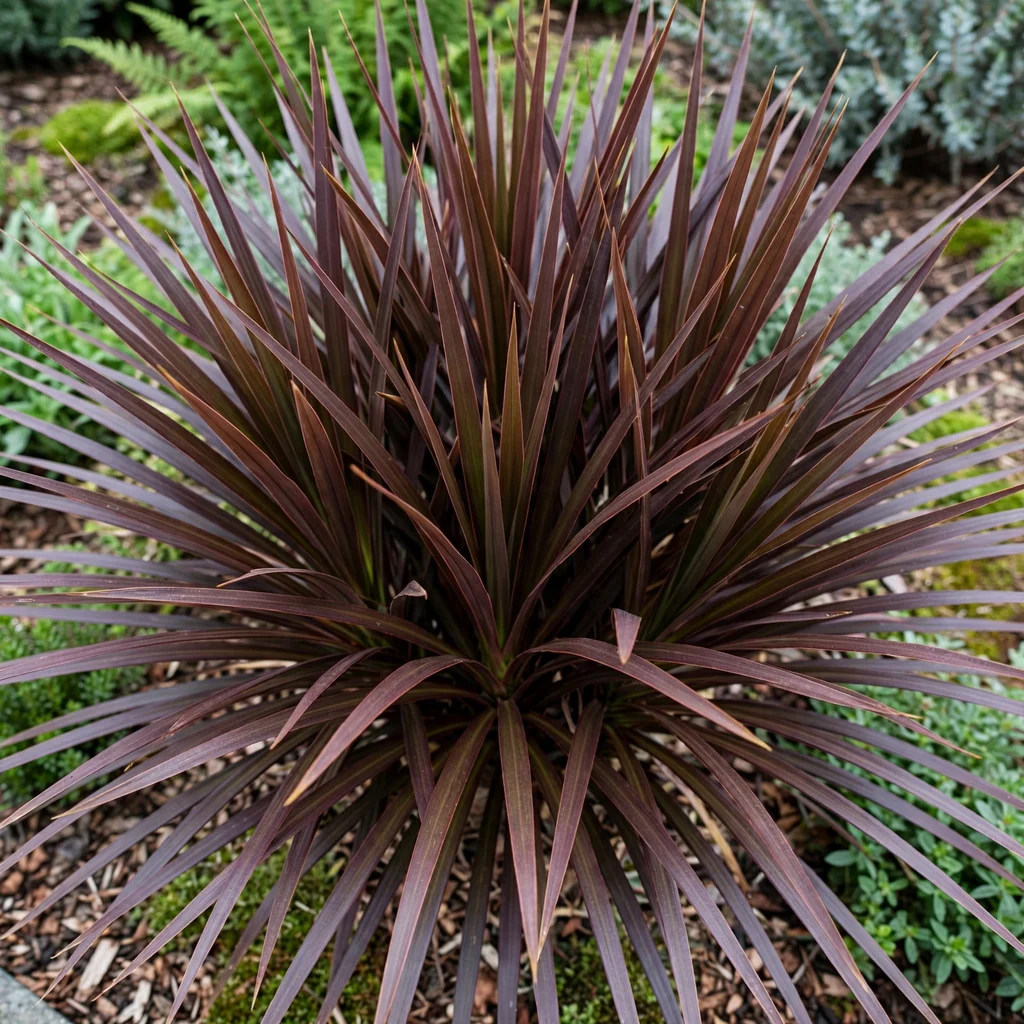
Browse all 10 Cordyline varieties →
2 species of Cordyline
Each one is a parent of the varieties above.
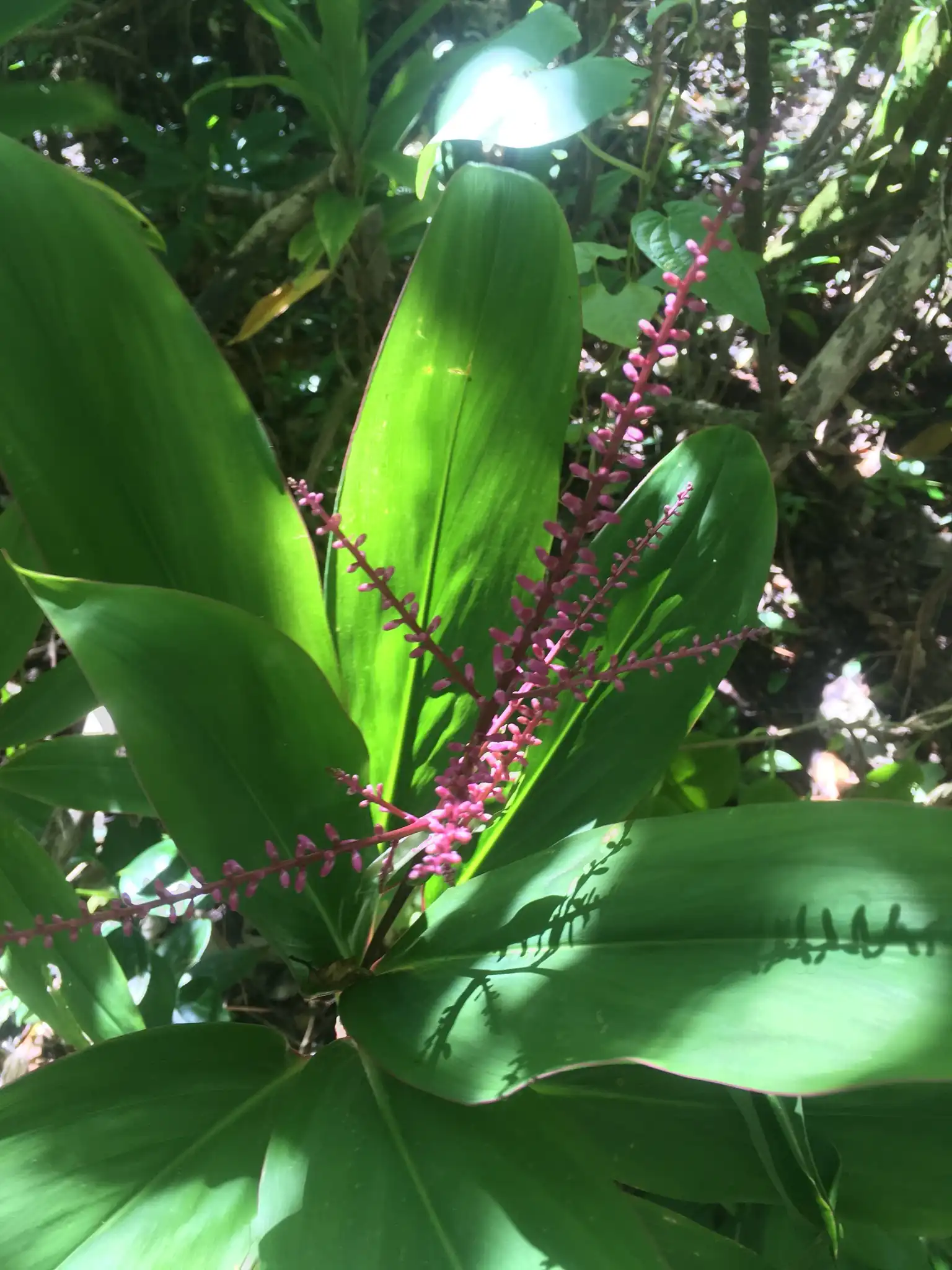
Track your Cordyline in Sow
Save the Cordyline you grow and get care reminders timed to your zone.
How to grow Cordyline
Whats common across all Cordyline varieties in our catalog — drawn from the care records of the 10 most-grown of them.
The Cordyline year
- PruneMarch and April80% of varieties
Cut back leggy canes in spring; they resprout from below the cut.
- FertilizeMay–August80% of varieties
Use a balanced liquid fertilizer monthly during active growth
- Winter PrepOctober and November80% of varieties
Bring indoors before first frost or treat as an annual in Zone 7
- Check for PestsJune–September50% of varieties
Inspect leaf axils and undersides for spider mites and mealybugs, especially in dry weather.
- PlantMay and June30% of varieties
Plant outdoors or move containers out after all danger of frost has passed


Do
- Use rainwater or distilled water 💧
- Give it bright indirect light 🪟
- Keep it warm and draught-free 🌡️
- Cut leggy canes back to resprout ✂️
- Water when the top inch of soil feels dry 🌱
Avoid
- Avoid overwatering to prevent root rot ❌
- Water it with hard or fluoridated tap water ❌
- Let it sit in cold or waterlogged compost ❌
- Expect full colour in deep shade ❌
What goes wrong with Cordyline
| Problem | What you'll see | What to do |
|---|---|---|
| Spider mites | Fine stippling and dulling of the foliage with webbing beneath, in dry heated rooms | Rinse the leaves regularly and raise humidity; treat persistent cases with insecticidal soap |
| Mealybugs | White cottony masses tucked into the crowded leaf bases and along the stems | Dab with alcohol on a cotton bud, checking the leaf bases carefully where they hide |
| Scale insects | Small, raised brown bumps on stems and leaf midribs, leading to localized yellowing. | Apply horticultural oil during the crawler stage or scrape off light infestations manually. |
| Spider Mites | Fine webbing and speckled leaves | Spray with insecticidal soap or neem oil |
| Root rot | Lower leaves yellow and drop and the cane softens at the base, in constantly wet compost | Repot into free-draining compost, cut away soft roots and water far less often |
| Root Rot | Wilting and yellowing leaves, soggy soil | Improve drainage and reduce watering |
| Leaf Spot | Brown or black spots on leaves | Remove affected leaves and apply fungicide if necessary |
Making more Cordyline
Stem cuttings
- Cut a section of bare cane a few inches long.
- Lay or stand it on moist compost, keeping the original orientation.
- Keep warm and humid until shoots break.
Division
- Separate rooted suckers from the base in spring.
- Pot them individually in free-draining compost.
- Keep warm and lightly moist while they establish.
Cordyline questions
How many types of Cordyline are there?
The Sow catalog tracks 10 distinct Cordyline varieties. The most popular — ranked by 51 real gardeners — are shown first above.
What zones does Cordyline grow in?
Across its varieties, Cordyline covers USDA Zones 7–10. Individual varieties differ — each plant page lists its exact range, and Sow filters the catalog to your zone automatically.
When does Cordyline bloom?
Most Cordyline varieties bloom in late summer, mid-summer, summer. Staggering early, mid, and late varieties extends the genus's season in one bed.
Which Cordyline should I choose?
Start from the most-saved varieties above — popularity across thousands of gardens is a strong signal of reliability — then filter by your zone and sun. In the Sow app you can preview any of them in a photo of your actual yard before you buy.