106 saves
Daphne
We track 8 varieties; the ones most used by real gardeners.
The 7 most-saved Daphne varieties
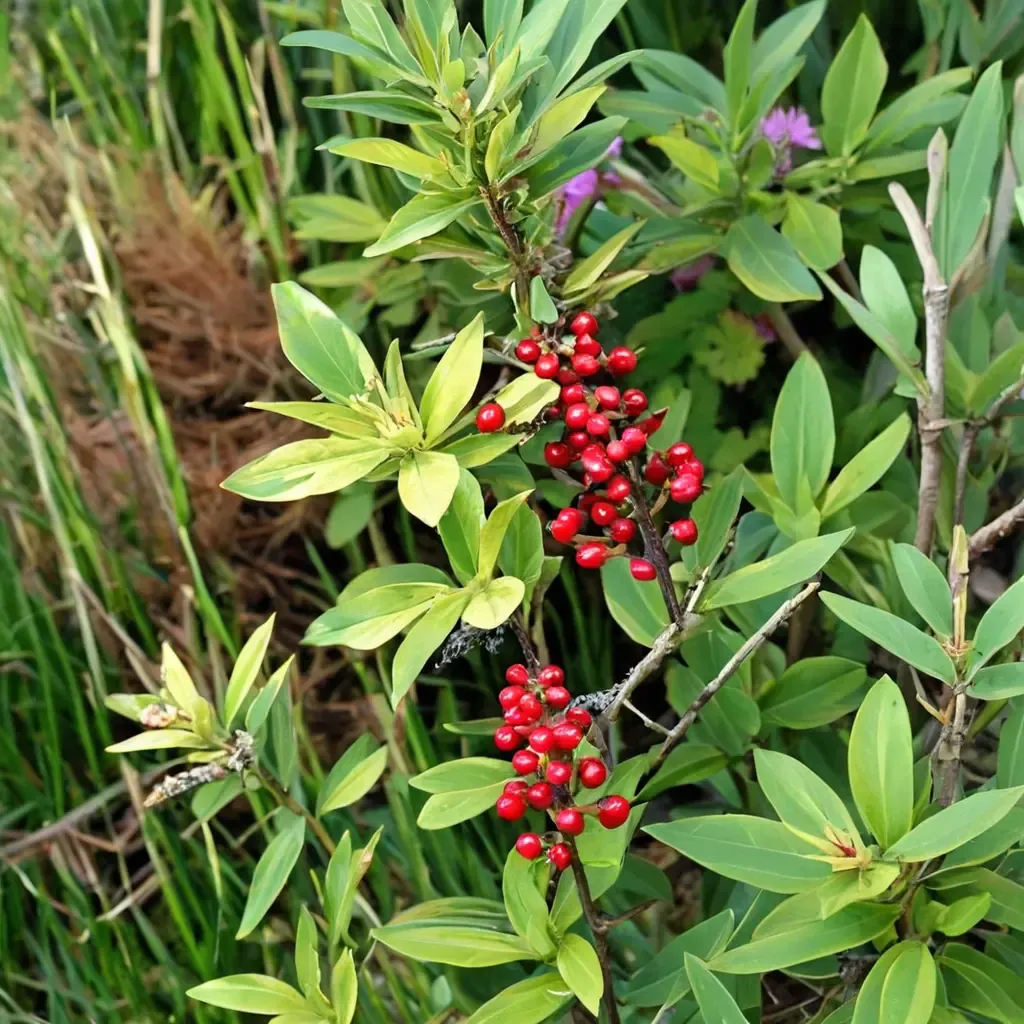
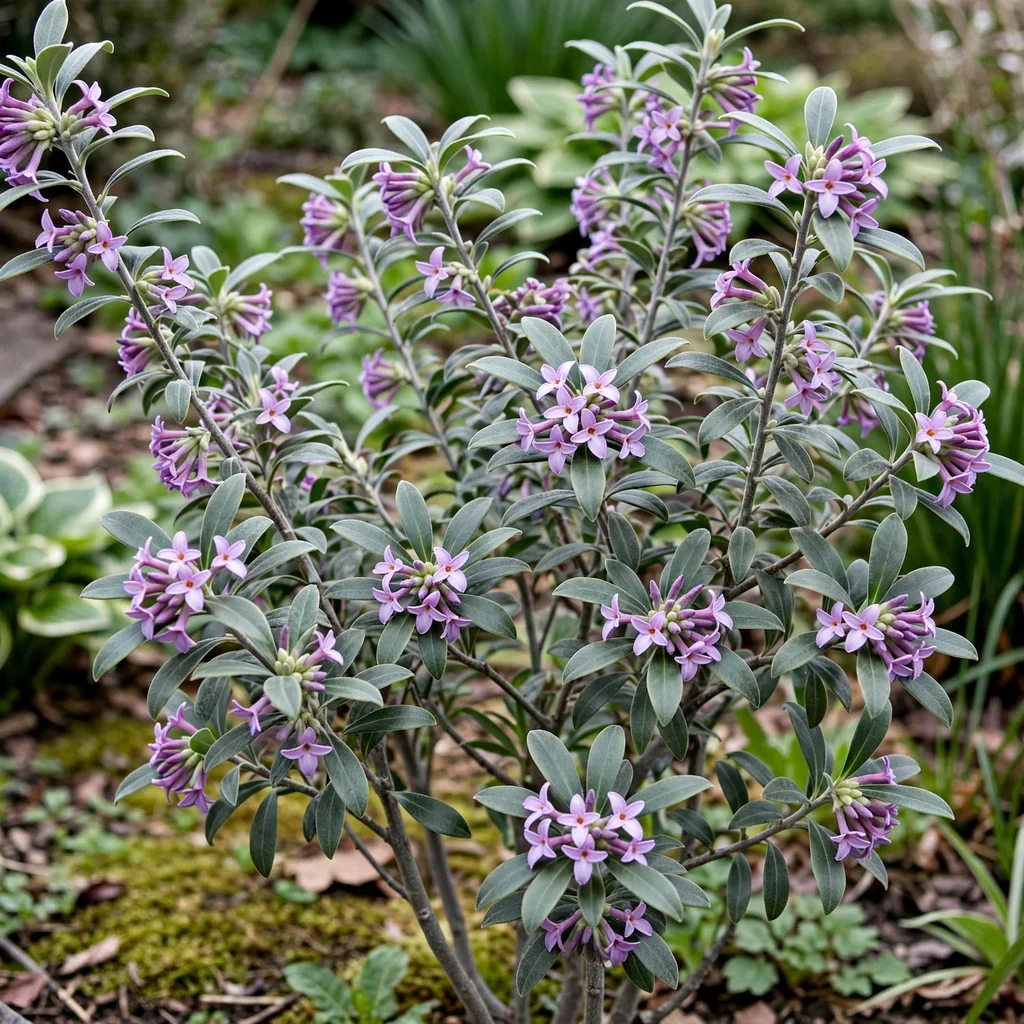
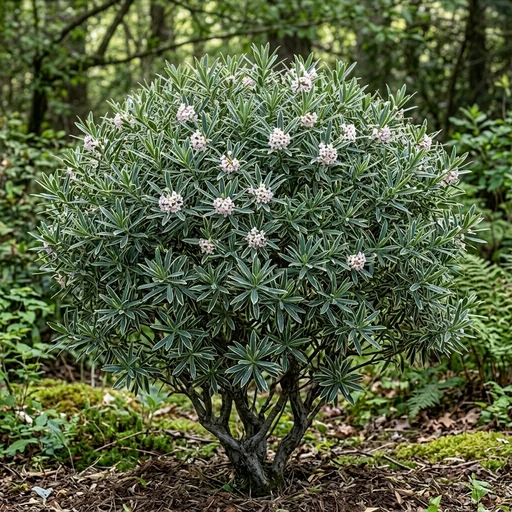
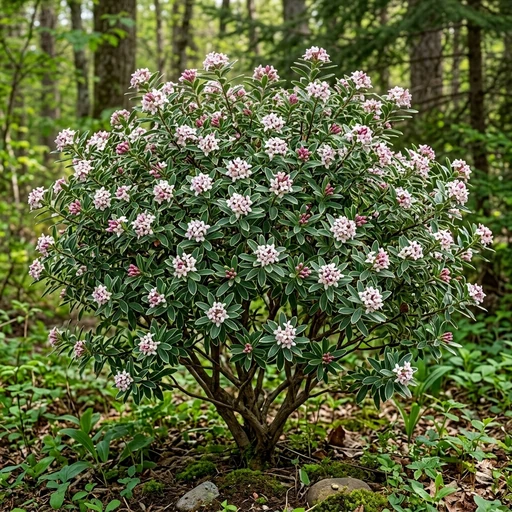
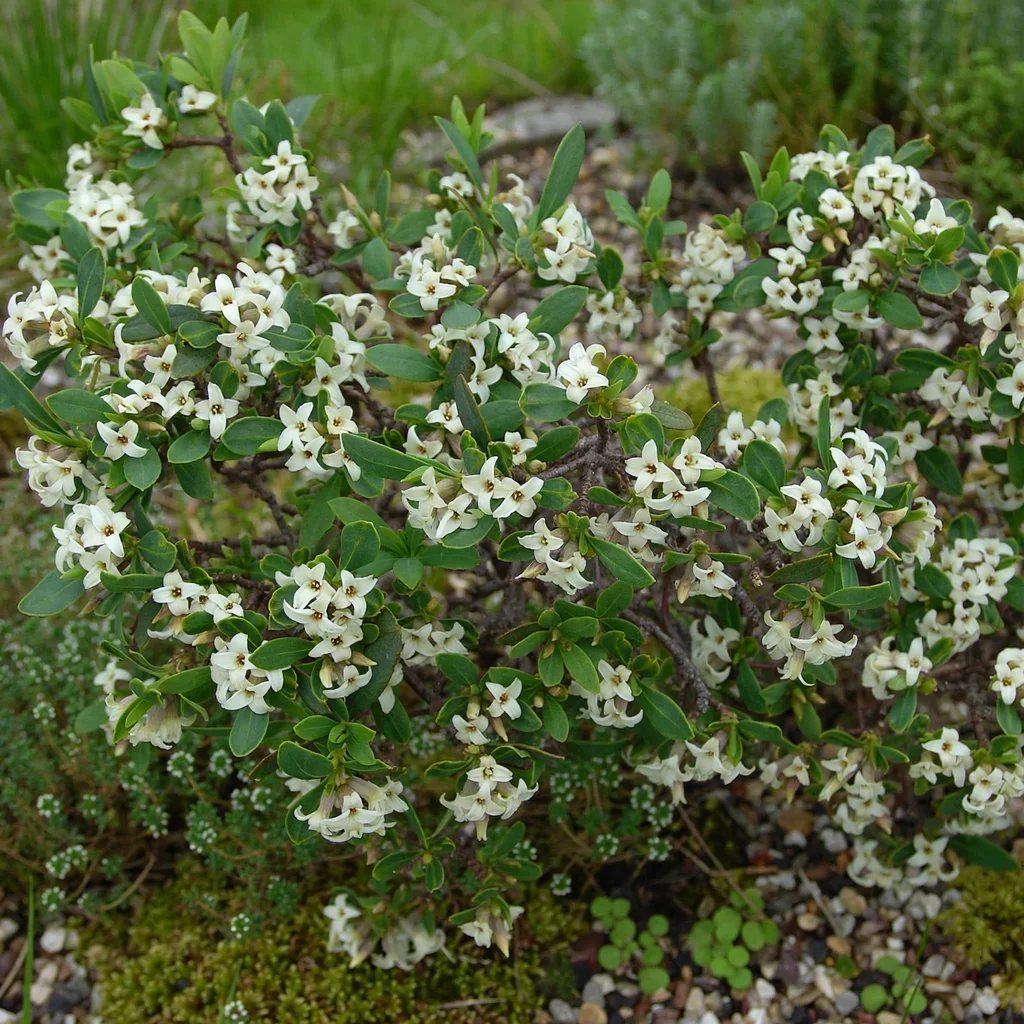
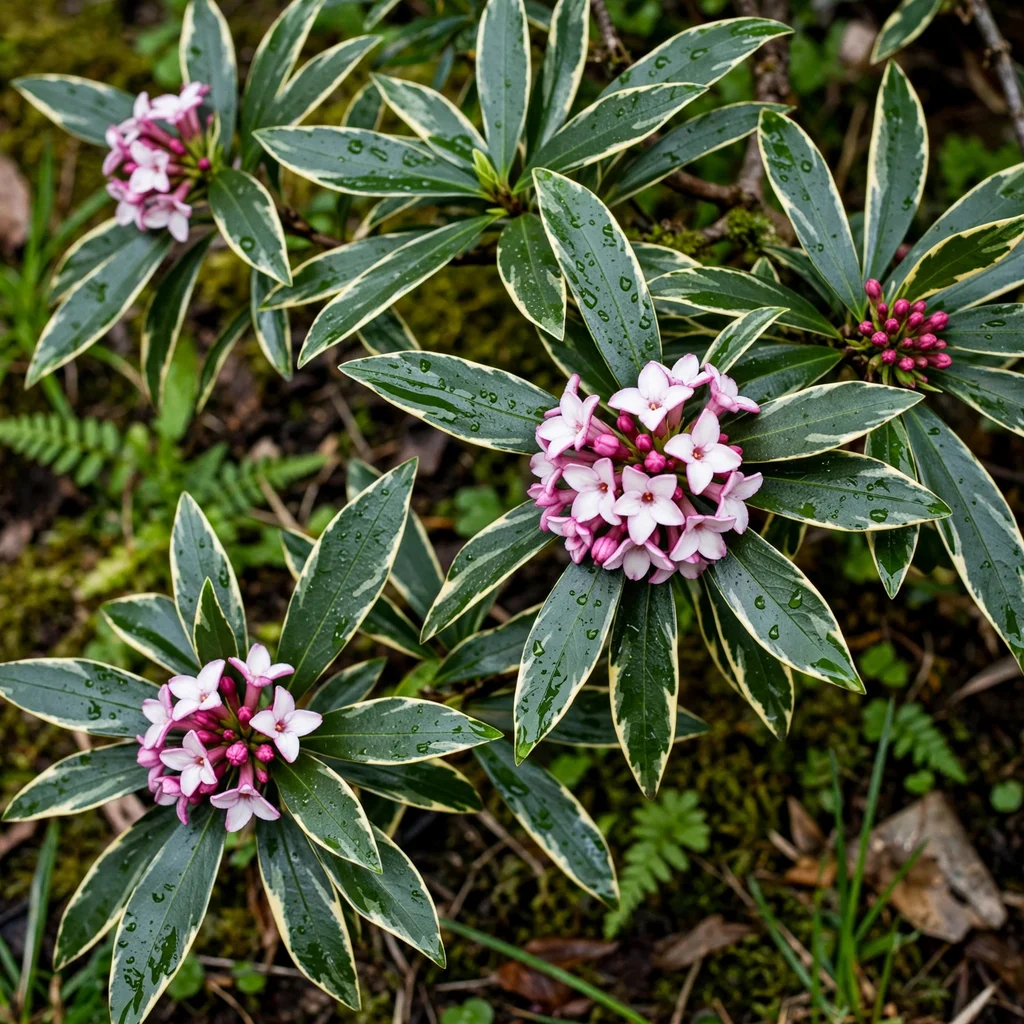

Browse all 8 Daphne varieties →
2 species of Daphne
Each one is a parent of the varieties above.
Track your Daphne in Sow
Save the Daphne you grow and get care reminders timed to your zone.
How to grow Daphne
Whats common across all Daphne varieties in our catalog — drawn from the care records of the 8 most-grown of them.
The Daphne year
- MulchApril, May and November88% of varieties
Maintain a thick layer of mulch to keep shallow roots cool and moist
- PruneJune75% of varieties
Prune lightly immediately after flowering to maintain shape
- PlantApril, May, October and November50% of varieties
Plant when dormant; avoid disturbing the root ball as Daphne resents transplanting
- FertilizeApril38% of varieties
Apply a balanced, slow-release fertilizer in early spring


Do
- Wear gloves for any pruning 🧤
- Water regularly during dry spells 🌱
- Prune lightly after flowering to shape the plant
- Apply a layer of mulch to conserve moisture
- Water during dry periods to keep soil moist but not soggy 🌱
Avoid
- Let anyone eat the berries ❌
- Move an established plant ❌
- Prune it hard ❌
- Avoid overwatering which can lead to root rot ❌
What goes wrong with Daphne
| Problem | What you'll see | What to do |
|---|---|---|
| Aphids | Sticky residue and distorted leaves | Use insecticidal soap or neem oil |
| Scale insects | Waxy or armored bumps on stems | Use horticultural oil during dormant season |
| Generally pest-free | No significant insect damage is typical | Monitor only; NCSU rates it resistant to rabbits and black walnut |
| Spider mites | Fine stippling on leaf surfaces accompanied by delicate webbing. | Increase ambient humidity and spray foliage undersides with insecticidal soap. |
| Root rot | Wilting and yellowing leaves, soft roots | Improve drainage, reduce watering, apply fungicide |
| Sudden dieback | A healthy-looking plant declines and dies over a season for no obvious reason, often after root disturbance | No reliable cure. Daphnes are naturally short-lived and resent disturbance; site permanently and expect to replace eventually |
| Leaf spot | Spotted or discolored leaves | Remove affected leaves and apply fungicide if necessary |
Making more Daphne
Cuttings
- Select healthy semi-hardwood stems in late summer.
- Cut 4-6 inch segments and remove lower leaves.
- Dip cut ends in rooting hormone.
- Plant in moist, well-draining soil or perlite.
- Keep in a humid environment for 6 weeks until roots develop.
Stem cuttings
- Take semi-ripe cuttings in summer, wearing gloves.
- Root under humidity in gritty compost.
- Grow on undisturbed; daphnes dislike repotting.
Daphne questions
How many types of Daphne are there?
The Sow catalog tracks 8 distinct Daphne varieties. The most popular — ranked by 106 real gardeners — are shown first above.
What zones does Daphne grow in?
Across its varieties, Daphne covers USDA Zones 4–9. Individual varieties differ — each plant page lists its exact range, and Sow filters the catalog to your zone automatically.
When does Daphne bloom?
Most Daphne varieties bloom in early spring, late spring, winter. Staggering early, mid, and late varieties extends the genus's season in one bed.
Which Daphne should I choose?
Start from the most-saved varieties above — popularity across thousands of gardens is a strong signal of reliability — then filter by your zone and sun. In the Sow app you can preview any of them in a photo of your actual yard before you buy.