Also known as Flax Lily · 88 saves
Dianella
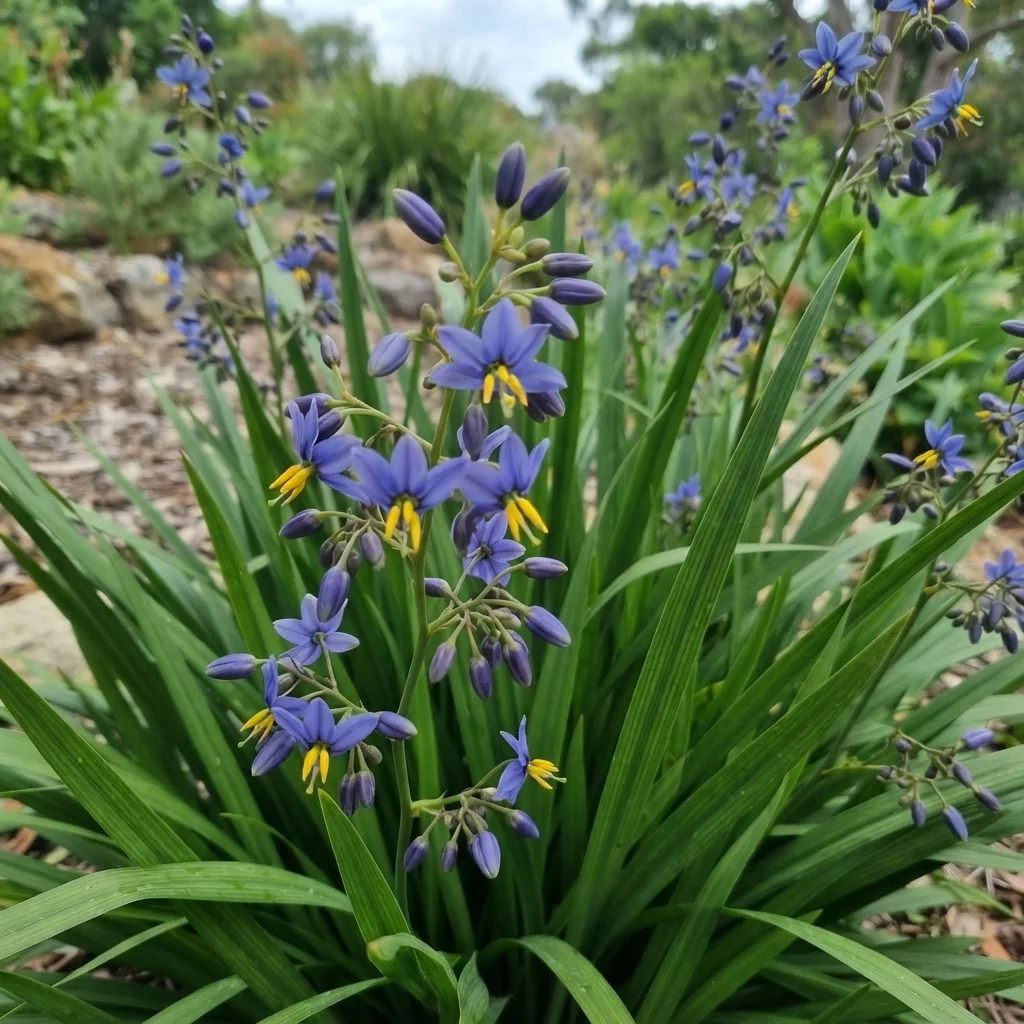
Dianella, the genus most gardeners know as flax lily. We track 16 varieties; the ones most used by real gardeners.
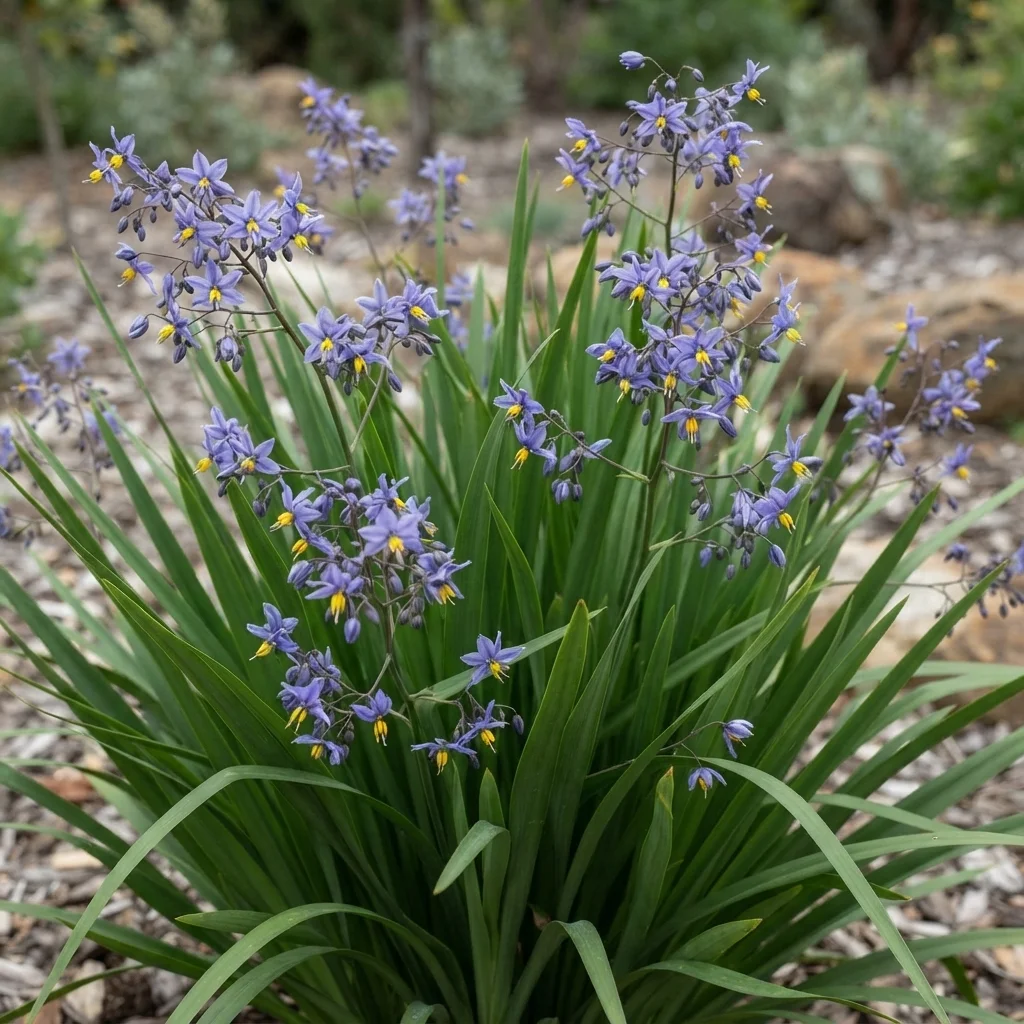
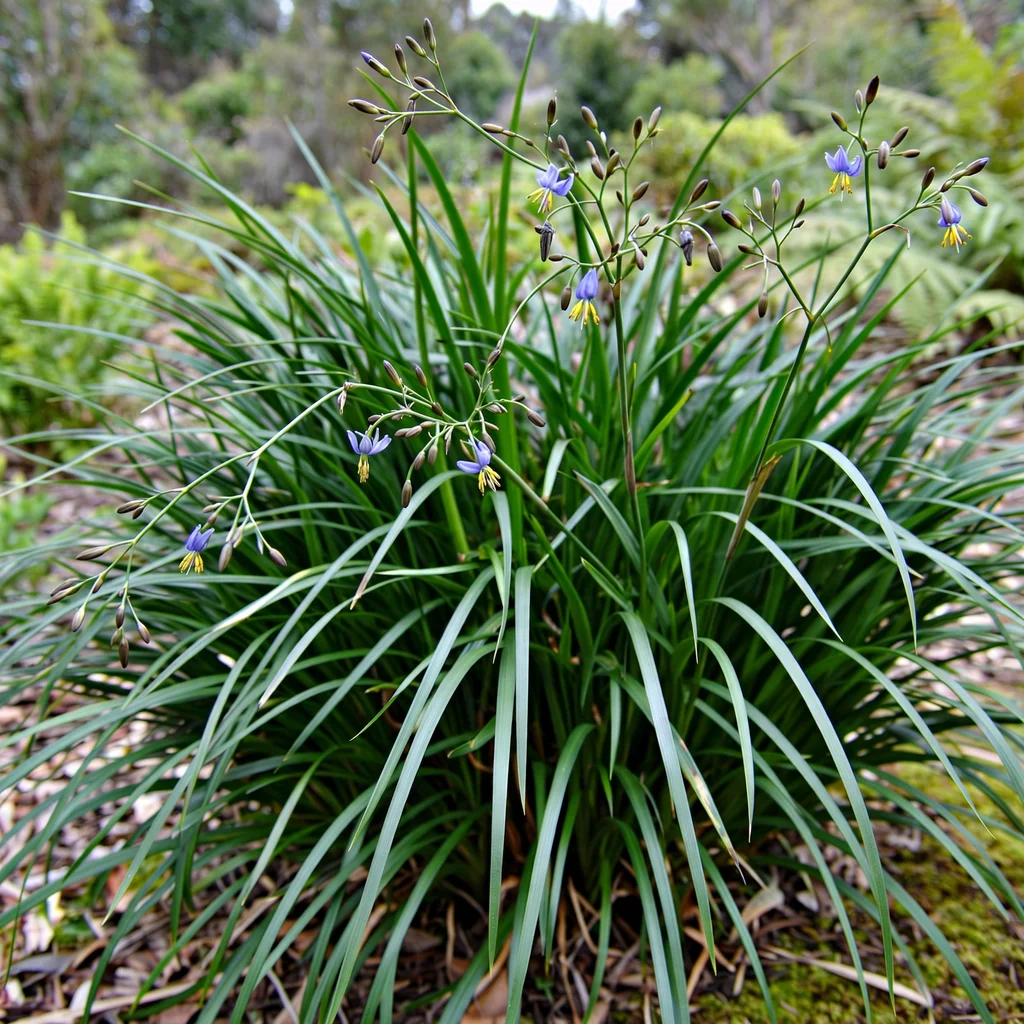
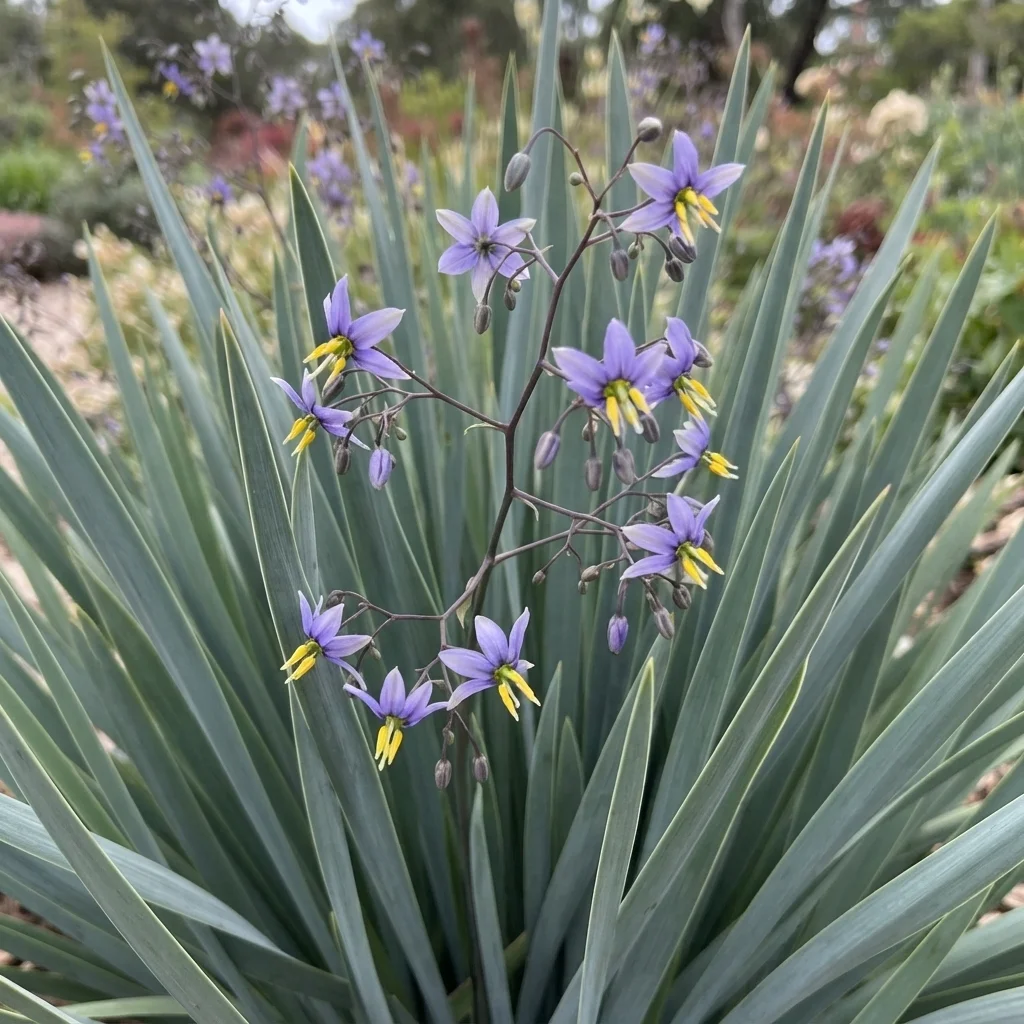
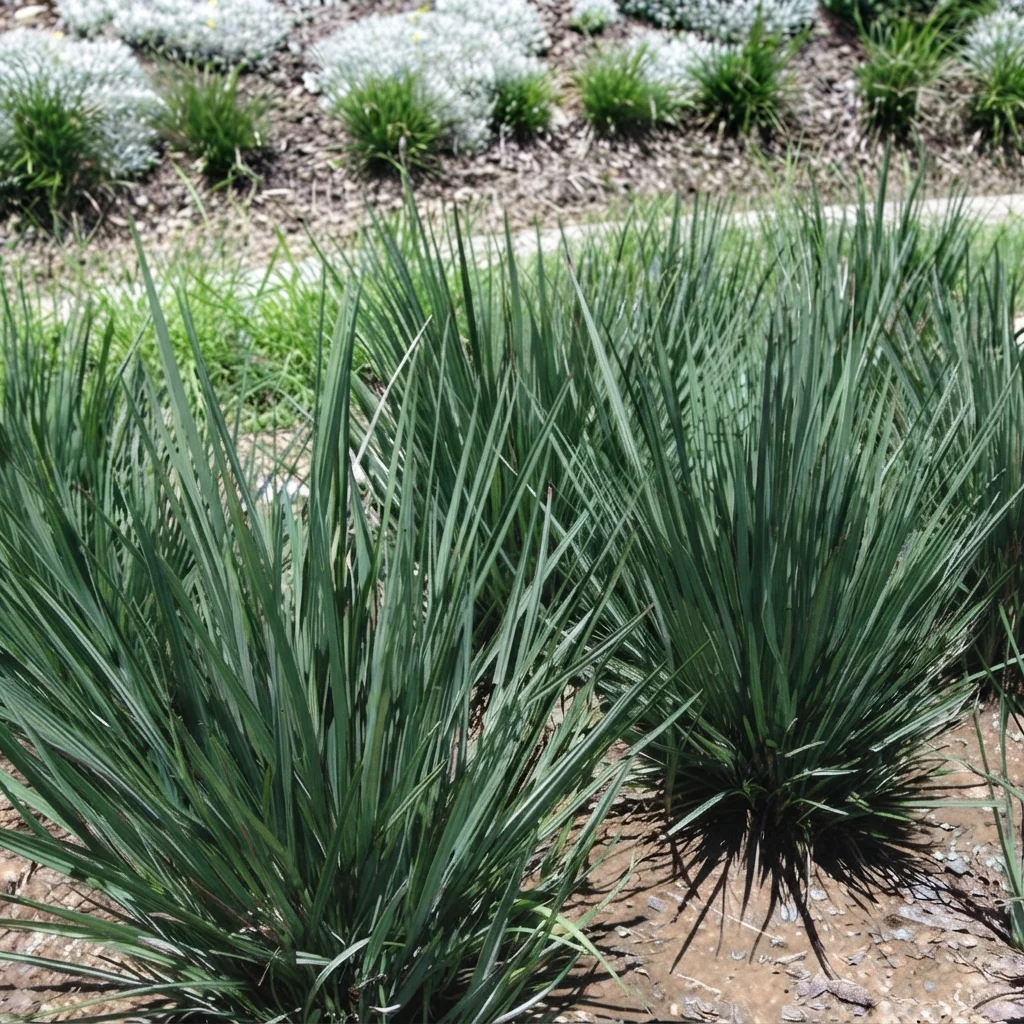
The 11 most-saved Dianella varieties
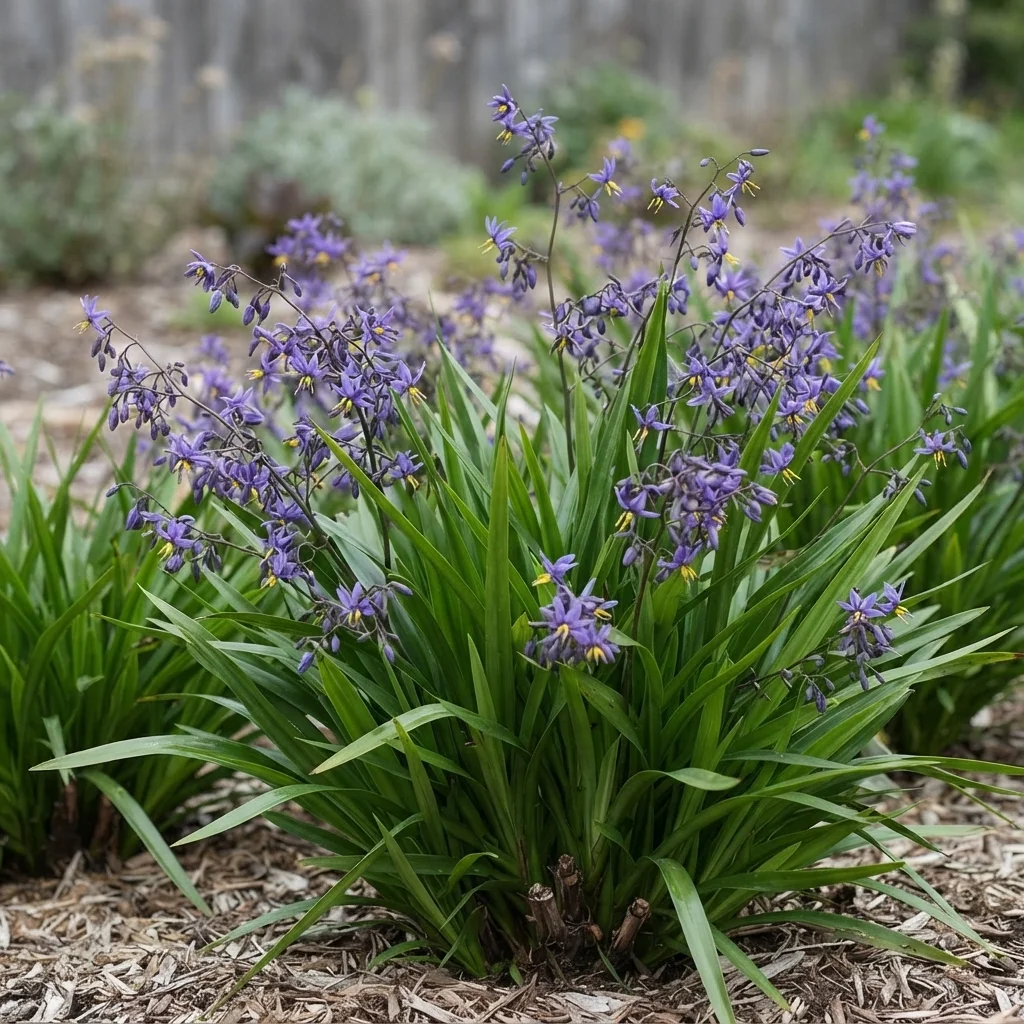
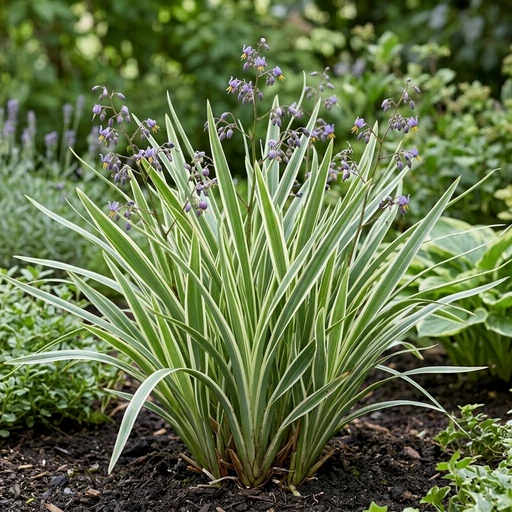
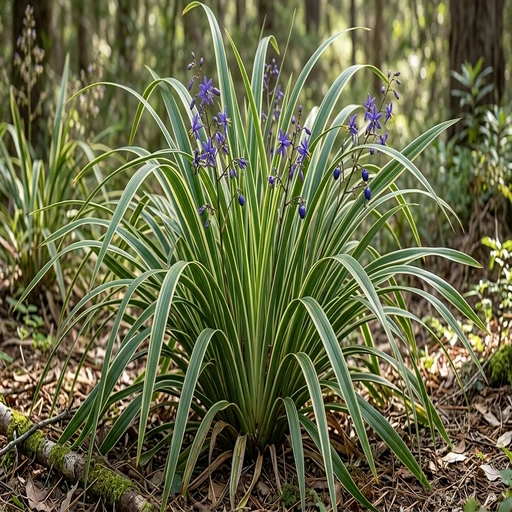
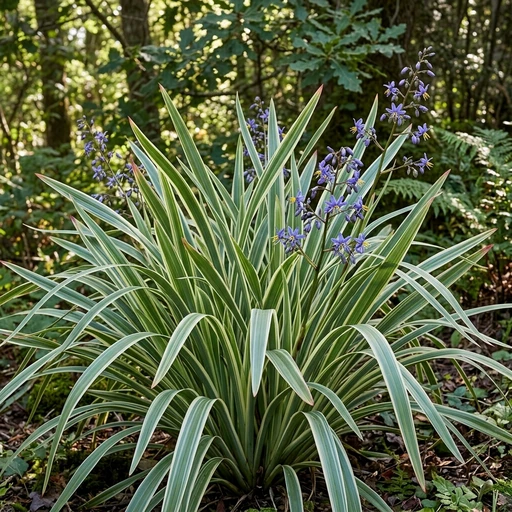
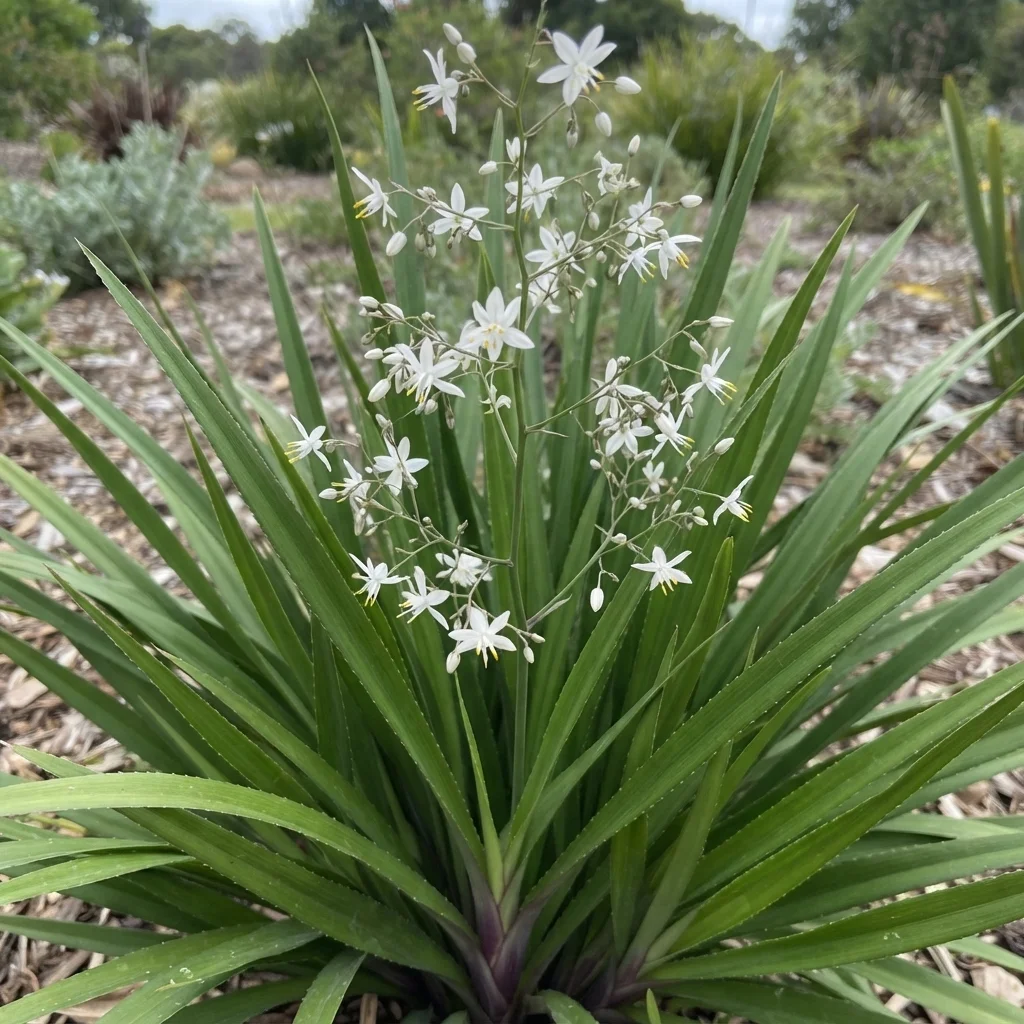
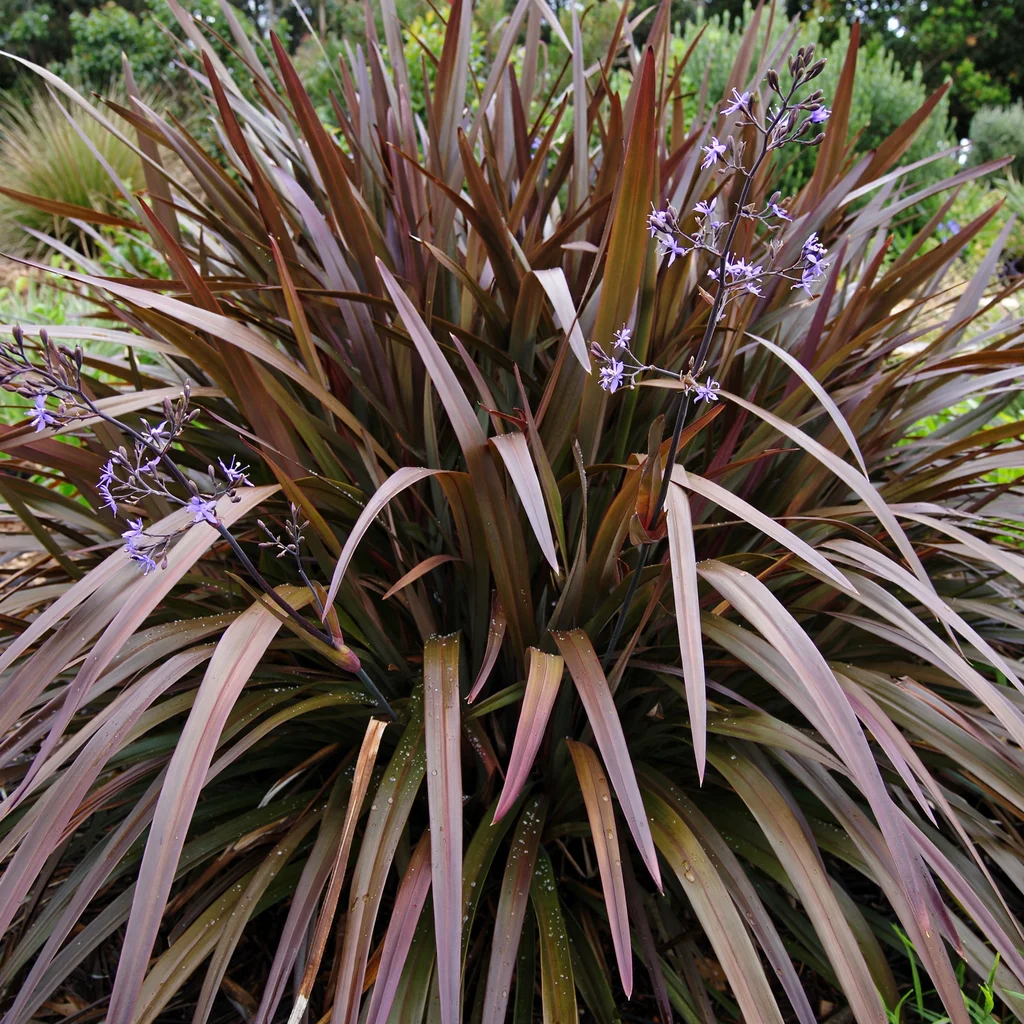
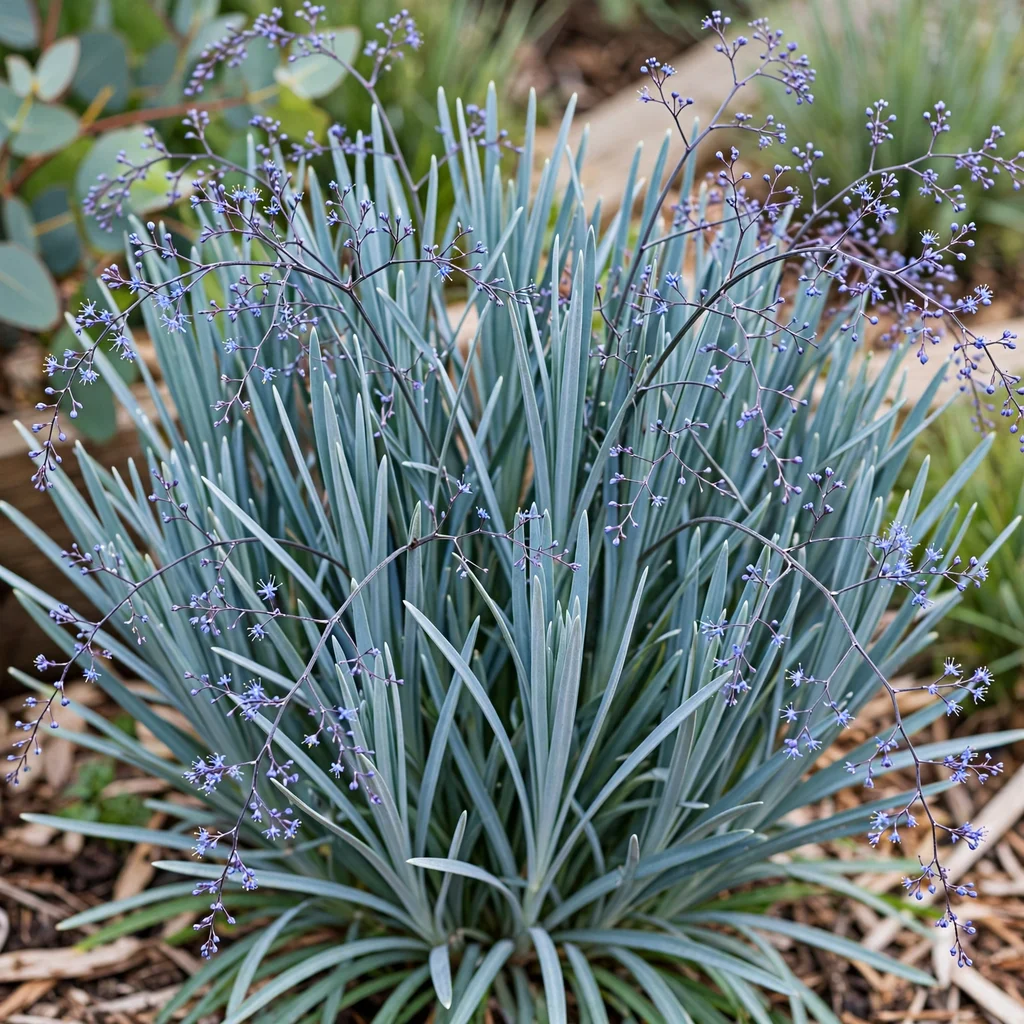
Browse all 16 Dianella varieties →
3 species of Dianella
Each one is a parent of the varieties above.
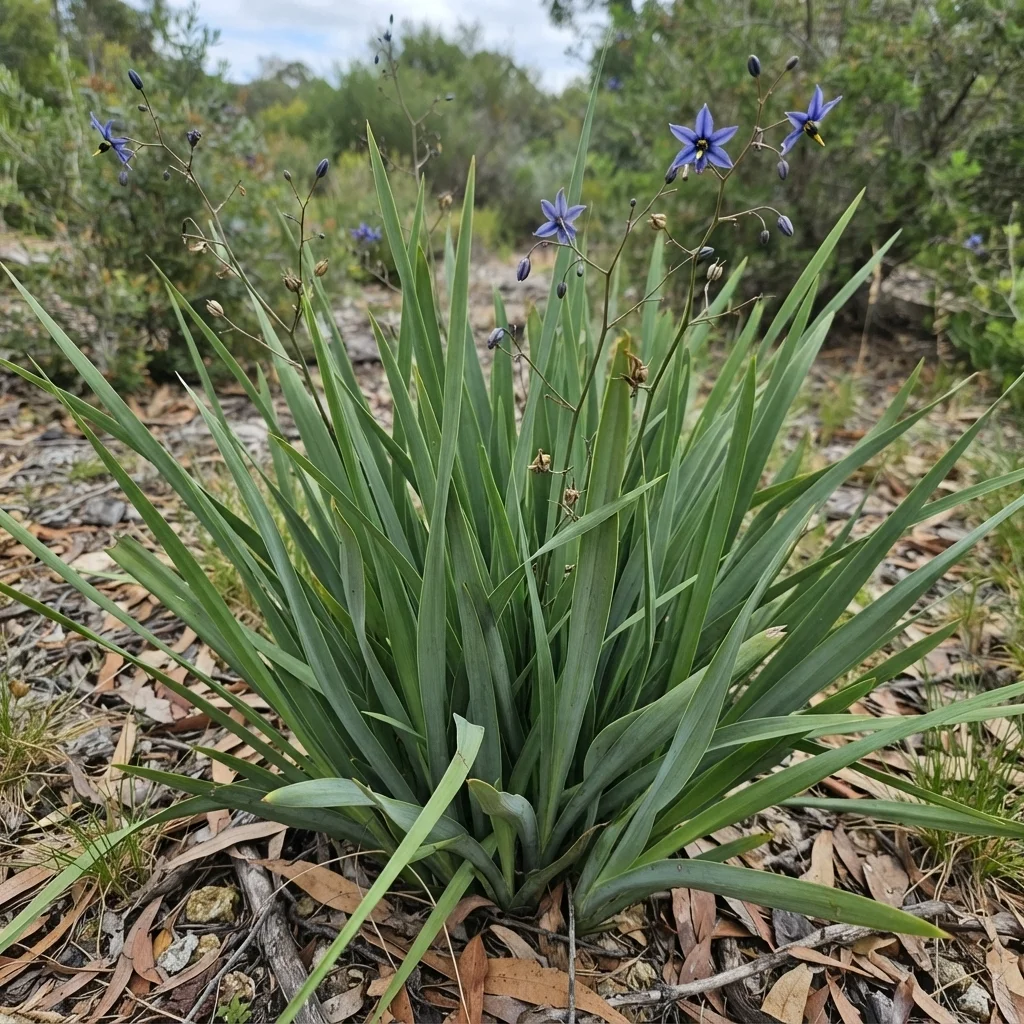
Track your Dianella in Sow
Save the Dianella you grow and get care reminders timed to your zone.
How to grow Dianella
Whats common across all Dianella varieties in our catalog — drawn from the care records of the 16 most-grown of them.
The Dianella year
- FertilizeMarch and April81% of varieties
Apply a low-phosphorus, slow-release native fertilizer at the start of the growing season.
- Check for PestsJune and July75% of varieties
Inspect leaf undersides for spider mites and aphids during warm, dry weather.
- PruneMarch and April69% of varieties
Groom the plant by removing individual dead or damaged leaves at the base; do not shear.
- MulchApril, October and November44% of varieties
Apply a layer of mulch in fall in colder zones (Zone 8) for winter protection.
- DivideMarch and April44% of varieties
Divide overcrowded clumps in spring to propagate and rejuvenate the plant.
- Spring CleanupMarch and April38% of varieties
Remove any frost-damaged or dead foliage in late winter to make way for new growth.


Do
- Plant in groups or masses for the greatest visual impact.
- Use in containers, where drainage can be easily controlled.
- Provide sharp drainage in all situations.
- Remove old flower stalks after berries have faded.
- Grow in partial to heavy shade in hot, dry inland regions.
Avoid
- Do not overwater, especially in winter.
- Avoid planting in heavy clay soil without significant amendment.
- Do not plant in deep shade, as foliage color will be poor.
- Avoid heavy fertilization, which can lead to floppy growth.
What goes wrong with Dianella
| Problem | What you'll see | What to do |
|---|---|---|
| Spider mites | Fine webbing on leaf undersides and dusty, stippled foliage. | Increase humidity around the plant or apply insecticidal soap in early morning. |
| Aphids | Clusters of small, soft-bodied insects on new growth and sticky honeydew on leaves. | Spray with insecticidal soap or knock them off with a strong stream of water. |
| Scale insects | Small, hard bumps on the leaves and stems accompanied by sticky honeydew. | Scrape off manually or treat with horticultural oil during the crawler stage. |
| Mealybugs | White, cottony masses at the base of the leaves. | Dab with a cotton swab dipped in rubbing alcohol. Use insecticidal soap for larger infestations. |
| Root rot | Yellowing foliage, soft crown bases, and plant collapse due to soggy soil. | Improve soil drainage and reduce watering frequency immediately. |
| Powdery mildew | White, powdery fungal coating on leaf surfaces in stagnant, humid conditions. | Space plants to improve air circulation and avoid overhead watering. |
| Root Rot | Yellowing leaves, mushy crown, and plant collapse. | Prevention is key. Plant in very well-drained soil. Reduce watering. There is no cure once rot is advanced. |
Making more Dianella
Division
- Commercial propagation of this cultivar is protected under Plant Breeder's Rights and requires a license.
- For permitted home propagation, lift a mature clump in early spring using a sharp spade.
- Slice the rhizome clump into smaller sections, ensuring each division has several healthy fans and roots.
- Replant the divisions immediately into well-drained soil and water thoroughly.
Tissue Culture
- Obtain legally licensed tissue culture micro-cuttings or plugs from authorized propagators.
- Transplant the micro-shoots into sterile, well-draining propagation media.
- Maintain high humidity and controlled temperatures in a greenhouse environment until roots initiate.
- Pot up established plugs into larger containers and gradually harden off before outdoor planting.
Dianella questions
How many types of Dianella are there?
The Sow catalog tracks 16 distinct Dianella varieties. The most popular — ranked by 88 real gardeners — are shown first above.
What zones does Dianella grow in?
Across its varieties, Dianella covers USDA Zones 7–10. Individual varieties differ — each plant page lists its exact range, and Sow filters the catalog to your zone automatically.
When does Dianella bloom?
Most Dianella varieties bloom in spring, late spring, mid-spring. Staggering early, mid, and late varieties extends the genus's season in one bed.
Which Dianella should I choose?
Start from the most-saved varieties above — popularity across thousands of gardens is a strong signal of reliability — then filter by your zone and sun. In the Sow app you can preview any of them in a photo of your actual yard before you buy.