Also known as Lovegrass · 264 saves
Eragrostis
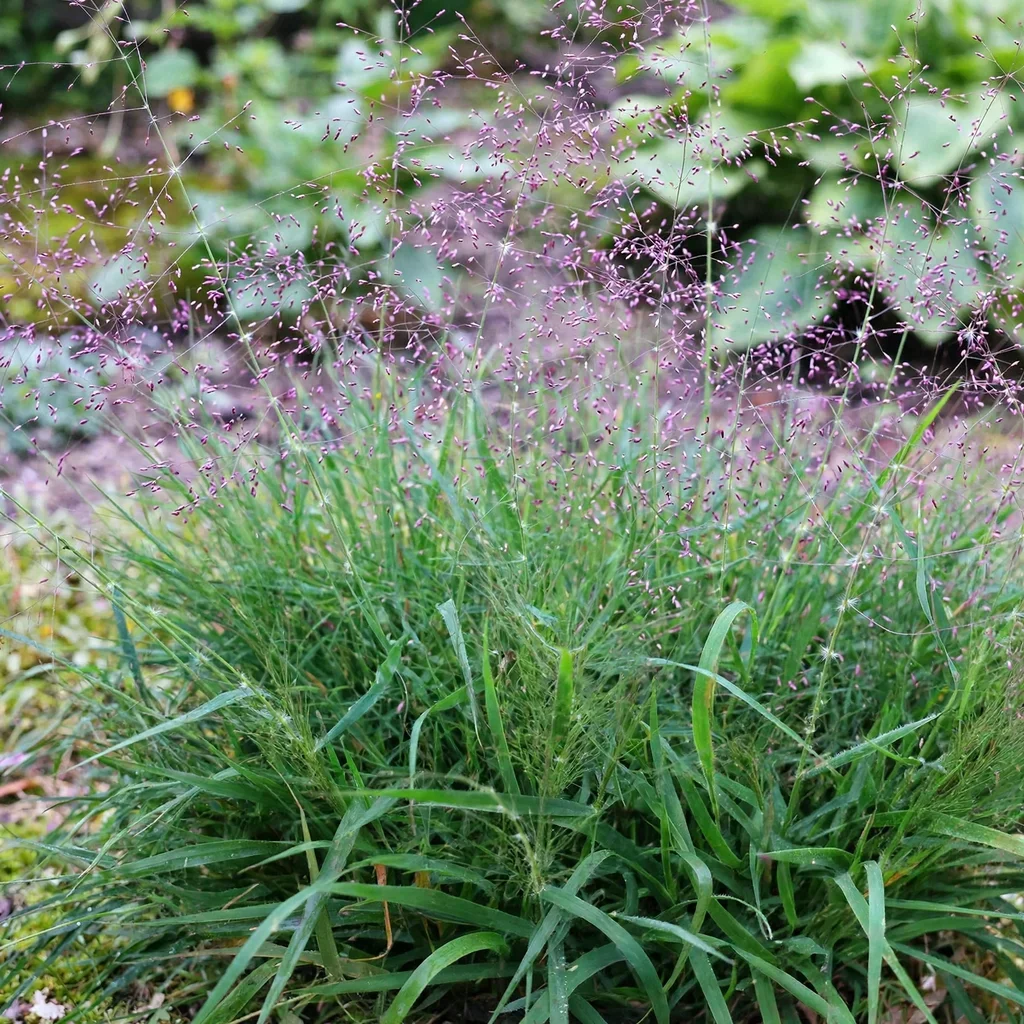
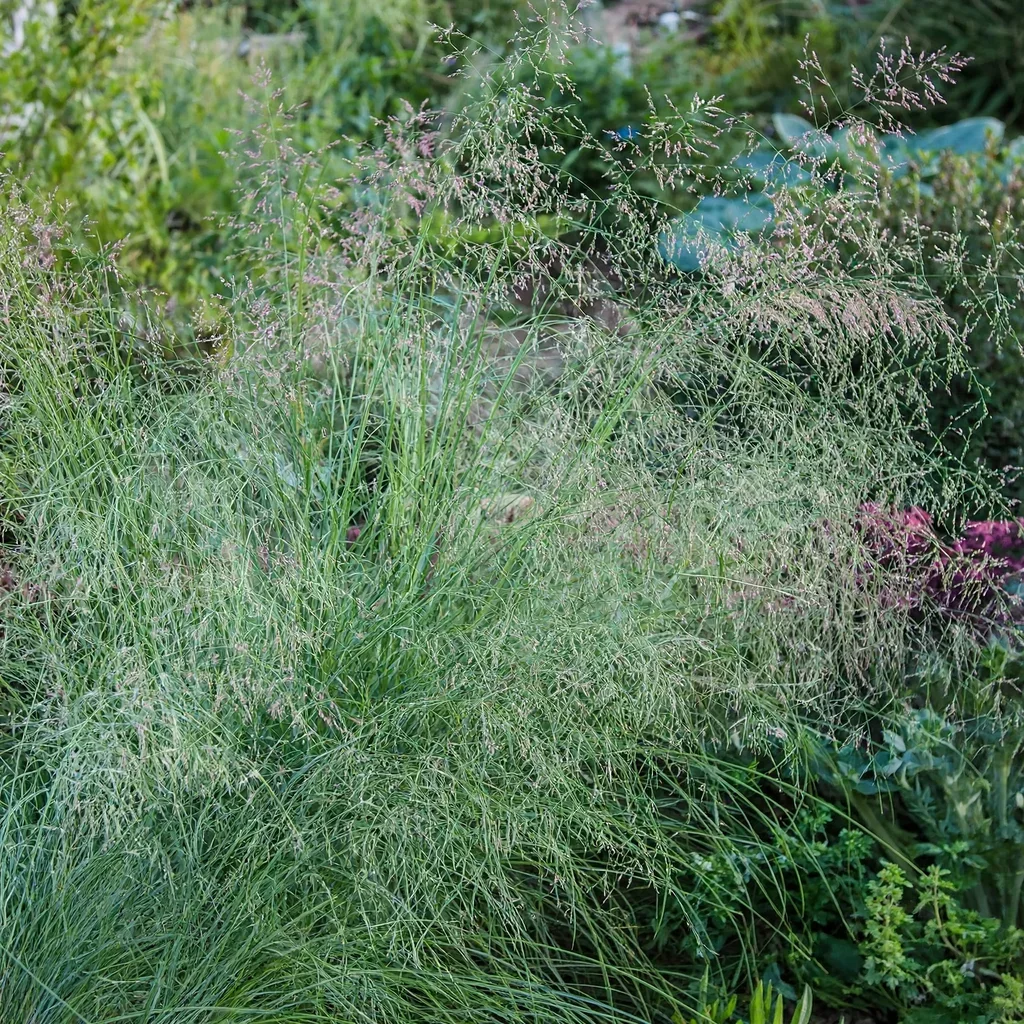
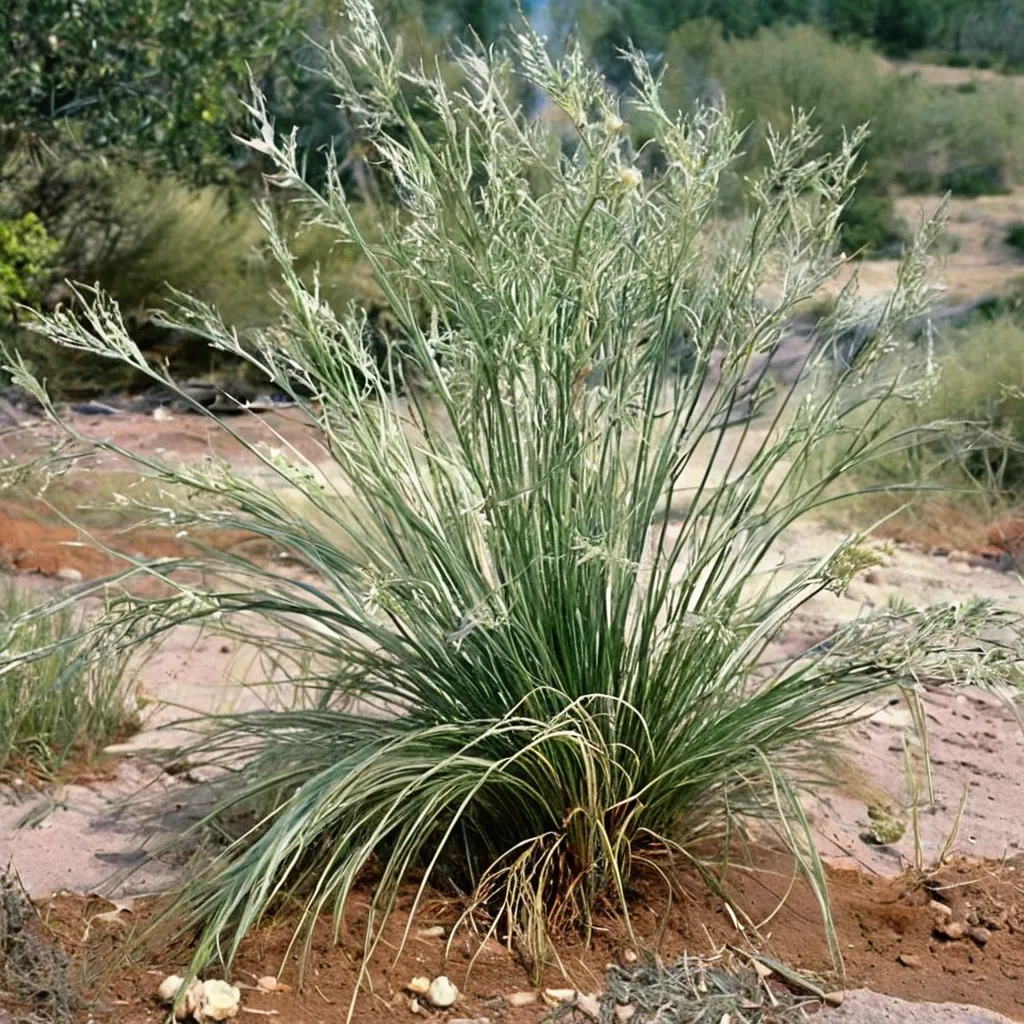
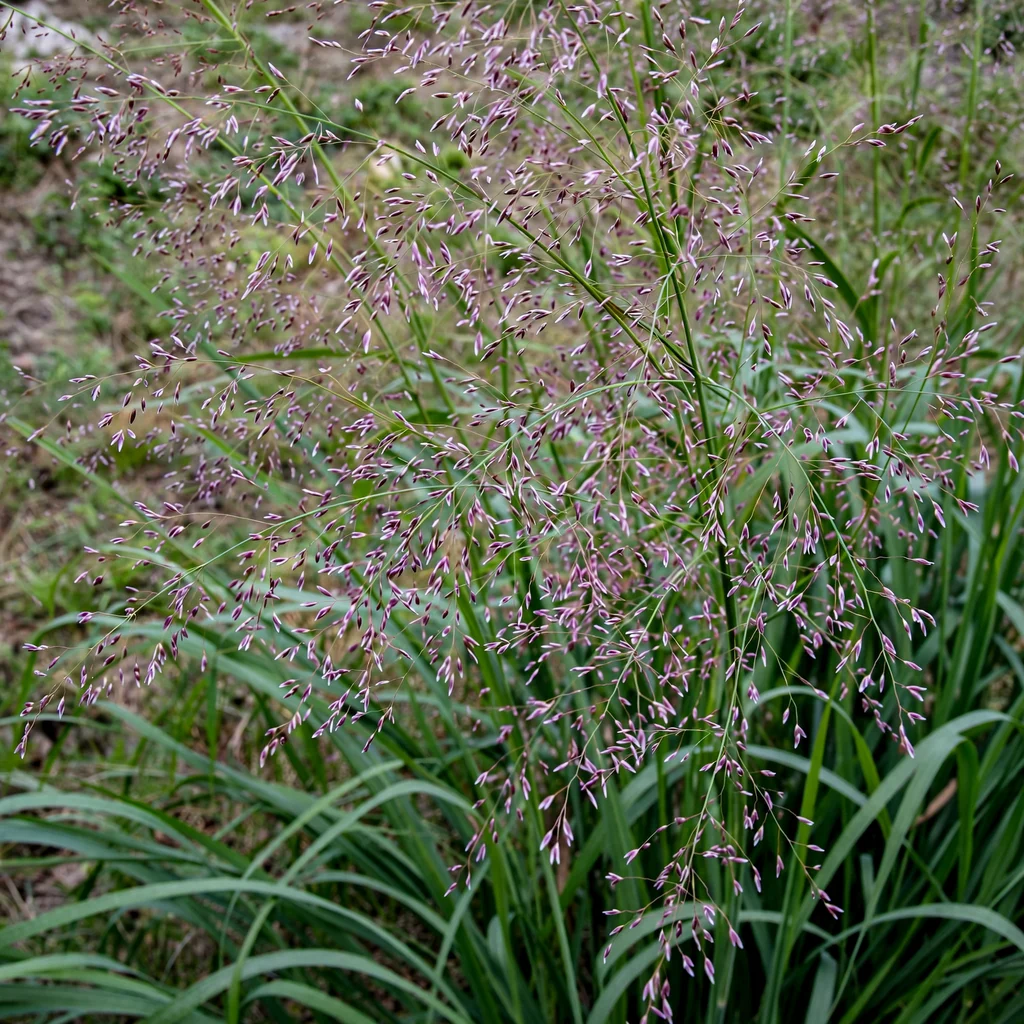
Eragrostis, the genus most gardeners know as lovegrass. We track 6 varieties; the ones most used by real gardeners.
The 5 most-saved Eragrostis varieties
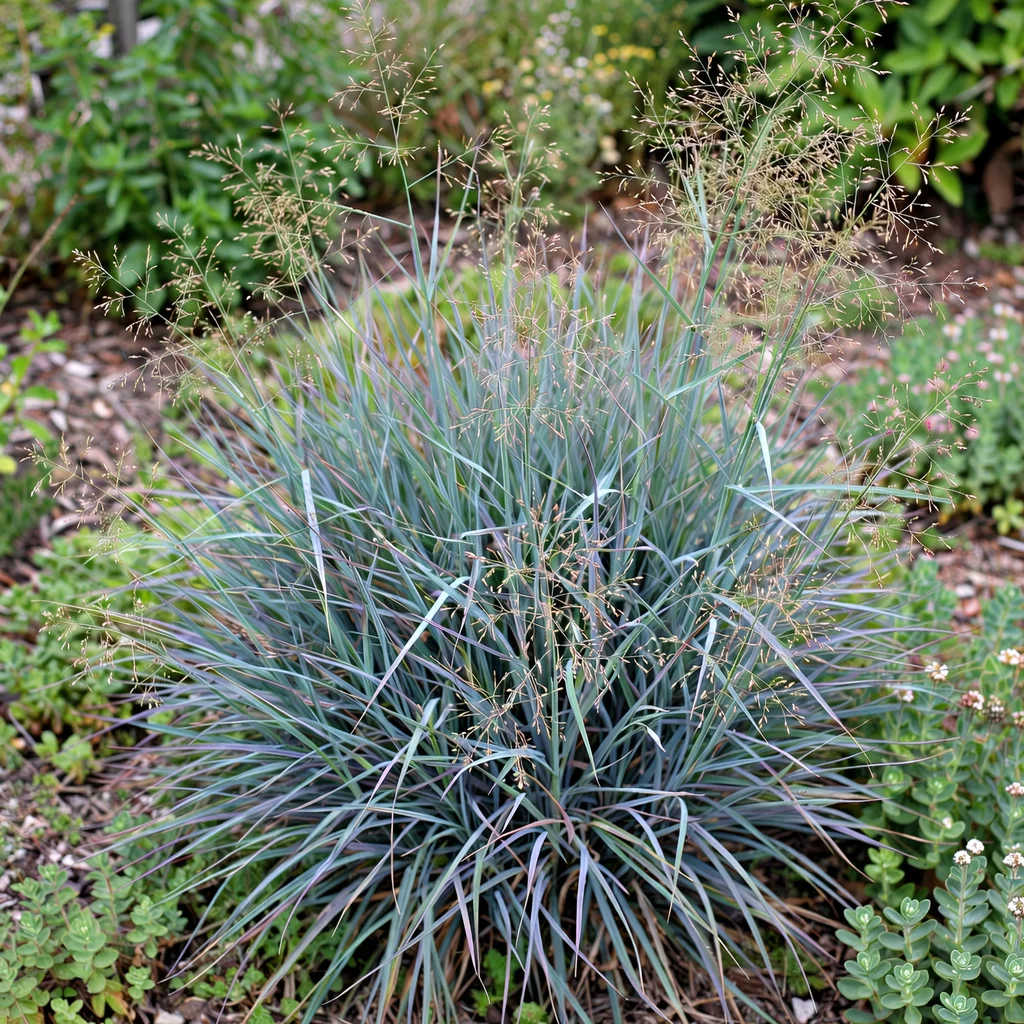
Browse all 6 Eragrostis varieties →
2 species of Eragrostis
Each one is a parent of the varieties above.
Track your Eragrostis in Sow
Save the Eragrostis you grow and get care reminders timed to your zone.
How to grow Eragrostis
Whats common across all Eragrostis varieties in our catalog — drawn from the care records of the 6 most-grown of them.
The Eragrostis year
- DivideApril and May100% of varieties
Divide clumps in spring every few years to maintain vigor.
- PlantApril, May and October67% of varieties
Plant or sow seeds in spring after the last frost date.
- PruneFebruary and March67% of varieties
Cut foliage back to soil level before new spring growth starts.
- Spring CleanupMarch and April50% of varieties
Cut back foliage to the ground in late winter before new growth emerges.
- Check for PestsJune33% of varieties
Inspect dense clumps for stem flop or signs of sap-sucking insects during dry spells.


Do
- Divide clumps every 2-3 years
- Remove dead foliage in late winter
- Provide full sun for best flowering and form.
- Embrace its self-seeding nature for naturalized drifts.
- Cut back old foliage in late winter or early spring.
Avoid
- Overwater in winter ❌
- Do not plant in shade, as it will become floppy and not flower well.
- Avoid overly rich or fertile soil, which can lead to weak growth.
- Do not overwater once the plant is established.
What goes wrong with Eragrostis
| Problem | What you'll see | What to do |
|---|---|---|
| Aphids | Small colonies on tender shoot bases under nursery stress. | Blast affected stems with a steady spray of water or apply insecticidal soap. |
| None significant | This plant is generally pest-free. | Maintain good garden hygiene and proper cultural conditions. |
| Deer browsing | Torn, grazed leaf tips and chewed crown foliage late in the season. | Apply liquid deer repellents or place temporary fencing around young spring growth. |
| Rabbit browsing | Clean, angled cuts on young shoots near the soil line. | Protect emerging shoots with wire mesh cages until plants establish. |
| Rust | Small, reddish-brown pustules on leaf blades, especially in humid weather. | Ensure good air circulation by spacing plants properly. Remove and destroy heavily infected foliage. Fungicides are rarely necessary. |
| Crown Rot | Softening and collapse of basal leaf sheaves in saturated soil. | Ensure soil drains rapidly and avoid overwatering, particularly in winter. |
| Root rot | Wilting and yellowing foliage | Improve drainage and reduce watering |
Making more Eragrostis
Division
- Dig up the entire clump in early spring.
- Use a sharp spade or knife to divide the clump into smaller sections.
- Ensure each division has a healthy set of roots and shoots.
- Replant the divisions immediately and water well.
Seed
- Sow seeds directly outdoors in fall or spring.
- Lightly rake seeds into the soil surface as they need light to germinate.
- Keep the area moist until germination occurs.
- Germination typically takes 2-3 weeks in warm soil.
Eragrostis questions
How many types of Eragrostis are there?
The Sow catalog tracks 6 distinct Eragrostis varieties. The most popular — ranked by 264 real gardeners — are shown first above.
What zones does Eragrostis grow in?
Across its varieties, Eragrostis covers USDA Zones 5–10. Individual varieties differ — each plant page lists its exact range, and Sow filters the catalog to your zone automatically.
When does Eragrostis bloom?
Most Eragrostis varieties bloom in late summer, summer. Staggering early, mid, and late varieties extends the genus's season in one bed.
Which Eragrostis should I choose?
Start from the most-saved varieties above — popularity across thousands of gardens is a strong signal of reliability — then filter by your zone and sun. In the Sow app you can preview any of them in a photo of your actual yard before you buy.