Also known as Fleabane · 132 saves
Erigeron
Erigeron, the genus most gardeners know as fleabane. We track 8 varieties; the ones most used by real gardeners.
The 8 most-saved Erigeron varieties
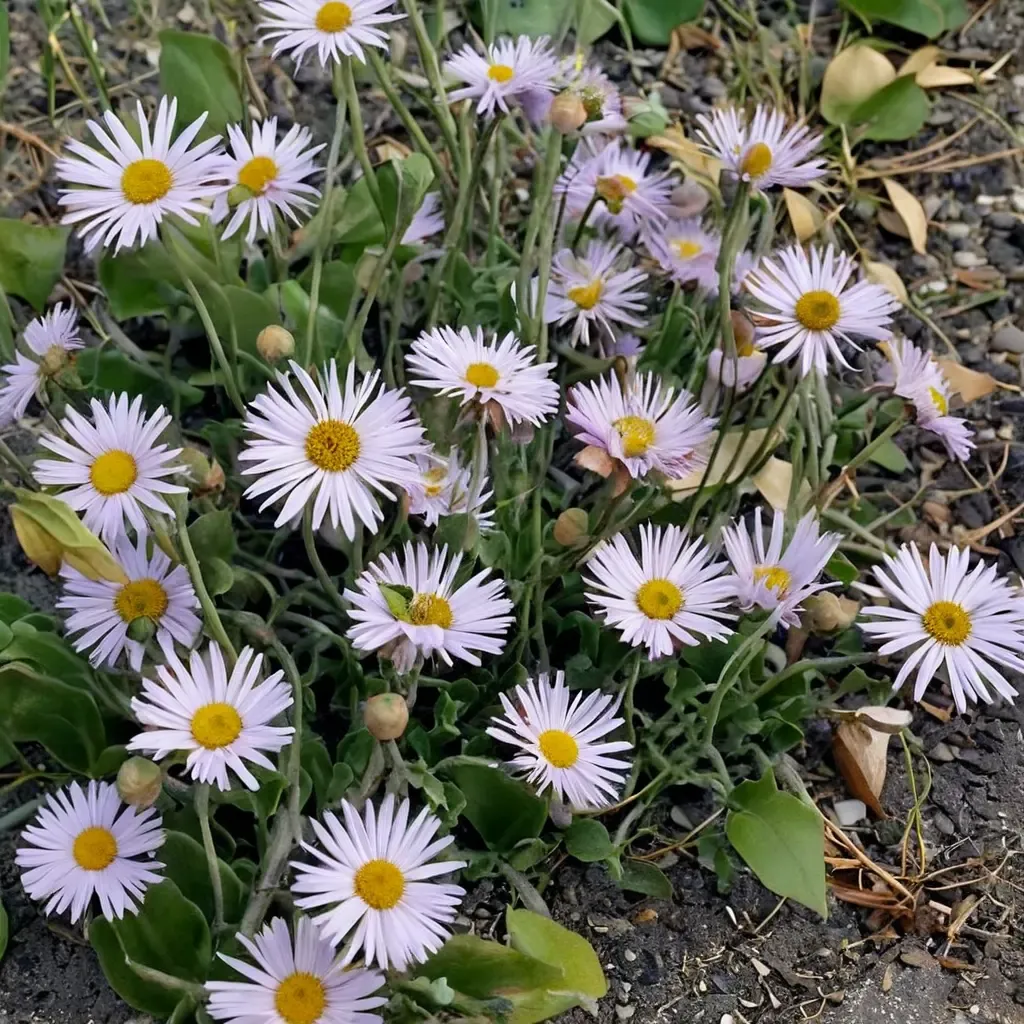
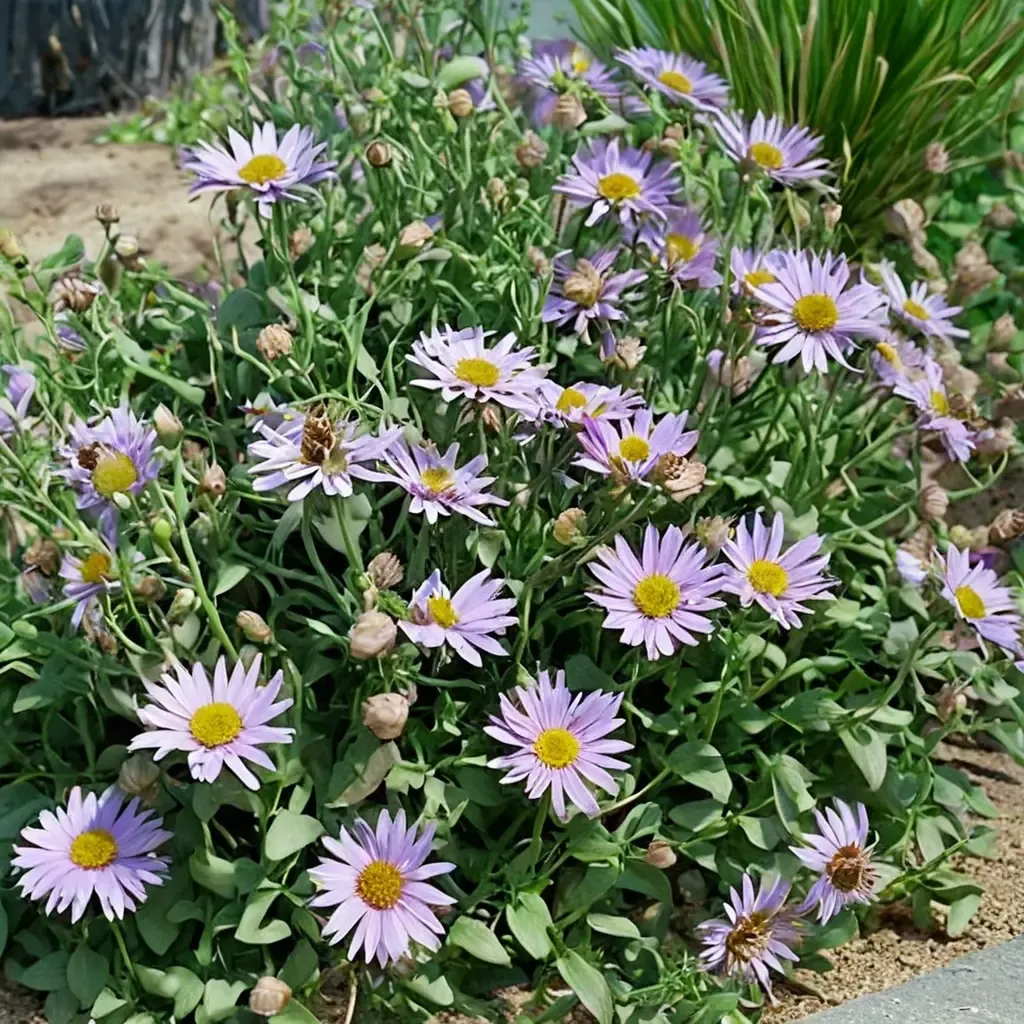
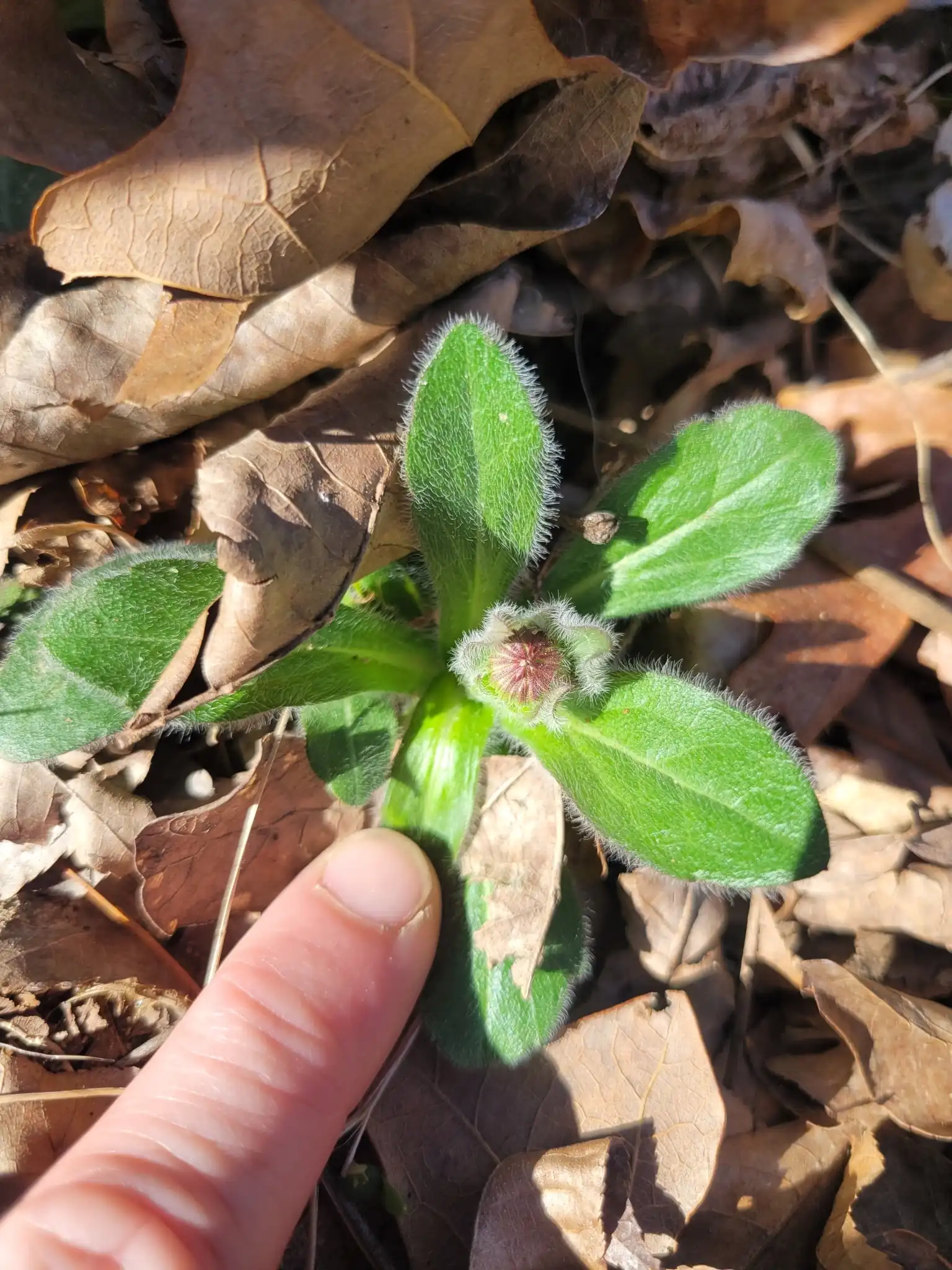
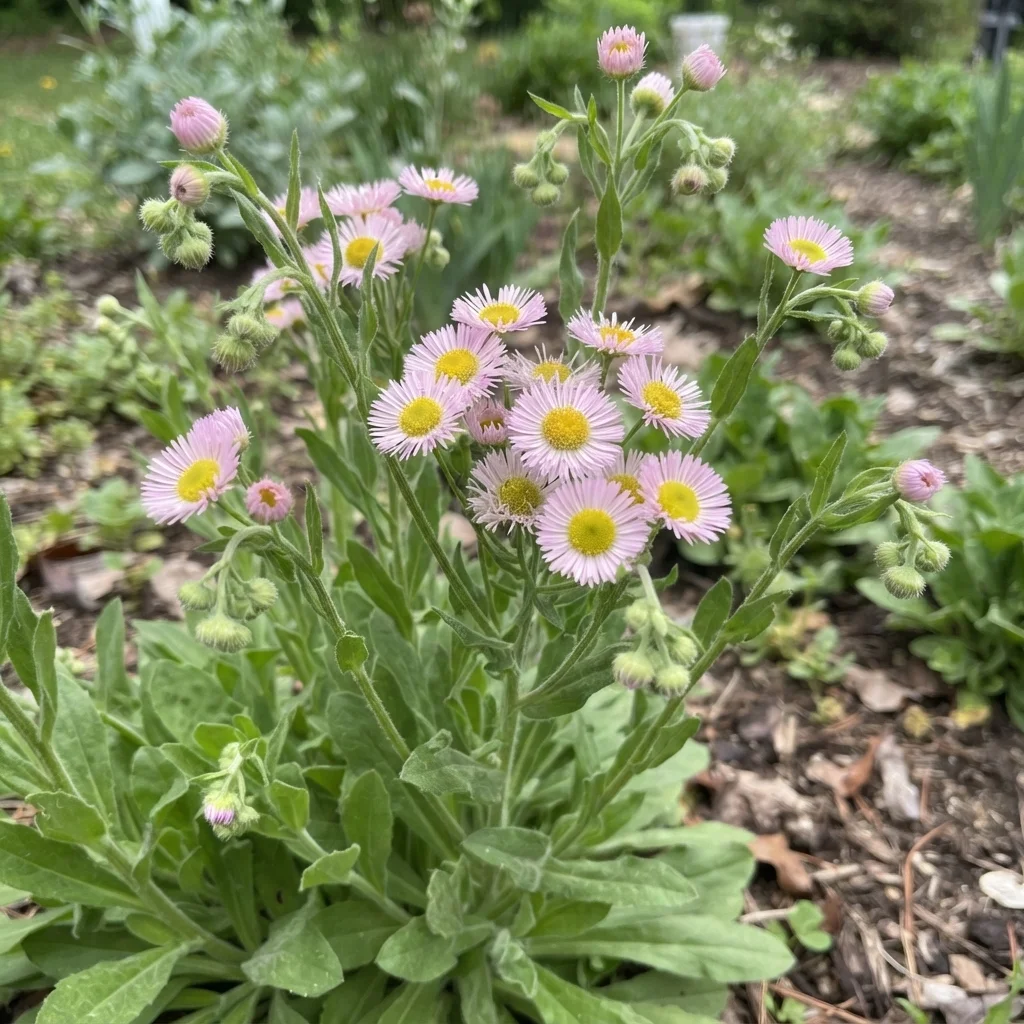
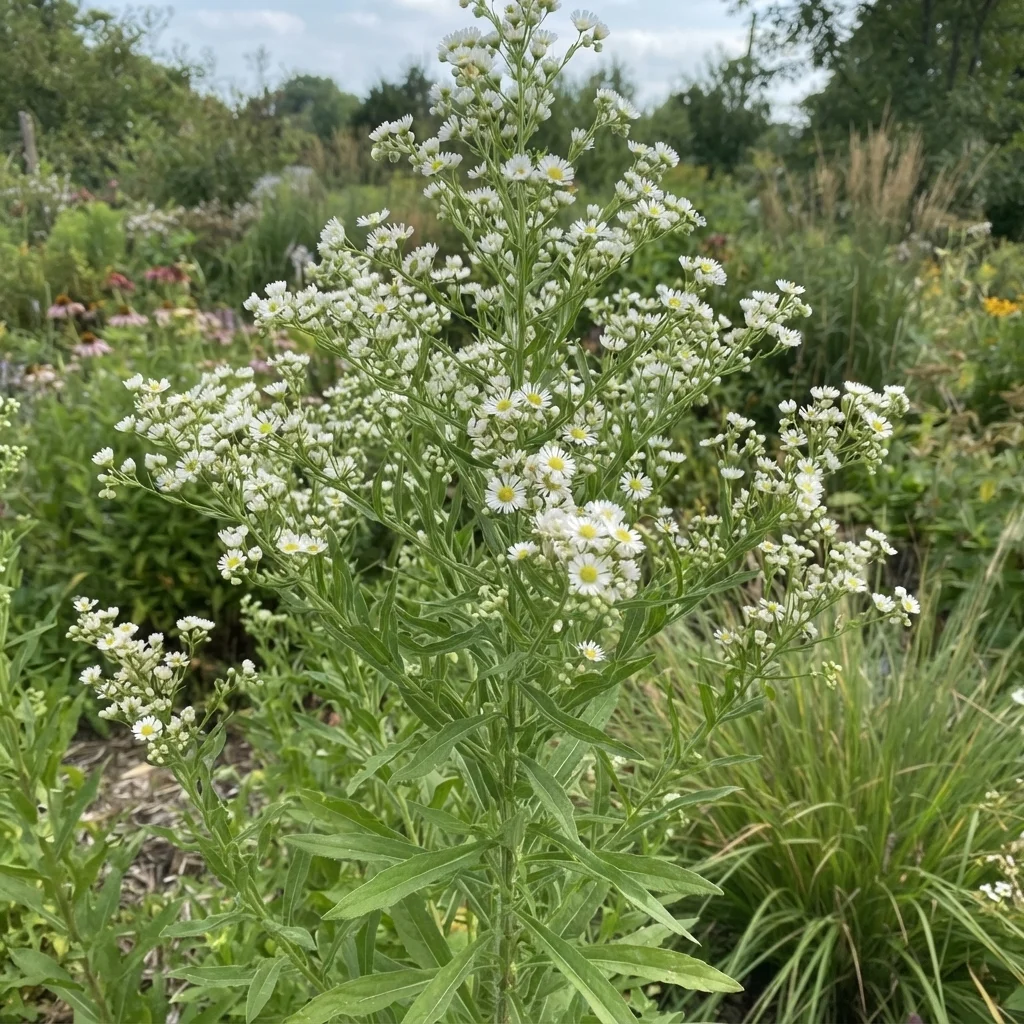
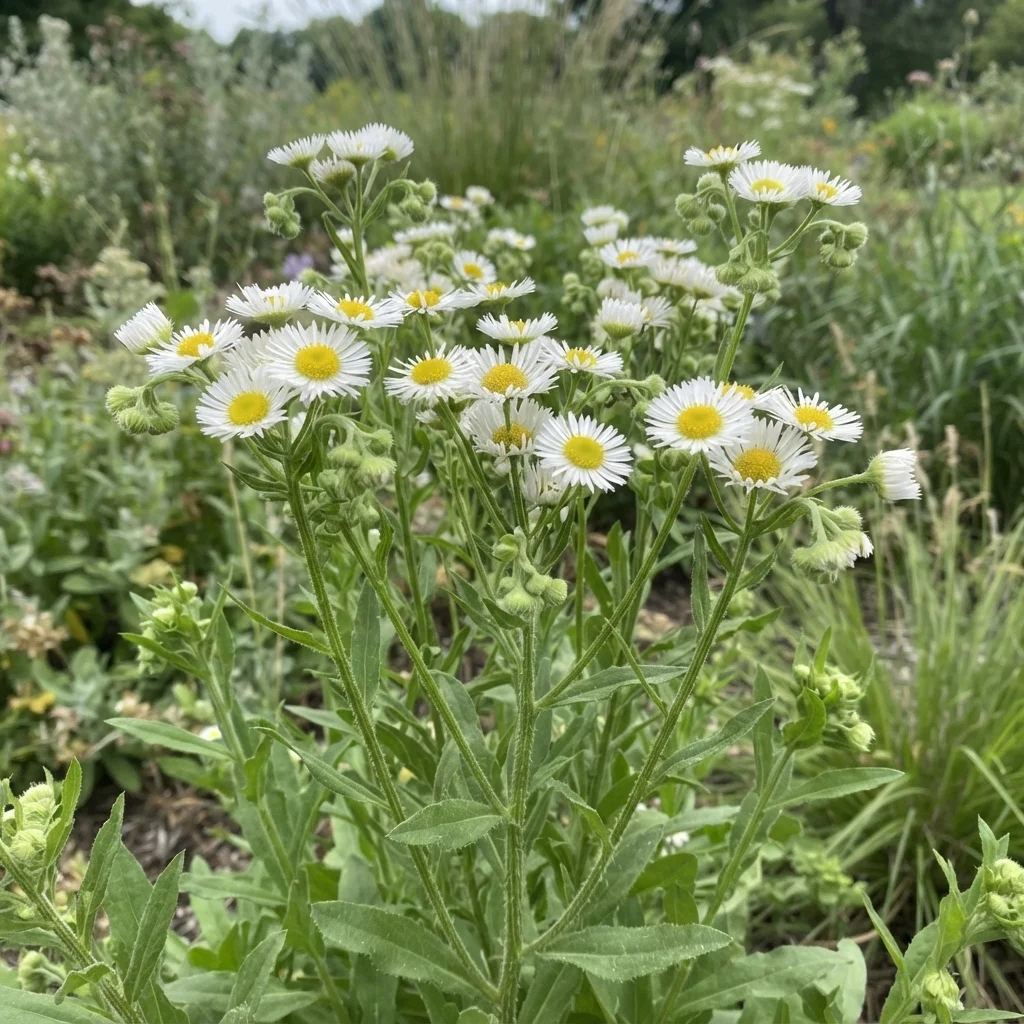
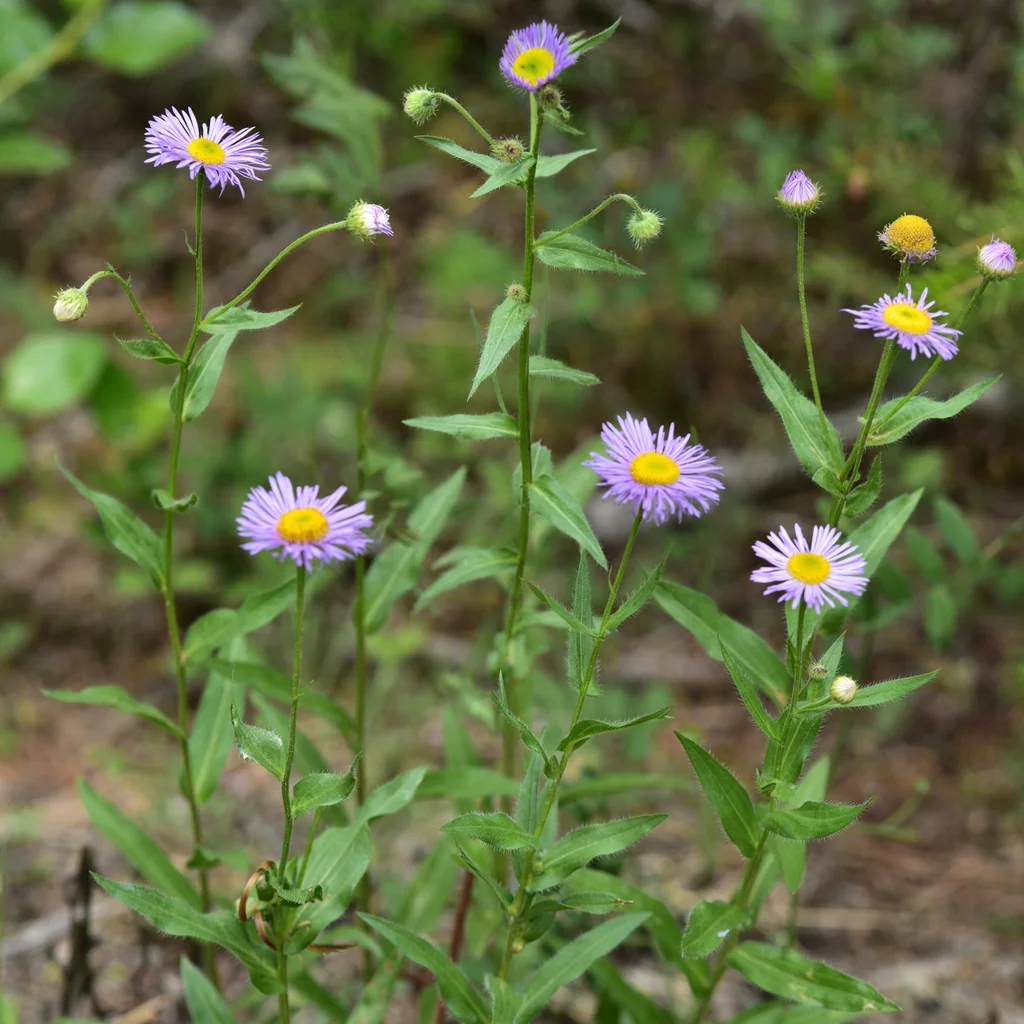
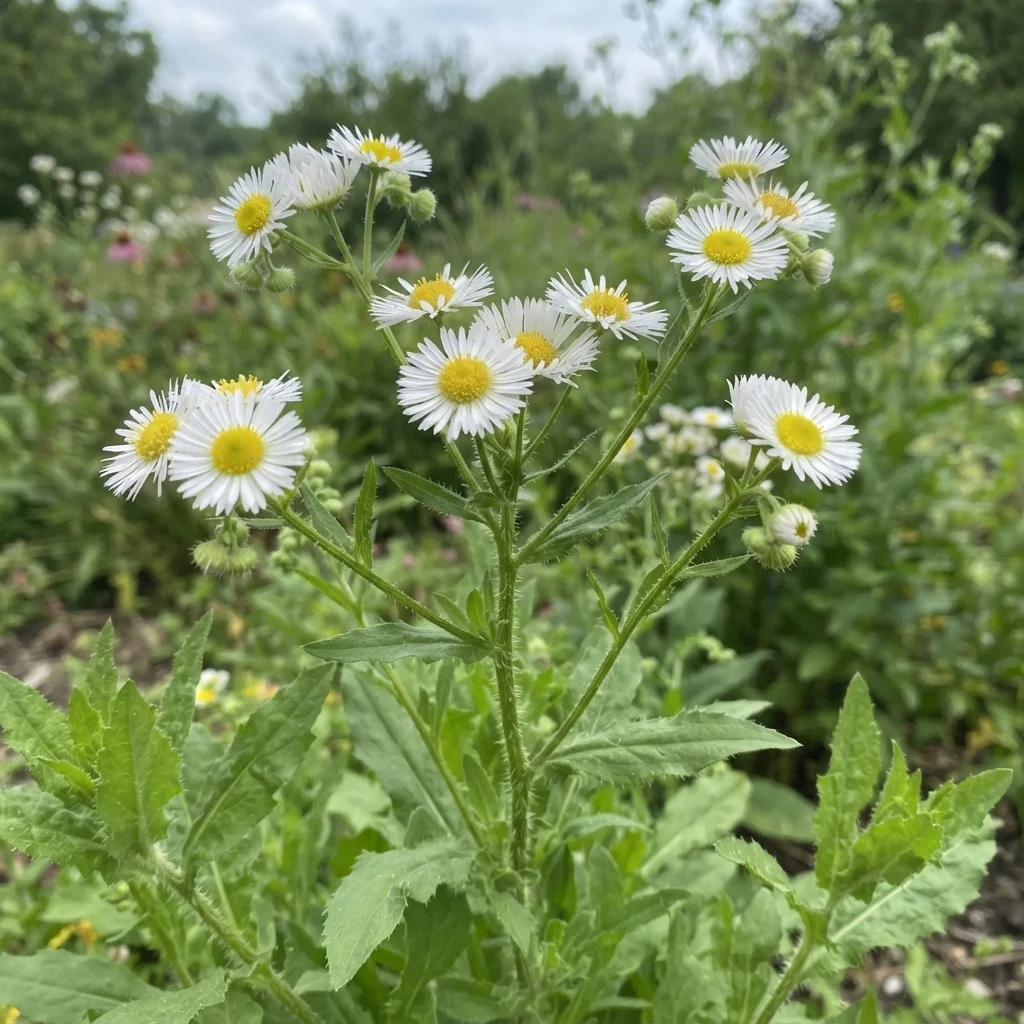
6 species of Erigeron
Each one is a parent of the varieties above.
Track your Erigeron in Sow
Save the Erigeron you grow and get care reminders timed to your zone.
How to grow Erigeron
Whats common across all Erigeron varieties in our catalog — drawn from the care records of the 8 most-grown of them.
The Erigeron year
- PruneAugust and September75% of varieties
Cut the entire plant back by one-third or down near the base after the final blooms fade.
- DeadheadJune–August63% of varieties
Remove spent flower heads regularly to encourage continuous blooming.
- DivideApril and October50% of varieties
Divide mature clumps in early spring to prevent overcrowding and maintain vigor.
- Check for PestsJune and July50% of varieties
Monitor foliage for aphids and spider mites during dry spells.
- PropagateMarch and April38% of varieties
Sow seeds in spring or autumn, or divide established clumps in autumn.
- Spring CleanupMarch and April38% of varieties
Clear away dead winter debris around the basal rosette to improve air circulation.


Do
- Deadhead spent flowers regularly to stimulate continuous blooming into early fall.
- Divide mature clumps every three to four years in spring to maintain vigor and prevent center die-back.
- Ensure the soil drains rapidly, especially during wet winter months.
- Shear plants back to the basal rosette after flowering to prevent aggressive self-seeding.
- Ensure excellent soil drainage to protect the crown from winter rot.
Avoid
- Do not plant in heavy, poorly draining clay soils.
- Do not allow fallen autumn leaves to smother the basal rosettes.
- Do not over-fertilize, as excess nutrients cause weak, floppy stems.
- Do not apply heavy fertilizer, which causes weak, leggy stems.
What goes wrong with Erigeron
| Problem | What you'll see | What to do |
|---|---|---|
| Aphids | Clusters of small insects on tender new growth and sticky honeydew. | Knock them off with a strong spray of water from a garden hose. |
| Spider mites | Fine stippling on leaves during hot, dry periods. | Increase moisture around the plant or apply miticides. |
| Slugs and snails | Irregular holes chewed in young spring foliage. | Apply iron phosphate bait around the base of the plants in early spring. |
| Deer and rabbits | Browsed tender foliage and chewed flower buds. | Install physical fencing or apply commercial repellents. |
| Powdery mildew | White, powdery fungal coating on leaf surfaces during humid weather. | Space plants to ensure good air circulation and water at the base rather than overhead. |
| Root rot | Yellowing foliage, wilting, and collapse of the plant due to decayed roots. | Ensure the planting site has excellent drainage and avoid overwatering. |
| Root Rot | Wilting and browning of roots | Ensure well-draining soil and reduce watering |
Making more Erigeron
Seed
- Sow seeds directly in the garden during spring or autumn.
- Press seeds lightly into the soil surface, as they require light to germinate.
- Keep the soil consistently moist but not waterlogged until germination occurs.
- Thin seedlings to a spacing of 12 to 18 inches once they develop true leaves.
Division
- Dig up mature clumps in early spring just as new growth emerges.
- Carefully pry or cut the crown into sections, ensuring each has healthy roots and shoots.
- Discard any woody or dead center portions of the original clump.
- Replant the divisions immediately at the original depth and water thoroughly.
Erigeron questions
How many types of Erigeron are there?
The Sow catalog tracks 8 distinct Erigeron varieties. The most popular — ranked by 132 real gardeners — are shown first above.
What zones does Erigeron grow in?
Across its varieties, Erigeron covers USDA Zones 4–10. Individual varieties differ — each plant page lists its exact range, and Sow filters the catalog to your zone automatically.
When does Erigeron bloom?
Most Erigeron varieties bloom in mid-spring to early summer, late spring, late spring to early summer. Staggering early, mid, and late varieties extends the genus's season in one bed.
Which Erigeron should I choose?
Start from the most-saved varieties above — popularity across thousands of gardens is a strong signal of reliability — then filter by your zone and sun. In the Sow app you can preview any of them in a photo of your actual yard before you buy.