The Story
Plant Bio
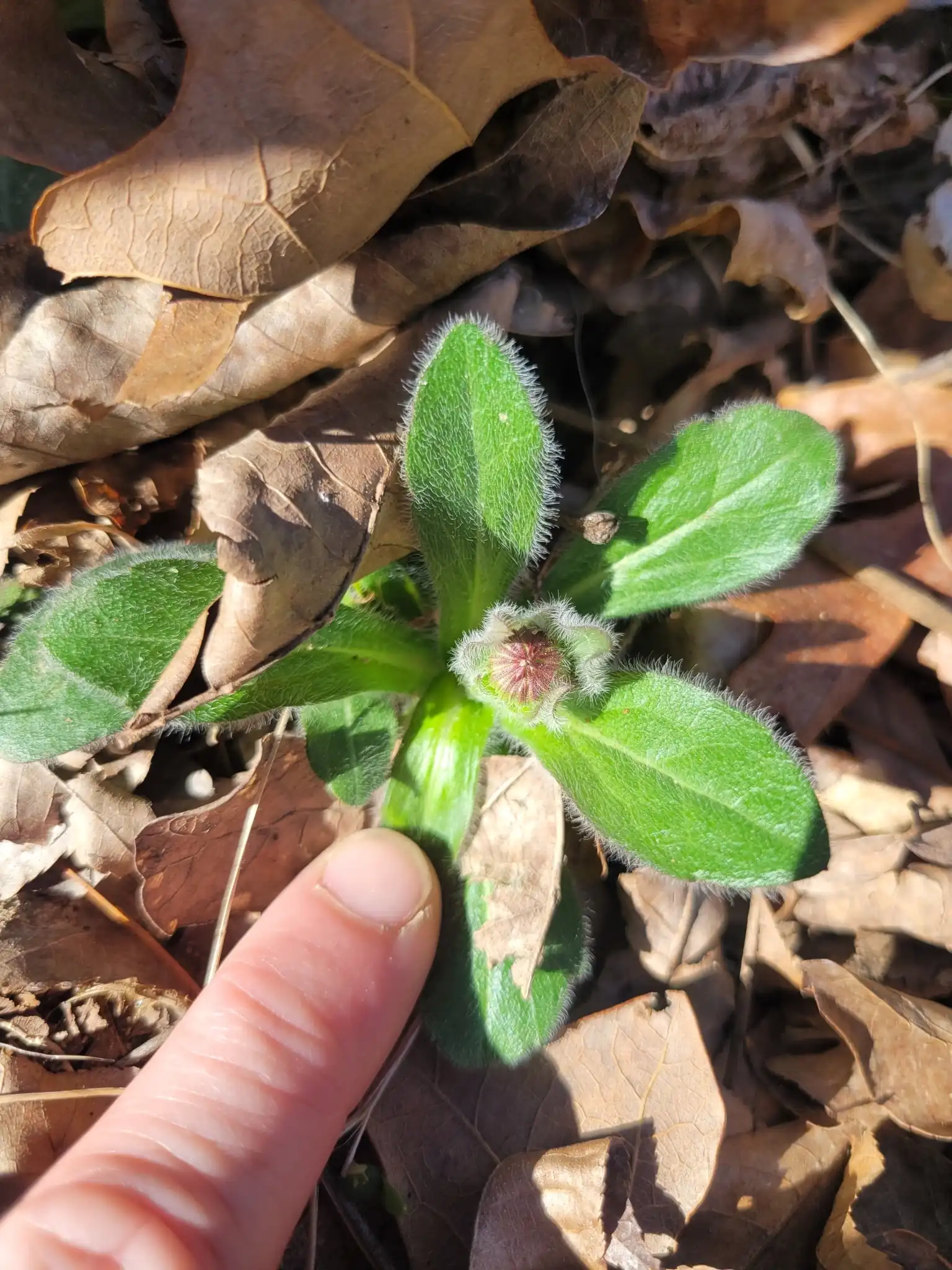
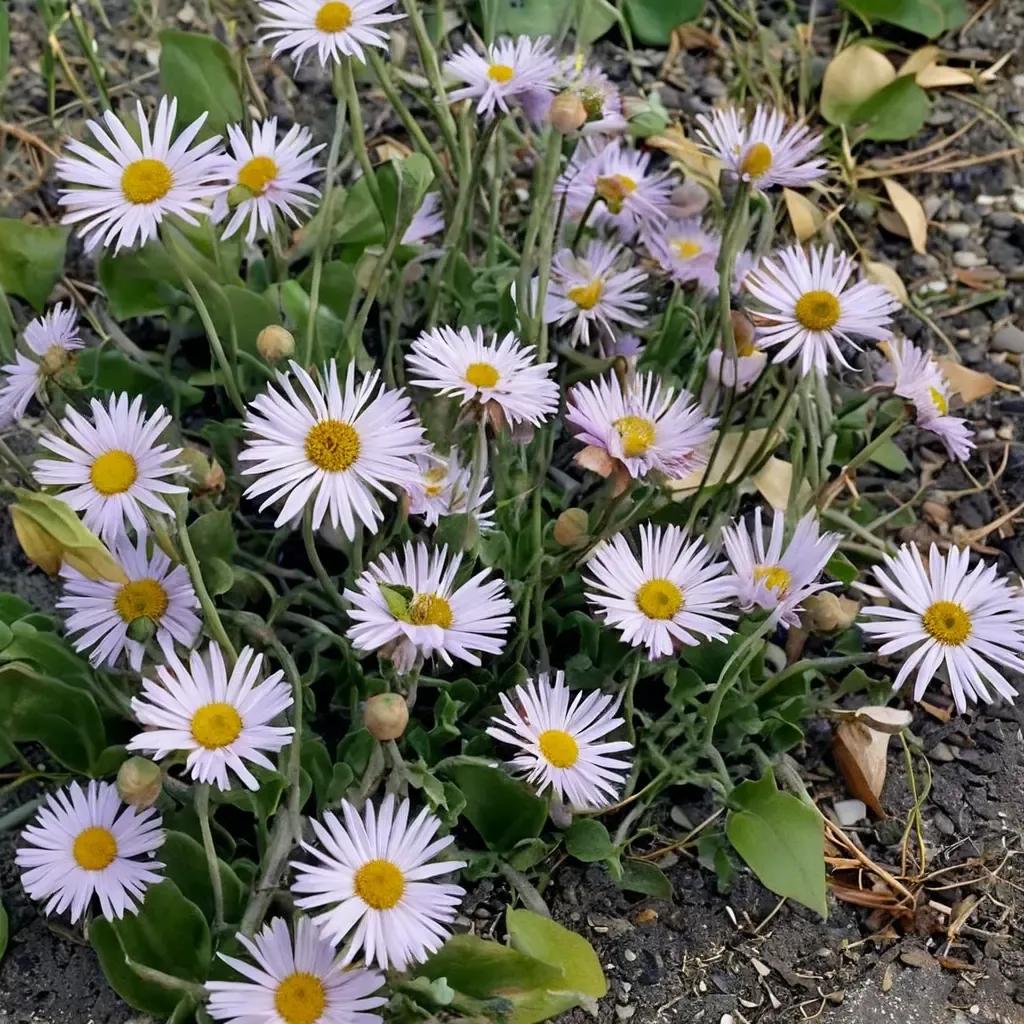
Erigeron pulchellus, robin's plantain, is a low spreading perennial native from eastern Canada through the United States, reaching one to two feet in flower. A basal rosette of paddle-shaped, softly hairy leaves sends up stems carrying inch-wide daisies with many fine pale lavender to white rays around a yellow centre. It spreads by runners into loose colonies.
It flowers in late spring, well before the asters and fleabanes it resembles, filling the gap between spring ephemerals and summer perennials. Spreading by above-ground runners means it knits into a groundcover without becoming aggressive, and it copes with dry shade under trees better than most flowering natives.
Uses & Benefits:
Essentials
At a Glance
Plant Type
Perennial
Height
18"
Width
21"
Light
Full Sun, Partial Sun
Zones
4, 5, 6, 7, 8
Water
Moderate
Humidity
Moderate
Lifespan
Perennial
Native To
Eastern Canada and the United States
Toxicity
Non-toxic
Planting
How to Grow
- Plant in spring in moist, well-drained soil.
- Choose full sun to partial shade.
- Space about a foot apart; runners will fill in.
- Water through the first season to establish.
- Deadhead after flowering to keep it tidy.
- Divide every few years if the centre thins.
Pro Tip
Let the runners do the work — plant a few a foot apart rather than buying many, and they knit together within two seasons.
Keep It Thriving
Care Guide
Do
- Plant in sun or partial shade 🌱
- Let the runners spread into groundcover 🌿
- Deadhead after flowering ✂️
- Divide if the centre thins 🪴
Don't
- Plant in heavy waterlogged soil ❌
- Let it dry out in its first season ❌
- Expect it to compete with dense turf ❌
Seasonal Care Calendar
| Task | Jan | Feb | Mar | Apr | May | Jun | Jul | Aug | Sep | Oct | Nov | Dec |
|---|---|---|---|---|---|---|---|---|---|---|---|---|
| Divide | ||||||||||||
| Prune |
Watch Out For
Pests & Diseases
Common Pests
Common Diseases
In the Garden
Landscape Uses & Companions
Landscape Uses
Multiply
Propagation Methods
Good to Know
Common Questions
Robin's Plantain questions
What zones can Robin's Plantain grow in?
Robin's Plantain is hardy in USDA Zones 4–8. Inside that range it survives winter in the ground; outside it, grow it as an annual or a container plant you protect.
Is Robin's Plantain deer resistant?
Yes — Robin's Plantain is rated deer-resistant. Deer typically pass it over, though extreme hunger can override any plant's defenses.
When does Robin's Plantain bloom?
Robin's Plantain typically blooms in late spring to early summer through late summer. Exact timing shifts a week or two with your zone — Sow's bloom calendar maps it to your garden.
Does Robin's Plantain need full sun?
Robin's Plantain does best in full sun to part shade. In hot climates, afternoon shade keeps blooms fresher longer.
Is Robin's Plantain drought tolerant?
Yes — once established (usually after the first full season), Robin's Plantain handles dry spells with minimal watering. Water deeply its first year to build the root system that makes that possible.
More Erigeron to compare
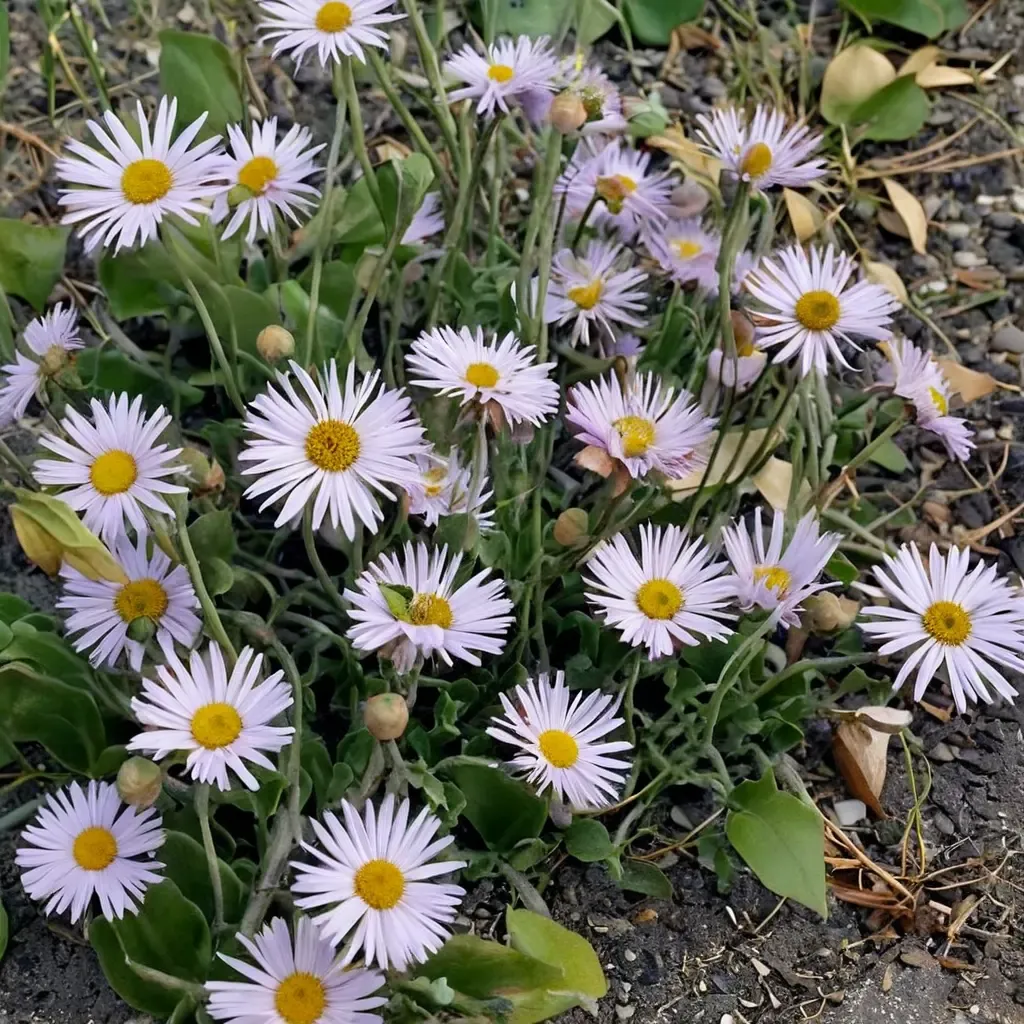
Robin's Plantain 'Meadow Muffin'
Erigeron pulchellus 'Meadow Muffin'
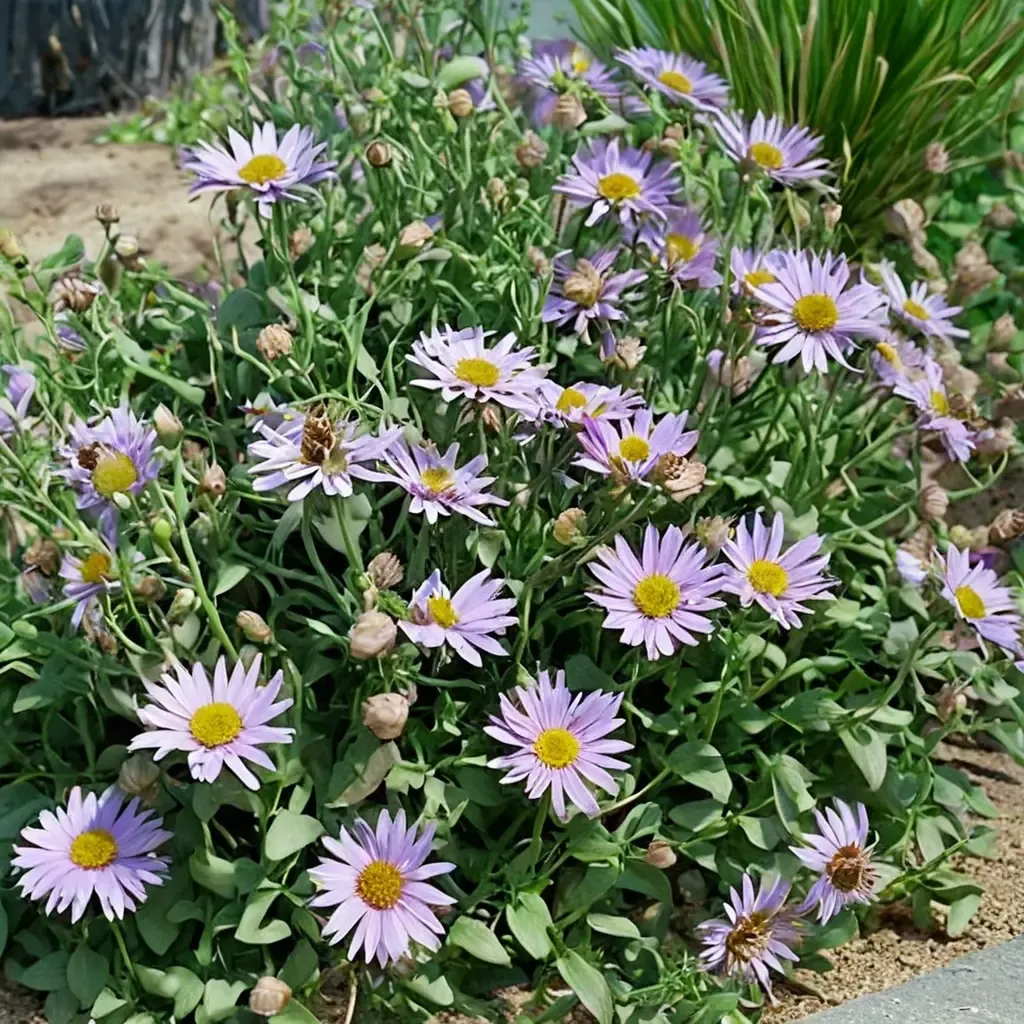
Wayne Roderick fleabane
Erigeron glaucus 'Wayne Roderick'
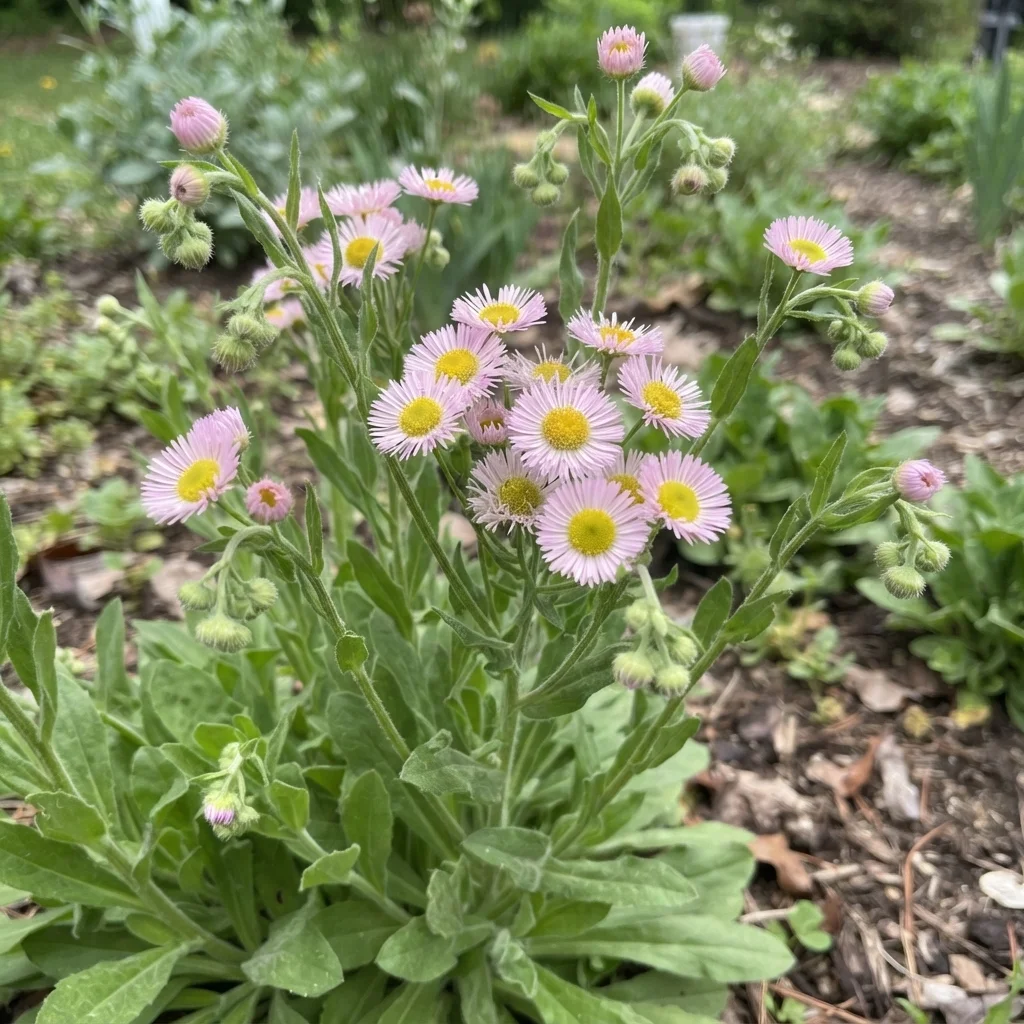
Philadelphia Fleabane
Erigeron philadelphicus
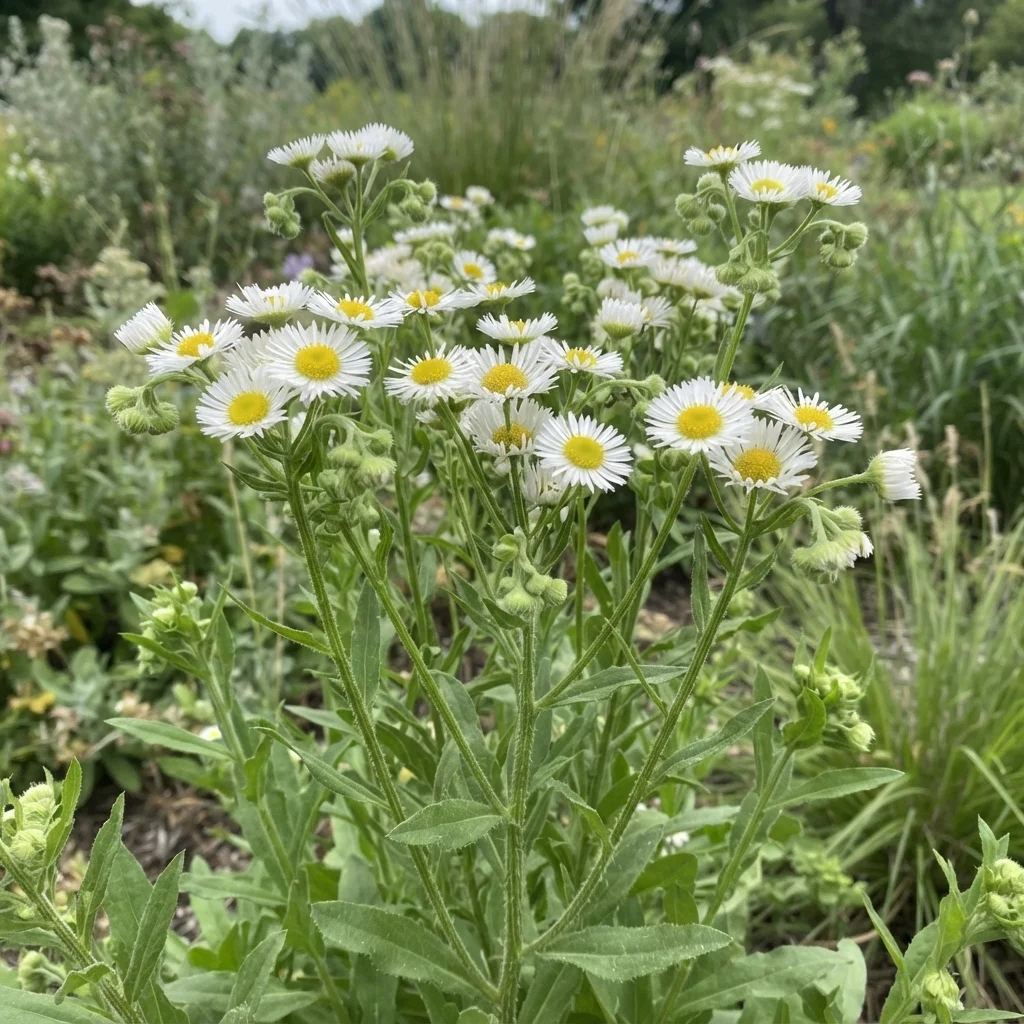
Prairie Fleabane
Erigeron strigosus
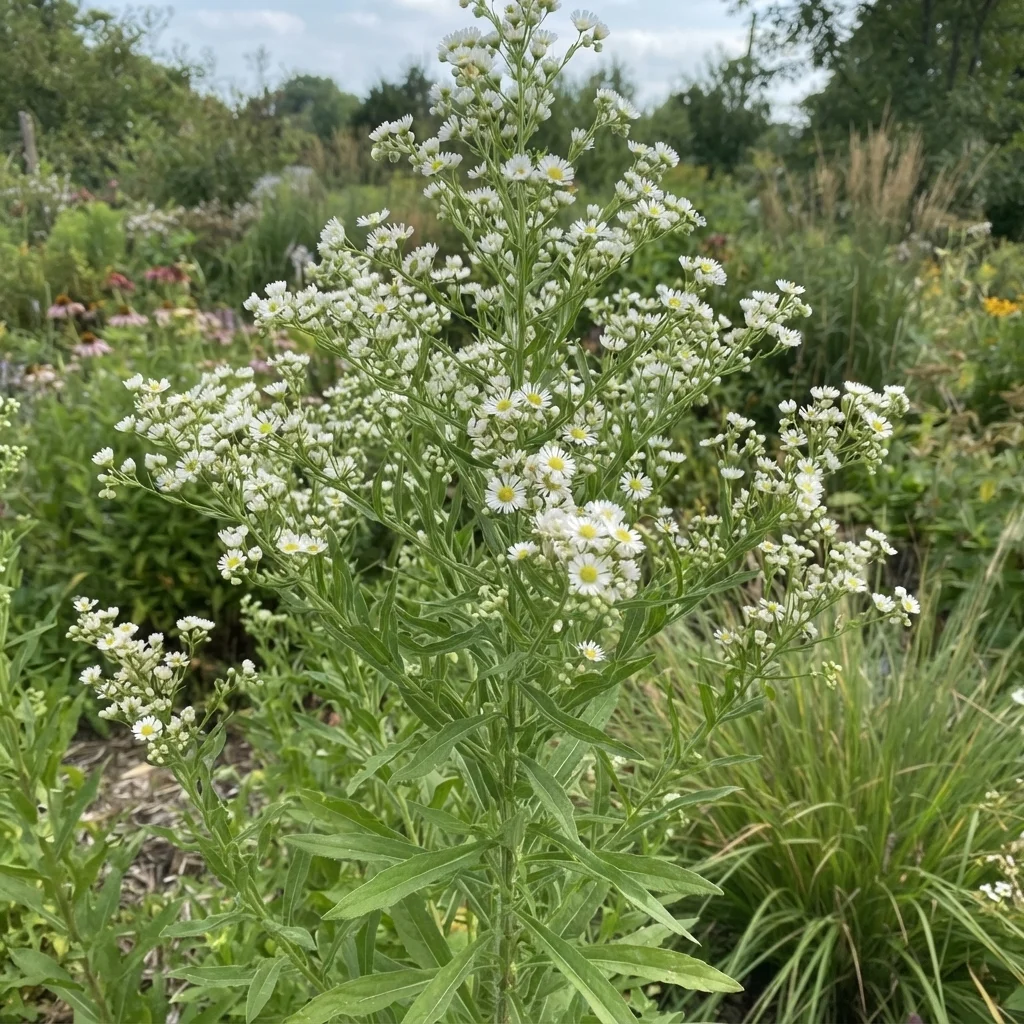
Horseweed
Erigeron canadensis
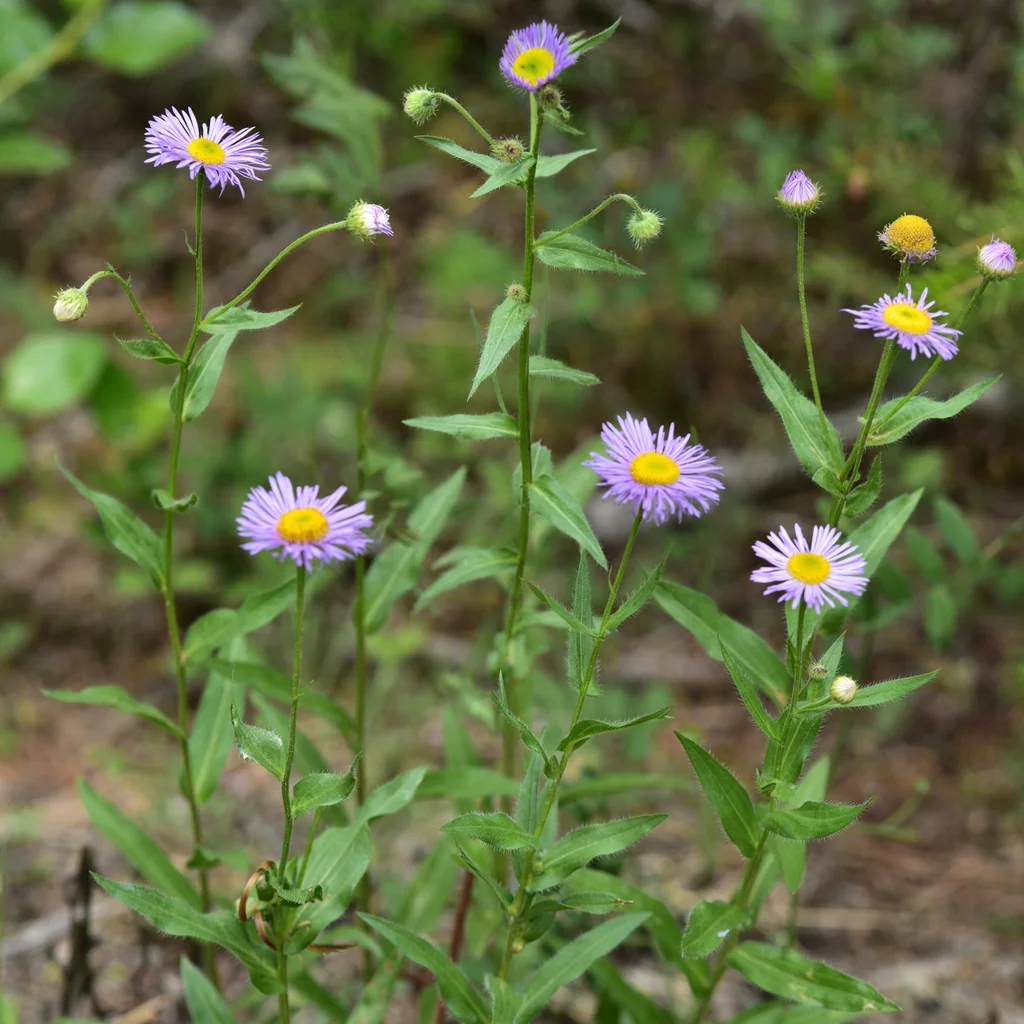
Aspen Fleabane
Erigeron speciosus
Keep exploring
Explore the genus
Hardy in your zone?
Grow Robin's Plantain with confidence
See it in a design of your actual yard, get zone-matched care reminders, and track it season by season in your garden journal.