Also known as Grass-leaved Goldenrod · 129 saves
Euthamia
Euthamia, the genus most gardeners know as grass-leaved goldenrod. We track 3 varieties; the ones most used by real gardeners.
The 3 most-saved Euthamia varieties
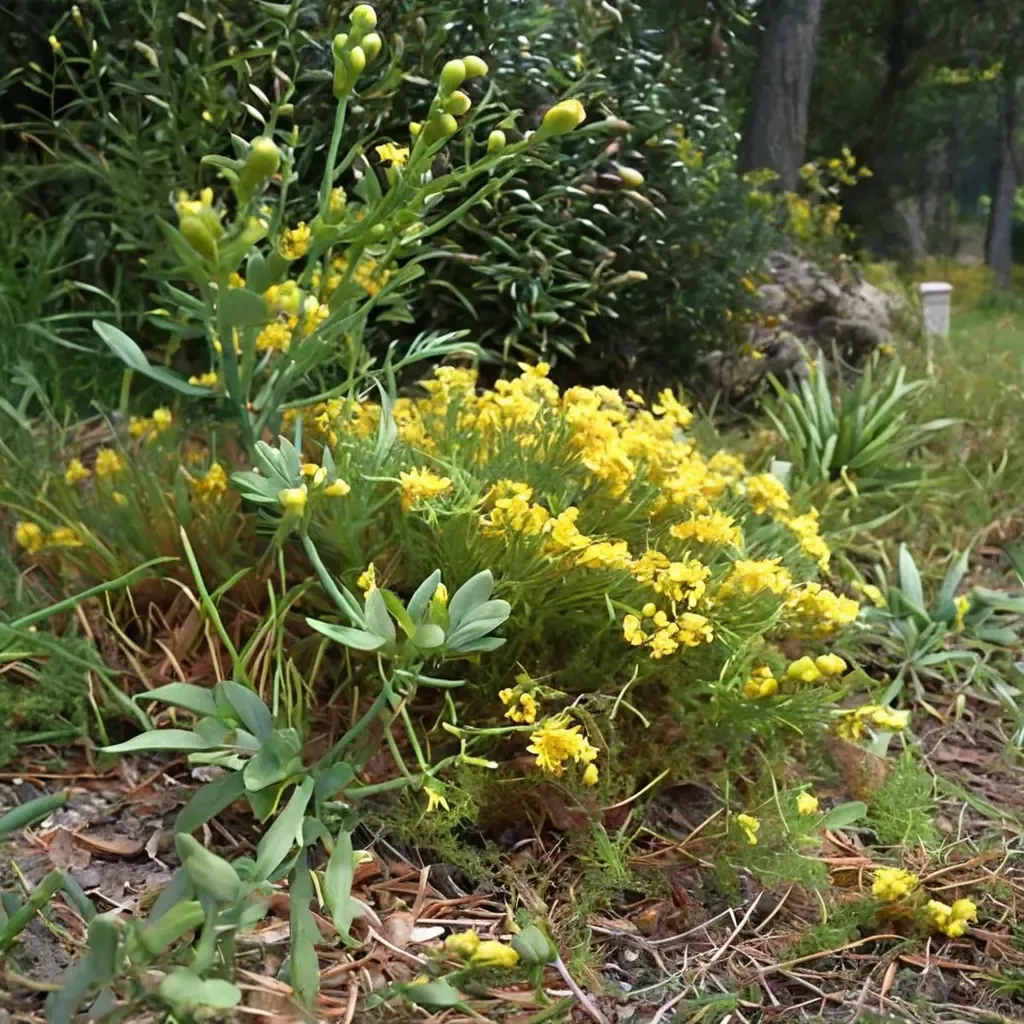
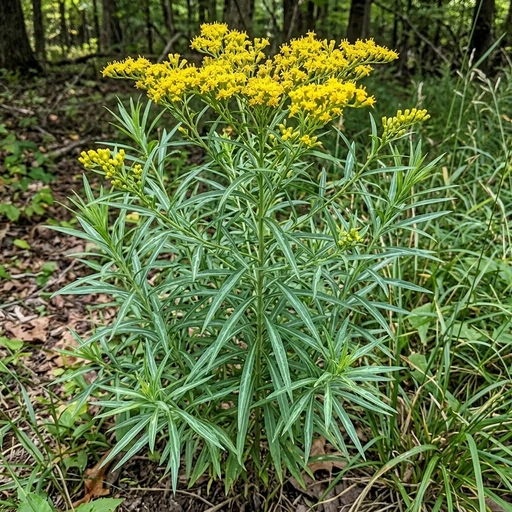
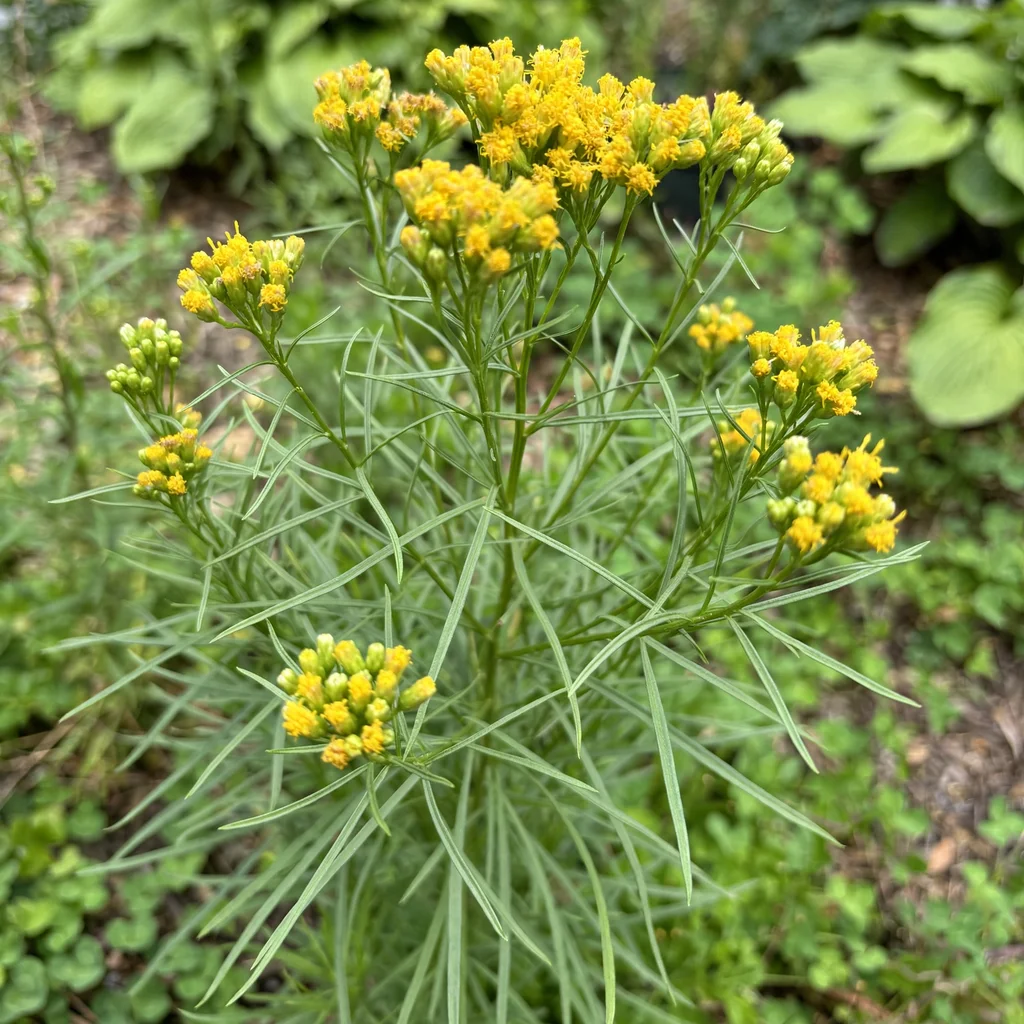
2 species of Euthamia
Each one is a parent of the varieties above.
Track your Euthamia in Sow
Save the Euthamia you grow and get care reminders timed to your zone.
How to grow Euthamia
Whats common across all Euthamia varieties in our catalog — drawn from the care records of the 3 most-grown of them.
The Euthamia year
- PlantApril, May, October and November100% of varieties
Plant in spring or fall. Give it space to spread.
- DivideApril100% of varieties
Divide clumps in spring to control its spread and propagate.


Do
- Provide full sun for the sturdiest growth.
- Allow it to spread to form a naturalistic patch.
- Appreciate its incredible value to late-season pollinators.
- Keep soil consistently moist or wet throughout the growing season.
- Cut spent stems down to ground level in late winter before spring growth begins.
Avoid
- Don't plant it in a small, tidy border where it will outcompete neighbors.
- Don't mistake it for the cause of hay fever (ragweed is the culprit).
- Don't over-fertilize.
- Do not plant in dry garden beds or drought-prone borders.
What goes wrong with Euthamia
| Problem | What you'll see | What to do |
|---|---|---|
| Aphids | Clusters of small green or dark insects on tender leaf undersides and new stems. | Wash foliage with a strong stream of water or apply insecticidal soap. |
| Gall-making insects | Abnormal growths or swellings on stems or leaves. | Galls are caused by various insects but are generally harmless to the plant's health. No control is necessary; they are part of the natural ecosystem. |
| Spider mites | Fine webbing and yellow stippling on leaves during warm, dry periods. | Increase localized ambient humidity and spray foliage thoroughly with insecticidal soap. |
| Powdery mildew | White powdery patches appearing on leaves during warm, humid late-summer weather. | Ensure proper plant spacing for air circulation and cut back infected stems after flowering. |
| Powdery Mildew | White, powdery fungus on leaves, especially in late summer. | Provide good air circulation. It is mostly a cosmetic issue in naturalistic plantings and requires no treatment. |
| Root rot | Yellowing foliage and collapsing stems in stagnant, poorly oxygenated soil conditions. | Improve soil aeration or ensure water movement across low-lying sites rather than standing stagnant. |
Making more Euthamia
Division
- In spring, dig up a section of the spreading colony.
- Ensure the division has both roots and shoots.
- Replant immediately in the desired location.
- Water well until the new plant is established.
Seed
- Collect seed in fall after flowers have faded.
- Sow directly on the soil surface as they need light to germinate.
- Seeds require a 30-day period of cold, moist stratification.
- Germination will occur in spring.
Euthamia questions
How many types of Euthamia are there?
The Sow catalog tracks 3 distinct Euthamia varieties. The most popular — ranked by 129 real gardeners — are shown first above.
What zones does Euthamia grow in?
Across its varieties, Euthamia covers USDA Zones 4–10. Individual varieties differ — each plant page lists its exact range, and Sow filters the catalog to your zone automatically.
When does Euthamia bloom?
Most Euthamia varieties bloom from late summer to mid-fall.
Which Euthamia should I choose?
Start from the most-saved varieties above — popularity across thousands of gardens is a strong signal of reliability — then filter by your zone and sun. In the Sow app you can preview any of them in a photo of your actual yard before you buy.