Also known as Blue Daze · 35 saves
Evolvulus
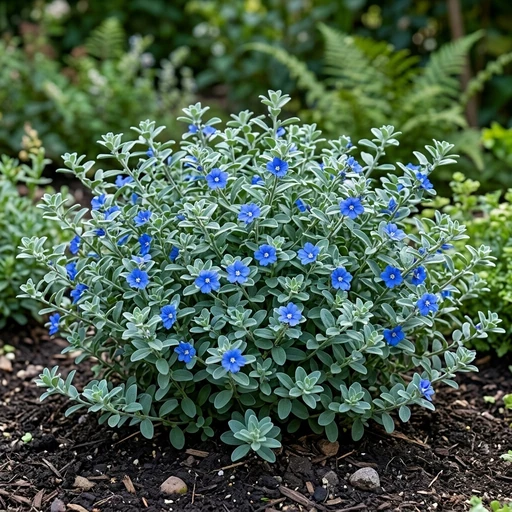
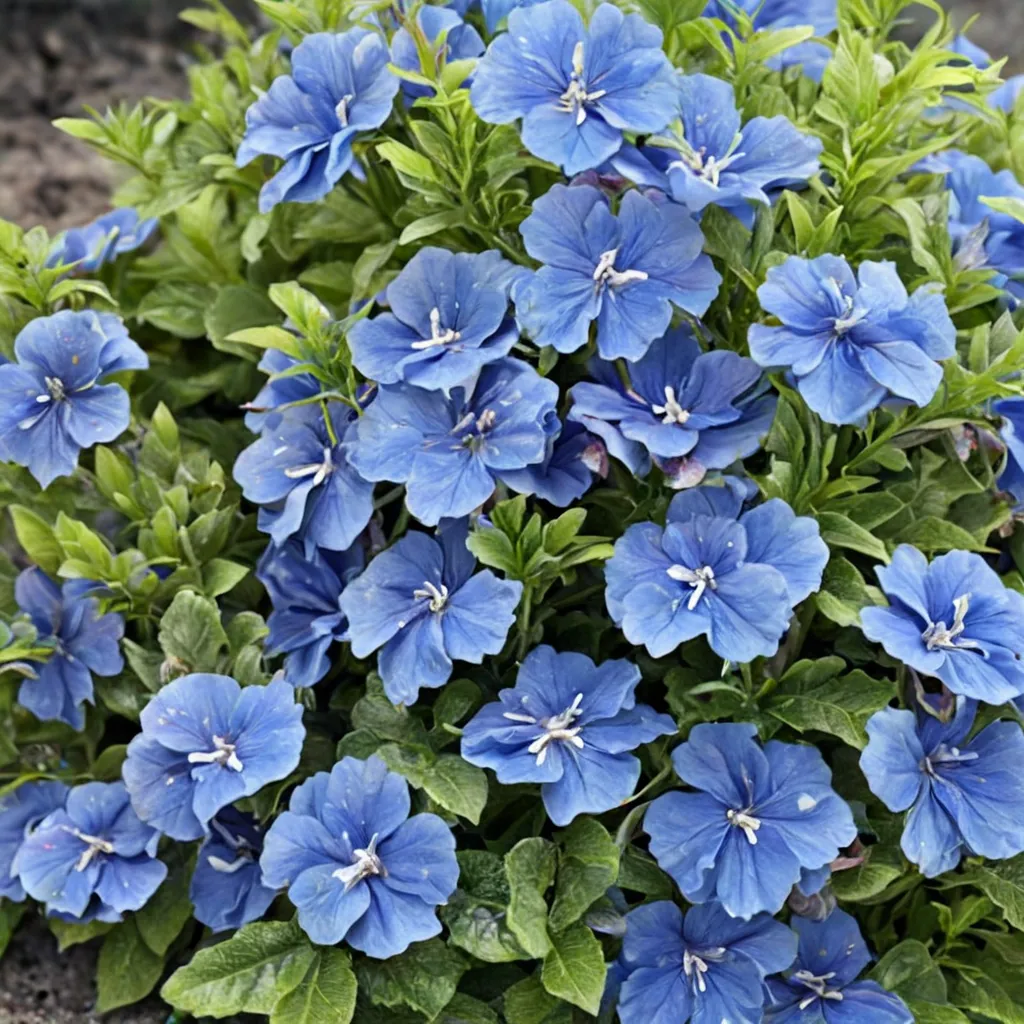
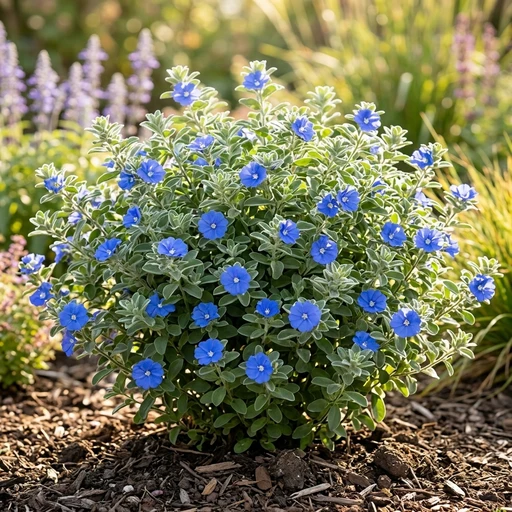
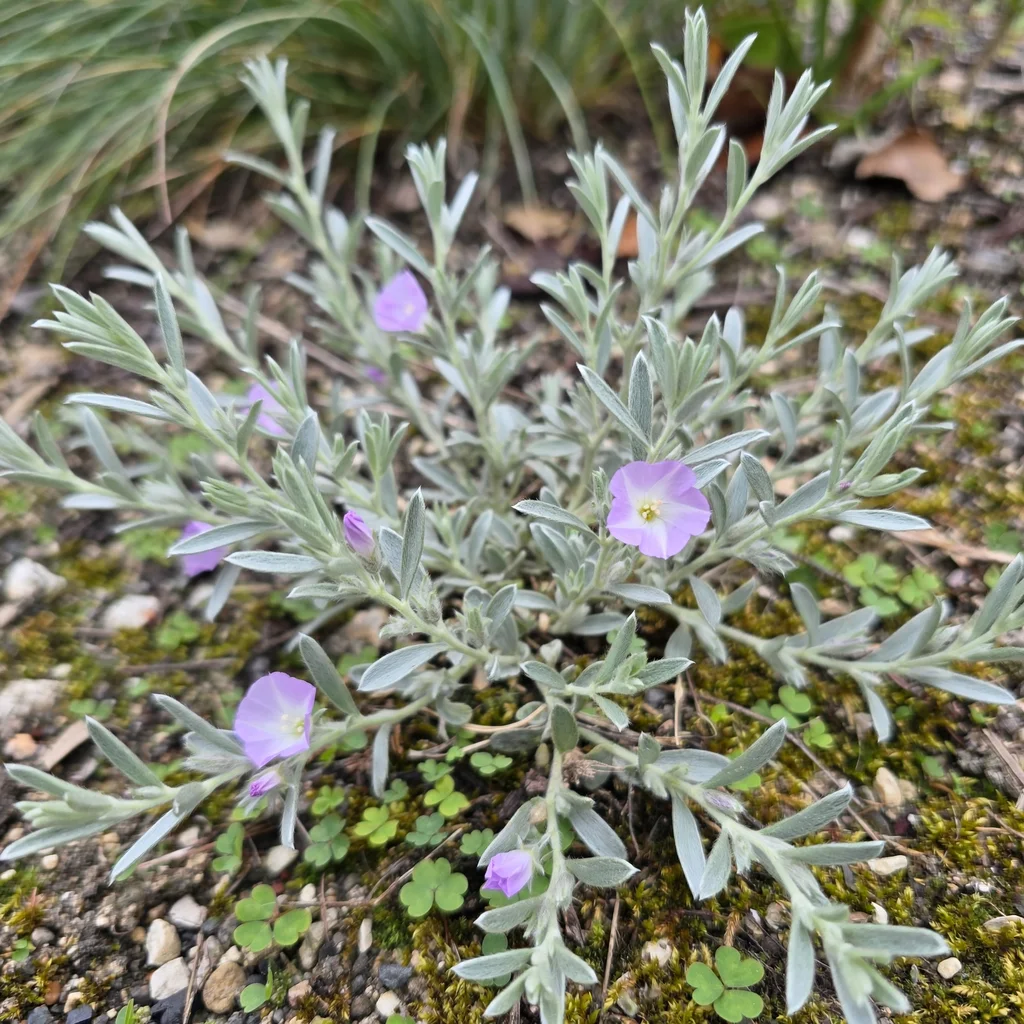
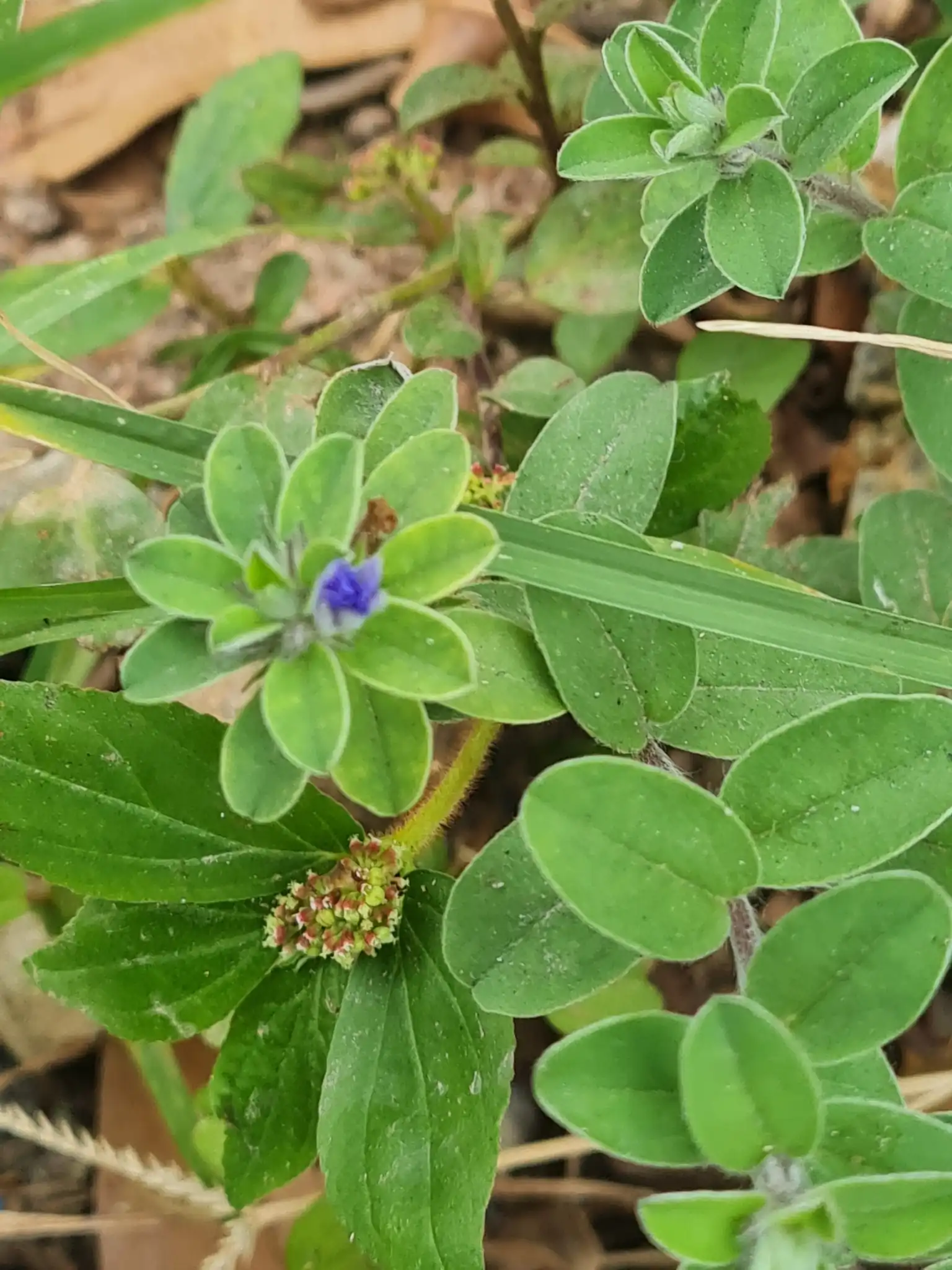
Evolvulus, the genus most gardeners know as blue daze. We track 5 varieties; the ones most used by real gardeners.
The 4 most-saved Evolvulus varieties
Browse all 5 Evolvulus varieties →
2 species of Evolvulus
Each one is a parent of the varieties above.
Track your Evolvulus in Sow
Save the Evolvulus you grow and get care reminders timed to your zone.
How to grow Evolvulus
Whats common across all Evolvulus varieties in our catalog — drawn from the care records of the 5 most-grown of them.
The Evolvulus year
- PlantMay and June80% of varieties
Transplant established plugs or container-grown plants into warm, dry soil.
- FertilizeJune–September80% of varieties
Apply a very dilute, low-nitrogen liquid fertilizer once in spring if grown in containers.
- PruneAugust40% of varieties
Shear back lightly after the heaviest summer blooms to promote a compact habit.
- Pinch TipsJuly40% of varieties
Pinch back stems if the plant becomes leggy to promote bushier growth.


Do
- Allow the soil to dry out between waterings.
- Give it full sun all morning ☀️
- Use free-draining soil or compost 🌱
- Trim lightly to keep it compact ✂️
- Take cuttings before frost ✂️
Avoid
- Overwater or plant in heavy ground ❌
- Feed it richly ❌
- Expect open flowers in the afternoon ❌
- Do not overwater or plant in low-lying areas where water pools after rain.
What goes wrong with Evolvulus
| Problem | What you'll see | What to do |
|---|---|---|
| Spider mites | Fine stippling and dulling of the downy leaves in hot, dry conditions | Rinse the foliage and avoid drought stress, which is what brings the infestations on |
| Aphids | Small insects clustered on new growth. | Usually not a major problem. A strong spray of water or insecticidal soap can control them. |
| Generally pest-free | No significant insect damage is typical | Monitor only; no routine treatment needed |
| Fungus Gnats | Small, dark flies hovering around the soil surface, especially in overly moist conditions. | Allow soil to dry out completely between waterings. Use yellow sticky traps to catch adults. Apply a soil drench of Bacillus thuringiensis israelensis (Bti). |
| Root rot | Stems blacken at the base and the plant collapses in wet soil or a poorly drained container | Use free-draining compost, water only when the surface has dried, and never leave pots standing in water |
| Root Rot | Wilting, yellowing leaves, and plant collapse despite moist soil. | Prevention is key. Plant in very well-drained soil and avoid overwatering. There is no cure. |
Making more Evolvulus
Stem cuttings
- Take short tip cuttings in late summer.
- Root them in gritty compost in a warm bright place.
- Overwinter frost-free and plant out after the last frost.
Softwood Cuttings
- Take 3-4 inch stem tip cuttings in summer
- Remove the lower leaves from the cutting
- Dip the cut end in rooting hormone
- Stick in moist potting mix and keep in a humid environment
Evolvulus questions
How many types of Evolvulus are there?
The Sow catalog tracks 5 distinct Evolvulus varieties. The most popular — ranked by 35 real gardeners — are shown first above.
What zones does Evolvulus grow in?
Across its varieties, Evolvulus covers USDA Zones 4–10. Individual varieties differ — each plant page lists its exact range, and Sow filters the catalog to your zone automatically.
When does Evolvulus bloom?
Most Evolvulus varieties bloom in late spring, late spring to fall, early summer. Staggering early, mid, and late varieties extends the genus's season in one bed.
Which Evolvulus should I choose?
Start from the most-saved varieties above — popularity across thousands of gardens is a strong signal of reliability — then filter by your zone and sun. In the Sow app you can preview any of them in a photo of your actual yard before you buy.