465 saves
Forsythia
We track 22 varieties; the ones most used by real gardeners.
The 22 most-saved Forsythia varieties
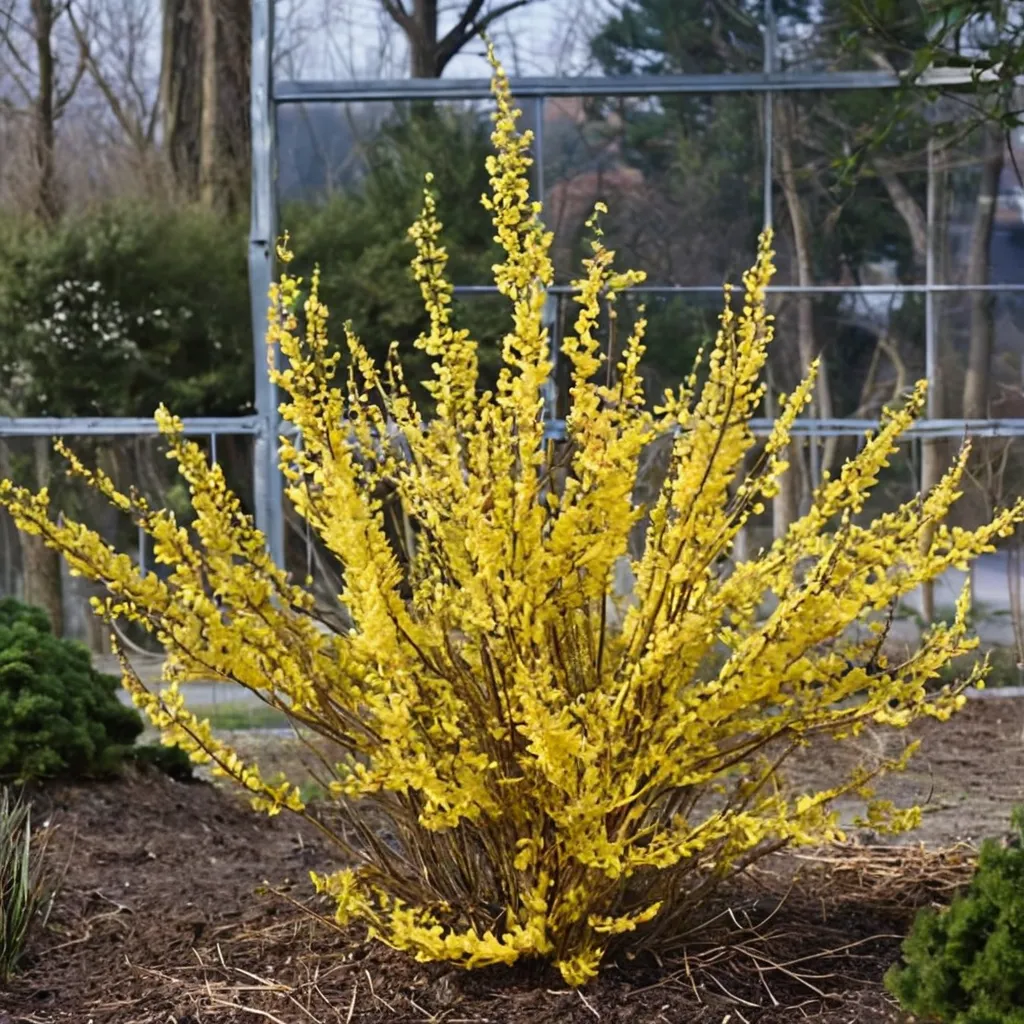
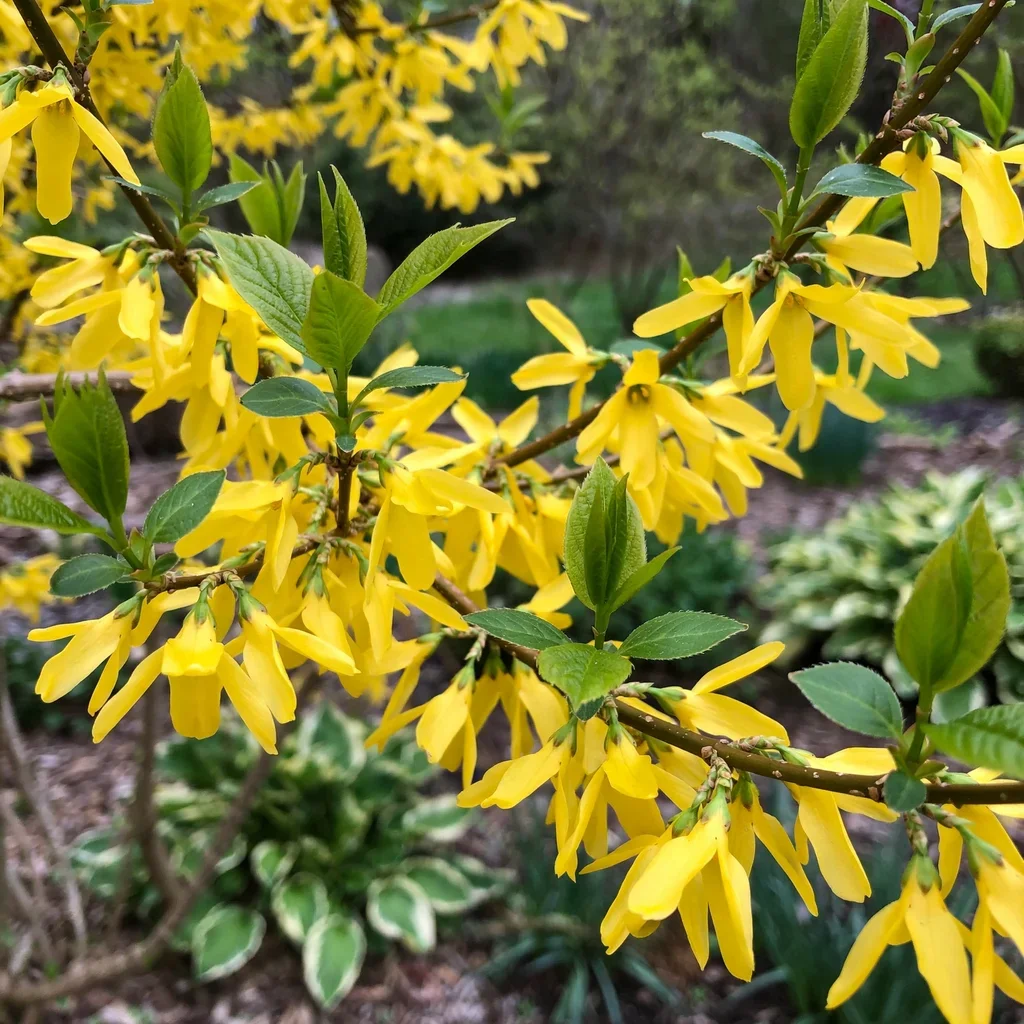
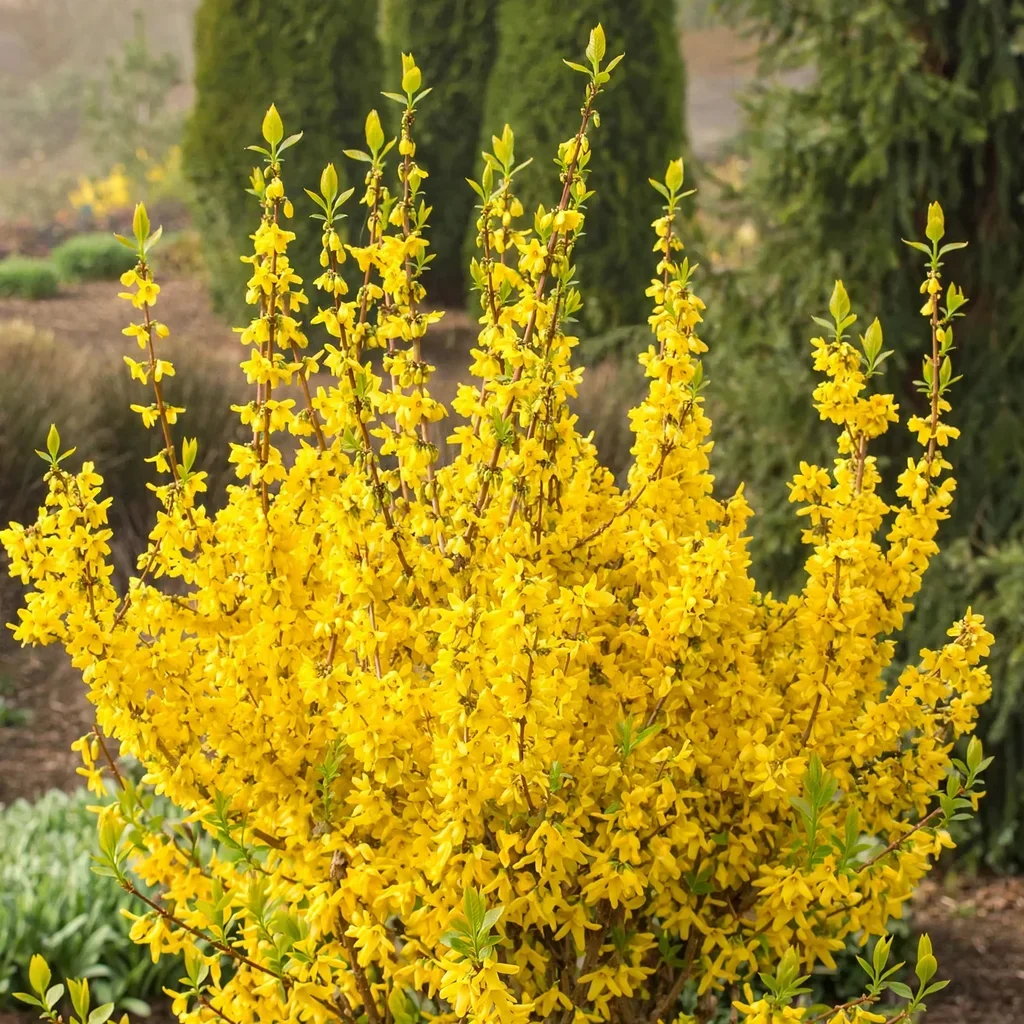
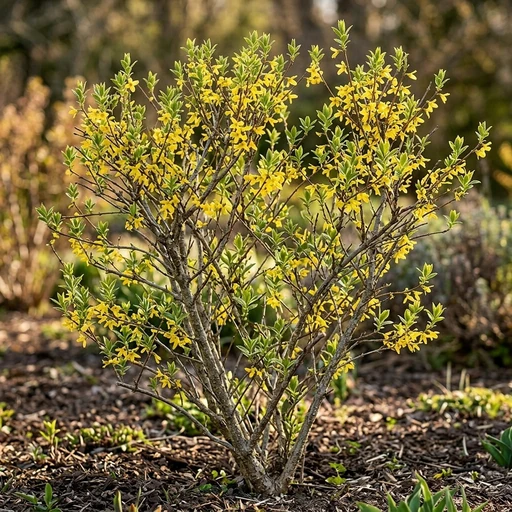
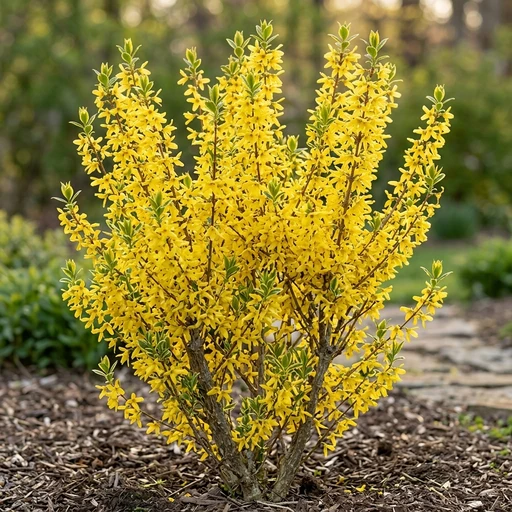
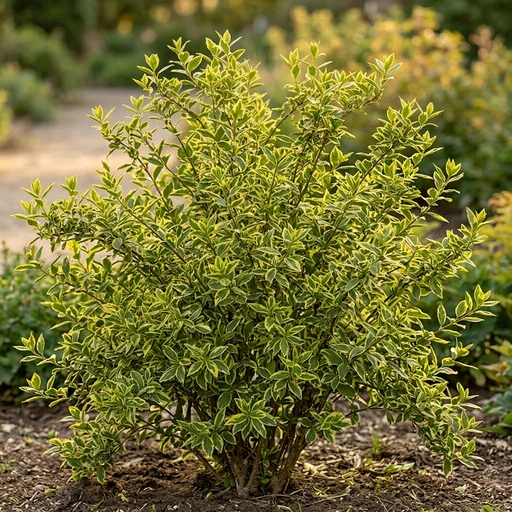
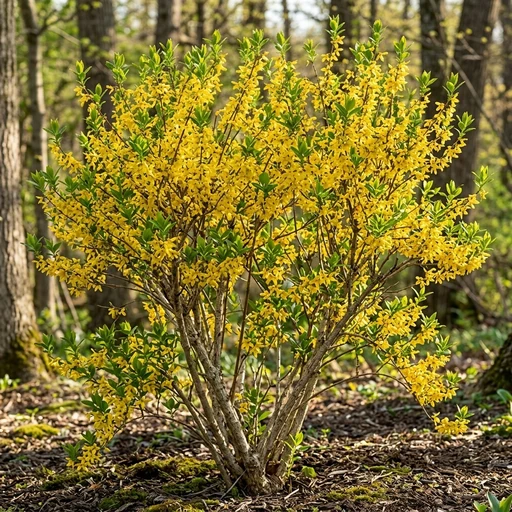
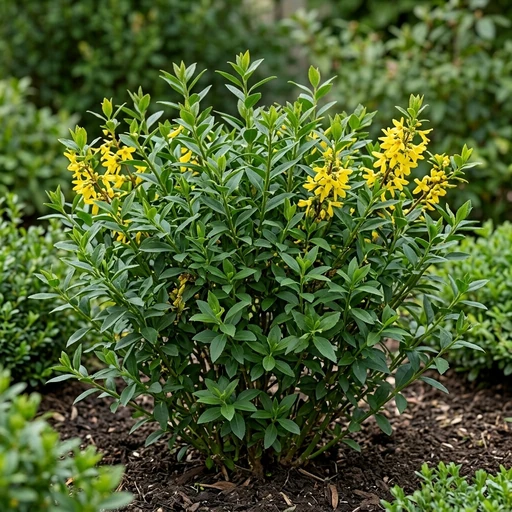
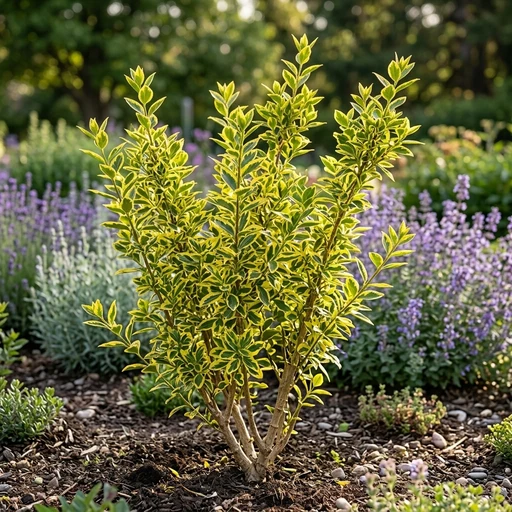
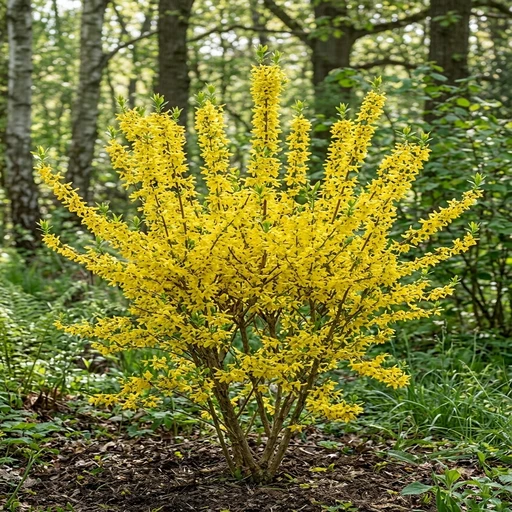
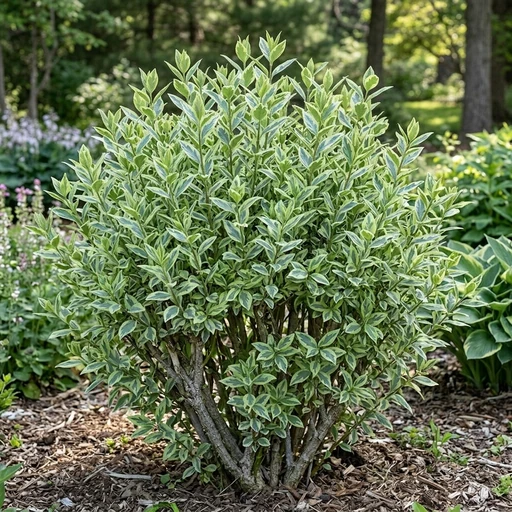
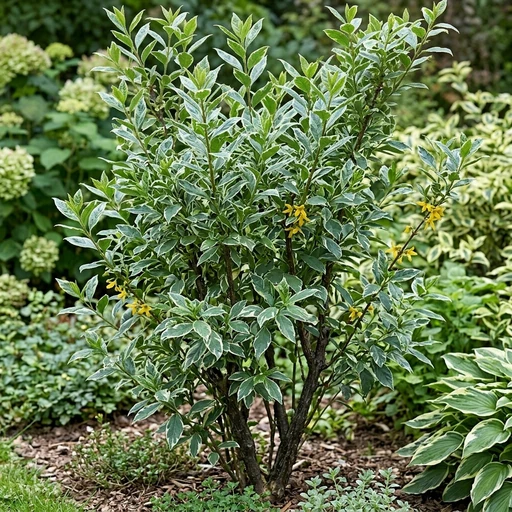
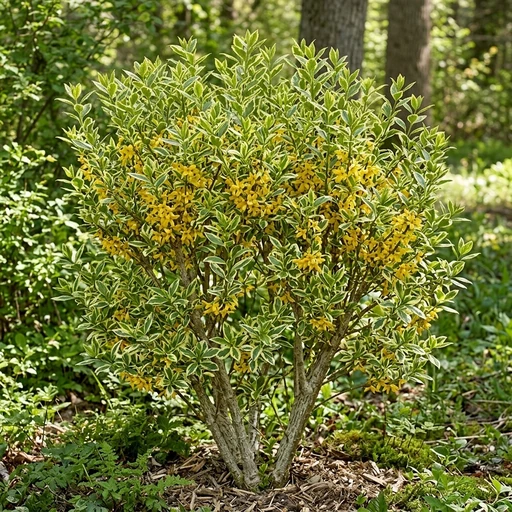
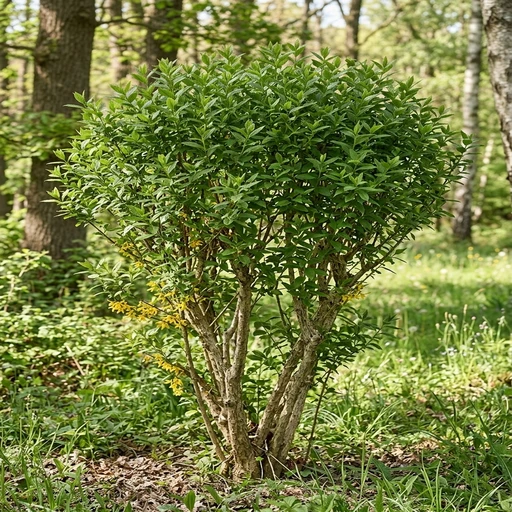
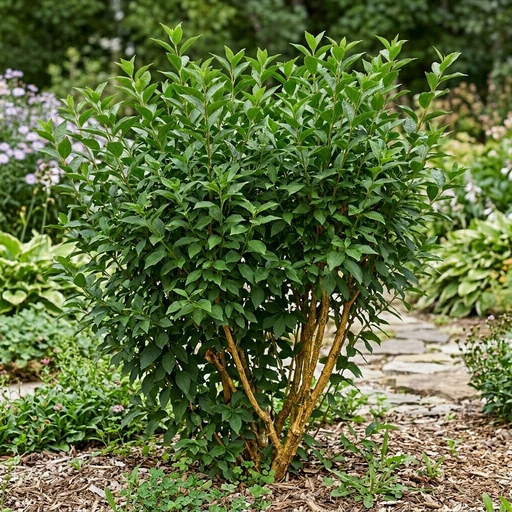
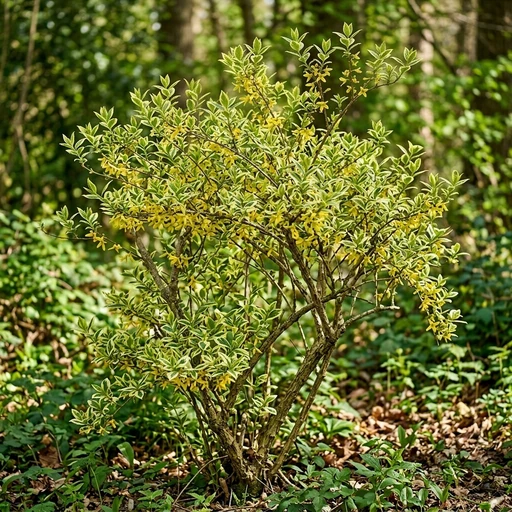
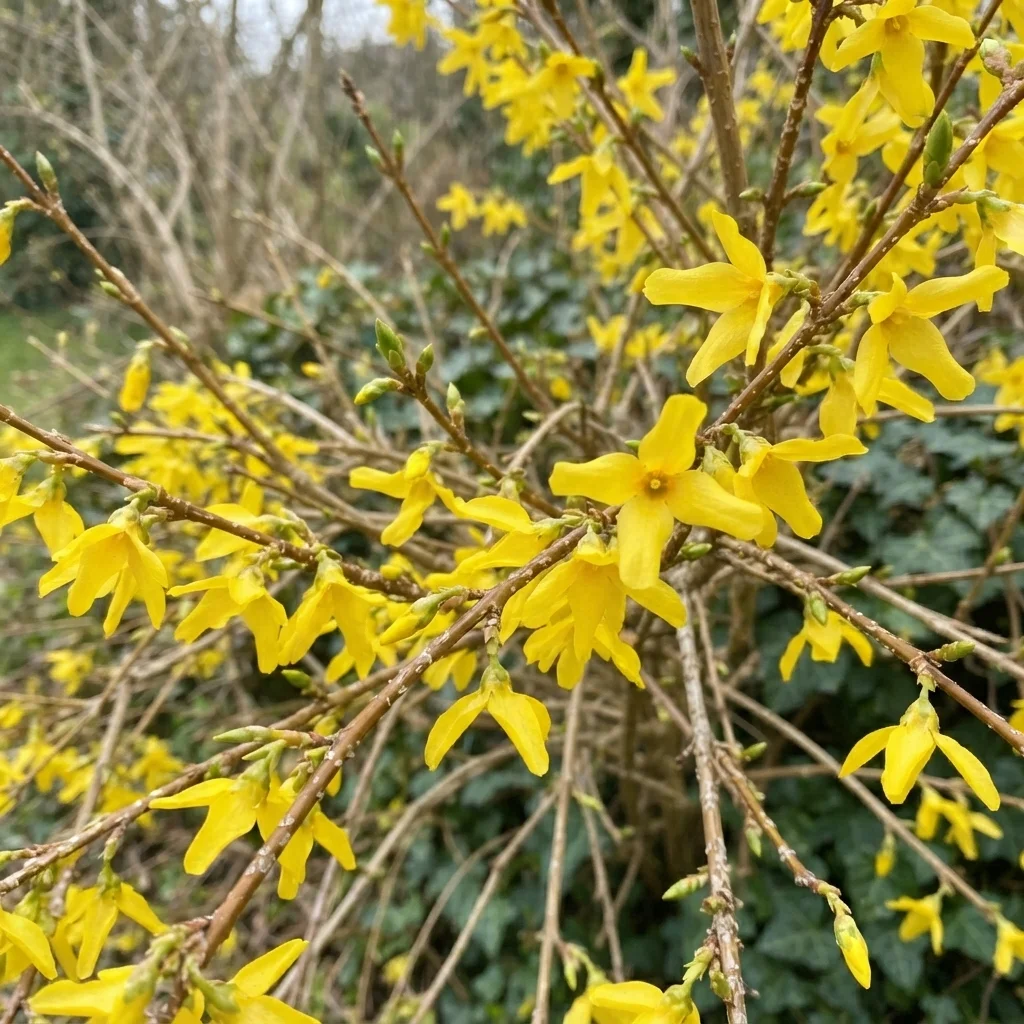
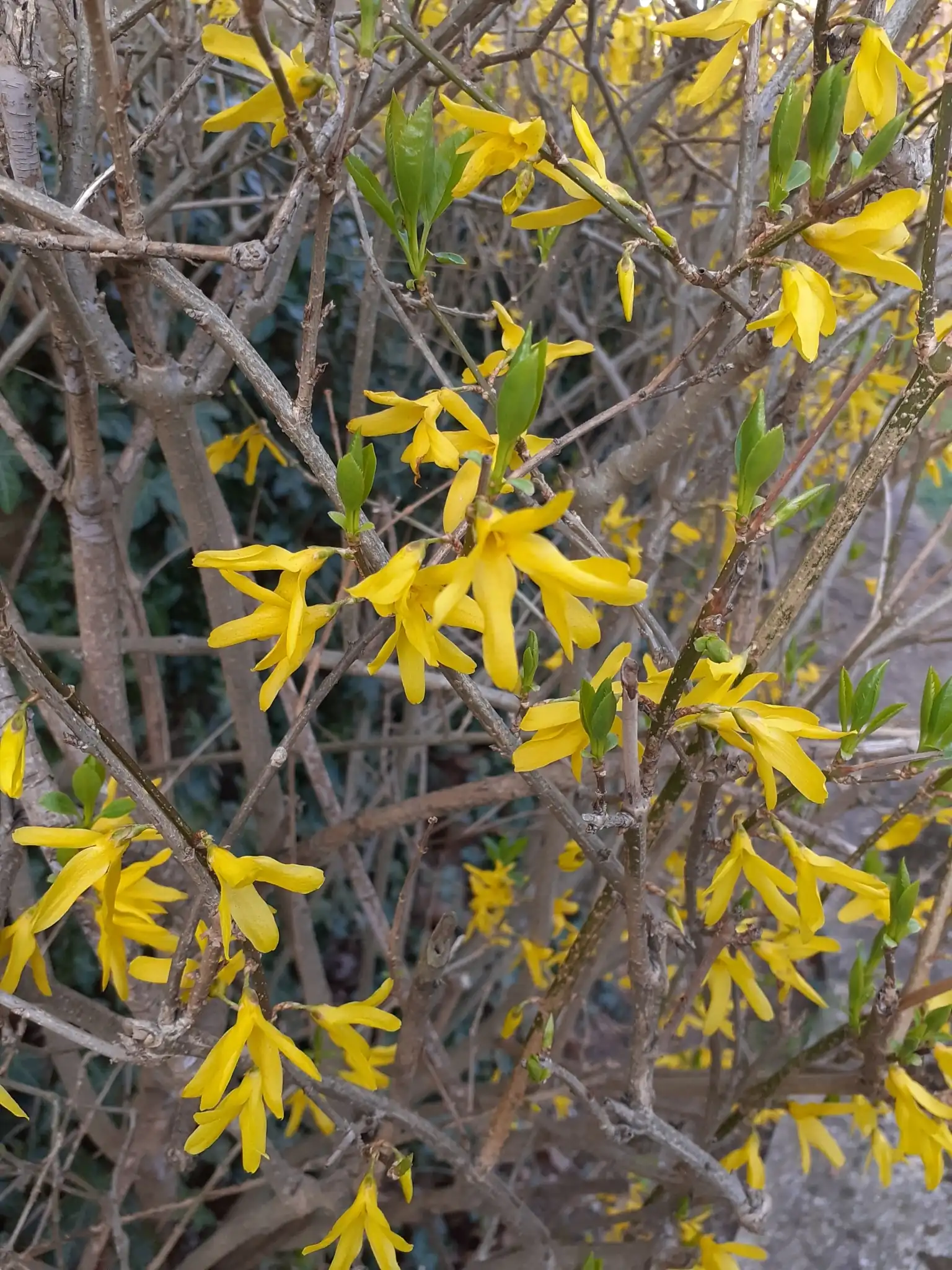
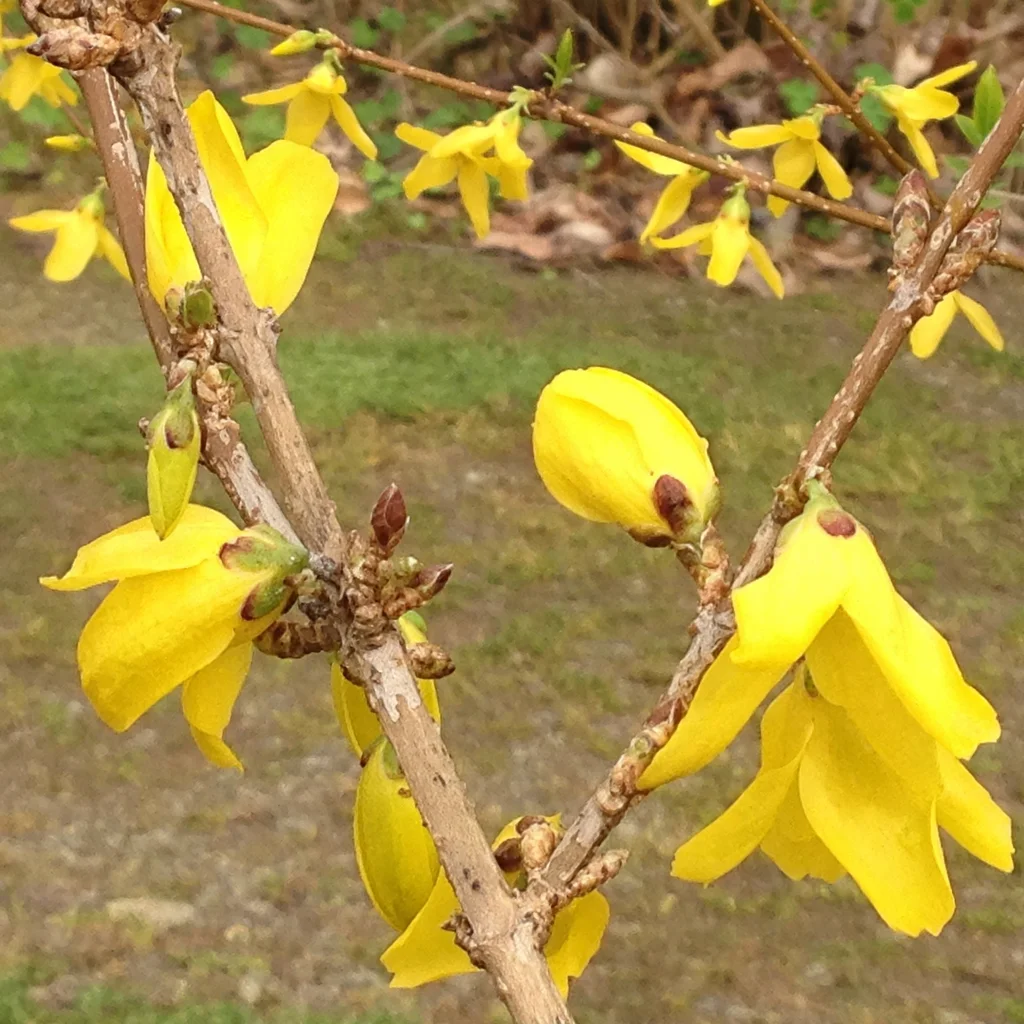
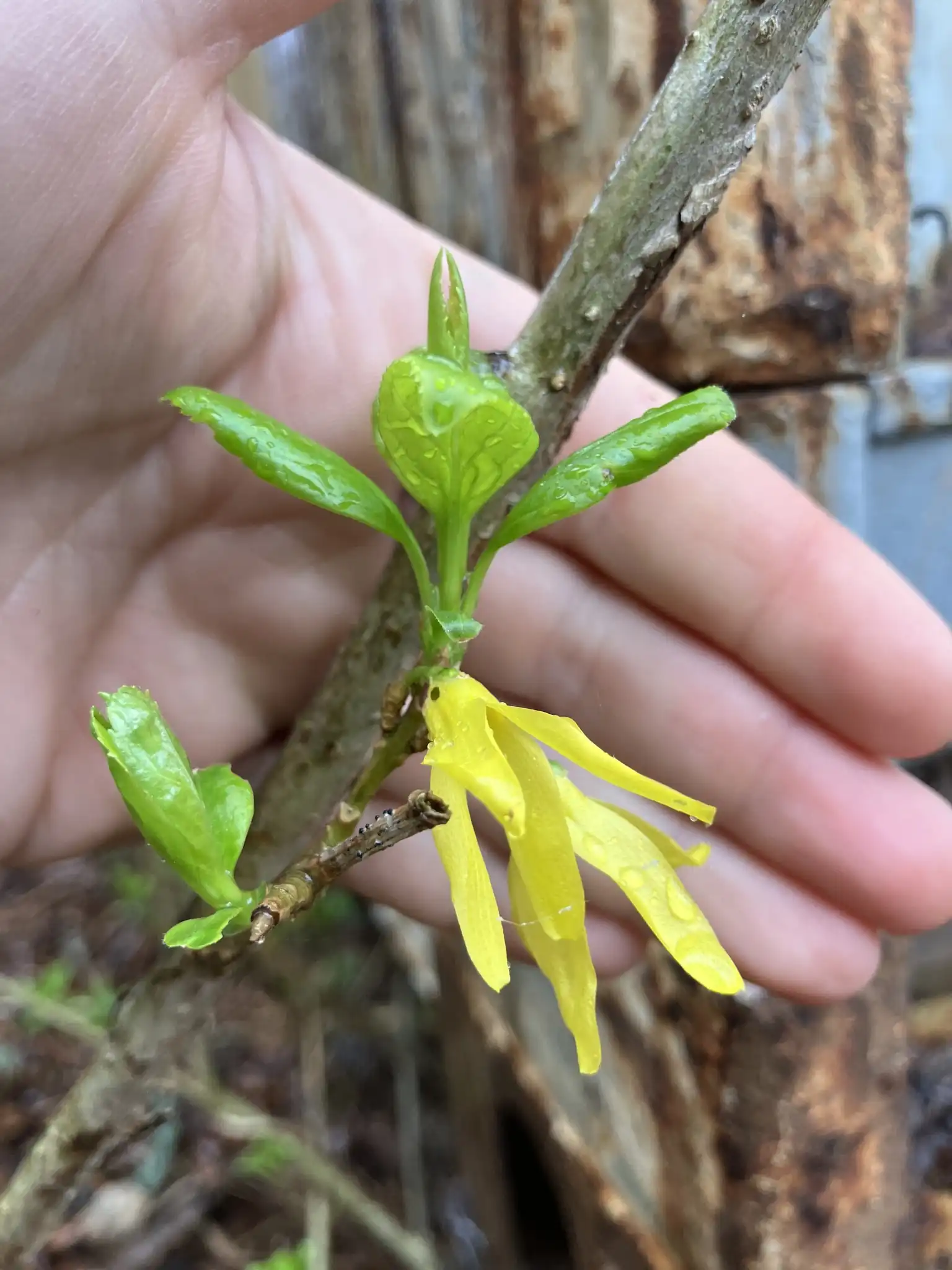

4 species of Forsythia
Each one is a parent of the varieties above.
Track your Forsythia in Sow
Save the Forsythia you grow and get care reminders timed to your zone.
How to grow Forsythia
Whats common across all Forsythia varieties in our catalog — drawn from the care records of the 22 most-grown of them.
The Forsythia year
- PruneApril and May100% of varieties
Prune the flowered wood and thin the oldest stems within a few weeks of the display ending.
- FertilizeApril73% of varieties
Apply a balanced slow-release fertilizer in late winter if needed.
- PropagateJune and July55% of varieties
Take softwood cuttings in late spring or early summer.
- PlantApril, May, October and November36% of varieties
Plant in spring or fall in a location with full sun.


Do
- Provide full sun for maximum flower production.
- Water deeply during extended periods of drought.
- Prune straight after flowering ✂️
- Plant in full sun for the most prolific blooms.
- Water regularly during dry spells 💧
Avoid
- Don't prune in late summer, fall, or winter.
- Prune in late winter — that is next spring's flowers ❌
- Shear it into a formal ball ❌
- Squeeze the full-size hybrid into a small bed ❌
What goes wrong with Forsythia
| Problem | What you'll see | What to do |
|---|---|---|
| Aphids | May appear on new growth in spring. | Usually not a significant problem. A strong spray of water or insecticidal soap will control them. |
| Spider Mites | Fine webbing on leaves, stippling or yellowing of foliage. | Spray forcefully with water to dislodge them. Use insecticidal soap or horticultural oil. A miticide can be used for severe infestations. |
| Generally pest-free | No significant insect damage is typical | Monitor only; no routine treatment needed |
| Four-lined Plant Bug | Small, circular, sunken spots on leaves that turn brown or black. | Usually cosmetic damage. For heavy infestations, use insecticidal soap or pyrethrin-based sprays when bugs are first seen. |
| Crown Gall | Large, woody galls forming on the roots and at the crown of the plant. | There is no cure. Remove and destroy infected plants. Do not replant Forsythia in the same spot. |
| Leaf Spot | Dark spots on leaves, which may cause premature leaf drop. | Improve air circulation. Rake up and destroy fallen leaves. Apply a copper-based fungicide if the problem is severe. |
| Leaf spot | Dark spots on leaves | Remove affected leaves and improve air circulation |
Making more Forsythia
Layering
- Pin an arching stem tip into the soil in spring.
- Keep the contact point moist; it roots readily.
- Sever and lift the following season.
Softwood Cuttings
- Take 6-inch cuttings in late spring.
- Remove lower leaves and dip in rooting hormone.
- Stick in moist potting mix.
- Roots will form in 6-8 weeks.
Forsythia questions
How many types of Forsythia are there?
The Sow catalog tracks 22 distinct Forsythia varieties. The most popular — ranked by 465 real gardeners — are shown first above.
What zones does Forsythia grow in?
Across its varieties, Forsythia covers USDA Zones 4–8. Individual varieties differ — each plant page lists its exact range, and Sow filters the catalog to your zone automatically.
When does Forsythia bloom?
Most Forsythia varieties bloom in early spring, late winter, late winter to early spring. Staggering early, mid, and late varieties extends the genus's season in one bed.
Which Forsythia should I choose?
Start from the most-saved varieties above — popularity across thousands of gardens is a strong signal of reliability — then filter by your zone and sun. In the Sow app you can preview any of them in a photo of your actual yard before you buy.