The Story
Plant Bio
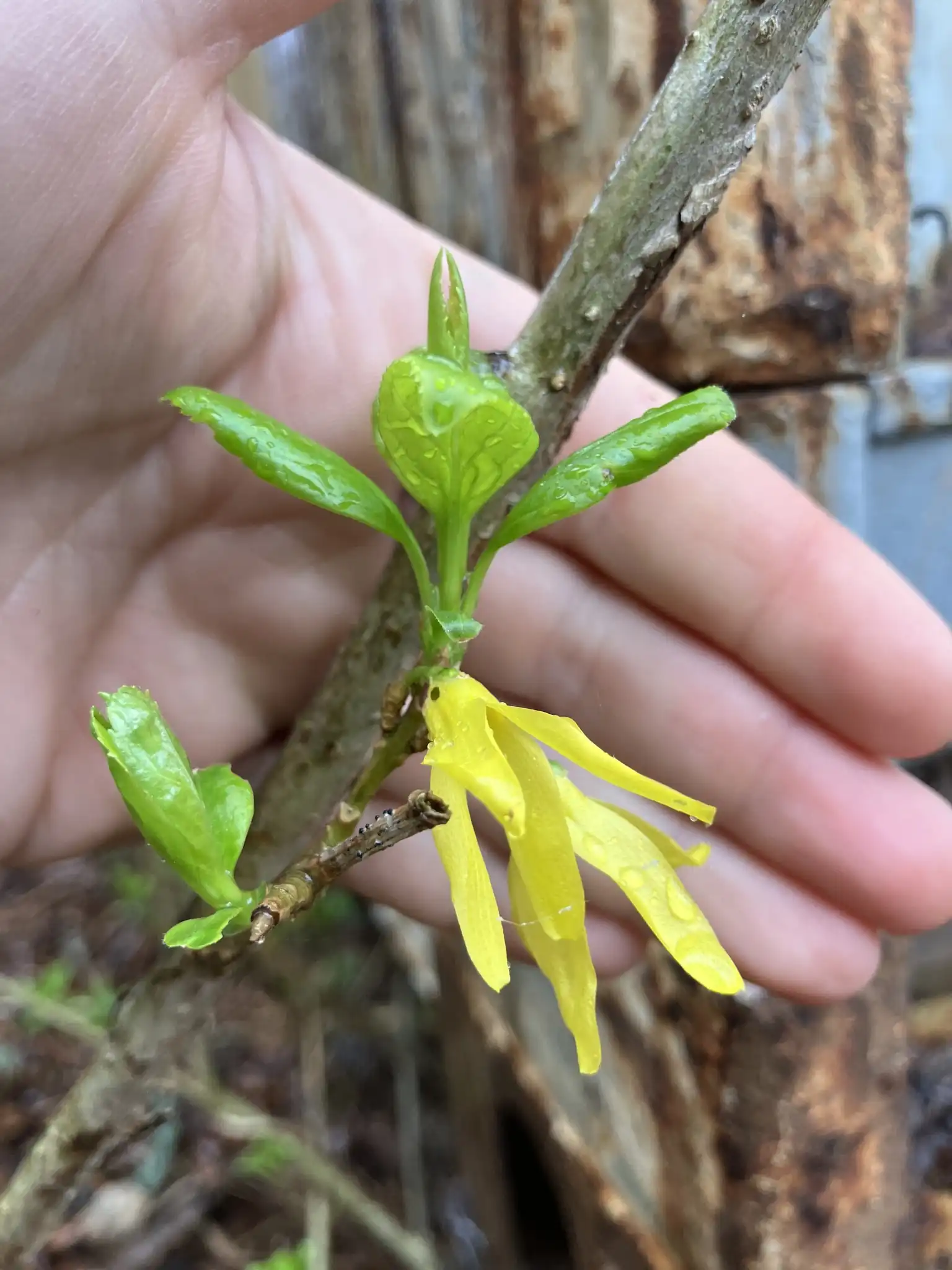
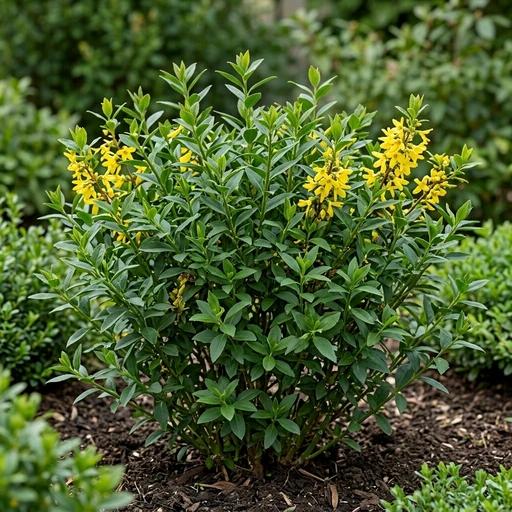
Forsythia viridissima, greenstem forsythia, is an upright deciduous shrub from southern China and Korea, six to ten feet in both directions. Distinctly square green stems carry opposite lance-shaped leaves four to six inches long, and yellow trumpet-shaped flowers open along the bare wood in early spring before the foliage.
The green stems stay green through winter, which distinguishes it from the more common hybrid forsythias and gives it a second season of interest. It flowers on the previous year's wood, so prune within a few weeks of the flowers fading — pruning in late winter, which is when most people tidy shrubs, removes the entire display.
Uses & Benefits:
Essentials
At a Glance
Plant Type
Shrub
Height
96"
Width
96"
Light
Full Sun, Partial Sun
Zones
5, 6, 7, 8
Water
Moderate
Humidity
Moderate
Lifespan
Perennial
Native To
Southern China and Korea
Toxicity
Non-toxic
Planting
How to Grow
- Allow six to ten feet in both directions.
- Plant in full sun for the heaviest flowering.
- Give it any reasonably drained soil.
- Prune within weeks of flowering, never later.
- Thin a third of the oldest stems at the base each year.
- Avoid shearing, which removes flower buds wholesale.
Pro Tip
The green winter stems are a second season of interest, so thin at the base rather than shearing the top and losing them.
Keep It Thriving
Care Guide
Do
- Prune straight after flowering ✂️
- Thin the oldest stems at the base 🪵
- Give it full sun ☀️
- Allow it eight feet of width 📏
Don't
- Prune it in late winter ❌
- Shear it into a ball ❌
- Assume it stays dwarf ❌
Seasonal Care Calendar
| Task | Jan | Feb | Mar | Apr | May | Jun | Jul | Aug | Sep | Oct | Nov | Dec |
|---|---|---|---|---|---|---|---|---|---|---|---|---|
| Enjoy | ||||||||||||
| Prune |
Watch Out For
Pests & Diseases
Common Pests
Common Diseases
In the Garden
Landscape Uses & Companions
Landscape Uses
Companion Plants
Multiply
Propagation Methods
Good to Know
Common Questions
Dwarf Forsythia questions
What zones can Dwarf Forsythia grow in?
Dwarf Forsythia is hardy in USDA Zones 5–8. Inside that range it survives winter in the ground; outside it, grow it as an annual or a container plant you protect.
Is Dwarf Forsythia deer resistant?
Yes — Dwarf Forsythia is rated deer-resistant. Deer typically pass it over, though extreme hunger can override any plant's defenses.
When does Dwarf Forsythia bloom?
Dwarf Forsythia typically blooms in early spring through mid-spring. Exact timing shifts a week or two with your zone — Sow's bloom calendar maps it to your garden.
Does Dwarf Forsythia need full sun?
Dwarf Forsythia does best in full sun to part shade. In hot climates, afternoon shade keeps blooms fresher longer.
Is Dwarf Forsythia drought tolerant?
Yes — once established (usually after the first full season), Dwarf Forsythia handles dry spells with minimal watering. Water deeply its first year to build the root system that makes that possible.
More Forsythia to compare
Show Off Forsythia
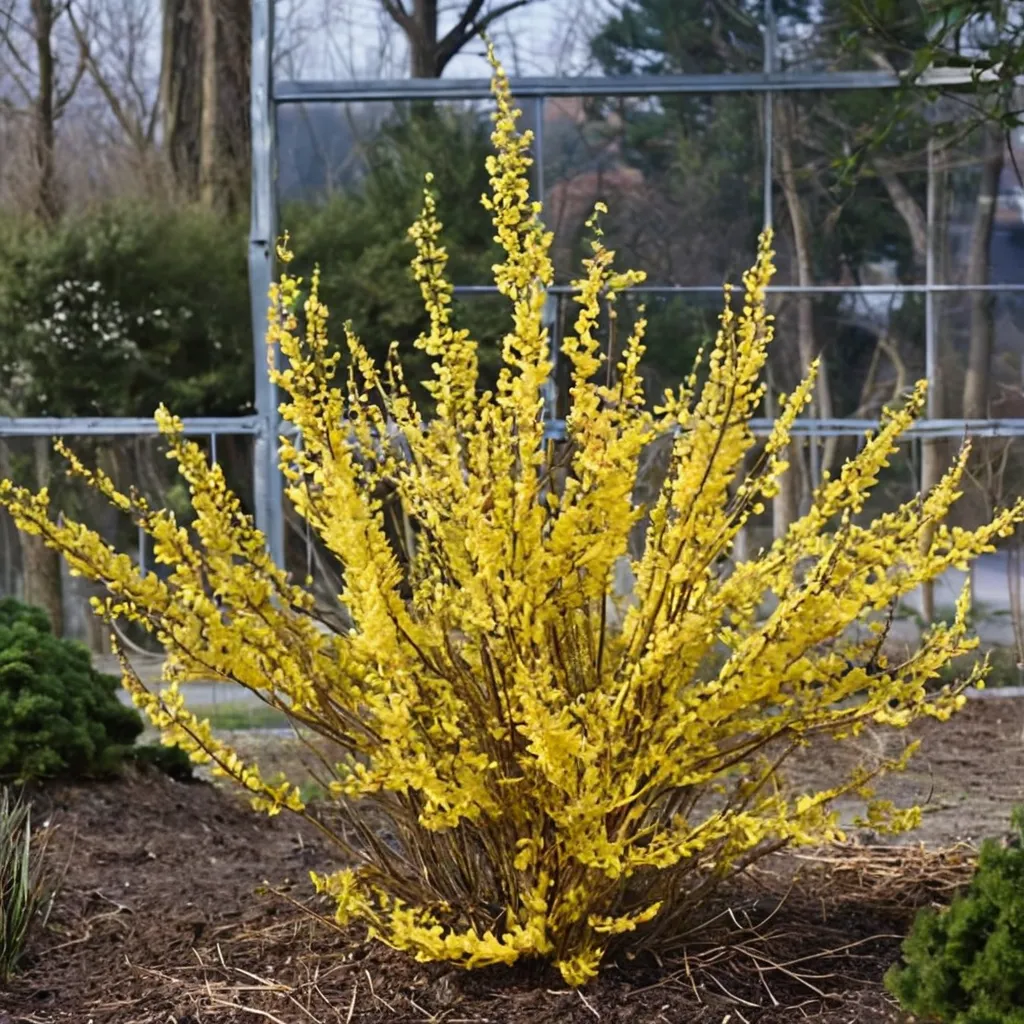
Forsythia x intermedia 'Show Off'
Lynwood Gold Forsythia
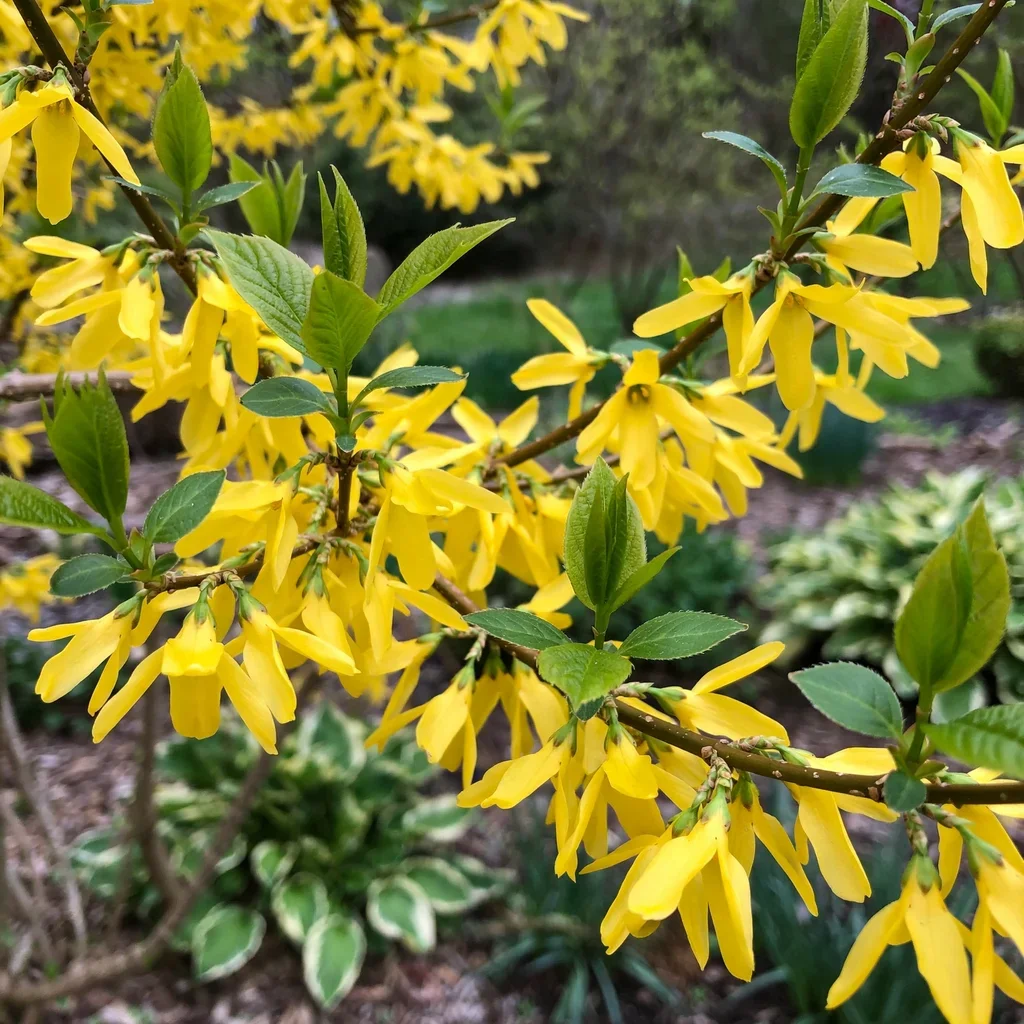
Forsythia x intermedia 'Lynwood Gold'
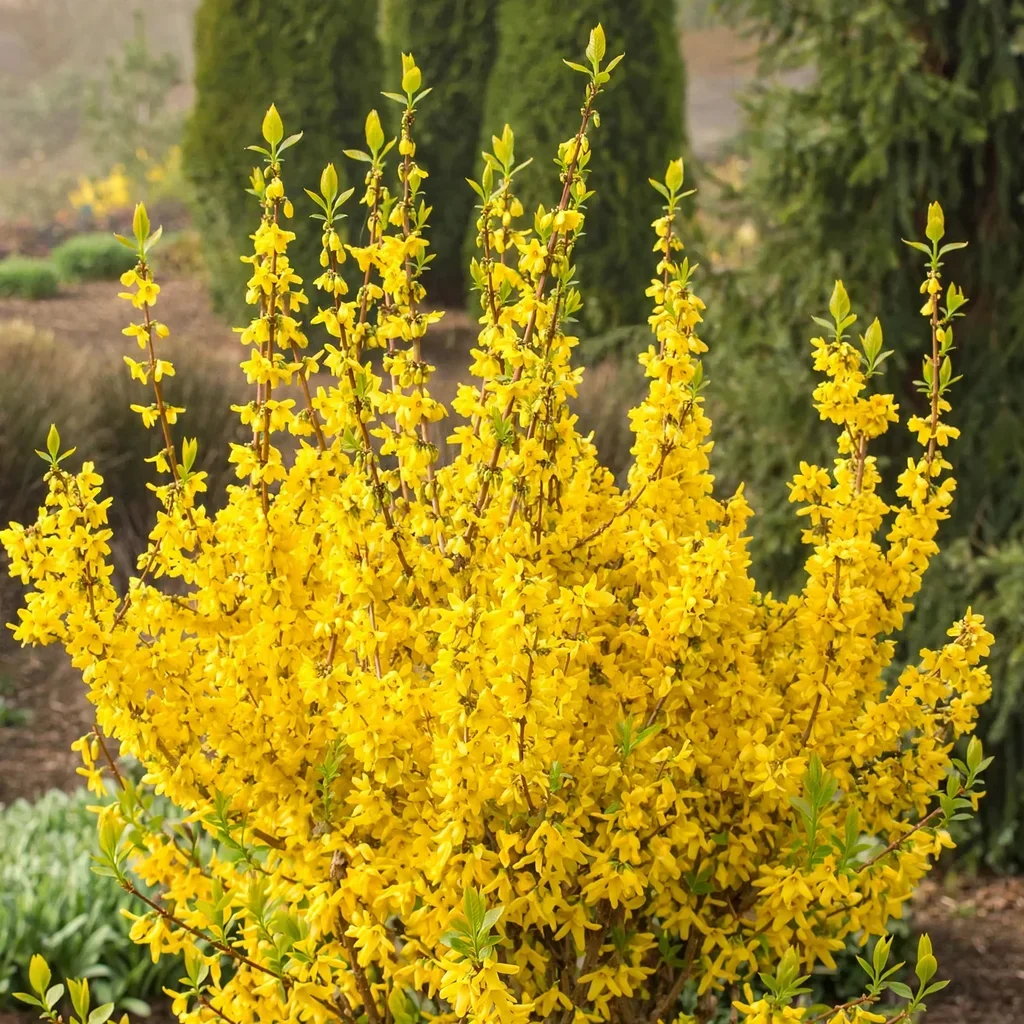
Magical Gold Forsythia
Forsythia x intermedia 'Magical Gold'
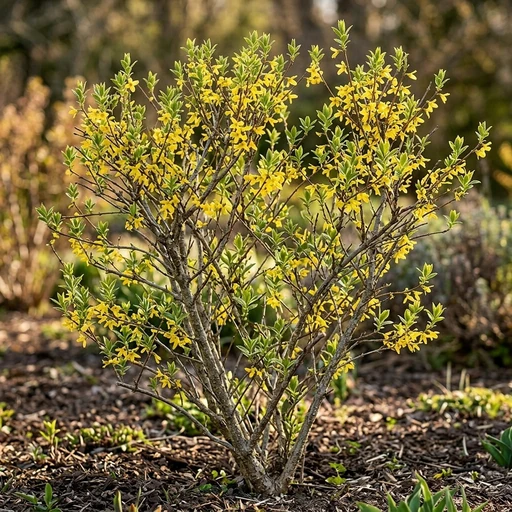
Meadowlark Forsythia
Forsythia x hybrida 'Meadowlark'
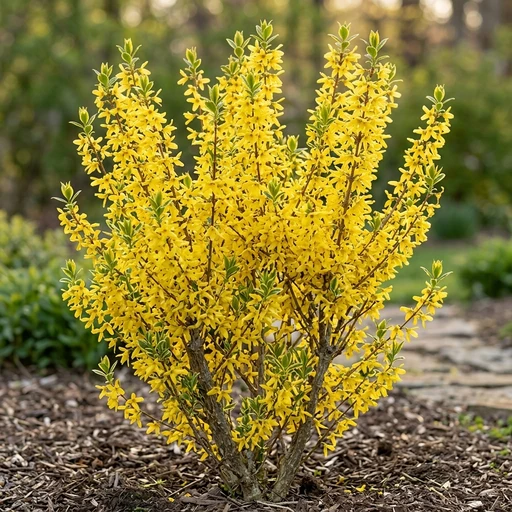
Nimbus Forsythia
Forsythia x intermedia 'Nimbus'
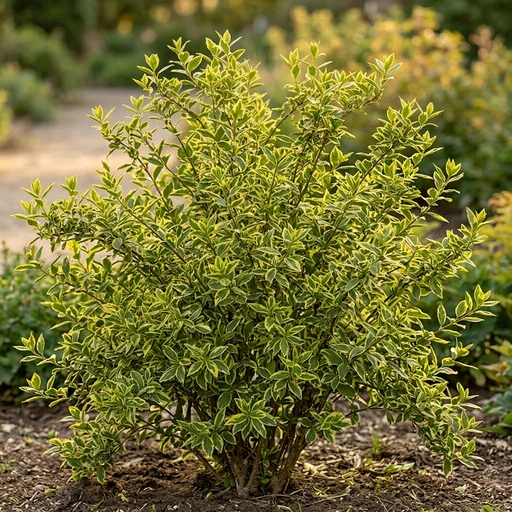
New Hampshire Gold Forsythia
Forsythia x intermedia 'New Hampshire Gold'
Keep exploring
Explore the genus
Hardy in your zone?
Grow Dwarf Forsythia with confidence
See it in a design of your actual yard, get zone-matched care reminders, and track it season by season in your garden journal.