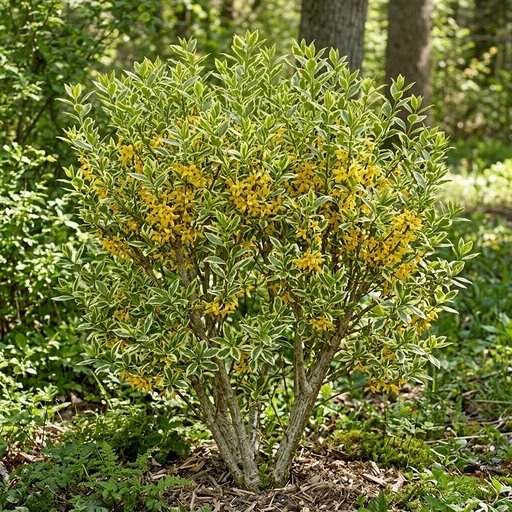
Species
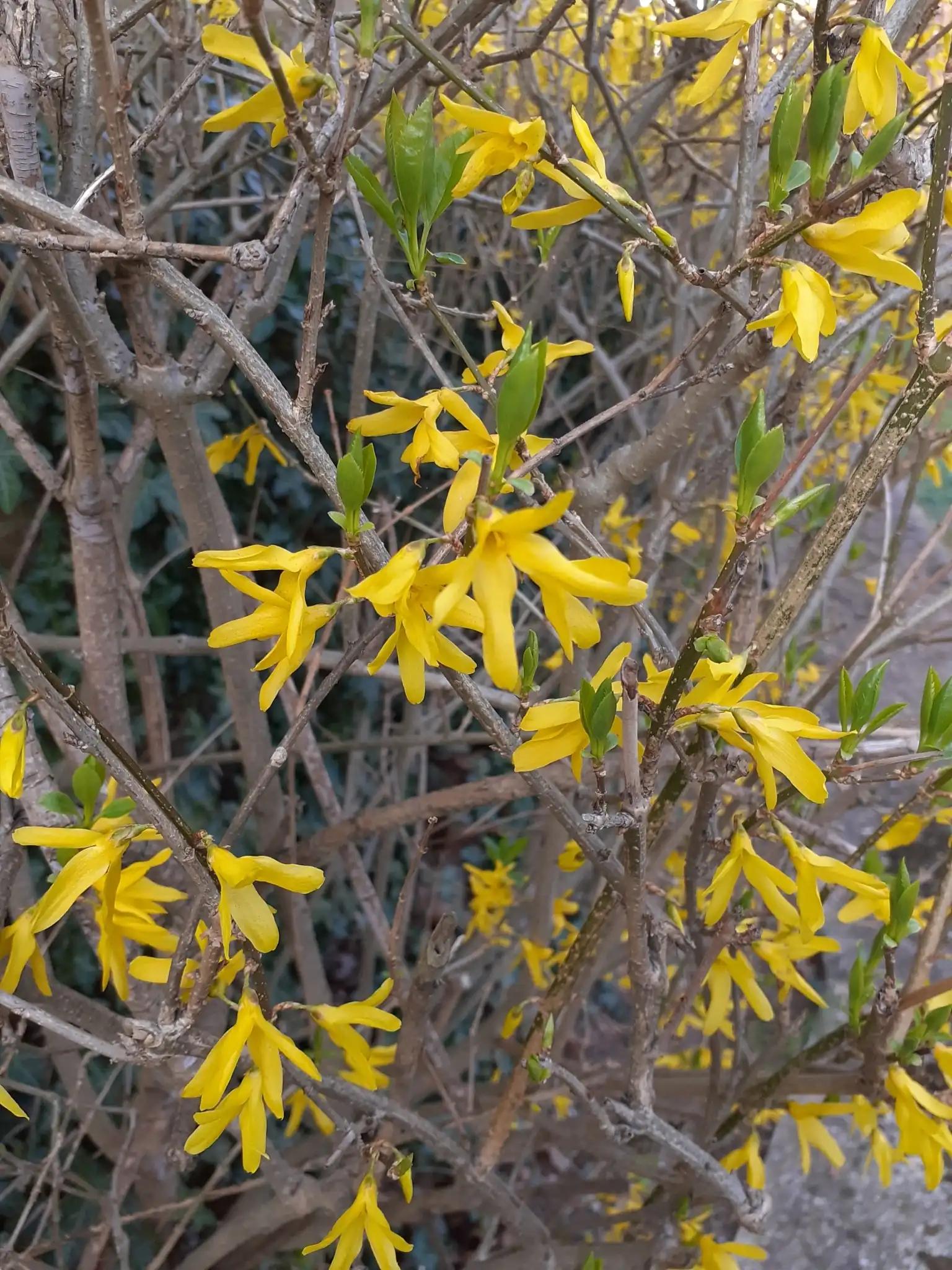 Forsythia x intermediaForsythia
13 other cultivars
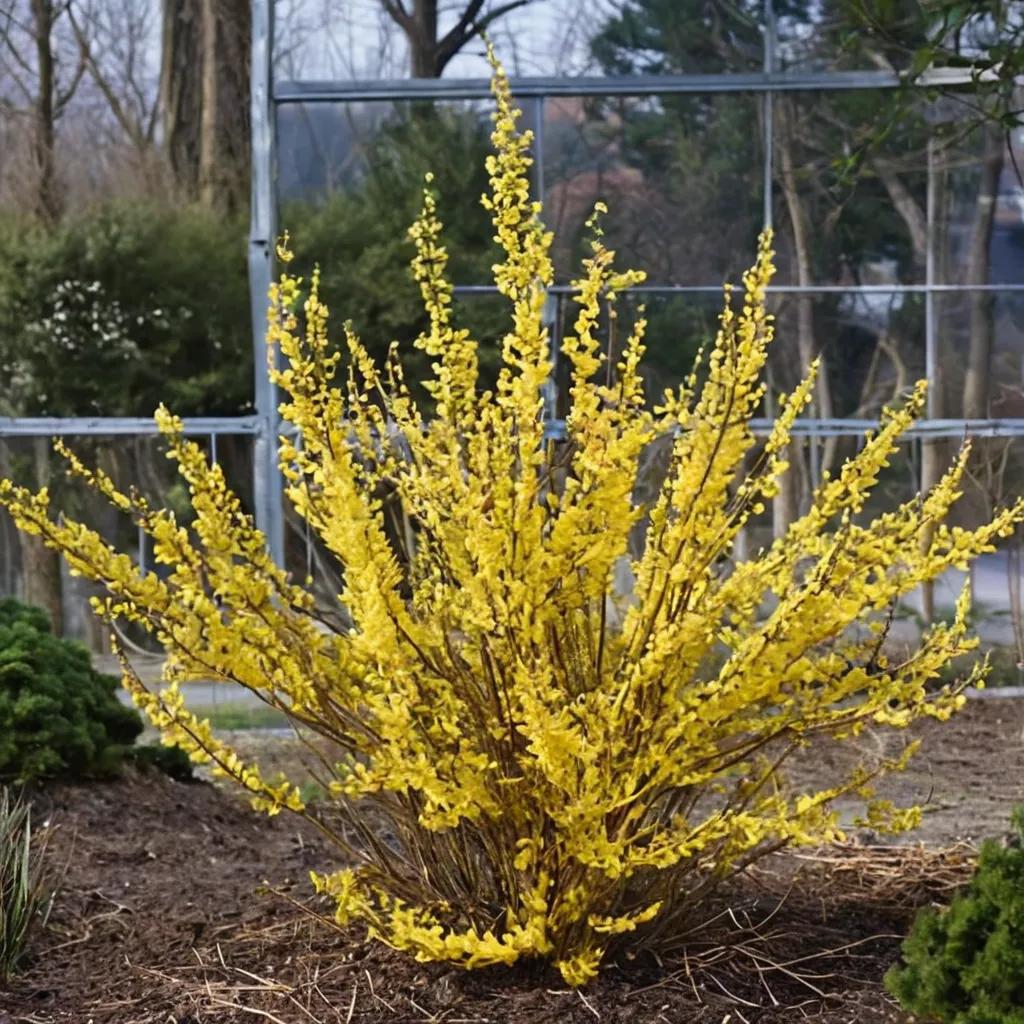 ‘Show Off’Show Off Forsythia
 ‘Lynwood Gold’Lynwood Gold Forsythia
 ‘Magical Gold’Magical Gold Forsythia
 ‘Nimbus’Nimbus Forsythia
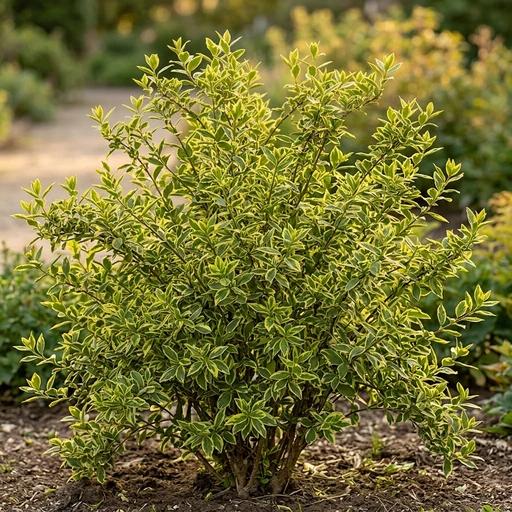 ‘New Hampshire Gold’New Hampshire Gold Forsythia
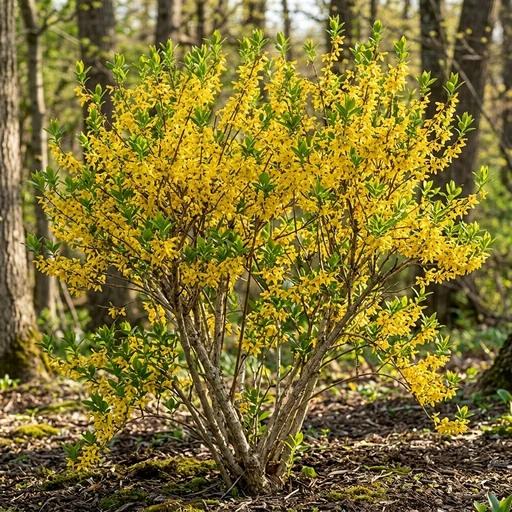 ‘Showy Border’Showy Border Forsythia
 ‘Kolgold’Kolgold Magical Gold Forsythia
 ‘Mindor’Mindor Forsythia
 ‘Northern Gold’Northern Gold Forsythia
 ‘Courtasol’Gold Tide Forsythia
 ‘Minfor6’Show Off Starlet Forsythia
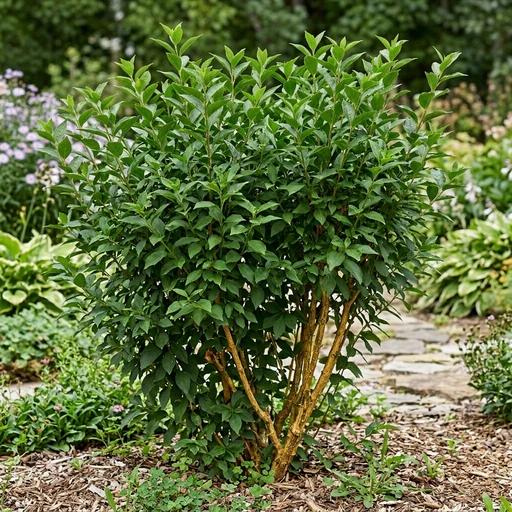 ‘Spring Glory’Spring Glory Border Forsythia
 ‘Beatrix Farrand’Border Forsythia
The Story
Plant Bio
Forsythia are deciduous shrubs renowned for their brilliant yellow flowers that bloom profusely on bare stems in early spring, providing a welcome burst of color.
'Spring Fling' is a modern cultivar from the University of Minnesota, selected for its exceptional flower bud hardiness, ensuring a reliable and spectacular bloom even after cold Zone 4 winters. It has an elegant, arching habit.
Uses & Benefits:
Essentials
At a Glance
Plant Type
Shrub
Height
72"
Width
84"
Light
Full Sun
Zones
4, 5, 6, 7, 8
Water
Low to medium
Humidity
Adaptable
Lifespan
Deciduous shrub, 20-30 years
Native To
Garden origin
Toxicity
Non-toxic
Bloom period
Early spring – Mid-spring
In flower about 2 months of the year
Planting
How to Grow
- Select a location that receives at least 6 hours of direct sunlight.
- Dig a hole twice the width of the root ball.
- Place the plant so its crown is level with the surrounding soil.
- Backfill with soil and water thoroughly to eliminate air pockets.
- Apply a 2-inch layer of mulch to conserve moisture.
- Prune after flowering to encourage new growth for next year's blooms.
Pro Tip
Plant this cultivar in colder climates where other forsythias fail to bloom reliably due to winter bud kill.
Keep It Thriving
Care Guide
Do
- Provide full sun for the best flower display.
- Prune after blooming by removing a few of the oldest canes at the base.
- Appreciate its reliable bloom in cold climates.
Don't
- Don't prune in the fall or winter, as this removes flower buds.
- Avoid planting in poorly drained, wet soil.
- Don't shear into a formal shape; allow its natural arching habit.
Seasonal Care Calendar
| Task | Jan | Feb | Mar | Apr | May | Jun | Jul | Aug | Sep | Oct | Nov | Dec |
|---|---|---|---|---|---|---|---|---|---|---|---|---|
| Plant | ||||||||||||
| Prune |
Watch Out For
Pests & Diseases
Common Pests
Common Diseases
In the Garden
Landscape Uses & Companions
Landscape Uses
Multiply
Propagation Methods
Good to Know
Common Questions
Spring Fling Forsythia questions
What zones can Spring Fling Forsythia grow in?
Spring Fling Forsythia is hardy in USDA Zones 4–8. Inside that range it survives winter in the ground; outside it, grow it as an annual or a container plant you protect.
Is Spring Fling Forsythia deer resistant?
Not reliably. Deer may browse Spring Fling Forsythia, especially tender spring growth — plan on repellents or fencing where pressure is high.
When does Spring Fling Forsythia bloom?
Spring Fling Forsythia typically blooms in early spring through mid-spring. Exact timing shifts a week or two with your zone — Sow's bloom calendar maps it to your garden.
Does Spring Fling Forsythia need full sun?
Spring Fling Forsythia does best in full sun (6+ hours).
Is Spring Fling Forsythia drought tolerant?
Yes — once established (usually after the first full season), Spring Fling Forsythia handles dry spells with minimal watering. Water deeply its first year to build the root system that makes that possible.
More Forsythia to compare
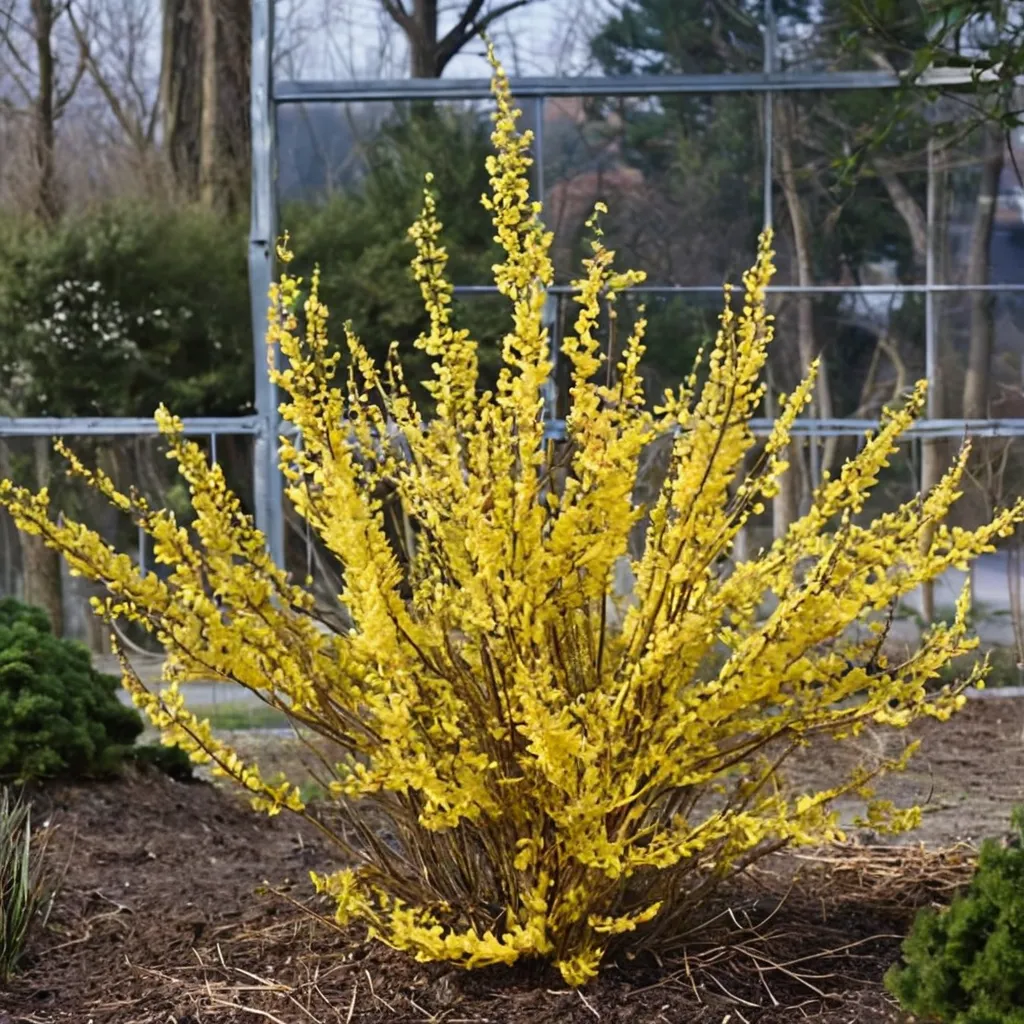
Show Off Forsythia
Forsythia x intermedia 'Show Off'
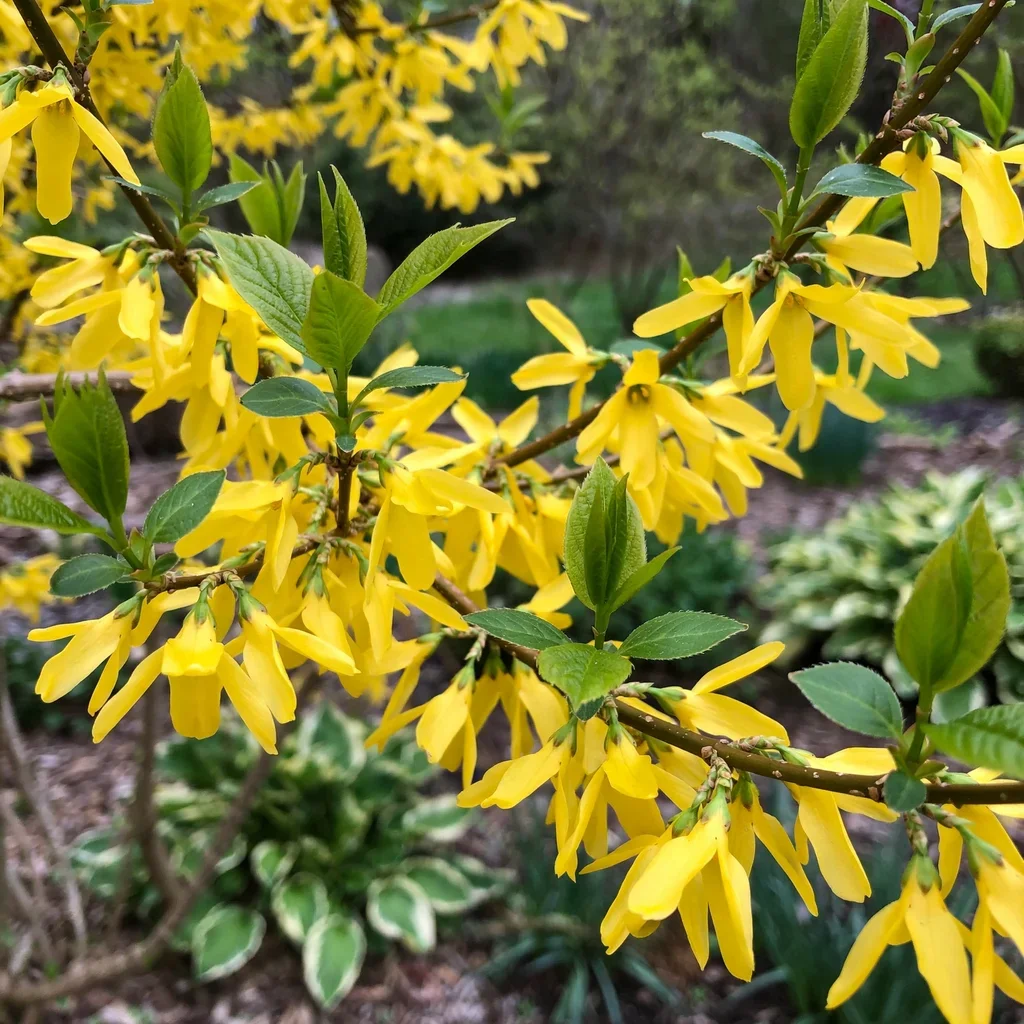
Lynwood Gold Forsythia
Forsythia x intermedia 'Lynwood Gold'
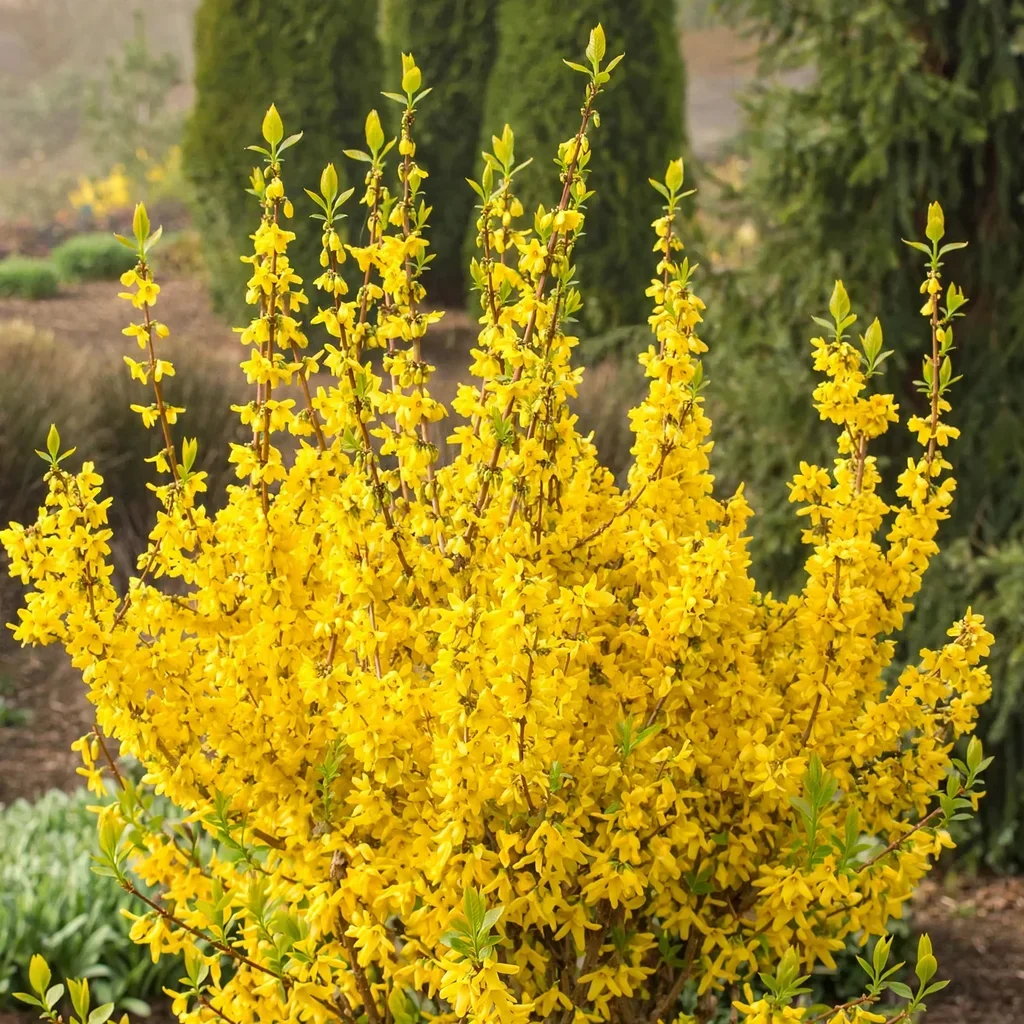
Magical Gold Forsythia
Forsythia x intermedia 'Magical Gold'
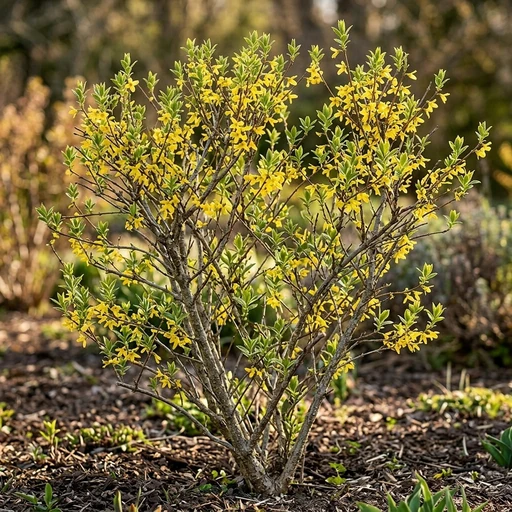
Meadowlark Forsythia
Forsythia x hybrida 'Meadowlark'
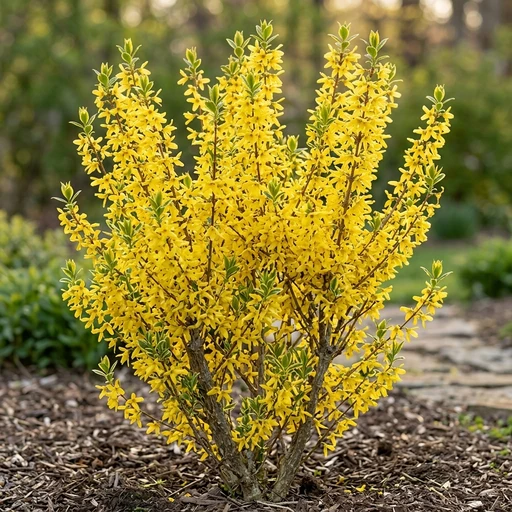
Nimbus Forsythia
Forsythia x intermedia 'Nimbus'
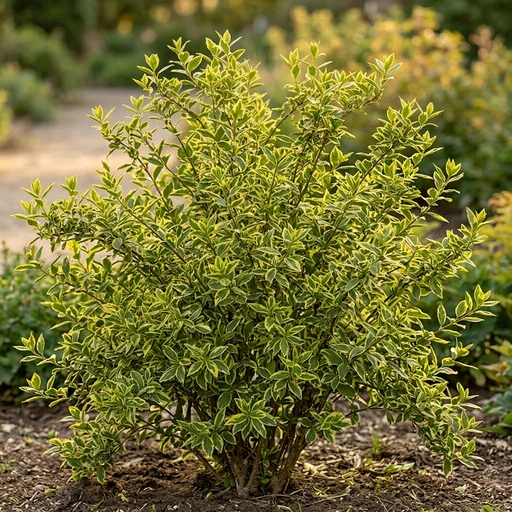
New Hampshire Gold Forsythia
Forsythia x intermedia 'New Hampshire Gold'
Keep exploring
Explore the genus
Hardy in your zone?
Grow Spring Fling Forsythia with confidence
See it in a design of your actual yard, get zone-matched care reminders, and track it season by season in your garden journal.