Also known as Linden · 273 saves
Tilia
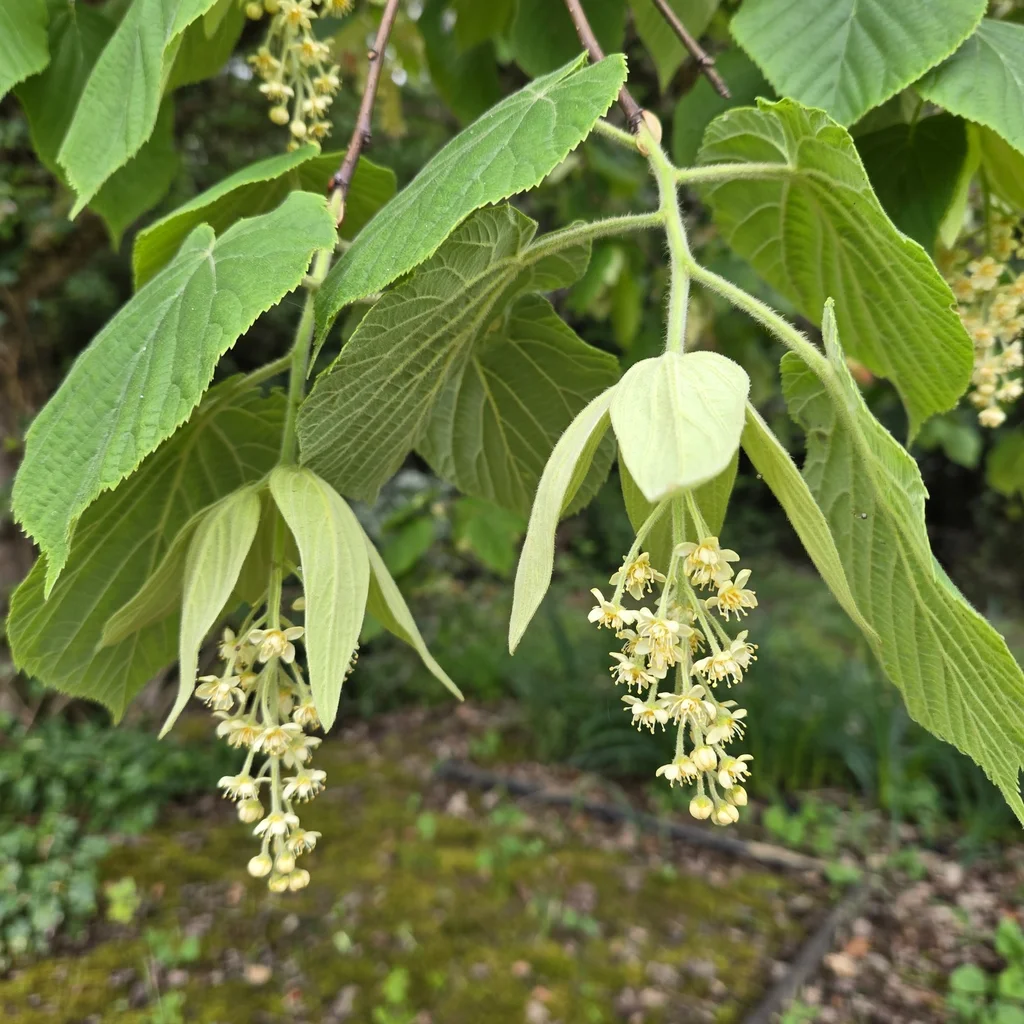
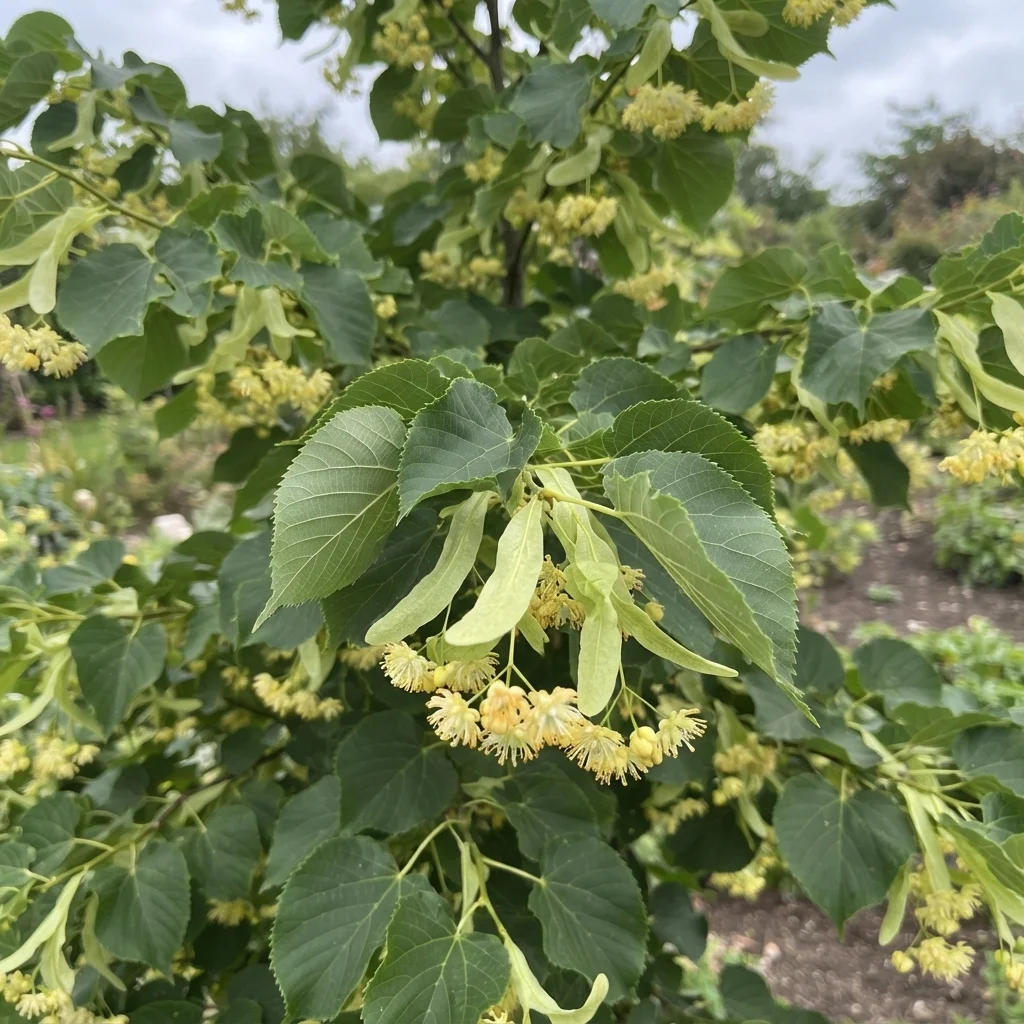
Tilia, the genus most gardeners know as linden. We track 17 varieties; the ones most used by real gardeners.
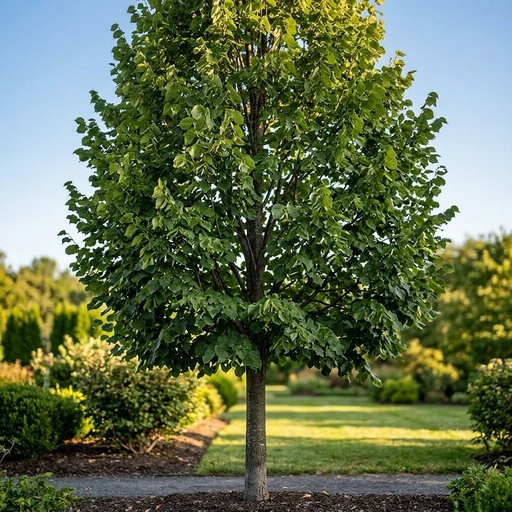
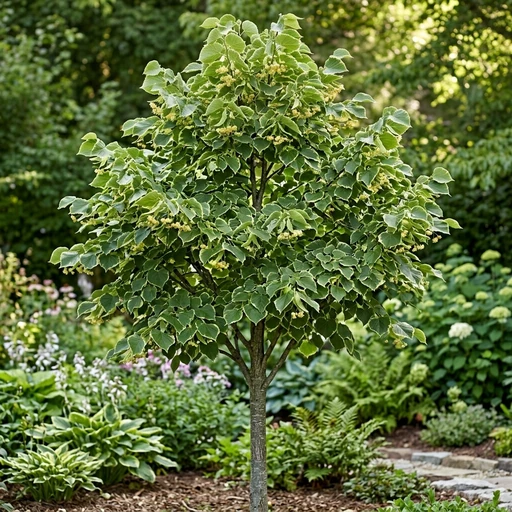
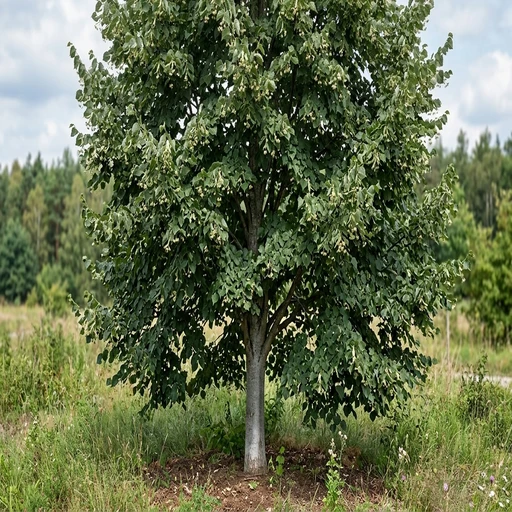
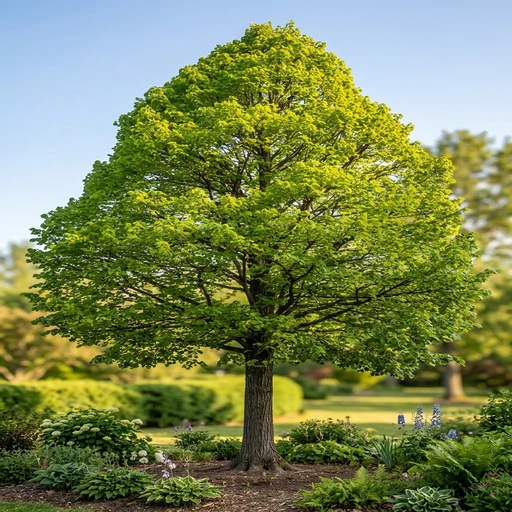
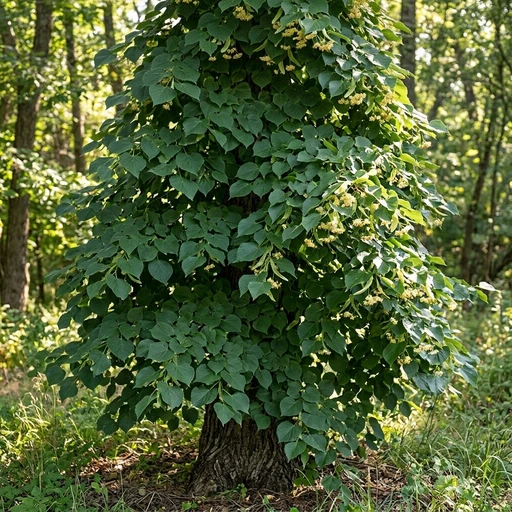
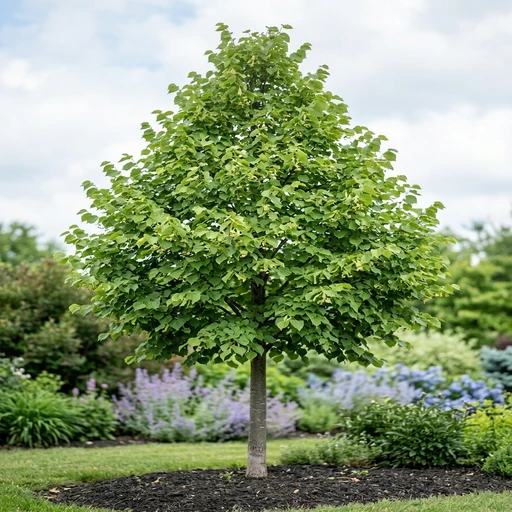
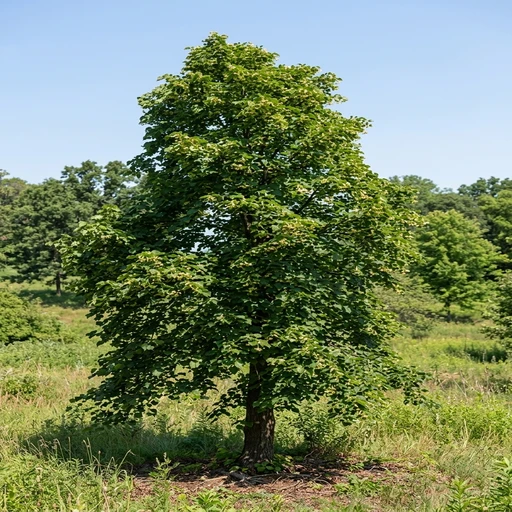
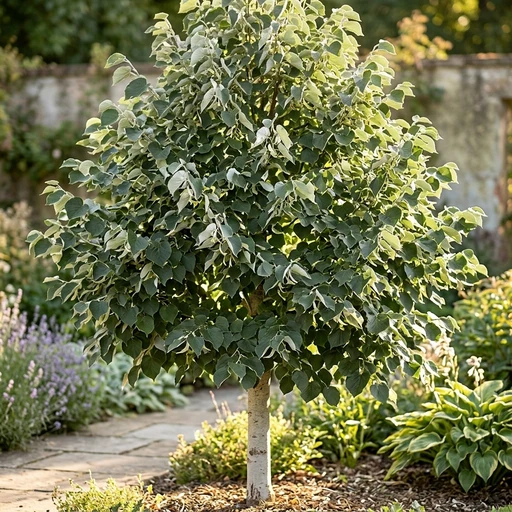
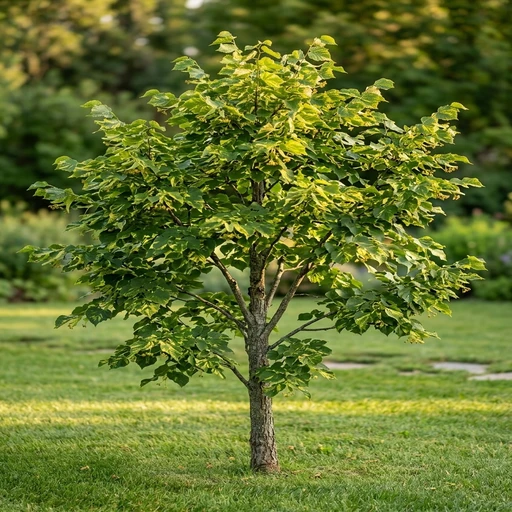
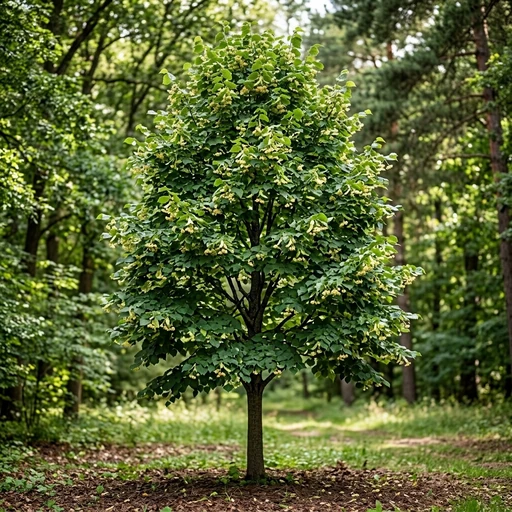
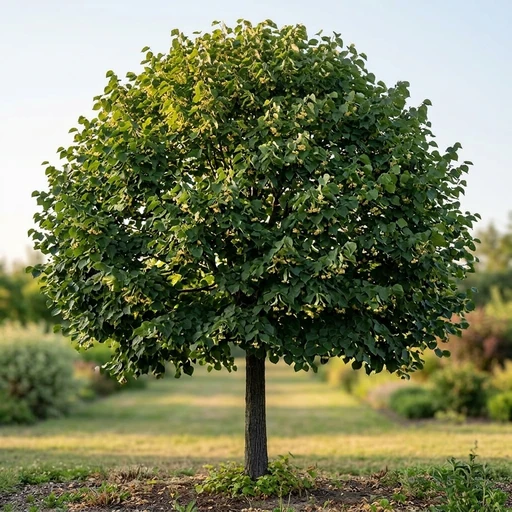
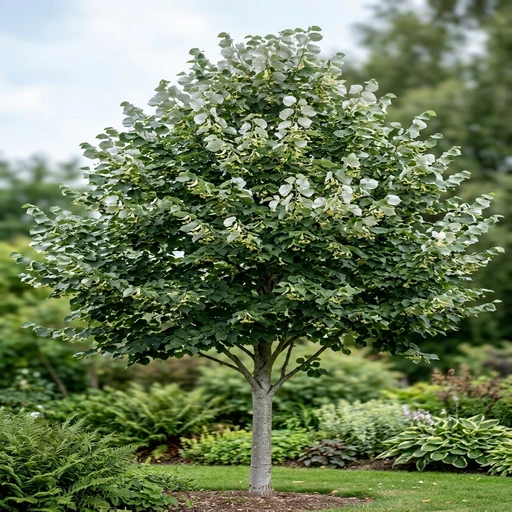
The 14 most-saved Tilia varieties
Browse all 17 Tilia varieties →
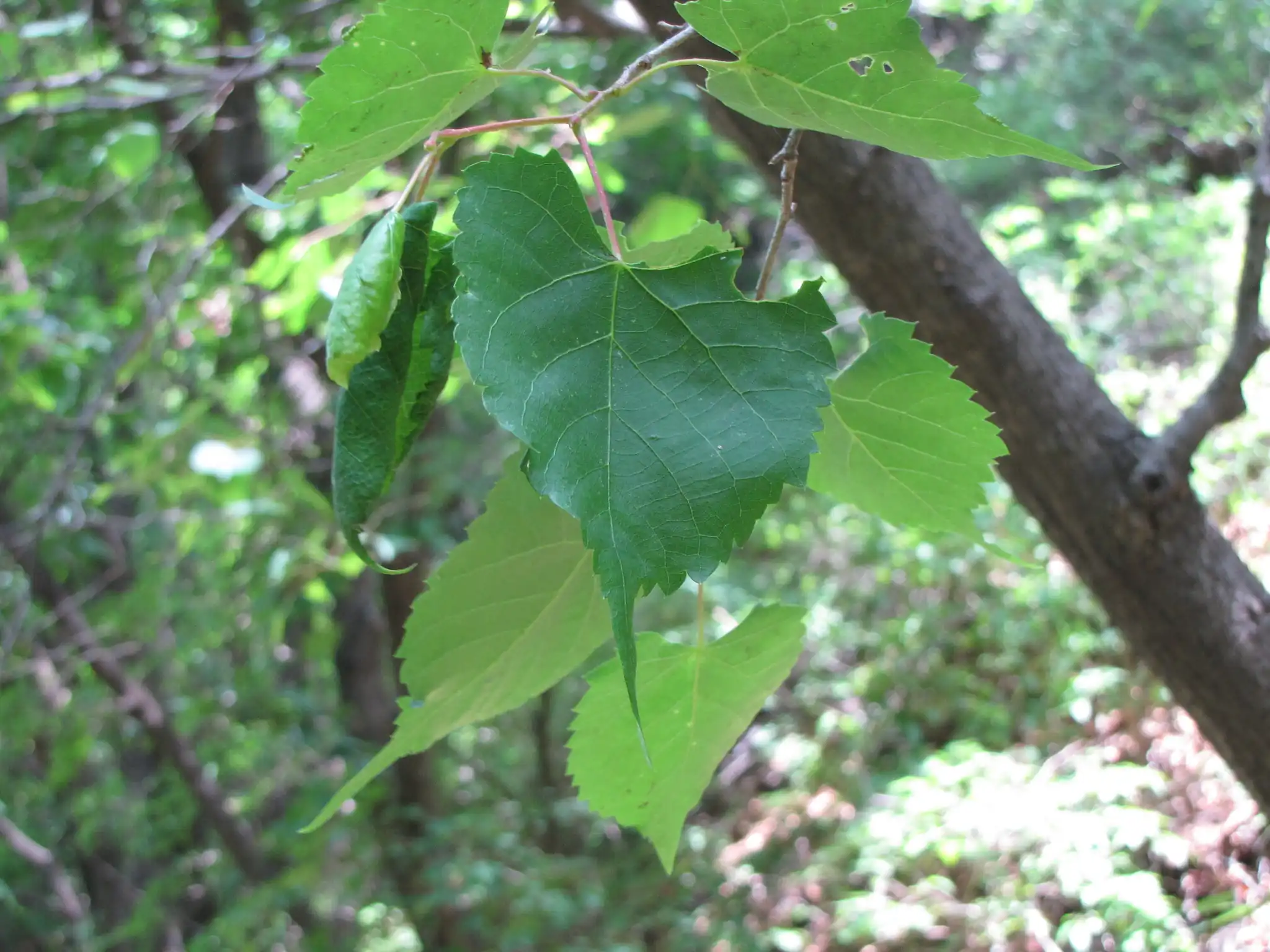
3 species of Tilia
Each one is a parent of the varieties above.
Track your Tilia in Sow
Save the Tilia you grow and get care reminders timed to your zone.
How to grow Tilia
Whats common across all Tilia varieties in our catalog — drawn from the care records of the 17 most-grown of them.
The Tilia year
- PruneFebruary and March94% of varieties
Prune in late winter to remove dead wood and maintain its form.
- Check for PestsJune–August82% of varieties
Monitor for Japanese beetles and aphids, which are common pests.
- FertilizeApril53% of varieties
Apply a balanced slow-release fertilizer in spring if growth is sluggish or soil is poor.
- PlantApril, May, October, November and December41% of varieties
Plant balled-and-burlapped or container trees in spring or fall.


Do
- Prune young trees to develop a strong central leader.
- Allow ample space for its mature size.
- Water regularly during the first few years to establish a deep root system.
- Provide ample space for its large mature size.
- Water regularly during establishment and in periods of drought.
Avoid
- Don't plant in compacted or poorly drained soils.
- Avoid planting where its aphid honeydew will be a major nuisance.
- Don't plant in hot, dry, restricted root zones.
- Avoid wounding the bark, which can be susceptible to cankers.
What goes wrong with Tilia
| Problem | What you'll see | What to do |
|---|---|---|
| Aphids | Large populations of aphids feed on leaves, secreting sticky honeydew that drips down and supports the growth of black sooty mold. | Encourage beneficial insects like ladybugs. Use insecticidal soap or horticultural oil. Systemic insecticides can be effective but may harm pollinators. |
| Japanese Beetle | Adult beetles skeletonize the leaves, eating the tissue between the veins, often in large numbers. | Hand-pick beetles into soapy water. Pheromone traps can attract more beetles, so place them far away. Apply insecticides containing carbaryl or neem oil. |
| Spider mites | Fine webbing on twigs and stippled, yellowing leaves during hot, dry weather. | Keep the tree well-watered and spray the canopy with water to disrupt mite populations. |
| Japanese beetles | Skeletonized leaves and significant summer defoliation. | Apply targeted biological controls or hand-pick beetles from young trees; mature trees generally tolerate the damage. |
| Verticillium Wilt | Sudden wilting and dieback of individual branches, often showing discoloration in the sapwood when cut. | There is no cure. Prune out and destroy infected branches. Provide good care to help the tree defend itself. Avoid planting lindens where wilt has been a problem. |
| Anthracnose | Irregular brown spots on leaves, sometimes causing premature leaf drop, especially in wet springs. | Generally not a serious threat. Rake and dispose of fallen leaves. Prune to improve air circulation. Fungicides are rarely warranted. |
| Verticillium wilt | Sudden wilting and dying of individual branches, accompanied by dark staining in the wood. | Prune out dead branches back to healthy wood, sterilize tools between cuts, and keep the tree watered. |
Making more Tilia
Grafting
- Collect dormant scion wood from a Greenspire® linden in winter.
- In late winter or early spring, graft the scions onto Tilia cordata rootstock.
- T-budding in summer is also a common method.
- Wrap the union and care for the graft until it heals.
Seed
- Collect seeds in fall and remove the hard seed coat.
- Requires a complex stratification: warm, then cold.
- Sow in a protected seedbed.
- Germination can take up to two years.
Tilia questions
How many types of Tilia are there?
The Sow catalog tracks 17 distinct Tilia varieties. The most popular — ranked by 273 real gardeners — are shown first above.
What zones does Tilia grow in?
Across its varieties, Tilia covers USDA Zones 4–9. Individual varieties differ — each plant page lists its exact range, and Sow filters the catalog to your zone automatically.
When does Tilia bloom?
Most Tilia varieties bloom in early summer, late spring, summer. Staggering early, mid, and late varieties extends the genus's season in one bed.
Which Tilia should I choose?
Start from the most-saved varieties above — popularity across thousands of gardens is a strong signal of reliability — then filter by your zone and sun. In the Sow app you can preview any of them in a photo of your actual yard before you buy.