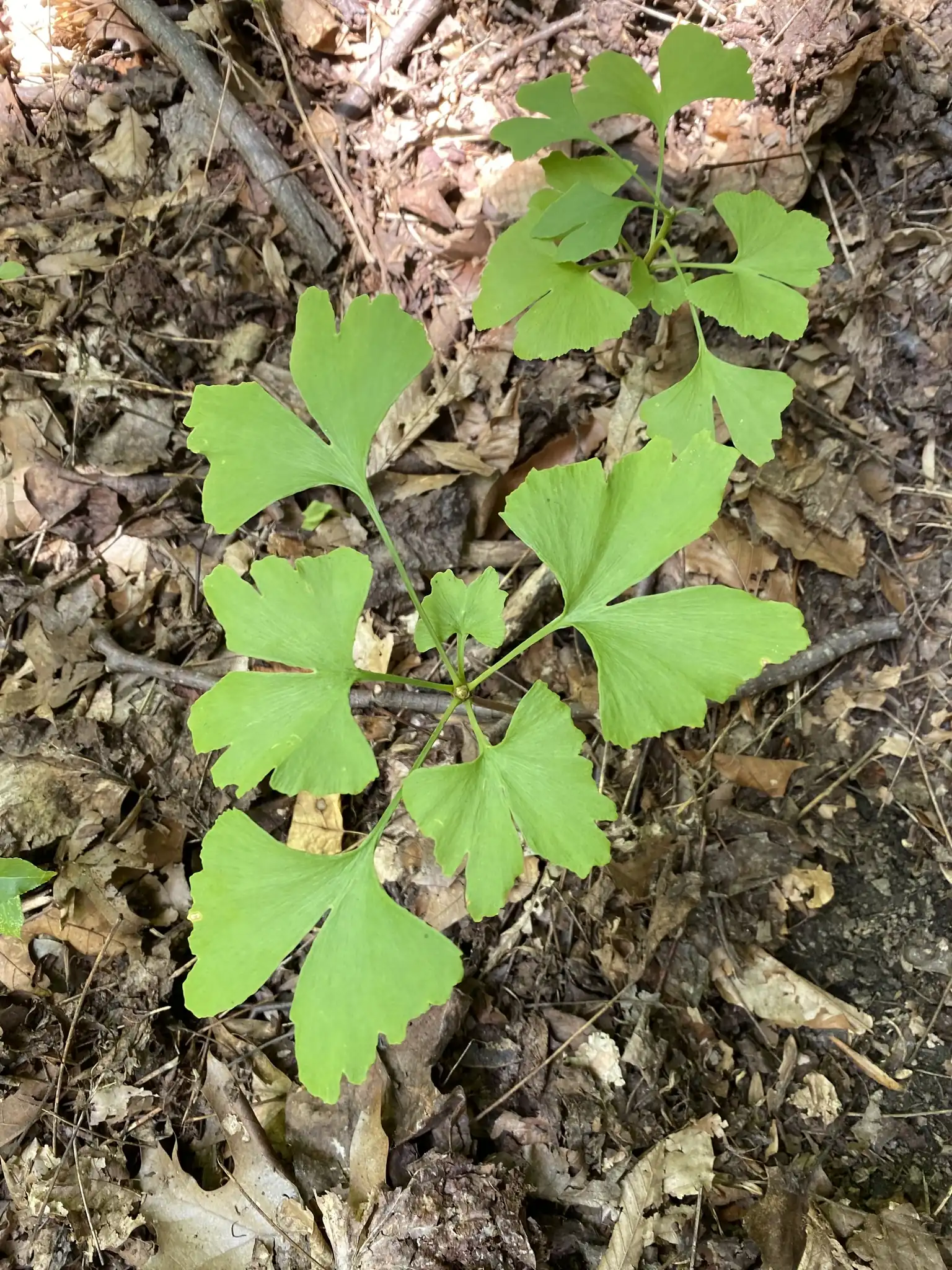
14 named cultivars
 ‘Mariken’Mariken Ginkgo
 ‘Autumn Gold’Autumn Gold Ginkgo
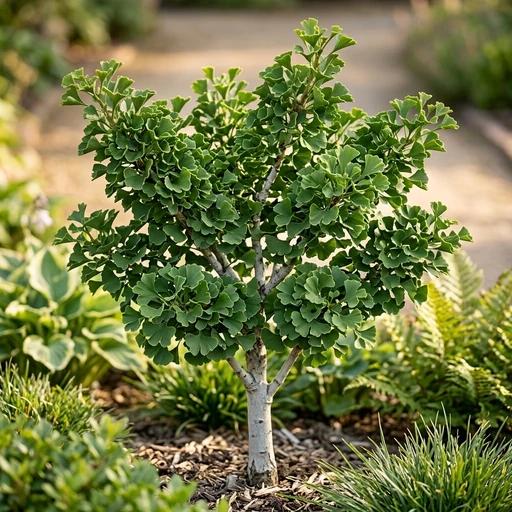 ‘Chi-Chi’Chi-Chi Maidenhair Tree
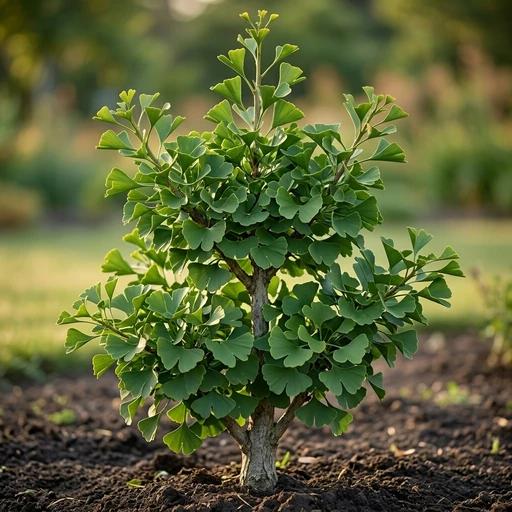 ‘Jade Butterfly’Jade Butterfly Maidenhair Tree
 ‘Magyar’Magyar Ginkgo
 ‘Princeton Sentry’Princeton Sentry Ginkgo
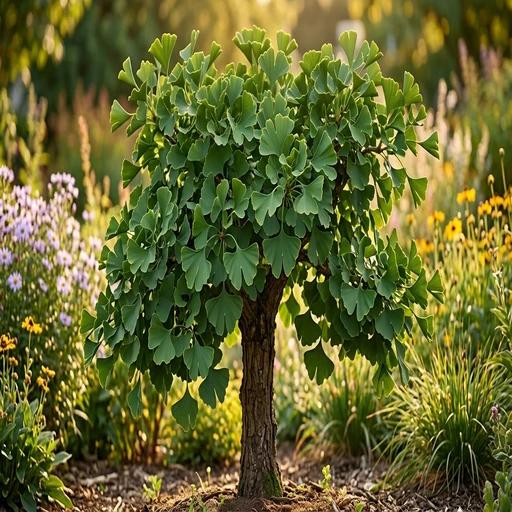 ‘Shangri-La’Shangri-la Maidenhair Tree
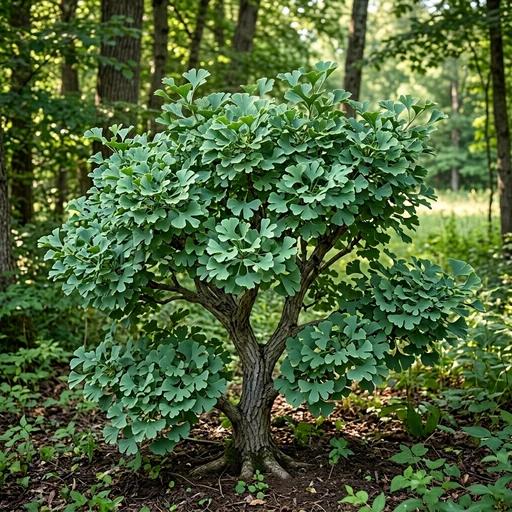 ‘Grind Stone’Grind Stone Ginkgo
 ‘Golden Colonnade’Golden Colonnade Ginkgo
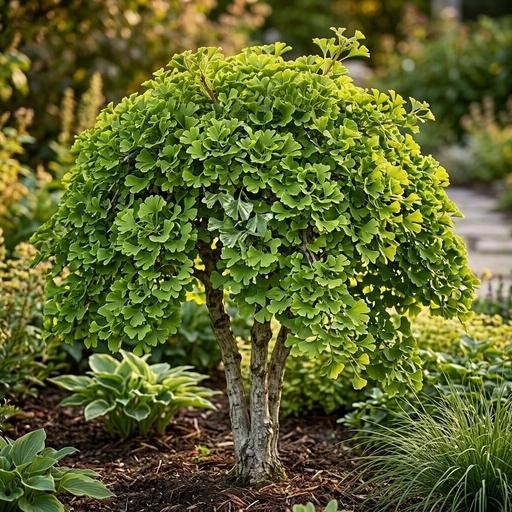 ‘Troll’Troll Maidenhair Tree
 ‘The President’The President Ginkgo Tree
 ‘Golden Globe’Golden Globe Ginkgo Tree
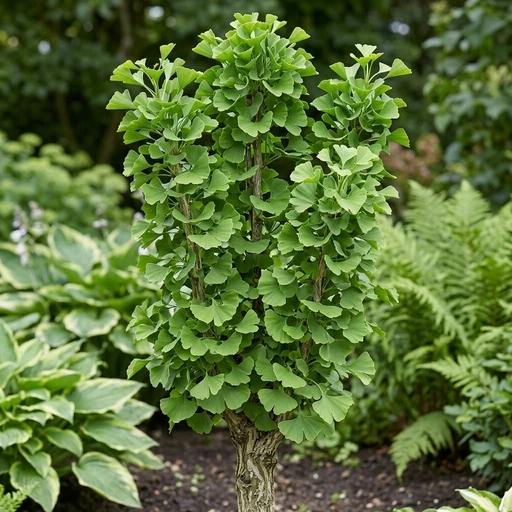 ‘Sky Tower’Sky Tower Ginkgo
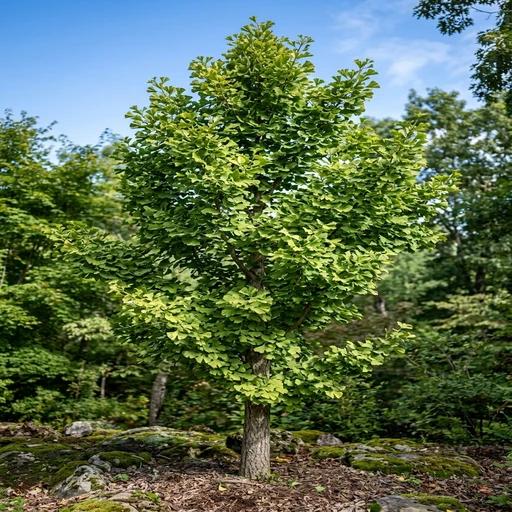 ‘Saratoga’Saratoga Maidenhair Tree
The Story
Plant Bio
Ginkgo biloba is a large deciduous tree native to south-central and southeast China, reaching fifty to eighty feet with a pyramidal crown that broadens with age. Its fan-shaped leaves are unlike any other tree's — emerald green, two to three inches across, borne in clusters of three to five — and turn a uniform clear gold in autumn before dropping almost overnight.
It is the sole survivor of a lineage over two hundred million years old, with no living relatives. Female trees produce a fleshy seed coat that smells strongly of rancid butter when it falls and causes dermatitis on contact, so buy a named male selection — every widely sold cultivar is male for exactly this reason.
Uses & Benefits:
Essentials
At a Glance
Plant Type
Tree
Height
780"
Width
420"
Light
Full Sun
Zones
4, 5, 6, 7, 8, 9
Water
Moderate
Humidity
Moderate
Lifespan
Perennial
Native To
South-central and southeast China
Toxicity
Toxic if ingested
Marketplace
Where to Buy
Shipping costs Year-round shipping Free shipping
Planting
How to Grow
- Plant in autumn or early spring in deep, well-drained soil.
- Choose full sun and allow thirty to forty feet of spread.
- Buy a named male clone to avoid the fruit.
- Water through the first two seasons.
- Prune only to remove dead or crossing wood, in late winter.
- Expect slow growth for the first decade.
Pro Tip
Only plant a named male clone — a seedling has a fifty per cent chance of being female, and you will not know until it fruits twenty years later.
Keep It Thriving
Care Guide
Do
- Buy a named male selection ♂️
- Plant in full sun with good drainage ☀️
- Allow room for a large mature tree 🌳
- Be patient; growth is slow at first ⏳
Don't
- Plant an unsexed seedling ❌
- Site a female tree near paths or drives ❌
- Expect fast growth in the early years ❌
Seasonal Care Calendar
| Task | Jan | Feb | Mar | Apr | May | Jun | Jul | Aug | Sep | Oct | Nov | Dec |
|---|---|---|---|---|---|---|---|---|---|---|---|---|
| Monitor | ||||||||||||
| Prune |
Watch Out For
Pests & Diseases
Common Pests
Common Diseases
In the Garden
Landscape Uses & Companions
Landscape Uses
Companion Plants
Multiply
Propagation Methods
Good to Know
Common Questions
Ginkgo questions
What zones can Ginkgo grow in?
Ginkgo is hardy in USDA Zones 4–9. Inside that range it survives winter in the ground; outside it, grow it as an annual or a container plant you protect.
Is Ginkgo deer resistant?
Yes — Ginkgo is rated deer-resistant. Deer typically pass it over, though extreme hunger can override any plant's defenses.
When does Ginkgo bloom?
Ginkgo typically blooms in spring through mid-spring. Exact timing shifts a week or two with your zone — Sow's bloom calendar maps it to your garden.
Does Ginkgo need full sun?
Ginkgo does best in full sun (6+ hours).
Is Ginkgo drought tolerant?
Yes — once established (usually after the first full season), Ginkgo handles dry spells with minimal watering. Water deeply its first year to build the root system that makes that possible.
More Ginkgo to compare
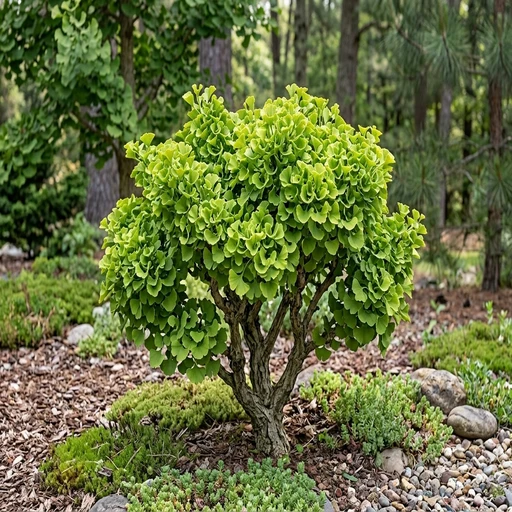
Mariken Ginkgo
Ginkgo biloba 'Mariken'
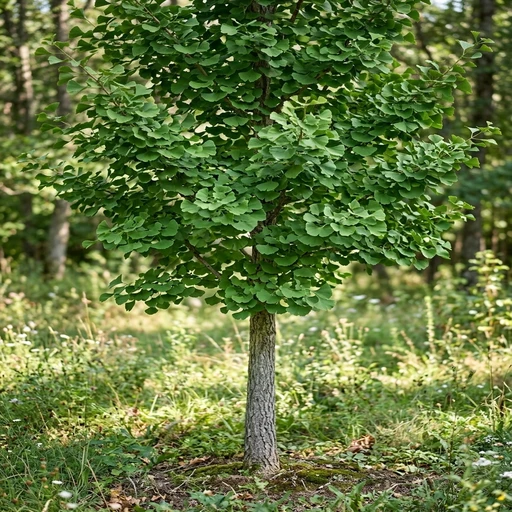
Autumn Gold Ginkgo
Ginkgo biloba 'Autumn Gold'
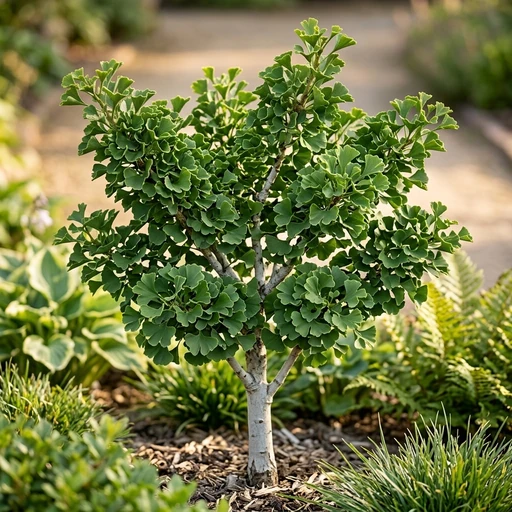
Chi-Chi Maidenhair Tree
Ginkgo biloba 'Chi-Chi'
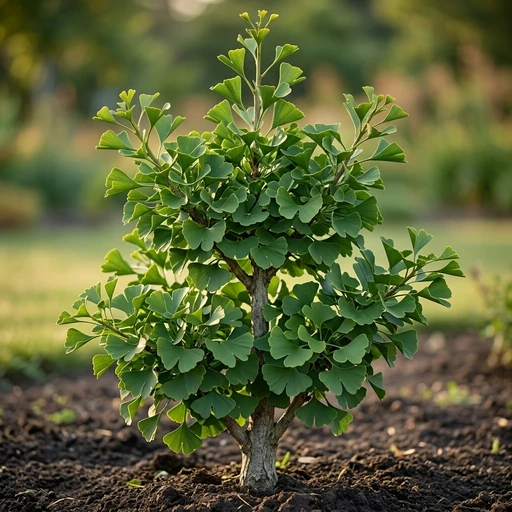
Jade Butterfly Maidenhair Tree
Ginkgo biloba 'Jade Butterfly'
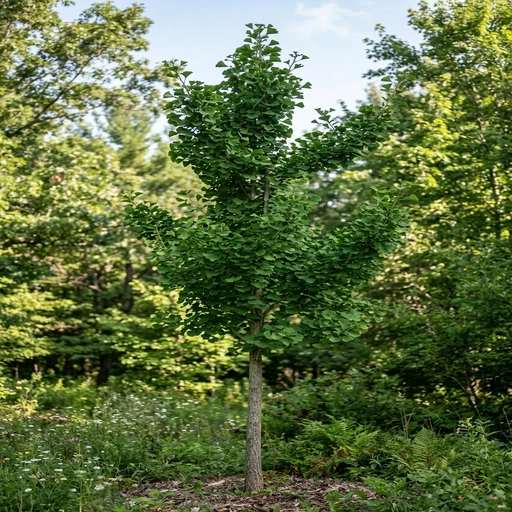
Magyar Ginkgo
Ginkgo biloba 'Magyar'
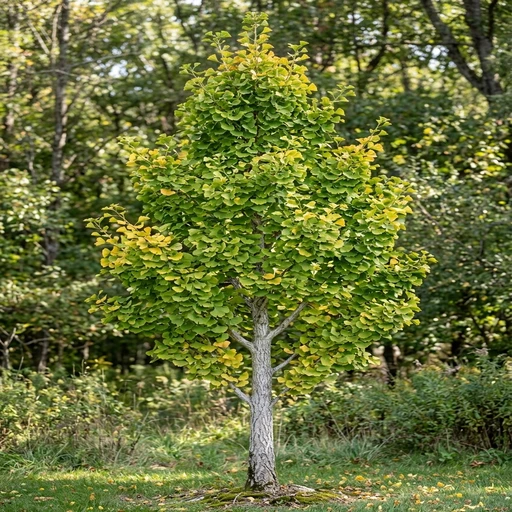
Princeton Sentry Ginkgo
Ginkgo biloba 'Princeton Sentry'
Keep exploring
Explore the genus
Grow Ginkgo with confidence
See it in a design of your actual yard, get zone-matched care reminders, and track it season by season in your garden journal.