Also known as Jasmine · 49 saves
Jasminum
Jasminum, the genus most gardeners know as jasmine. We track 9 varieties; the ones most used by real gardeners.
The 9 most-saved Jasminum varieties
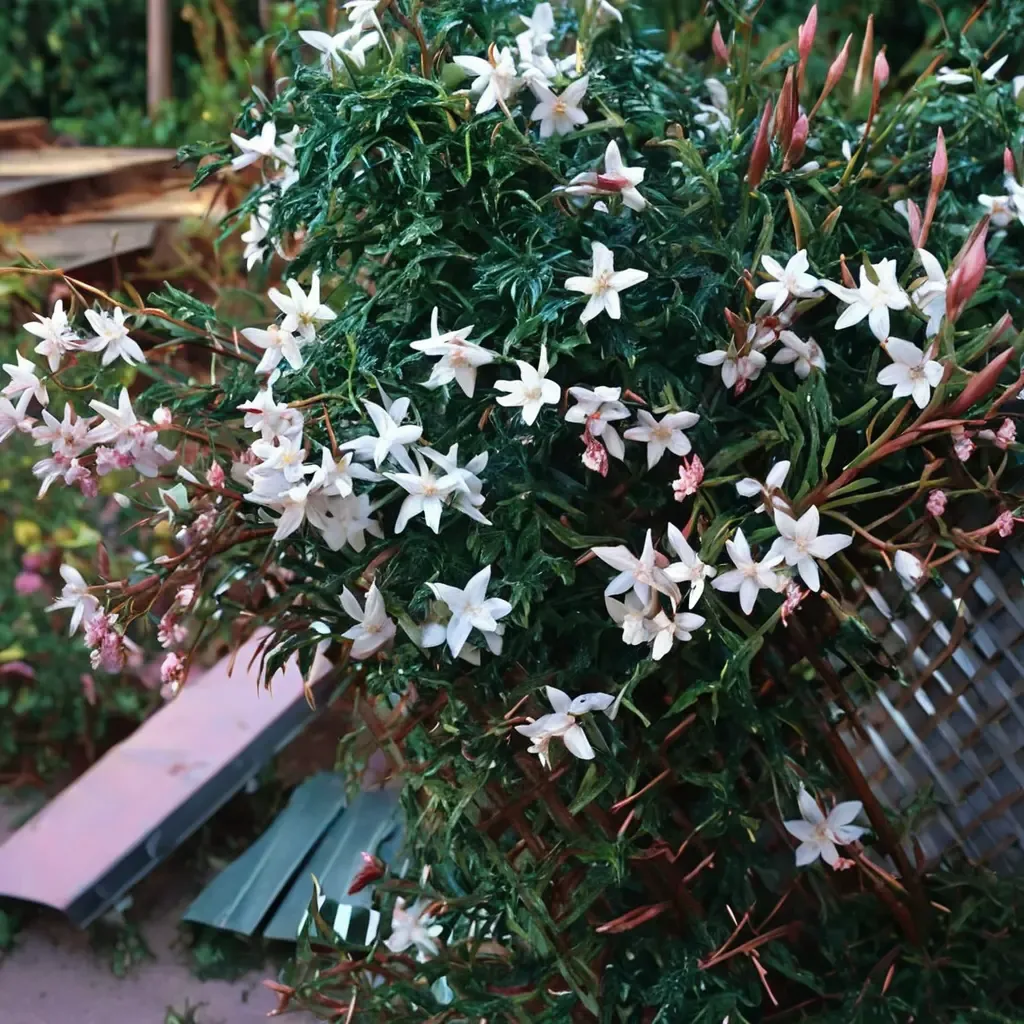
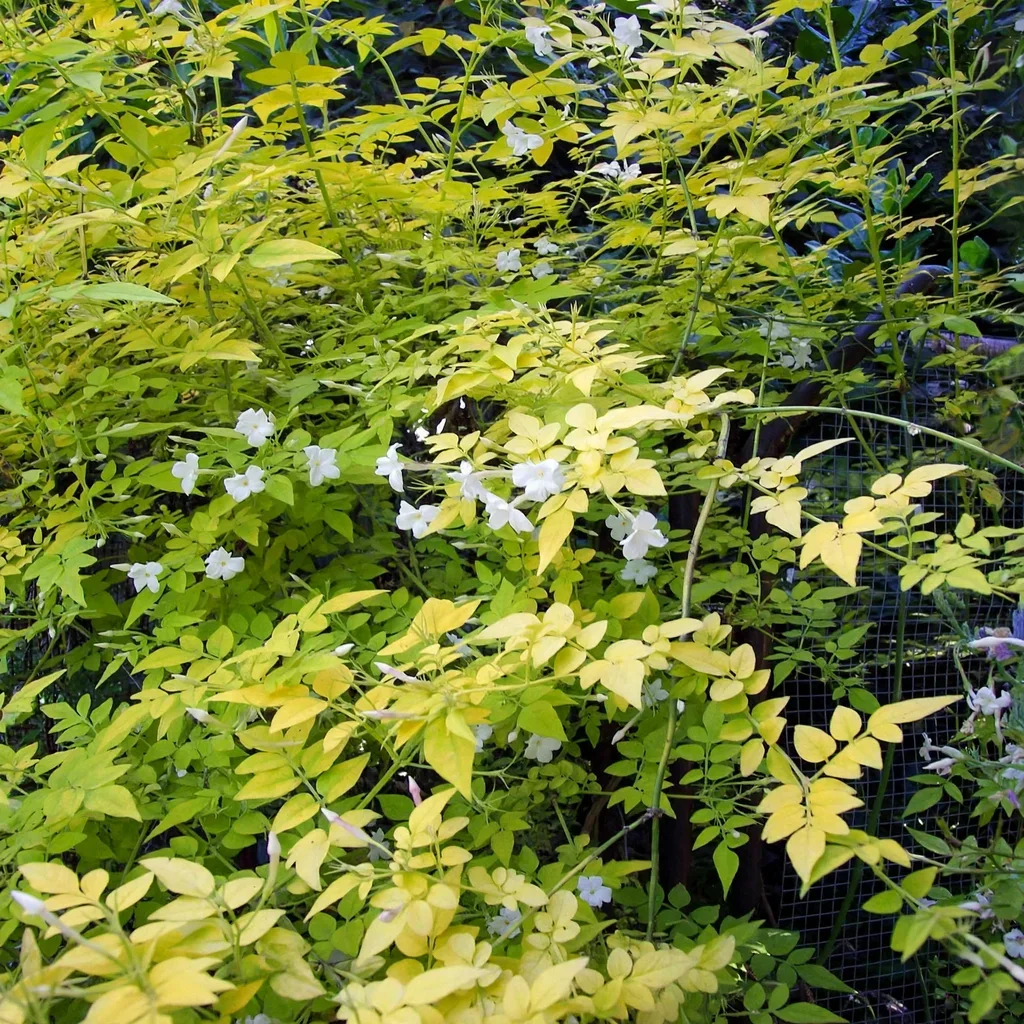
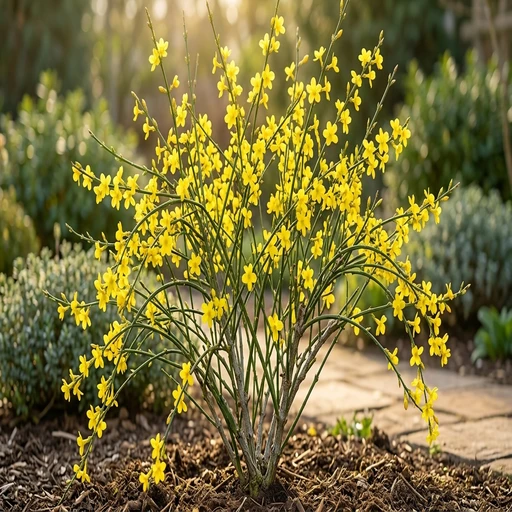
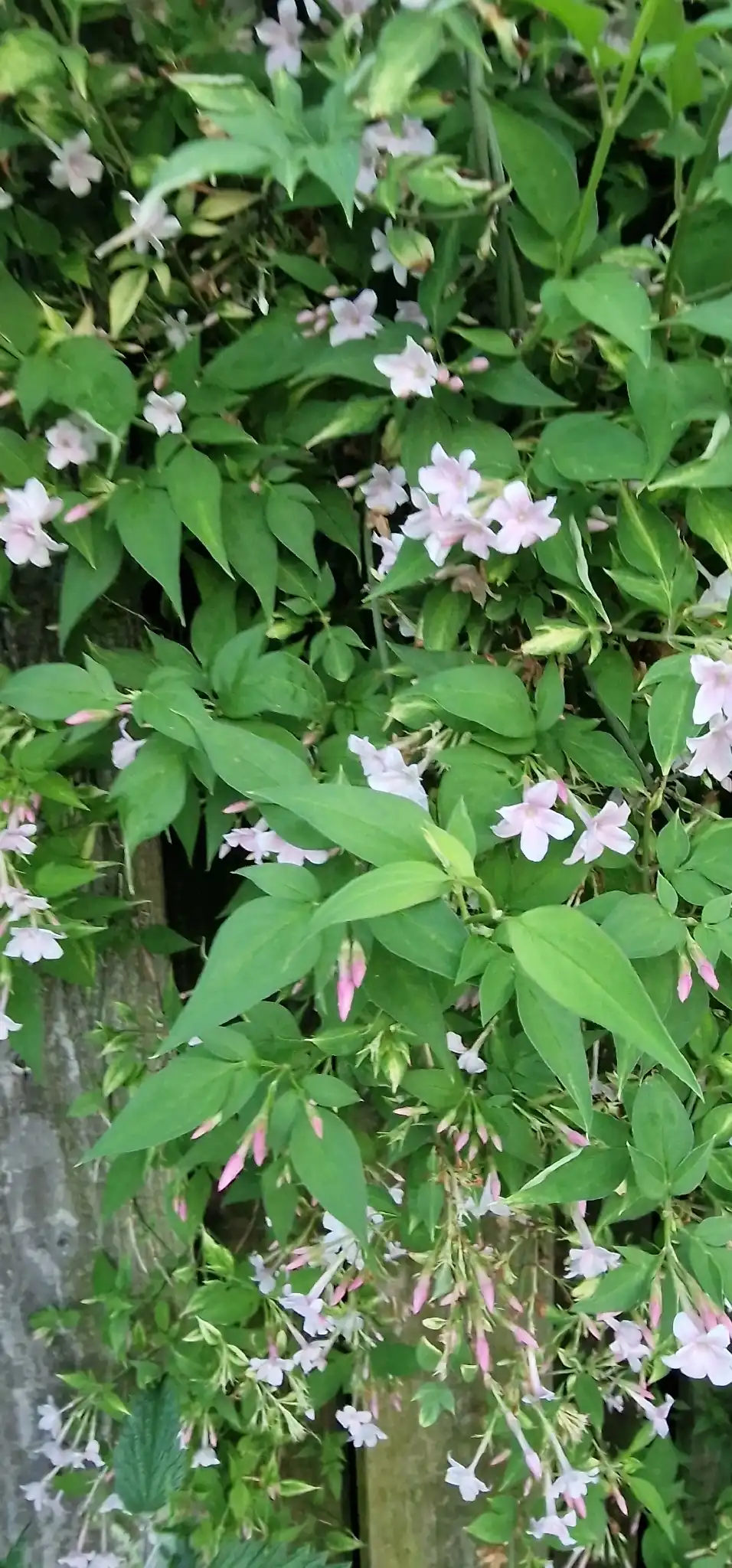
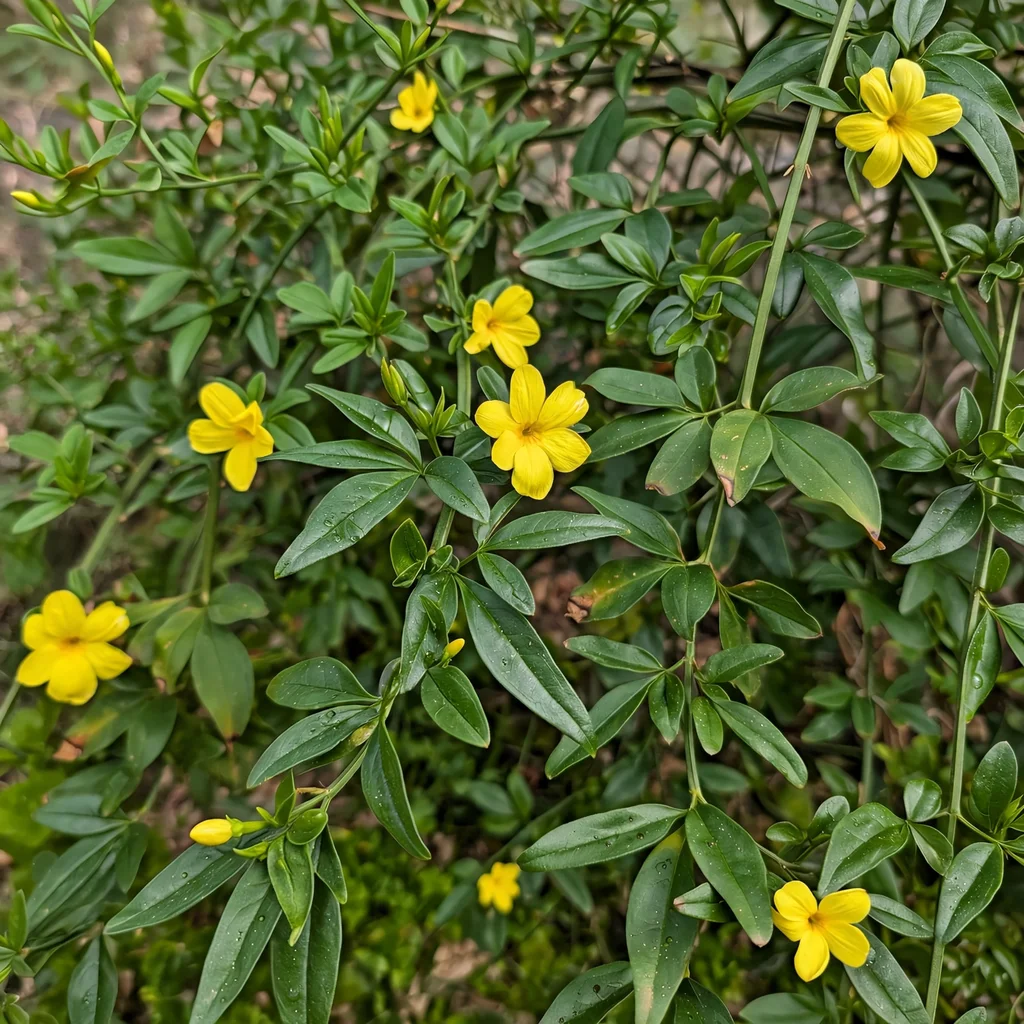
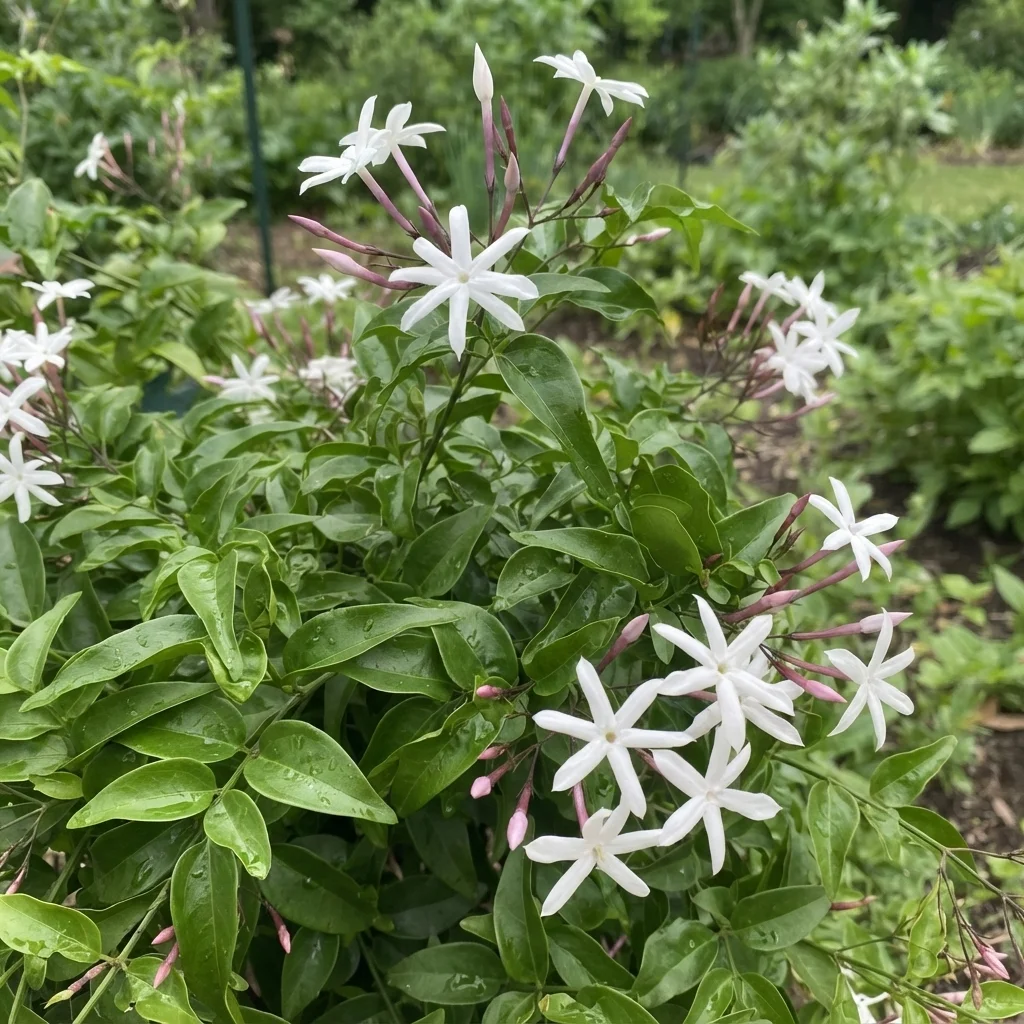
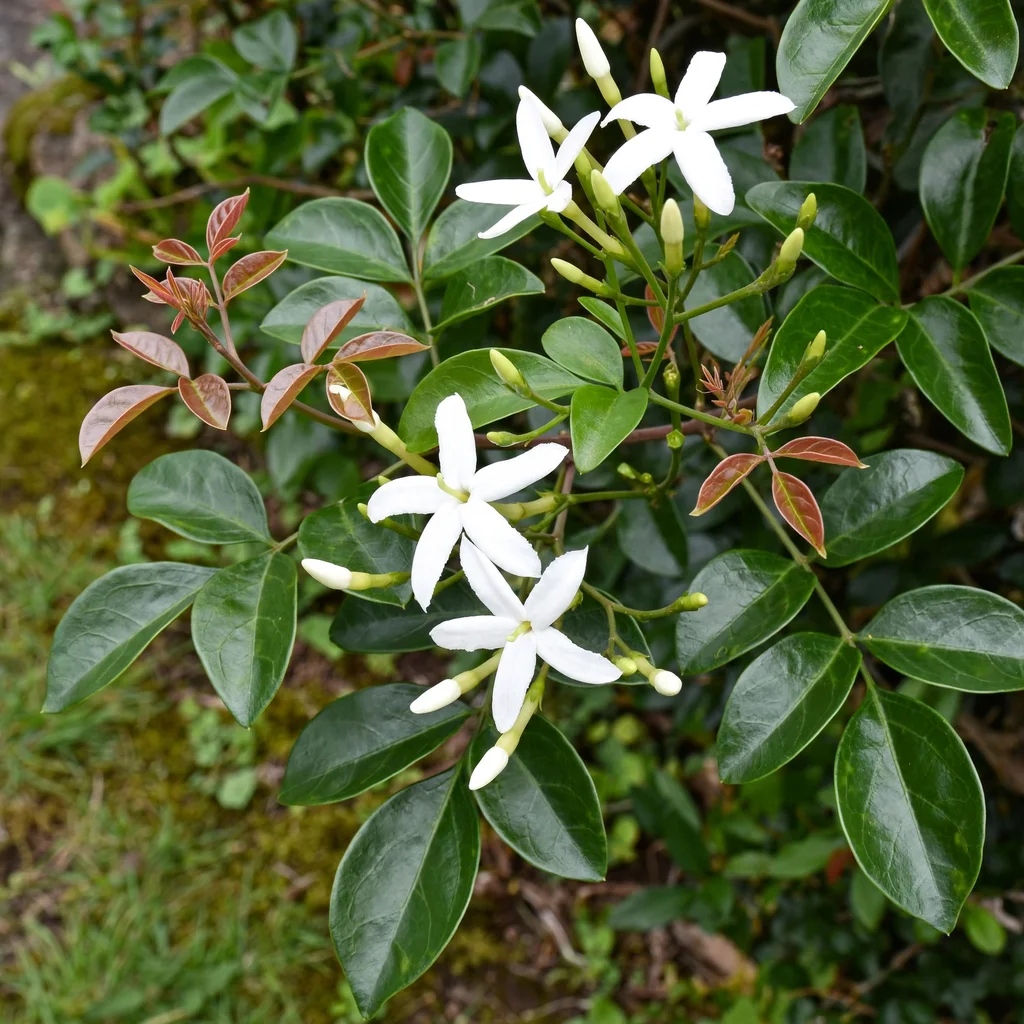
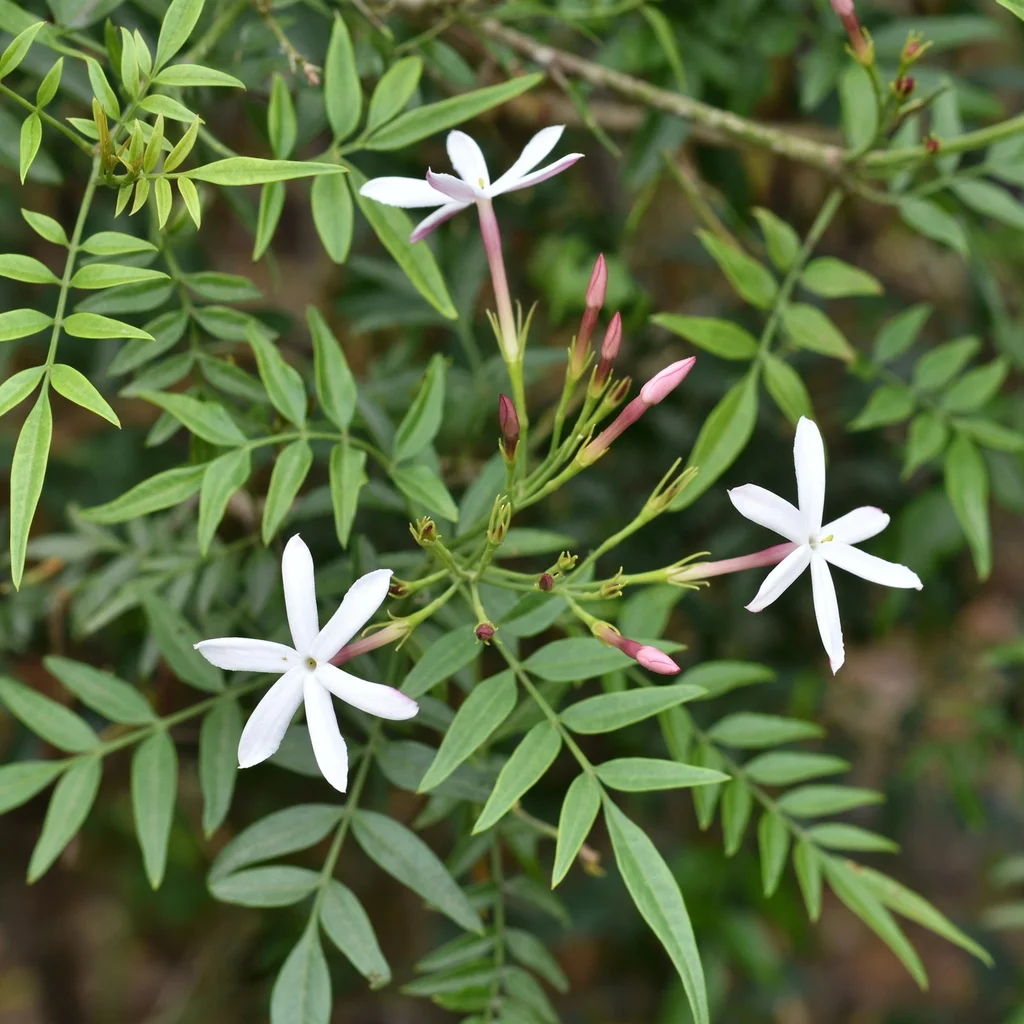
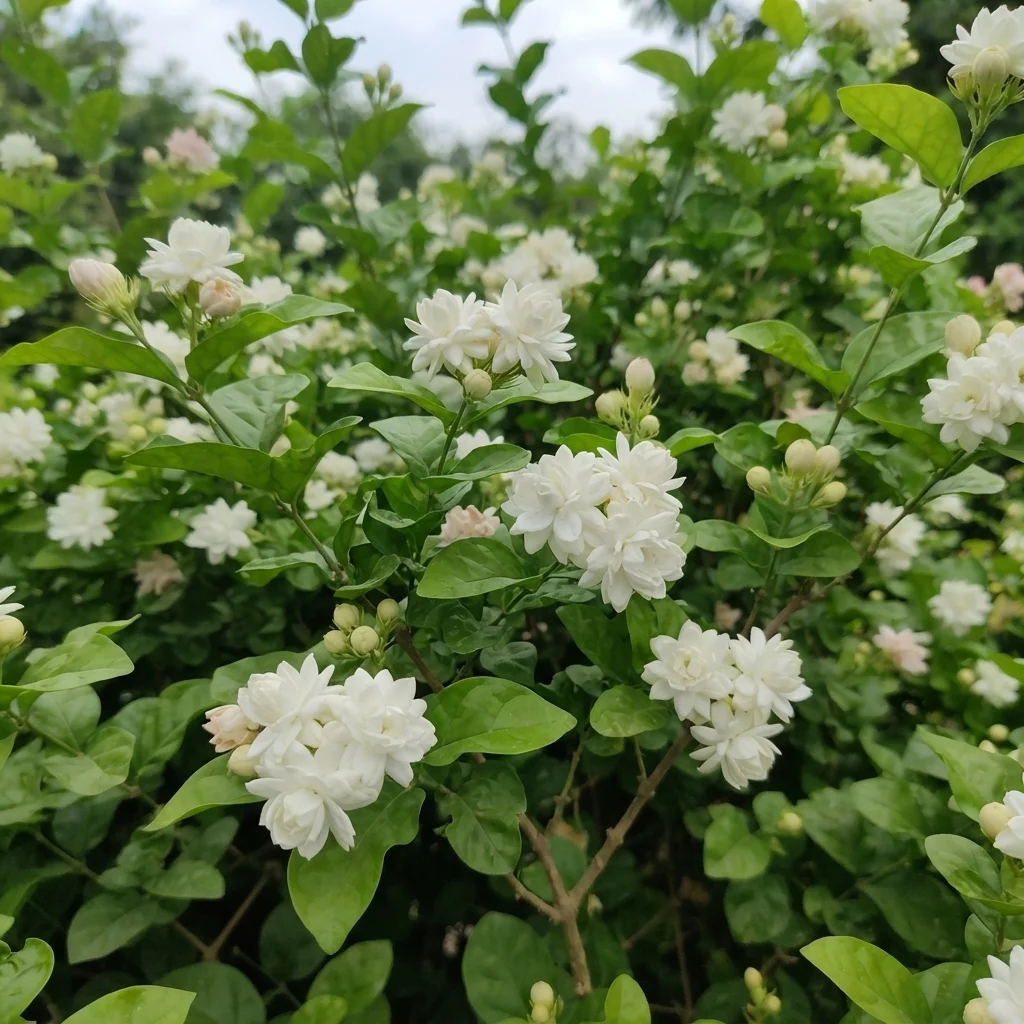
7 species of Jasminum
Each one is a parent of the varieties above.
Track your Jasminum in Sow
Save the Jasminum you grow and get care reminders timed to your zone.
How to grow Jasminum
Whats common across all Jasminum varieties in our catalog — drawn from the care records of the 9 most-grown of them.
The Jasminum year
- PruneSeptember100% of varieties
Prune immediately after the main flowering flush ends to shape the vine.
- FertilizeMarch, April and June78% of varieties
Apply a balanced, slow-release ornamental fertilizer lightly.
- PropagateJuly and August56% of varieties
Take semi-ripe stem cuttings or perform ground layering.
- Check for PestsJune and July56% of varieties
Inspect leaf undersides for aphids, spider mites, and scale insects.
- Winter PrepOctober–December56% of varieties
In cooler zones, apply thick mulch to protect the root zone from freezing temperatures.


Do
- Prune annually immediately after flowering to thin congested interior growth and shorten unruly shoots.
- Provide a sturdy support structure for the flexible, twining stems to climb.
- Apply a balanced, slow-release ornamental fertilizer lightly in spring.
- Ensure the soil dries out slightly between waterings to prevent root rot.
- Water regularly during dry spells to keep soil moist 🌱
Avoid
- Do not prune heavily into old, leafless wood, as latent buds may fail to break.
- Do not over-fertilize with nitrogen, which suppresses flower production in favor of foliage.
- Do not allow container-grown plants to sit in standing water or stagnant saucers.
- Do not prune in spring, which removes the developing flower buds for the coming season.
What goes wrong with Jasminum
| Problem | What you'll see | What to do |
|---|---|---|
| Aphids | Clusters of small, soft-bodied insects on new growth and sticky honeydew on leaves. | Spray with insecticidal soap or horticultural oils. |
| Scale insects | Hard, waxy bumps on stems and leaves, accompanied by yellowing foliage. | Treat with horticultural oil during the crawler stage or scrape off manually. |
| Spider mites | Fine webbing on leaf undersides and speckled, yellowing foliage. | Apply horticultural oil or insecticidal soap, ensuring thorough coverage of leaf undersides. |
| Mealybugs | White cottony clusters in leaf axils and along tangled stems | Thin congested growth so you can reach them, then treat with horticultural oil |
| Root rot | Wilting, yellowing leaves and mushy, brown roots caused by fungal pathogens in wet soil. | Ensure excellent soil drainage and avoid overwatering. |
| Powdery mildew | White, powdery fungal growth on leaves and buds, causing distortion. | Apply appropriate fungicidal sprays and increase air circulation around the foliage. |
| Powdery Mildew | White powder on leaves | Improve air circulation and apply fungicide |
Making more Jasminum
Layering
- Select a flexible, low-growing stem in spring or summer.
- Gently nick the bark on the underside of a stem node.
- Peg the nicked node down into the soil, covering it with a light layer of earth.
- Keep the soil moist until roots develop, then sever the new plant from the parent.
Semi-hardwood cuttings
- Take 4- to 6-inch semi-hardwood stem cuttings in mid-summer, selecting healthy stems with active growth.
- Remove the lower leaves, leaving only the top two or three leaves on the cutting.
- Dip the cut end in rooting hormone and insert it into a moist, well-draining propagation mix.
- Keep the cutting in a warm, humid environment with bright, indirect light until roots establish.
Jasminum questions
How many types of Jasminum are there?
The Sow catalog tracks 9 distinct Jasminum varieties. The most popular — ranked by 49 real gardeners — are shown first above.
What zones does Jasminum grow in?
Across its varieties, Jasminum covers USDA Zones 6–10. Individual varieties differ — each plant page lists its exact range, and Sow filters the catalog to your zone automatically.
When does Jasminum bloom?
Most Jasminum varieties bloom in early spring, mid-summer, late winter. Staggering early, mid, and late varieties extends the genus's season in one bed.
Which Jasminum should I choose?
Start from the most-saved varieties above — popularity across thousands of gardens is a strong signal of reliability — then filter by your zone and sun. In the Sow app you can preview any of them in a photo of your actual yard before you buy.