Also known as Mountain Laurel · 257 saves
Kalmia
Kalmia, the genus most gardeners know as mountain laurel. We track 10 varieties; the ones most used by real gardeners.
The 10 most-saved Kalmia varieties
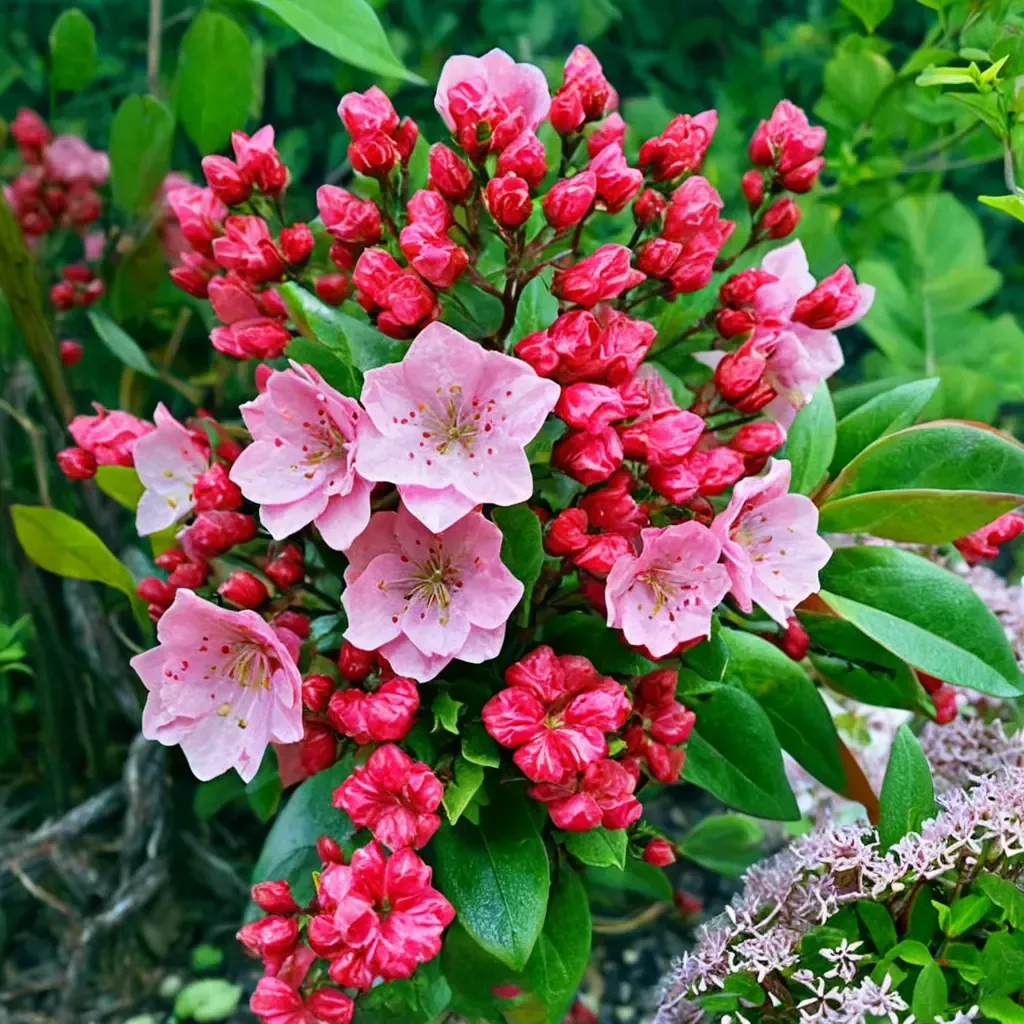
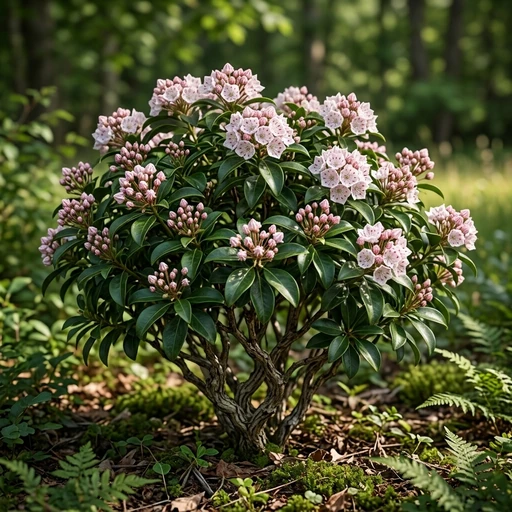
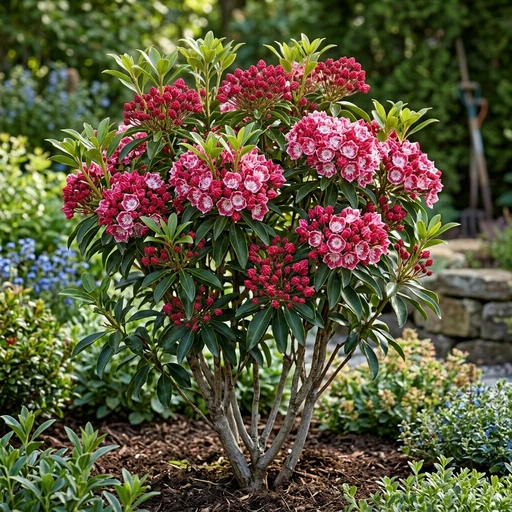
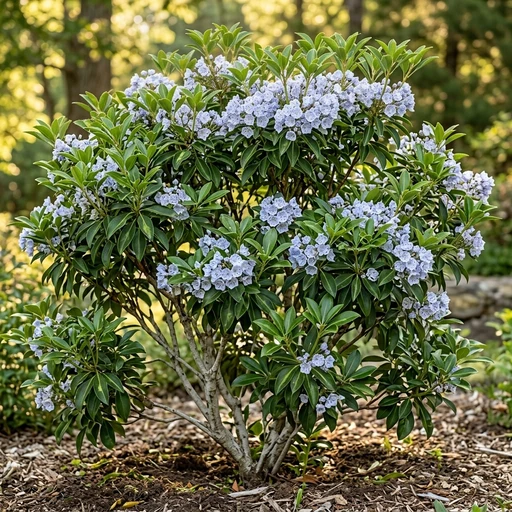
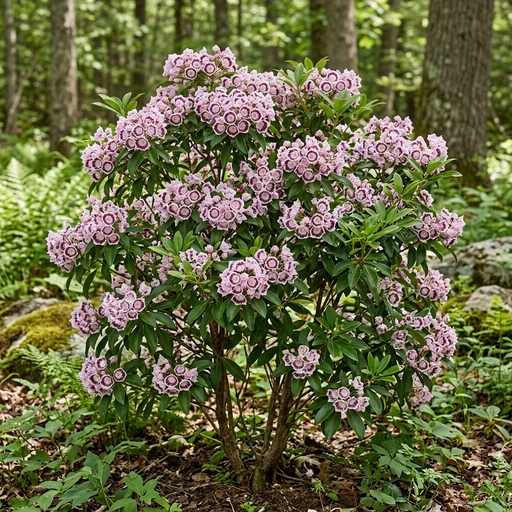
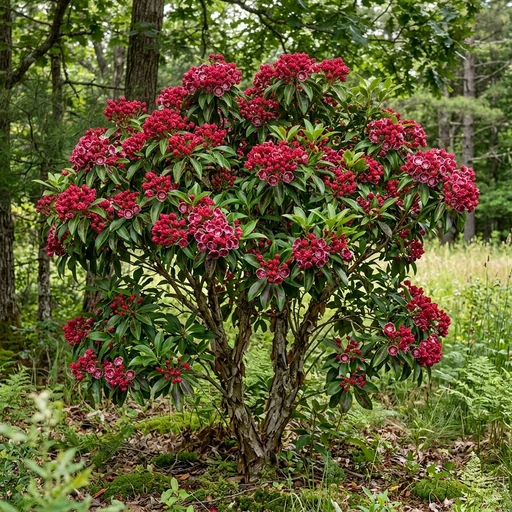
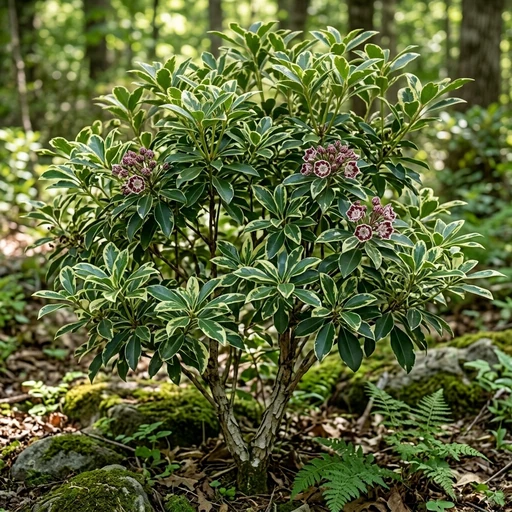
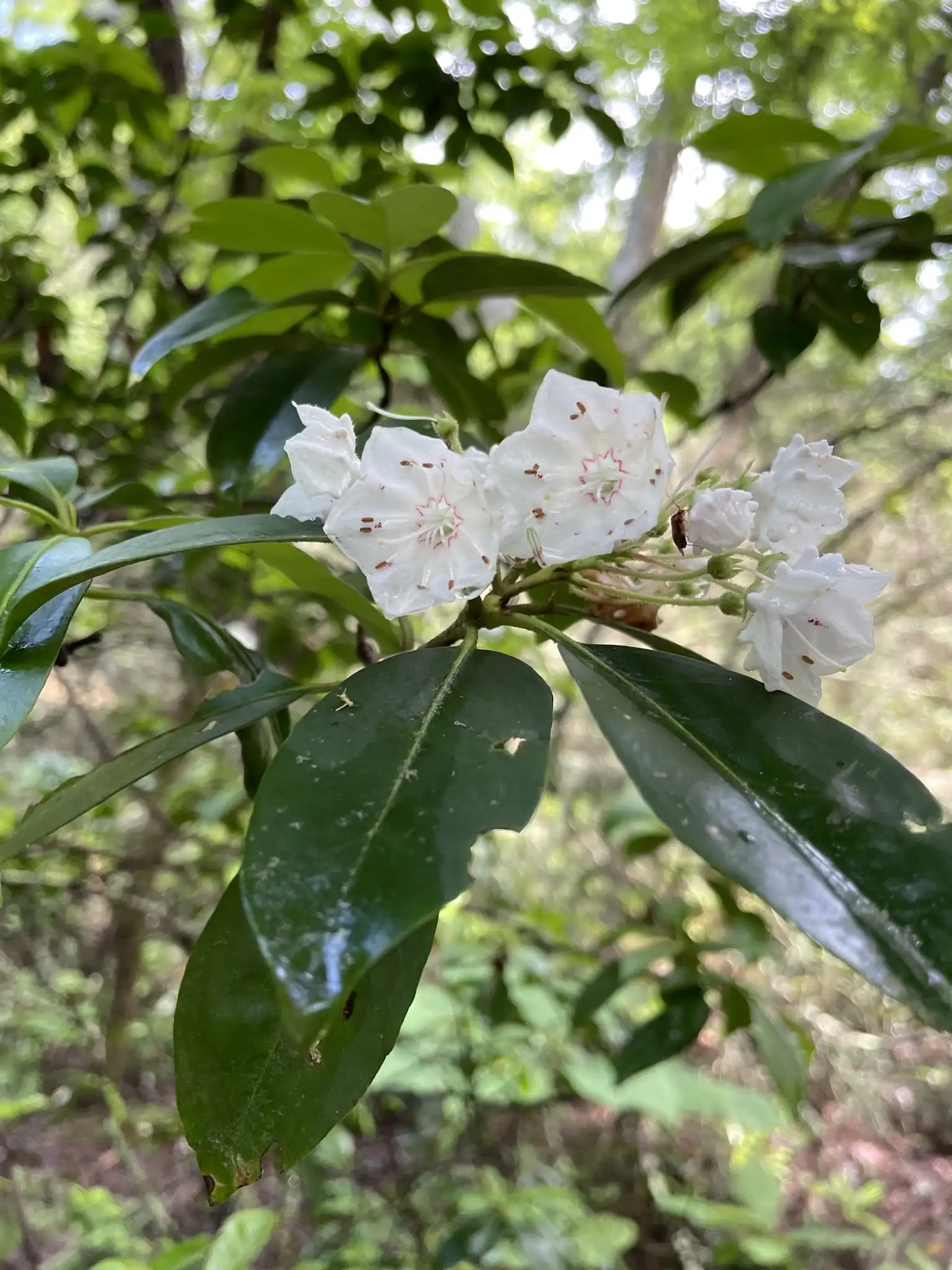
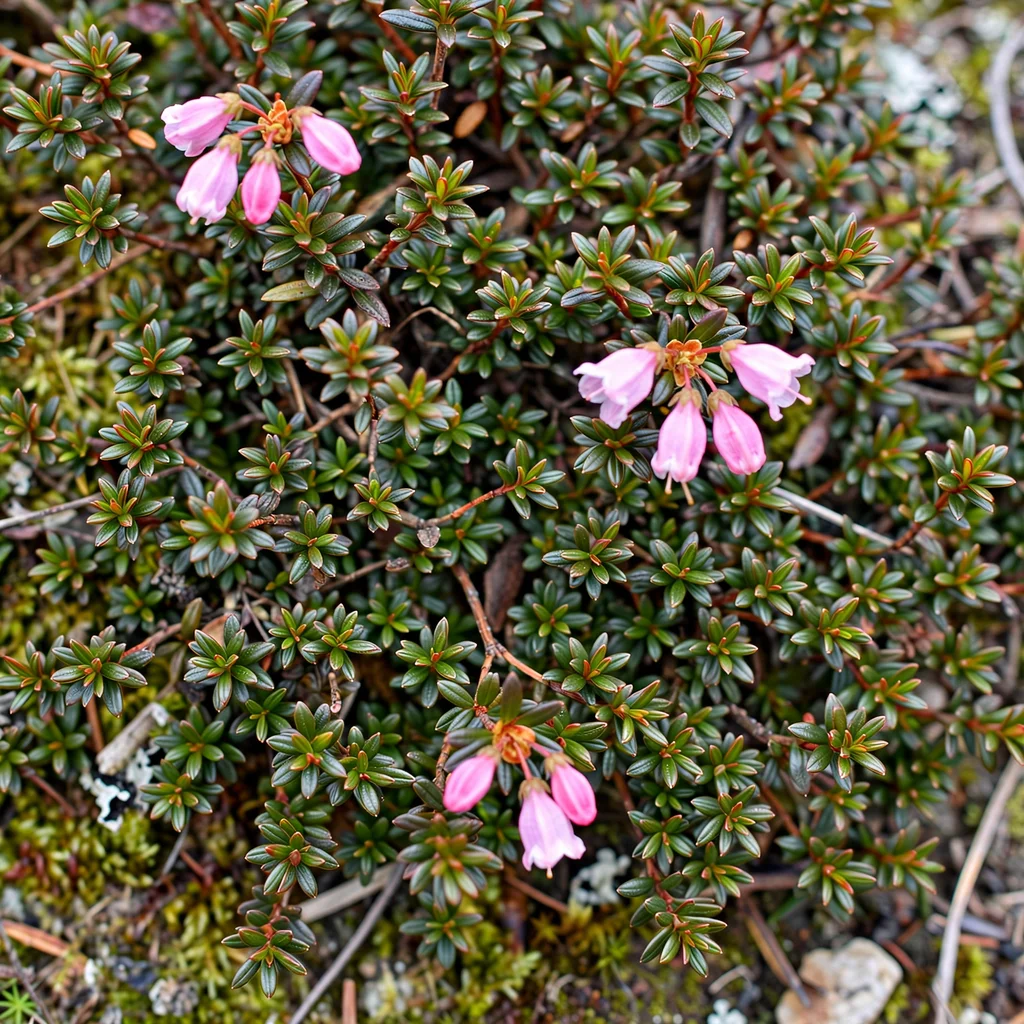
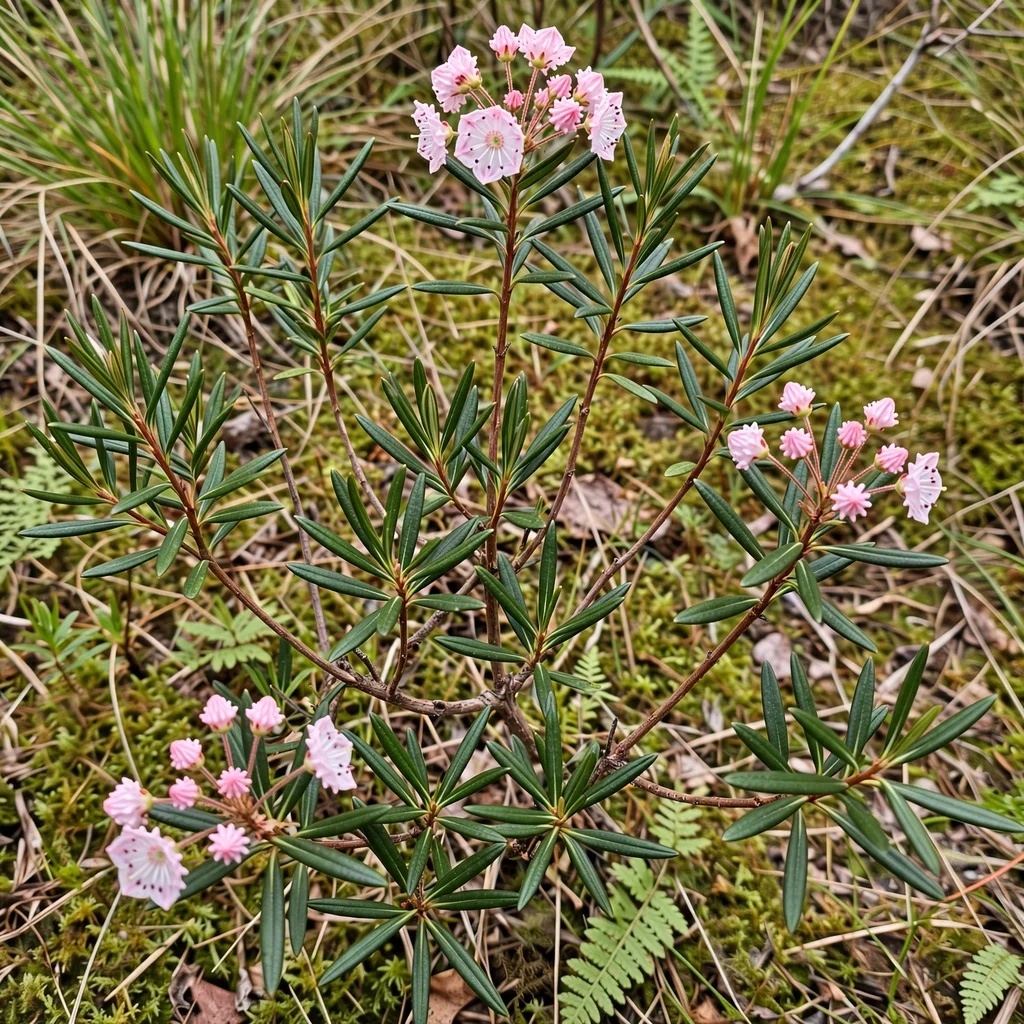
3 species of Kalmia
Each one is a parent of the varieties above.
Track your Kalmia in Sow
Save the Kalmia you grow and get care reminders timed to your zone.
How to grow Kalmia
Whats common across all Kalmia varieties in our catalog — drawn from the care records of the 10 most-grown of them.
The Kalmia year
- MulchMay, November and December90% of varieties
Maintain a 2-3 inch layer of acidic mulch like pine bark or compost.
- PruneJune and July70% of varieties
Prune immediately after flowering to shape the plant and remove spent blooms.
- FertilizeMay70% of varieties
Apply a fertilizer for acid-loving plants in early spring as new growth emerges.
- Check for PestsJune–August50% of varieties
Inspect for lace bugs, which cause stippling on leaves.
- PlantApril, May, October and November50% of varieties
Plant in spring or fall in acidic, well-drained soil.


Do
- Water regularly, especially during dry periods.
- Maintain a consistent layer of acidic mulch.
- Test soil pH and amend if necessary to keep it acidic.
- Deadhead spent flower clusters to promote vegetative growth.
- Ensure the soil is acidic (pH 4.5-5.5).
Avoid
- Do not plant in heavy, wet, or alkaline soils.
- Avoid deep planting, which can suffocate the roots.
- Don't let the soil dry out completely.
- Refrain from fertilizing heavily, as they are not heavy feeders.
What goes wrong with Kalmia
| Problem | What you'll see | What to do |
|---|---|---|
| Lace Bug | Yellow or whitish stippling on the upper leaf surface; dark spots on the underside. | Spray with insecticidal soap or horticultural oil. Encourage predatory insects. Systemic insecticides can be effective. |
| Lace Bugs | Yellow or white stippling on upper leaf surfaces; dark varnish-like spots on undersides. | Spray with insecticidal soap or horticultural oil, ensuring good coverage of leaf undersides. Systemic insecticides like imidacloprid can be used. |
| Spider mites | Fine webbing and stippling on the tiny leaves, occurring primarily when the plant is kept too dry and warm. | Increase local humidity through misting and wash the foliage with a gentle spray of cool water. |
| Weevils | Notching on leaf margins from adult feeding; wilting from larval root damage. | Apply beneficial nematodes to the soil to control larvae. Use sticky barriers on trunks for adults. Chemical controls include pyrethroids. |
| Cercospora Leaf Spot | Circular, brown or purplish spots on leaves, which can cause defoliation. | Improve air circulation by pruning. Rake up and destroy fallen leaves. Apply a copper-based or other appropriate fungicide. |
| Root rot | Wilting, yellowing foliage, and stem collapse caused by Phytophthora or Pythium fungi in wet soils. | Plant in highly porous scree and ensure water drains away instantly. |
| Root Rot | Wilting, yellowing leaves, and overall decline of the plant. | Prevention is key; plant in well-drained soil. There is no cure once established. |
Making more Kalmia
Softwood Cuttings
- Take 4-6 inch cuttings of new growth in late spring.
- Remove lower leaves and dip in rooting hormone.
- Stick in a sterile, moist medium under high humidity.
- Rooting is difficult and can take several months.
Softwood cuttings
- Take cuttings in late spring from new growth.
- Wound the base and apply a strong rooting hormone.
- Stick in a well-drained medium under high humidity.
- Rooting is slow and difficult, often taking several months.
Kalmia questions
How many types of Kalmia are there?
The Sow catalog tracks 10 distinct Kalmia varieties. The most popular — ranked by 257 real gardeners — are shown first above.
What zones does Kalmia grow in?
Across its varieties, Kalmia covers USDA Zones 4–9. Individual varieties differ — each plant page lists its exact range, and Sow filters the catalog to your zone automatically.
When does Kalmia bloom?
Most Kalmia varieties bloom in late spring to early summer, late spring, summer. Staggering early, mid, and late varieties extends the genus's season in one bed.
Which Kalmia should I choose?
Start from the most-saved varieties above — popularity across thousands of gardens is a strong signal of reliability — then filter by your zone and sun. In the Sow app you can preview any of them in a photo of your actual yard before you buy.