Also known as Mat Rush · 143 saves
Lomandra
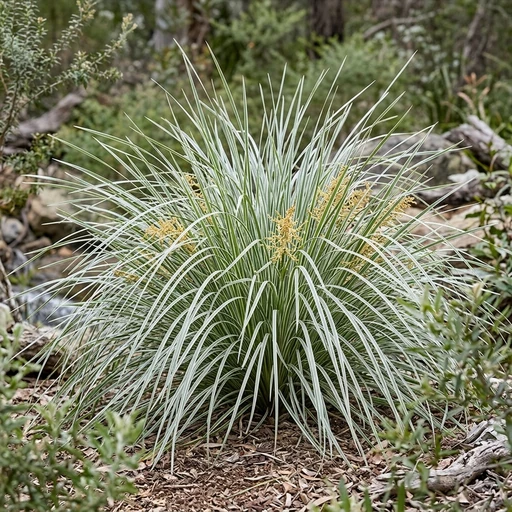
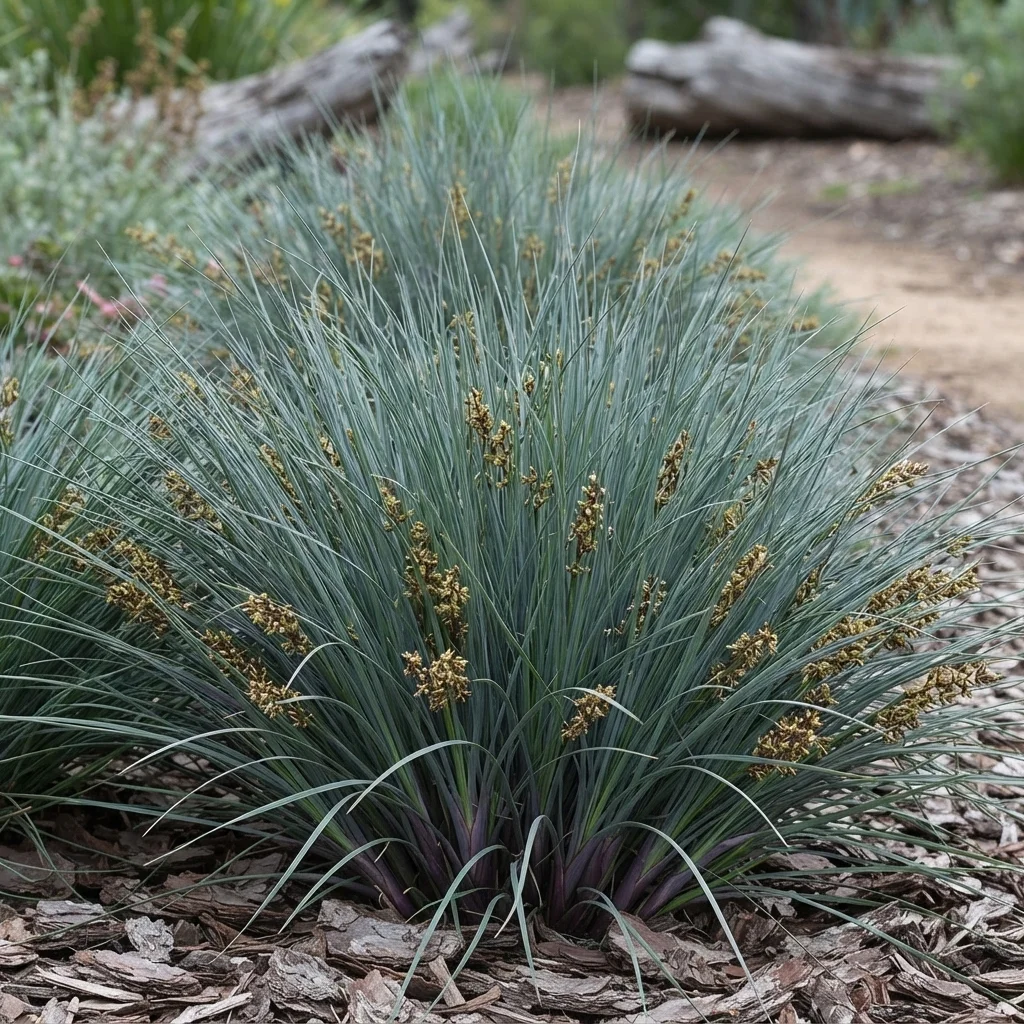
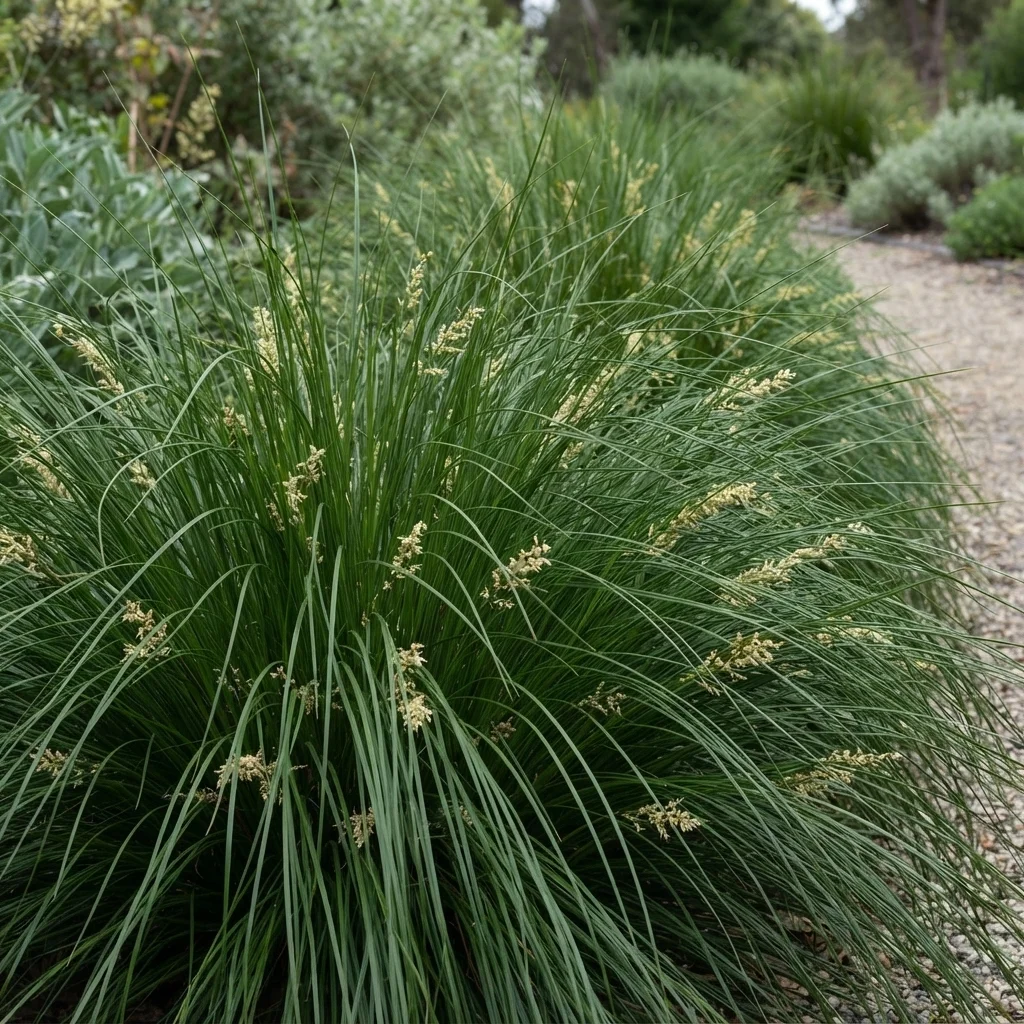
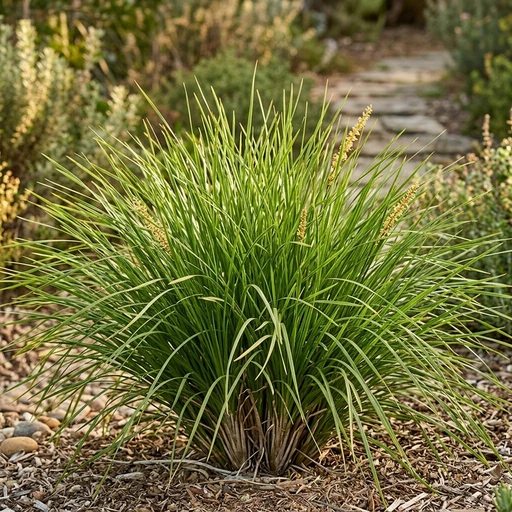
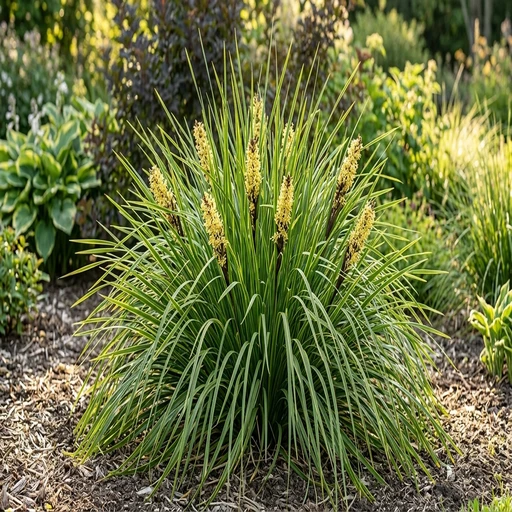
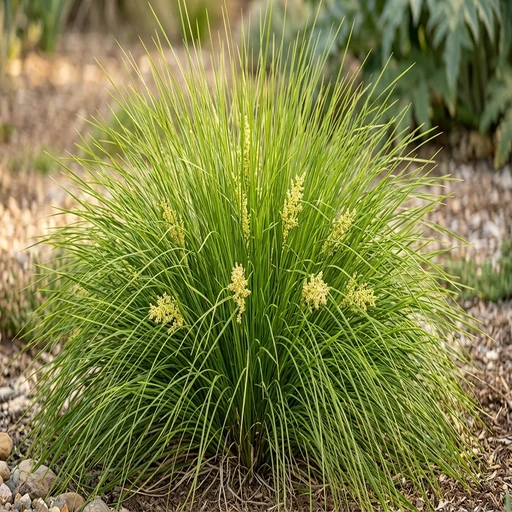
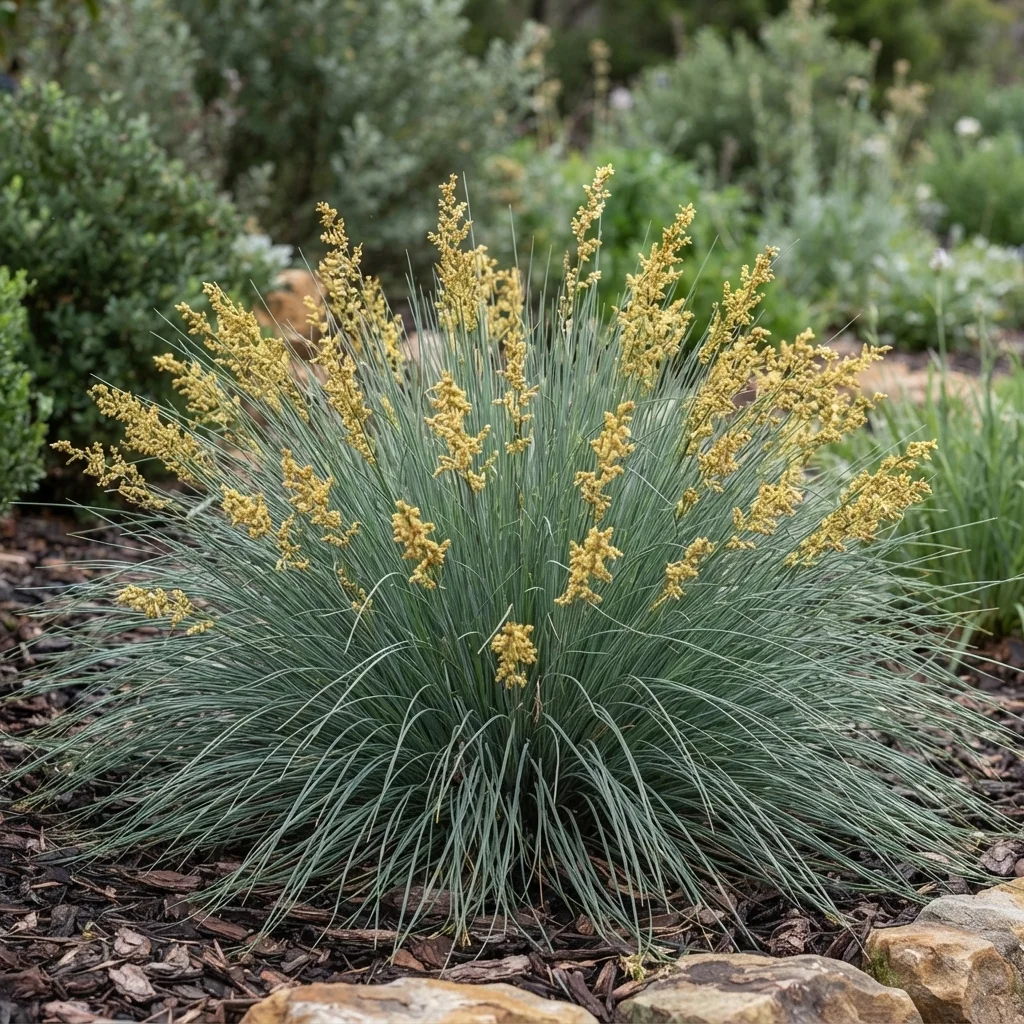
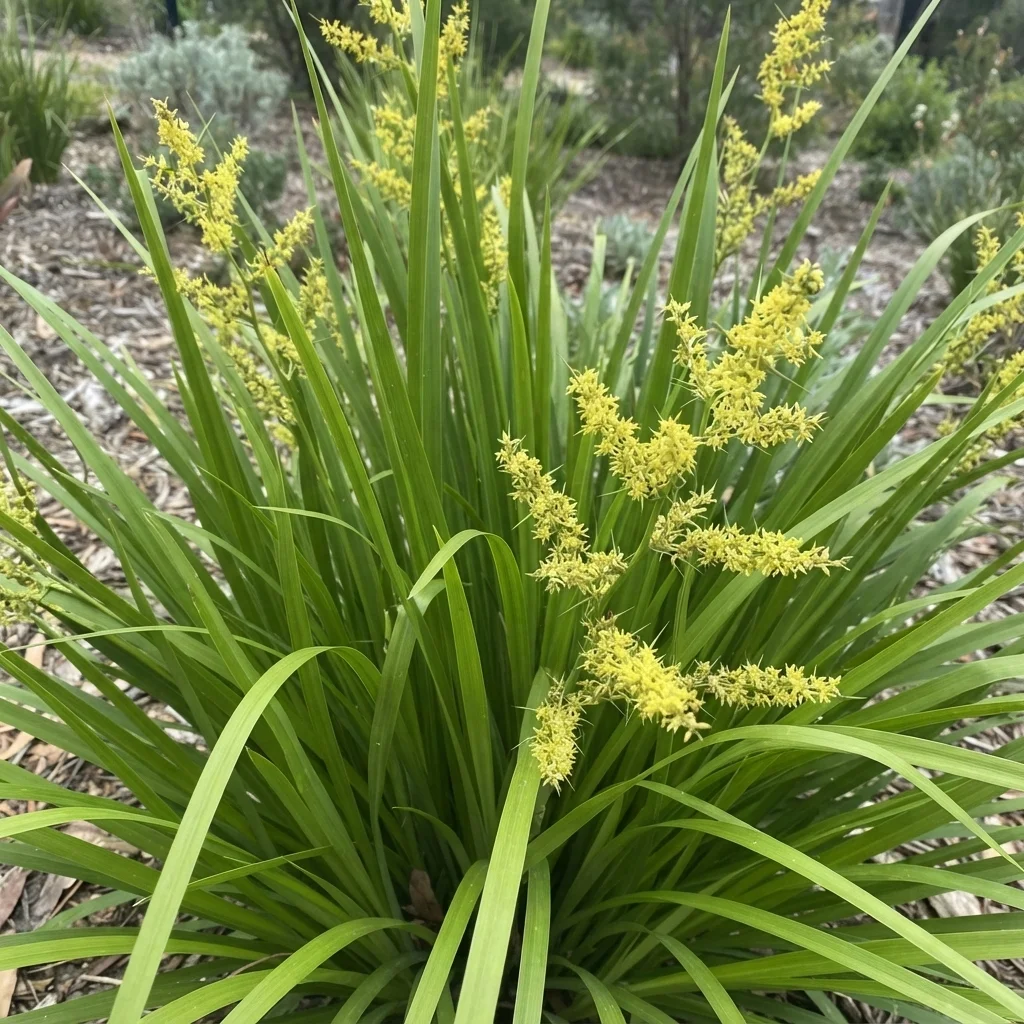
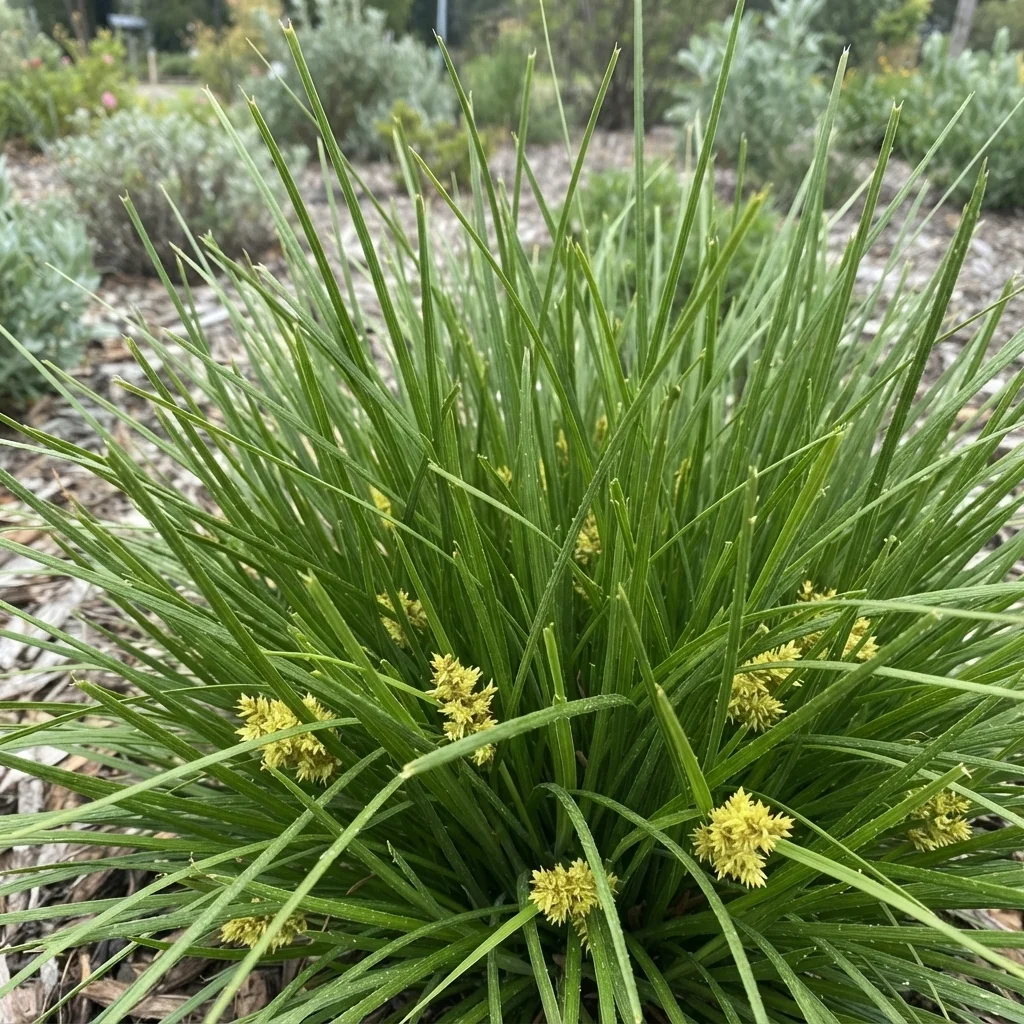
Lomandra, the genus most gardeners know as mat rush. We track 17 varieties; the ones most used by real gardeners.
The 16 most-saved Lomandra varieties
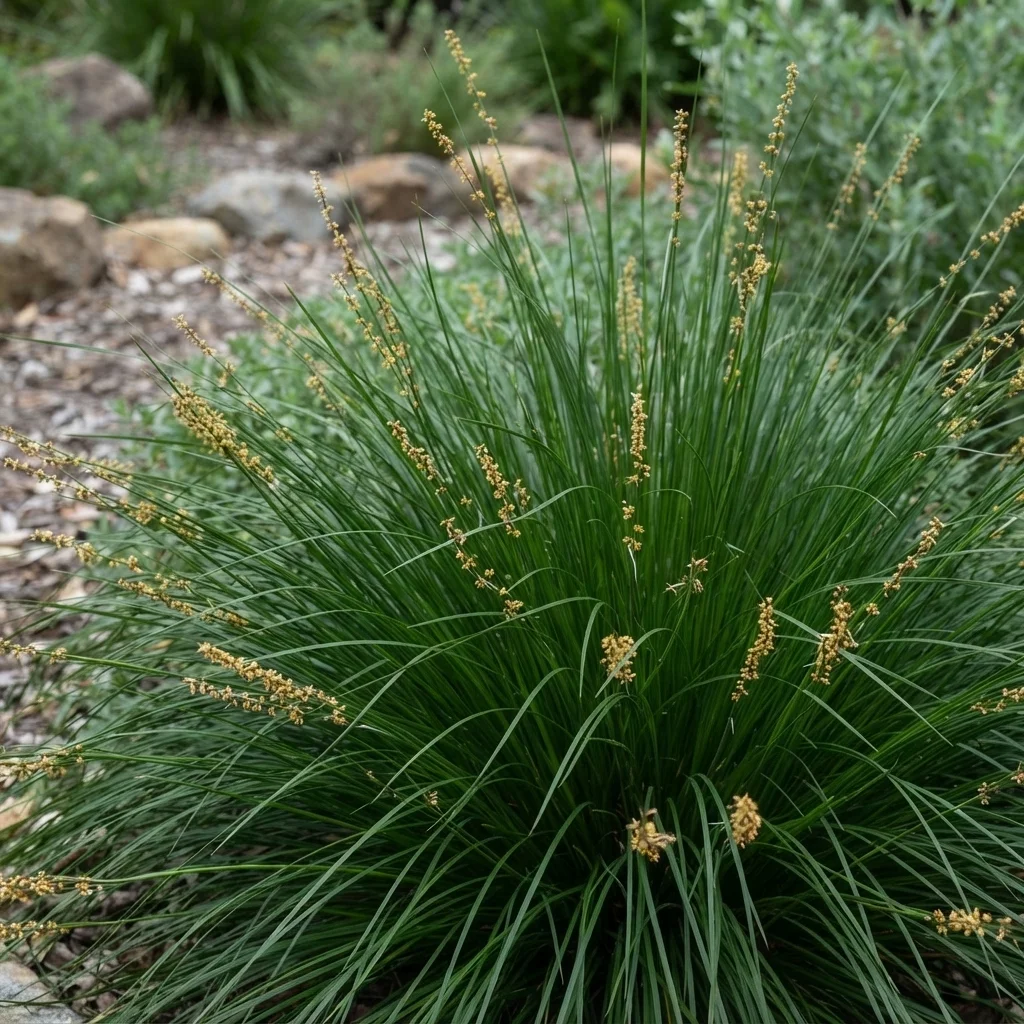
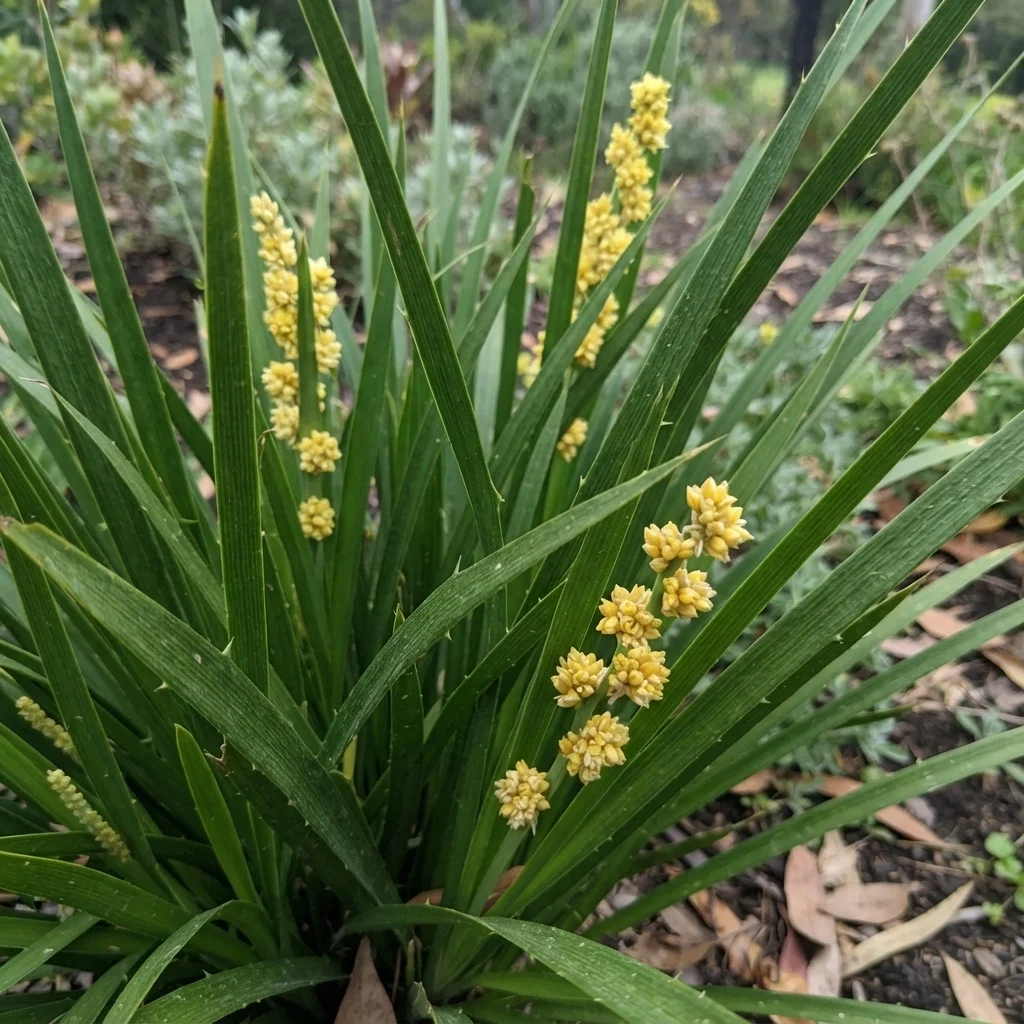
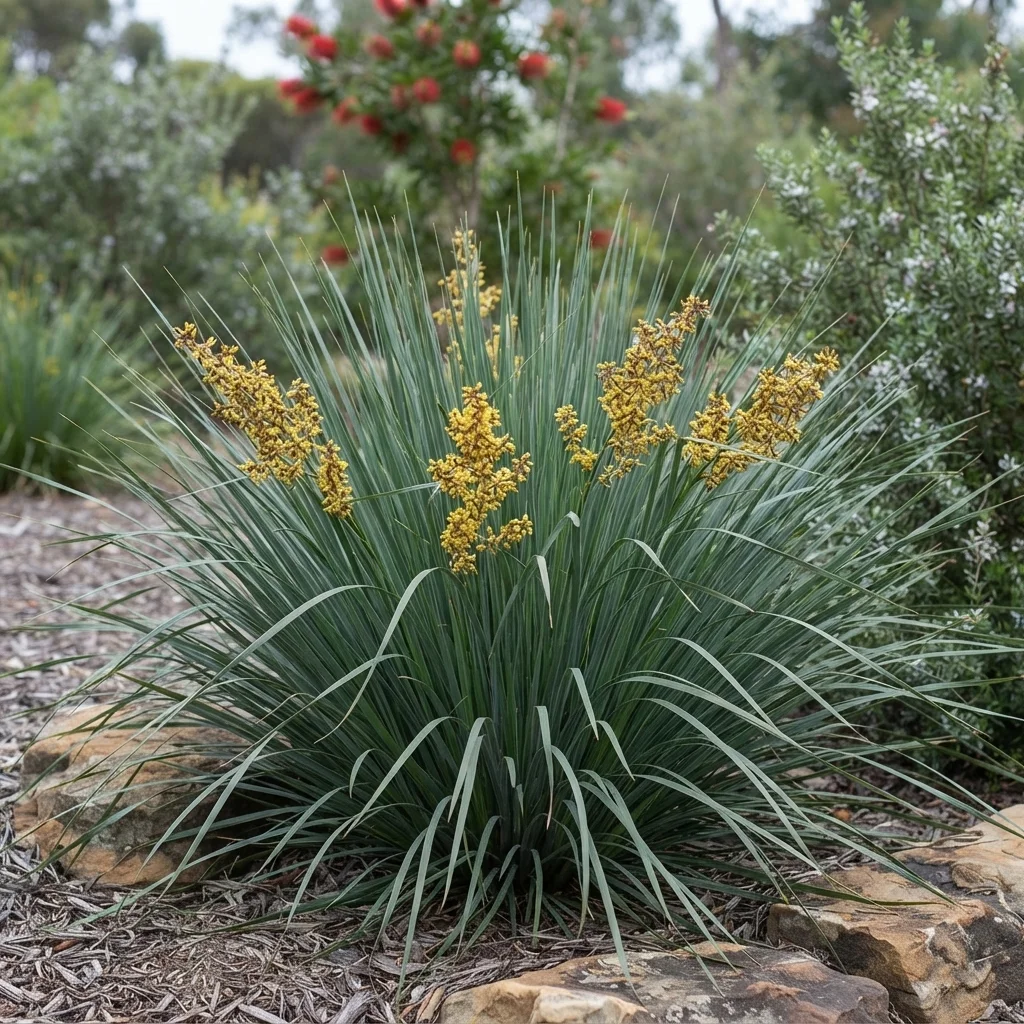
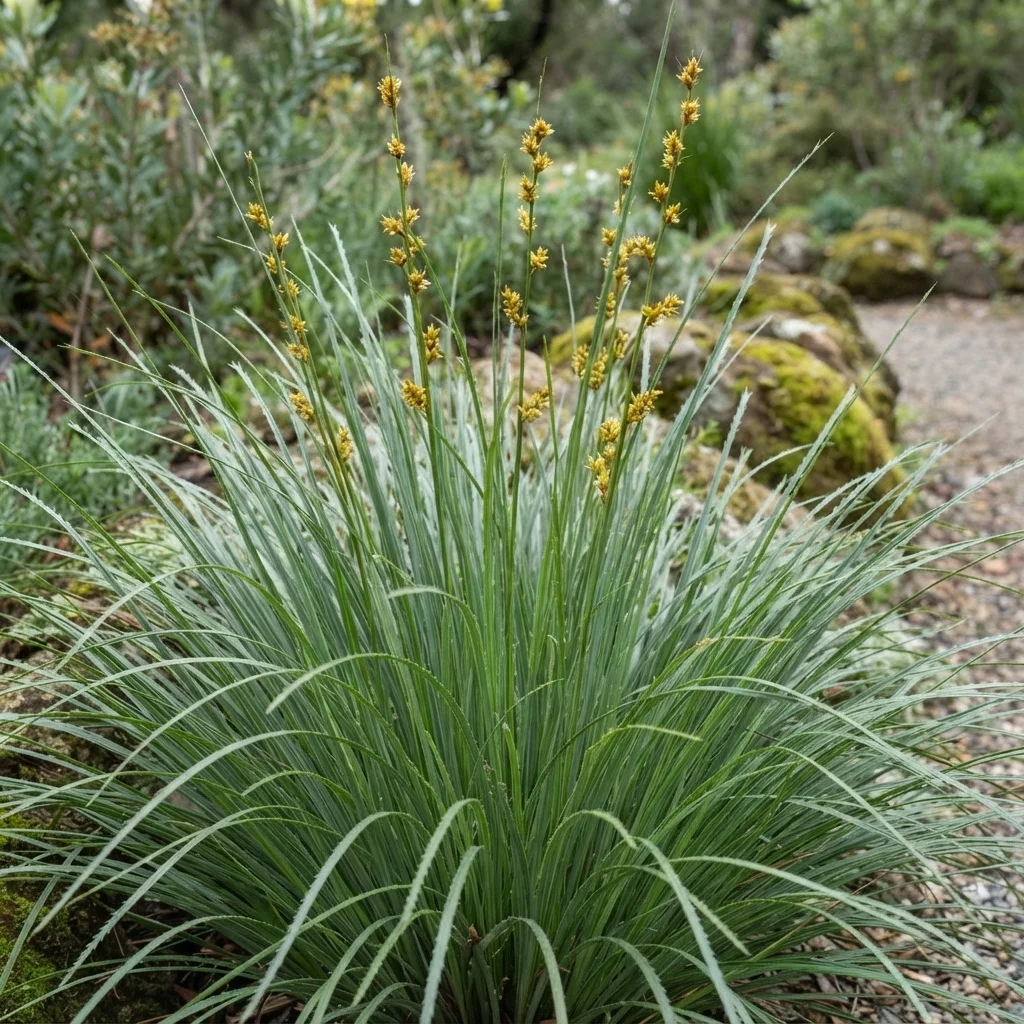
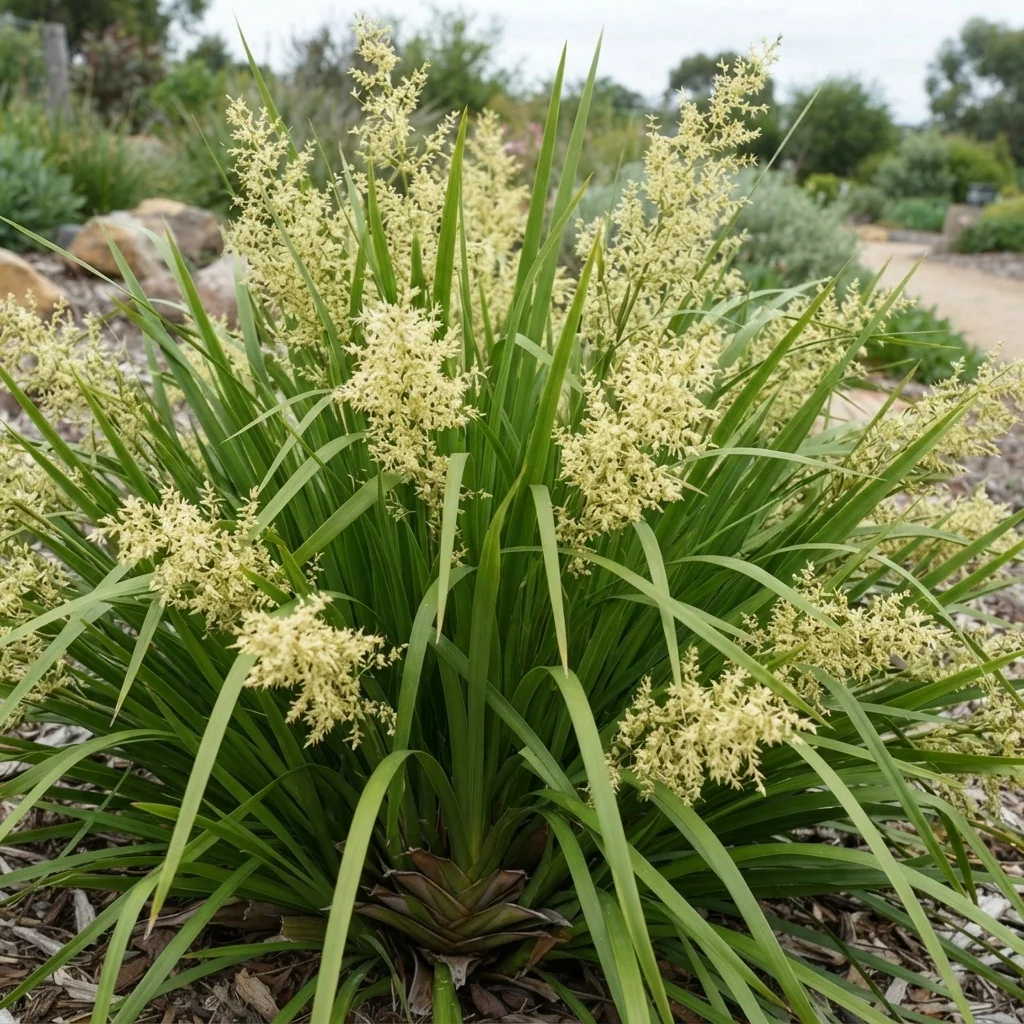
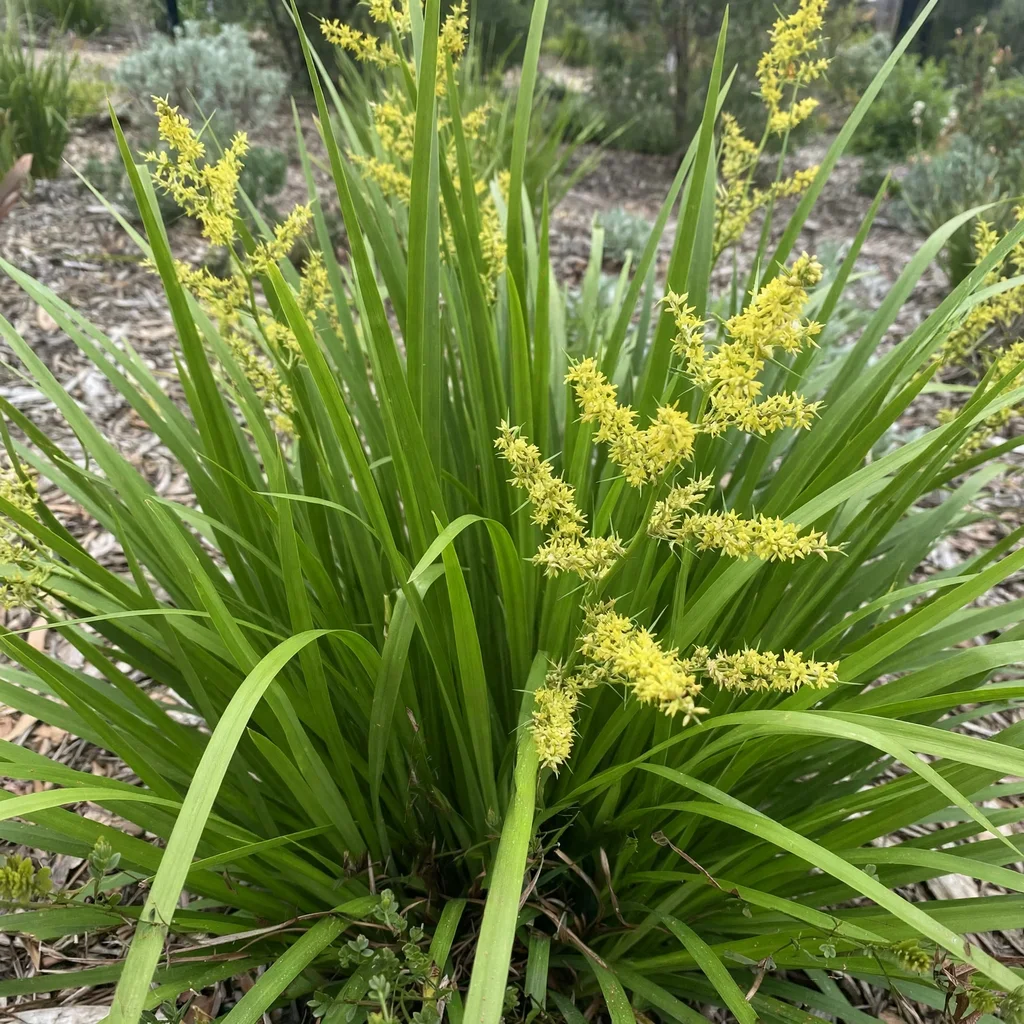
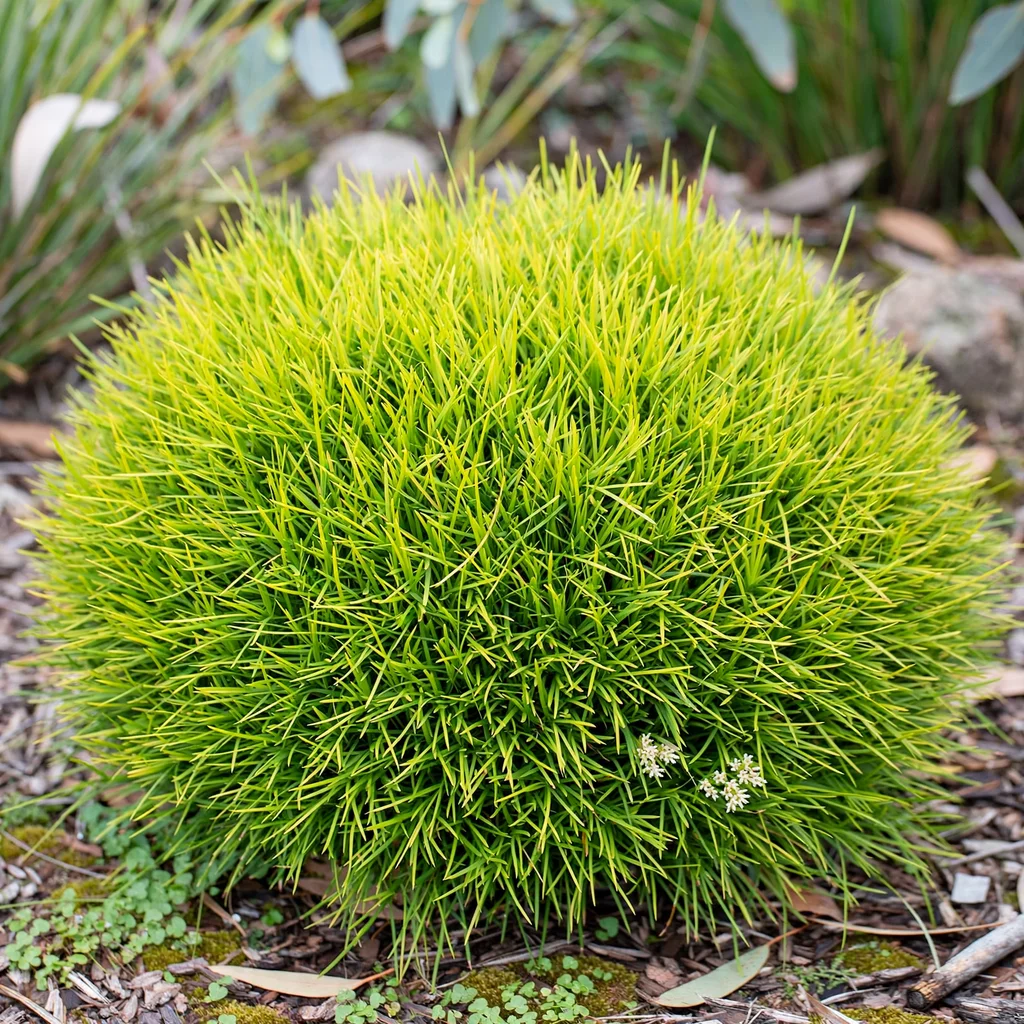
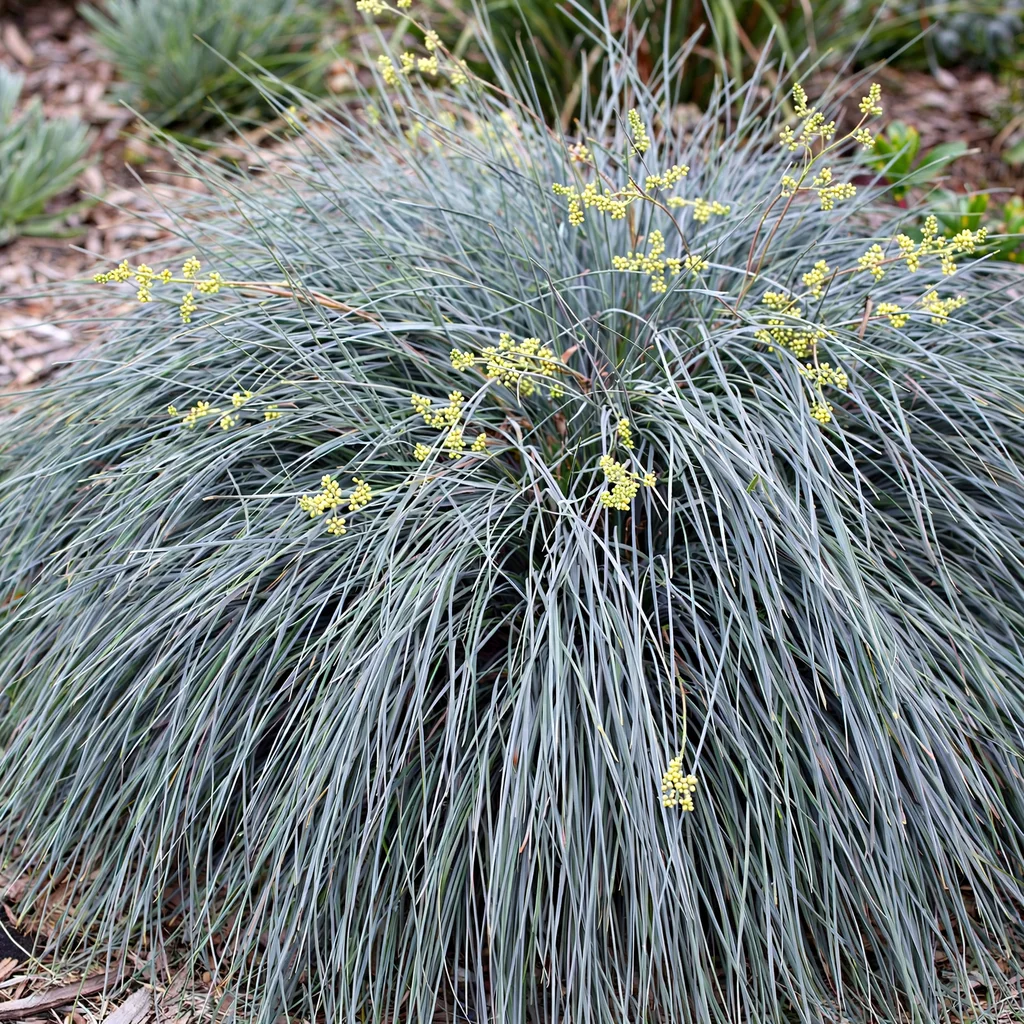
Browse all 17 Lomandra varieties →
4 species of Lomandra
Each one is a parent of the varieties above.
Track your Lomandra in Sow
Save the Lomandra you grow and get care reminders timed to your zone.
How to grow Lomandra
Whats common across all Lomandra varieties in our catalog — drawn from the care records of the 17 most-grown of them.
The Lomandra year
- PruneMarch and April88% of varieties
Cut the clump back hard near ground level if it has accumulated dead interior thatch.
- FertilizeMarch and April76% of varieties
Apply a low-phosphorus, native-safe slow-release fertilizer lightly.
- Check for PestsJune and July65% of varieties
Inspect the dense foliage for spider mites or aphids during hot, dry spells.
- PlantMarch, April, May, September, October and November53% of varieties
Install new container plants during the mild temperatures of spring or fall.
- Spring CleanupMarch and April47% of varieties
Remove any dead or damaged outer leaves to maintain a tidy appearance.


Do
- Water regularly during the first growing season to establish a deep, drought-tolerant root system.
- Apply a low-phosphorus, native-safe slow-release fertilizer lightly in early spring.
- Cut the entire clump back hard near ground level every three to four years if dead interior foliage accumulates.
- Water deeply but infrequently during the first growing season to establish a deep root system.
- Ensure the crown remains completely clear of soil and heavy mulch layers.
Avoid
- Do not plant the crown below the soil surface or pile mulch against the base of the leaves.
- Do not overwater established plants growing in heavy clay soils.
- Do not prune deep into the old, leafless woody crown tissue, as it will fail to regenerate.
- Do not plant in low-lying areas prone to standing water or chronically wet soil.
What goes wrong with Lomandra
| Problem | What you'll see | What to do |
|---|---|---|
| Spider mites | Fine webbing and stippled, dusty-looking foliage under hot, dry conditions. | Blast the foliage with a strong stream of water or apply insecticidal soap. |
| Aphids | Small, soft-bodied insects clustering on tender new growth, causing minor distortion. | Wash them off with a sharp spray of water or apply horticultural oil. |
| Scale insects | Small, raised bumps on the leaf bases and stems, sometimes accompanied by black sooty mould. | Apply horticultural spray oils directly to the affected foliage during localized outbreaks. |
| Mealybugs | White, cottony masses at the base of the leaves. | Organic: A strong jet of water or dabbing with rubbing alcohol. Chemical: Use a systemic insecticide for severe cases. |
| Root rot | Sudden yellowing, wilting, and collapse of the foliage, with mushy, blackened roots. | Ensure excellent soil drainage, avoid overwatering, and never bury the crown. |
| Powdery mildew | White, powdery fungal patches on the leaves in damp, heavily shaded, or stagnant spots. | Improve air circulation and relocate the plant to a sunnier position. |
| Phytophthora root rot | Yellowing, wilting, and collapse of the foliage starting from the base, especially in wet soils. | Improve soil drainage, reduce irrigation frequency, and avoid planting in heavy, waterlogged clay. |
Making more Lomandra
Division
- Dig up an established clump in late winter or early spring.
- Carefully split the root mass into smaller sections using a sharp spade.
- Ensure each division has several healthy shoots and a robust portion of the root system.
- Replant immediately at the original soil depth and water thoroughly.
Tissue culture
- Initiate sterile cultures from selected parent meristem tissue in a laboratory.
- Subculture shoots on agar medium containing specific growth regulators.
- Transfer micro-shoots to a rooting medium once adequate growth is achieved.
- Acclimatize the rooted plantlets in a high-humidity greenhouse before potting.
Lomandra questions
How many types of Lomandra are there?
The Sow catalog tracks 17 distinct Lomandra varieties. The most popular — ranked by 143 real gardeners — are shown first above.
What zones does Lomandra grow in?
Across its varieties, Lomandra covers USDA Zones 8–10. Individual varieties differ — each plant page lists its exact range, and Sow filters the catalog to your zone automatically.
When does Lomandra bloom?
Most Lomandra varieties bloom in late spring, autumn, early spring. Staggering early, mid, and late varieties extends the genus's season in one bed.
Which Lomandra should I choose?
Start from the most-saved varieties above — popularity across thousands of gardens is a strong signal of reliability — then filter by your zone and sun. In the Sow app you can preview any of them in a photo of your actual yard before you buy.