81 saves
Manfreda
We track 7 varieties; the ones most used by real gardeners.
The 7 most-saved Manfreda varieties
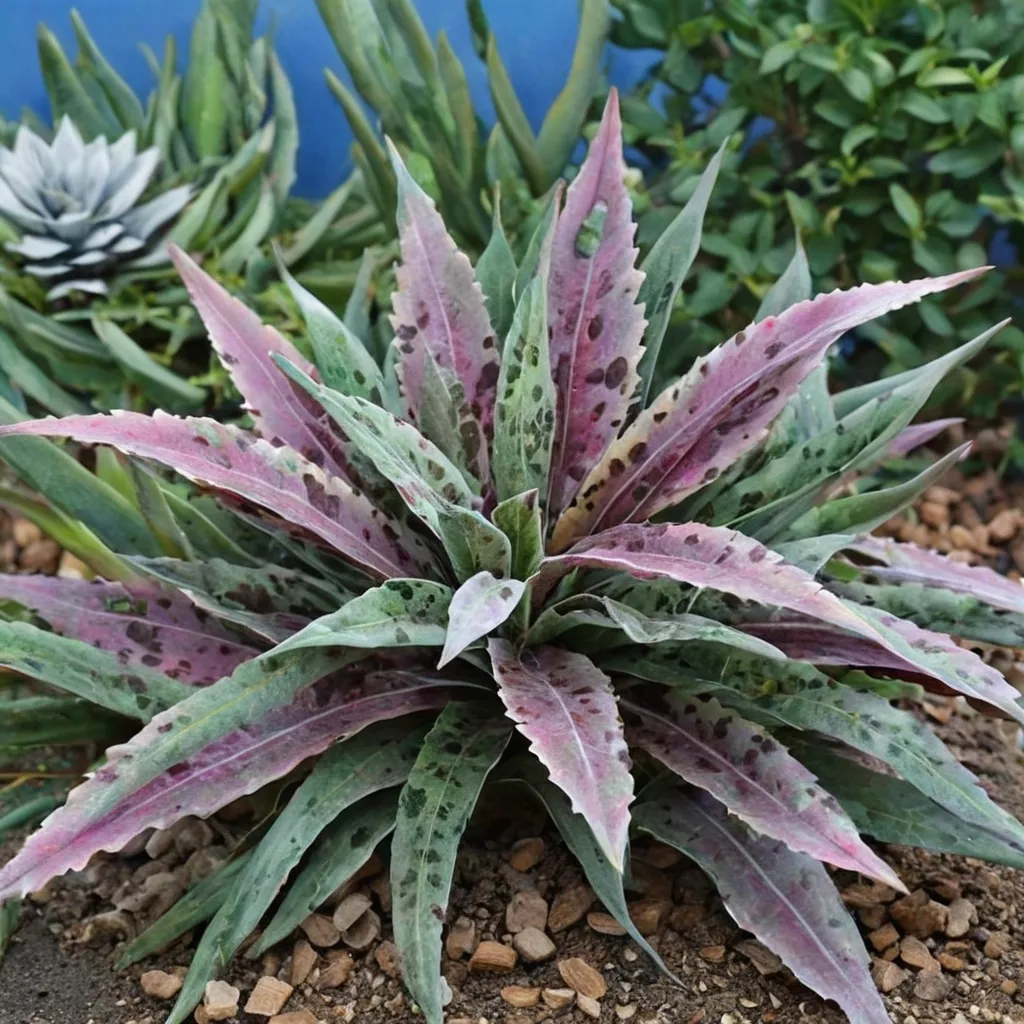
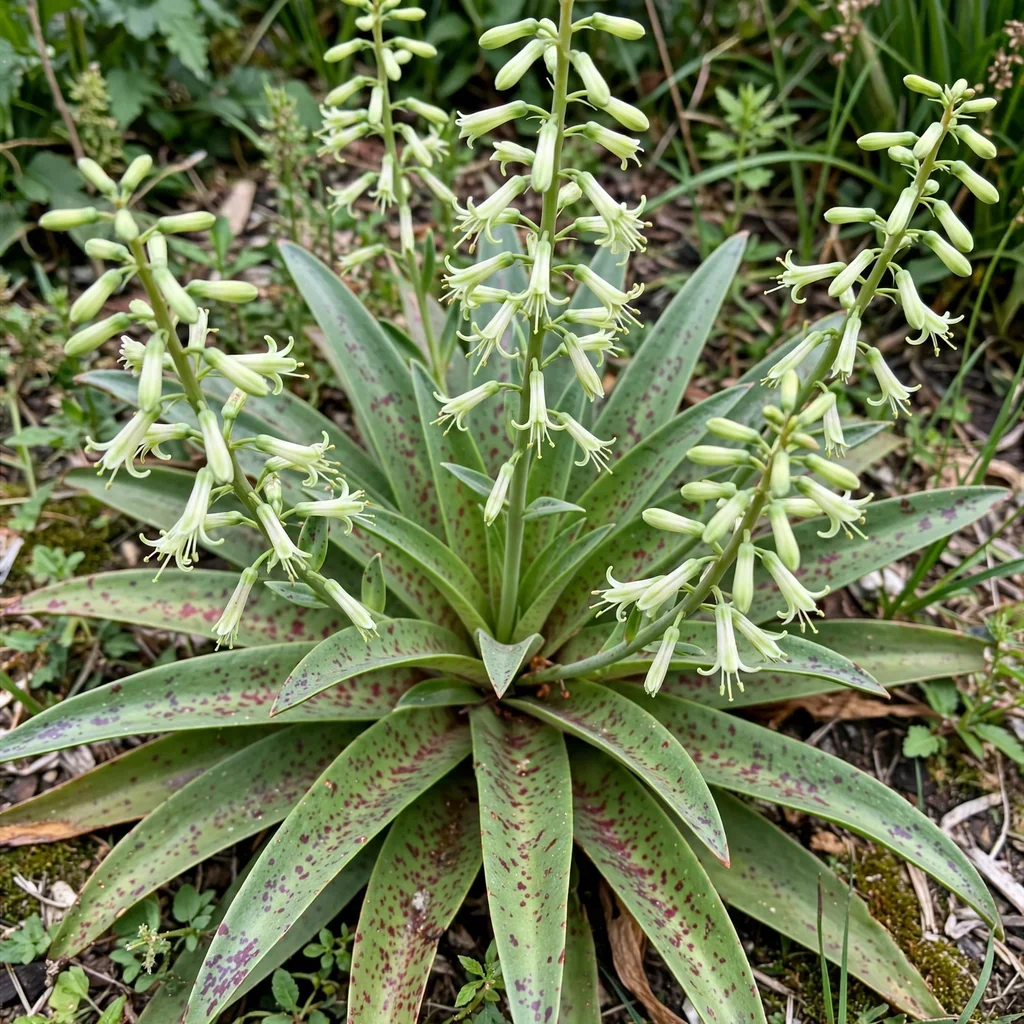
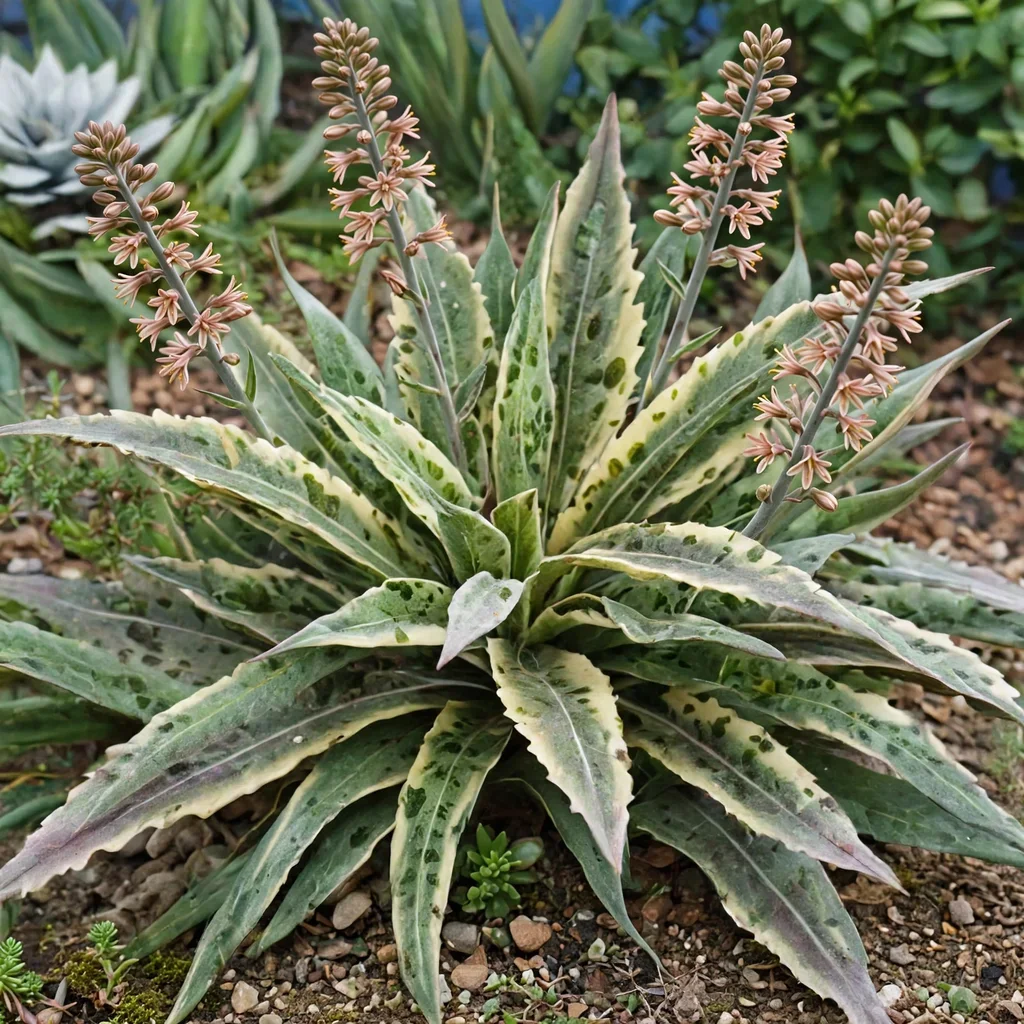
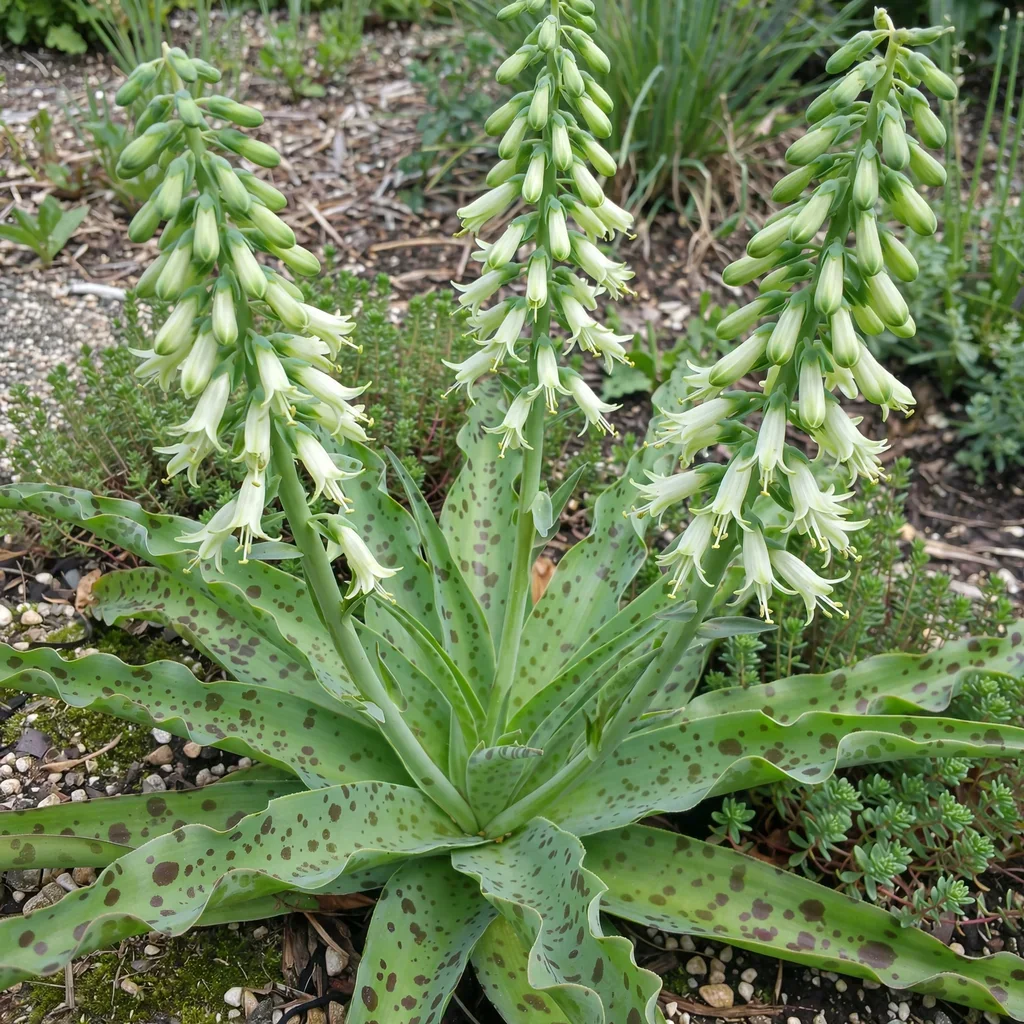
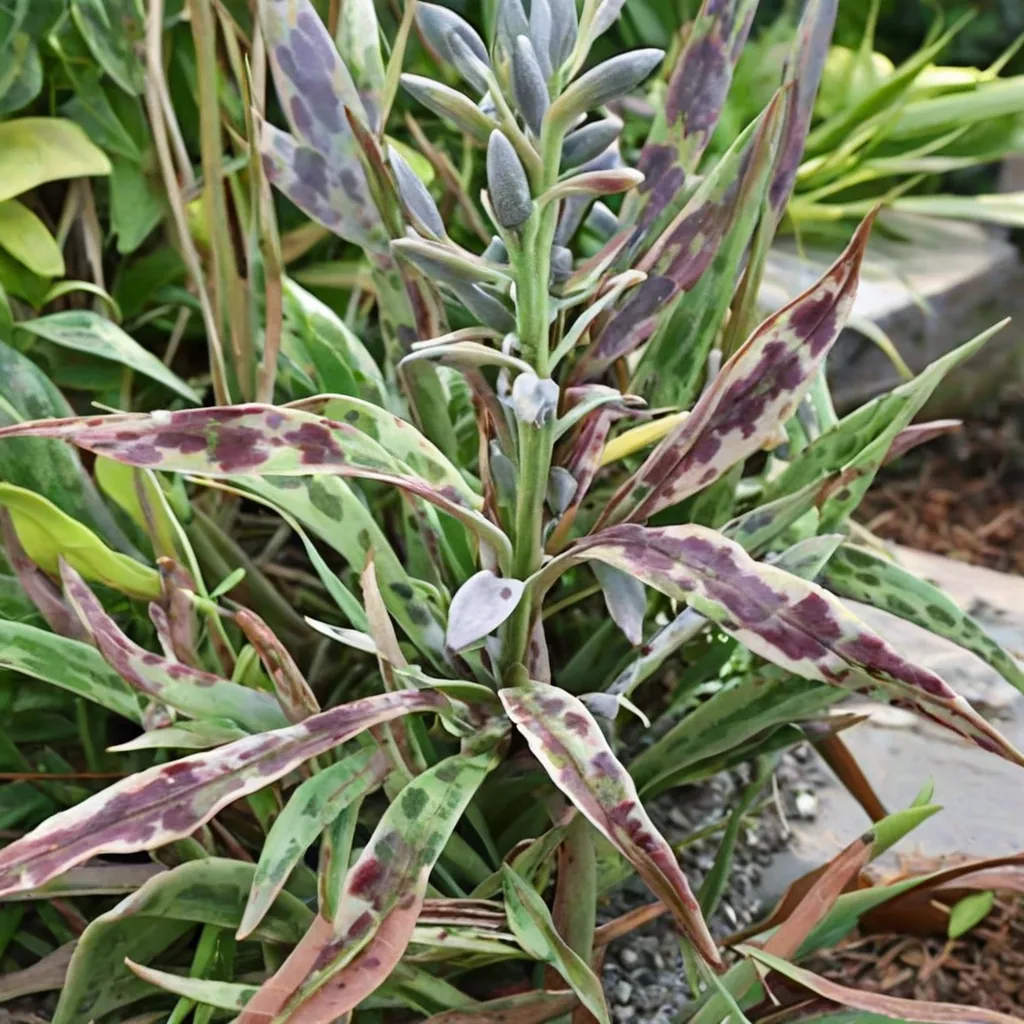
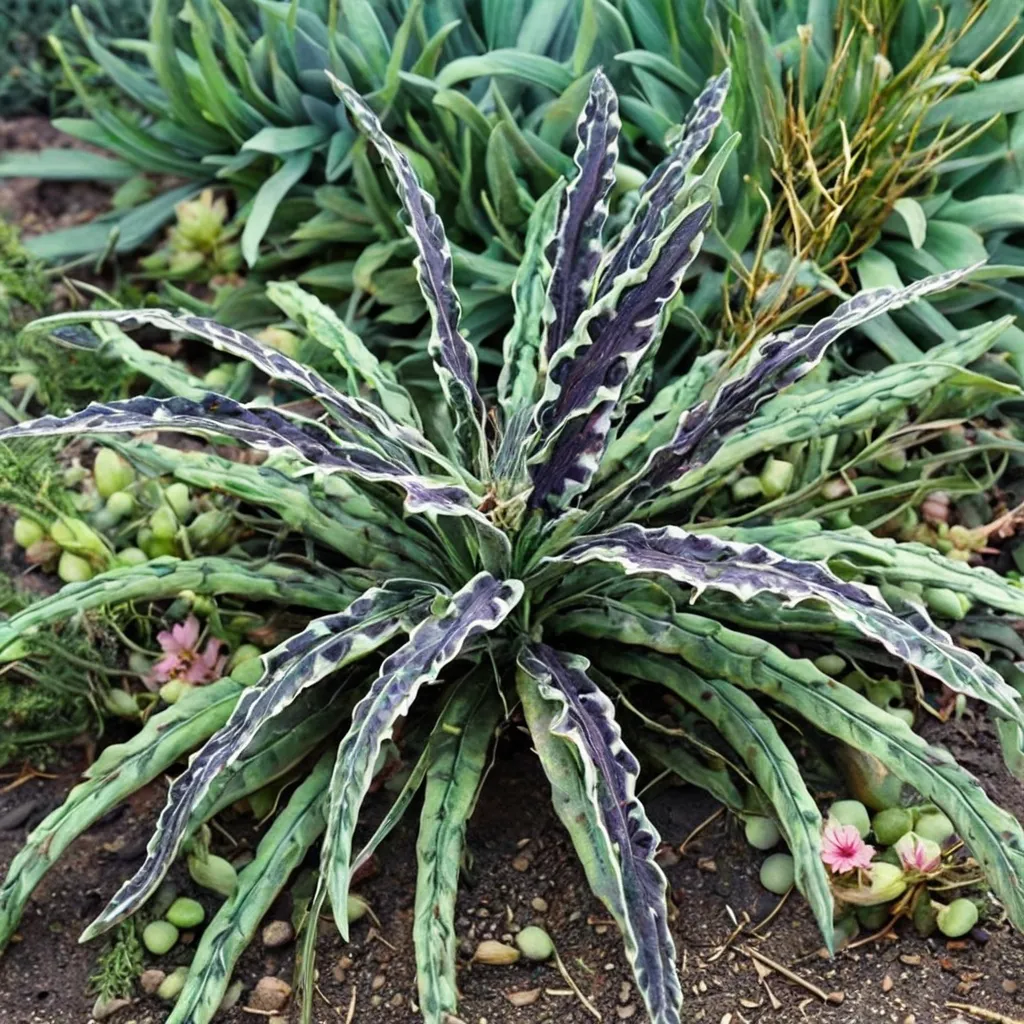
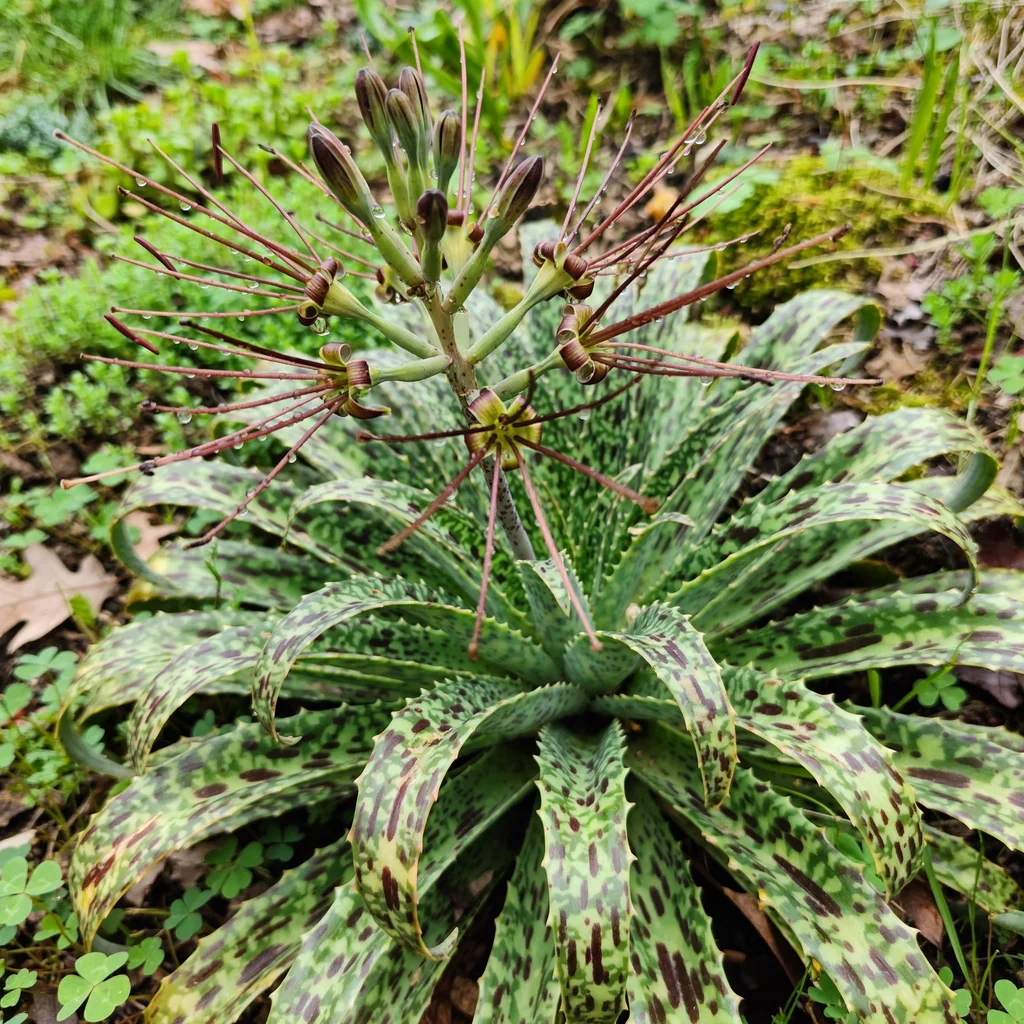
Species of Manfreda
Each one is a parent of the varieties above.
Track your Manfreda in Sow
Save the Manfreda you grow and get care reminders timed to your zone.
How to grow Manfreda
Whats common across all Manfreda varieties in our catalog — drawn from the care records of the 7 most-grown of them.
The Manfreda year
- PlantApril–June100% of varieties
Plant in well-draining soil after the last hard frost.
- Winter PrepNovember71% of varieties
Ensure excellent drainage; protect from prolonged winter wetness.
- FertilizeApril57% of varieties
Apply a light, balanced fertilizer only if growth is slow.
- Spring CleanupMarch and April57% of varieties
Remove any dead or frost-damaged foliage from the rosette base.
- DeadheadAugust and September57% of varieties
Cut spent flower spikes back to the base after blooming


Do
- Mulch to retain soil moisture
- Water during dry spells 🌱
- Mulch to conserve moisture
- Water during prolonged dry spells ☀️
- Prune dead leaves in early spring
Avoid
- Use heavy clay soil without amendment ❌
- Avoid overwatering ❌
- Overwater, which can cause root rot ❌
- Overwater in winter ❌
What goes wrong with Manfreda
| Problem | What you'll see | What to do |
|---|---|---|
| Aphids | Sticky residue and distorted leaves | Spray with organic neem oil |
| Mealybugs | White cottony masses on leaves | Apply insecticidal soap or neem oil |
| Agave snout weevil | Larvae tunnel into the crown and lower leaves collapse into a soft mass | Discard badly infested plants; buy only firm-centered stock and keep crowns dry and uncrowded. |
| Spider mites | Fine stippling and dusty webbing on leaf surfaces in hot dry weather | Rinse foliage with a hard water spray and improve air circulation; treat severe cases with insecticidal soap. |
| Root rot | Wilting and browning at soil level | Improve drainage and reduce watering |
| Leaf spot | Brown to black spots that spread on wet foliage | Remove spotted leaves, avoid overhead watering, and space plants for fast drying. |
| Root and crown rot | Outer leaves turn mushy and the center pulls loose after wet soil | Grow in very well-drained mineral soil, water only when dry, and never leave pots in saucers. |
Making more Manfreda
Division
- Dig up mature plants in early spring.
- Separate clumps with a sharp knife, taking care to include roots.
- Replant divisions immediately in prepared soil.
- Water thoroughly after planting.
- Allow 6 weeks for establishment.
Seed
- Tuck seeds into moist soil surface in early spring.
- Keep soil consistently moist for germination, about 4 weeks.
- Thin seedlings to proper spacing once established.
Manfreda questions
How many types of Manfreda are there?
The Sow catalog tracks 7 distinct Manfreda varieties. The most popular — ranked by 81 real gardeners — are shown first above.
What zones does Manfreda grow in?
Across its varieties, Manfreda covers USDA Zones 4–10. Individual varieties differ — each plant page lists its exact range, and Sow filters the catalog to your zone automatically.
When does Manfreda bloom?
Most Manfreda varieties bloom in mid- to late summer. Mixing early and late varieties stretches the season from summer to fall.
Which Manfreda should I choose?
Start from the most-saved varieties above — popularity across thousands of gardens is a strong signal of reliability — then filter by your zone and sun. In the Sow app you can preview any of them in a photo of your actual yard before you buy.