314 saves
Mazus
We track 9 varieties; the ones most used by real gardeners.
The 8 most-saved Mazus varieties
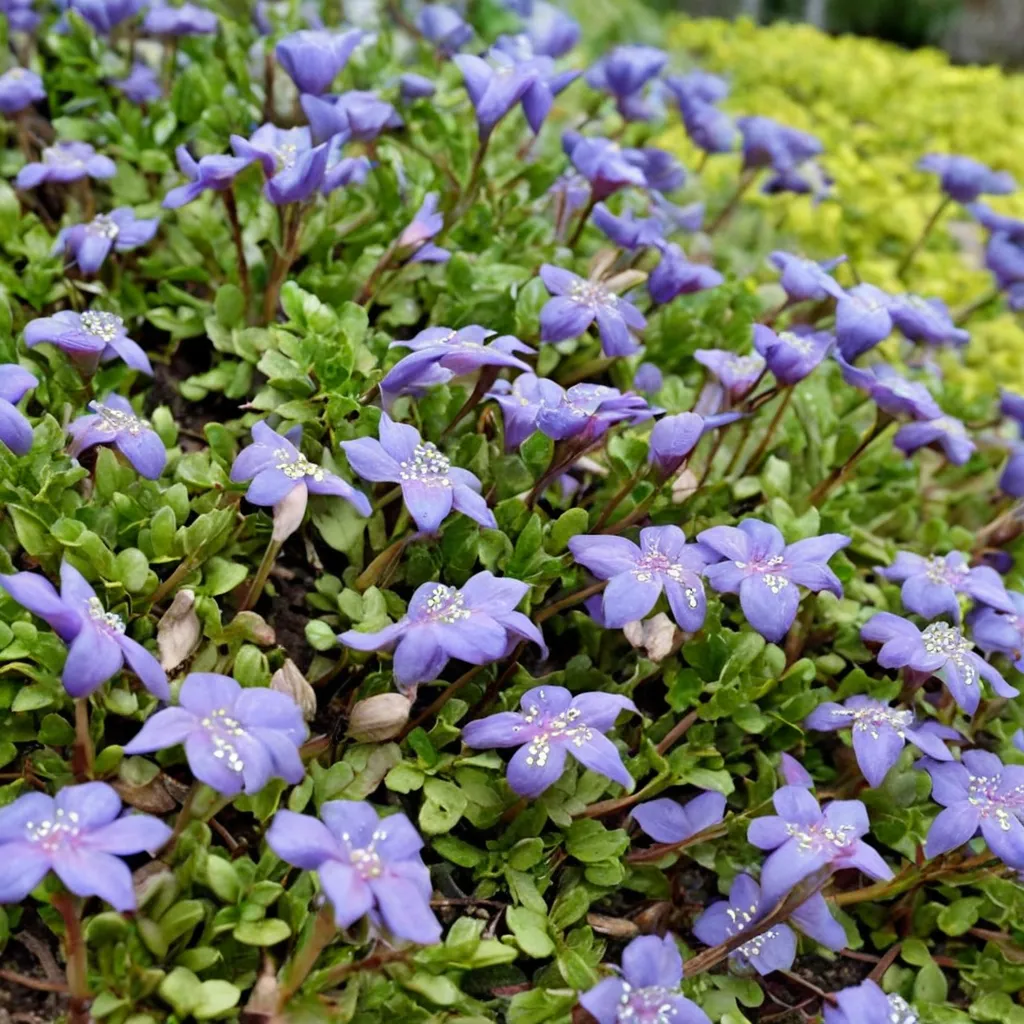

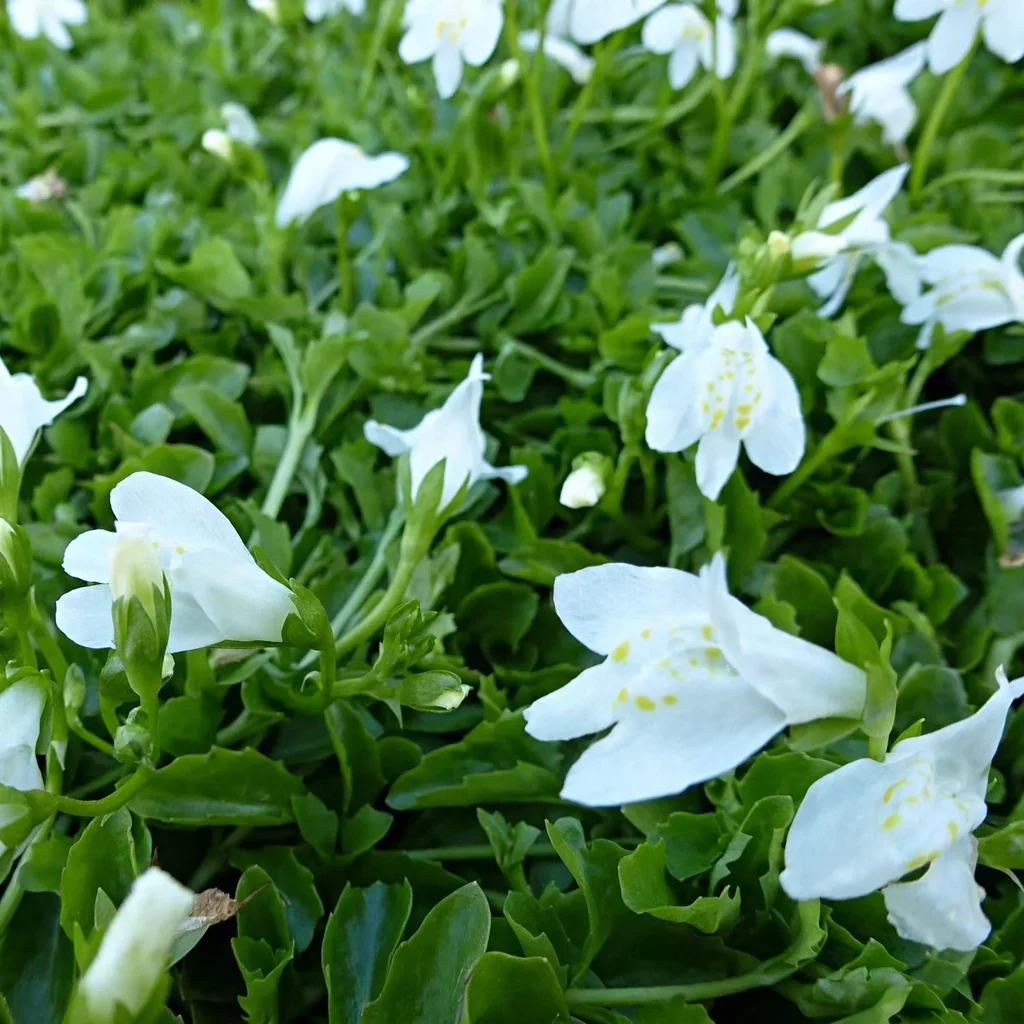
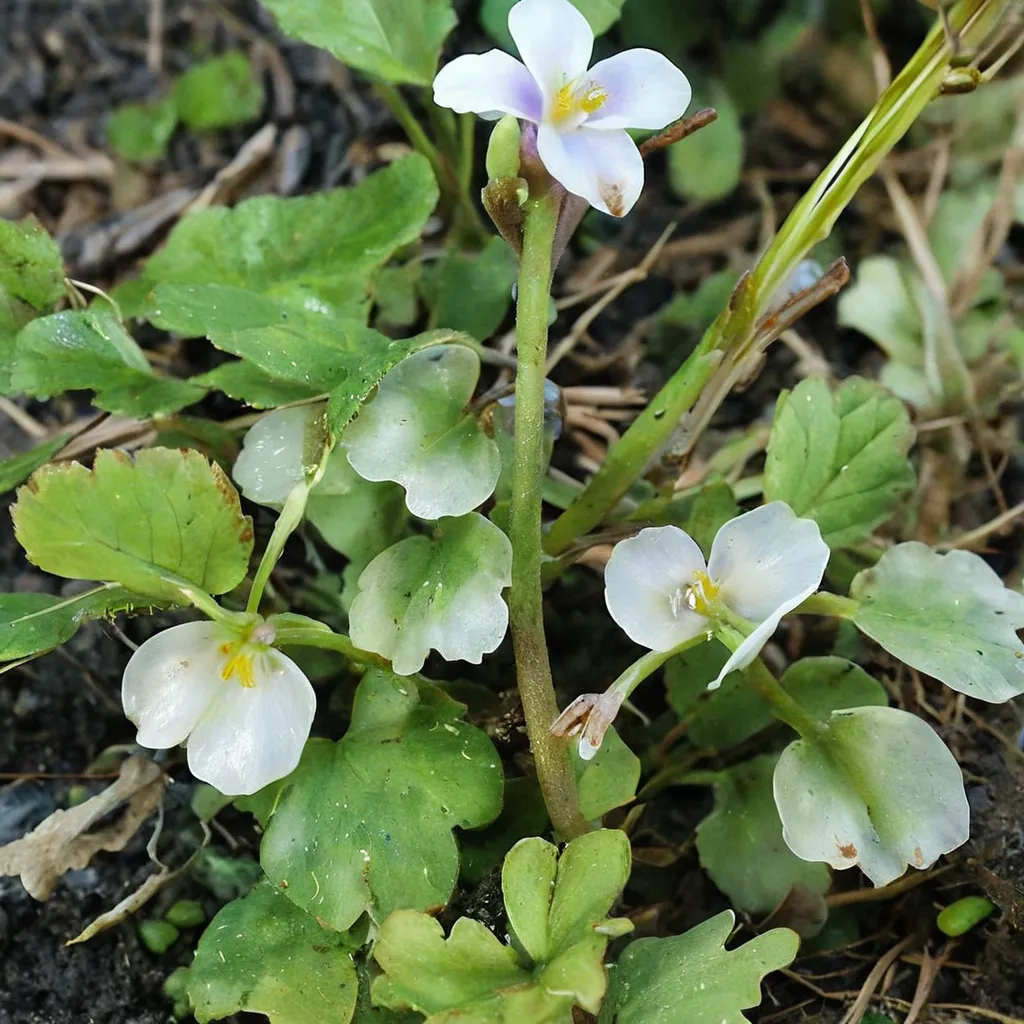
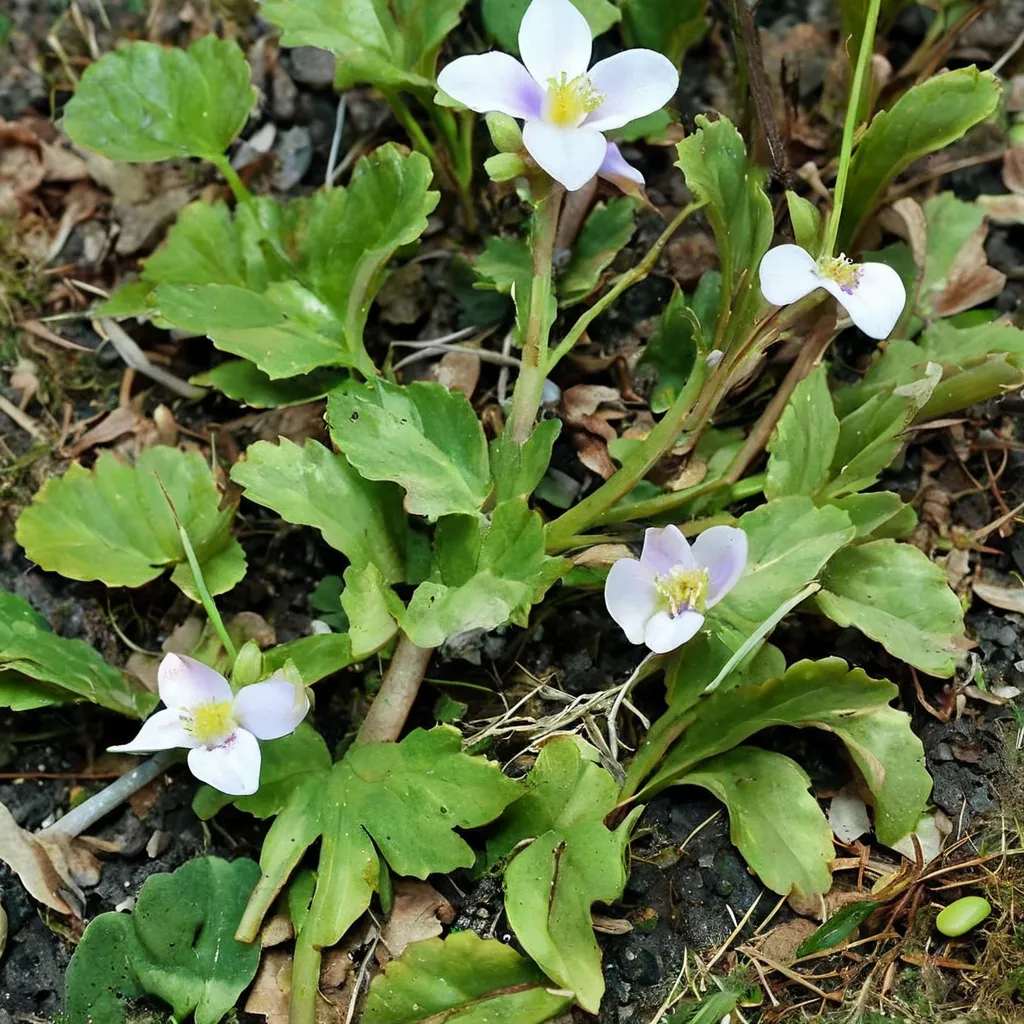
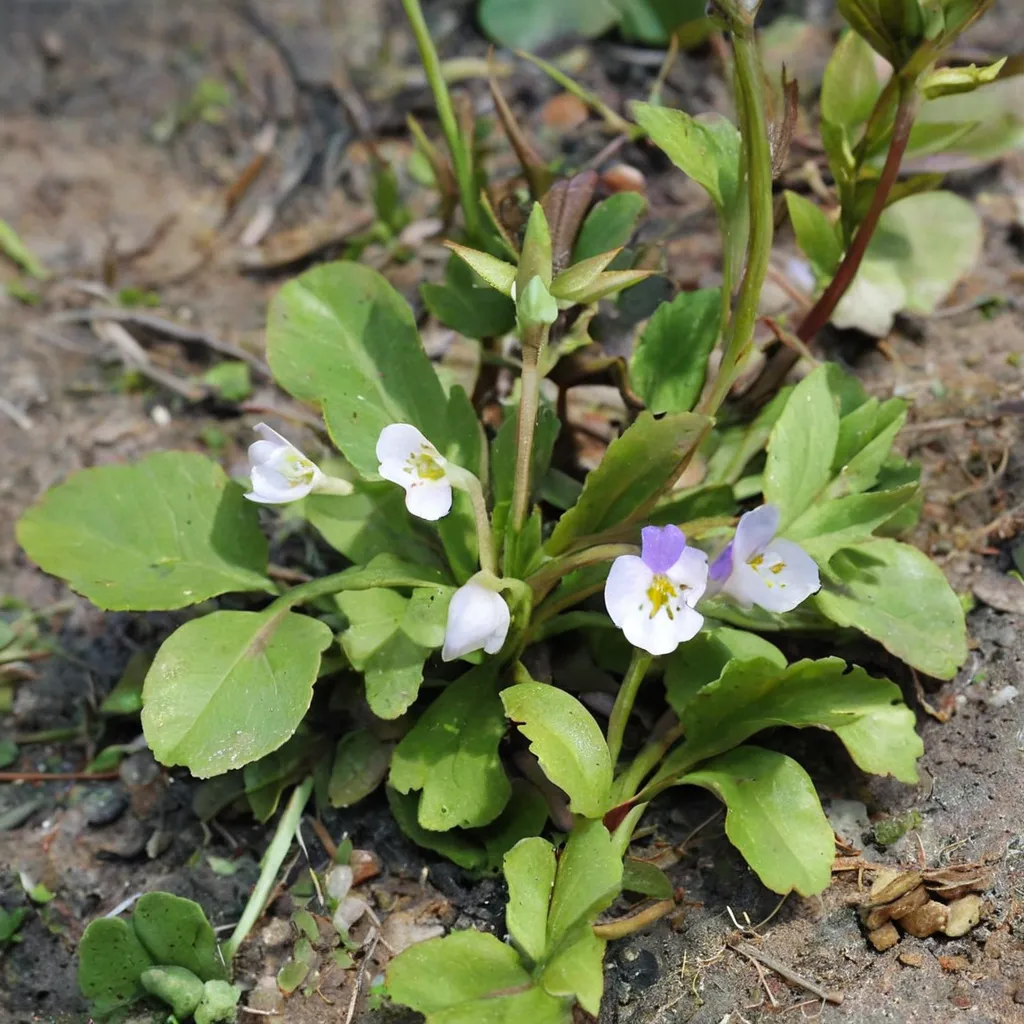
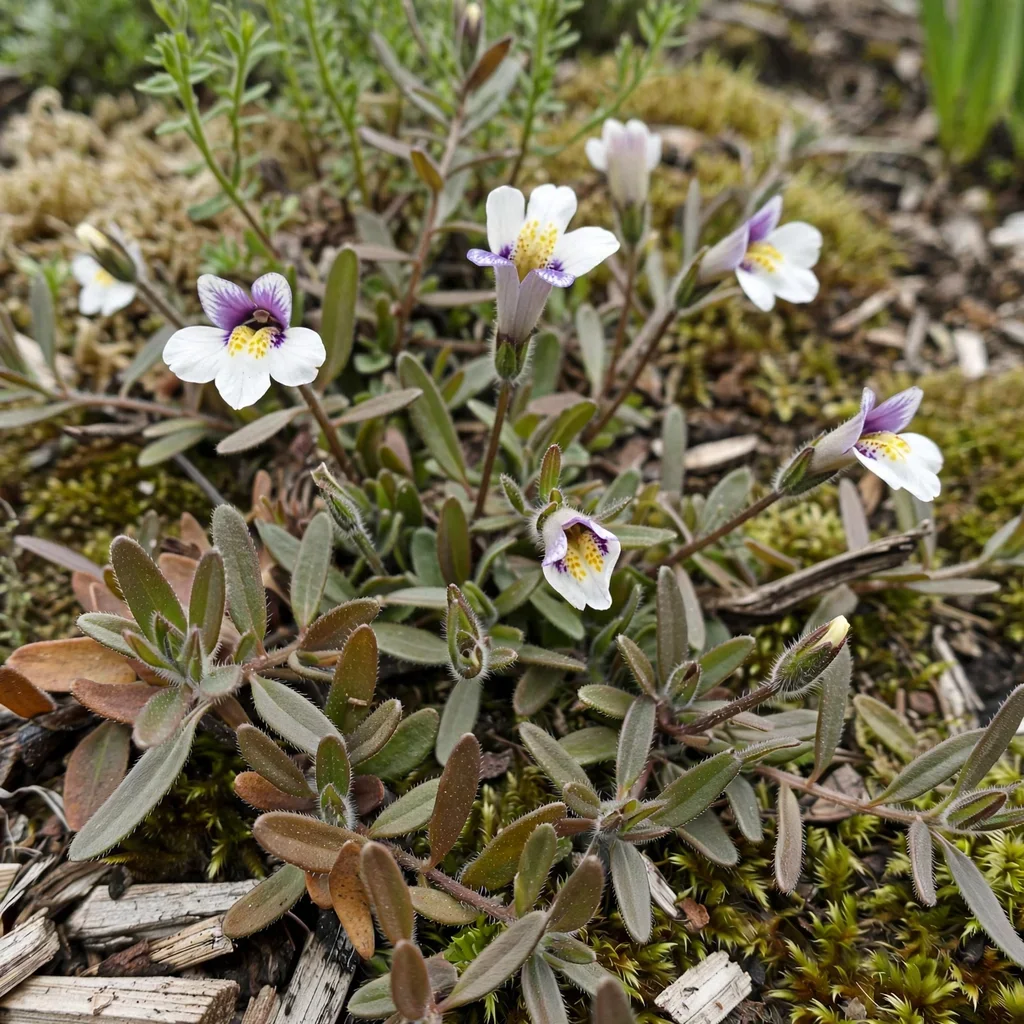
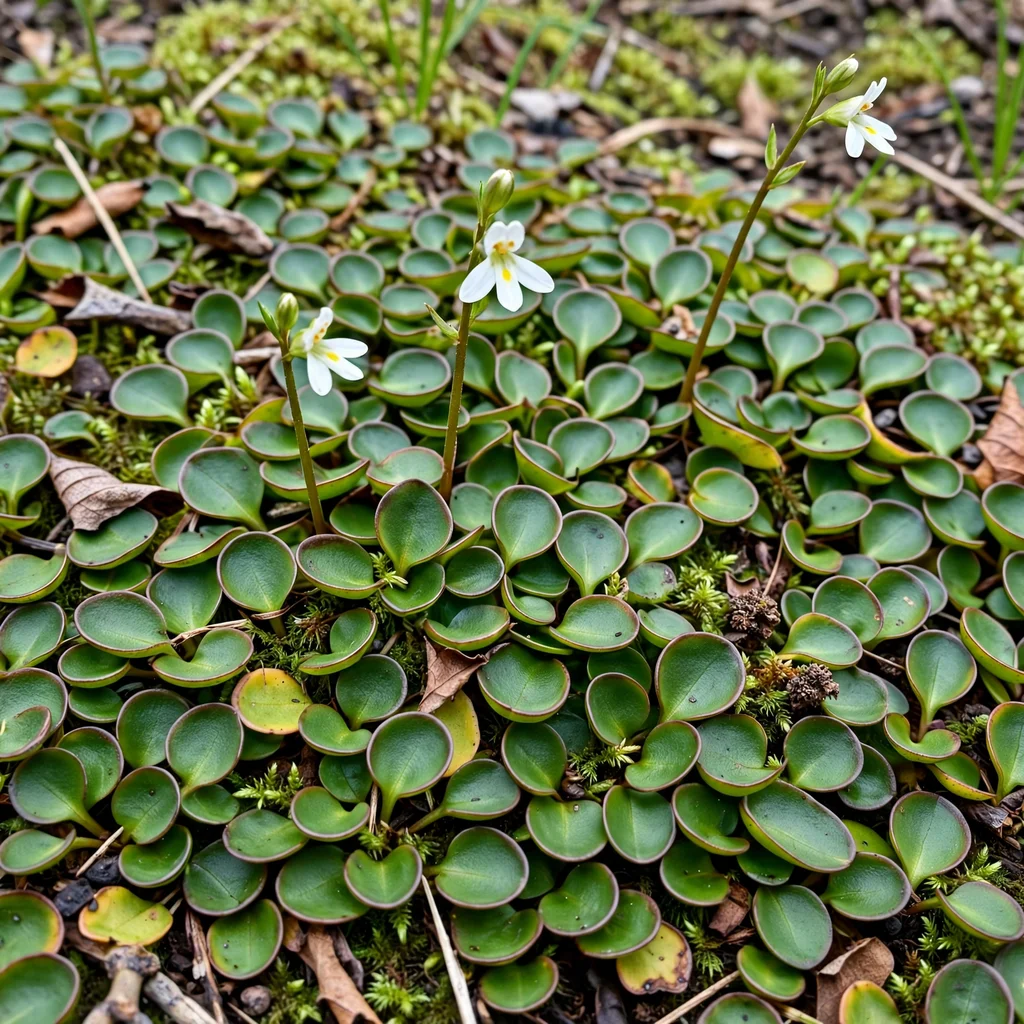
Browse all 9 Mazus varieties →
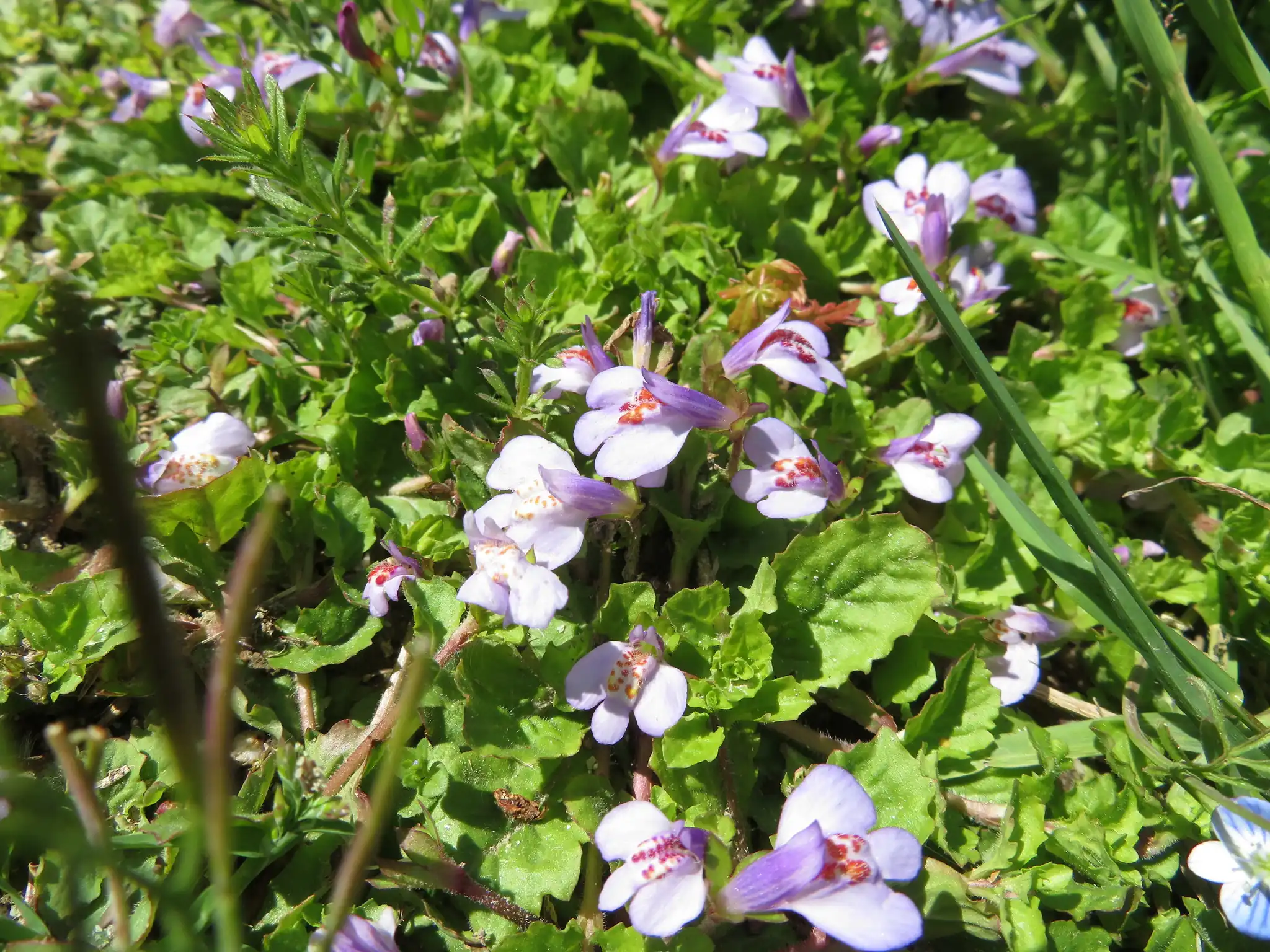
2 species of Mazus
Each one is a parent of the varieties above.
Track your Mazus in Sow
Save the Mazus you grow and get care reminders timed to your zone.
How to grow Mazus
Whats common across all Mazus varieties in our catalog — drawn from the care records of the 9 most-grown of them.
The Mazus year
- PlantApril, May and October89% of varieties
Plant transplants in spring or early fall.
- DivideApril and October78% of varieties
Divide congested clumps every 2-3 years to maintain vigor and control spread.
- Spring CleanupMarch67% of varieties
Rake away any dead winter foliage before new growth begins.
- FertilizeApril33% of varieties
Apply a light, balanced fertilizer in early spring if growth is weak.
- PruneJune and July33% of varieties
Shear lightly after flowering to maintain a dense, tidy mat
- Check for PestsMay–July33% of varieties
Check for slugs and snails in moist conditions.


Do
- Mulch to conserve moisture
- Water regularly during dry spells 🌱
- Water during dry spells 🌱
- Mulch annually to conserve moisture
- Prune after flowering to maintain shape
Avoid
- Allow soil to become waterlogged ❌
- Avoid overwatering which can cause root rot ❌
- Overwater to avoid root rot ❌
- Avoid heavy clay soil without amendments ❌
What goes wrong with Mazus
| Problem | What you'll see | What to do |
|---|---|---|
| Aphids | Sticky residue and distorted leaves | Use insecticidal soap or neem oil |
| Generally pest-free | No significant insect damage is typical | Monitor only; no routine treatment needed |
| Slugs and Snails | Chewed holes and ragged margins on low-lying foliage in wet settings. | Apply iron phosphate bait or set up beer traps near plant perimeters. |
| Spider mites | Fine webbing on foliage | Introduce natural predators or use horticultural oil |
| Root rot | Wilting and blackened roots | Improve drainage and reduce watering |
| Generally disease-free | NCSU records it as particularly resistant to diseases and insect pests | No routine treatment needed; thin the mat if it stays sodden |
| Root Rot | Soft, blackened crown tissue and sudden foliage collapse in poorly draining soil. | Improve soil aeration with organic matter and gravel to prevent stagnant waterlogging. |
Making more Mazus
Division
- Divide clumps in early spring or fall
- Replant divisions immediately
- Water thoroughly after planting
- Allow 6 weeks for establishment
Cuttings
- Take semi-hardwood cuttings in late spring
- Dip in rooting hormone
- Plant in moist soil mix
- Keep soil moist for 4-6 weeks
Mazus questions
How many types of Mazus are there?
The Sow catalog tracks 9 distinct Mazus varieties. The most popular — ranked by 314 real gardeners — are shown first above.
What zones does Mazus grow in?
Across its varieties, Mazus covers USDA Zones 4–9. Individual varieties differ — each plant page lists its exact range, and Sow filters the catalog to your zone automatically.
When does Mazus bloom?
Most Mazus varieties bloom from late spring to early summer. Mixing early and late varieties stretches the season from late spring to late summer.
Which Mazus should I choose?
Start from the most-saved varieties above — popularity across thousands of gardens is a strong signal of reliability — then filter by your zone and sun. In the Sow app you can preview any of them in a photo of your actual yard before you buy.