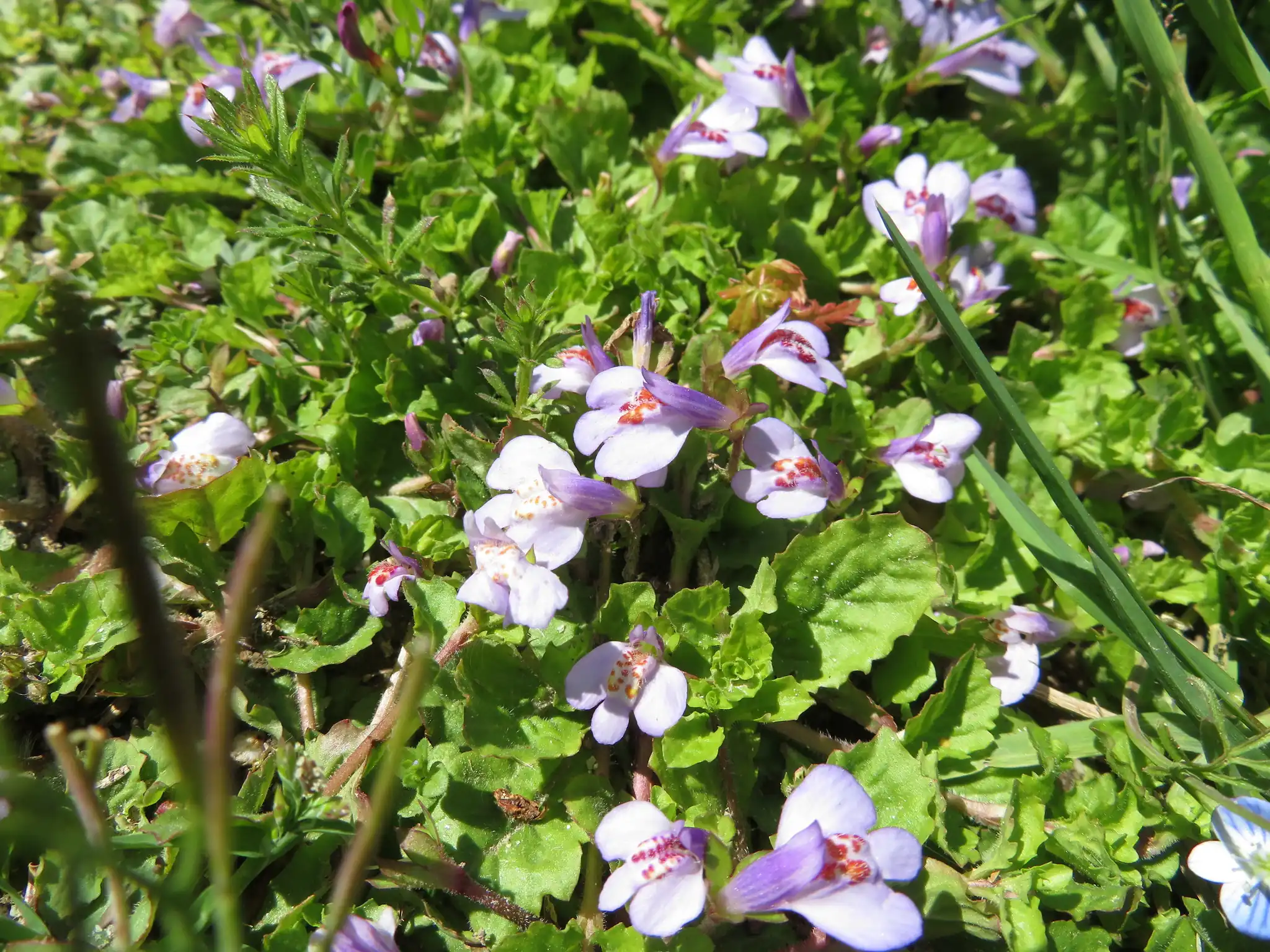
1 named cultivar
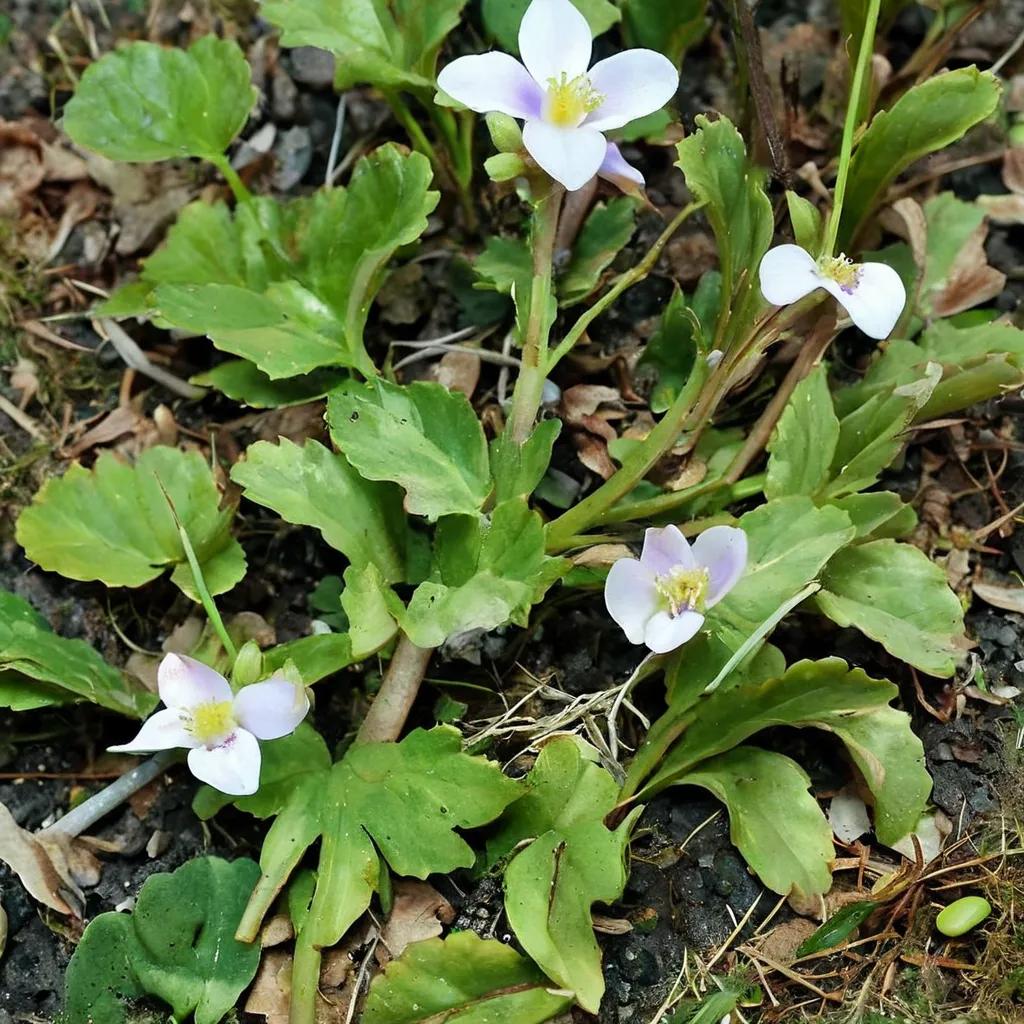
The Story
Plant Bio
Mazus miquelii is a creeping evergreen to semi-evergreen ground cover from temperate East Asia and the Himalaya, three to six inches high and spreading steadily by rooting stems. Small tubular two-lipped flowers in blue, violet or white, each marked with a yellow throat, cover the mat through late spring and summer above neat toothed leaves.
It takes light foot traffic and wet ground, an unusual pair, so it works in paving joints, along stepping stones and in the damp margins of a rain garden. It spreads quickly and is naturalised from New England to Virginia, so keep it away from unmanaged ground and confine it with an edge where it meets a lawn.
Uses & Benefits:
Essentials
At a Glance
Plant Type
Groundcover
Height
4"
Width
12"
Light
Full Sun, Partial Sun, Shade
Zones
5, 6, 7, 8
Water
Medium
Humidity
Average
Lifespan
Perennial
Native To
Temperate East Asia and the Himalaya
Toxicity
No significant toxicity reported
Planting
How to Grow
- Plant in full sun or partial shade.
- Choose moist soil that never dries out completely.
- Space plugs six to twelve inches apart.
- Water through the first summer while it knits together.
- Press stems into gaps between paving to fill them.
- Edge or lift runners each spring to hold its boundary.
Pro Tip
Plant it into the soil pockets between stepping stones rather than as a lawn substitute; it takes occasional steps, not daily ones.
Keep It Thriving
Care Guide
Do
- Keep the soil consistently moist 💧
- Use it between paving and stepping stones 🪵
- Give it a defined edge to spread against 🌿
- Divide rooted runners to fill new gaps 🌱
Don't
- Let it run into unmanaged or wild ground ❌
- Plant it in soil that bakes dry in summer ❌
- Use it where the whole surface is walked daily ❌
Seasonal Care Calendar
| Task | Jan | Feb | Mar | Apr | May | Jun | Jul | Aug | Sep | Oct | Nov | Dec |
|---|---|---|---|---|---|---|---|---|---|---|---|---|
| Contain | ||||||||||||
| Plant |
Watch Out For
Pests & Diseases
Common Pests
Common Diseases
In the Garden
Landscape Uses & Companions
Landscape Uses
Companion Plants
Multiply
Propagation Methods
Good to Know
Common Questions
Creeping Mazus questions
What zones can Creeping Mazus grow in?
Creeping Mazus is hardy in USDA Zones 5–8. Inside that range it survives winter in the ground; outside it, grow it as an annual or a container plant you protect.
Is Creeping Mazus deer resistant?
Not reliably. Deer may browse Creeping Mazus, especially tender spring growth — plan on repellents or fencing where pressure is high.
When does Creeping Mazus bloom?
Creeping Mazus typically blooms in late spring to summer through late summer. Exact timing shifts a week or two with your zone — Sow's bloom calendar maps it to your garden.
Does Creeping Mazus need full sun?
Creeping Mazus does best in full sun to part shade. In hot climates, afternoon shade keeps blooms fresher longer.
More Mazus to compare
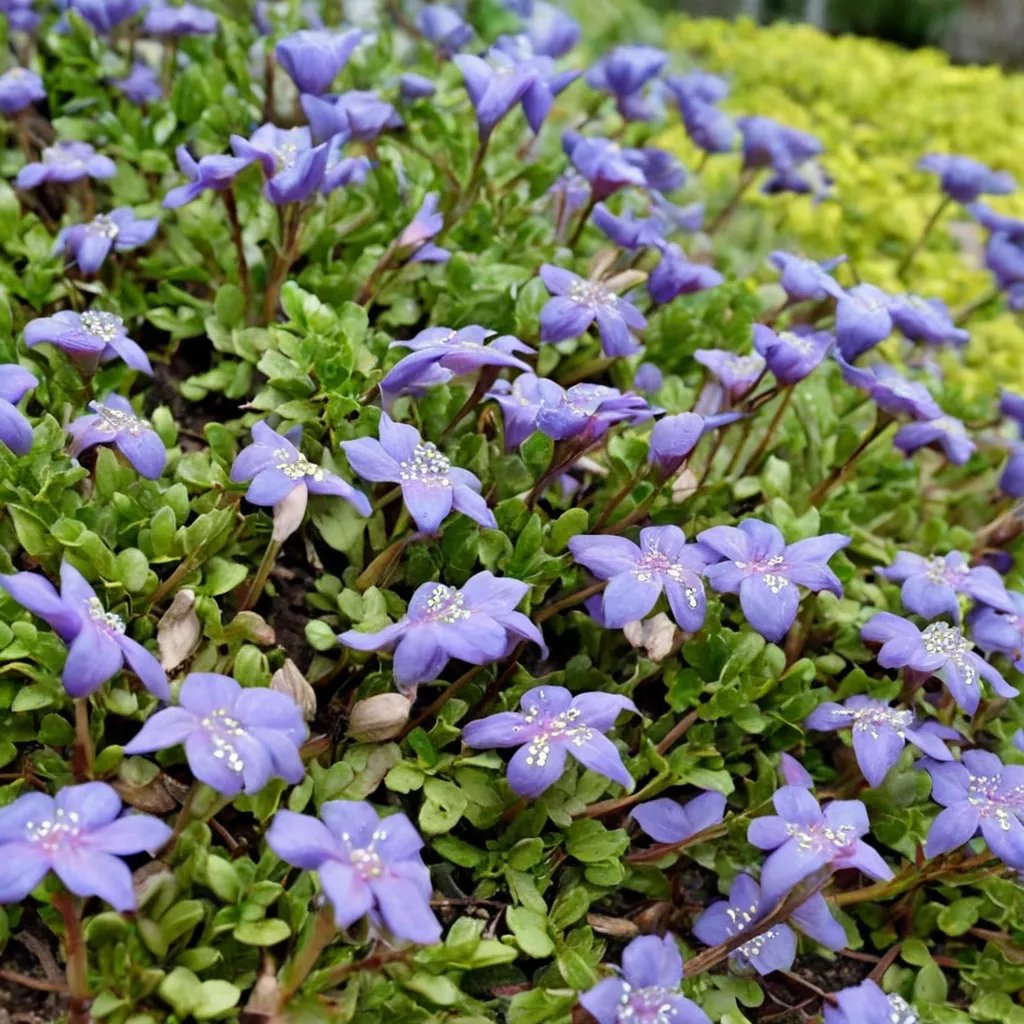
Purple Creeping Mazus
Mazus reptans 'Purple'
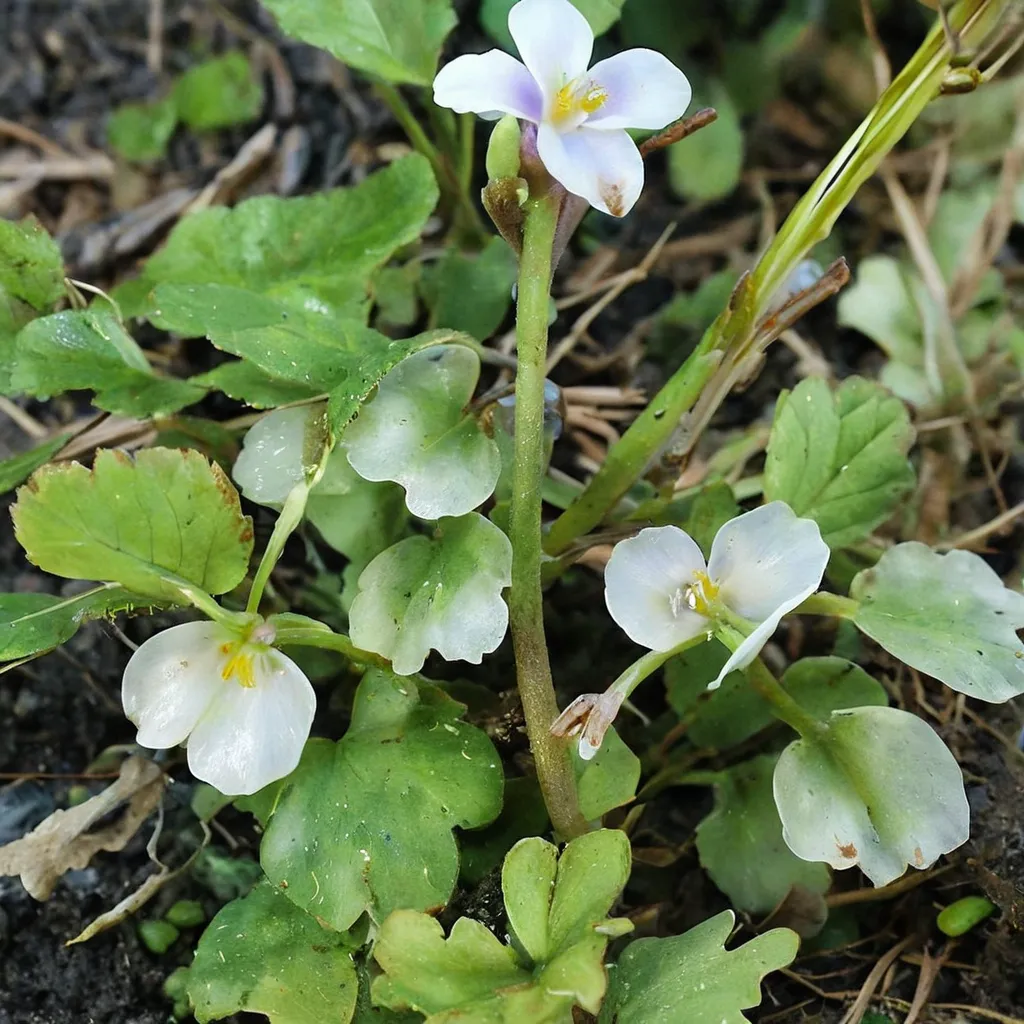
Mazus pumilus White
Mazus pumilus 'White'
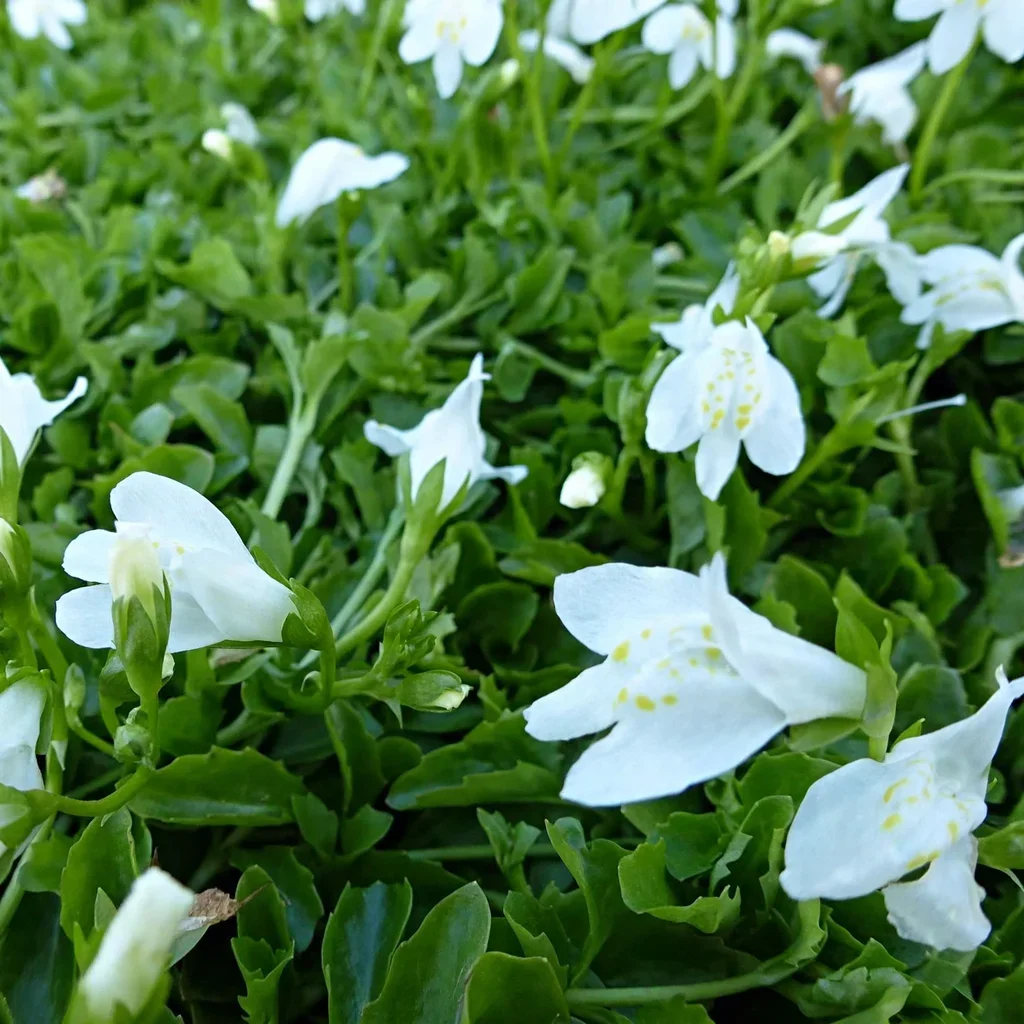
White Mazus
Mazus reptans 'Alba'
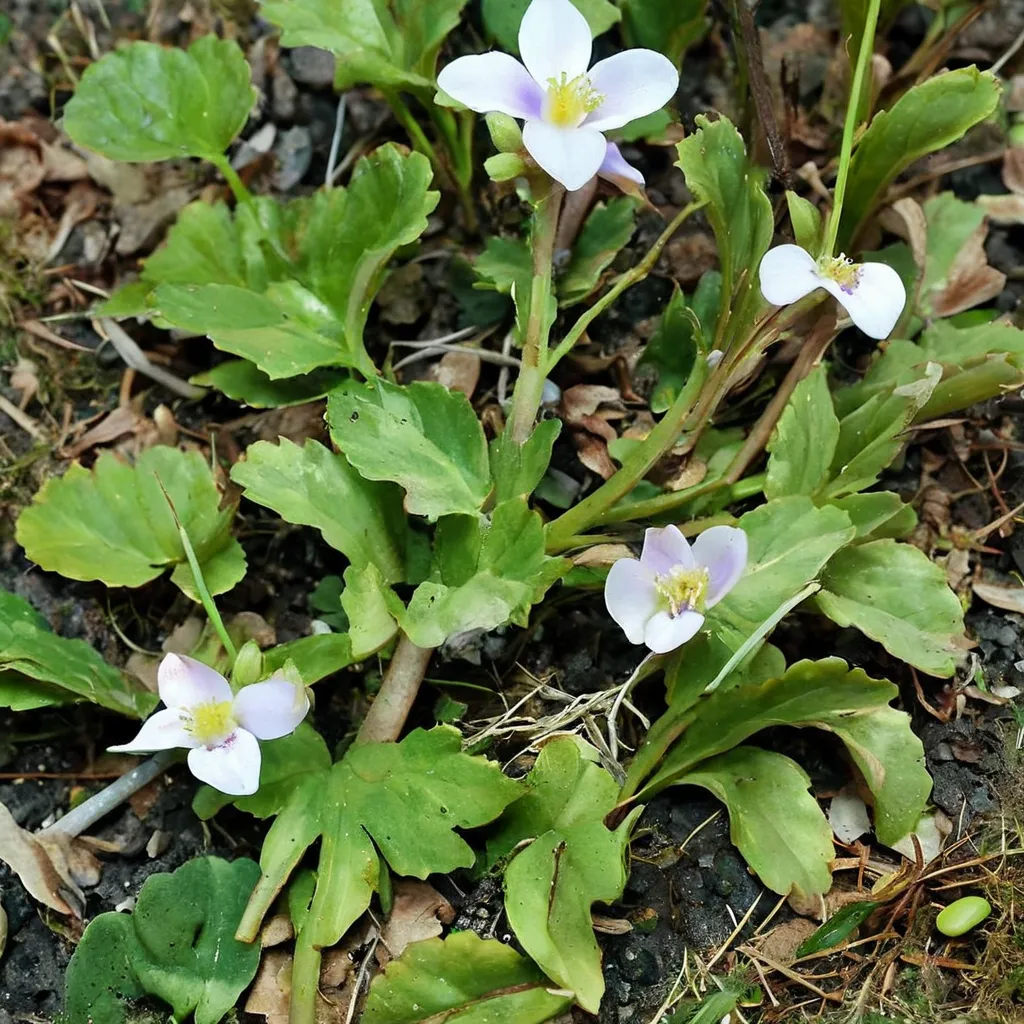
White Creeping Mazus
Mazus miquelii 'Albiflorus'
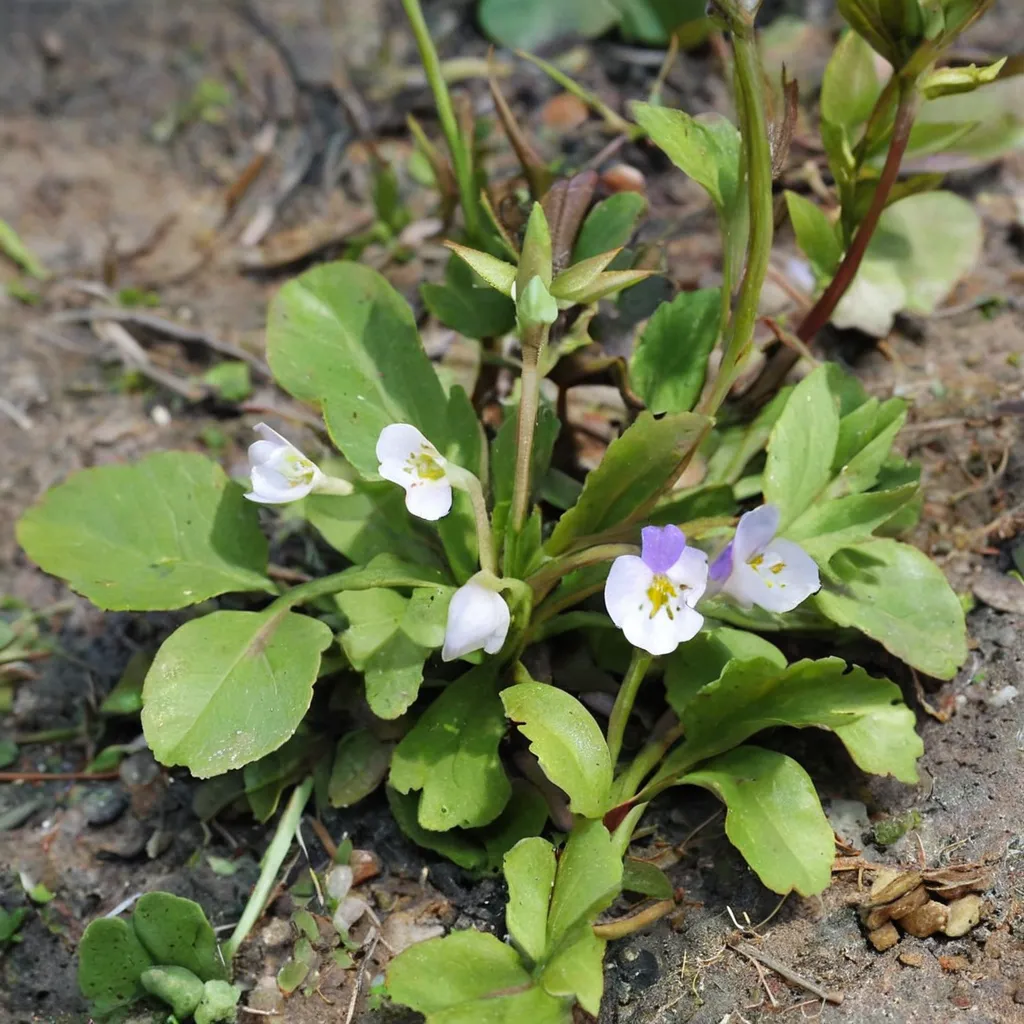
Japanese Mazus
Mazus pumilus
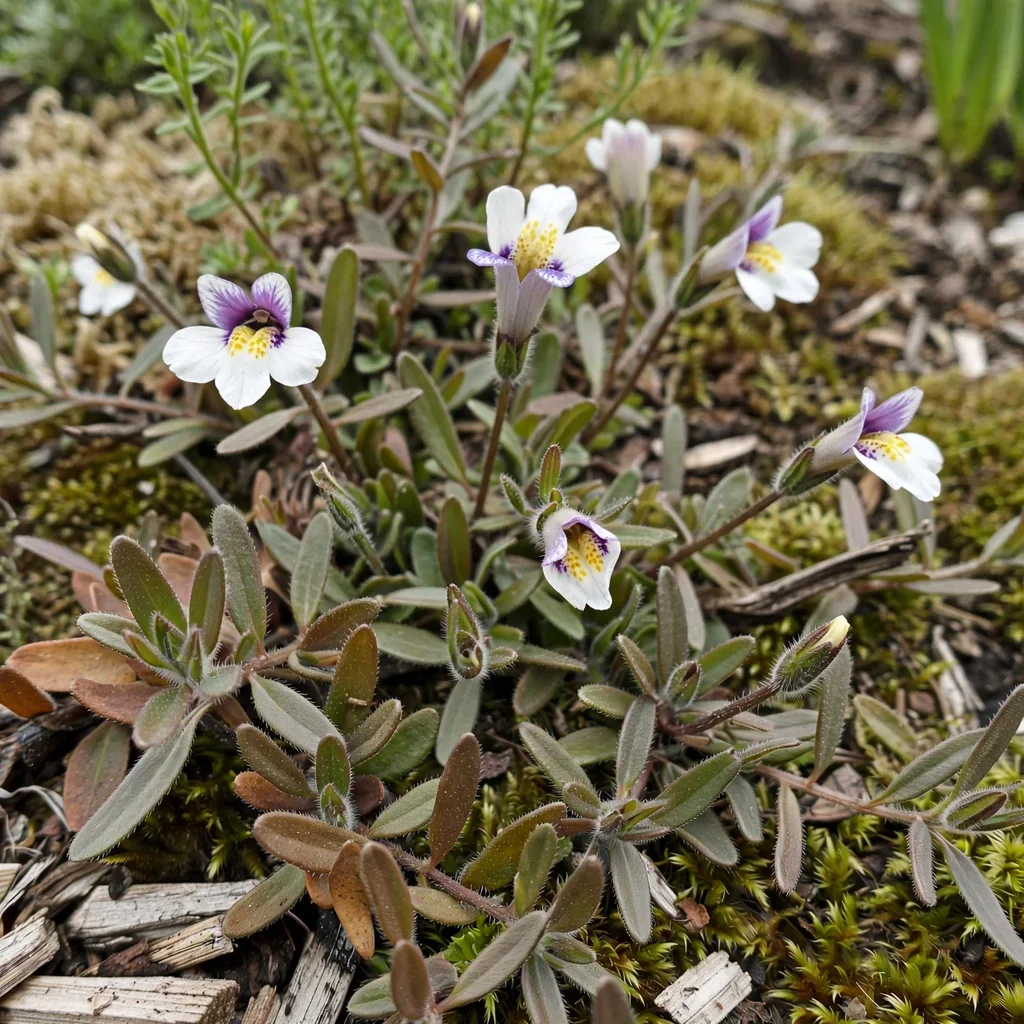
Swamp Musk
Mazus radicans
Keep exploring
Explore the genus
Hardy in your zone?
Grow Creeping Mazus with confidence
See it in a design of your actual yard, get zone-matched care reminders, and track it season by season in your garden journal.