Also known as Beargrass · 148 saves
Nolina
Nolina, the genus most gardeners know as beargrass. We track 17 varieties; the ones most used by real gardeners.
The 17 most-saved Nolina varieties
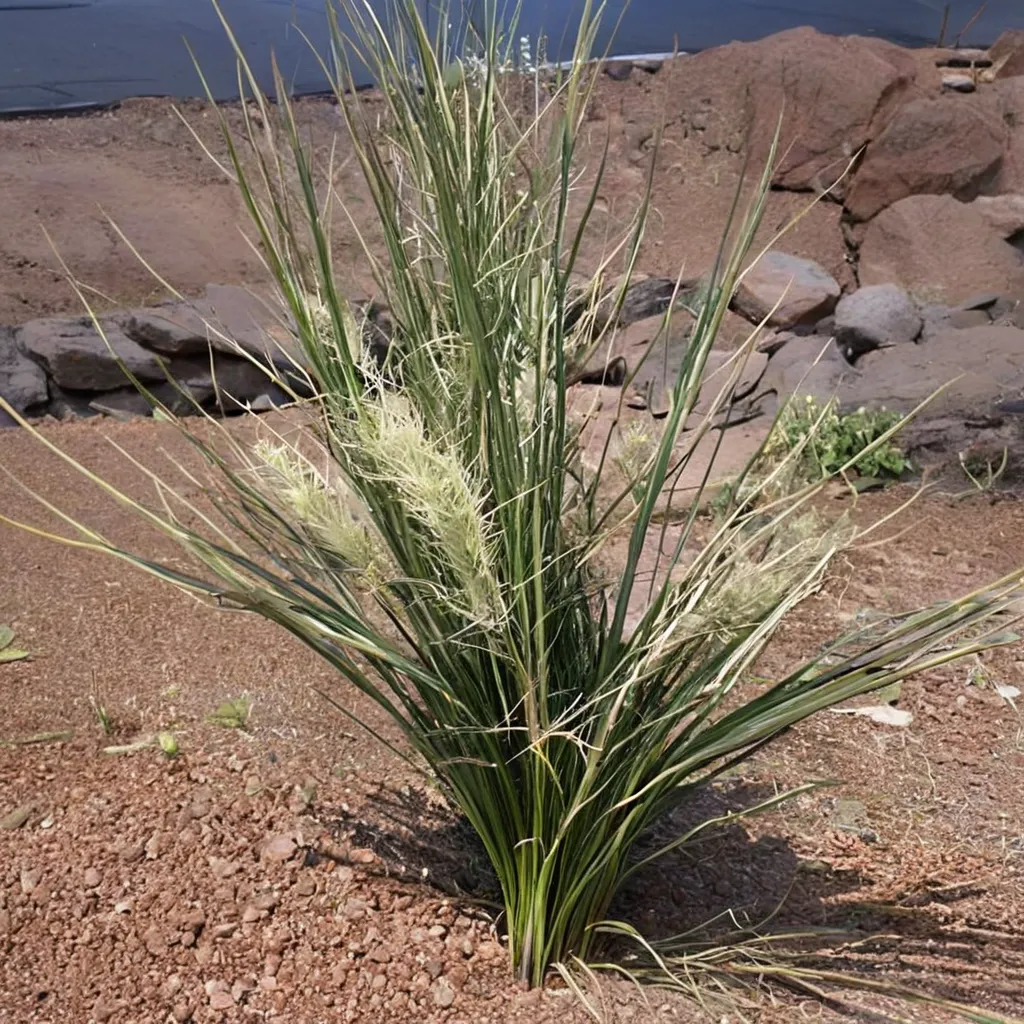
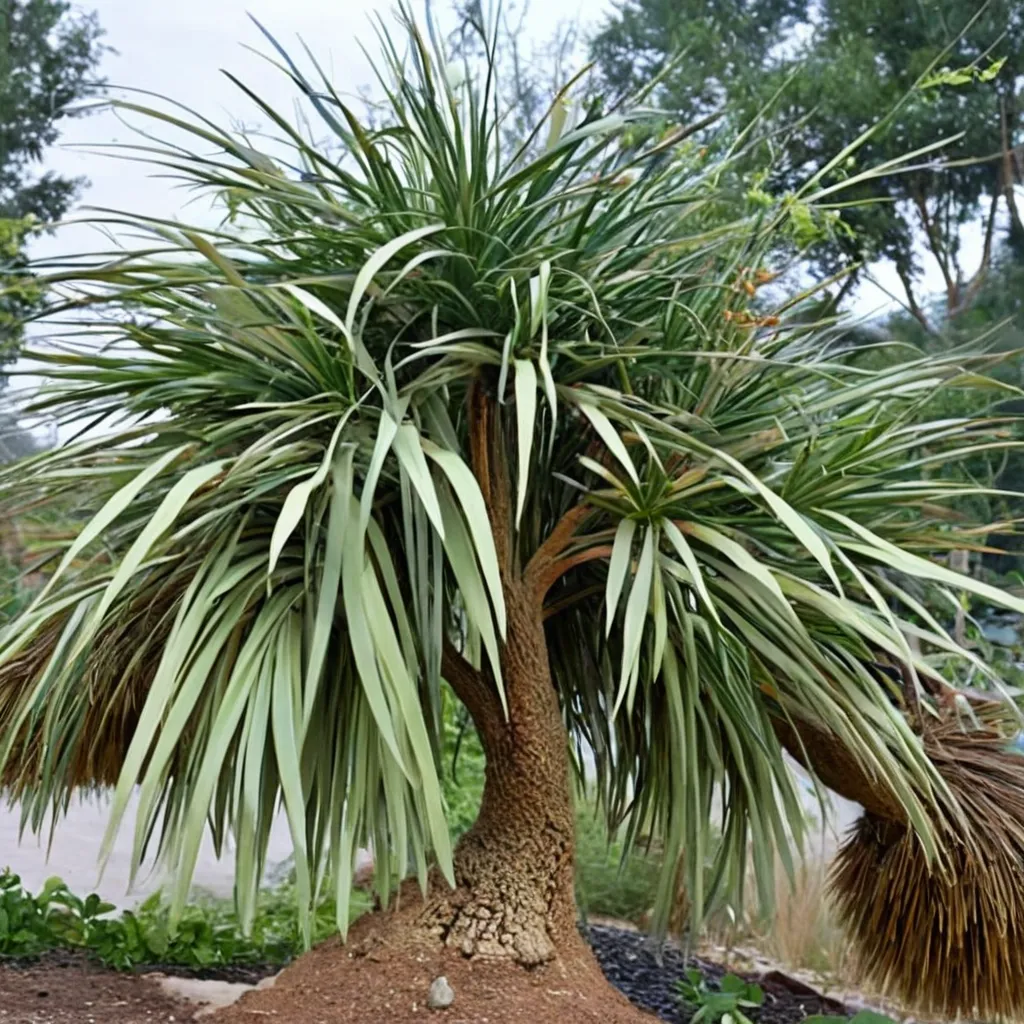
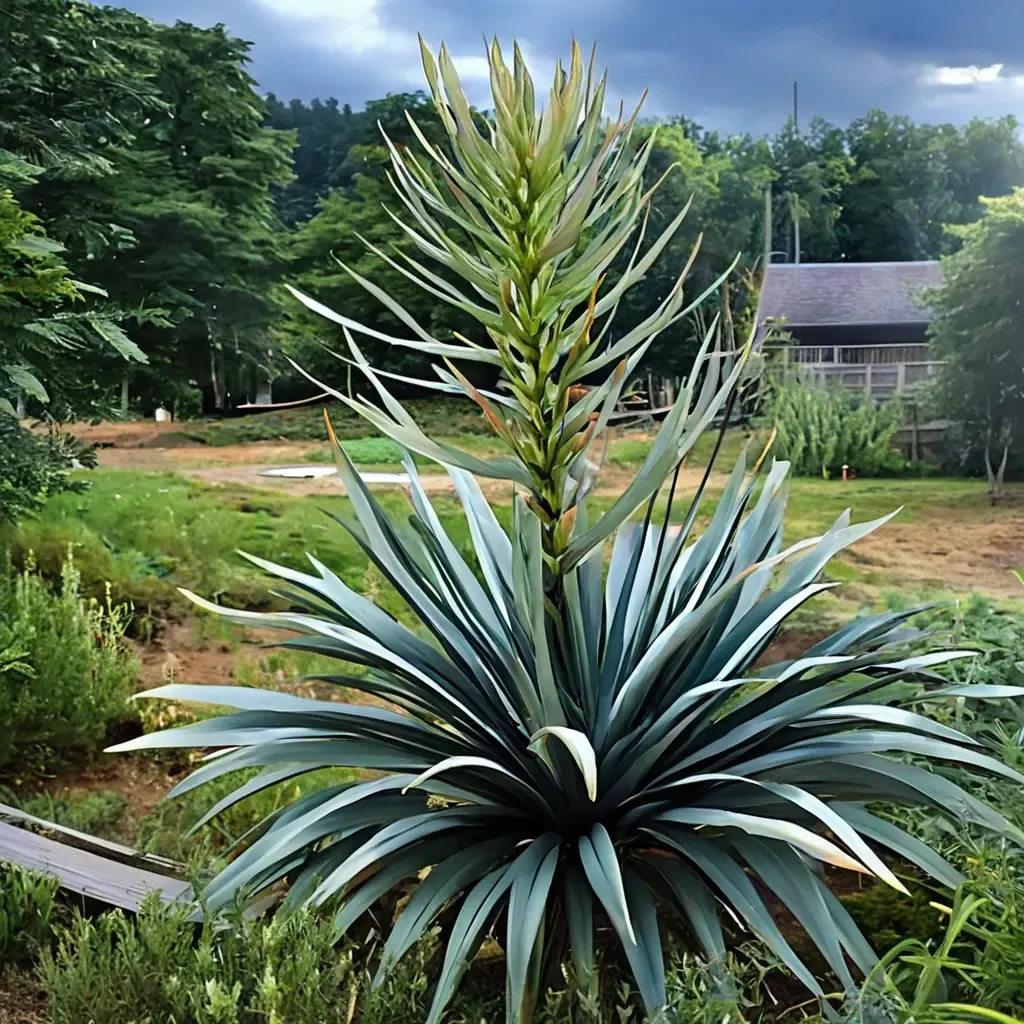
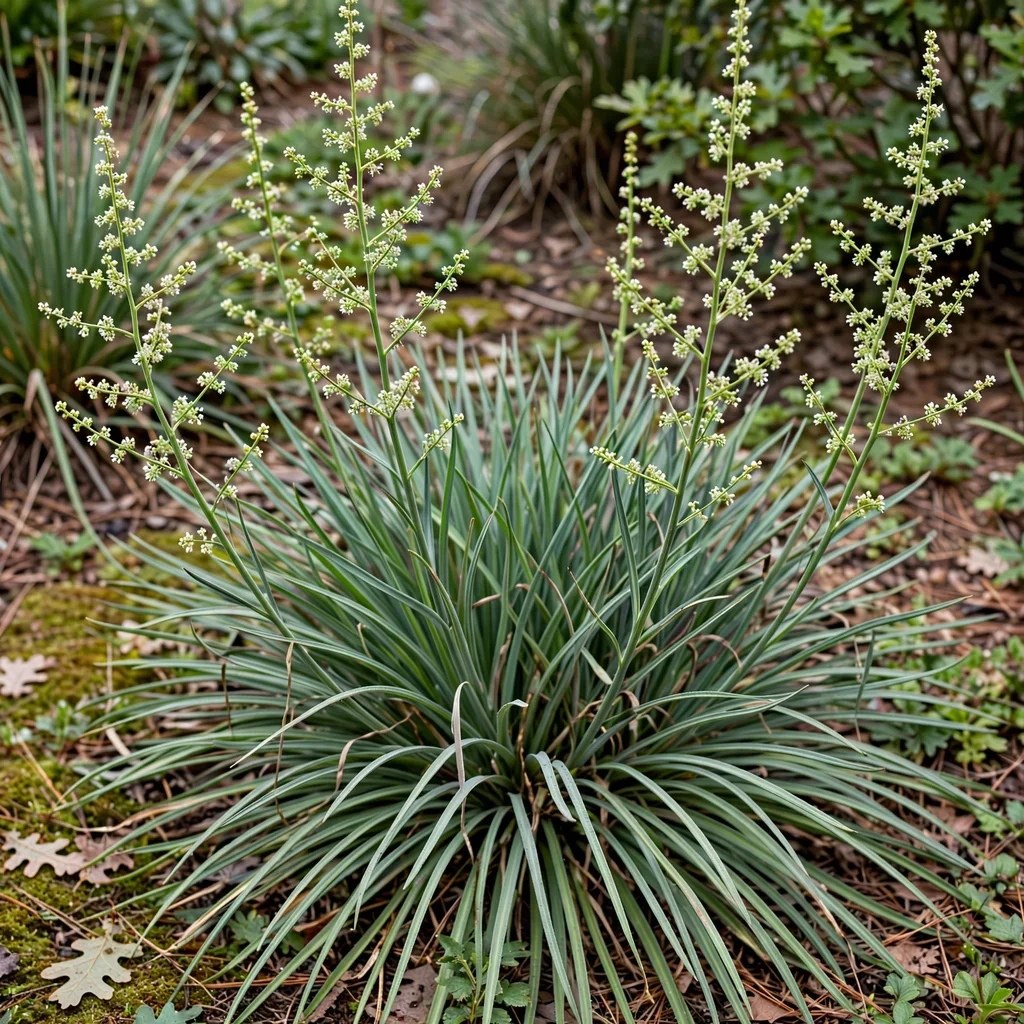
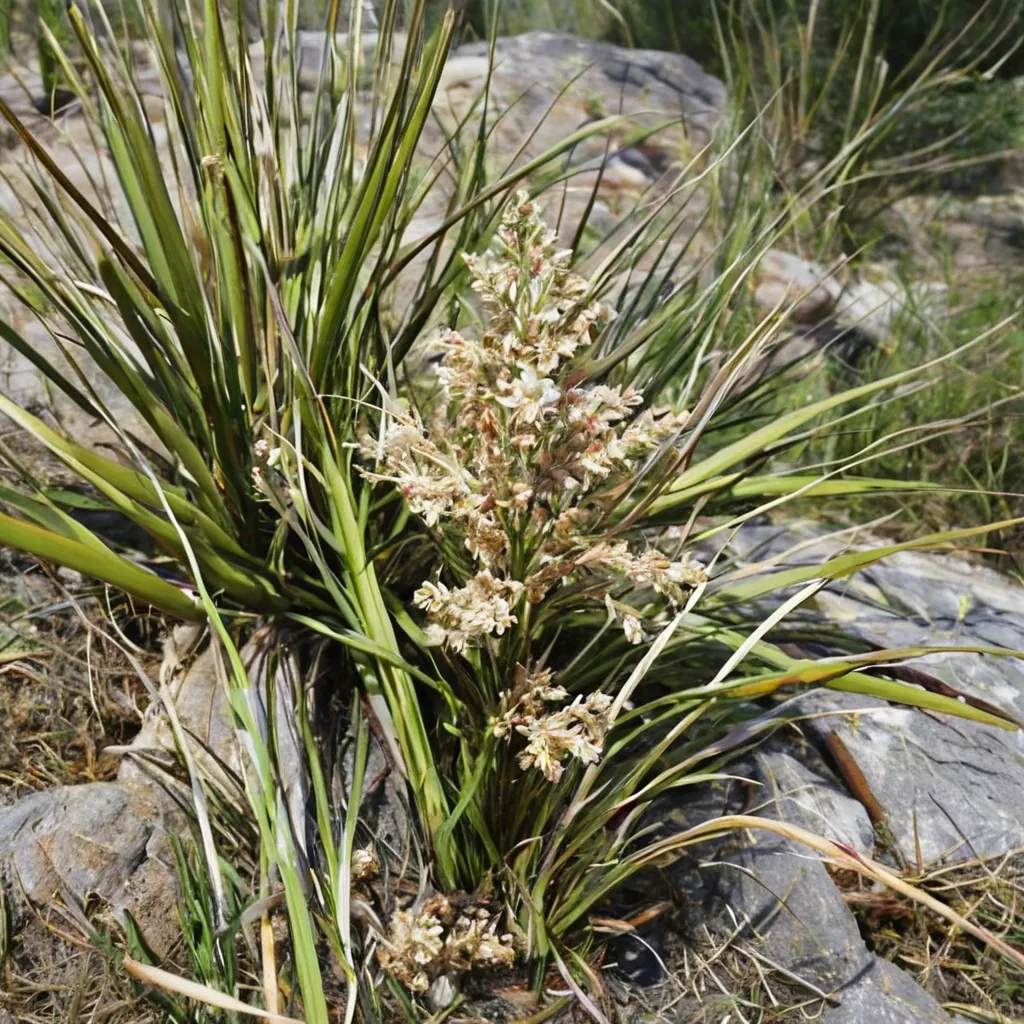
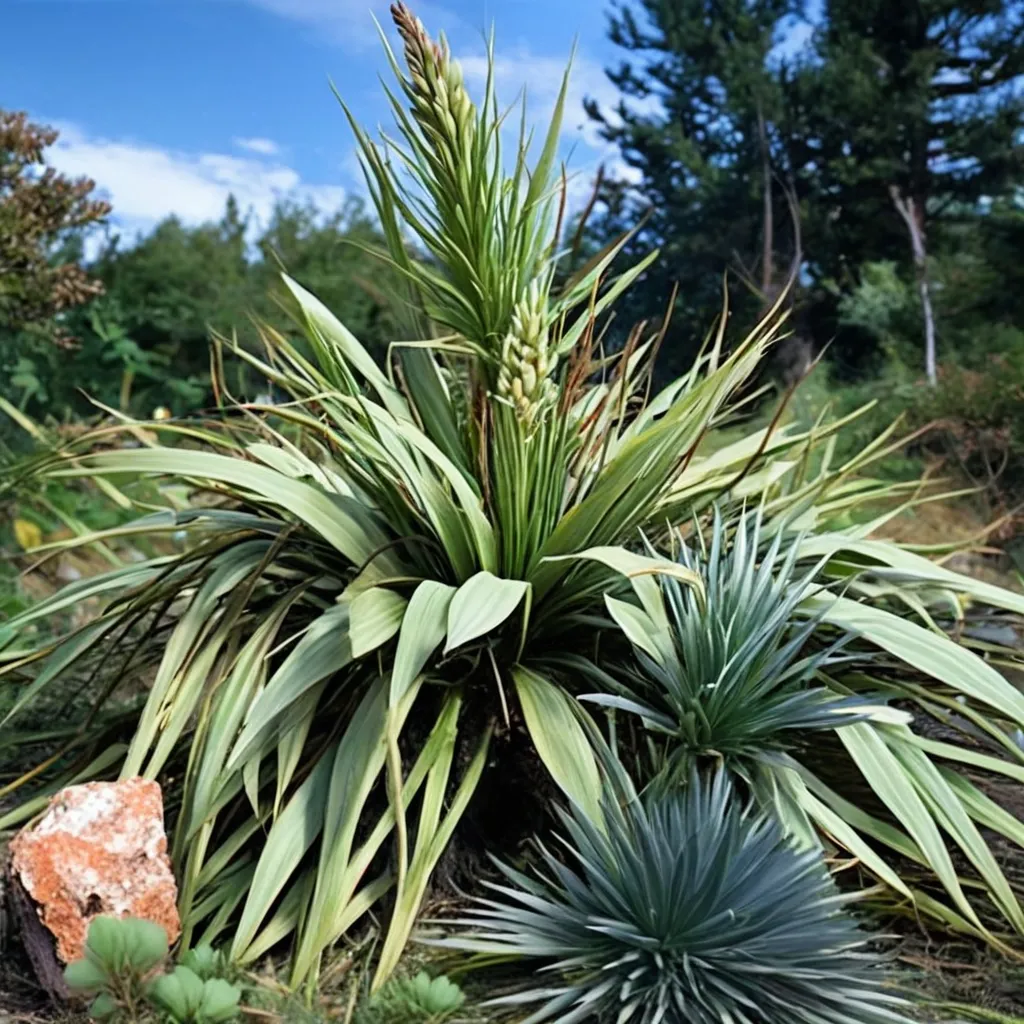
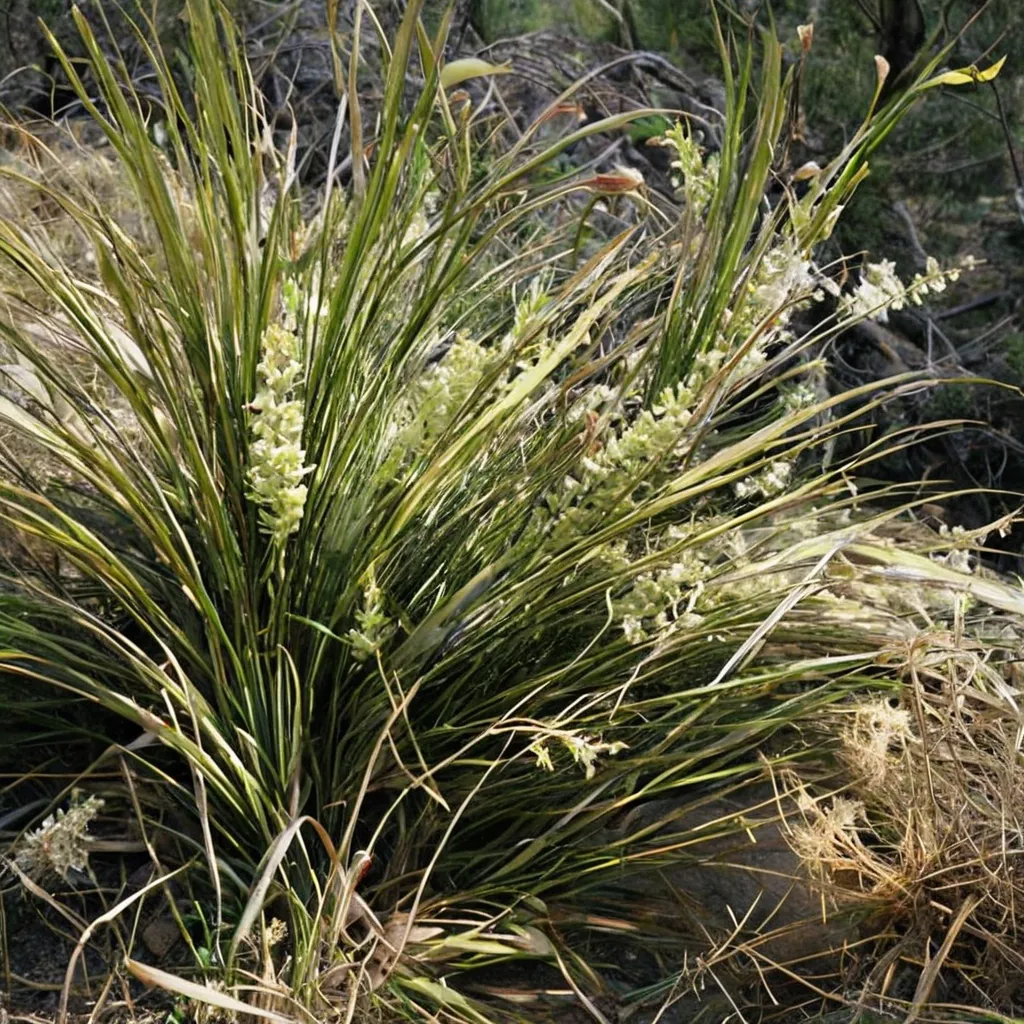
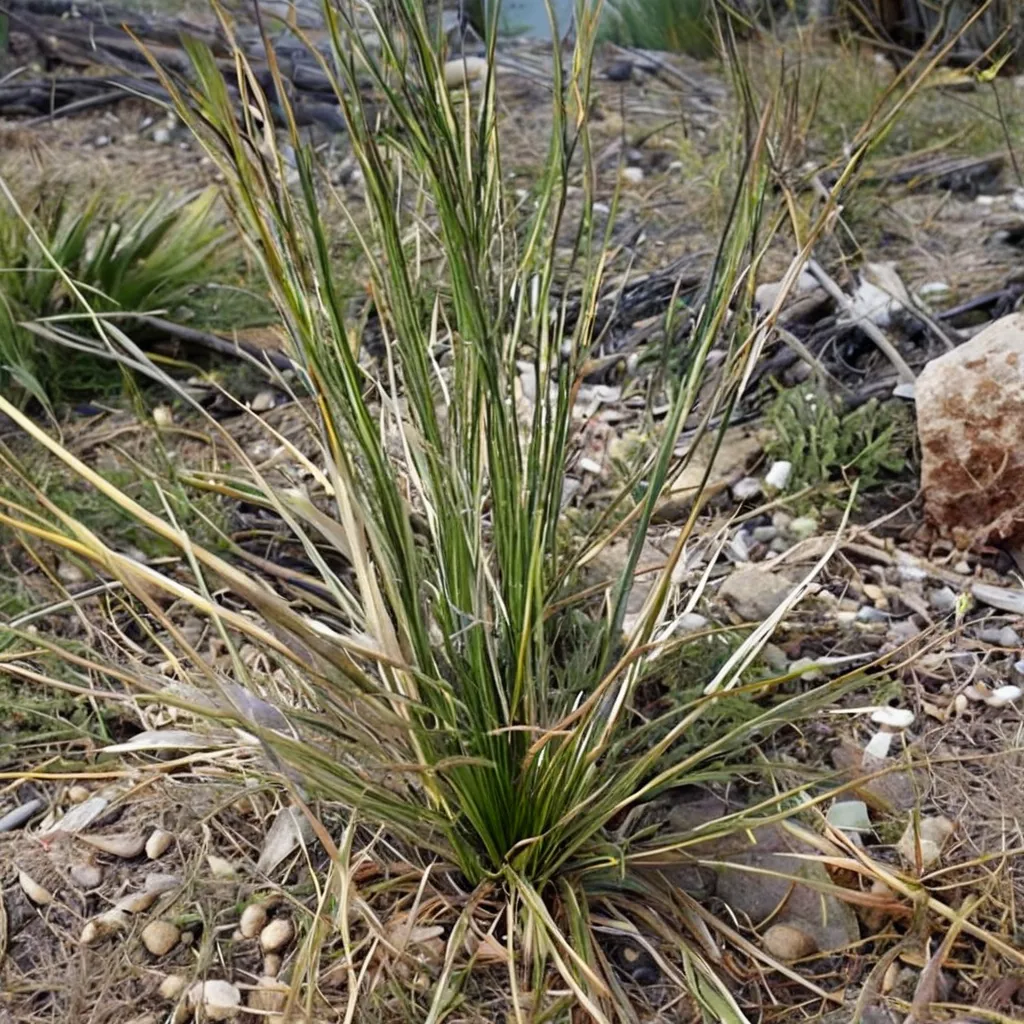
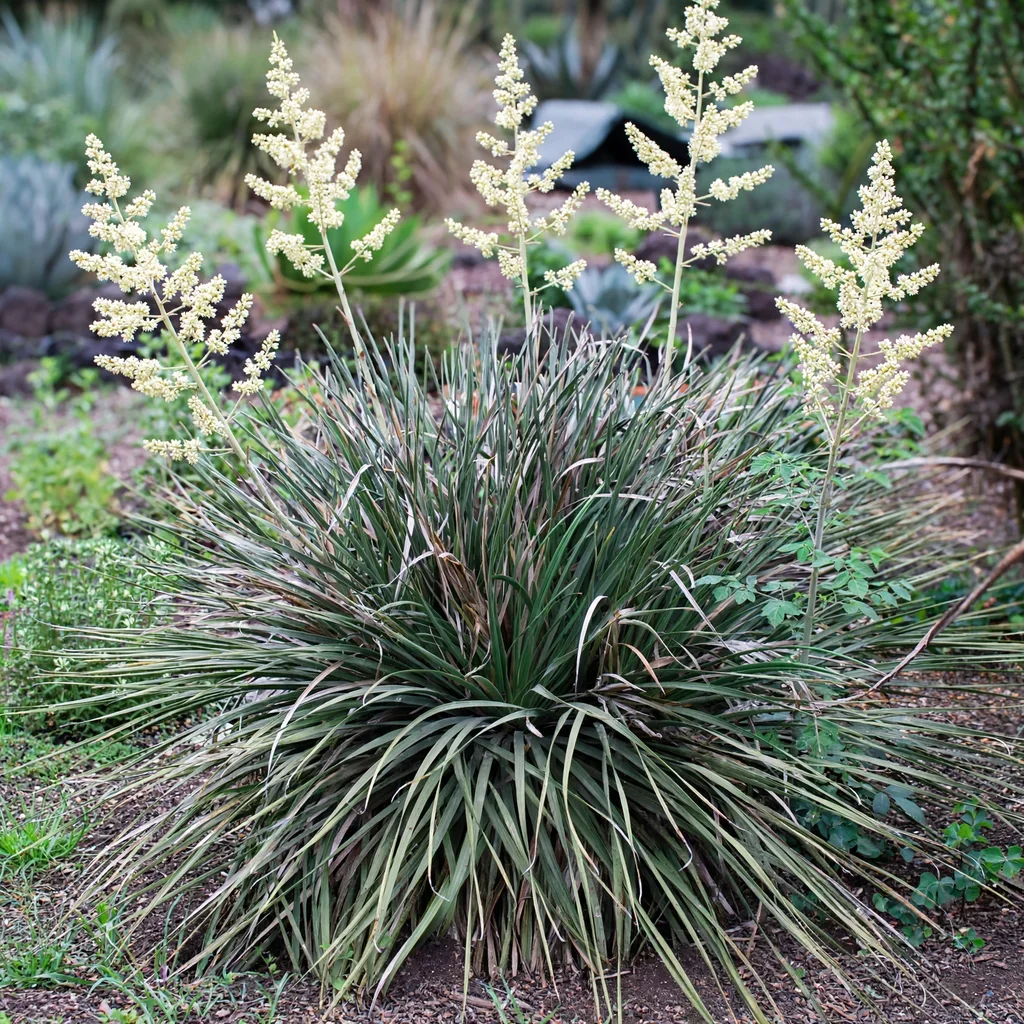
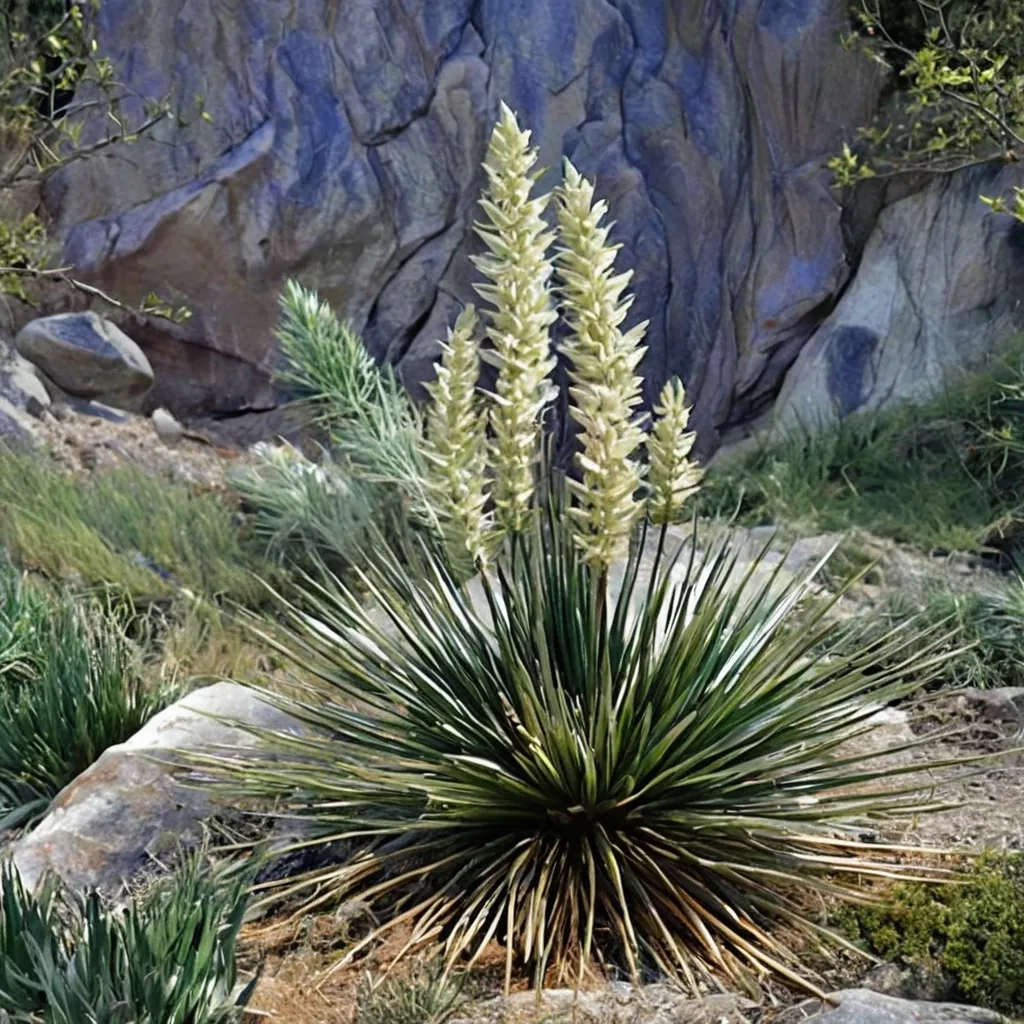
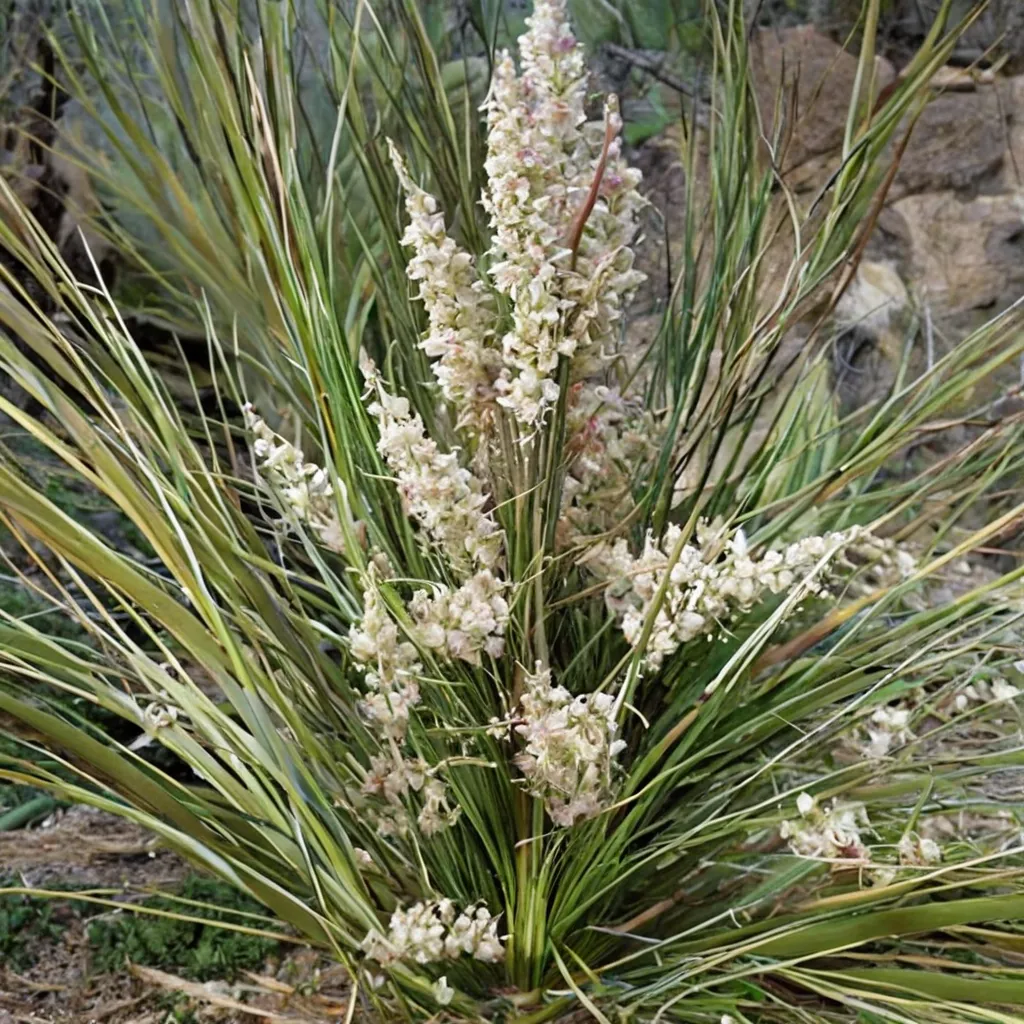
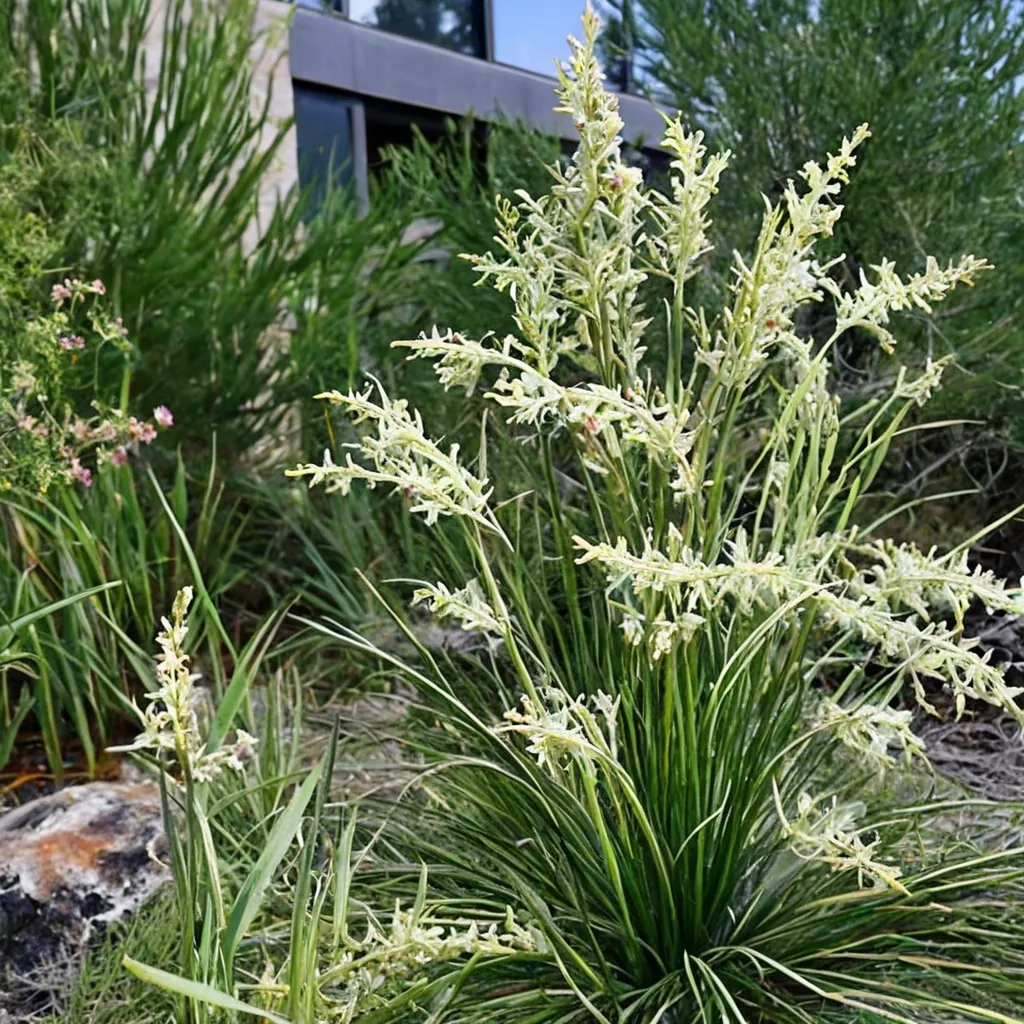
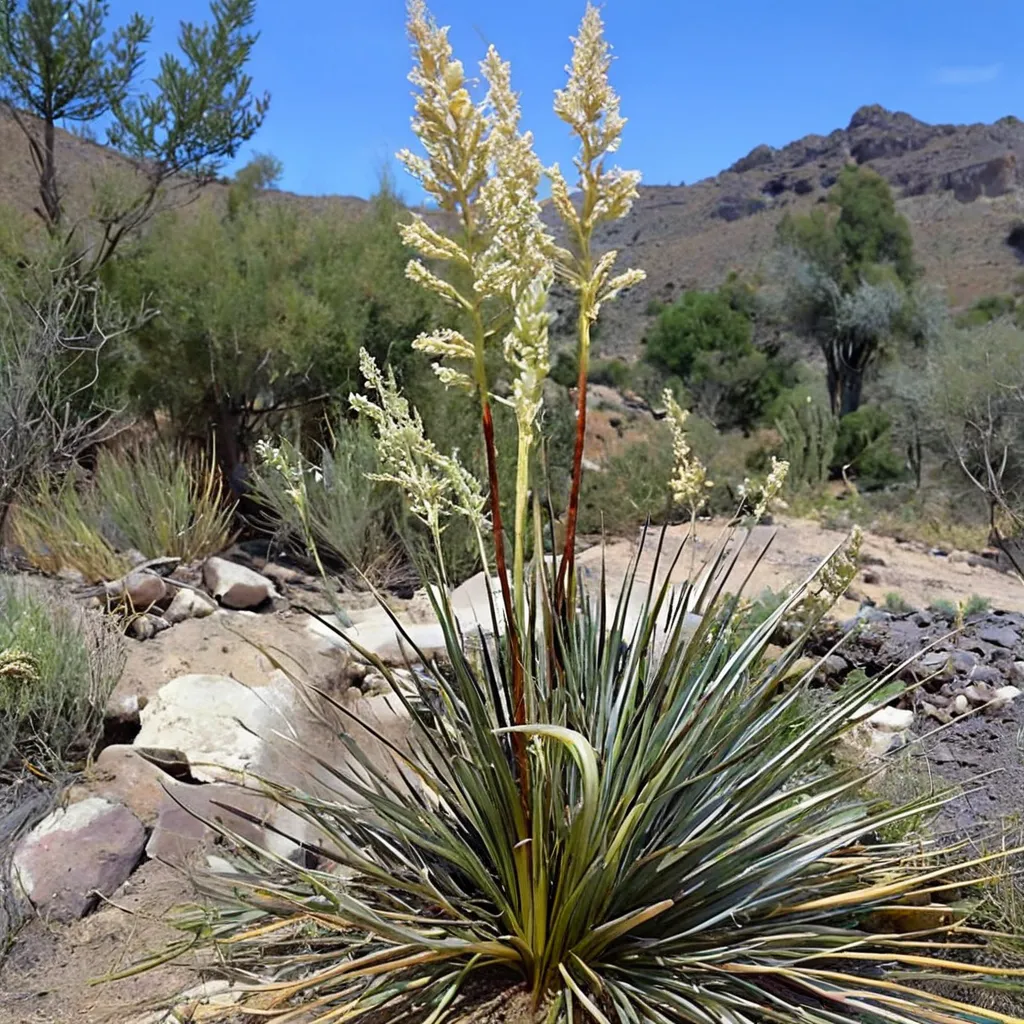
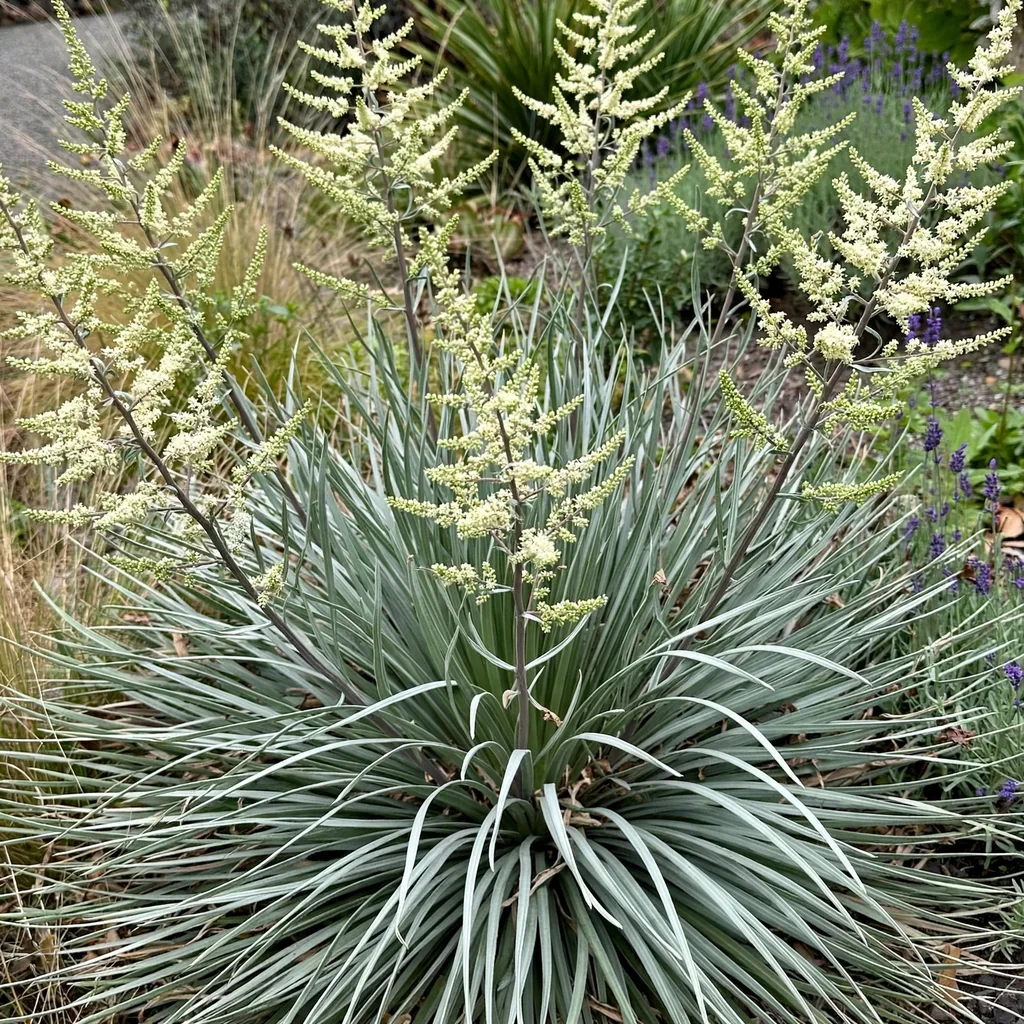
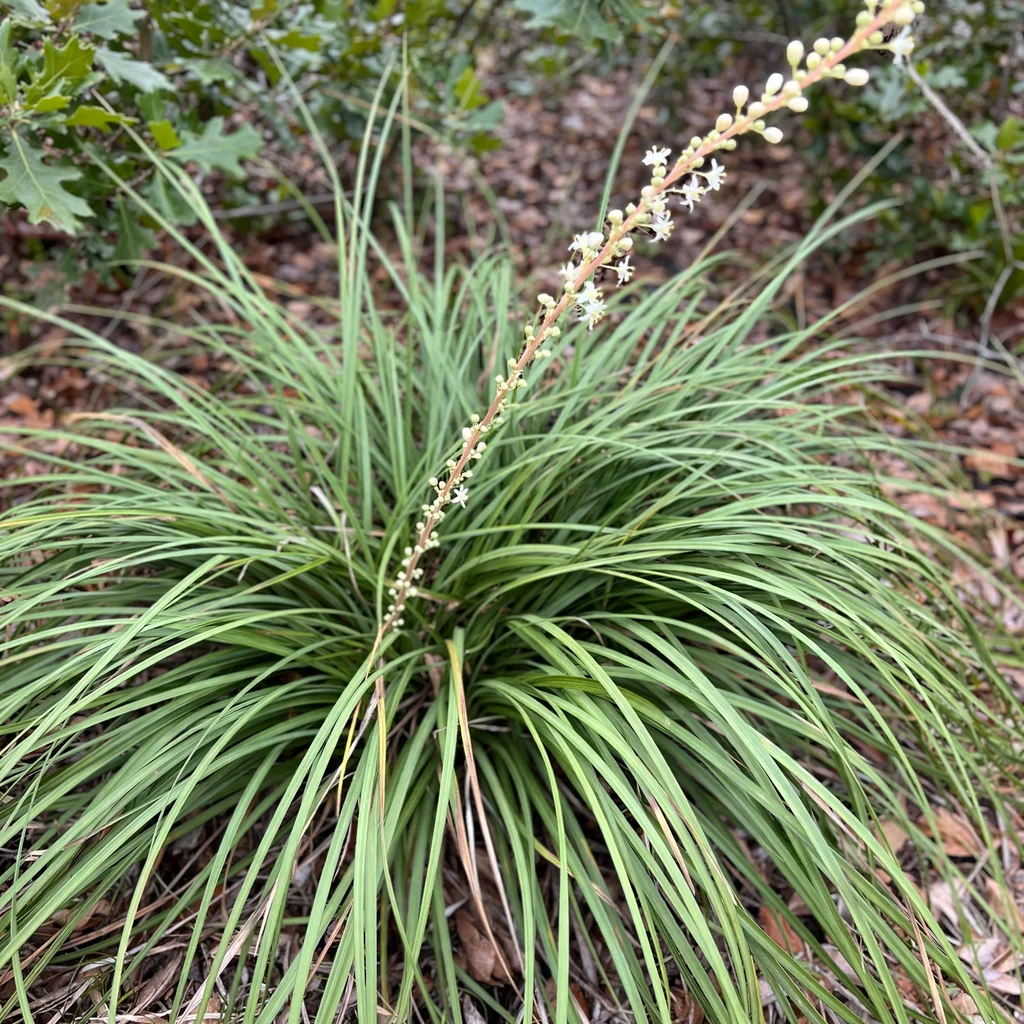
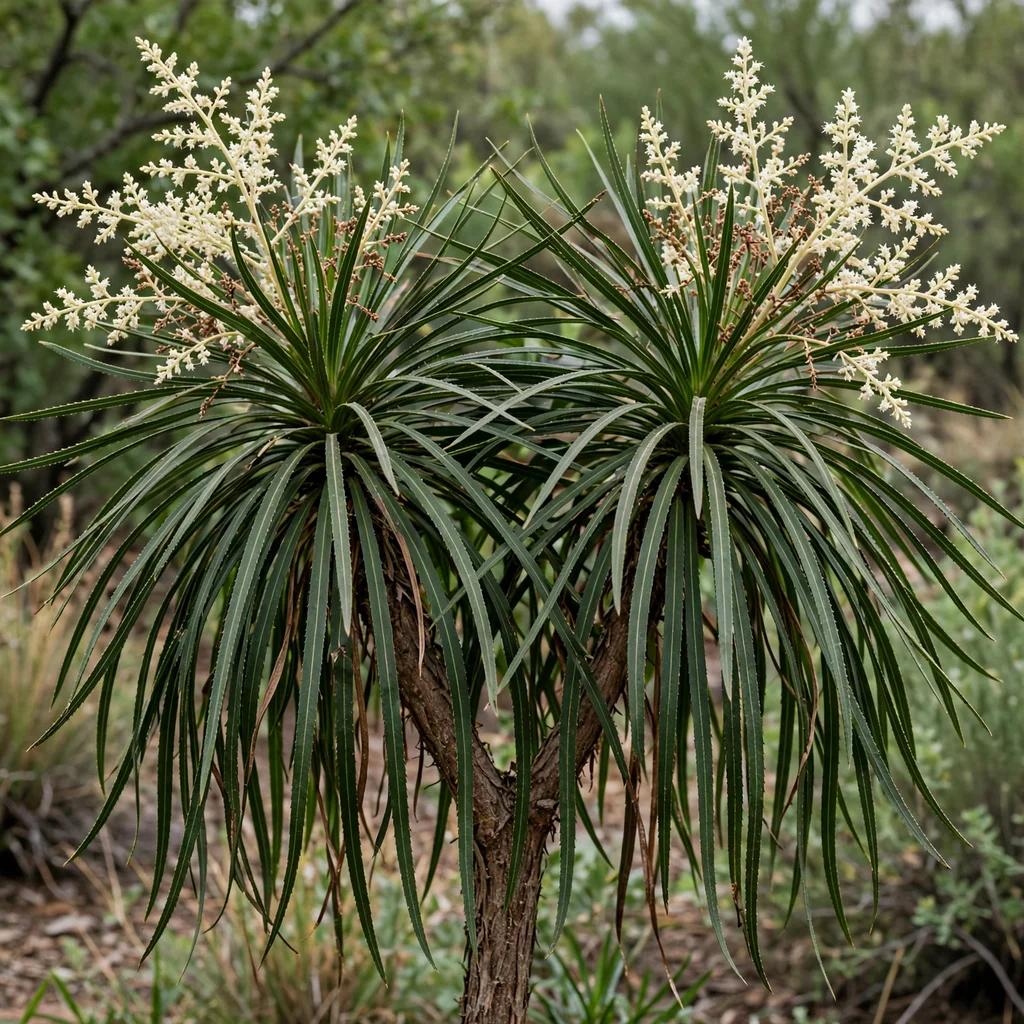
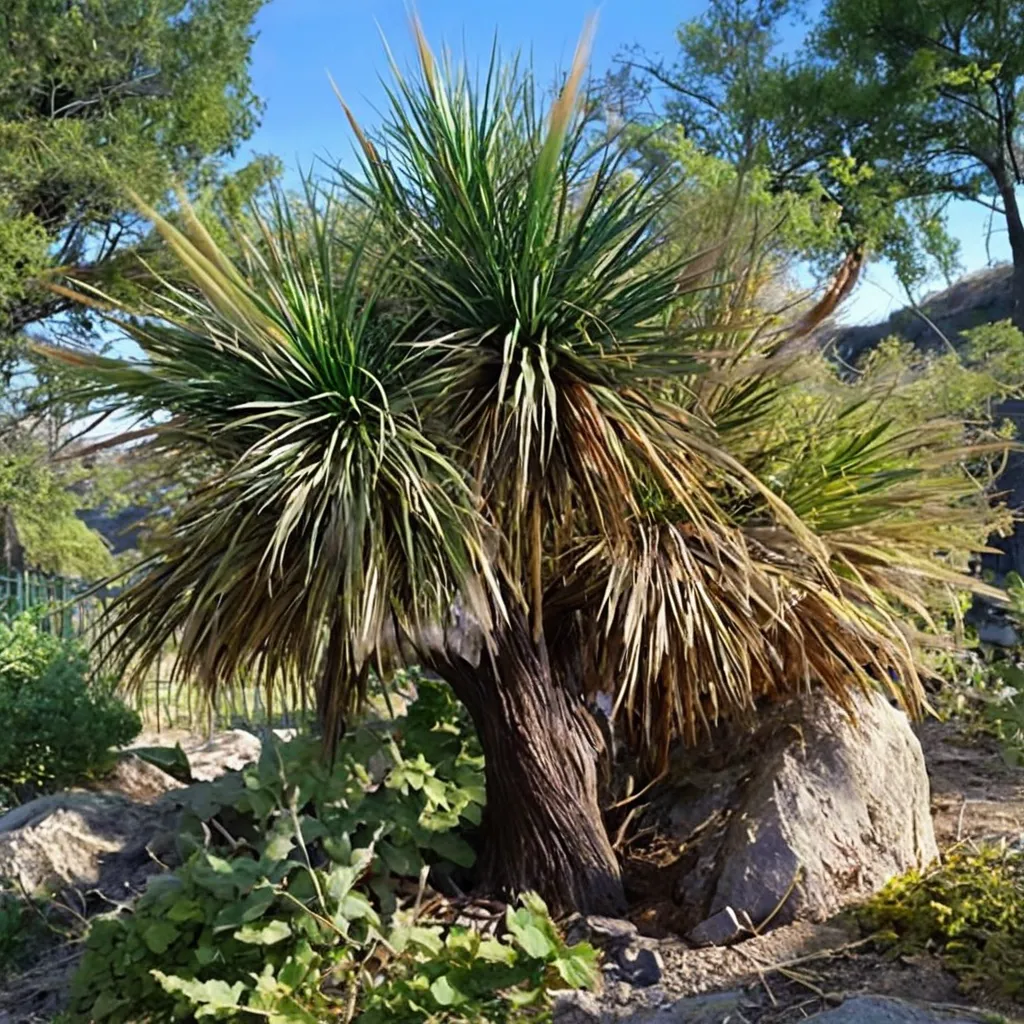
3 species of Nolina
Each one is a parent of the varieties above.
Track your Nolina in Sow
Save the Nolina you grow and get care reminders timed to your zone.
How to grow Nolina
Whats common across all Nolina varieties in our catalog — drawn from the care records of the 17 most-grown of them.
The Nolina year
- PlantApril, May, October and November76% of varieties
Plant in well-draining soil in spring or early fall.
- PruneMarch and April71% of varieties
Use caution; remove only dead or damaged leaves near the base.
- Spring CleanupMarch and April53% of varieties
Remove old flower stalks and any dead leaf tips from the clump.


Do
- Water deeply but infrequently 🌱
- Prune dead leaves to maintain shape
- Prune dead or damaged leaves as needed
- Use cactus or succulent fertilizer monthly during growing season
- Mulch to conserve moisture
Avoid
- Overwater, which can cause root rot ❌
- Overwater in winter ❌
- Expose to excessive shade
- Overwater during winter ❌
What goes wrong with Nolina
| Problem | What you'll see | What to do |
|---|---|---|
| Mealybugs | White cottony masses on leaves | Apply insecticidal soap or neem oil |
| Scale insects | Small bumps on leaf surfaces | Use horticultural oil or insecticidal soap |
| Aphids | Small colonies cluster on the flower stalk and leave sticky honeydew; rarely serious on this tough rosette. | Wash off with a strong jet of water and preserve lady beetles. |
| Root rot | Wilting and browning at base | Improve drainage and reduce watering |
| Root and trunk rot | Soft trunk base and blackened lower leaves in wet soil | Improve drainage, withhold water until soil is dry through the root zone, and discard plants with collapsed trunks. |
| Crown and root rot | Central leaves yellow and collapse when the rootstock sits wet in poorly drained soil. | Plant high in sand, withhold irrigation, and remove rotted leaves to dry the crown. |
Making more Nolina
Division
- Dig up mature clump in early spring
- Separate offsets with a sharp knife
- Plant divisions in well-draining soil
- Water lightly after planting
- Allow 6 weeks to establish
Seed
- Tuck seeds into well-draining soil in spring
- Keep soil moist for 2 weeks
- Transplant seedlings after 6 weeks
Nolina questions
How many types of Nolina are there?
The Sow catalog tracks 17 distinct Nolina varieties. The most popular — ranked by 148 real gardeners — are shown first above.
What zones does Nolina grow in?
Across its varieties, Nolina covers USDA Zones 5–10. Individual varieties differ — each plant page lists its exact range, and Sow filters the catalog to your zone automatically.
When does Nolina bloom?
Most Nolina varieties bloom from late spring to late summer. Mixing early and late varieties stretches the season from spring to fall.
Which Nolina should I choose?
Start from the most-saved varieties above — popularity across thousands of gardens is a strong signal of reliability — then filter by your zone and sun. In the Sow app you can preview any of them in a photo of your actual yard before you buy.