75 saves
Osmanthus
We track 13 varieties; the ones most used by real gardeners.
The 13 most-saved Osmanthus varieties
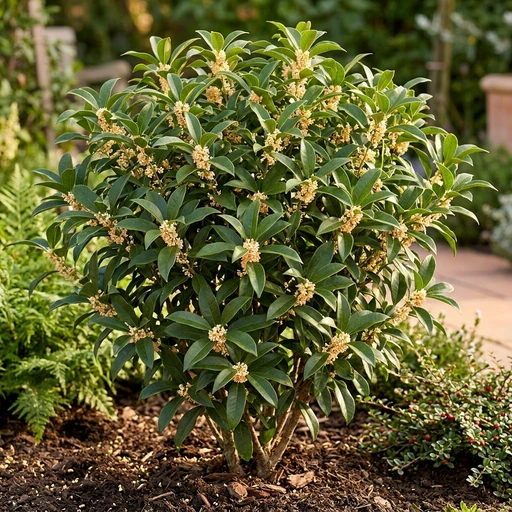
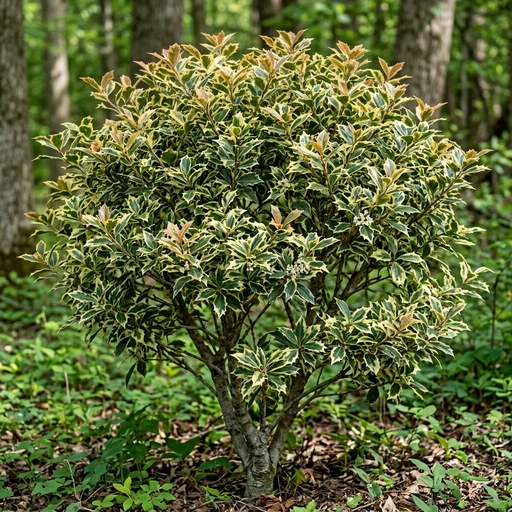
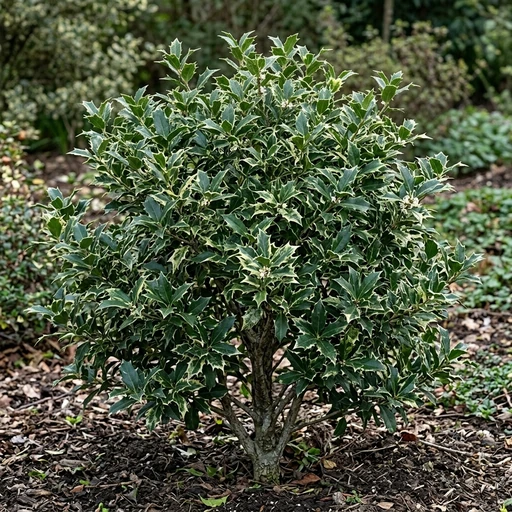
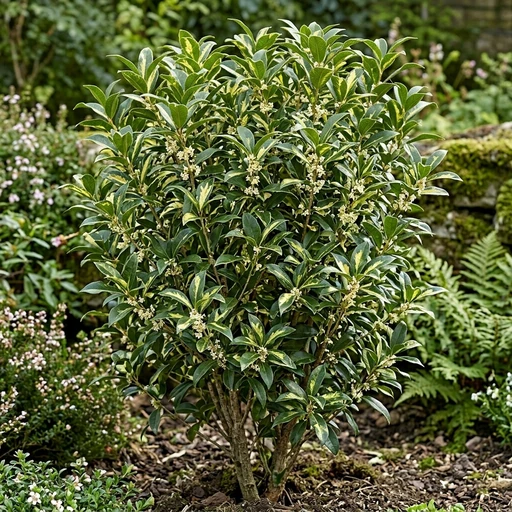
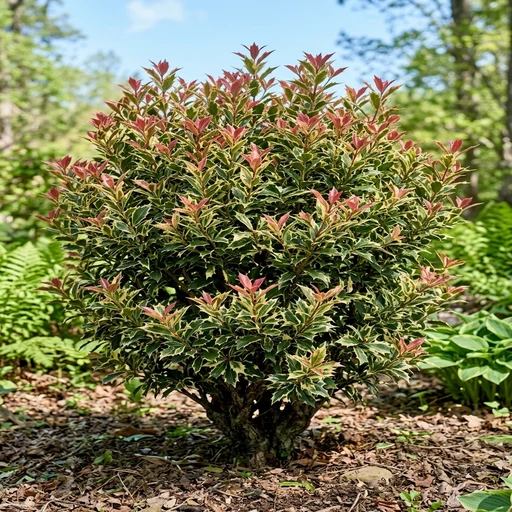
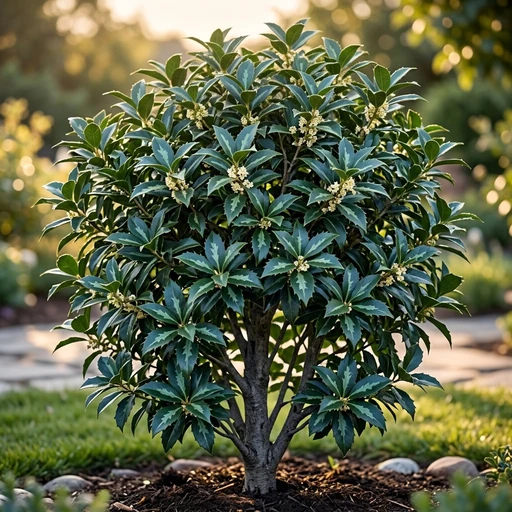
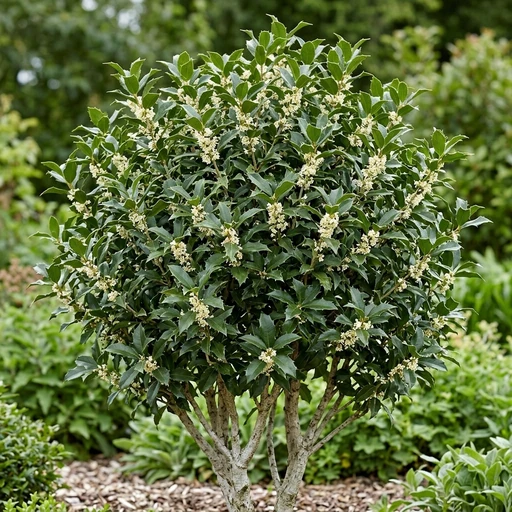
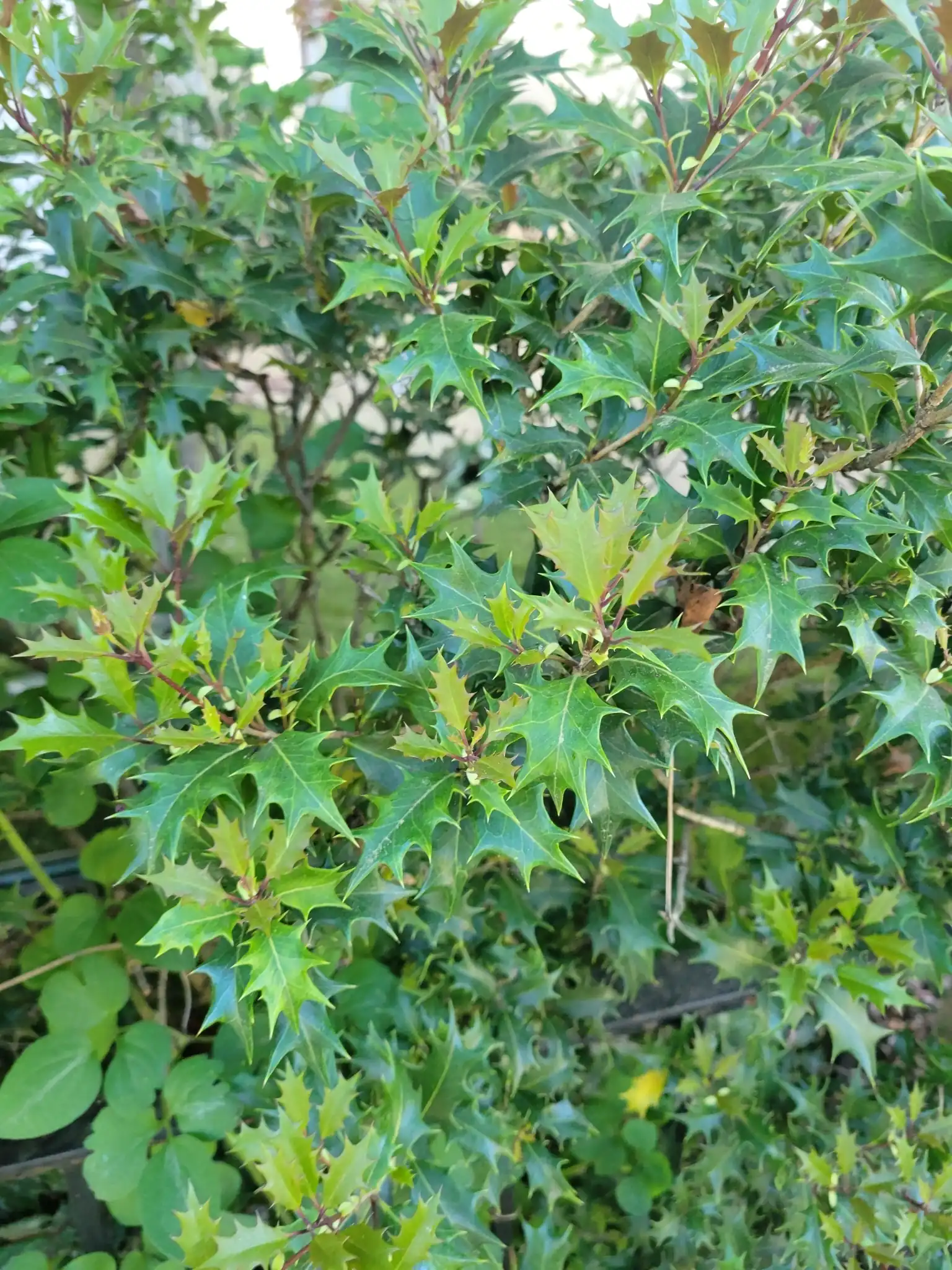
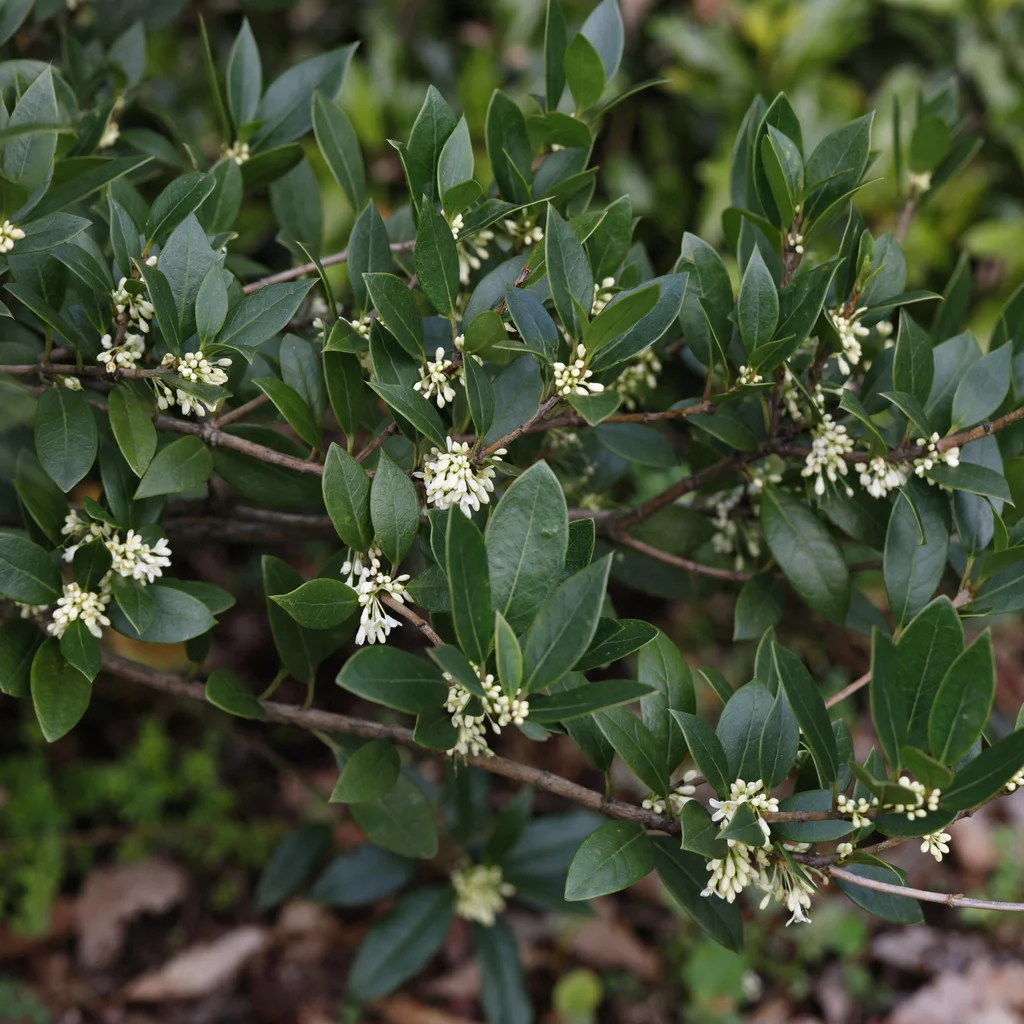
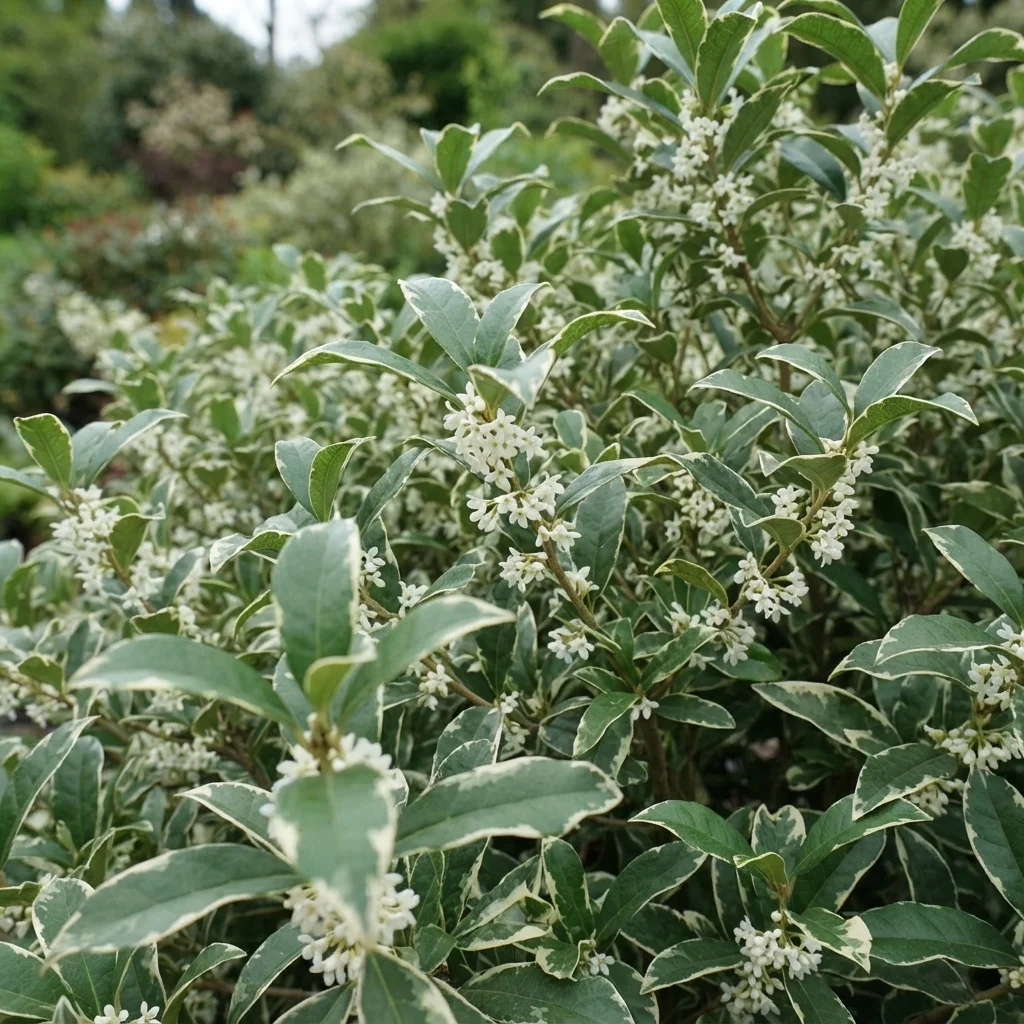
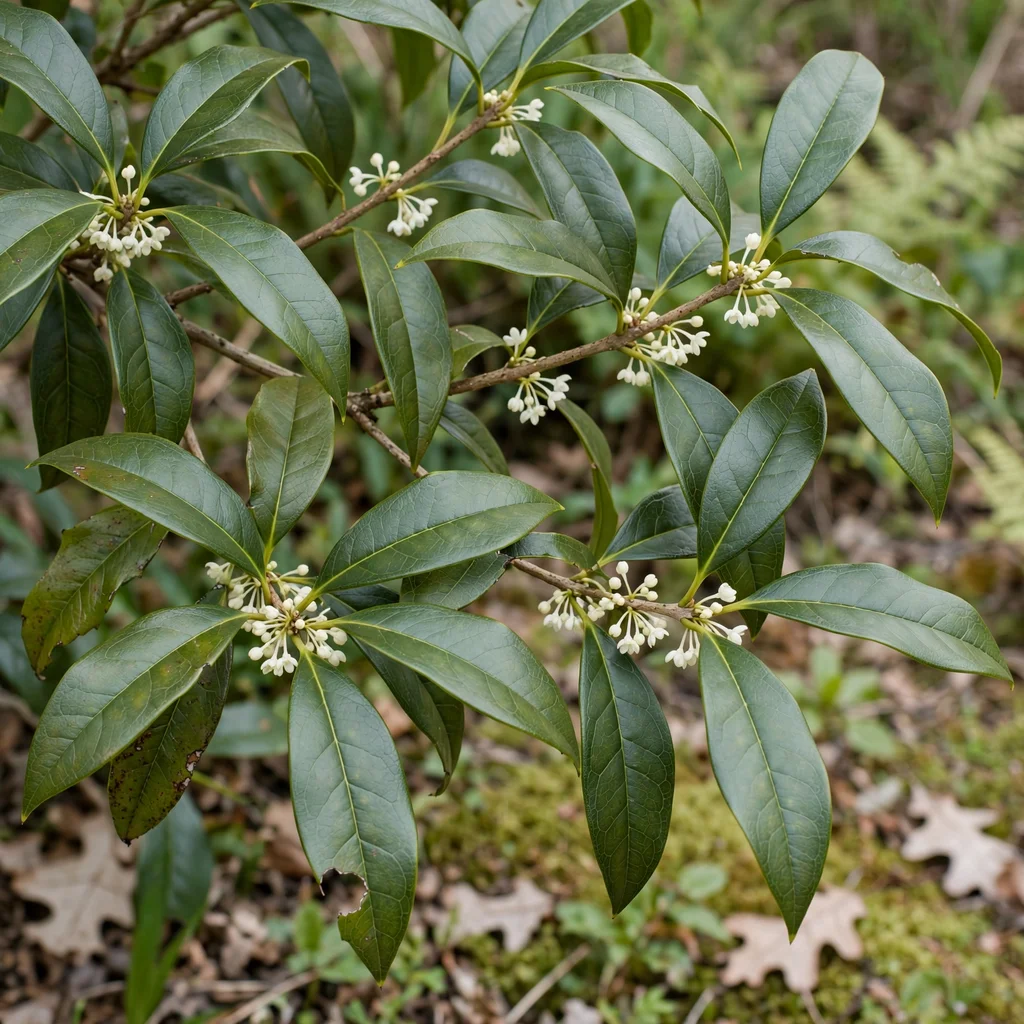
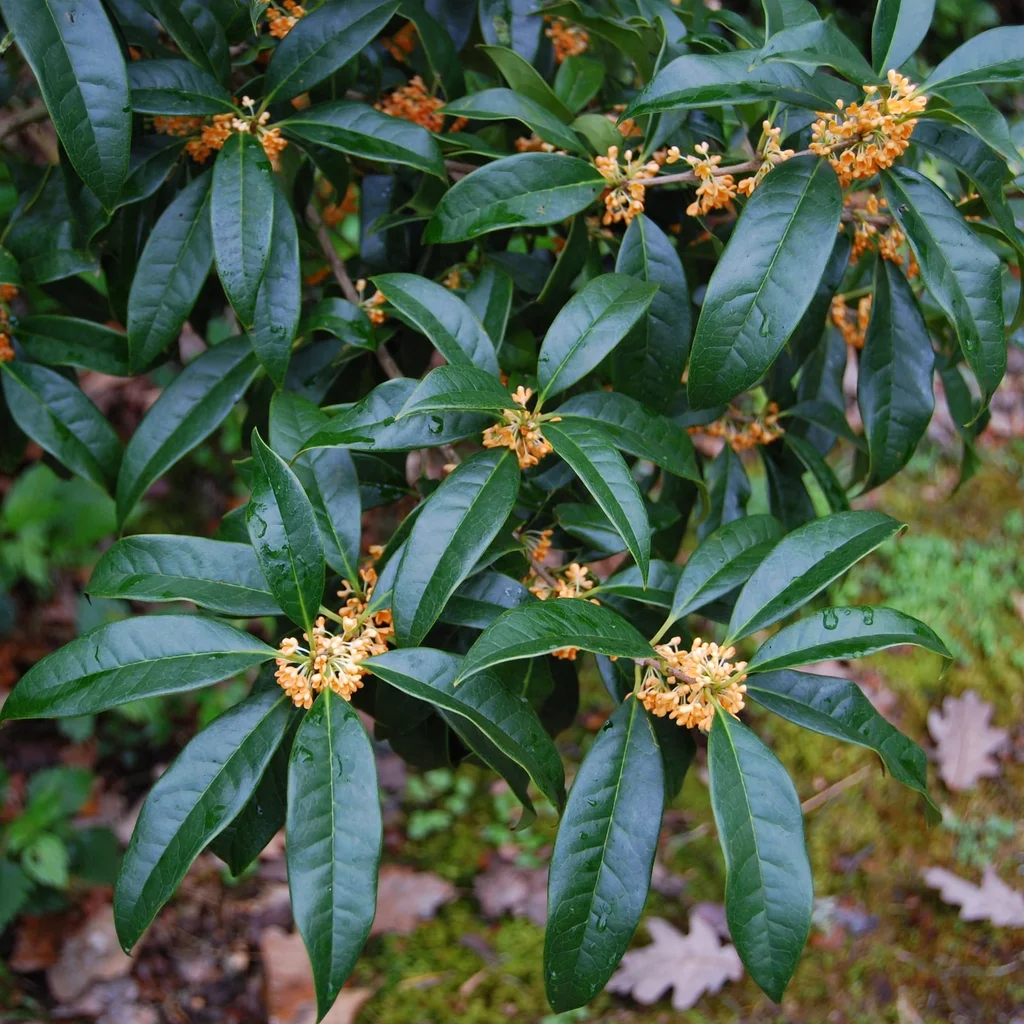
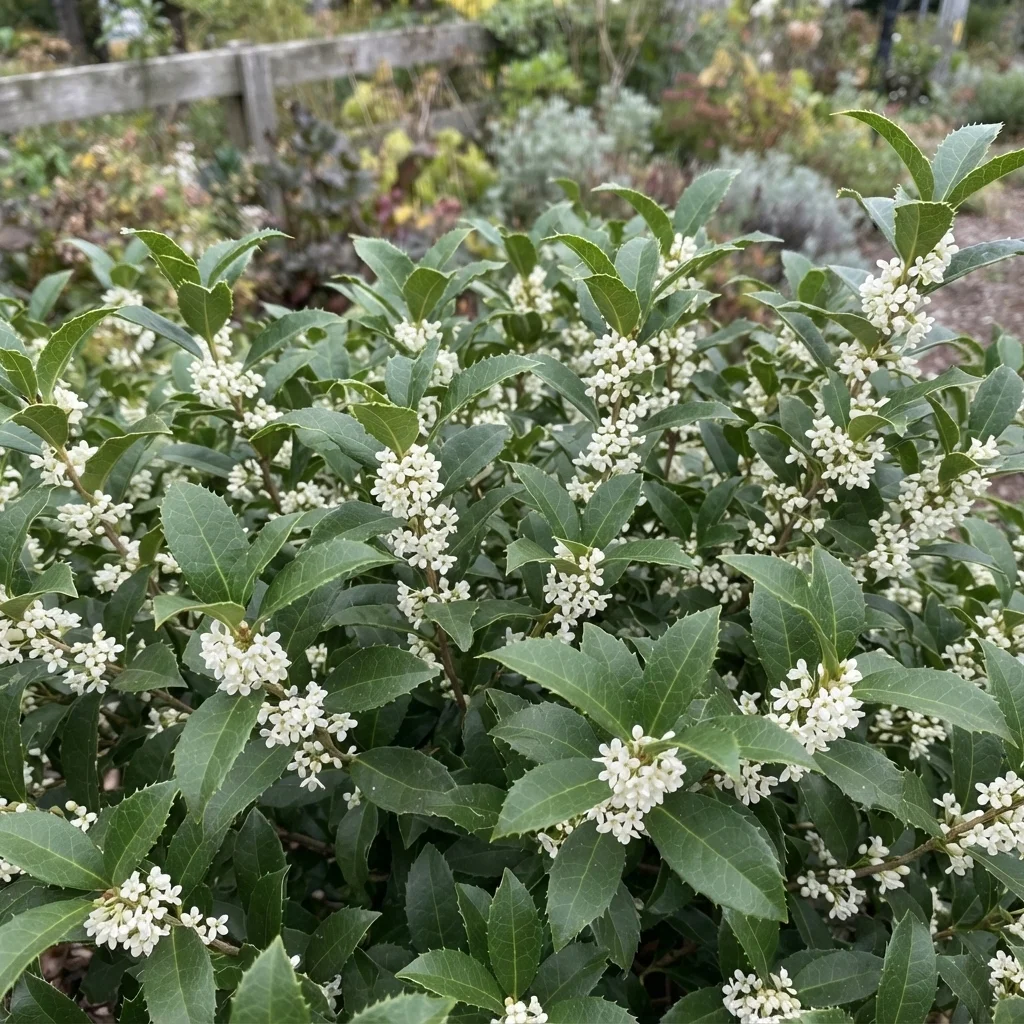
4 species of Osmanthus
Each one is a parent of the varieties above.
Track your Osmanthus in Sow
Save the Osmanthus you grow and get care reminders timed to your zone.
How to grow Osmanthus
Whats common across all Osmanthus varieties in our catalog — drawn from the care records of the 13 most-grown of them.
The Osmanthus year
- PruneApril100% of varieties
Prune lightly immediately after the primary fall or spring flush. Avoid cutting into old wood.
- FertilizeMarch and April92% of varieties
Apply a balanced, slow-release evergreen fertilizer once annually in early spring.
- Check for PestsJune and July54% of varieties
Inspect leaf undersides for aphids, scale insects, and spider mites.
- MulchMay and November46% of varieties
Apply a 2-inch layer of organic mulch around the root zone to conserve moisture and protect roots from winter temperature swings.


Do
- Protect from harsh winter winds in the northern end of its range.
- Water regularly during dry spells to maintain soil moisture while the root system establishes.
- Apply a balanced, slow-release evergreen fertilizer once annually in early spring.
- Provide afternoon shade in hot southern climates to prevent foliage scorch.
- Prune immediately after the spring bloom to preserve next year's flower buds.
Avoid
- Don't plant in waterlogged or consistently wet soil.
- Do not plant in poorly drained, waterlogged soils, which quickly leads to root rot.
- Avoid heavy annual pruning, as flower buds form on old wood.
- Never shear the plant into old, leafless wood.
What goes wrong with Osmanthus
| Problem | What you'll see | What to do |
|---|---|---|
| Scale Insects | Small, immobile bumps on stems and undersides of leaves; sticky honeydew. | Apply horticultural oil during the dormant season. Use a systemic insecticide for heavy infestations. |
| Scale insects | Waxy, immobile bumps appear on stems and leaf undersides, causing foliage yellowing. | Apply horticultural oil during the dormant season or treat active crawlers. |
| Spider mites | Fine webbing and dusty stippling on foliage under hot, dry conditions. | Increase humidity and spray foliage with insecticidal soap or miticide. |
| Aphids | Sucking pests cluster on new light green growth, causing leaf curling and sticky honeydew. | — |
| Root rot | Foliage wilts, turns yellow, and drops due to poorly drained, waterlogged soils. | Plant in well-drained locations and avoid overwatering. |
| Cercospora Leaf Spot | Brown or tan spots on leaves, sometimes with a dark border. | Improve air circulation. Remove and destroy infected leaves. Fungicides are rarely necessary. |
| Root Rot | Wilting, yellowing leaves, and overall decline in vigor, caused by overly wet soil. | Ensure excellent drainage at planting time. Reduce watering frequency. There is no cure once rot is advanced; prevention is essential. |
Making more Osmanthus
Semi-hardwood cuttings
- Take 4- to 6-inch cuttings from semi-hardwood stems in mid-to-late summer.
- Remove the lower leaves, leaving only the top two or three pairs.
- Dip the cut base in a rooting hormone powder or liquid.
- Insert into a moist, well-draining propagation mix and maintain high humidity.
Semi-hardwood Cuttings
- Take 4-6 inch cuttings in late summer.
- Remove lower leaves and wound one side of the base.
- Dip in rooting hormone and place in a moist potting mix.
- Keep humid; rooting may take 2-3 months.
Osmanthus questions
How many types of Osmanthus are there?
The Sow catalog tracks 13 distinct Osmanthus varieties. The most popular — ranked by 75 real gardeners — are shown first above.
What zones does Osmanthus grow in?
Across its varieties, Osmanthus covers USDA Zones 5–10. Individual varieties differ — each plant page lists its exact range, and Sow filters the catalog to your zone automatically.
When does Osmanthus bloom?
Most Osmanthus varieties bloom in early fall, fall, spring. Staggering early, mid, and late varieties extends the genus's season in one bed.
Which Osmanthus should I choose?
Start from the most-saved varieties above — popularity across thousands of gardens is a strong signal of reliability — then filter by your zone and sun. In the Sow app you can preview any of them in a photo of your actual yard before you buy.