Also known as Stonecrop · 167 saves
Phedimus
Phedimus, the genus most gardeners know as stonecrop. We track 8 varieties; the ones most used by real gardeners.
The 8 most-saved Phedimus varieties
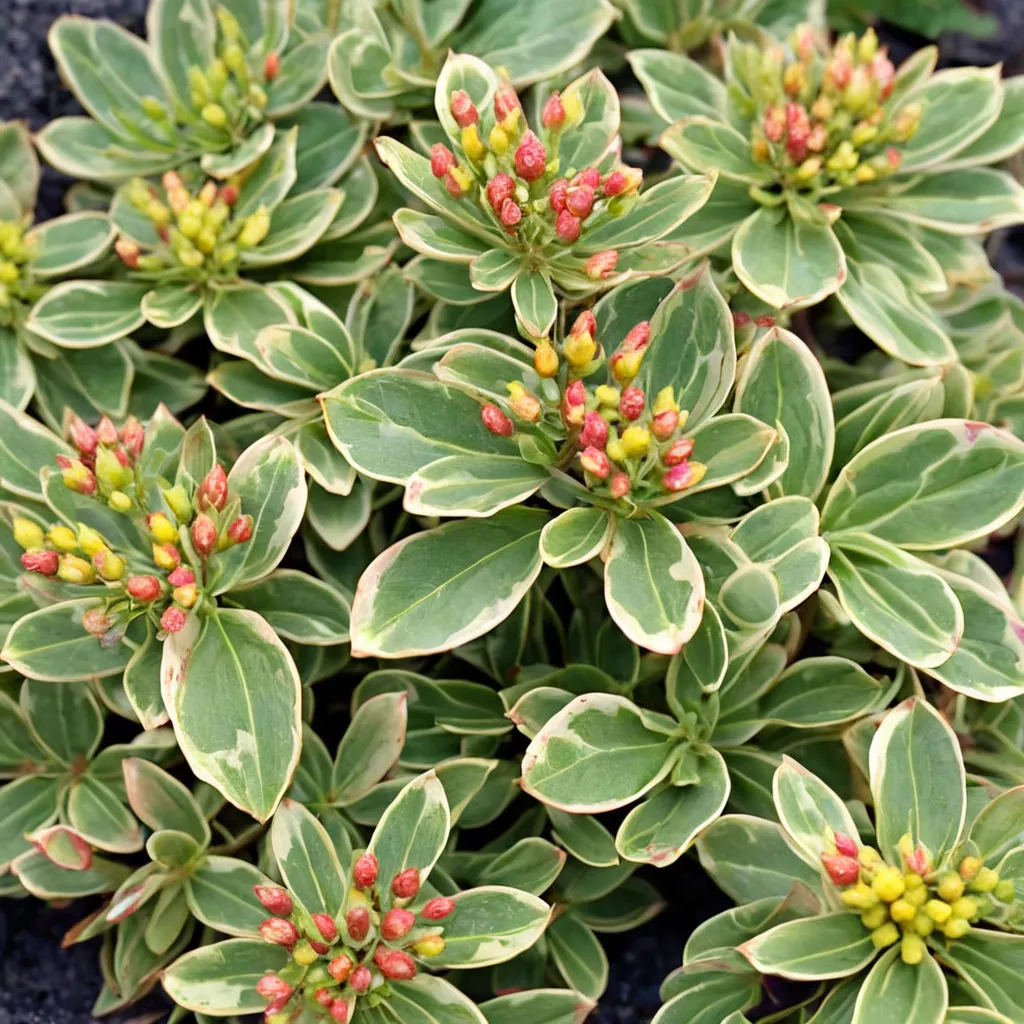
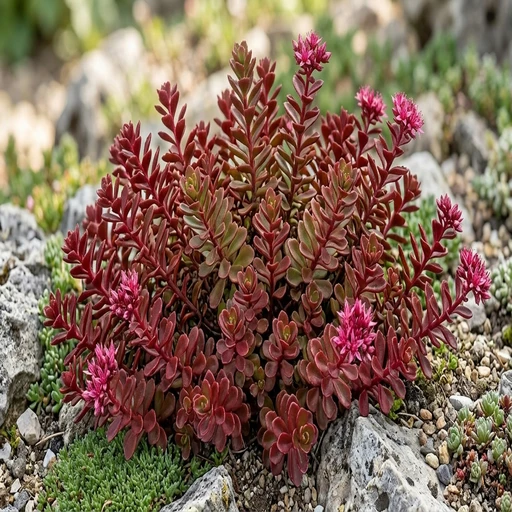
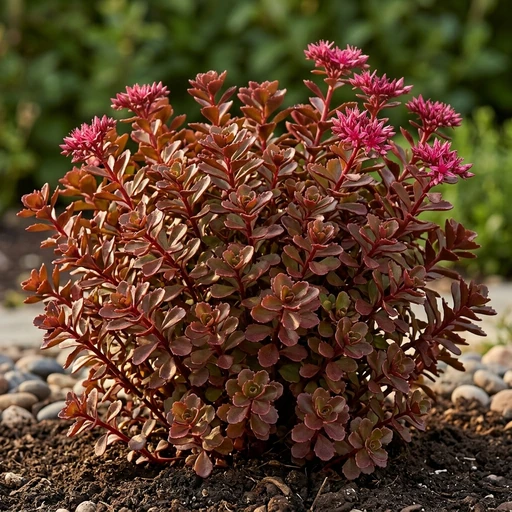
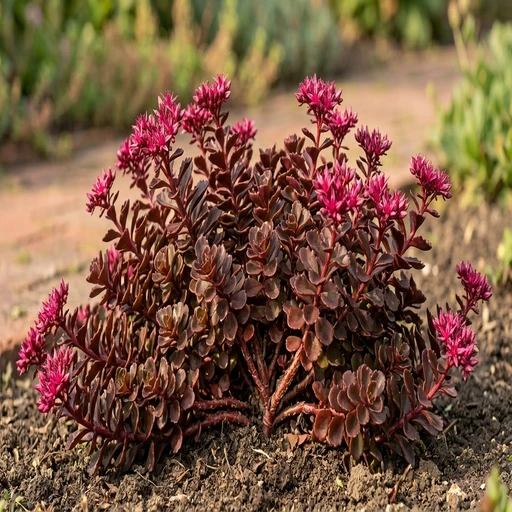
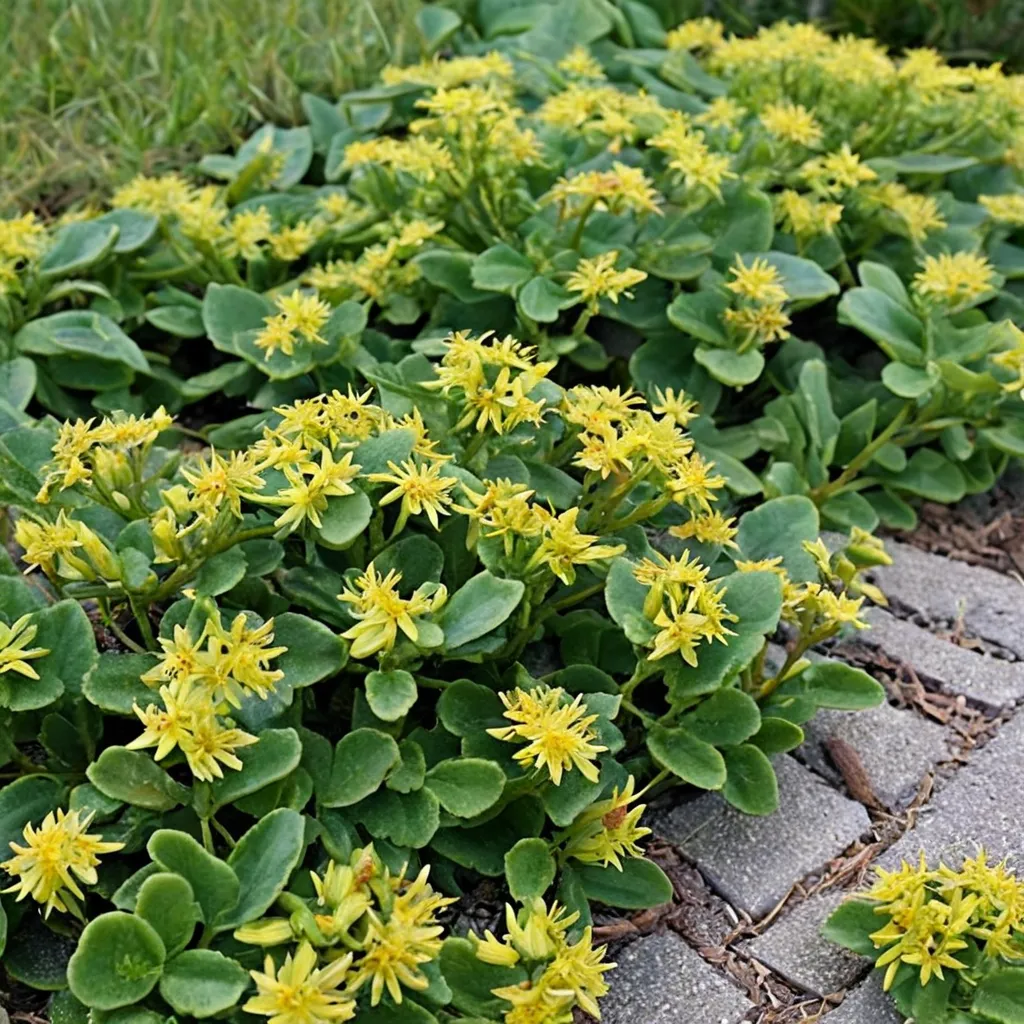
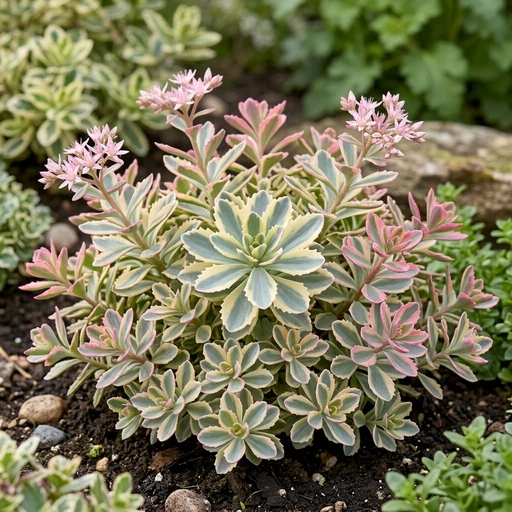
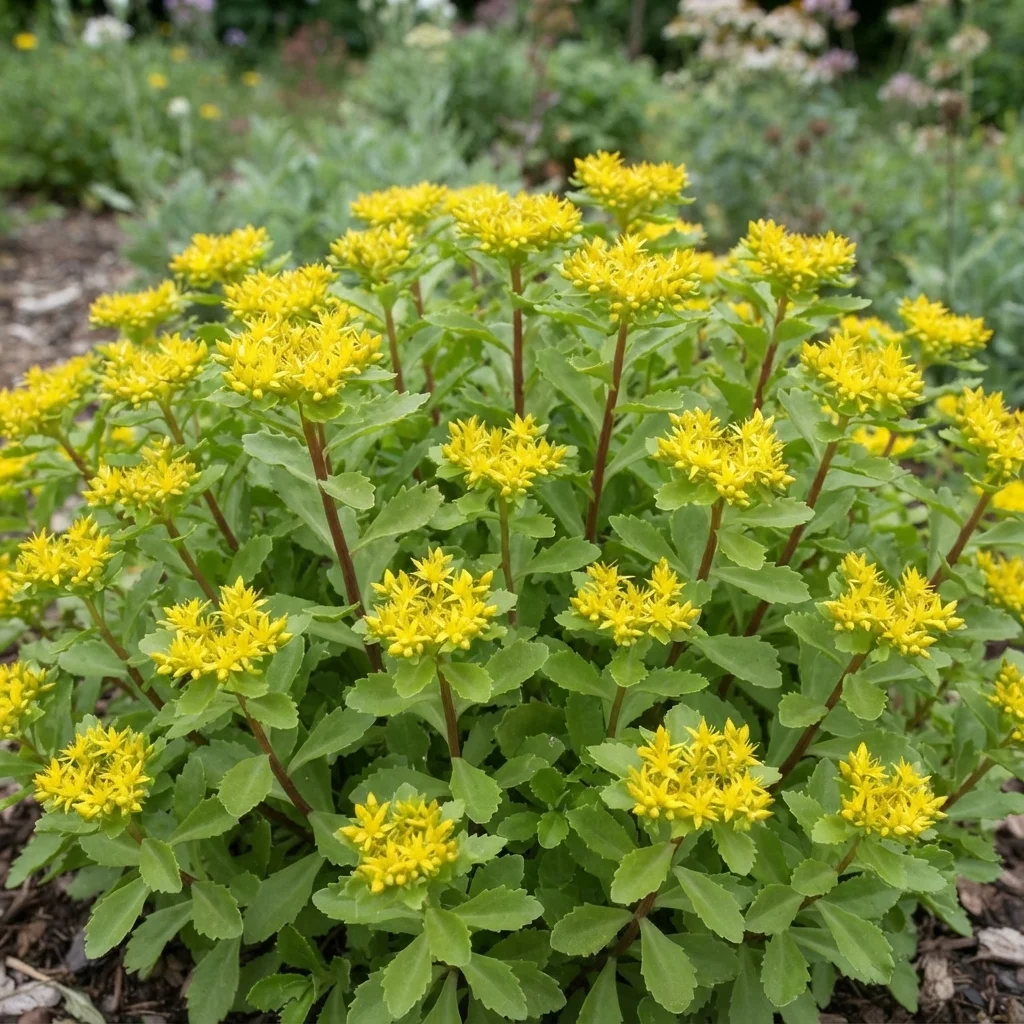
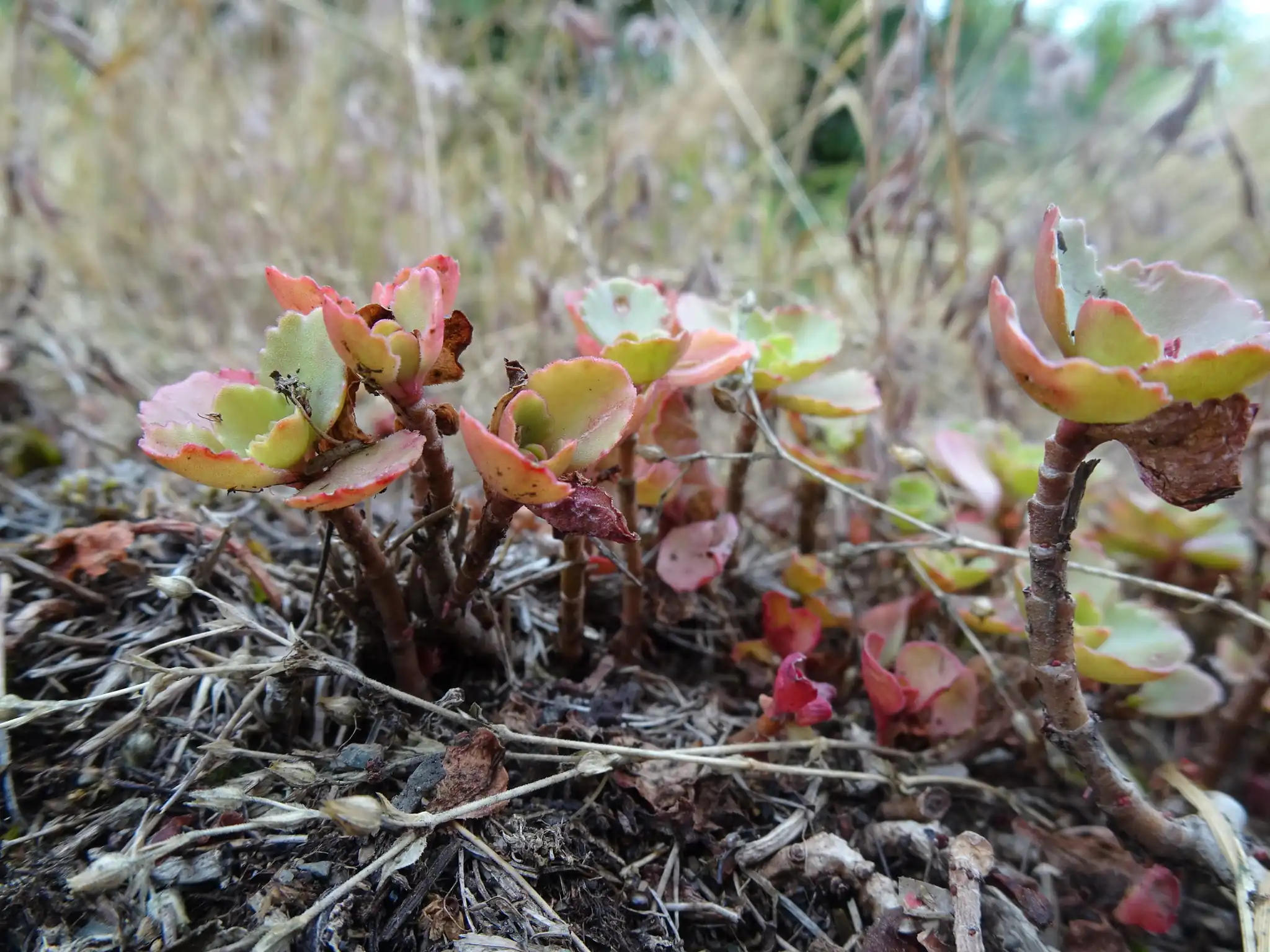
3 species of Phedimus
Each one is a parent of the varieties above.
Track your Phedimus in Sow
Save the Phedimus you grow and get care reminders timed to your zone.
How to grow Phedimus
Whats common across all Phedimus varieties in our catalog — drawn from the care records of the 8 most-grown of them.
The Phedimus year
- PlantApril, May, June, September and October63% of varieties
Plant in spring or fall, allowing roots to establish.
- PropagateJune–August50% of varieties
Take stem cuttings in spring or summer; they root very easily.
- DivideMay50% of varieties
Divide clumps every 3-4 years in spring to rejuvenate and control spread.
- Spring CleanupApril38% of varieties
Tidy up any winter damage; plants are self-sufficient.


Do
- Allow the soil to dry out completely between waterings.
- Shear back after flowering if desired to tidy the plant.
- Provide at least 6 hours of direct sun for best color.
- Ensure excellent drainage; amend soil if necessary.
- Give it sharp drainage 🌵
Avoid
- Do not overwater, as this is the primary cause of failure.
- Do not plant in shade, which results in green, leggy growth.
- Do not use rich fertilizers; it thrives in lean soil.
- Avoid planting in heavy clay soil that stays wet.
What goes wrong with Phedimus
| Problem | What you'll see | What to do |
|---|---|---|
| Aphids | Small insects clustered on new growth or flower buds. | A strong spray of water can dislodge them. Use insecticidal soap for heavier infestations. |
| Slugs and Snails | Irregular holes chewed in the fleshy leaves. | Use diatomaceous earth around plants or iron phosphate baits. Hand-pick at night. |
| Mealybugs | White cottony spots on leaves | Apply insecticidal soap or neem oil |
| Generally pest-free | No significant insect damage is typical | Monitor only; no routine treatment needed |
| Crown Rot | Mushy, rotting stems at the soil line, leading to plant collapse. | Caused by overwatering. There is no cure. Remove affected plants, improve soil drainage, and reduce watering frequency. |
| Root rot | Wilting and blackened roots | Improve drainage, reduce watering |
| Root and stem rot | The mat blackens and dies out in patches, always in wet or poorly drained ground | Improve drainage or replant on a raised, gritty bed; there is no treatment once a patch has rotted |
Making more Phedimus
Division
- In spring or fall, lift a section of the mat-forming plant.
- Gently pull it apart into smaller pieces.
- Replant the pieces in new locations and water lightly.
- This is the easiest way to propagate large amounts.
Stem cuttings
- Break off a handful of trailing stems in spring or summer.
- Press them onto gritty soil where you want them.
- Water once; they root within a few weeks unaided.
Phedimus questions
How many types of Phedimus are there?
The Sow catalog tracks 8 distinct Phedimus varieties. The most popular — ranked by 167 real gardeners — are shown first above.
What zones does Phedimus grow in?
Across its varieties, Phedimus covers USDA Zones 4–9. Individual varieties differ — each plant page lists its exact range, and Sow filters the catalog to your zone automatically.
When does Phedimus bloom?
Most Phedimus varieties bloom in summer, mid-summer. Staggering early, mid, and late varieties extends the genus's season in one bed.
Which Phedimus should I choose?
Start from the most-saved varieties above — popularity across thousands of gardens is a strong signal of reliability — then filter by your zone and sun. In the Sow app you can preview any of them in a photo of your actual yard before you buy.