Also known as New Zealand Flax · 50 saves
Phormium
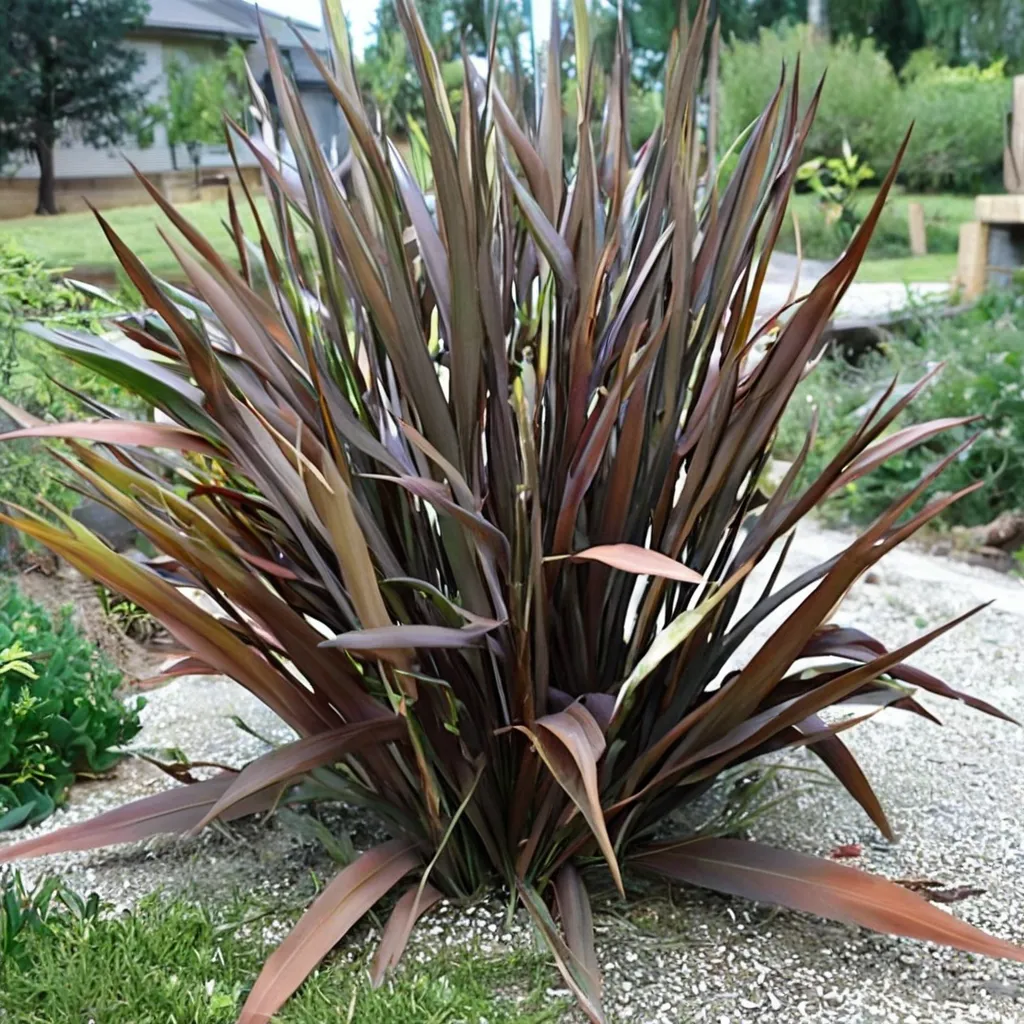
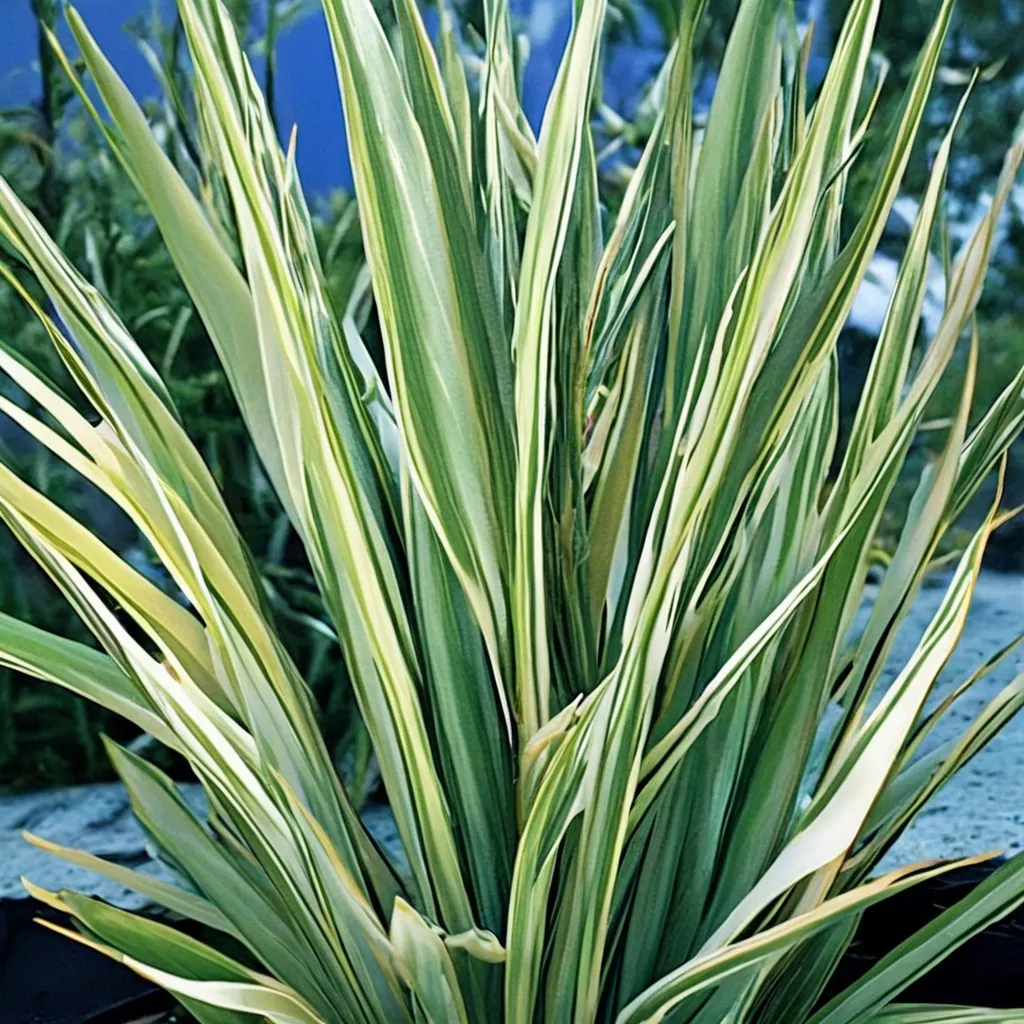
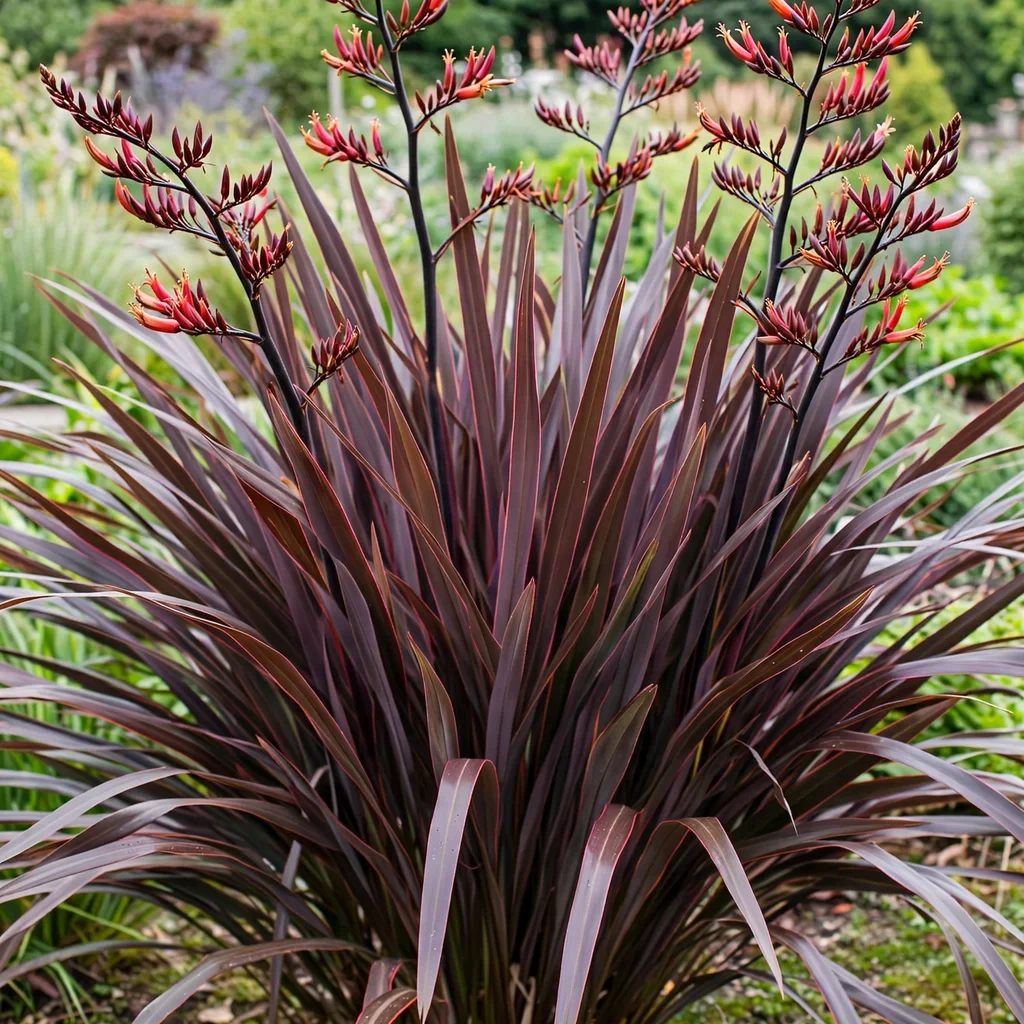
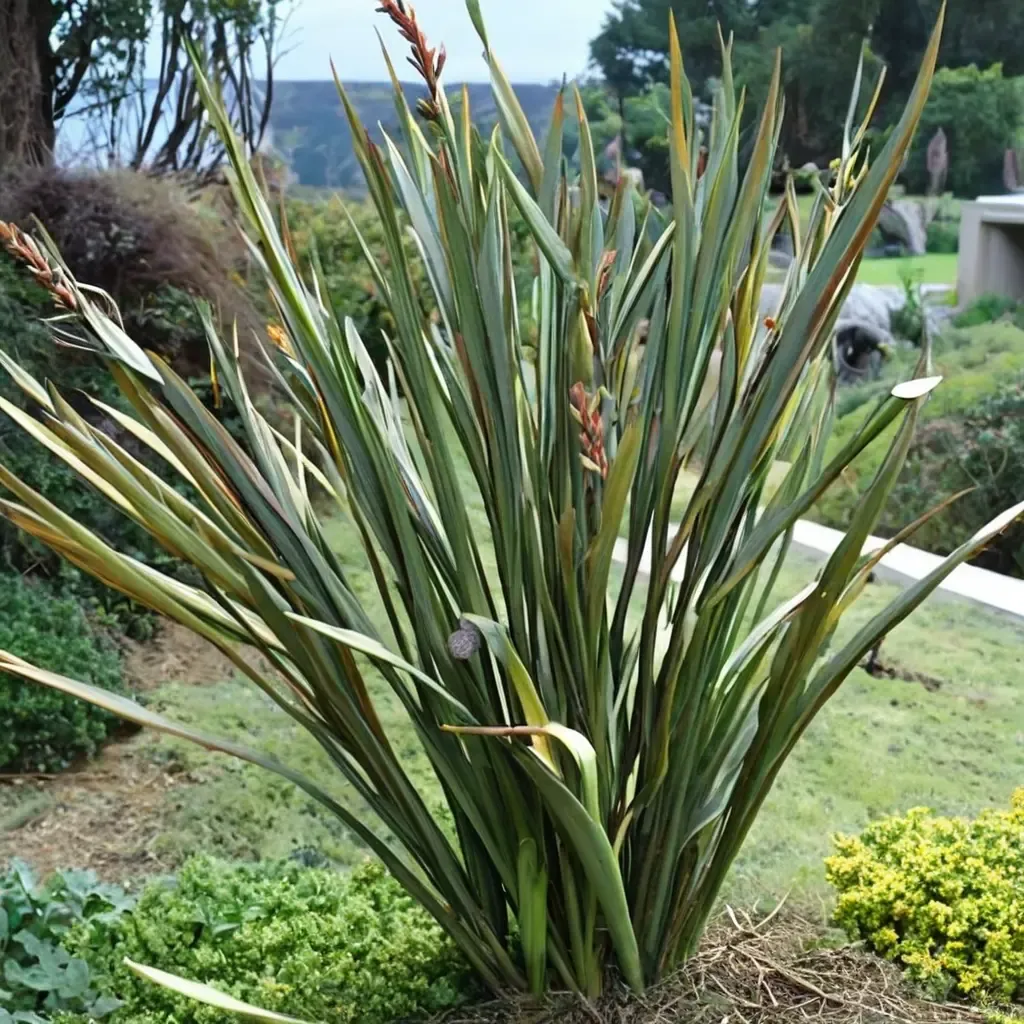
Phormium, the genus most gardeners know as new zealand flax. We track 10 varieties; the ones most used by real gardeners.
The 9 most-saved Phormium varieties
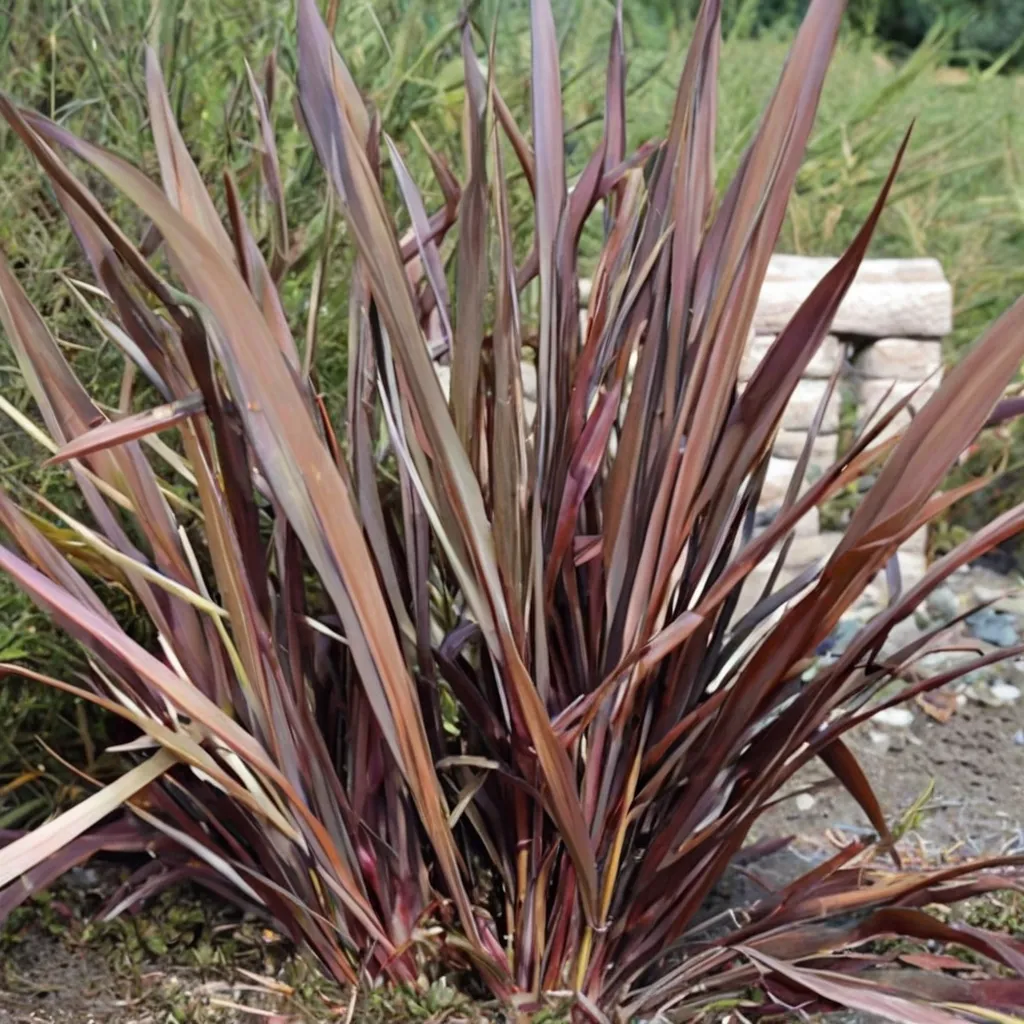
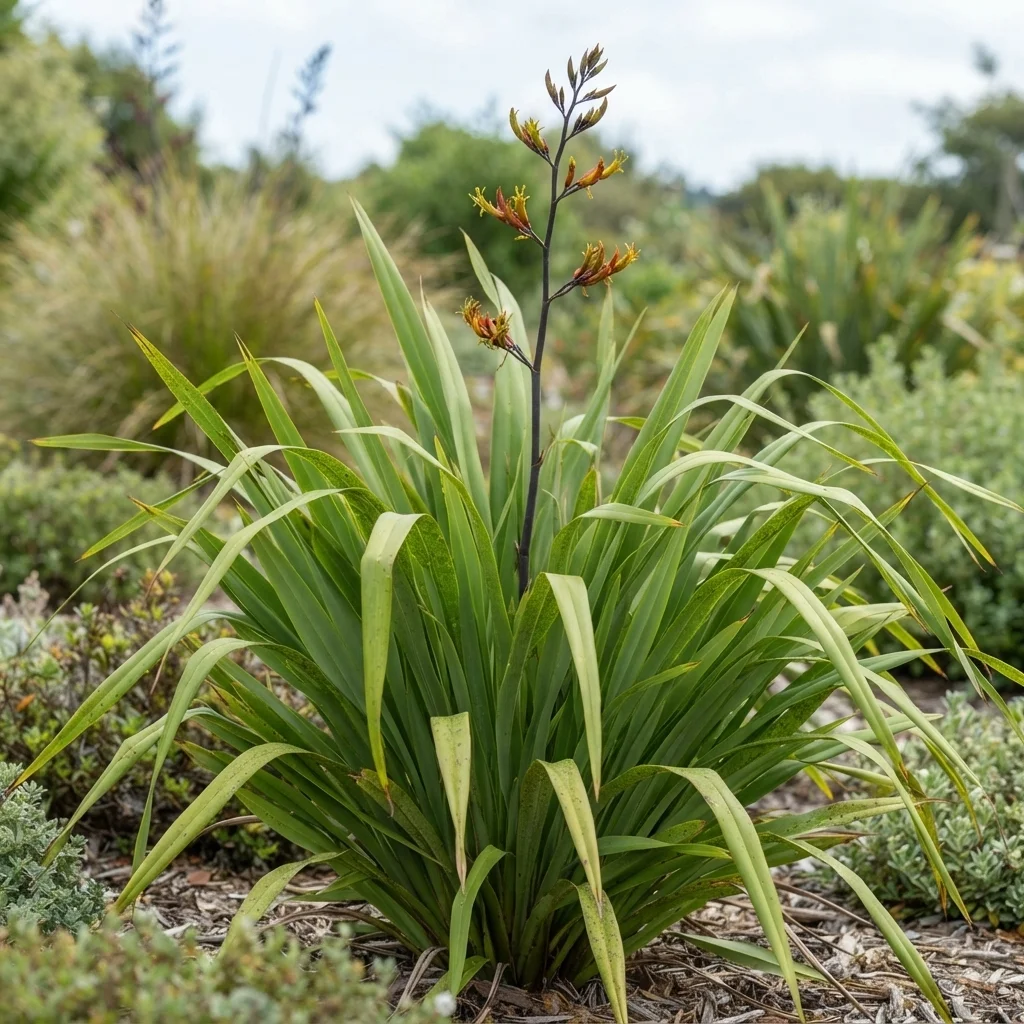
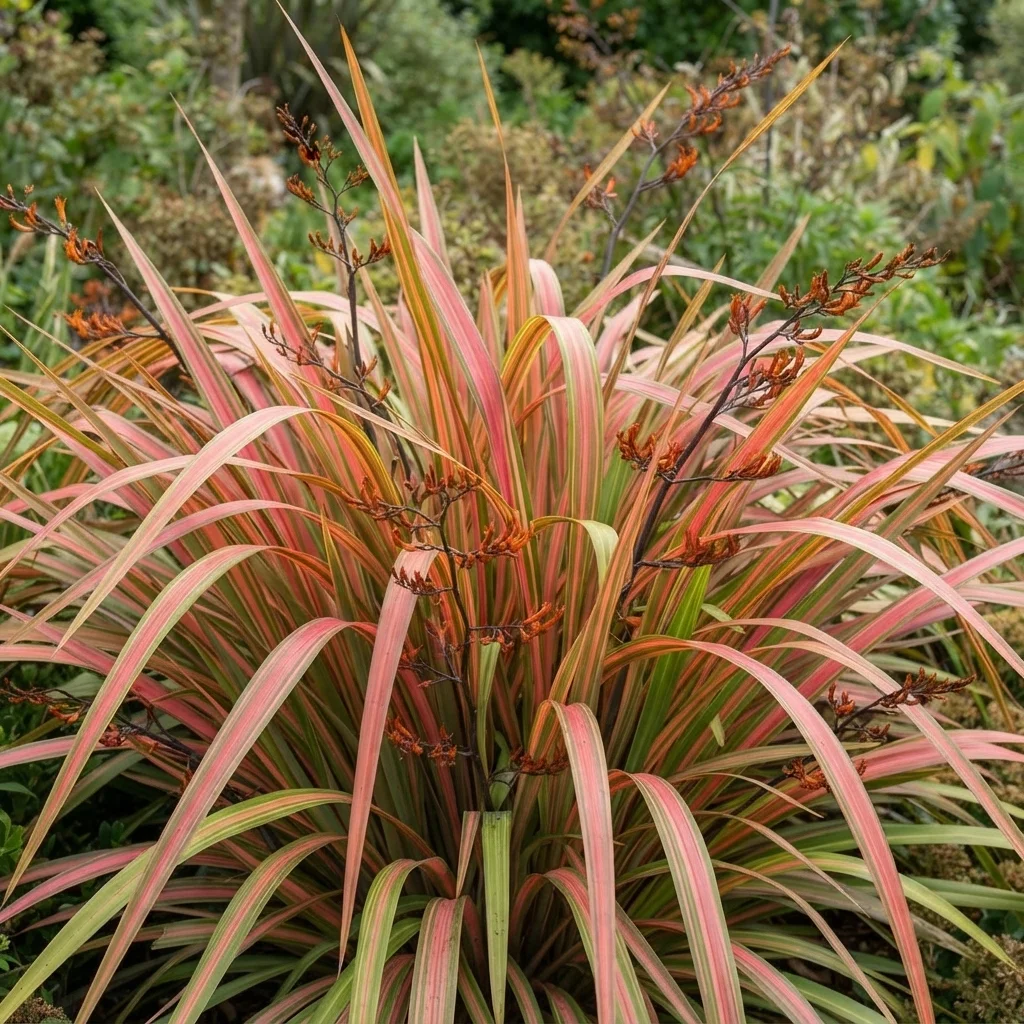
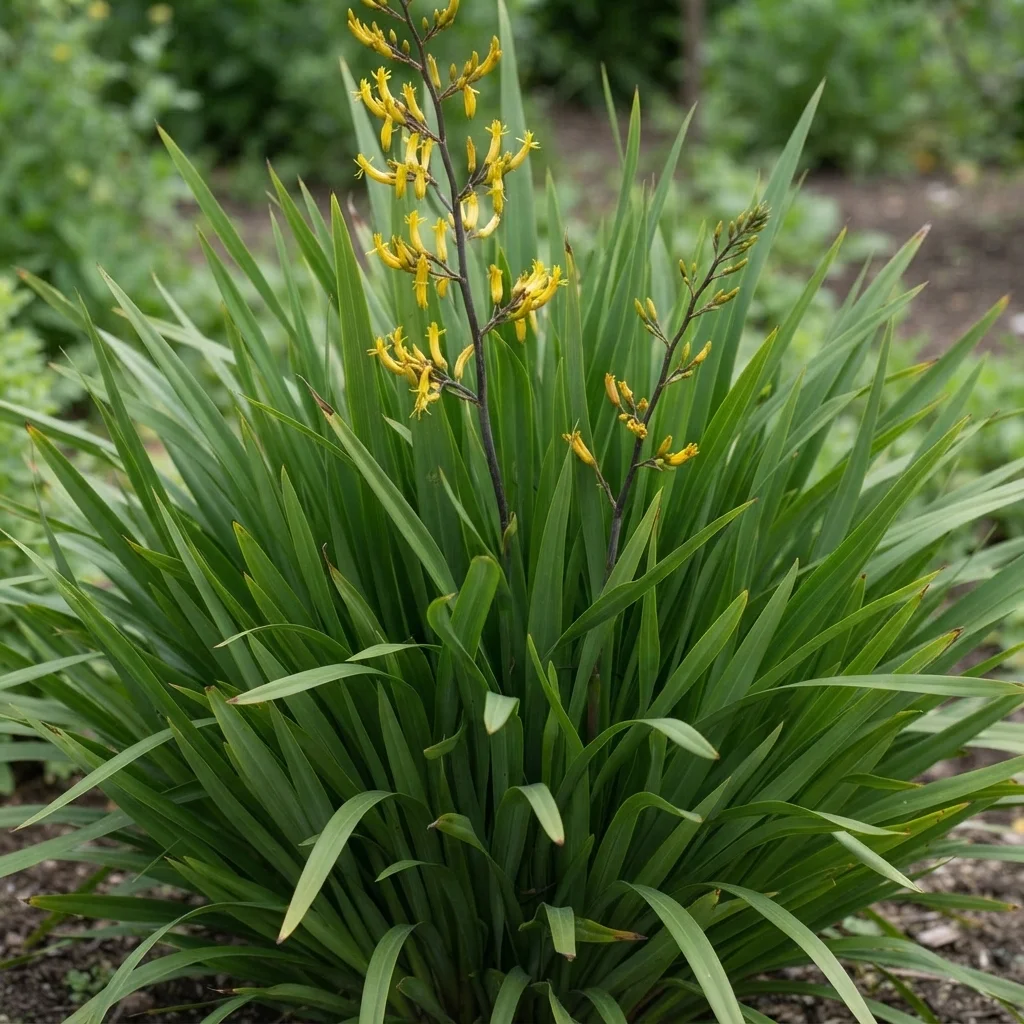
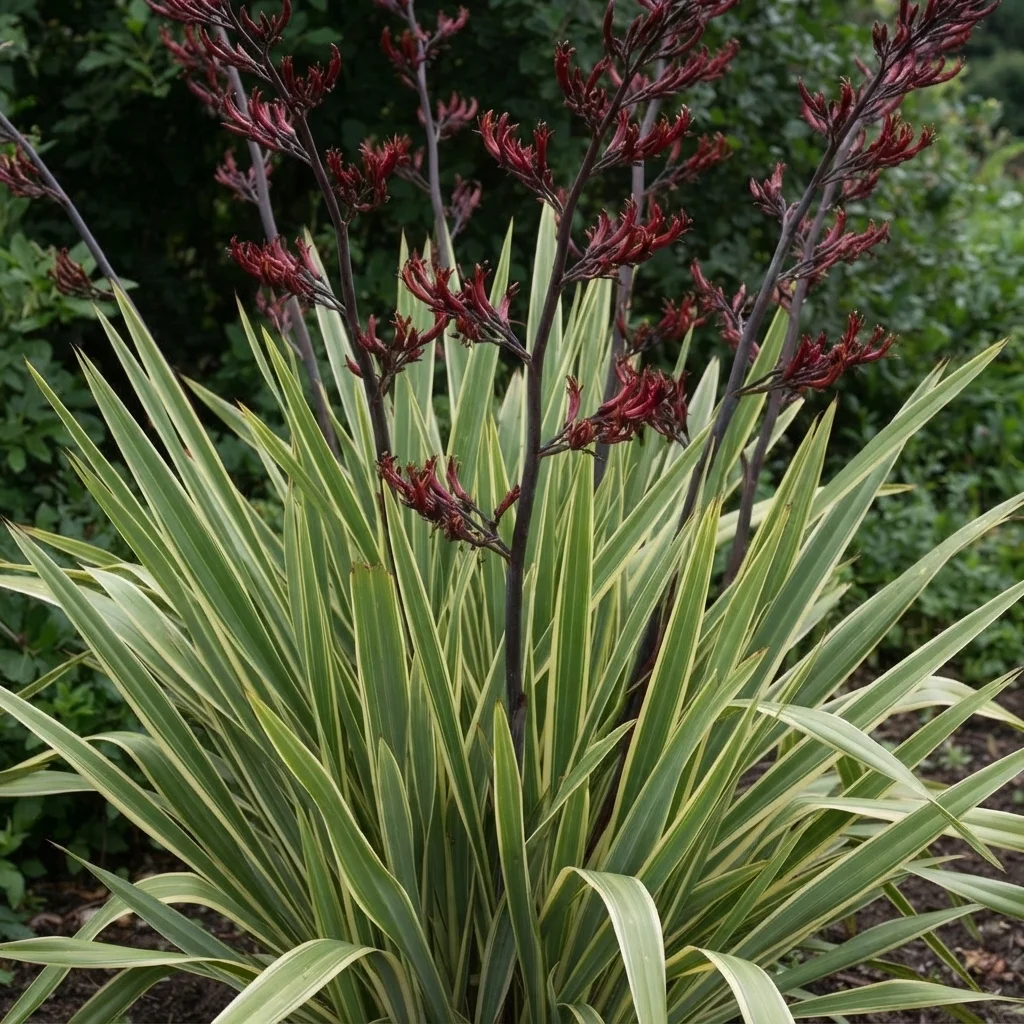
Browse all 10 Phormium varieties →
2 species of Phormium
Each one is a parent of the varieties above.
Track your Phormium in Sow
Save the Phormium you grow and get care reminders timed to your zone.
How to grow Phormium
Whats common across all Phormium varieties in our catalog — drawn from the care records of the 10 most-grown of them.
The Phormium year
- DivideMarch–May100% of varieties
Divide large, overcrowded clumps every 5-10 years.
- Spring CleanupMarch and April80% of varieties
Remove any brown or winter-damaged foliage near the base.
- FertilizeApril70% of varieties
Apply a balanced, slow-release fertilizer in early spring.
- PruneMarch and April40% of varieties
Cut out old, dead, or damaged leaves at the base to tidy the clump.
- Check for PestsJune and July40% of varieties
Inspect the tight spaces between leaf bases for mealybugs and scale.
- Winter PrepNovember and December30% of varieties
In Zone 7, mulch heavily around the crown for winter protection.


Do
- Prune dead leaves to maintain shape
- Water during dry spells 🌱
- Feed with balanced fertilizer in spring
- Remove dead or damaged leaves individually by cutting them cleanly at the very base of the plant in early spring.
- Apply a balanced, slow-release fertilizer sparingly in spring to support new foliage growth.
Avoid
- Avoid overwatering in winter ❌
- Avoid overwatering to prevent root rot ❌
- Overwater to avoid root rot ❌
- Plant in heavy clay without amendments ❌
What goes wrong with Phormium
| Problem | What you'll see | What to do |
|---|---|---|
| Mealybugs | White cottony masses on leaves | Apply insecticidal soap or neem oil |
| Scale insects | Sticky residue and yellowing leaves | Use horticultural oil or insecticidal soap |
| mealybugs | White, cottony masses cluster at the base of the leaves, weakening the plant. | Apply insecticidal soap or horticultural oil directly to the crown, ensuring thorough coverage between leaf bases. |
| scale insects | Small, brown, shell-like bumps adhere to the foliage, sucking sap. | Scrape off light infestations manually or treat with systemic insecticides in spring. |
| Root rot | Wilting and blackened roots | Improve drainage and reduce watering |
| root rot | Foliage wilts, turns yellow, and the crown becomes mushy and black due to Pythium or Phytophthora. | Improve soil drainage immediately, reduce watering, and discard severely infected plants. |
| leaf spot | Fungal spots develop on the leaves during humid or stagnant weather. | Space plants to improve air circulation and avoid overhead watering. |
Making more Phormium
Division
- Dig up the entire established clump in early spring before active growth resumes.
- Use a sharp spade or knife to slice the clump into smaller sections, ensuring each division has healthy roots and at least one fan of leaves.
- Discard any sections that show signs of reversion to solid green foliage.
- Replant the divisions immediately into well-draining soil at the same depth as the original plant and water thoroughly.
Seed
- Collect seeds from mature plants in late summer
- Sow seeds in a well-draining seed-starting mix
- Keep soil moist and place in bright, indirect light
- Germination occurs in 4-6 weeks
Phormium questions
How many types of Phormium are there?
The Sow catalog tracks 10 distinct Phormium varieties. The most popular — ranked by 50 real gardeners — are shown first above.
What zones does Phormium grow in?
Across its varieties, Phormium covers USDA Zones 7–10. Individual varieties differ — each plant page lists its exact range, and Sow filters the catalog to your zone automatically.
When does Phormium bloom?
Most Phormium varieties bloom in late summer, summer, late spring. Staggering early, mid, and late varieties extends the genus's season in one bed.
Which Phormium should I choose?
Start from the most-saved varieties above — popularity across thousands of gardens is a strong signal of reliability — then filter by your zone and sun. In the Sow app you can preview any of them in a photo of your actual yard before you buy.